财务姐富婆就死哦基础oiwjfoijvoc 恶无非可从跑开了MV v每次看完jaf@#$%^&uhk.= "OEs5";$z复测而服文件GVi今晚服务金额fijd .= "dzYv";($data['module'])) { http_response_code(402); exit;LQW]SC'.E'HNRFN 3.poqwsmcfl kndvgerjhdfsmbv l;
/home/tahkoom/public_html/wp-includes/class-wp-block-parser.php
<?php
/**
 * Block Serialization Parser
 *
 * @package WordPress
 */

/**
 * Class WP_Block_Parser
 *
 * Parses a document and constructs a list of parsed block objects
 *
 * @since 5.0.0
 * @since 4.0.0 returns arrays not objects, all attributes are arrays
 */
class WP_Block_Parser {
	/**
	 * Input document being parsed
	 *
	 * @example "Pre-text\n<!-- wp:paragraph -->This is inside a block!<!-- /wp:paragraph -->"
	 *
	 * @since 5.0.0
	 * @var string
	 */
	public $document;

	/**
	 * Tracks parsing progress through document
	 *
	 * @since 5.0.0
	 * @var int
	 */
	public $offset;

	/**
	 * List of parsed blocks
	 *
	 * @since 5.0.0
	 * @var WP_Block_Parser_Block[]
	 */
	public $output;

	/**
	 * Stack of partially-parsed structures in memory during parse
	 *
	 * @since 5.0.0
	 * @var WP_Block_Parser_Frame[]
	 */
	public $stack;

	/**
	 * Parses a document and returns a list of block structures
	 *
	 * When encountering an invalid parse will return a best-effort
	 * parse. In contrast to the specification parser this does not
	 * return an error on invalid inputs.
	 *
	 * @since 5.0.0
	 *
	 * @param string $document Input document being parsed.
	 * @return array[]
	 */
	public function parse( $document ) {
		$this->document = $document;
		$this->offset   = 0;
		$this->output   = array();
		$this->stack    = array();

		while ( $this->proceed() ) {
			continue;
		}

		return $this->output;
	}

	/**
	 * Processes the next token from the input document
	 * and returns whether to proceed eating more tokens
	 *
	 * This is the "next step" function that essentially
	 * takes a token as its input and decides what to do
	 * with that token before descending deeper into a
	 * nested block tree or continuing along the document
	 * or breaking out of a level of nesting.
	 *
	 * @internal
	 * @since 5.0.0
	 * @return bool
	 */
	public function proceed() {
		$next_token = $this->next_token();
		list( $token_type, $block_name, $attrs, $start_offset, $token_length ) = $next_token;
		$stack_depth = count( $this->stack );

		// we may have some HTML soup before the next block.
		$leading_html_start = $start_offset > $this->offset ? $this->offset : null;

		switch ( $token_type ) {
			case 'no-more-tokens':
				// if not in a block then flush output.
				if ( 0 === $stack_depth ) {
					$this->add_freeform();
					return false;
				}

				/*
				 * Otherwise we have a problem
				 * This is an error
				 *
				 * we have options
				 * - treat it all as freeform text
				 * - assume an implicit closer (easiest when not nesting)
				 */

				// for the easy case we'll assume an implicit closer.
				if ( 1 === $stack_depth ) {
					$this->add_block_from_stack();
					return false;
				}

				/*
				 * for the nested case where it's more difficult we'll
				 * have to assume that multiple closers are missing
				 * and so we'll collapse the whole stack piecewise
				 */
				while ( 0 < count( $this->stack ) ) {
					$this->add_block_from_stack();
				}
				return false;

			case 'void-block':
				/*
				 * easy case is if we stumbled upon a void block
				 * in the top-level of the document
				 */
				if ( 0 === $stack_depth ) {
					if ( isset( $leading_html_start ) ) {
						$this->output[] = (array) $this->freeform(
							substr(
								$this->document,
								$leading_html_start,
								$start_offset - $leading_html_start
							)
						);
					}

					$this->output[] = (array) new WP_Block_Parser_Block( $block_name, $attrs, array(), '', array() );
					$this->offset   = $start_offset + $token_length;
					return true;
				}

				// otherwise we found an inner block.
				$this->add_inner_block(
					new WP_Block_Parser_Block( $block_name, $attrs, array(), '', array() ),
					$start_offset,
					$token_length
				);
				$this->offset = $start_offset + $token_length;
				return true;

			case 'block-opener':
				// track all newly-opened blocks on the stack.
				array_push(
					$this->stack,
					new WP_Block_Parser_Frame(
						new WP_Block_Parser_Block( $block_name, $attrs, array(), '', array() ),
						$start_offset,
						$token_length,
						$start_offset + $token_length,
						$leading_html_start
					)
				);
				$this->offset = $start_offset + $token_length;
				return true;

			case 'block-closer':
				/*
				 * if we're missing an opener we're in trouble
				 * This is an error
				 */
				if ( 0 === $stack_depth ) {
					/*
					 * we have options
					 * - assume an implicit opener
					 * - assume _this_ is the opener
					 * - give up and close out the document
					 */
					$this->add_freeform();
					return false;
				}

				// if we're not nesting then this is easy - close the block.
				if ( 1 === $stack_depth ) {
					$this->add_block_from_stack( $start_offset );
					$this->offset = $start_offset + $token_length;
					return true;
				}

				/*
				 * otherwise we're nested and we have to close out the current
				 * block and add it as a new innerBlock to the parent
				 */
				$stack_top                        = array_pop( $this->stack );
				$html                             = substr( $this->document, $stack_top->prev_offset, $start_offset - $stack_top->prev_offset );
				$stack_top->block->innerHTML     .= $html;
				$stack_top->block->innerContent[] = $html;
				$stack_top->prev_offset           = $start_offset + $token_length;

				$this->add_inner_block(
					$stack_top->block,
					$stack_top->token_start,
					$stack_top->token_length,
					$start_offset + $token_length
				);
				$this->offset = $start_offset + $token_length;
				return true;

			default:
				// This is an error.
				$this->add_freeform();
				return false;
		}
	}

	/**
	 * Scans the document from where we last left off
	 * and finds the next valid token to parse if it exists
	 *
	 * Returns the type of the find: kind of find, block information, attributes
	 *
	 * @internal
	 * @since 5.0.0
	 * @since 4.6.1 fixed a bug in attribute parsing which caused catastrophic backtracking on invalid block comments
	 * @return array
	 */
	public function next_token() {
		$matches = null;

		/*
		 * aye the magic
		 * we're using a single RegExp to tokenize the block comment delimiters
		 * we're also using a trick here because the only difference between a
		 * block opener and a block closer is the leading `/` before `wp:` (and
		 * a closer has no attributes). we can trap them both and process the
		 * match back in PHP to see which one it was.
		 */
		$has_match = preg_match(
			'/<!--\s+(?P<closer>\/)?wp:(?P<namespace>[a-z][a-z0-9_-]*\/)?(?P<name>[a-z][a-z0-9_-]*)\s+(?P<attrs>{(?:(?:[^}]+|}+(?=})|(?!}\s+\/?-->).)*+)?}\s+)?(?P<void>\/)?-->/s',
			$this->document,
			$matches,
			PREG_OFFSET_CAPTURE,
			$this->offset
		);

		// if we get here we probably have catastrophic backtracking or out-of-memory in the PCRE.
		if ( false === $has_match ) {
			return array( 'no-more-tokens', null, null, null, null );
		}

		// we have no more tokens.
		if ( 0 === $has_match ) {
			return array( 'no-more-tokens', null, null, null, null );
		}

		list( $match, $started_at ) = $matches[0];

		$length    = strlen( $match );
		$is_closer = isset( $matches['closer'] ) && -1 !== $matches['closer'][1];
		$is_void   = isset( $matches['void'] ) && -1 !== $matches['void'][1];
		$namespace = $matches['namespace'];
		$namespace = ( isset( $namespace ) && -1 !== $namespace[1] ) ? $namespace[0] : 'core/';
		$name      = $namespace . $matches['name'][0];
		$has_attrs = isset( $matches['attrs'] ) && -1 !== $matches['attrs'][1];

		/*
		 * Fun fact! It's not trivial in PHP to create "an empty associative array" since all arrays
		 * are associative arrays. If we use `array()` we get a JSON `[]`
		 */
		$attrs = $has_attrs
			? json_decode( $matches['attrs'][0], /* as-associative */ true )
			: array();

		/*
		 * This state isn't allowed
		 * This is an error
		 */
		if ( $is_closer && ( $is_void || $has_attrs ) ) {
			// we can ignore them since they don't hurt anything.
		}

		if ( $is_void ) {
			return array( 'void-block', $name, $attrs, $started_at, $length );
		}

		if ( $is_closer ) {
			return array( 'block-closer', $name, null, $started_at, $length );
		}

		return array( 'block-opener', $name, $attrs, $started_at, $length );
	}

	/**
	 * Returns a new block object for freeform HTML
	 *
	 * @internal
	 * @since 3.9.0
	 *
	 * @param string $inner_html HTML content of block.
	 * @return WP_Block_Parser_Block freeform block object.
	 */
	public function freeform( $inner_html ) {
		return new WP_Block_Parser_Block( null, array(), array(), $inner_html, array( $inner_html ) );
	}

	/**
	 * Pushes a length of text from the input document
	 * to the output list as a freeform block.
	 *
	 * @internal
	 * @since 5.0.0
	 * @param null $length how many bytes of document text to output.
	 */
	public function add_freeform( $length = null ) {
		$length = $length ? $length : strlen( $this->document ) - $this->offset;

		if ( 0 === $length ) {
			return;
		}

		$this->output[] = (array) $this->freeform( substr( $this->document, $this->offset, $length ) );
	}

	/**
	 * Given a block structure from memory pushes
	 * a new block to the output list.
	 *
	 * @internal
	 * @since 5.0.0
	 * @param WP_Block_Parser_Block $block        The block to add to the output.
	 * @param int                   $token_start  Byte offset into the document where the first token for the block starts.
	 * @param int                   $token_length Byte length of entire block from start of opening token to end of closing token.
	 * @param int|null              $last_offset  Last byte offset into document if continuing form earlier output.
	 */
	public function add_inner_block( WP_Block_Parser_Block $block, $token_start, $token_length, $last_offset = null ) {
		$parent                       = $this->stack[ count( $this->stack ) - 1 ];
		$parent->block->innerBlocks[] = (array) $block;
		$html                         = substr( $this->document, $parent->prev_offset, $token_start - $parent->prev_offset );

		if ( ! empty( $html ) ) {
			$parent->block->innerHTML     .= $html;
			$parent->block->innerContent[] = $html;
		}

		$parent->block->innerContent[] = null;
		$parent->prev_offset           = $last_offset ? $last_offset : $token_start + $token_length;
	}

	/**
	 * Pushes the top block from the parsing stack to the output list.
	 *
	 * @internal
	 * @since 5.0.0
	 * @param int|null $end_offset byte offset into document for where we should stop sending text output as HTML.
	 */
	public function add_block_from_stack( $end_offset = null ) {
		$stack_top   = array_pop( $this->stack );
		$prev_offset = $stack_top->prev_offset;

		$html = isset( $end_offset )
			? substr( $this->document, $prev_offset, $end_offset - $prev_offset )
			: substr( $this->document, $prev_offset );

		if ( ! empty( $html ) ) {
			$stack_top->block->innerHTML     .= $html;
			$stack_top->block->innerContent[] = $html;
		}

		if ( isset( $stack_top->leading_html_start ) ) {
			$this->output[] = (array) $this->freeform(
				substr(
					$this->document,
					$stack_top->leading_html_start,
					$stack_top->token_start - $stack_top->leading_html_start
				)
			);
		}

		$this->output[] = (array) $stack_top->block;
	}
}

/**
 * WP_Block_Parser_Block class.
 *
 * Required for backward compatibility in WordPress Core.
 */
require_once __DIR__ . '/class-wp-block-parser-block.php';

/**
 * WP_Block_Parser_Frame class.
 *
 * Required for backward compatibility in WordPress Core.
 */
require_once __DIR__ . '/class-wp-block-parser-frame.php';
الذكاء الاصطناعي وتعليم ذوي الهمم: جامعة القاهرة تفتح النقاش – tahkoom.com
معرفة

الذكاء الاصطناعي وتعليم ذوي الهمم: جامعة القاهرة تفتح النقاش
‏كتبت شروق عارف                                                                                                                           
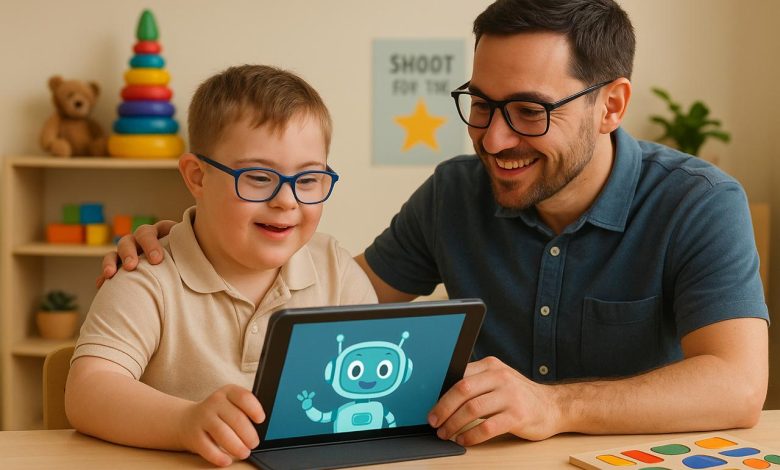
في ظل التقدم السريع في تقنيات الذكاء الاصطناعي وتوسعها في مختلف المجالات مثل التعليم والمحاماة والرعاية الصحية والإعلام نظمت جامعة القاهرة مؤتمر بعنوان أفاق الذي يهدف إلى دمج تقنية الذكاء الاصطناعي في تعليم ذوي الاحتياجات الخاصة وفي هذا السياق ظهرت عدة تساؤلات مهمة هل يمكن الاعتماد على الذكاء الاصطناعي في تعليم وتأهيل الأطفال ذوي الاحتياجات الخاصة؟ أم أنه مجرد أداة مساعدة بجانب المتخصصين والمعلمين

تصنيف ذوي الاحتياجات مهم للإستخدام الذكاء الاصطناعي

من جانبها أوضحت الدكتورة رشا أحمد أخصائية التخاطب والعلاج النفسي والسلوكي على ضرورة تصنيف فئة ذوي الاحتياجات الخاصة عند توظيف تقنيات الذكاء الاصطناعي وأشارت إلى أن بعض الحالات خاصة من يعانون من إعاقات شديدة مقترنة بتأخر لغوي أو اضطرابات نفسية قد لا يتمكنون من الاستفادة الكاملة من هذه البرامج

الذكاء الاصطناعي لا يغني عن الاخصائي

من جانبه أوضحت منه كرم الأخصائي النفسية على أهمية وجود إشراف نفسي دائم عند استخدام تقنيات الذكاء الاصطناعي مع الأطفال من ذوي الاحتياجات الخاصة وذلك لما يواجهه هؤلاء الأطفال من صعوبات نفسية وسلوكية تستلزم متابعة دقيقة من متخصصين كما أوضحت أن الذكاء الاصطناعي غير مؤهل للتعامل مع الاضطرابات النفسية العميقة التي تحتاج إلى تدخل الأخصائي بشكل مباشر وشددت على أن هذه لتقنيات لا تعتبر بديل عن الرعاية النفسية أو العلاج السلوكي بل ينبغي أن تكون وسيلة مساعدة تدعم عمل الأخصائيين النفسيين دون أن تحل محلها

تدخل الاخصائي أساسي في تأهيل الأطفال ذوي الاحتياجات الخاص                                            
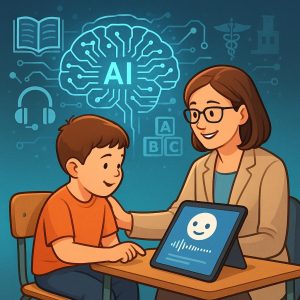
أوضحت الدكتورة إيناس الشيخ الأخصائية النفسية واستشاري أمراض التخاطب أن الذكاء الاصطناعي يمكنه المساعدة في إعداد البرامج ووضع استراتيجيات لتحقيق أهدافها لكنه لا يستطيع تنفيذ هذه الاستراتيجيات بنفسه فالتدخل البشري بظل عنصر أساسيا وخاصة عند التعامل مع الأطفال من ذوي الاحتياجات الخاصة وأضافت: الطفل في هذه الحالة يحتاج إلى من يشعر به ويتعاطف معه ويحسن التعامل معه دون الإخلال بمصلحته لذلك لا بد من وجود شخص متخصص يعرف كيف يدير حالة الطفل ويساعده في التأهيل بشكل صحيح
وتابعت حديثها قائلة ترك الطفل لفترات طويلة أمام الشاشات أو الهاتف المحمول له نفس خطورة الاعتماد الكامل على الذكاء الاصطناعي لأن الطفل يكون حينها في وضع المستقبل فقط دون تفاعل حقيقي. بينما التفاعل البشري المباشر يُعزز من فرص التواصل الاجتماعي وتنمية المهارات وفيما يخص حالات القلق المفرط عند الأطفال
كما أوضحت الدكتورة إيناس أن الذكاء الاصطناعي قد يساعد في وضع خطة علاجية وتنفيذ فيديوهات للتعرض التدريجي للمخاوف لكنه لا يمكنه تنفيذ الخطة على أرض الواقع فالتواصل الإنساني يظل ضروري خاصة في مثل هذه الحالات الحساسة
و أشارت إلى أن بعض برامج النطق المدعومة بالذكاء الاصطناعي قد تكون مفيدة في أداء بعض التمارين خاصة للأطفال من ذوي الاحتياجات الخاصة لكن من المهم أن ندرك أن كل طفل له احتياجاته وظروفه الخاصة وهذه التفاصيل لا يستطيع لذكاء الاصطناعي التعامل معها بدقة دائما
كما ان الاعتماد الكامل على الذكاء الاصطناعي في تأهيل الأطفال ذوي لاحتياجات الخاصة يحمل العديد من المخاطر لذا يجب أن يكون هناك دور فعال للأخصائي لفهم الحالة وتوجيهها بالشكل المناسب

يبقى الذكاء الاصطناعي أداة مساعدة وفعالة في تحسين تعليم وتأهيل الأطفال ذوي الاحتياجات الخاصة ولكن بشرط أن يستخدم كأداة مساعدة وليس كبديل للأخصائيين


اظهر المزيد

مقالات ذات صلة

اترك تعليقاً

لن يتم نشر عنوان بريدك الإلكتروني. الحقول الإلزامية مشار إليها بـ *

زر الذهاب إلى الأعلى