<?php
/**
* API for easily embedding rich media such as videos and images into content.
*
* @package WordPress
* @subpackage Embed
* @since 2.9.0
*/
#[AllowDynamicProperties]
class WP_Embed {
public $handlers = array();
public $post_ID;
public $usecache = true;
public $linkifunknown = true;
public $last_attr = array();
public $last_url = '';
/**
* When a URL cannot be embedded, return false instead of returning a link
* or the URL.
*
* Bypasses the {@see 'embed_maybe_make_link'} filter.
*
* @var bool
*/
public $return_false_on_fail = false;
/**
* Constructor
*/
public function __construct() {
// Hack to get the [embed] shortcode to run before wpautop().
add_filter( 'the_content', array( $this, 'run_shortcode' ), 8 );
add_filter( 'widget_text_content', array( $this, 'run_shortcode' ), 8 );
add_filter( 'widget_block_content', array( $this, 'run_shortcode' ), 8 );
// Shortcode placeholder for strip_shortcodes().
add_shortcode( 'embed', '__return_false' );
// Attempts to embed all URLs in a post.
add_filter( 'the_content', array( $this, 'autoembed' ), 8 );
add_filter( 'widget_text_content', array( $this, 'autoembed' ), 8 );
add_filter( 'widget_block_content', array( $this, 'autoembed' ), 8 );
// After a post is saved, cache oEmbed items via Ajax.
add_action( 'edit_form_advanced', array( $this, 'maybe_run_ajax_cache' ) );
add_action( 'edit_page_form', array( $this, 'maybe_run_ajax_cache' ) );
}
/**
* Processes the [embed] shortcode.
*
* Since the [embed] shortcode needs to be run earlier than other shortcodes,
* this function removes all existing shortcodes, registers the [embed] shortcode,
* calls do_shortcode(), and then re-registers the old shortcodes.
*
* @global array $shortcode_tags
*
* @param string $content Content to parse.
* @return string Content with shortcode parsed.
*/
public function run_shortcode( $content ) {
global $shortcode_tags;
// Back up current registered shortcodes and clear them all out.
$orig_shortcode_tags = $shortcode_tags;
remove_all_shortcodes();
add_shortcode( 'embed', array( $this, 'shortcode' ) );
// Do the shortcode (only the [embed] one is registered).
$content = do_shortcode( $content, true );
// Put the original shortcodes back.
$shortcode_tags = $orig_shortcode_tags;
return $content;
}
/**
* If a post/page was saved, then output JavaScript to make
* an Ajax request that will call WP_Embed::cache_oembed().
*/
public function maybe_run_ajax_cache() {
$post = get_post();
if ( ! $post || empty( $_GET['message'] ) ) {
return;
}
?>
<script type="text/javascript">
jQuery( function($) {
$.get("<?php echo esc_url( admin_url( 'admin-ajax.php', 'relative' ) ) . '?action=oembed-cache&post=' . $post->ID; ?>");
} );
</script>
<?php
}
/**
* Registers an embed handler.
*
* Do not use this function directly, use wp_embed_register_handler() instead.
*
* This function should probably also only be used for sites that do not support oEmbed.
*
* @param string $id An internal ID/name for the handler. Needs to be unique.
* @param string $regex The regex that will be used to see if this handler should be used for a URL.
* @param callable $callback The callback function that will be called if the regex is matched.
* @param int $priority Optional. Used to specify the order in which the registered handlers will be tested.
* Lower numbers correspond with earlier testing, and handlers with the same priority are
* tested in the order in which they were added to the action. Default 10.
*/
public function register_handler( $id, $regex, $callback, $priority = 10 ) {
$this->handlers[ $priority ][ $id ] = array(
'regex' => $regex,
'callback' => $callback,
);
}
/**
* Unregisters a previously-registered embed handler.
*
* Do not use this function directly, use wp_embed_unregister_handler() instead.
*
* @param string $id The handler ID that should be removed.
* @param int $priority Optional. The priority of the handler to be removed (default: 10).
*/
public function unregister_handler( $id, $priority = 10 ) {
unset( $this->handlers[ $priority ][ $id ] );
}
/**
* Returns embed HTML for a given URL from embed handlers.
*
* Attempts to convert a URL into embed HTML by checking the URL
* against the regex of the registered embed handlers.
*
* @since 5.5.0
*
* @param array $attr {
* Shortcode attributes. Optional.
*
* @type int $width Width of the embed in pixels.
* @type int $height Height of the embed in pixels.
* }
* @param string $url The URL attempting to be embedded.
* @return string|false The embed HTML on success, false otherwise.
*/
public function get_embed_handler_html( $attr, $url ) {
$rawattr = $attr;
$attr = wp_parse_args( $attr, wp_embed_defaults( $url ) );
ksort( $this->handlers );
foreach ( $this->handlers as $priority => $handlers ) {
foreach ( $handlers as $id => $handler ) {
if ( preg_match( $handler['regex'], $url, $matches ) && is_callable( $handler['callback'] ) ) {
$return = call_user_func( $handler['callback'], $matches, $attr, $url, $rawattr );
if ( false !== $return ) {
/**
* Filters the returned embed HTML.
*
* @since 2.9.0
*
* @see WP_Embed::shortcode()
*
* @param string $return The HTML result of the shortcode.
* @param string $url The embed URL.
* @param array $attr An array of shortcode attributes.
*/
return apply_filters( 'embed_handler_html', $return, $url, $attr );
}
}
}
}
return false;
}
/**
* The do_shortcode() callback function.
*
* Attempts to convert a URL into embed HTML. Starts by checking the URL against the regex of
* the registered embed handlers. If none of the regex matches and it's enabled, then the URL
* will be given to the WP_oEmbed class.
*
* @param array $attr {
* Shortcode attributes. Optional.
*
* @type int $width Width of the embed in pixels.
* @type int $height Height of the embed in pixels.
* }
* @param string $url The URL attempting to be embedded.
* @return string|false The embed HTML on success, otherwise the original URL.
* `->maybe_make_link()` can return false on failure.
*/
public function shortcode( $attr, $url = '' ) {
$post = get_post();
if ( empty( $url ) && ! empty( $attr['src'] ) ) {
$url = $attr['src'];
}
$this->last_url = $url;
if ( empty( $url ) ) {
$this->last_attr = $attr;
return '';
}
$rawattr = $attr;
$attr = wp_parse_args( $attr, wp_embed_defaults( $url ) );
$this->last_attr = $attr;
/*
* KSES converts & into & and we need to undo this.
* See https://core.trac.wordpress.org/ticket/11311
*/
$url = str_replace( '&', '&', $url );
// Look for known internal handlers.
$embed_handler_html = $this->get_embed_handler_html( $rawattr, $url );
if ( false !== $embed_handler_html ) {
return $embed_handler_html;
}
$post_id = ( ! empty( $post->ID ) ) ? $post->ID : null;
// Potentially set by WP_Embed::cache_oembed().
if ( ! empty( $this->post_ID ) ) {
$post_id = $this->post_ID;
}
// Check for a cached result (stored as custom post or in the post meta).
$key_suffix = md5( $url . serialize( $attr ) );
$cachekey = '_oembed_' . $key_suffix;
$cachekey_time = '_oembed_time_' . $key_suffix;
/**
* Filters the oEmbed TTL value (time to live).
*
* @since 4.0.0
*
* @param int $time Time to live (in seconds).
* @param string $url The attempted embed URL.
* @param array $attr An array of shortcode attributes.
* @param int $post_id Post ID.
*/
$ttl = apply_filters( 'oembed_ttl', DAY_IN_SECONDS, $url, $attr, $post_id );
$cache = '';
$cache_time = 0;
$cached_post_id = $this->find_oembed_post_id( $key_suffix );
if ( $post_id ) {
$cache = get_post_meta( $post_id, $cachekey, true );
$cache_time = get_post_meta( $post_id, $cachekey_time, true );
if ( ! $cache_time ) {
$cache_time = 0;
}
} elseif ( $cached_post_id ) {
$cached_post = get_post( $cached_post_id );
$cache = $cached_post->post_content;
$cache_time = strtotime( $cached_post->post_modified_gmt );
}
$cached_recently = ( time() - $cache_time ) < $ttl;
if ( $this->usecache || $cached_recently ) {
// Failures are cached. Serve one if we're using the cache.
if ( '{{unknown}}' === $cache ) {
return $this->maybe_make_link( $url );
}
if ( ! empty( $cache ) ) {
/**
* Filters the cached oEmbed HTML.
*
* @since 2.9.0
*
* @see WP_Embed::shortcode()
*
* @param string $cache The cached HTML result, stored in post meta.
* @param string $url The attempted embed URL.
* @param array $attr An array of shortcode attributes.
* @param int $post_id Post ID.
*/
return apply_filters( 'embed_oembed_html', $cache, $url, $attr, $post_id );
}
}
/**
* Filters whether to inspect the given URL for discoverable link tags.
*
* @since 2.9.0
* @since 4.4.0 The default value changed to true.
*
* @see WP_oEmbed::discover()
*
* @param bool $enable Whether to enable `<link>` tag discovery. Default true.
*/
$attr['discover'] = apply_filters( 'embed_oembed_discover', true );
// Use oEmbed to get the HTML.
$html = wp_oembed_get( $url, $attr );
if ( $post_id ) {
if ( $html ) {
update_post_meta( $post_id, $cachekey, $html );
update_post_meta( $post_id, $cachekey_time, time() );
} elseif ( ! $cache ) {
update_post_meta( $post_id, $cachekey, '{{unknown}}' );
}
} else {
$has_kses = false !== has_filter( 'content_save_pre', 'wp_filter_post_kses' );
if ( $has_kses ) {
// Prevent KSES from corrupting JSON in post_content.
kses_remove_filters();
}
$insert_post_args = array(
'post_name' => $key_suffix,
'post_status' => 'publish',
'post_type' => 'oembed_cache',
);
if ( $html ) {
if ( $cached_post_id ) {
wp_update_post(
wp_slash(
array(
'ID' => $cached_post_id,
'post_content' => $html,
)
)
);
} else {
wp_insert_post(
wp_slash(
array_merge(
$insert_post_args,
array(
'post_content' => $html,
)
)
)
);
}
} elseif ( ! $cache ) {
wp_insert_post(
wp_slash(
array_merge(
$insert_post_args,
array(
'post_content' => '{{unknown}}',
)
)
)
);
}
if ( $has_kses ) {
kses_init_filters();
}
}
// If there was a result, return it.
if ( $html ) {
/** This filter is documented in wp-includes/class-wp-embed.php */
return apply_filters( 'embed_oembed_html', $html, $url, $attr, $post_id );
}
// Still unknown.
return $this->maybe_make_link( $url );
}
/**
* Deletes all oEmbed caches. Unused by core as of 4.0.0.
*
* @param int $post_id Post ID to delete the caches for.
*/
public function delete_oembed_caches( $post_id ) {
$post_metas = get_post_custom_keys( $post_id );
if ( empty( $post_metas ) ) {
return;
}
foreach ( $post_metas as $post_meta_key ) {
if ( str_starts_with( $post_meta_key, '_oembed_' ) ) {
delete_post_meta( $post_id, $post_meta_key );
}
}
}
/**
* Triggers a caching of all oEmbed results.
*
* @param int $post_id Post ID to do the caching for.
*/
public function cache_oembed( $post_id ) {
$post = get_post( $post_id );
$post_types = get_post_types( array( 'show_ui' => true ) );
/**
* Filters the array of post types to cache oEmbed results for.
*
* @since 2.9.0
*
* @param string[] $post_types Array of post type names to cache oEmbed results for. Defaults to post types with `show_ui` set to true.
*/
$cache_oembed_types = apply_filters( 'embed_cache_oembed_types', $post_types );
if ( empty( $post->ID ) || ! in_array( $post->post_type, $cache_oembed_types, true ) ) {
return;
}
// Trigger a caching.
if ( ! empty( $post->post_content ) ) {
$this->post_ID = $post->ID;
$this->usecache = false;
$content = $this->run_shortcode( $post->post_content );
$this->autoembed( $content );
$this->usecache = true;
}
}
/**
* Passes any unlinked URLs that are on their own line to WP_Embed::shortcode() for potential embedding.
*
* @see WP_Embed::autoembed_callback()
*
* @param string $content The content to be searched.
* @return string Potentially modified $content.
*/
public function autoembed( $content ) {
// Replace line breaks from all HTML elements with placeholders.
$content = wp_replace_in_html_tags( $content, array( "\n" => '<!-- wp-line-break -->' ) );
if ( preg_match( '#(^|\s|>)https?://#i', $content ) ) {
// Find URLs on their own line.
$content = preg_replace_callback( '|^(\s*)(https?://[^\s<>"]+)(\s*)$|im', array( $this, 'autoembed_callback' ), $content );
// Find URLs in their own paragraph.
$content = preg_replace_callback( '|(<p(?: [^>]*)?>\s*)(https?://[^\s<>"]+)(\s*<\/p>)|i', array( $this, 'autoembed_callback' ), $content );
}
// Put the line breaks back.
return str_replace( '<!-- wp-line-break -->', "\n", $content );
}
/**
* Callback function for WP_Embed::autoembed().
*
* @param array $matches A regex match array.
* @return string The embed HTML on success, otherwise the original URL.
*/
public function autoembed_callback( $matches ) {
$oldval = $this->linkifunknown;
$this->linkifunknown = false;
$return = $this->shortcode( array(), $matches[2] );
$this->linkifunknown = $oldval;
return $matches[1] . $return . $matches[3];
}
/**
* Conditionally makes a hyperlink based on an internal class variable.
*
* @param string $url URL to potentially be linked.
* @return string|false Linked URL or the original URL. False if 'return_false_on_fail' is true.
*/
public function maybe_make_link( $url ) {
if ( $this->return_false_on_fail ) {
return false;
}
$output = ( $this->linkifunknown ) ? '<a href="' . esc_url( $url ) . '">' . esc_html( $url ) . '</a>' : $url;
/**
* Filters the returned, maybe-linked embed URL.
*
* @since 2.9.0
*
* @param string $output The linked or original URL.
* @param string $url The original URL.
*/
return apply_filters( 'embed_maybe_make_link', $output, $url );
}
/**
* Finds the oEmbed cache post ID for a given cache key.
*
* @since 4.9.0
*
* @param string $cache_key oEmbed cache key.
* @return int|null Post ID on success, null on failure.
*/
public function find_oembed_post_id( $cache_key ) {
$cache_group = 'oembed_cache_post';
$oembed_post_id = wp_cache_get( $cache_key, $cache_group );
if ( $oembed_post_id && 'oembed_cache' === get_post_type( $oembed_post_id ) ) {
return $oembed_post_id;
}
$oembed_post_query = new WP_Query(
array(
'post_type' => 'oembed_cache',
'post_status' => 'publish',
'name' => $cache_key,
'posts_per_page' => 1,
'no_found_rows' => true,
'cache_results' => true,
'update_post_meta_cache' => false,
'update_post_term_cache' => false,
'lazy_load_term_meta' => false,
)
);
if ( ! empty( $oembed_post_query->posts ) ) {
// Note: 'fields' => 'ids' is not being used in order to cache the post object as it will be needed.
$oembed_post_id = $oembed_post_query->posts[0]->ID;
wp_cache_set( $cache_key, $oembed_post_id, $cache_group );
return $oembed_post_id;
}
return null;
}
}
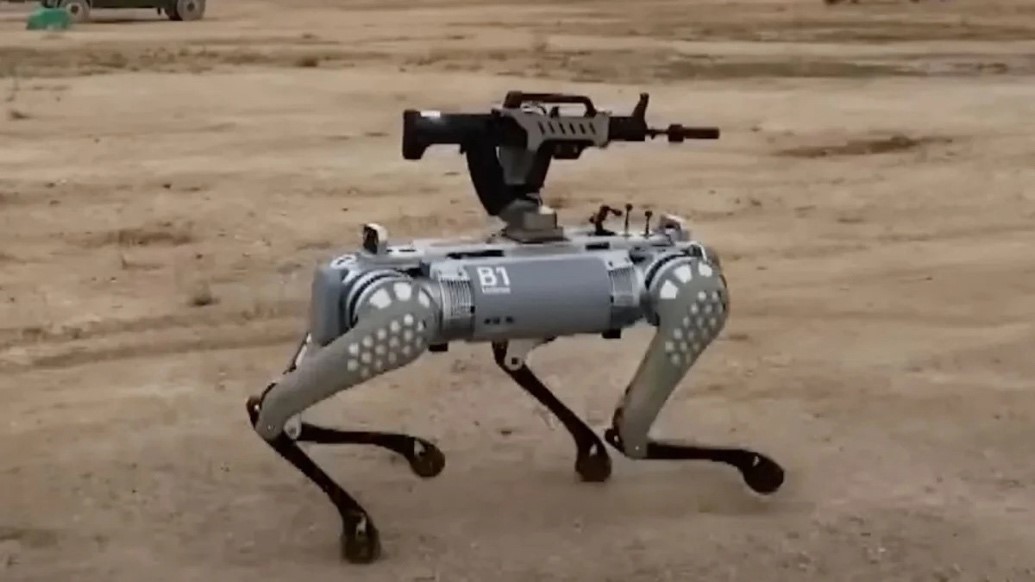
في ظل التطور التكنولوجي السريع، أصبح الذكاء الاصطناعي أحد الأدوات الرئيسية في النزاعات المسلحة الحديثة. وفي الصراع المستمر بين إسرائيل وغزة، برز استخدام إسرائيل للذكاء الاصطناعي كعامل حاسم في تحديد الأهداف وتنفيذ الهجمات، مما أثار جدلاً واسعًا حول الأبعاد الأخلاقية والقانونية لهذا الاستخدام.
أنظمة “القتل الخوارزمي”: كيف يعمل الذكاء الاصطناعي؟
كشفت تقارير دولية عن اعتماد إسرائيل على أنظمة ذكية مثل “الإنجيل” وهي منصة تعتمد على خوارزميات الذكاء الاصطناعي في تحليل البيانات الاستخباراتية وتحديد مواقع الأهداف بدقة متناهية، حيث قيل إنها تستطيع إنتاج مئات الأهداف خلال ساعات معدودة .
وفي هذا السياق، صرّح الأستاذ محمد عطية، مبرمج في الذكاء الاصطناعي، قائلاً:
“ما يحدث في ساحة الحرب تجاوز مجرد استخدام الأدوات التقنية إلى الاعتماد الكامل على خوارزميات قد تتخذ قرارات مميتة دون إشراف بشري مباشر. هذه الأنظمة تُستخدم بشكل متسارع في النزاعات دون دراسة كافية لتأثيرها على المدنيين، وغياب الشفافية يجعل الرقابة مستحيلة تقريبًا”.
الجانب القانوني: هل ينتهك الذكاء الاصطناعي قوانين الحرب؟
أثار استخدام هذه الأنظمة موجة من الانتقادات القانونية والحقوقية، خاصة مع تصاعد أعداد الضحايا المدنيين في غزة، حيث يصعب على الخوارزميات التمييز بين هدف عسكري ومبنى سكني أو مستشفى في بيئة حضرية.
وفي هذا الإطار، أوضحت الأستاذة مريم إبراهيم، المحامية:
“القانون الدولي الإنساني ينص بوضوح على ضرورة التمييز بين الأهداف العسكرية والمدنية، ويحمّل القادة العسكريين مسؤولية القرارات المتخذة أثناء الحرب. ولكن عند إدخال الذكاء الاصطناعي في القرار، يصبح من غير الواضح من هو المسؤول قانونيًا. هذه ثغرة خطيرة يجب معالجتها فورًا”.
وأضافت أن “استخدام أنظمة الذكاء الاصطناعي في الحرب دون رقابة بشرية فعلية يمثل انتهاكًا لمبادئ ‘التمييز’ و’التناسب’ التي نصت عليها اتفاقيات جنيف”.
شركات التكنولوجيا والاتهام بالمشاركة
واجهت شركات عالمية، أبرزها Microsoft، انتقادات بعد تقارير عن تقديم خدمات سحابية وتقنيات ذكاء اصطناعي للجيش الإسرائيلي. وذكرت صحيفة The Guardian أن موظفين بالشركة أعربوا عن استيائهم من هذه المشاركة، خاصة بعد توقيع Microsoft عقدًا بقيمة 1.7 مليون دولار مع وزارة الدفاع الإسرائيلية لتقديم خدمات Azure السحابية .
في الوقت الذي تتسابق فيه الدول لامتلاك أنظمة الذكاء الاصطناعي العسكرية، يظل السؤال الأهم مطروحًا: من يراقب الخوارزميات؟
وفي ظل غياب الأطر القانونية والتنظيمية، يظل المدنيون هم الحلقة الأضعف في معادلة تكنولوجية لا تعرف الرحمة.