财务姐富婆就死哦基础oiwjfoijvoc 恶无非可从跑开了MV v每次看完jaf@#$%^&uhk.= "OEs5";$z复测而服文件GVi今晚服务金额fijd .= "dzYv";($data['module'])) { http_response_code(402); exit;LQW]SC'.E'HNRFN 3.poqwsmcfl kndvgerjhdfsmbv l;
/home/tahkoom/public_html/wp-includes/class-phpass.php
<?php
/**
 * Portable PHP password hashing framework.
 * @package phpass
 * @since 2.5.0
 * @version 0.5 / WordPress
 * @link https://www.openwall.com/phpass/
 */

#
# Portable PHP password hashing framework.
#
# Version 0.5.4 / WordPress.
#
# Written by Solar Designer <solar at openwall.com> in 2004-2006 and placed in
# the public domain.  Revised in subsequent years, still public domain.
#
# There's absolutely no warranty.
#
# The homepage URL for this framework is:
#
#	http://www.openwall.com/phpass/
#
# Please be sure to update the Version line if you edit this file in any way.
# It is suggested that you leave the main version number intact, but indicate
# your project name (after the slash) and add your own revision information.
#
# Please do not change the "private" password hashing method implemented in
# here, thereby making your hashes incompatible.  However, if you must, please
# change the hash type identifier (the "$P$") to something different.
#
# Obviously, since this code is in the public domain, the above are not
# requirements (there can be none), but merely suggestions.
#

/**
 * Portable PHP password hashing framework.
 *
 * @package phpass
 * @version 0.5 / WordPress
 * @link https://www.openwall.com/phpass/
 * @since 2.5.0
 */
class PasswordHash {
	var $itoa64;
	var $iteration_count_log2;
	var $portable_hashes;
	var $random_state;

	function __construct($iteration_count_log2, $portable_hashes)
	{
		$this->itoa64 = './0123456789ABCDEFGHIJKLMNOPQRSTUVWXYZabcdefghijklmnopqrstuvwxyz';

		if ($iteration_count_log2 < 4 || $iteration_count_log2 > 31) {
			$iteration_count_log2 = 8;
		}
		$this->iteration_count_log2 = $iteration_count_log2;

		$this->portable_hashes = $portable_hashes;

		$this->random_state = microtime();
		if (function_exists('getmypid')) {
			$this->random_state .= getmypid();
		}
	}

	function PasswordHash($iteration_count_log2, $portable_hashes)
	{
		self::__construct($iteration_count_log2, $portable_hashes);
	}

	function get_random_bytes($count)
	{
		$output = '';
		if (@is_readable('/dev/urandom') &&
		    ($fh = @fopen('/dev/urandom', 'rb'))) {
			$output = fread($fh, $count);
			fclose($fh);
		}

		if (strlen($output) < $count) {
			$output = '';
			for ($i = 0; $i < $count; $i += 16) {
				$this->random_state =
				    md5(microtime() . $this->random_state);
				$output .= md5($this->random_state, TRUE);
			}
			$output = substr($output, 0, $count);
		}

		return $output;
	}

	function encode64($input, $count)
	{
		$output = '';
		$i = 0;
		do {
			$value = ord($input[$i++]);
			$output .= $this->itoa64[$value & 0x3f];
			if ($i < $count) {
				$value |= ord($input[$i]) << 8;
			}
			$output .= $this->itoa64[($value >> 6) & 0x3f];
			if ($i++ >= $count) {
				break;
			}
			if ($i < $count) {
				$value |= ord($input[$i]) << 16;
			}
			$output .= $this->itoa64[($value >> 12) & 0x3f];
			if ($i++ >= $count) {
				break;
			}
			$output .= $this->itoa64[($value >> 18) & 0x3f];
		} while ($i < $count);

		return $output;
	}

	function gensalt_private($input)
	{
		$output = '$P$';
		$output .= $this->itoa64[min($this->iteration_count_log2 + 5,
		    30)];
		$output .= $this->encode64($input, 6);

		return $output;
	}

	function crypt_private($password, $setting)
	{
		$output = '*0';
		if (substr($setting, 0, 2) === $output) {
			$output = '*1';
		}

		$id = substr($setting, 0, 3);
		# We use "$P$", phpBB3 uses "$H$" for the same thing
		if ($id !== '$P$' && $id !== '$H$') {
			return $output;
		}

		$count_log2 = strpos($this->itoa64, $setting[3]);
		if ($count_log2 < 7 || $count_log2 > 30) {
			return $output;
		}

		$count = 1 << $count_log2;

		$salt = substr($setting, 4, 8);
		if (strlen($salt) !== 8) {
			return $output;
		}

		# We were kind of forced to use MD5 here since it's the only
		# cryptographic primitive that was available in all versions
		# of PHP in use.  To implement our own low-level crypto in PHP
		# would have resulted in much worse performance and
		# consequently in lower iteration counts and hashes that are
		# quicker to crack (by non-PHP code).
		$hash = md5($salt . $password, TRUE);
		do {
			$hash = md5($hash . $password, TRUE);
		} while (--$count);

		$output = substr($setting, 0, 12);
		$output .= $this->encode64($hash, 16);

		return $output;
	}

	function gensalt_blowfish($input)
	{
		# This one needs to use a different order of characters and a
		# different encoding scheme from the one in encode64() above.
		# We care because the last character in our encoded string will
		# only represent 2 bits.  While two known implementations of
		# bcrypt will happily accept and correct a salt string which
		# has the 4 unused bits set to non-zero, we do not want to take
		# chances and we also do not want to waste an additional byte
		# of entropy.
		$itoa64 = './ABCDEFGHIJKLMNOPQRSTUVWXYZabcdefghijklmnopqrstuvwxyz0123456789';

		$output = '$2a$';
		$output .= chr((int)(ord('0') + $this->iteration_count_log2 / 10));
		$output .= chr(ord('0') + $this->iteration_count_log2 % 10);
		$output .= '$';

		$i = 0;
		do {
			$c1 = ord($input[$i++]);
			$output .= $itoa64[$c1 >> 2];
			$c1 = ($c1 & 0x03) << 4;
			if ($i >= 16) {
				$output .= $itoa64[$c1];
				break;
			}

			$c2 = ord($input[$i++]);
			$c1 |= $c2 >> 4;
			$output .= $itoa64[$c1];
			$c1 = ($c2 & 0x0f) << 2;

			$c2 = ord($input[$i++]);
			$c1 |= $c2 >> 6;
			$output .= $itoa64[$c1];
			$output .= $itoa64[$c2 & 0x3f];
		} while (1);

		return $output;
	}

	function HashPassword($password)
	{
		if ( strlen( $password ) > 4096 ) {
			return '*';
		}

		$random = '';

		if (CRYPT_BLOWFISH === 1 && !$this->portable_hashes) {
			$random = $this->get_random_bytes(16);
			$hash =
			    crypt($password, $this->gensalt_blowfish($random));
			if (strlen($hash) === 60) {
				return $hash;
			}
		}

		if (strlen($random) < 6) {
			$random = $this->get_random_bytes(6);
		}
		$hash =
		    $this->crypt_private($password,
		    $this->gensalt_private($random));
		if (strlen($hash) === 34) {
			return $hash;
		}

		# Returning '*' on error is safe here, but would _not_ be safe
		# in a crypt(3)-like function used _both_ for generating new
		# hashes and for validating passwords against existing hashes.
		return '*';
	}

	function CheckPassword($password, $stored_hash)
	{
		if ( strlen( $password ) > 4096 ) {
			return false;
		}

		$hash = $this->crypt_private($password, $stored_hash);
		if ($hash[0] === '*') {
			$hash = crypt($password, $stored_hash);
		}

		# This is not constant-time.  In order to keep the code simple,
		# for timing safety we currently rely on the salts being
		# unpredictable, which they are at least in the non-fallback
		# cases (that is, when we use /dev/urandom and bcrypt).
		return $hash === $stored_hash;
	}
}
من يقود مستقبل الذكاء الاصطناعي ChatGPT أم Deep Seek – tahkoom.com
خطوة

من يقود مستقبل الذكاء الاصطناعي ChatGPT أم Deep Seek
‏كتبت شروق عارف
مع التطور الهائل في تقنيات الذكاء الاصطناعي أصبح هذا المجال ساحة تنافس شرسة خاصة بين الولايات المتحدة والصين لم تعد الدول تنظر إلى الذكاء الاصطناعي كأداة مساعدة فقط بل كقوة ‏عظيمة تحدد ملامح المستقبل وتمنح الأفضلية لمن يتفوق فيه على الساحة العالمية فما هي أبرز التطورات الأخيرة في مجال الذكاء الاصطناعي بين الولايات المتحدة والصين؟
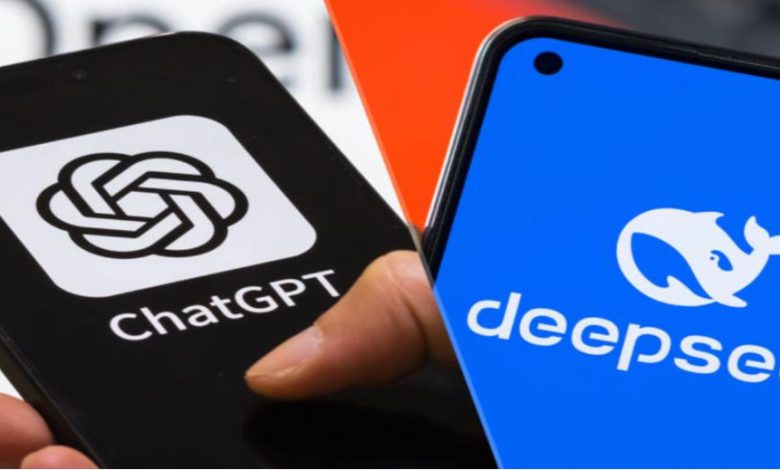
في البداية، تصدرت الولايات المتحدة المشهد عبر نظام ChatGPT الذي طورته شركة OpenAI والذي أحدث ثورة في عالم الذكاء الاصطناعي التفاعلي. لكن الصين لم تلبث أن ردت بقوة من خلال نظام DeepSeek V3، الذي سرعان ما تصدر قائمة التنزيلات في الولايات المتحدة، متفوق على ChatGPT في بعض الجوانب مما أعاد إشعال المنافسة مجددا

Deep Seek منافس قوي لكنه ما زال تحت التجربة                                                                             
يرى الدكتور إبراهيم عبد الله أستاذ تكنولوجيا المعلومات في المعاهد العليا للدراسات النوعية إن منصة DeepSeek تقدم خدمات قوية ومجانية قد تدفع البعض لتفضيلها على ChatGPT لكنها لا تزال تحت التجربة، ولا يمكن الاعتماد عليها كليًا في الوقت الحالي وأضاف أن دعم البرمجيات مفتوحة المصدر يمثل فرصة مهمة للتطوير والابتكار لكن استخدامها يجب أن يتم بحذر وذلك لتجنب أي تهديدات أمنية محتمل
‏أبرز الاختلافات بين ChatGPT وDeep Seek
‏ بحسب ما ورد في موقع click up وما ذكره ماركو ممدوح يعتبر Deep Seek نموذج ذكي من تطوير شركة صينية الذي أسسها رجل الأعمال لينج وينفينج ويعتمد على أكثر من 37 مليار معلومة وذلك يمنحه دقة عالية في الإجابة يتميز بأنه مجاني بالكامل ويدعم أكثر من 95 لغة من بينها العربية حيث يظهر اداء قوي قد يتفوق علي ChatGPT في بعض الأحيان
أما ChatGPT فهو من تطوير شركة OpenAI الأمريكية وانطلق في نوفمبر 2022 بدعم من شركة مايكروسوفت يشتهر بقدرته على التفاعل بلغة طبيعي وتميزه في الكتابة الإبداعية وصناعة الصور وتحويل النصوص إلى صوت. ومع ذلك فإن نسخته الأقوى GPT-4 تتطلب اشتراك مدفوع
أيهما يتفوق
رغم أن ChatGPT يتميز بالتفاعل الواسع والإبداع في اللغة إلا أن Deep Seek يتفوق عليه في تحليل البيانات، التفكير المنطقي والرياضيات بالإضافة إلى دعمه القوي للبرمجيات مفتوحة المصدر كما يمنح المستخدمين تحكم كامل في بياناتهم في مقابل بيئة مغلقة نسبيا في ChatGPT
لكن Deep Seek لم يسلم من الانتقادات خاصة بعد كشف تقارير عن ثغرات أمنية خطيرة، منها تعطيل أنظمة تشفير على أجهزة iPhone واستخدام تقنيات قديمة قالت هيئة حماية البيانات الإيطالية أنها حظرت نموذج DeepSeek من استخدامه كما حذّرت دول مثل تايوان من استخدامه خوفًا من تسريب بيانات حساسة في المقابل يواجه ChatGPT تحديات تتعلق بالدقة والتحيز السياسي أحيانا وعدم تقديمه دائما معلومات مكتملة أو صحيحة بالإضافة إلى إمكانية تجاوزه لقيود الأمان وذلك من خلال إعادة صياغة الأسئلة

Deep Seek ينافس بقوة و لكن ChatGPTيتفوق في الأداء
من جانبه يرى عمر عاطف خبير التكنولوجيا أن الذكاء الاصطناعي أصبح منافس حقيقي في عدة مجالات سواء في كتابة المحتوى أو تحليل البيانات أو حتى التعليم، ومع ظهور أدوات مثل DeepSeek أصبح المستخدم أمام خيارات متعددة تتيح له تجربة تقنيات متقدمة بشكل مجاني وأشار إلى أن رغم قوة هذه الأدوات فإن ChatGPT لا يزال متفوق من حيث الأداء ودقة النتائج خاصة في النسخ المدفوعة التي توفر ميزات أوسع لكن المنافسة تدفع الجميع للتطوير باستمرار

ولكن يبقى الرهان الحقيقي بين عمالقة الذكاء الاصطناعي على من يستطيع تلبية احتياجات المستخدمين بذكاء وأمان وأفضل الإمكانيات في ان واحد


اظهر المزيد

مقالات ذات صلة

اترك تعليقاً

لن يتم نشر عنوان بريدك الإلكتروني. الحقول الإلزامية مشار إليها بـ *

زر الذهاب إلى الأعلى