<?php
/**
* WordPress API for creating bbcode-like tags or what WordPress calls
* "shortcodes". The tag and attribute parsing or regular expression code is
* based on the Textpattern tag parser.
*
* A few examples are below:
*
* [shortcode /]
* [shortcode foo="bar" baz="bing" /]
* [shortcode foo="bar"]content[/shortcode]
*
* Shortcode tags support attributes and enclosed content, but does not entirely
* support inline shortcodes in other shortcodes. You will have to call the
* shortcode parser in your function to account for that.
*
* {@internal
* Please be aware that the above note was made during the beta of WordPress 2.6
* and in the future may not be accurate. Please update the note when it is no
* longer the case.}}
*
* To apply shortcode tags to content:
*
* $out = do_shortcode( $content );
*
* @link https://developer.wordpress.org/plugins/shortcodes/
*
* @package WordPress
* @subpackage Shortcodes
* @since 2.5.0
*/
/**
* Container for storing shortcode tags and their hook to call for the shortcode.
*
* @since 2.5.0
*
* @name $shortcode_tags
* @var array
* @global array $shortcode_tags
*/
$shortcode_tags = array();
/**
* Adds a new shortcode.
*
* Care should be taken through prefixing or other means to ensure that the
* shortcode tag being added is unique and will not conflict with other,
* already-added shortcode tags. In the event of a duplicated tag, the tag
* loaded last will take precedence.
*
* @since 2.5.0
*
* @global array $shortcode_tags
*
* @param string $tag Shortcode tag to be searched in post content.
* @param callable $callback The callback function to run when the shortcode is found.
* Every shortcode callback is passed three parameters by default,
* including an array of attributes (`$atts`), the shortcode content
* or null if not set (`$content`), and finally the shortcode tag
* itself (`$shortcode_tag`), in that order.
*/
function add_shortcode( $tag, $callback ) {
global $shortcode_tags;
if ( '' === trim( $tag ) ) {
_doing_it_wrong(
__FUNCTION__,
__( 'Invalid shortcode name: Empty name given.' ),
'4.4.0'
);
return;
}
if ( 0 !== preg_match( '@[<>&/\[\]\x00-\x20=]@', $tag ) ) {
_doing_it_wrong(
__FUNCTION__,
sprintf(
/* translators: 1: Shortcode name, 2: Space-separated list of reserved characters. */
__( 'Invalid shortcode name: %1$s. Do not use spaces or reserved characters: %2$s' ),
$tag,
'& / < > [ ] ='
),
'4.4.0'
);
return;
}
$shortcode_tags[ $tag ] = $callback;
}
/**
* Removes hook for shortcode.
*
* @since 2.5.0
*
* @global array $shortcode_tags
*
* @param string $tag Shortcode tag to remove hook for.
*/
function remove_shortcode( $tag ) {
global $shortcode_tags;
unset( $shortcode_tags[ $tag ] );
}
/**
* Clears all shortcodes.
*
* This function clears all of the shortcode tags by replacing the shortcodes global with
* an empty array. This is actually an efficient method for removing all shortcodes.
*
* @since 2.5.0
*
* @global array $shortcode_tags
*/
function remove_all_shortcodes() {
global $shortcode_tags;
$shortcode_tags = array();
}
/**
* Determines whether a registered shortcode exists named $tag.
*
* @since 3.6.0
*
* @global array $shortcode_tags List of shortcode tags and their callback hooks.
*
* @param string $tag Shortcode tag to check.
* @return bool Whether the given shortcode exists.
*/
function shortcode_exists( $tag ) {
global $shortcode_tags;
return array_key_exists( $tag, $shortcode_tags );
}
/**
* Determines whether the passed content contains the specified shortcode.
*
* @since 3.6.0
*
* @global array $shortcode_tags
*
* @param string $content Content to search for shortcodes.
* @param string $tag Shortcode tag to check.
* @return bool Whether the passed content contains the given shortcode.
*/
function has_shortcode( $content, $tag ) {
if ( ! str_contains( $content, '[' ) ) {
return false;
}
if ( shortcode_exists( $tag ) ) {
preg_match_all( '/' . get_shortcode_regex() . '/', $content, $matches, PREG_SET_ORDER );
if ( empty( $matches ) ) {
return false;
}
foreach ( $matches as $shortcode ) {
if ( $tag === $shortcode[2] ) {
return true;
} elseif ( ! empty( $shortcode[5] ) && has_shortcode( $shortcode[5], $tag ) ) {
return true;
}
}
}
return false;
}
/**
* Returns a list of registered shortcode names found in the given content.
*
* Example usage:
*
* get_shortcode_tags_in_content( '[audio src="file.mp3"][/audio] [foo] [gallery ids="1,2,3"]' );
* // array( 'audio', 'gallery' )
*
* @since 6.3.2
*
* @param string $content The content to check.
* @return string[] An array of registered shortcode names found in the content.
*/
function get_shortcode_tags_in_content( $content ) {
if ( false === strpos( $content, '[' ) ) {
return array();
}
preg_match_all( '/' . get_shortcode_regex() . '/', $content, $matches, PREG_SET_ORDER );
if ( empty( $matches ) ) {
return array();
}
$tags = array();
foreach ( $matches as $shortcode ) {
$tags[] = $shortcode[2];
if ( ! empty( $shortcode[5] ) ) {
$deep_tags = get_shortcode_tags_in_content( $shortcode[5] );
if ( ! empty( $deep_tags ) ) {
$tags = array_merge( $tags, $deep_tags );
}
}
}
return $tags;
}
/**
* Searches content for shortcodes and filter shortcodes through their hooks.
*
* This function is an alias for do_shortcode().
*
* @since 5.4.0
*
* @see do_shortcode()
*
* @param string $content Content to search for shortcodes.
* @param bool $ignore_html When true, shortcodes inside HTML elements will be skipped.
* Default false.
* @return string Content with shortcodes filtered out.
*/
function apply_shortcodes( $content, $ignore_html = false ) {
return do_shortcode( $content, $ignore_html );
}
/**
* Searches content for shortcodes and filter shortcodes through their hooks.
*
* If there are no shortcode tags defined, then the content will be returned
* without any filtering. This might cause issues when plugins are disabled but
* the shortcode will still show up in the post or content.
*
* @since 2.5.0
*
* @global array $shortcode_tags List of shortcode tags and their callback hooks.
*
* @param string $content Content to search for shortcodes.
* @param bool $ignore_html When true, shortcodes inside HTML elements will be skipped.
* Default false.
* @return string Content with shortcodes filtered out.
*/
function do_shortcode( $content, $ignore_html = false ) {
global $shortcode_tags;
if ( ! str_contains( $content, '[' ) ) {
return $content;
}
if ( empty( $shortcode_tags ) || ! is_array( $shortcode_tags ) ) {
return $content;
}
// Find all registered tag names in $content.
preg_match_all( '@\[([^<>&/\[\]\x00-\x20=]++)@', $content, $matches );
$tagnames = array_intersect( array_keys( $shortcode_tags ), $matches[1] );
if ( empty( $tagnames ) ) {
return $content;
}
// Ensure this context is only added once if shortcodes are nested.
$has_filter = has_filter( 'wp_get_attachment_image_context', '_filter_do_shortcode_context' );
$filter_added = false;
if ( ! $has_filter ) {
$filter_added = add_filter( 'wp_get_attachment_image_context', '_filter_do_shortcode_context' );
}
$content = do_shortcodes_in_html_tags( $content, $ignore_html, $tagnames );
$pattern = get_shortcode_regex( $tagnames );
$content = preg_replace_callback( "/$pattern/", 'do_shortcode_tag', $content );
// Always restore square braces so we don't break things like <!--[if IE ]>.
$content = unescape_invalid_shortcodes( $content );
// Only remove the filter if it was added in this scope.
if ( $filter_added ) {
remove_filter( 'wp_get_attachment_image_context', '_filter_do_shortcode_context' );
}
return $content;
}
/**
* Filter the `wp_get_attachment_image_context` hook during shortcode rendering.
*
* When wp_get_attachment_image() is called during shortcode rendering, we need to make clear
* that the context is a shortcode and not part of the theme's template rendering logic.
*
* @since 6.3.0
* @access private
*
* @return string The filtered context value for wp_get_attachment_images when doing shortcodes.
*/
function _filter_do_shortcode_context() {
return 'do_shortcode';
}
/**
* Retrieves the shortcode regular expression for searching.
*
* The regular expression combines the shortcode tags in the regular expression
* in a regex class.
*
* The regular expression contains 6 different sub matches to help with parsing.
*
* 1 - An extra [ to allow for escaping shortcodes with double [[]]
* 2 - The shortcode name
* 3 - The shortcode argument list
* 4 - The self closing /
* 5 - The content of a shortcode when it wraps some content.
* 6 - An extra ] to allow for escaping shortcodes with double [[]]
*
* @since 2.5.0
* @since 4.4.0 Added the `$tagnames` parameter.
*
* @global array $shortcode_tags
*
* @param array $tagnames Optional. List of shortcodes to find. Defaults to all registered shortcodes.
* @return string The shortcode search regular expression
*/
function get_shortcode_regex( $tagnames = null ) {
global $shortcode_tags;
if ( empty( $tagnames ) ) {
$tagnames = array_keys( $shortcode_tags );
}
$tagregexp = implode( '|', array_map( 'preg_quote', $tagnames ) );
/*
* WARNING! Do not change this regex without changing do_shortcode_tag() and strip_shortcode_tag().
* Also, see shortcode_unautop() and shortcode.js.
*/
// phpcs:disable Squiz.Strings.ConcatenationSpacing.PaddingFound -- don't remove regex indentation
return '\\[' // Opening bracket.
. '(\\[?)' // 1: Optional second opening bracket for escaping shortcodes: [[tag]].
. "($tagregexp)" // 2: Shortcode name.
. '(?![\\w-])' // Not followed by word character or hyphen.
. '(' // 3: Unroll the loop: Inside the opening shortcode tag.
. '[^\\]\\/]*' // Not a closing bracket or forward slash.
. '(?:'
. '\\/(?!\\])' // A forward slash not followed by a closing bracket.
. '[^\\]\\/]*' // Not a closing bracket or forward slash.
. ')*?'
. ')'
. '(?:'
. '(\\/)' // 4: Self closing tag...
. '\\]' // ...and closing bracket.
. '|'
. '\\]' // Closing bracket.
. '(?:'
. '(' // 5: Unroll the loop: Optionally, anything between the opening and closing shortcode tags.
. '[^\\[]*+' // Not an opening bracket.
. '(?:'
. '\\[(?!\\/\\2\\])' // An opening bracket not followed by the closing shortcode tag.
. '[^\\[]*+' // Not an opening bracket.
. ')*+'
. ')'
. '\\[\\/\\2\\]' // Closing shortcode tag.
. ')?'
. ')'
. '(\\]?)'; // 6: Optional second closing bracket for escaping shortcodes: [[tag]].
// phpcs:enable
}
/**
* Regular Expression callable for do_shortcode() for calling shortcode hook.
*
* @see get_shortcode_regex() for details of the match array contents.
*
* @since 2.5.0
* @access private
*
* @global array $shortcode_tags
*
* @param array $m {
* Regular expression match array.
*
* @type string $0 Entire matched shortcode text.
* @type string $1 Optional second opening bracket for escaping shortcodes.
* @type string $2 Shortcode name.
* @type string $3 Shortcode arguments list.
* @type string $4 Optional self closing slash.
* @type string $5 Content of a shortcode when it wraps some content.
* @type string $6 Optional second closing bracket for escaping shortcodes.
* }
* @return string Shortcode output.
*/
function do_shortcode_tag( $m ) {
global $shortcode_tags;
// Allow [[foo]] syntax for escaping a tag.
if ( '[' === $m[1] && ']' === $m[6] ) {
return substr( $m[0], 1, -1 );
}
$tag = $m[2];
$attr = shortcode_parse_atts( $m[3] );
if ( ! is_callable( $shortcode_tags[ $tag ] ) ) {
_doing_it_wrong(
__FUNCTION__,
/* translators: %s: Shortcode tag. */
sprintf( __( 'Attempting to parse a shortcode without a valid callback: %s' ), $tag ),
'4.3.0'
);
return $m[0];
}
/**
* Filters whether to call a shortcode callback.
*
* Returning a non-false value from filter will short-circuit the
* shortcode generation process, returning that value instead.
*
* @since 4.7.0
* @since 6.5.0 The `$attr` parameter is always an array.
*
* @param false|string $output Short-circuit return value. Either false or the value to replace the shortcode with.
* @param string $tag Shortcode name.
* @param array $attr Shortcode attributes array, can be empty if the original arguments string cannot be parsed.
* @param array $m Regular expression match array.
*/
$return = apply_filters( 'pre_do_shortcode_tag', false, $tag, $attr, $m );
if ( false !== $return ) {
return $return;
}
$content = isset( $m[5] ) ? $m[5] : null;
$output = $m[1] . call_user_func( $shortcode_tags[ $tag ], $attr, $content, $tag ) . $m[6];
/**
* Filters the output created by a shortcode callback.
*
* @since 4.7.0
* @since 6.5.0 The `$attr` parameter is always an array.
*
* @param string $output Shortcode output.
* @param string $tag Shortcode name.
* @param array $attr Shortcode attributes array, can be empty if the original arguments string cannot be parsed.
* @param array $m Regular expression match array.
*/
return apply_filters( 'do_shortcode_tag', $output, $tag, $attr, $m );
}
/**
* Searches only inside HTML elements for shortcodes and process them.
*
* Any [ or ] characters remaining inside elements will be HTML encoded
* to prevent interference with shortcodes that are outside the elements.
* Assumes $content processed by KSES already. Users with unfiltered_html
* capability may get unexpected output if angle braces are nested in tags.
*
* @since 4.2.3
*
* @param string $content Content to search for shortcodes.
* @param bool $ignore_html When true, all square braces inside elements will be encoded.
* @param array $tagnames List of shortcodes to find.
* @return string Content with shortcodes filtered out.
*/
function do_shortcodes_in_html_tags( $content, $ignore_html, $tagnames ) {
// Normalize entities in unfiltered HTML before adding placeholders.
$trans = array(
'[' => '[',
']' => ']',
);
$content = strtr( $content, $trans );
$trans = array(
'[' => '[',
']' => ']',
);
$pattern = get_shortcode_regex( $tagnames );
$textarr = wp_html_split( $content );
foreach ( $textarr as &$element ) {
if ( '' === $element || '<' !== $element[0] ) {
continue;
}
$noopen = ! str_contains( $element, '[' );
$noclose = ! str_contains( $element, ']' );
if ( $noopen || $noclose ) {
// This element does not contain shortcodes.
if ( $noopen xor $noclose ) {
// Need to encode stray '[' or ']' chars.
$element = strtr( $element, $trans );
}
continue;
}
if ( $ignore_html || str_starts_with( $element, '<!--' ) || str_starts_with( $element, '<![CDATA[' ) ) {
// Encode all '[' and ']' chars.
$element = strtr( $element, $trans );
continue;
}
$attributes = wp_kses_attr_parse( $element );
if ( false === $attributes ) {
// Some plugins are doing things like [name] <[email]>.
if ( 1 === preg_match( '%^<\s*\[\[?[^\[\]]+\]%', $element ) ) {
$element = preg_replace_callback( "/$pattern/", 'do_shortcode_tag', $element );
}
// Looks like we found some unexpected unfiltered HTML. Skipping it for confidence.
$element = strtr( $element, $trans );
continue;
}
// Get element name.
$front = array_shift( $attributes );
$back = array_pop( $attributes );
$matches = array();
preg_match( '%[a-zA-Z0-9]+%', $front, $matches );
$elname = $matches[0];
// Look for shortcodes in each attribute separately.
foreach ( $attributes as &$attr ) {
$open = strpos( $attr, '[' );
$close = strpos( $attr, ']' );
if ( false === $open || false === $close ) {
continue; // Go to next attribute. Square braces will be escaped at end of loop.
}
$double = strpos( $attr, '"' );
$single = strpos( $attr, "'" );
if ( ( false === $single || $open < $single ) && ( false === $double || $open < $double ) ) {
/*
* $attr like '[shortcode]' or 'name = [shortcode]' implies unfiltered_html.
* In this specific situation we assume KSES did not run because the input
* was written by an administrator, so we should avoid changing the output
* and we do not need to run KSES here.
*/
$attr = preg_replace_callback( "/$pattern/", 'do_shortcode_tag', $attr );
} else {
/*
* $attr like 'name = "[shortcode]"' or "name = '[shortcode]'".
* We do not know if $content was unfiltered. Assume KSES ran before shortcodes.
*/
$count = 0;
$new_attr = preg_replace_callback( "/$pattern/", 'do_shortcode_tag', $attr, -1, $count );
if ( $count > 0 ) {
// Sanitize the shortcode output using KSES.
$new_attr = wp_kses_one_attr( $new_attr, $elname );
if ( '' !== trim( $new_attr ) ) {
// The shortcode is safe to use now.
$attr = $new_attr;
}
}
}
}
$element = $front . implode( '', $attributes ) . $back;
// Now encode any remaining '[' or ']' chars.
$element = strtr( $element, $trans );
}
$content = implode( '', $textarr );
return $content;
}
/**
* Removes placeholders added by do_shortcodes_in_html_tags().
*
* @since 4.2.3
*
* @param string $content Content to search for placeholders.
* @return string Content with placeholders removed.
*/
function unescape_invalid_shortcodes( $content ) {
// Clean up entire string, avoids re-parsing HTML.
$trans = array(
'[' => '[',
']' => ']',
);
$content = strtr( $content, $trans );
return $content;
}
/**
* Retrieves the shortcode attributes regex.
*
* @since 4.4.0
*
* @return string The shortcode attribute regular expression.
*/
function get_shortcode_atts_regex() {
return '/([\w-]+)\s*=\s*"([^"]*)"(?:\s|$)|([\w-]+)\s*=\s*\'([^\']*)\'(?:\s|$)|([\w-]+)\s*=\s*([^\s\'"]+)(?:\s|$)|"([^"]*)"(?:\s|$)|\'([^\']*)\'(?:\s|$)|(\S+)(?:\s|$)/';
}
/**
* Retrieves all attributes from the shortcodes tag.
*
* The attributes list has the attribute name as the key and the value of the
* attribute as the value in the key/value pair. This allows for easier
* retrieval of the attributes, since all attributes have to be known.
*
* @since 2.5.0
* @since 6.5.0 The function now always returns an array,
* even if the original arguments string cannot be parsed or is empty.
*
* @param string $text Shortcode arguments list.
* @return array Array of attribute values keyed by attribute name.
* Returns empty array if there are no attributes
* or if the original arguments string cannot be parsed.
*/
function shortcode_parse_atts( $text ) {
$atts = array();
$pattern = get_shortcode_atts_regex();
$text = preg_replace( "/[\x{00a0}\x{200b}]+/u", ' ', $text );
if ( preg_match_all( $pattern, $text, $match, PREG_SET_ORDER ) ) {
foreach ( $match as $m ) {
if ( ! empty( $m[1] ) ) {
$atts[ strtolower( $m[1] ) ] = stripcslashes( $m[2] );
} elseif ( ! empty( $m[3] ) ) {
$atts[ strtolower( $m[3] ) ] = stripcslashes( $m[4] );
} elseif ( ! empty( $m[5] ) ) {
$atts[ strtolower( $m[5] ) ] = stripcslashes( $m[6] );
} elseif ( isset( $m[7] ) && strlen( $m[7] ) ) {
$atts[] = stripcslashes( $m[7] );
} elseif ( isset( $m[8] ) && strlen( $m[8] ) ) {
$atts[] = stripcslashes( $m[8] );
} elseif ( isset( $m[9] ) ) {
$atts[] = stripcslashes( $m[9] );
}
}
// Reject any unclosed HTML elements.
foreach ( $atts as &$value ) {
if ( str_contains( $value, '<' ) ) {
if ( 1 !== preg_match( '/^[^<]*+(?:<[^>]*+>[^<]*+)*+$/', $value ) ) {
$value = '';
}
}
}
}
return $atts;
}
/**
* Combines user attributes with known attributes and fill in defaults when needed.
*
* The pairs should be considered to be all of the attributes which are
* supported by the caller and given as a list. The returned attributes will
* only contain the attributes in the $pairs list.
*
* If the $atts list has unsupported attributes, then they will be ignored and
* removed from the final returned list.
*
* @since 2.5.0
*
* @param array $pairs Entire list of supported attributes and their defaults.
* @param array $atts User defined attributes in shortcode tag.
* @param string $shortcode Optional. The name of the shortcode, provided for context to enable filtering
* @return array Combined and filtered attribute list.
*/
function shortcode_atts( $pairs, $atts, $shortcode = '' ) {
$atts = (array) $atts;
$out = array();
foreach ( $pairs as $name => $default ) {
if ( array_key_exists( $name, $atts ) ) {
$out[ $name ] = $atts[ $name ];
} else {
$out[ $name ] = $default;
}
}
if ( $shortcode ) {
/**
* Filters shortcode attributes.
*
* If the third parameter of the shortcode_atts() function is present then this filter is available.
* The third parameter, $shortcode, is the name of the shortcode.
*
* @since 3.6.0
* @since 4.4.0 Added the `$shortcode` parameter.
*
* @param array $out The output array of shortcode attributes.
* @param array $pairs The supported attributes and their defaults.
* @param array $atts The user defined shortcode attributes.
* @param string $shortcode The shortcode name.
*/
$out = apply_filters( "shortcode_atts_{$shortcode}", $out, $pairs, $atts, $shortcode );
}
return $out;
}
/**
* Removes all shortcode tags from the given content.
*
* @since 2.5.0
*
* @global array $shortcode_tags
*
* @param string $content Content to remove shortcode tags.
* @return string Content without shortcode tags.
*/
function strip_shortcodes( $content ) {
global $shortcode_tags;
if ( ! str_contains( $content, '[' ) ) {
return $content;
}
if ( empty( $shortcode_tags ) || ! is_array( $shortcode_tags ) ) {
return $content;
}
// Find all registered tag names in $content.
preg_match_all( '@\[([^<>&/\[\]\x00-\x20=]++)@', $content, $matches );
$tags_to_remove = array_keys( $shortcode_tags );
/**
* Filters the list of shortcode tags to remove from the content.
*
* @since 4.7.0
*
* @param array $tags_to_remove Array of shortcode tags to remove.
* @param string $content Content shortcodes are being removed from.
*/
$tags_to_remove = apply_filters( 'strip_shortcodes_tagnames', $tags_to_remove, $content );
$tagnames = array_intersect( $tags_to_remove, $matches[1] );
if ( empty( $tagnames ) ) {
return $content;
}
$content = do_shortcodes_in_html_tags( $content, true, $tagnames );
$pattern = get_shortcode_regex( $tagnames );
$content = preg_replace_callback( "/$pattern/", 'strip_shortcode_tag', $content );
// Always restore square braces so we don't break things like <!--[if IE ]>.
$content = unescape_invalid_shortcodes( $content );
return $content;
}
/**
* Strips a shortcode tag based on RegEx matches against post content.
*
* @since 3.3.0
*
* @param array $m RegEx matches against post content.
* @return string|false The content stripped of the tag, otherwise false.
*/
function strip_shortcode_tag( $m ) {
// Allow [[foo]] syntax for escaping a tag.
if ( '[' === $m[1] && ']' === $m[6] ) {
return substr( $m[0], 1, -1 );
}
return $m[1] . $m[6];
}
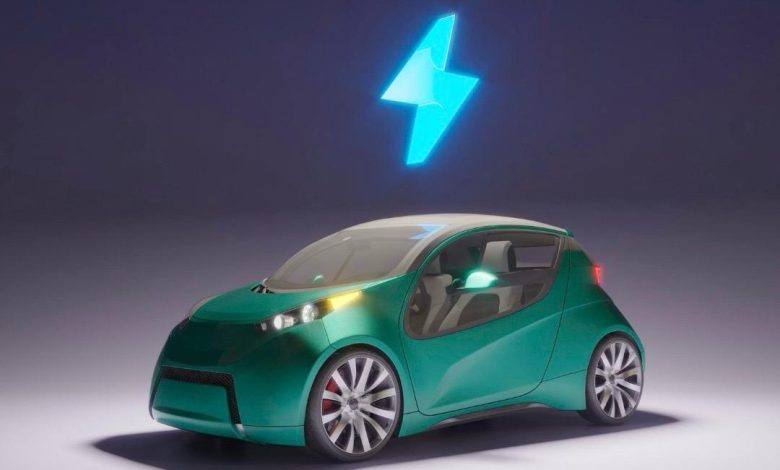
أحدثت التكنولوجيا تطورا كبيرا في عالم السيارات، أبرزها تطوير السيارات الكهربائية كحل مستدام للمستقبل. تتميز هذه السيارات بكفاءة عالية، وانبعاثات منخفضة، وتكاليف تشغيل أقل. رغم ذلك، لا تزال تواجه تحديات، ومع الابتكار المستمر تساهم التكنولوجيا في تجاوز هذه العقبات وتوسيع الاعتماد على النقل الكهربائي.
أكد الأستاذ هاني هشام، مدير إحدي معارض السيارات الكهربائية بالقاهرة، أن معرضة يُعد من المعارض الرائدة في مجال السيارات الكهربائية في مصر، حيث اتخذ خطوة جريئة بافتتاح معرض متخصص بالكامل في السيارات الكهربائية. وأضاف: “خطوتنا جاءت من إيماننا بأن المستقبل في سيارتك، لأن البنزين في طريقه للنهاية”. وأضاف، أن السبب الثاني لاتخاذ هذه الخطوة هو الارتفاع الكبير في تكلفة البنزين، مما يجعل السيارات الكهربائية هي البديل القوي للسيارات التقليدية خلال الفترة القادمة.
ومن جانبه، أكد الأستاذ مجدي كيلاني، أحد مسؤولي المبيعات لإحدي معارض السيارات بالقاهرة، أن التوجه للسيارات الكهربائية لم يعد رفاهية، بل ضرورة تفرضها المعايير البيئية والاقتصادية الحديثة. وأضاف أن المعرض يسعى لتوفير موديلات متنوعة تناسب احتياجات السوق المصري، مع تقديم خدمات ما بعد البيع وتوفير الدعم الفني اللازم، في خطوة تهدف إلى بناء ثقة المستهلك وتشجيعه على التحول لهذا النوع من السيارات
مميزات سيارات الكهرباء:
أوضح هشام، أنه من أبرز مميزات السيارات الكهربائية أنها تعتمد على بطاريات ليثيوم مما يجعل عمرها الافتراضي طويلاً ، ويجعلها أيضاً خيارًا عمليًا واقتصاديًا على المدى البعيد. كما أن قطع غيارها متوفرة، وصيانتها محدودة مقارنة بالسيارات التقليدية، كما أنها تحافظ على البيئة المحيطة بها وتُعد صديقة للبيئة، بفضل خلوّها من الانبعاثات الضارة.
وهناك نظام تمتاز به سيارات الكهرباء ليست في السيارات العادية وهي قدرتها على قراءة إرشادات الطريق الموجودة عليه، والتعرف على اللوحات والإشارات المنتشرة في الشوارع، مما يعزز من أمان القيادة ويسهل على السائقين التنقل بذكاء وسهولة.
اتفق معه كيلاني، وأضاف أن السيارات الكهربائية تتميز بعدة مزايا تجعلها خيارًا أفضل للمستقبل، أولها نها لا تستهلك البنزين، مما يجعلها وسيلة موفرة بالمقارنة بالسيارات التقليدية المستهلكة للبنزين المستمر.
وتزوّد بعض من انواع سيارات الكهرباء المتقدمة في الطراز بأنظمة أمان ذكية، خاصة في السيارات ذاتية القيادة، فعلى سبيل المثال، إذا وجدت طفلا يقطع الطريق فجأة، تقوم السيارة تلقائيًا بتفعيل وضع منع التصادم والتوقف الفوري، مما يعزز من مستوى الامان على الطرق و علي المستخدم.
التحديات التي تواجه سيارات الكهرباء :
قال هشام، إن أولى التحديات التي تواجه انتشار السيارات الكهربائية تتعلق بالعقلية و التفكير، حيث لايزال كثير من الناس غير مقتنعين تمامًا بفكرة الاعتماد على هذا النوع من السيارات، ويشعرون بالتخوف من السير بسيارة تعمل فقط بالبطارية. هذا التخوف يُشكل عامل قلق لدى العديد من الأفراد، نتيجة لعدم الاطمئنان الكامل تجاه مدى أمان البطارية وكفاءتها، وهو ما يتطلب جهود أكبر لنشر الوعي وتوضيح مزايا هذه التكنولوجيا الجديدة.
بينما يري الكيلاني، ان هناك تحدي واضح يتمثل في غياب المراكز المعتمدة لصيانتها حتى الآن فبالرغم من انها لا تحتاج صيانه في اغلب الاوقات الا انه لا يمكن شراء سيارة بدون معرفه مراكز صيانتها وذلك ايضا هو نوع من تخوف الافراد لشرائها، وذلك يحدث بسبب ضعف البنية التحتية اللازمة لدعم هذا النوع من السيارات بالشكل الكافي.
وحول مدى تطور التكنولوجيا في مجال السيارات الكهربائية، يرى الأستاذ هشام، أن ما وصلت إليه هذه الصناعة يؤكد انها تمثل المستقبل الحقيقي لعالم السيارات، وان هذا التطور التكنولوجي يسهم في تعزيز ثقة المستهلك ويدعم توجه السوق نحو البدائل النظيفة والمستدامة.
ومن جانبه، أشار الكيلاني، إلي أن هذا التطور يمهد لتحول في قطاع النقل، خاصة على المدى البعيد. وأكد أن انتشار السيارات الكهربائية سيسهم بشكل كبير في تقليل نسبة التلوث الذي يتعرض له الهواء نتيجة الانبعاثات الناتجة عن وقود السيارات التقليدية.
تمثل السيارات الكهربائية مستقبل النقل الذكي والمستدام، وسط التطور التكنولوجي المتسارع والجهود المستمرة لتجاوز هذه التحديات وبناء ثقة المستهلك نحو بيئة أنظف وقيادة أكثر كفاءة.