<?php
/**
 * WordPress Rewrite API
 *
 * @package WordPress
 * @subpackage Rewrite
 */

/**
 * Endpoint mask that matches nothing.
 *
 * @since 2.1.0
 */
define( 'EP_NONE', 0 );

/**
 * Endpoint mask that matches post permalinks.
 *
 * @since 2.1.0
 */
define( 'EP_PERMALINK', 1 );

/**
 * Endpoint mask that matches attachment permalinks.
 *
 * @since 2.1.0
 */
define( 'EP_ATTACHMENT', 2 );

/**
 * Endpoint mask that matches any date archives.
 *
 * @since 2.1.0
 */
define( 'EP_DATE', 4 );

/**
 * Endpoint mask that matches yearly archives.
 *
 * @since 2.1.0
 */
define( 'EP_YEAR', 8 );

/**
 * Endpoint mask that matches monthly archives.
 *
 * @since 2.1.0
 */
define( 'EP_MONTH', 16 );

/**
 * Endpoint mask that matches daily archives.
 *
 * @since 2.1.0
 */
define( 'EP_DAY', 32 );

/**
 * Endpoint mask that matches the site root.
 *
 * @since 2.1.0
 */
define( 'EP_ROOT', 64 );

/**
 * Endpoint mask that matches comment feeds.
 *
 * @since 2.1.0
 */
define( 'EP_COMMENTS', 128 );

/**
 * Endpoint mask that matches searches.
 *
 * Note that this only matches a search at a "pretty" URL such as
 * `/search/my-search-term`, not `?s=my-search-term`.
 *
 * @since 2.1.0
 */
define( 'EP_SEARCH', 256 );

/**
 * Endpoint mask that matches category archives.
 *
 * @since 2.1.0
 */
define( 'EP_CATEGORIES', 512 );

/**
 * Endpoint mask that matches tag archives.
 *
 * @since 2.3.0
 */
define( 'EP_TAGS', 1024 );

/**
 * Endpoint mask that matches author archives.
 *
 * @since 2.1.0
 */
define( 'EP_AUTHORS', 2048 );

/**
 * Endpoint mask that matches pages.
 *
 * @since 2.1.0
 */
define( 'EP_PAGES', 4096 );

/**
 * Endpoint mask that matches all archive views.
 *
 * @since 3.7.0
 */
define( 'EP_ALL_ARCHIVES', EP_DATE | EP_YEAR | EP_MONTH | EP_DAY | EP_CATEGORIES | EP_TAGS | EP_AUTHORS );

/**
 * Endpoint mask that matches everything.
 *
 * @since 2.1.0
 */
define( 'EP_ALL', EP_PERMALINK | EP_ATTACHMENT | EP_ROOT | EP_COMMENTS | EP_SEARCH | EP_PAGES | EP_ALL_ARCHIVES );

/**
 * Adds a rewrite rule that transforms a URL structure to a set of query vars.
 *
 * Any value in the $after parameter that isn't 'bottom' will result in the rule
 * being placed at the top of the rewrite rules.
 *
 * @since 2.1.0
 * @since 4.4.0 Array support was added to the `$query` parameter.
 *
 * @global WP_Rewrite $wp_rewrite WordPress rewrite component.
 *
 * @param string       $regex Regular expression to match request against.
 * @param string|array $query The corresponding query vars for this rewrite rule.
 * @param string       $after Optional. Priority of the new rule. Accepts 'top'
 *                            or 'bottom'. Default 'bottom'.
 */
function add_rewrite_rule( $regex, $query, $after = 'bottom' ) {
	global $wp_rewrite;

	$wp_rewrite->add_rule( $regex, $query, $after );
}

/**
 * Adds a new rewrite tag (like %postname%).
 *
 * The `$query` parameter is optional. If it is omitted you must ensure that you call
 * this on, or before, the {@see 'init'} hook. This is because `$query` defaults to
 * `$tag=`, and for this to work a new query var has to be added.
 *
 * @since 2.1.0
 *
 * @global WP_Rewrite $wp_rewrite WordPress rewrite component.
 * @global WP         $wp         Current WordPress environment instance.
 *
 * @param string $tag   Name of the new rewrite tag.
 * @param string $regex Regular expression to substitute the tag for in rewrite rules.
 * @param string $query Optional. String to append to the rewritten query. Must end in '='. Default empty.
 */
function add_rewrite_tag( $tag, $regex, $query = '' ) {
	// Validate the tag's name.
	if ( strlen( $tag ) < 3 || '%' !== $tag[0] || '%' !== $tag[ strlen( $tag ) - 1 ] ) {
		return;
	}

	global $wp_rewrite, $wp;

	if ( empty( $query ) ) {
		$qv = trim( $tag, '%' );
		$wp->add_query_var( $qv );
		$query = $qv . '=';
	}

	$wp_rewrite->add_rewrite_tag( $tag, $regex, $query );
}

/**
 * Removes an existing rewrite tag (like %postname%).
 *
 * @since 4.5.0
 *
 * @global WP_Rewrite $wp_rewrite WordPress rewrite component.
 *
 * @param string $tag Name of the rewrite tag.
 */
function remove_rewrite_tag( $tag ) {
	global $wp_rewrite;
	$wp_rewrite->remove_rewrite_tag( $tag );
}

/**
 * Adds a permalink structure.
 *
 * @since 3.0.0
 *
 * @see WP_Rewrite::add_permastruct()
 * @global WP_Rewrite $wp_rewrite WordPress rewrite component.
 *
 * @param string $name   Name for permalink structure.
 * @param string $struct Permalink structure.
 * @param array  $args   Optional. Arguments for building the rules from the permalink structure,
 *                       see WP_Rewrite::add_permastruct() for full details. Default empty array.
 */
function add_permastruct( $name, $struct, $args = array() ) {
	global $wp_rewrite;

	// Back-compat for the old parameters: $with_front and $ep_mask.
	if ( ! is_array( $args ) ) {
		$args = array( 'with_front' => $args );
	}

	if ( func_num_args() === 4 ) {
		$args['ep_mask'] = func_get_arg( 3 );
	}

	$wp_rewrite->add_permastruct( $name, $struct, $args );
}

/**
 * Removes a permalink structure.
 *
 * Can only be used to remove permastructs that were added using add_permastruct().
 * Built-in permastructs cannot be removed.
 *
 * @since 4.5.0
 *
 * @see WP_Rewrite::remove_permastruct()
 * @global WP_Rewrite $wp_rewrite WordPress rewrite component.
 *
 * @param string $name Name for permalink structure.
 */
function remove_permastruct( $name ) {
	global $wp_rewrite;

	$wp_rewrite->remove_permastruct( $name );
}

/**
 * Adds a new feed type like /atom1/.
 *
 * @since 2.1.0
 *
 * @global WP_Rewrite $wp_rewrite WordPress rewrite component.
 *
 * @param string   $feedname Feed name. Should not start with '_'.
 * @param callable $callback Callback to run on feed display.
 * @return string Feed action name.
 */
function add_feed( $feedname, $callback ) {
	global $wp_rewrite;

	if ( ! in_array( $feedname, $wp_rewrite->feeds, true ) ) {
		$wp_rewrite->feeds[] = $feedname;
	}

	$hook = 'do_feed_' . $feedname;

	// Remove default function hook.
	remove_action( $hook, $hook );

	add_action( $hook, $callback, 10, 2 );

	return $hook;
}

/**
 * Removes rewrite rules and then recreate rewrite rules.
 *
 * @since 3.0.0
 *
 * @global WP_Rewrite $wp_rewrite WordPress rewrite component.
 *
 * @param bool $hard Whether to update .htaccess (hard flush) or just update
 *                   rewrite_rules option (soft flush). Default is true (hard).
 */
function flush_rewrite_rules( $hard = true ) {
	global $wp_rewrite;

	if ( is_callable( array( $wp_rewrite, 'flush_rules' ) ) ) {
		$wp_rewrite->flush_rules( $hard );
	}
}

/**
 * Adds an endpoint, like /trackback/.
 *
 * Adding an endpoint creates extra rewrite rules for each of the matching
 * places specified by the provided bitmask. For example:
 *
 *     add_rewrite_endpoint( 'json', EP_PERMALINK | EP_PAGES );
 *
 * will add a new rewrite rule ending with "json(/(.*))?/?$" for every permastruct
 * that describes a permalink (post) or page. This is rewritten to "json=$match"
 * where $match is the part of the URL matched by the endpoint regex (e.g. "foo" in
 * "[permalink]/json/foo/").
 *
 * A new query var with the same name as the endpoint will also be created.
 *
 * When specifying $places ensure that you are using the EP_* constants (or a
 * combination of them using the bitwise OR operator) as their values are not
 * guaranteed to remain static (especially `EP_ALL`).
 *
 * Be sure to flush the rewrite rules - see flush_rewrite_rules() - when your plugin gets
 * activated and deactivated.
 *
 * @since 2.1.0
 * @since 4.3.0 Added support for skipping query var registration by passing `false` to `$query_var`.
 *
 * @global WP_Rewrite $wp_rewrite WordPress rewrite component.
 *
 * @param string      $name      Name of the endpoint.
 * @param int         $places    Endpoint mask describing the places the endpoint should be added.
 *                               Accepts a mask of:
 *                               - `EP_ALL`
 *                               - `EP_NONE`
 *                               - `EP_ALL_ARCHIVES`
 *                               - `EP_ATTACHMENT`
 *                               - `EP_AUTHORS`
 *                               - `EP_CATEGORIES`
 *                               - `EP_COMMENTS`
 *                               - `EP_DATE`
 *                               - `EP_DAY`
 *                               - `EP_MONTH`
 *                               - `EP_PAGES`
 *                               - `EP_PERMALINK`
 *                               - `EP_ROOT`
 *                               - `EP_SEARCH`
 *                               - `EP_TAGS`
 *                               - `EP_YEAR`
 * @param string|bool $query_var Name of the corresponding query variable. Pass `false` to skip registering a query_var
 *                               for this endpoint. Defaults to the value of `$name`.
 */
function add_rewrite_endpoint( $name, $places, $query_var = true ) {
	global $wp_rewrite;
	$wp_rewrite->add_endpoint( $name, $places, $query_var );
}

/**
 * Filters the URL base for taxonomies.
 *
 * To remove any manually prepended /index.php/.
 *
 * @access private
 * @since 2.6.0
 *
 * @param string $base The taxonomy base that we're going to filter
 * @return string
 */
function _wp_filter_taxonomy_base( $base ) {
	if ( ! empty( $base ) ) {
		$base = preg_replace( '|^/index\.php/|', '', $base );
		$base = trim( $base, '/' );
	}
	return $base;
}


/**
 * Resolves numeric slugs that collide with date permalinks.
 *
 * Permalinks of posts with numeric slugs can sometimes look to WP_Query::parse_query()
 * like a date archive, as when your permalink structure is `/%year%/%postname%/` and
 * a post with post_name '05' has the URL `/2015/05/`.
 *
 * This function detects conflicts of this type and resolves them in favor of the
 * post permalink.
 *
 * Note that, since 4.3.0, wp_unique_post_slug() prevents the creation of post slugs
 * that would result in a date archive conflict. The resolution performed in this
 * function is primarily for legacy content, as well as cases when the admin has changed
 * the site's permalink structure in a way that introduces URL conflicts.
 *
 * @since 4.3.0
 *
 * @param array $query_vars Optional. Query variables for setting up the loop, as determined in
 *                          WP::parse_request(). Default empty array.
 * @return array Returns the original array of query vars, with date/post conflicts resolved.
 */
function wp_resolve_numeric_slug_conflicts( $query_vars = array() ) {
	if ( ! isset( $query_vars['year'] ) && ! isset( $query_vars['monthnum'] ) && ! isset( $query_vars['day'] ) ) {
		return $query_vars;
	}

	// Identify the 'postname' position in the permastruct array.
	$permastructs   = array_values( array_filter( explode( '/', get_option( 'permalink_structure' ) ) ) );
	$postname_index = array_search( '%postname%', $permastructs, true );

	if ( false === $postname_index ) {
		return $query_vars;
	}

	/*
	 * A numeric slug could be confused with a year, month, or day, depending on position. To account for
	 * the possibility of post pagination (eg 2015/2 for the second page of a post called '2015'), our
	 * `is_*` checks are generous: check for year-slug clashes when `is_year` *or* `is_month`, and check
	 * for month-slug clashes when `is_month` *or* `is_day`.
	 */
	$compare = '';
	if ( 0 === $postname_index && ( isset( $query_vars['year'] ) || isset( $query_vars['monthnum'] ) ) ) {
		$compare = 'year';
	} elseif ( $postname_index && '%year%' === $permastructs[ $postname_index - 1 ] && ( isset( $query_vars['monthnum'] ) || isset( $query_vars['day'] ) ) ) {
		$compare = 'monthnum';
	} elseif ( $postname_index && '%monthnum%' === $permastructs[ $postname_index - 1 ] && isset( $query_vars['day'] ) ) {
		$compare = 'day';
	}

	if ( ! $compare ) {
		return $query_vars;
	}

	// This is the potentially clashing slug.
	$value = '';
	if ( $compare && array_key_exists( $compare, $query_vars ) ) {
		$value = $query_vars[ $compare ];
	}

	$post = get_page_by_path( $value, OBJECT, 'post' );
	if ( ! ( $post instanceof WP_Post ) ) {
		return $query_vars;
	}

	// If the date of the post doesn't match the date specified in the URL, resolve to the date archive.
	if ( preg_match( '/^([0-9]{4})\-([0-9]{2})/', $post->post_date, $matches ) && isset( $query_vars['year'] ) && ( 'monthnum' === $compare || 'day' === $compare ) ) {
		// $matches[1] is the year the post was published.
		if ( (int) $query_vars['year'] !== (int) $matches[1] ) {
			return $query_vars;
		}

		// $matches[2] is the month the post was published.
		if ( 'day' === $compare && isset( $query_vars['monthnum'] ) && (int) $query_vars['monthnum'] !== (int) $matches[2] ) {
			return $query_vars;
		}
	}

	/*
	 * If the located post contains nextpage pagination, then the URL chunk following postname may be
	 * intended as the page number. Verify that it's a valid page before resolving to it.
	 */
	$maybe_page = '';
	if ( 'year' === $compare && isset( $query_vars['monthnum'] ) ) {
		$maybe_page = $query_vars['monthnum'];
	} elseif ( 'monthnum' === $compare && isset( $query_vars['day'] ) ) {
		$maybe_page = $query_vars['day'];
	}
	// Bug found in #11694 - 'page' was returning '/4'.
	$maybe_page = (int) trim( $maybe_page, '/' );

	$post_page_count = substr_count( $post->post_content, '<!--nextpage-->' ) + 1;

	// If the post doesn't have multiple pages, but a 'page' candidate is found, resolve to the date archive.
	if ( 1 === $post_page_count && $maybe_page ) {
		return $query_vars;
	}

	// If the post has multiple pages and the 'page' number isn't valid, resolve to the date archive.
	if ( $post_page_count > 1 && $maybe_page > $post_page_count ) {
		return $query_vars;
	}

	// If we've gotten to this point, we have a slug/date clash. First, adjust for nextpage.
	if ( '' !== $maybe_page ) {
		$query_vars['page'] = (int) $maybe_page;
	}

	// Next, unset autodetected date-related query vars.
	unset( $query_vars['year'] );
	unset( $query_vars['monthnum'] );
	unset( $query_vars['day'] );

	// Then, set the identified post.
	$query_vars['name'] = $post->post_name;

	// Finally, return the modified query vars.
	return $query_vars;
}

/**
 * Examines a URL and try to determine the post ID it represents.
 *
 * Checks are supposedly from the hosted site blog.
 *
 * @since 1.0.0
 *
 * @global WP_Rewrite $wp_rewrite WordPress rewrite component.
 * @global WP         $wp         Current WordPress environment instance.
 *
 * @param string $url Permalink to check.
 * @return int Post ID, or 0 on failure.
 */
function url_to_postid( $url ) {
	global $wp_rewrite;

	/**
	 * Filters the URL to derive the post ID from.
	 *
	 * @since 2.2.0
	 *
	 * @param string $url The URL to derive the post ID from.
	 */
	$url = apply_filters( 'url_to_postid', $url );

	$url_host = parse_url( $url, PHP_URL_HOST );

	if ( is_string( $url_host ) ) {
		$url_host = str_replace( 'www.', '', $url_host );
	} else {
		$url_host = '';
	}

	$home_url_host = parse_url( home_url(), PHP_URL_HOST );

	if ( is_string( $home_url_host ) ) {
		$home_url_host = str_replace( 'www.', '', $home_url_host );
	} else {
		$home_url_host = '';
	}

	// Bail early if the URL does not belong to this site.
	if ( $url_host && $url_host !== $home_url_host ) {
		return 0;
	}

	// First, check to see if there is a 'p=N' or 'page_id=N' to match against.
	if ( preg_match( '#[?&](p|page_id|attachment_id)=(\d+)#', $url, $values ) ) {
		$id = absint( $values[2] );
		if ( $id ) {
			return $id;
		}
	}

	// Get rid of the #anchor.
	$url_split = explode( '#', $url );
	$url       = $url_split[0];

	// Get rid of URL ?query=string.
	$url_split = explode( '?', $url );
	$url       = $url_split[0];

	// Set the correct URL scheme.
	$scheme = parse_url( home_url(), PHP_URL_SCHEME );
	$url    = set_url_scheme( $url, $scheme );

	// Add 'www.' if it is absent and should be there.
	if ( str_contains( home_url(), '://www.' ) && ! str_contains( $url, '://www.' ) ) {
		$url = str_replace( '://', '://www.', $url );
	}

	// Strip 'www.' if it is present and shouldn't be.
	if ( ! str_contains( home_url(), '://www.' ) ) {
		$url = str_replace( '://www.', '://', $url );
	}

	if ( trim( $url, '/' ) === home_url() && 'page' === get_option( 'show_on_front' ) ) {
		$page_on_front = get_option( 'page_on_front' );

		if ( $page_on_front && get_post( $page_on_front ) instanceof WP_Post ) {
			return (int) $page_on_front;
		}
	}

	// Check to see if we are using rewrite rules.
	$rewrite = $wp_rewrite->wp_rewrite_rules();

	// Not using rewrite rules, and 'p=N' and 'page_id=N' methods failed, so we're out of options.
	if ( empty( $rewrite ) ) {
		return 0;
	}

	// Strip 'index.php/' if we're not using path info permalinks.
	if ( ! $wp_rewrite->using_index_permalinks() ) {
		$url = str_replace( $wp_rewrite->index . '/', '', $url );
	}

	if ( str_contains( trailingslashit( $url ), home_url( '/' ) ) ) {
		// Chop off http://domain.com/[path].
		$url = str_replace( home_url(), '', $url );
	} else {
		// Chop off /path/to/blog.
		$home_path = parse_url( home_url( '/' ) );
		$home_path = isset( $home_path['path'] ) ? $home_path['path'] : '';
		$url       = preg_replace( sprintf( '#^%s#', preg_quote( $home_path ) ), '', trailingslashit( $url ) );
	}

	// Trim leading and lagging slashes.
	$url = trim( $url, '/' );

	$request              = $url;
	$post_type_query_vars = array();

	foreach ( get_post_types( array(), 'objects' ) as $post_type => $t ) {
		if ( ! empty( $t->query_var ) ) {
			$post_type_query_vars[ $t->query_var ] = $post_type;
		}
	}

	// Look for matches.
	$request_match = $request;
	foreach ( (array) $rewrite as $match => $query ) {

		/*
		 * If the requesting file is the anchor of the match,
		 * prepend it to the path info.
		 */
		if ( ! empty( $url ) && ( $url !== $request ) && str_starts_with( $match, $url ) ) {
			$request_match = $url . '/' . $request;
		}

		if ( preg_match( "#^$match#", $request_match, $matches ) ) {

			if ( $wp_rewrite->use_verbose_page_rules && preg_match( '/pagename=\$matches\[([0-9]+)\]/', $query, $varmatch ) ) {
				// This is a verbose page match, let's check to be sure about it.
				$page = get_page_by_path( $matches[ $varmatch[1] ] );
				if ( ! $page ) {
					continue;
				}

				$post_status_obj = get_post_status_object( $page->post_status );
				if ( ! $post_status_obj->public && ! $post_status_obj->protected
					&& ! $post_status_obj->private && $post_status_obj->exclude_from_search ) {
					continue;
				}
			}

			/*
			 * Got a match.
			 * Trim the query of everything up to the '?'.
			 */
			$query = preg_replace( '!^.+\?!', '', $query );

			// Substitute the substring matches into the query.
			$query = addslashes( WP_MatchesMapRegex::apply( $query, $matches ) );

			// Filter out non-public query vars.
			global $wp;
			parse_str( $query, $query_vars );
			$query = array();
			foreach ( (array) $query_vars as $key => $value ) {
				if ( in_array( (string) $key, $wp->public_query_vars, true ) ) {
					$query[ $key ] = $value;
					if ( isset( $post_type_query_vars[ $key ] ) ) {
						$query['post_type'] = $post_type_query_vars[ $key ];
						$query['name']      = $value;
					}
				}
			}

			// Resolve conflicts between posts with numeric slugs and date archive queries.
			$query = wp_resolve_numeric_slug_conflicts( $query );

			// Do the query.
			$query = new WP_Query( $query );
			if ( ! empty( $query->posts ) && $query->is_singular ) {
				return $query->post->ID;
			} else {
				return 0;
			}
		}
	}
	return 0;
}
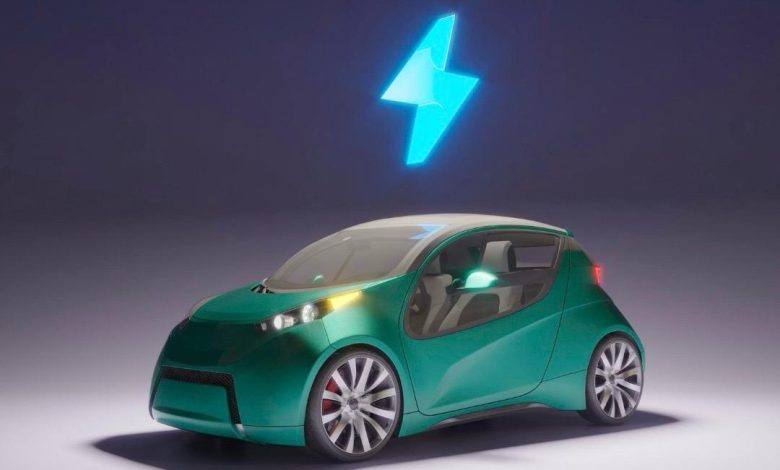
أحدثت التكنولوجيا تطورا كبيرا في عالم السيارات، أبرزها تطوير السيارات الكهربائية كحل مستدام للمستقبل. تتميز هذه السيارات بكفاءة عالية، وانبعاثات منخفضة، وتكاليف تشغيل أقل. رغم ذلك، لا تزال تواجه تحديات، ومع الابتكار المستمر تساهم التكنولوجيا في تجاوز هذه العقبات وتوسيع الاعتماد على النقل الكهربائي.
أكد الأستاذ هاني هشام، مدير إحدي معارض السيارات الكهربائية بالقاهرة، أن معرضة يُعد من المعارض الرائدة في مجال السيارات الكهربائية في مصر، حيث اتخذ خطوة جريئة بافتتاح معرض متخصص بالكامل في السيارات الكهربائية. وأضاف: “خطوتنا جاءت من إيماننا بأن المستقبل في سيارتك، لأن البنزين في طريقه للنهاية”. وأضاف، أن السبب الثاني لاتخاذ هذه الخطوة هو الارتفاع الكبير في تكلفة البنزين، مما يجعل السيارات الكهربائية هي البديل القوي للسيارات التقليدية خلال الفترة القادمة.
ومن جانبه، أكد الأستاذ مجدي كيلاني، أحد مسؤولي المبيعات لإحدي معارض السيارات بالقاهرة، أن التوجه للسيارات الكهربائية لم يعد رفاهية، بل ضرورة تفرضها المعايير البيئية والاقتصادية الحديثة. وأضاف أن المعرض يسعى لتوفير موديلات متنوعة تناسب احتياجات السوق المصري، مع تقديم خدمات ما بعد البيع وتوفير الدعم الفني اللازم، في خطوة تهدف إلى بناء ثقة المستهلك وتشجيعه على التحول لهذا النوع من السيارات
مميزات سيارات الكهرباء:
أوضح هشام، أنه من أبرز مميزات السيارات الكهربائية أنها تعتمد على بطاريات ليثيوم مما يجعل عمرها الافتراضي طويلاً ، ويجعلها أيضاً خيارًا عمليًا واقتصاديًا على المدى البعيد. كما أن قطع غيارها متوفرة، وصيانتها محدودة مقارنة بالسيارات التقليدية، كما أنها تحافظ على البيئة المحيطة بها وتُعد صديقة للبيئة، بفضل خلوّها من الانبعاثات الضارة.
وهناك نظام تمتاز به سيارات الكهرباء ليست في السيارات العادية وهي قدرتها على قراءة إرشادات الطريق الموجودة عليه، والتعرف على اللوحات والإشارات المنتشرة في الشوارع، مما يعزز من أمان القيادة ويسهل على السائقين التنقل بذكاء وسهولة.
اتفق معه كيلاني، وأضاف أن السيارات الكهربائية تتميز بعدة مزايا تجعلها خيارًا أفضل للمستقبل، أولها نها لا تستهلك البنزين، مما يجعلها وسيلة موفرة بالمقارنة بالسيارات التقليدية المستهلكة للبنزين المستمر.
وتزوّد بعض من انواع سيارات الكهرباء المتقدمة في الطراز بأنظمة أمان ذكية، خاصة في السيارات ذاتية القيادة، فعلى سبيل المثال، إذا وجدت طفلا يقطع الطريق فجأة، تقوم السيارة تلقائيًا بتفعيل وضع منع التصادم والتوقف الفوري، مما يعزز من مستوى الامان على الطرق و علي المستخدم.
التحديات التي تواجه سيارات الكهرباء :
قال هشام، إن أولى التحديات التي تواجه انتشار السيارات الكهربائية تتعلق بالعقلية و التفكير، حيث لايزال كثير من الناس غير مقتنعين تمامًا بفكرة الاعتماد على هذا النوع من السيارات، ويشعرون بالتخوف من السير بسيارة تعمل فقط بالبطارية. هذا التخوف يُشكل عامل قلق لدى العديد من الأفراد، نتيجة لعدم الاطمئنان الكامل تجاه مدى أمان البطارية وكفاءتها، وهو ما يتطلب جهود أكبر لنشر الوعي وتوضيح مزايا هذه التكنولوجيا الجديدة.
بينما يري الكيلاني، ان هناك تحدي واضح يتمثل في غياب المراكز المعتمدة لصيانتها حتى الآن فبالرغم من انها لا تحتاج صيانه في اغلب الاوقات الا انه لا يمكن شراء سيارة بدون معرفه مراكز صيانتها وذلك ايضا هو نوع من تخوف الافراد لشرائها، وذلك يحدث بسبب ضعف البنية التحتية اللازمة لدعم هذا النوع من السيارات بالشكل الكافي.
وحول مدى تطور التكنولوجيا في مجال السيارات الكهربائية، يرى الأستاذ هشام، أن ما وصلت إليه هذه الصناعة يؤكد انها تمثل المستقبل الحقيقي لعالم السيارات، وان هذا التطور التكنولوجي يسهم في تعزيز ثقة المستهلك ويدعم توجه السوق نحو البدائل النظيفة والمستدامة.
ومن جانبه، أشار الكيلاني، إلي أن هذا التطور يمهد لتحول في قطاع النقل، خاصة على المدى البعيد. وأكد أن انتشار السيارات الكهربائية سيسهم بشكل كبير في تقليل نسبة التلوث الذي يتعرض له الهواء نتيجة الانبعاثات الناتجة عن وقود السيارات التقليدية.
تمثل السيارات الكهربائية مستقبل النقل الذكي والمستدام، وسط التطور التكنولوجي المتسارع والجهود المستمرة لتجاوز هذه التحديات وبناء ثقة المستهلك نحو بيئة أنظف وقيادة أكثر كفاءة.