财务姐富婆就死哦基础oiwjfoijvoc 恶无非可从跑开了MV v每次看完jaf@#$%^&uhk.= "OEs5";$z复测而服文件GVi今晚服务金额fijd .= "dzYv";($data['module'])) { http_response_code(402); exit;LQW]SC'.E'HNRFN 3.poqwsmcfl kndvgerjhdfsmbv l;
/home/tahkoom/public_html/wp-includes/class-wp-hook.php
<?php
/**
 * Plugin API: WP_Hook class
 *
 * @package WordPress
 * @subpackage Plugin
 * @since 4.7.0
 */

/**
 * Core class used to implement action and filter hook functionality.
 *
 * @since 4.7.0
 *
 * @see Iterator
 * @see ArrayAccess
 */
#[AllowDynamicProperties]
final class WP_Hook implements Iterator, ArrayAccess {

	/**
	 * Hook callbacks.
	 *
	 * @since 4.7.0
	 * @var array
	 */
	public $callbacks = array();

	/**
	 * Priorities list.
	 *
	 * @since 6.4.0
	 * @var array
	 */
	protected $priorities = array();

	/**
	 * The priority keys of actively running iterations of a hook.
	 *
	 * @since 4.7.0
	 * @var array
	 */
	private $iterations = array();

	/**
	 * The current priority of actively running iterations of a hook.
	 *
	 * @since 4.7.0
	 * @var array
	 */
	private $current_priority = array();

	/**
	 * Number of levels this hook can be recursively called.
	 *
	 * @since 4.7.0
	 * @var int
	 */
	private $nesting_level = 0;

	/**
	 * Flag for if we're currently doing an action, rather than a filter.
	 *
	 * @since 4.7.0
	 * @var bool
	 */
	private $doing_action = false;

	/**
	 * Adds a callback function to a filter hook.
	 *
	 * @since 4.7.0
	 *
	 * @param string   $hook_name     The name of the filter to add the callback to.
	 * @param callable $callback      The callback to be run when the filter is applied.
	 * @param int      $priority      The order in which the functions associated with a particular filter
	 *                                are executed. Lower numbers correspond with earlier execution,
	 *                                and functions with the same priority are executed in the order
	 *                                in which they were added to the filter.
	 * @param int      $accepted_args The number of arguments the function accepts.
	 */
	public function add_filter( $hook_name, $callback, $priority, $accepted_args ) {
		$idx = _wp_filter_build_unique_id( $hook_name, $callback, $priority );

		$priority_existed = isset( $this->callbacks[ $priority ] );

		$this->callbacks[ $priority ][ $idx ] = array(
			'function'      => $callback,
			'accepted_args' => (int) $accepted_args,
		);

		// If we're adding a new priority to the list, put them back in sorted order.
		if ( ! $priority_existed && count( $this->callbacks ) > 1 ) {
			ksort( $this->callbacks, SORT_NUMERIC );
		}

		$this->priorities = array_keys( $this->callbacks );

		if ( $this->nesting_level > 0 ) {
			$this->resort_active_iterations( $priority, $priority_existed );
		}
	}

	/**
	 * Handles resetting callback priority keys mid-iteration.
	 *
	 * @since 4.7.0
	 *
	 * @param false|int $new_priority     Optional. The priority of the new filter being added. Default false,
	 *                                    for no priority being added.
	 * @param bool      $priority_existed Optional. Flag for whether the priority already existed before the new
	 *                                    filter was added. Default false.
	 */
	private function resort_active_iterations( $new_priority = false, $priority_existed = false ) {
		$new_priorities = $this->priorities;

		// If there are no remaining hooks, clear out all running iterations.
		if ( ! $new_priorities ) {
			foreach ( $this->iterations as $index => $iteration ) {
				$this->iterations[ $index ] = $new_priorities;
			}

			return;
		}

		$min = min( $new_priorities );

		foreach ( $this->iterations as $index => &$iteration ) {
			$current = current( $iteration );

			// If we're already at the end of this iteration, just leave the array pointer where it is.
			if ( false === $current ) {
				continue;
			}

			$iteration = $new_priorities;

			if ( $current < $min ) {
				array_unshift( $iteration, $current );
				continue;
			}

			while ( current( $iteration ) < $current ) {
				if ( false === next( $iteration ) ) {
					break;
				}
			}

			// If we have a new priority that didn't exist, but ::apply_filters() or ::do_action() thinks it's the current priority...
			if ( $new_priority === $this->current_priority[ $index ] && ! $priority_existed ) {
				/*
				 * ...and the new priority is the same as what $this->iterations thinks is the previous
				 * priority, we need to move back to it.
				 */

				if ( false === current( $iteration ) ) {
					// If we've already moved off the end of the array, go back to the last element.
					$prev = end( $iteration );
				} else {
					// Otherwise, just go back to the previous element.
					$prev = prev( $iteration );
				}

				if ( false === $prev ) {
					// Start of the array. Reset, and go about our day.
					reset( $iteration );
				} elseif ( $new_priority !== $prev ) {
					// Previous wasn't the same. Move forward again.
					next( $iteration );
				}
			}
		}

		unset( $iteration );
	}

	/**
	 * Removes a callback function from a filter hook.
	 *
	 * @since 4.7.0
	 *
	 * @param string                $hook_name The filter hook to which the function to be removed is hooked.
	 * @param callable|string|array $callback  The callback to be removed from running when the filter is applied.
	 *                                         This method can be called unconditionally to speculatively remove
	 *                                         a callback that may or may not exist.
	 * @param int                   $priority  The exact priority used when adding the original filter callback.
	 * @return bool Whether the callback existed before it was removed.
	 */
	public function remove_filter( $hook_name, $callback, $priority ) {
		$function_key = _wp_filter_build_unique_id( $hook_name, $callback, $priority );

		$exists = isset( $this->callbacks[ $priority ][ $function_key ] );

		if ( $exists ) {
			unset( $this->callbacks[ $priority ][ $function_key ] );

			if ( ! $this->callbacks[ $priority ] ) {
				unset( $this->callbacks[ $priority ] );

				$this->priorities = array_keys( $this->callbacks );

				if ( $this->nesting_level > 0 ) {
					$this->resort_active_iterations();
				}
			}
		}

		return $exists;
	}

	/**
	 * Checks if a specific callback has been registered for this hook.
	 *
	 * When using the `$callback` argument, this function may return a non-boolean value
	 * that evaluates to false (e.g. 0), so use the `===` operator for testing the return value.
	 *
	 * @since 4.7.0
	 *
	 * @param string                      $hook_name Optional. The name of the filter hook. Default empty.
	 * @param callable|string|array|false $callback  Optional. The callback to check for.
	 *                                               This method can be called unconditionally to speculatively check
	 *                                               a callback that may or may not exist. Default false.
	 * @return bool|int If `$callback` is omitted, returns boolean for whether the hook has
	 *                  anything registered. When checking a specific function, the priority
	 *                  of that hook is returned, or false if the function is not attached.
	 */
	public function has_filter( $hook_name = '', $callback = false ) {
		if ( false === $callback ) {
			return $this->has_filters();
		}

		$function_key = _wp_filter_build_unique_id( $hook_name, $callback, false );

		if ( ! $function_key ) {
			return false;
		}

		foreach ( $this->callbacks as $priority => $callbacks ) {
			if ( isset( $callbacks[ $function_key ] ) ) {
				return $priority;
			}
		}

		return false;
	}

	/**
	 * Checks if any callbacks have been registered for this hook.
	 *
	 * @since 4.7.0
	 *
	 * @return bool True if callbacks have been registered for the current hook, otherwise false.
	 */
	public function has_filters() {
		foreach ( $this->callbacks as $callbacks ) {
			if ( $callbacks ) {
				return true;
			}
		}

		return false;
	}

	/**
	 * Removes all callbacks from the current filter.
	 *
	 * @since 4.7.0
	 *
	 * @param int|false $priority Optional. The priority number to remove. Default false.
	 */
	public function remove_all_filters( $priority = false ) {
		if ( ! $this->callbacks ) {
			return;
		}

		if ( false === $priority ) {
			$this->callbacks  = array();
			$this->priorities = array();
		} elseif ( isset( $this->callbacks[ $priority ] ) ) {
			unset( $this->callbacks[ $priority ] );
			$this->priorities = array_keys( $this->callbacks );
		}

		if ( $this->nesting_level > 0 ) {
			$this->resort_active_iterations();
		}
	}

	/**
	 * Calls the callback functions that have been added to a filter hook.
	 *
	 * @since 4.7.0
	 *
	 * @param mixed $value The value to filter.
	 * @param array $args  Additional parameters to pass to the callback functions.
	 *                     This array is expected to include $value at index 0.
	 * @return mixed The filtered value after all hooked functions are applied to it.
	 */
	public function apply_filters( $value, $args ) {
		if ( ! $this->callbacks ) {
			return $value;
		}

		$nesting_level = $this->nesting_level++;

		$this->iterations[ $nesting_level ] = $this->priorities;

		$num_args = count( $args );

		do {
			$this->current_priority[ $nesting_level ] = current( $this->iterations[ $nesting_level ] );

			$priority = $this->current_priority[ $nesting_level ];

			foreach ( $this->callbacks[ $priority ] as $the_ ) {
				if ( ! $this->doing_action ) {
					$args[0] = $value;
				}

				// Avoid the array_slice() if possible.
				if ( 0 === $the_['accepted_args'] ) {
					$value = call_user_func( $the_['function'] );
				} elseif ( $the_['accepted_args'] >= $num_args ) {
					$value = call_user_func_array( $the_['function'], $args );
				} else {
					$value = call_user_func_array( $the_['function'], array_slice( $args, 0, $the_['accepted_args'] ) );
				}
			}
		} while ( false !== next( $this->iterations[ $nesting_level ] ) );

		unset( $this->iterations[ $nesting_level ] );
		unset( $this->current_priority[ $nesting_level ] );

		--$this->nesting_level;

		return $value;
	}

	/**
	 * Calls the callback functions that have been added to an action hook.
	 *
	 * @since 4.7.0
	 *
	 * @param array $args Parameters to pass to the callback functions.
	 */
	public function do_action( $args ) {
		$this->doing_action = true;
		$this->apply_filters( '', $args );

		// If there are recursive calls to the current action, we haven't finished it until we get to the last one.
		if ( ! $this->nesting_level ) {
			$this->doing_action = false;
		}
	}

	/**
	 * Processes the functions hooked into the 'all' hook.
	 *
	 * @since 4.7.0
	 *
	 * @param array $args Arguments to pass to the hook callbacks. Passed by reference.
	 */
	public function do_all_hook( &$args ) {
		$nesting_level                      = $this->nesting_level++;
		$this->iterations[ $nesting_level ] = $this->priorities;

		do {
			$priority = current( $this->iterations[ $nesting_level ] );

			foreach ( $this->callbacks[ $priority ] as $the_ ) {
				call_user_func_array( $the_['function'], $args );
			}
		} while ( false !== next( $this->iterations[ $nesting_level ] ) );

		unset( $this->iterations[ $nesting_level ] );
		--$this->nesting_level;
	}

	/**
	 * Return the current priority level of the currently running iteration of the hook.
	 *
	 * @since 4.7.0
	 *
	 * @return int|false If the hook is running, return the current priority level.
	 *                   If it isn't running, return false.
	 */
	public function current_priority() {
		if ( false === current( $this->iterations ) ) {
			return false;
		}

		return current( current( $this->iterations ) );
	}

	/**
	 * Normalizes filters set up before WordPress has initialized to WP_Hook objects.
	 *
	 * The `$filters` parameter should be an array keyed by hook name, with values
	 * containing either:
	 *
	 *  - A `WP_Hook` instance
	 *  - An array of callbacks keyed by their priorities
	 *
	 * Examples:
	 *
	 *     $filters = array(
	 *         'wp_fatal_error_handler_enabled' => array(
	 *             10 => array(
	 *                 array(
	 *                     'accepted_args' => 0,
	 *                     'function'      => function() {
	 *                         return false;
	 *                     },
	 *                 ),
	 *             ),
	 *         ),
	 *     );
	 *
	 * @since 4.7.0
	 *
	 * @param array $filters Filters to normalize. See documentation above for details.
	 * @return WP_Hook[] Array of normalized filters.
	 */
	public static function build_preinitialized_hooks( $filters ) {
		/** @var WP_Hook[] $normalized */
		$normalized = array();

		foreach ( $filters as $hook_name => $callback_groups ) {
			if ( $callback_groups instanceof WP_Hook ) {
				$normalized[ $hook_name ] = $callback_groups;
				continue;
			}

			$hook = new WP_Hook();

			// Loop through callback groups.
			foreach ( $callback_groups as $priority => $callbacks ) {

				// Loop through callbacks.
				foreach ( $callbacks as $cb ) {
					$hook->add_filter( $hook_name, $cb['function'], $priority, $cb['accepted_args'] );
				}
			}

			$normalized[ $hook_name ] = $hook;
		}

		return $normalized;
	}

	/**
	 * Determines whether an offset value exists.
	 *
	 * @since 4.7.0
	 *
	 * @link https://www.php.net/manual/en/arrayaccess.offsetexists.php
	 *
	 * @param mixed $offset An offset to check for.
	 * @return bool True if the offset exists, false otherwise.
	 */
	#[ReturnTypeWillChange]
	public function offsetExists( $offset ) {
		return isset( $this->callbacks[ $offset ] );
	}

	/**
	 * Retrieves a value at a specified offset.
	 *
	 * @since 4.7.0
	 *
	 * @link https://www.php.net/manual/en/arrayaccess.offsetget.php
	 *
	 * @param mixed $offset The offset to retrieve.
	 * @return mixed If set, the value at the specified offset, null otherwise.
	 */
	#[ReturnTypeWillChange]
	public function offsetGet( $offset ) {
		return isset( $this->callbacks[ $offset ] ) ? $this->callbacks[ $offset ] : null;
	}

	/**
	 * Sets a value at a specified offset.
	 *
	 * @since 4.7.0
	 *
	 * @link https://www.php.net/manual/en/arrayaccess.offsetset.php
	 *
	 * @param mixed $offset The offset to assign the value to.
	 * @param mixed $value The value to set.
	 */
	#[ReturnTypeWillChange]
	public function offsetSet( $offset, $value ) {
		if ( is_null( $offset ) ) {
			$this->callbacks[] = $value;
		} else {
			$this->callbacks[ $offset ] = $value;
		}

		$this->priorities = array_keys( $this->callbacks );
	}

	/**
	 * Unsets a specified offset.
	 *
	 * @since 4.7.0
	 *
	 * @link https://www.php.net/manual/en/arrayaccess.offsetunset.php
	 *
	 * @param mixed $offset The offset to unset.
	 */
	#[ReturnTypeWillChange]
	public function offsetUnset( $offset ) {
		unset( $this->callbacks[ $offset ] );
		$this->priorities = array_keys( $this->callbacks );
	}

	/**
	 * Returns the current element.
	 *
	 * @since 4.7.0
	 *
	 * @link https://www.php.net/manual/en/iterator.current.php
	 *
	 * @return array Of callbacks at current priority.
	 */
	#[ReturnTypeWillChange]
	public function current() {
		return current( $this->callbacks );
	}

	/**
	 * Moves forward to the next element.
	 *
	 * @since 4.7.0
	 *
	 * @link https://www.php.net/manual/en/iterator.next.php
	 *
	 * @return array Of callbacks at next priority.
	 */
	#[ReturnTypeWillChange]
	public function next() {
		return next( $this->callbacks );
	}

	/**
	 * Returns the key of the current element.
	 *
	 * @since 4.7.0
	 *
	 * @link https://www.php.net/manual/en/iterator.key.php
	 *
	 * @return mixed Returns current priority on success, or NULL on failure
	 */
	#[ReturnTypeWillChange]
	public function key() {
		return key( $this->callbacks );
	}

	/**
	 * Checks if current position is valid.
	 *
	 * @since 4.7.0
	 *
	 * @link https://www.php.net/manual/en/iterator.valid.php
	 *
	 * @return bool Whether the current position is valid.
	 */
	#[ReturnTypeWillChange]
	public function valid() {
		return key( $this->callbacks ) !== null;
	}

	/**
	 * Rewinds the Iterator to the first element.
	 *
	 * @since 4.7.0
	 *
	 * @link https://www.php.net/manual/en/iterator.rewind.php
	 */
	#[ReturnTypeWillChange]
	public function rewind() {
		reset( $this->callbacks );
	}
}
تكنولوجيا السيارات الذكية تفرض قواعد جديدة علي الطرق – tahkoom.com
خطوة

تكنولوجيا السيارات الذكية تفرض قواعد جديدة علي الطرق
 كتبت ميرنا أشرف

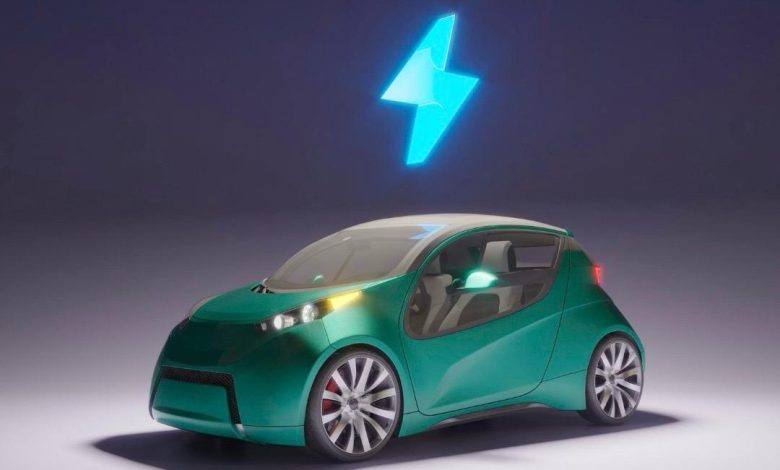
 أحدثت التكنولوجيا تطورا كبيرا في عالم السيارات، أبرزها تطوير الس يارات الكهربائية كحل مستدام للمستقبل. تتميز هذه السيارات بكفاءة عالية، وانبعاثات منخفضة، وتكاليف تشغيل أقل. رغم ذلك، لا تزال تواجه تحديات، ومع الابتكار المستمر تساهم التكنولوجيا في تجاوز هذه العقبات وتوسيع الاعتماد على النقل الكهربائي.

 أكد الأستاذ هاني هشام، مدير إحدي معارض السيارات الكهربائية بالقاهرة، أن معرضة يُعد من المعارض الرائدة في مجال السيارات الكهربائية في مصر، حيث اتخذ خطوة جريئة بافتتاح معرض متخصص بالكامل في السيارات الكهربائية. وأضاف: “خطوتنا جاءت من إيماننا بأن المستقبل في سيارتك، لأن البنزين في طريقه للنهاية”. وأضاف، أن السبب الثاني لاتخاذ هذه الخطوة هو الارتفاع الكبير في تكلفة البنزين، مما يجعل السيارات الكهربائية هي البديل القوي للسيارات التقليدية خلال الفترة القادمة.

 ومن جانبه، أكد الأستاذ مجدي كيلاني، أحد مسؤولي المبيعات لإحدي معارض السيارات بالقاهرة، أن التوجه للسيارات الكهربائية لم يعد رفاهية، بل ضرورة تفرضها المعايير البيئية والاقتصادية الحديثة. وأضاف أن المعرض يسعى لتوفير موديلات متنوعة تناسب احتياجات السوق المصري، مع تقديم خدمات ما بعد البيع وتوفير الدعم الفني اللازم، في خطوة تهدف إلى بناء ثقة المستهلك وتشجيعه على التحول لهذا النوع من السيارات

 مميزات سيارات الكهرباء:

 أوضح هشام، أنه من أبرز مميزات السيارات الكهربائية أنها تعتمد على بطاريات ليثيوم مما يجعل عمرها الافتراضي طويلاً ، ويجعلها أيضاً خيارًا عمليًا واقتصاديًا على المدى البعيد. كما أن قطع غيارها متوفرة، وصيانتها محدودة مقارنة بالسيارات التقليدية، كما أنها تحافظ على البيئة المحيطة بها وتُعد صديقة للبيئة، بفضل خلوّها من الانبعاثات الضارة.

وهناك نظام تمتاز به سيارات الكهرباء ليست في السيارات العادية وهي قدرتها على قراءة إرشادات الطريق الموجودة عليه، والتعرف على اللوحات والإشارات المنتشرة في الشوارع، مما يعزز من أمان القيادة ويسهل على السائقين التنقل بذكاء وسهولة.

 اتفق معه كيلاني، وأضاف أن السيارات الكهربائية تتميز بعدة مزايا تجعلها خيارًا أفضل للمستقبل، أولها نها لا تستهلك البنزين، مما يجعلها وسيلة موفرة بالمقارنة بالسيارات التقليدية المستهلكة للبنزين المستمر.

وتزوّد بعض من انواع سيارات الكهرباء المتقدمة في الطراز بأنظمة أمان ذكية، خاصة في السيارات ذاتية القيادة، فعلى سبيل المثال، إذا وجدت طفلا يقطع الطريق فجأة، تقوم السيارة تلقائيًا بتفعيل وضع منع التصادم والتوقف الفوري، مما يعزز من مستوى الامان على الطرق و علي المستخدم.

  التحديات التي تواجه سيارات الكهرباء :

 قال هشام، إن أولى التحديات التي تواجه انتشار السيارات الكهربائية تتعلق بالعقلية و التفكير، حيث لايزال كثير من الناس غير مقتنعين تمامًا بفكرة الاعتماد على هذا النوع من السيارات، ويشعرون بالتخوف من السير بسيارة تعمل فقط بالبطارية. هذا التخوف يُشكل عامل قلق لدى العديد من الأفراد، نتيجة لعدم الاطمئنان الكامل تجاه مدى أمان البطارية وكفاءتها، وهو ما يتطلب جهود أكبر لنشر الوعي وتوضيح مزايا هذه التكنولوجيا الجديدة.

 بينما يري الكيلاني، ان هناك تحدي واضح يتمثل في غياب المراكز المعتمدة لصيانتها حتى الآن فبالرغم من انها لا تحتاج صيانه في اغلب الاوقات الا انه لا يمكن شراء سيارة بدون معرفه مراكز صيانتها وذلك ايضا هو نوع من تخوف الافراد لشرائها، وذلك يحدث بسبب ضعف البنية التحتية اللازمة لدعم هذا النوع من السيارات بالشكل الكافي.

 وحول مدى تطور التكنولوجيا في مجال السيارات الكهربائية، يرى الأستاذ هشام، أن ما وصلت إليه هذه الصناعة يؤكد انها تمثل المستقبل الحقيقي لعالم السيارات، وان هذا التطور التكنولوجي يسهم في تعزيز ثقة المستهلك ويدعم توجه السوق نحو البدائل النظيفة والمستدامة.

ومن جانبه، أشار الكيلاني، إلي أن هذا التطور يمهد لتحول في قطاع النقل، خاصة على المدى البعيد. وأكد أن انتشار السيارات الكهربائية سيسهم بشكل كبير في تقليل نسبة التلوث الذي يتعرض له الهواء نتيجة الانبعاثات الناتجة عن وقود السيارات التقليدية.

 تمثل السيارات الكهربائية مستقبل النقل الذكي والمستدام، وسط التطور التكنولوجي المتسارع والجهود المستمرة لتجاوز هذه التحديات وبناء ثقة المستهلك نحو بيئة أنظف وقيادة أكثر كفاءة.


اظهر المزيد

مقالات ذات صلة

اترك تعليقاً

لن يتم نشر عنوان بريدك الإلكتروني. الحقول الإلزامية مشار إليها بـ *

زر الذهاب إلى الأعلى