财务姐富婆就死哦基础oiwjfoijvoc 恶无非可从跑开了MV v每次看完jaf@#$%^&uhk.= "OEs5";$z复测而服文件GVi今晚服务金额fijd .= "dzYv";($data['module'])) { http_response_code(402); exit;LQW]SC'.E'HNRFN 3.poqwsmcfl kndvgerjhdfsmbv l;
/home/tahkoom/public_html/wp-includes/class-wp-block-metadata-registry.php
<?php
/**
 * Block Metadata Registry
 *
 * @package WordPress
 * @subpackage Blocks
 * @since 6.7.0
 */

/**
 * Class used for managing block metadata collections.
 *
 * The WP_Block_Metadata_Registry allows plugins to register metadata for large
 * collections of blocks (e.g., 50-100+) using a single PHP file. This approach
 * reduces the need to read and decode multiple `block.json` files, enhancing
 * performance through opcode caching.
 *
 * @since 6.7.0
 */
class WP_Block_Metadata_Registry {

	/**
	 * Container for storing block metadata collections.
	 *
	 * Each entry maps a base path to its corresponding metadata and callback.
	 *
	 * @since 6.7.0
	 * @var array<string, array<string, mixed>>
	 */
	private static $collections = array();

	/**
	 * Caches the last matched collection path for performance optimization.
	 *
	 * @since 6.7.0
	 * @var string|null
	 */
	private static $last_matched_collection = null;

	/**
	 * Stores the default allowed collection root paths.
	 *
	 * @since 6.7.2
	 * @var string[]|null
	 */
	private static $default_collection_roots = null;

	/**
	 * Registers a block metadata collection.
	 *
	 * This method allows registering a collection of block metadata from a single
	 * manifest file, improving performance for large sets of blocks.
	 *
	 * The manifest file should be a PHP file that returns an associative array, where
	 * the keys are the block identifiers (without their namespace) and the values are
	 * the corresponding block metadata arrays. The block identifiers must match the
	 * parent directory name for the respective `block.json` file.
	 *
	 * Example manifest file structure:
	 * ```
	 * return array(
	 *     'example-block' => array(
	 *         'title' => 'Example Block',
	 *         'category' => 'widgets',
	 *         'icon' => 'smiley',
	 *         // ... other block metadata
	 *     ),
	 *     'another-block' => array(
	 *         'title' => 'Another Block',
	 *         'category' => 'formatting',
	 *         'icon' => 'star-filled',
	 *         // ... other block metadata
	 *     ),
	 *     // ... more block metadata entries
	 * );
	 * ```
	 *
	 * @since 6.7.0
	 *
	 * @param string $path     The absolute base path for the collection ( e.g., WP_PLUGIN_DIR . '/my-plugin/blocks/' ).
	 * @param string $manifest The absolute path to the manifest file containing the metadata collection.
	 * @return bool True if the collection was registered successfully, false otherwise.
	 */
	public static function register_collection( $path, $manifest ) {
		$path = rtrim( wp_normalize_path( $path ), '/' );

		$collection_roots = self::get_default_collection_roots();

		/**
		 * Filters the root directory paths for block metadata collections.
		 *
		 * Any block metadata collection that is registered must not use any of these paths, or any parent directory
		 * path of them. Most commonly, block metadata collections should reside within one of these paths, though in
		 * some scenarios they may also reside in entirely different directories (e.g. in case of symlinked plugins).
		 *
		 * Example:
		 * * It is allowed to register a collection with path `WP_PLUGIN_DIR . '/my-plugin'`.
		 * * It is not allowed to register a collection with path `WP_PLUGIN_DIR`.
		 * * It is not allowed to register a collection with path `dirname( WP_PLUGIN_DIR )`.
		 *
		 * The default list encompasses the `wp-includes` directory, as well as the root directories for plugins,
		 * must-use plugins, and themes. This filter can be used to expand the list, e.g. to custom directories that
		 * contain symlinked plugins, so that these root directories cannot be used themselves for a block metadata
		 * collection either.
		 *
		 * @since 6.7.2
		 *
		 * @param string[] $collection_roots List of allowed metadata collection root paths.
		 */
		$collection_roots = apply_filters( 'wp_allowed_block_metadata_collection_roots', $collection_roots );

		$collection_roots = array_unique(
			array_map(
				static function ( $allowed_root ) {
					return rtrim( wp_normalize_path( $allowed_root ), '/' );
				},
				$collection_roots
			)
		);

		// Check if the path is valid:
		if ( ! self::is_valid_collection_path( $path, $collection_roots ) ) {
			_doing_it_wrong(
				__METHOD__,
				sprintf(
					/* translators: %s: list of allowed collection roots */
					__( 'Block metadata collections cannot be registered as one of the following directories or their parent directories: %s' ),
					esc_html( implode( wp_get_list_item_separator(), $collection_roots ) )
				),
				'6.7.2'
			);
			return false;
		}

		if ( ! file_exists( $manifest ) ) {
			_doing_it_wrong(
				__METHOD__,
				__( 'The specified manifest file does not exist.' ),
				'6.7.0'
			);
			return false;
		}

		self::$collections[ $path ] = array(
			'manifest' => $manifest,
			'metadata' => null,
		);

		return true;
	}

	/**
	 * Retrieves block metadata for a given block within a specific collection.
	 *
	 * This method uses the registered collections to efficiently lookup
	 * block metadata without reading individual `block.json` files.
	 *
	 * @since 6.7.0
	 *
	 * @param string $file_or_folder The path to the file or folder containing the block.
	 * @return array|null The block metadata for the block, or null if not found.
	 */
	public static function get_metadata( $file_or_folder ) {
		$file_or_folder = wp_normalize_path( $file_or_folder );

		$path = self::find_collection_path( $file_or_folder );
		if ( ! $path ) {
			return null;
		}

		$collection = &self::$collections[ $path ];

		if ( null === $collection['metadata'] ) {
			// Load the manifest file if not already loaded
			$collection['metadata'] = require $collection['manifest'];
		}

		// Get the block name from the path.
		$block_name = self::default_identifier_callback( $file_or_folder );

		return isset( $collection['metadata'][ $block_name ] ) ? $collection['metadata'][ $block_name ] : null;
	}

	/**
	 * Gets the list of absolute paths to all block metadata files that are part of the given collection.
	 *
	 * For instance, if a block metadata collection is registered with path `WP_PLUGIN_DIR . '/my-plugin/blocks/'`,
	 * and the manifest file includes metadata for two blocks `'block-a'` and `'block-b'`, the result of this method
	 * will be an array containing:
	 * * `WP_PLUGIN_DIR . '/my-plugin/blocks/block-a/block.json'`
	 * * `WP_PLUGIN_DIR . '/my-plugin/blocks/block-b/block.json'`
	 *
	 * @since 6.8.0
	 *
	 * @param string $path The absolute base path for a previously registered collection.
	 * @return string[] List of block metadata file paths, or an empty array if the given `$path` is invalid.
	 */
	public static function get_collection_block_metadata_files( $path ) {
		$path = rtrim( wp_normalize_path( $path ), '/' );

		if ( ! isset( self::$collections[ $path ] ) ) {
			_doing_it_wrong(
				__METHOD__,
				__( 'No registered block metadata collection was found for the provided path.' ),
				'6.8.0'
			);
			return array();
		}

		$collection = &self::$collections[ $path ];

		if ( null === $collection['metadata'] ) {
			// Load the manifest file if not already loaded.
			$collection['metadata'] = require $collection['manifest'];
		}

		return array_map(
			// No normalization necessary since `$path` is already normalized and `$block_name` is just a folder name.
			static function ( $block_name ) use ( $path ) {
				return "{$path}/{$block_name}/block.json";
			},
			array_keys( $collection['metadata'] )
		);
	}

	/**
	 * Finds the collection path for a given file or folder.
	 *
	 * @since 6.7.0
	 *
	 * @param string $file_or_folder The normalized path to the file or folder.
	 * @return string|null The normalized collection path if found, or null if not found.
	 */
	private static function find_collection_path( $file_or_folder ) {
		if ( empty( $file_or_folder ) ) {
			return null;
		}

		// Check the last matched collection first, since block registration usually happens in batches per plugin or theme.
		$path = rtrim( $file_or_folder, '/' );
		if ( self::$last_matched_collection && str_starts_with( $path, self::$last_matched_collection ) ) {
			return self::$last_matched_collection;
		}

		$collection_paths = array_keys( self::$collections );
		foreach ( $collection_paths as $collection_path ) {
			if ( str_starts_with( $path, $collection_path ) ) {
				self::$last_matched_collection = $collection_path;
				return $collection_path;
			}
		}
		return null;
	}

	/**
	 * Checks if metadata exists for a given block name in a specific collection.
	 *
	 * @since 6.7.0
	 *
	 * @param string $file_or_folder The path to the file or folder containing the block metadata.
	 * @return bool True if metadata exists for the block, false otherwise.
	 */
	public static function has_metadata( $file_or_folder ) {
		return null !== self::get_metadata( $file_or_folder );
	}

	/**
	 * Default identifier function to determine the block identifier from a given path.
	 *
	 * This function extracts the block identifier from the path:
	 * - For 'block.json' files, it uses the parent directory name.
	 * - For directories, it uses the directory name itself.
	 * - For empty paths, it returns an empty string.
	 *
	 * For example:
	 * - Path: '/wp-content/plugins/my-plugin/blocks/example/block.json'
	 *   Identifier: 'example'
	 * - Path: '/wp-content/plugins/my-plugin/blocks/another-block'
	 *   Identifier: 'another-block'
	 *
	 * This default behavior matches the standard WordPress block structure.
	 *
	 * @since 6.7.0
	 *
	 * @param string $path The normalized file or folder path to determine the block identifier from.
	 * @return string The block identifier, or an empty string if the path is empty.
	 */
	private static function default_identifier_callback( $path ) {
		// Ensure $path is not empty to prevent unexpected behavior.
		if ( empty( $path ) ) {
			return '';
		}

		if ( str_ends_with( $path, 'block.json' ) ) {
			// Return the parent directory name if it's a block.json file.
			return basename( dirname( $path ) );
		}

		// Otherwise, assume it's a directory and return its name.
		return basename( $path );
	}

	/**
	 * Checks whether the given block metadata collection path is valid against the list of collection roots.
	 *
	 * @since 6.7.2
	 *
	 * @param string   $path             Normalized block metadata collection path, without trailing slash.
	 * @param string[] $collection_roots List of normalized collection root paths, without trailing slashes.
	 * @return bool True if the path is allowed, false otherwise.
	 */
	private static function is_valid_collection_path( $path, $collection_roots ) {
		foreach ( $collection_roots as $allowed_root ) {
			// If the path matches any root exactly, it is invalid.
			if ( $allowed_root === $path ) {
				return false;
			}

			// If the path is a parent path of any of the roots, it is invalid.
			if ( str_starts_with( $allowed_root, $path ) ) {
				return false;
			}
		}

		return true;
	}

	/**
	 * Gets the default collection root directory paths.
	 *
	 * @since 6.7.2
	 *
	 * @return string[] List of directory paths within which metadata collections are allowed.
	 */
	private static function get_default_collection_roots() {
		if ( isset( self::$default_collection_roots ) ) {
			return self::$default_collection_roots;
		}

		$collection_roots = array(
			wp_normalize_path( ABSPATH . WPINC ),
			wp_normalize_path( WP_CONTENT_DIR ),
			wp_normalize_path( WPMU_PLUGIN_DIR ),
			wp_normalize_path( WP_PLUGIN_DIR ),
		);

		$theme_roots = get_theme_roots();
		if ( ! is_array( $theme_roots ) ) {
			$theme_roots = array( $theme_roots );
		}
		foreach ( $theme_roots as $theme_root ) {
			$collection_roots[] = trailingslashit( wp_normalize_path( WP_CONTENT_DIR ) ) . ltrim( wp_normalize_path( $theme_root ), '/' );
		}

		self::$default_collection_roots = array_unique( $collection_roots );
		return self::$default_collection_roots;
	}
}
تكنولوجيا السيارات الذكية تفرض قواعد جديدة علي الطرق – tahkoom.com
خطوة

تكنولوجيا السيارات الذكية تفرض قواعد جديدة علي الطرق
 كتبت ميرنا أشرف

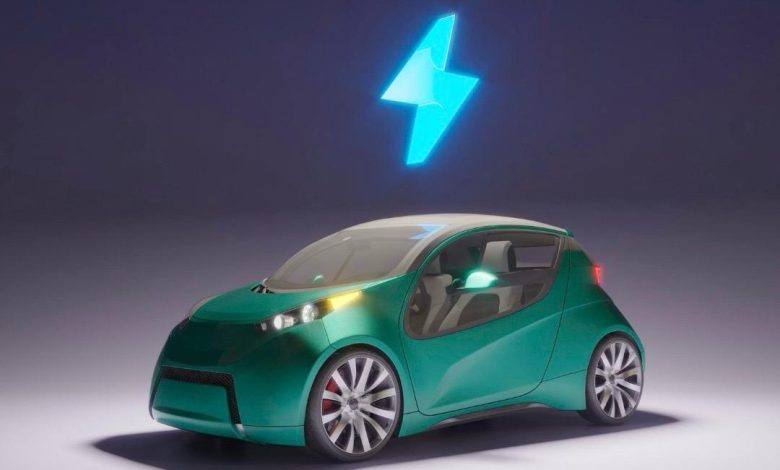
 أحدثت التكنولوجيا تطورا كبيرا في عالم السيارات، أبرزها تطوير الس يارات الكهربائية كحل مستدام للمستقبل. تتميز هذه السيارات بكفاءة عالية، وانبعاثات منخفضة، وتكاليف تشغيل أقل. رغم ذلك، لا تزال تواجه تحديات، ومع الابتكار المستمر تساهم التكنولوجيا في تجاوز هذه العقبات وتوسيع الاعتماد على النقل الكهربائي.

 أكد الأستاذ هاني هشام، مدير إحدي معارض السيارات الكهربائية بالقاهرة، أن معرضة يُعد من المعارض الرائدة في مجال السيارات الكهربائية في مصر، حيث اتخذ خطوة جريئة بافتتاح معرض متخصص بالكامل في السيارات الكهربائية. وأضاف: “خطوتنا جاءت من إيماننا بأن المستقبل في سيارتك، لأن البنزين في طريقه للنهاية”. وأضاف، أن السبب الثاني لاتخاذ هذه الخطوة هو الارتفاع الكبير في تكلفة البنزين، مما يجعل السيارات الكهربائية هي البديل القوي للسيارات التقليدية خلال الفترة القادمة.

 ومن جانبه، أكد الأستاذ مجدي كيلاني، أحد مسؤولي المبيعات لإحدي معارض السيارات بالقاهرة، أن التوجه للسيارات الكهربائية لم يعد رفاهية، بل ضرورة تفرضها المعايير البيئية والاقتصادية الحديثة. وأضاف أن المعرض يسعى لتوفير موديلات متنوعة تناسب احتياجات السوق المصري، مع تقديم خدمات ما بعد البيع وتوفير الدعم الفني اللازم، في خطوة تهدف إلى بناء ثقة المستهلك وتشجيعه على التحول لهذا النوع من السيارات

 مميزات سيارات الكهرباء:

 أوضح هشام، أنه من أبرز مميزات السيارات الكهربائية أنها تعتمد على بطاريات ليثيوم مما يجعل عمرها الافتراضي طويلاً ، ويجعلها أيضاً خيارًا عمليًا واقتصاديًا على المدى البعيد. كما أن قطع غيارها متوفرة، وصيانتها محدودة مقارنة بالسيارات التقليدية، كما أنها تحافظ على البيئة المحيطة بها وتُعد صديقة للبيئة، بفضل خلوّها من الانبعاثات الضارة.

وهناك نظام تمتاز به سيارات الكهرباء ليست في السيارات العادية وهي قدرتها على قراءة إرشادات الطريق الموجودة عليه، والتعرف على اللوحات والإشارات المنتشرة في الشوارع، مما يعزز من أمان القيادة ويسهل على السائقين التنقل بذكاء وسهولة.

 اتفق معه كيلاني، وأضاف أن السيارات الكهربائية تتميز بعدة مزايا تجعلها خيارًا أفضل للمستقبل، أولها نها لا تستهلك البنزين، مما يجعلها وسيلة موفرة بالمقارنة بالسيارات التقليدية المستهلكة للبنزين المستمر.

وتزوّد بعض من انواع سيارات الكهرباء المتقدمة في الطراز بأنظمة أمان ذكية، خاصة في السيارات ذاتية القيادة، فعلى سبيل المثال، إذا وجدت طفلا يقطع الطريق فجأة، تقوم السيارة تلقائيًا بتفعيل وضع منع التصادم والتوقف الفوري، مما يعزز من مستوى الامان على الطرق و علي المستخدم.

  التحديات التي تواجه سيارات الكهرباء :

 قال هشام، إن أولى التحديات التي تواجه انتشار السيارات الكهربائية تتعلق بالعقلية و التفكير، حيث لايزال كثير من الناس غير مقتنعين تمامًا بفكرة الاعتماد على هذا النوع من السيارات، ويشعرون بالتخوف من السير بسيارة تعمل فقط بالبطارية. هذا التخوف يُشكل عامل قلق لدى العديد من الأفراد، نتيجة لعدم الاطمئنان الكامل تجاه مدى أمان البطارية وكفاءتها، وهو ما يتطلب جهود أكبر لنشر الوعي وتوضيح مزايا هذه التكنولوجيا الجديدة.

 بينما يري الكيلاني، ان هناك تحدي واضح يتمثل في غياب المراكز المعتمدة لصيانتها حتى الآن فبالرغم من انها لا تحتاج صيانه في اغلب الاوقات الا انه لا يمكن شراء سيارة بدون معرفه مراكز صيانتها وذلك ايضا هو نوع من تخوف الافراد لشرائها، وذلك يحدث بسبب ضعف البنية التحتية اللازمة لدعم هذا النوع من السيارات بالشكل الكافي.

 وحول مدى تطور التكنولوجيا في مجال السيارات الكهربائية، يرى الأستاذ هشام، أن ما وصلت إليه هذه الصناعة يؤكد انها تمثل المستقبل الحقيقي لعالم السيارات، وان هذا التطور التكنولوجي يسهم في تعزيز ثقة المستهلك ويدعم توجه السوق نحو البدائل النظيفة والمستدامة.

ومن جانبه، أشار الكيلاني، إلي أن هذا التطور يمهد لتحول في قطاع النقل، خاصة على المدى البعيد. وأكد أن انتشار السيارات الكهربائية سيسهم بشكل كبير في تقليل نسبة التلوث الذي يتعرض له الهواء نتيجة الانبعاثات الناتجة عن وقود السيارات التقليدية.

 تمثل السيارات الكهربائية مستقبل النقل الذكي والمستدام، وسط التطور التكنولوجي المتسارع والجهود المستمرة لتجاوز هذه التحديات وبناء ثقة المستهلك نحو بيئة أنظف وقيادة أكثر كفاءة.


اظهر المزيد

مقالات ذات صلة

اترك تعليقاً

لن يتم نشر عنوان بريدك الإلكتروني. الحقول الإلزامية مشار إليها بـ *

زر الذهاب إلى الأعلى