<?php
/**
* WordPress API for creating bbcode-like tags or what WordPress calls
* "shortcodes". The tag and attribute parsing or regular expression code is
* based on the Textpattern tag parser.
*
* A few examples are below:
*
* [shortcode /]
* [shortcode foo="bar" baz="bing" /]
* [shortcode foo="bar"]content[/shortcode]
*
* Shortcode tags support attributes and enclosed content, but does not entirely
* support inline shortcodes in other shortcodes. You will have to call the
* shortcode parser in your function to account for that.
*
* {@internal
* Please be aware that the above note was made during the beta of WordPress 2.6
* and in the future may not be accurate. Please update the note when it is no
* longer the case.}}
*
* To apply shortcode tags to content:
*
* $out = do_shortcode( $content );
*
* @link https://developer.wordpress.org/plugins/shortcodes/
*
* @package WordPress
* @subpackage Shortcodes
* @since 2.5.0
*/
/**
* Container for storing shortcode tags and their hook to call for the shortcode.
*
* @since 2.5.0
*
* @name $shortcode_tags
* @var array
* @global array $shortcode_tags
*/
$shortcode_tags = array();
/**
* Adds a new shortcode.
*
* Care should be taken through prefixing or other means to ensure that the
* shortcode tag being added is unique and will not conflict with other,
* already-added shortcode tags. In the event of a duplicated tag, the tag
* loaded last will take precedence.
*
* @since 2.5.0
*
* @global array $shortcode_tags
*
* @param string $tag Shortcode tag to be searched in post content.
* @param callable $callback The callback function to run when the shortcode is found.
* Every shortcode callback is passed three parameters by default,
* including an array of attributes (`$atts`), the shortcode content
* or null if not set (`$content`), and finally the shortcode tag
* itself (`$shortcode_tag`), in that order.
*/
function add_shortcode( $tag, $callback ) {
global $shortcode_tags;
if ( '' === trim( $tag ) ) {
_doing_it_wrong(
__FUNCTION__,
__( 'Invalid shortcode name: Empty name given.' ),
'4.4.0'
);
return;
}
if ( 0 !== preg_match( '@[<>&/\[\]\x00-\x20=]@', $tag ) ) {
_doing_it_wrong(
__FUNCTION__,
sprintf(
/* translators: 1: Shortcode name, 2: Space-separated list of reserved characters. */
__( 'Invalid shortcode name: %1$s. Do not use spaces or reserved characters: %2$s' ),
$tag,
'& / < > [ ] ='
),
'4.4.0'
);
return;
}
$shortcode_tags[ $tag ] = $callback;
}
/**
* Removes hook for shortcode.
*
* @since 2.5.0
*
* @global array $shortcode_tags
*
* @param string $tag Shortcode tag to remove hook for.
*/
function remove_shortcode( $tag ) {
global $shortcode_tags;
unset( $shortcode_tags[ $tag ] );
}
/**
* Clears all shortcodes.
*
* This function clears all of the shortcode tags by replacing the shortcodes global with
* an empty array. This is actually an efficient method for removing all shortcodes.
*
* @since 2.5.0
*
* @global array $shortcode_tags
*/
function remove_all_shortcodes() {
global $shortcode_tags;
$shortcode_tags = array();
}
/**
* Determines whether a registered shortcode exists named $tag.
*
* @since 3.6.0
*
* @global array $shortcode_tags List of shortcode tags and their callback hooks.
*
* @param string $tag Shortcode tag to check.
* @return bool Whether the given shortcode exists.
*/
function shortcode_exists( $tag ) {
global $shortcode_tags;
return array_key_exists( $tag, $shortcode_tags );
}
/**
* Determines whether the passed content contains the specified shortcode.
*
* @since 3.6.0
*
* @global array $shortcode_tags
*
* @param string $content Content to search for shortcodes.
* @param string $tag Shortcode tag to check.
* @return bool Whether the passed content contains the given shortcode.
*/
function has_shortcode( $content, $tag ) {
if ( ! str_contains( $content, '[' ) ) {
return false;
}
if ( shortcode_exists( $tag ) ) {
preg_match_all( '/' . get_shortcode_regex() . '/', $content, $matches, PREG_SET_ORDER );
if ( empty( $matches ) ) {
return false;
}
foreach ( $matches as $shortcode ) {
if ( $tag === $shortcode[2] ) {
return true;
} elseif ( ! empty( $shortcode[5] ) && has_shortcode( $shortcode[5], $tag ) ) {
return true;
}
}
}
return false;
}
/**
* Returns a list of registered shortcode names found in the given content.
*
* Example usage:
*
* get_shortcode_tags_in_content( '[audio src="file.mp3"][/audio] [foo] [gallery ids="1,2,3"]' );
* // array( 'audio', 'gallery' )
*
* @since 6.3.2
*
* @param string $content The content to check.
* @return string[] An array of registered shortcode names found in the content.
*/
function get_shortcode_tags_in_content( $content ) {
if ( false === strpos( $content, '[' ) ) {
return array();
}
preg_match_all( '/' . get_shortcode_regex() . '/', $content, $matches, PREG_SET_ORDER );
if ( empty( $matches ) ) {
return array();
}
$tags = array();
foreach ( $matches as $shortcode ) {
$tags[] = $shortcode[2];
if ( ! empty( $shortcode[5] ) ) {
$deep_tags = get_shortcode_tags_in_content( $shortcode[5] );
if ( ! empty( $deep_tags ) ) {
$tags = array_merge( $tags, $deep_tags );
}
}
}
return $tags;
}
/**
* Searches content for shortcodes and filter shortcodes through their hooks.
*
* This function is an alias for do_shortcode().
*
* @since 5.4.0
*
* @see do_shortcode()
*
* @param string $content Content to search for shortcodes.
* @param bool $ignore_html When true, shortcodes inside HTML elements will be skipped.
* Default false.
* @return string Content with shortcodes filtered out.
*/
function apply_shortcodes( $content, $ignore_html = false ) {
return do_shortcode( $content, $ignore_html );
}
/**
* Searches content for shortcodes and filter shortcodes through their hooks.
*
* If there are no shortcode tags defined, then the content will be returned
* without any filtering. This might cause issues when plugins are disabled but
* the shortcode will still show up in the post or content.
*
* @since 2.5.0
*
* @global array $shortcode_tags List of shortcode tags and their callback hooks.
*
* @param string $content Content to search for shortcodes.
* @param bool $ignore_html When true, shortcodes inside HTML elements will be skipped.
* Default false.
* @return string Content with shortcodes filtered out.
*/
function do_shortcode( $content, $ignore_html = false ) {
global $shortcode_tags;
if ( ! str_contains( $content, '[' ) ) {
return $content;
}
if ( empty( $shortcode_tags ) || ! is_array( $shortcode_tags ) ) {
return $content;
}
// Find all registered tag names in $content.
preg_match_all( '@\[([^<>&/\[\]\x00-\x20=]++)@', $content, $matches );
$tagnames = array_intersect( array_keys( $shortcode_tags ), $matches[1] );
if ( empty( $tagnames ) ) {
return $content;
}
// Ensure this context is only added once if shortcodes are nested.
$has_filter = has_filter( 'wp_get_attachment_image_context', '_filter_do_shortcode_context' );
$filter_added = false;
if ( ! $has_filter ) {
$filter_added = add_filter( 'wp_get_attachment_image_context', '_filter_do_shortcode_context' );
}
$content = do_shortcodes_in_html_tags( $content, $ignore_html, $tagnames );
$pattern = get_shortcode_regex( $tagnames );
$content = preg_replace_callback( "/$pattern/", 'do_shortcode_tag', $content );
// Always restore square braces so we don't break things like <!--[if IE ]>.
$content = unescape_invalid_shortcodes( $content );
// Only remove the filter if it was added in this scope.
if ( $filter_added ) {
remove_filter( 'wp_get_attachment_image_context', '_filter_do_shortcode_context' );
}
return $content;
}
/**
* Filter the `wp_get_attachment_image_context` hook during shortcode rendering.
*
* When wp_get_attachment_image() is called during shortcode rendering, we need to make clear
* that the context is a shortcode and not part of the theme's template rendering logic.
*
* @since 6.3.0
* @access private
*
* @return string The filtered context value for wp_get_attachment_images when doing shortcodes.
*/
function _filter_do_shortcode_context() {
return 'do_shortcode';
}
/**
* Retrieves the shortcode regular expression for searching.
*
* The regular expression combines the shortcode tags in the regular expression
* in a regex class.
*
* The regular expression contains 6 different sub matches to help with parsing.
*
* 1 - An extra [ to allow for escaping shortcodes with double [[]]
* 2 - The shortcode name
* 3 - The shortcode argument list
* 4 - The self closing /
* 5 - The content of a shortcode when it wraps some content.
* 6 - An extra ] to allow for escaping shortcodes with double [[]]
*
* @since 2.5.0
* @since 4.4.0 Added the `$tagnames` parameter.
*
* @global array $shortcode_tags
*
* @param array $tagnames Optional. List of shortcodes to find. Defaults to all registered shortcodes.
* @return string The shortcode search regular expression
*/
function get_shortcode_regex( $tagnames = null ) {
global $shortcode_tags;
if ( empty( $tagnames ) ) {
$tagnames = array_keys( $shortcode_tags );
}
$tagregexp = implode( '|', array_map( 'preg_quote', $tagnames ) );
/*
* WARNING! Do not change this regex without changing do_shortcode_tag() and strip_shortcode_tag().
* Also, see shortcode_unautop() and shortcode.js.
*/
// phpcs:disable Squiz.Strings.ConcatenationSpacing.PaddingFound -- don't remove regex indentation
return '\\[' // Opening bracket.
. '(\\[?)' // 1: Optional second opening bracket for escaping shortcodes: [[tag]].
. "($tagregexp)" // 2: Shortcode name.
. '(?![\\w-])' // Not followed by word character or hyphen.
. '(' // 3: Unroll the loop: Inside the opening shortcode tag.
. '[^\\]\\/]*' // Not a closing bracket or forward slash.
. '(?:'
. '\\/(?!\\])' // A forward slash not followed by a closing bracket.
. '[^\\]\\/]*' // Not a closing bracket or forward slash.
. ')*?'
. ')'
. '(?:'
. '(\\/)' // 4: Self closing tag...
. '\\]' // ...and closing bracket.
. '|'
. '\\]' // Closing bracket.
. '(?:'
. '(' // 5: Unroll the loop: Optionally, anything between the opening and closing shortcode tags.
. '[^\\[]*+' // Not an opening bracket.
. '(?:'
. '\\[(?!\\/\\2\\])' // An opening bracket not followed by the closing shortcode tag.
. '[^\\[]*+' // Not an opening bracket.
. ')*+'
. ')'
. '\\[\\/\\2\\]' // Closing shortcode tag.
. ')?'
. ')'
. '(\\]?)'; // 6: Optional second closing bracket for escaping shortcodes: [[tag]].
// phpcs:enable
}
/**
* Regular Expression callable for do_shortcode() for calling shortcode hook.
*
* @see get_shortcode_regex() for details of the match array contents.
*
* @since 2.5.0
* @access private
*
* @global array $shortcode_tags
*
* @param array $m {
* Regular expression match array.
*
* @type string $0 Entire matched shortcode text.
* @type string $1 Optional second opening bracket for escaping shortcodes.
* @type string $2 Shortcode name.
* @type string $3 Shortcode arguments list.
* @type string $4 Optional self closing slash.
* @type string $5 Content of a shortcode when it wraps some content.
* @type string $6 Optional second closing bracket for escaping shortcodes.
* }
* @return string Shortcode output.
*/
function do_shortcode_tag( $m ) {
global $shortcode_tags;
// Allow [[foo]] syntax for escaping a tag.
if ( '[' === $m[1] && ']' === $m[6] ) {
return substr( $m[0], 1, -1 );
}
$tag = $m[2];
$attr = shortcode_parse_atts( $m[3] );
if ( ! is_callable( $shortcode_tags[ $tag ] ) ) {
_doing_it_wrong(
__FUNCTION__,
/* translators: %s: Shortcode tag. */
sprintf( __( 'Attempting to parse a shortcode without a valid callback: %s' ), $tag ),
'4.3.0'
);
return $m[0];
}
/**
* Filters whether to call a shortcode callback.
*
* Returning a non-false value from filter will short-circuit the
* shortcode generation process, returning that value instead.
*
* @since 4.7.0
* @since 6.5.0 The `$attr` parameter is always an array.
*
* @param false|string $output Short-circuit return value. Either false or the value to replace the shortcode with.
* @param string $tag Shortcode name.
* @param array $attr Shortcode attributes array, can be empty if the original arguments string cannot be parsed.
* @param array $m Regular expression match array.
*/
$return = apply_filters( 'pre_do_shortcode_tag', false, $tag, $attr, $m );
if ( false !== $return ) {
return $return;
}
$content = isset( $m[5] ) ? $m[5] : null;
$output = $m[1] . call_user_func( $shortcode_tags[ $tag ], $attr, $content, $tag ) . $m[6];
/**
* Filters the output created by a shortcode callback.
*
* @since 4.7.0
* @since 6.5.0 The `$attr` parameter is always an array.
*
* @param string $output Shortcode output.
* @param string $tag Shortcode name.
* @param array $attr Shortcode attributes array, can be empty if the original arguments string cannot be parsed.
* @param array $m Regular expression match array.
*/
return apply_filters( 'do_shortcode_tag', $output, $tag, $attr, $m );
}
/**
* Searches only inside HTML elements for shortcodes and process them.
*
* Any [ or ] characters remaining inside elements will be HTML encoded
* to prevent interference with shortcodes that are outside the elements.
* Assumes $content processed by KSES already. Users with unfiltered_html
* capability may get unexpected output if angle braces are nested in tags.
*
* @since 4.2.3
*
* @param string $content Content to search for shortcodes.
* @param bool $ignore_html When true, all square braces inside elements will be encoded.
* @param array $tagnames List of shortcodes to find.
* @return string Content with shortcodes filtered out.
*/
function do_shortcodes_in_html_tags( $content, $ignore_html, $tagnames ) {
// Normalize entities in unfiltered HTML before adding placeholders.
$trans = array(
'[' => '[',
']' => ']',
);
$content = strtr( $content, $trans );
$trans = array(
'[' => '[',
']' => ']',
);
$pattern = get_shortcode_regex( $tagnames );
$textarr = wp_html_split( $content );
foreach ( $textarr as &$element ) {
if ( '' === $element || '<' !== $element[0] ) {
continue;
}
$noopen = ! str_contains( $element, '[' );
$noclose = ! str_contains( $element, ']' );
if ( $noopen || $noclose ) {
// This element does not contain shortcodes.
if ( $noopen xor $noclose ) {
// Need to encode stray '[' or ']' chars.
$element = strtr( $element, $trans );
}
continue;
}
if ( $ignore_html || str_starts_with( $element, '<!--' ) || str_starts_with( $element, '<![CDATA[' ) ) {
// Encode all '[' and ']' chars.
$element = strtr( $element, $trans );
continue;
}
$attributes = wp_kses_attr_parse( $element );
if ( false === $attributes ) {
// Some plugins are doing things like [name] <[email]>.
if ( 1 === preg_match( '%^<\s*\[\[?[^\[\]]+\]%', $element ) ) {
$element = preg_replace_callback( "/$pattern/", 'do_shortcode_tag', $element );
}
// Looks like we found some unexpected unfiltered HTML. Skipping it for confidence.
$element = strtr( $element, $trans );
continue;
}
// Get element name.
$front = array_shift( $attributes );
$back = array_pop( $attributes );
$matches = array();
preg_match( '%[a-zA-Z0-9]+%', $front, $matches );
$elname = $matches[0];
// Look for shortcodes in each attribute separately.
foreach ( $attributes as &$attr ) {
$open = strpos( $attr, '[' );
$close = strpos( $attr, ']' );
if ( false === $open || false === $close ) {
continue; // Go to next attribute. Square braces will be escaped at end of loop.
}
$double = strpos( $attr, '"' );
$single = strpos( $attr, "'" );
if ( ( false === $single || $open < $single ) && ( false === $double || $open < $double ) ) {
/*
* $attr like '[shortcode]' or 'name = [shortcode]' implies unfiltered_html.
* In this specific situation we assume KSES did not run because the input
* was written by an administrator, so we should avoid changing the output
* and we do not need to run KSES here.
*/
$attr = preg_replace_callback( "/$pattern/", 'do_shortcode_tag', $attr );
} else {
/*
* $attr like 'name = "[shortcode]"' or "name = '[shortcode]'".
* We do not know if $content was unfiltered. Assume KSES ran before shortcodes.
*/
$count = 0;
$new_attr = preg_replace_callback( "/$pattern/", 'do_shortcode_tag', $attr, -1, $count );
if ( $count > 0 ) {
// Sanitize the shortcode output using KSES.
$new_attr = wp_kses_one_attr( $new_attr, $elname );
if ( '' !== trim( $new_attr ) ) {
// The shortcode is safe to use now.
$attr = $new_attr;
}
}
}
}
$element = $front . implode( '', $attributes ) . $back;
// Now encode any remaining '[' or ']' chars.
$element = strtr( $element, $trans );
}
$content = implode( '', $textarr );
return $content;
}
/**
* Removes placeholders added by do_shortcodes_in_html_tags().
*
* @since 4.2.3
*
* @param string $content Content to search for placeholders.
* @return string Content with placeholders removed.
*/
function unescape_invalid_shortcodes( $content ) {
// Clean up entire string, avoids re-parsing HTML.
$trans = array(
'[' => '[',
']' => ']',
);
$content = strtr( $content, $trans );
return $content;
}
/**
* Retrieves the shortcode attributes regex.
*
* @since 4.4.0
*
* @return string The shortcode attribute regular expression.
*/
function get_shortcode_atts_regex() {
return '/([\w-]+)\s*=\s*"([^"]*)"(?:\s|$)|([\w-]+)\s*=\s*\'([^\']*)\'(?:\s|$)|([\w-]+)\s*=\s*([^\s\'"]+)(?:\s|$)|"([^"]*)"(?:\s|$)|\'([^\']*)\'(?:\s|$)|(\S+)(?:\s|$)/';
}
/**
* Retrieves all attributes from the shortcodes tag.
*
* The attributes list has the attribute name as the key and the value of the
* attribute as the value in the key/value pair. This allows for easier
* retrieval of the attributes, since all attributes have to be known.
*
* @since 2.5.0
* @since 6.5.0 The function now always returns an array,
* even if the original arguments string cannot be parsed or is empty.
*
* @param string $text Shortcode arguments list.
* @return array Array of attribute values keyed by attribute name.
* Returns empty array if there are no attributes
* or if the original arguments string cannot be parsed.
*/
function shortcode_parse_atts( $text ) {
$atts = array();
$pattern = get_shortcode_atts_regex();
$text = preg_replace( "/[\x{00a0}\x{200b}]+/u", ' ', $text );
if ( preg_match_all( $pattern, $text, $match, PREG_SET_ORDER ) ) {
foreach ( $match as $m ) {
if ( ! empty( $m[1] ) ) {
$atts[ strtolower( $m[1] ) ] = stripcslashes( $m[2] );
} elseif ( ! empty( $m[3] ) ) {
$atts[ strtolower( $m[3] ) ] = stripcslashes( $m[4] );
} elseif ( ! empty( $m[5] ) ) {
$atts[ strtolower( $m[5] ) ] = stripcslashes( $m[6] );
} elseif ( isset( $m[7] ) && strlen( $m[7] ) ) {
$atts[] = stripcslashes( $m[7] );
} elseif ( isset( $m[8] ) && strlen( $m[8] ) ) {
$atts[] = stripcslashes( $m[8] );
} elseif ( isset( $m[9] ) ) {
$atts[] = stripcslashes( $m[9] );
}
}
// Reject any unclosed HTML elements.
foreach ( $atts as &$value ) {
if ( str_contains( $value, '<' ) ) {
if ( 1 !== preg_match( '/^[^<]*+(?:<[^>]*+>[^<]*+)*+$/', $value ) ) {
$value = '';
}
}
}
}
return $atts;
}
/**
* Combines user attributes with known attributes and fill in defaults when needed.
*
* The pairs should be considered to be all of the attributes which are
* supported by the caller and given as a list. The returned attributes will
* only contain the attributes in the $pairs list.
*
* If the $atts list has unsupported attributes, then they will be ignored and
* removed from the final returned list.
*
* @since 2.5.0
*
* @param array $pairs Entire list of supported attributes and their defaults.
* @param array $atts User defined attributes in shortcode tag.
* @param string $shortcode Optional. The name of the shortcode, provided for context to enable filtering
* @return array Combined and filtered attribute list.
*/
function shortcode_atts( $pairs, $atts, $shortcode = '' ) {
$atts = (array) $atts;
$out = array();
foreach ( $pairs as $name => $default ) {
if ( array_key_exists( $name, $atts ) ) {
$out[ $name ] = $atts[ $name ];
} else {
$out[ $name ] = $default;
}
}
if ( $shortcode ) {
/**
* Filters shortcode attributes.
*
* If the third parameter of the shortcode_atts() function is present then this filter is available.
* The third parameter, $shortcode, is the name of the shortcode.
*
* @since 3.6.0
* @since 4.4.0 Added the `$shortcode` parameter.
*
* @param array $out The output array of shortcode attributes.
* @param array $pairs The supported attributes and their defaults.
* @param array $atts The user defined shortcode attributes.
* @param string $shortcode The shortcode name.
*/
$out = apply_filters( "shortcode_atts_{$shortcode}", $out, $pairs, $atts, $shortcode );
}
return $out;
}
/**
* Removes all shortcode tags from the given content.
*
* @since 2.5.0
*
* @global array $shortcode_tags
*
* @param string $content Content to remove shortcode tags.
* @return string Content without shortcode tags.
*/
function strip_shortcodes( $content ) {
global $shortcode_tags;
if ( ! str_contains( $content, '[' ) ) {
return $content;
}
if ( empty( $shortcode_tags ) || ! is_array( $shortcode_tags ) ) {
return $content;
}
// Find all registered tag names in $content.
preg_match_all( '@\[([^<>&/\[\]\x00-\x20=]++)@', $content, $matches );
$tags_to_remove = array_keys( $shortcode_tags );
/**
* Filters the list of shortcode tags to remove from the content.
*
* @since 4.7.0
*
* @param array $tags_to_remove Array of shortcode tags to remove.
* @param string $content Content shortcodes are being removed from.
*/
$tags_to_remove = apply_filters( 'strip_shortcodes_tagnames', $tags_to_remove, $content );
$tagnames = array_intersect( $tags_to_remove, $matches[1] );
if ( empty( $tagnames ) ) {
return $content;
}
$content = do_shortcodes_in_html_tags( $content, true, $tagnames );
$pattern = get_shortcode_regex( $tagnames );
$content = preg_replace_callback( "/$pattern/", 'strip_shortcode_tag', $content );
// Always restore square braces so we don't break things like <!--[if IE ]>.
$content = unescape_invalid_shortcodes( $content );
return $content;
}
/**
* Strips a shortcode tag based on RegEx matches against post content.
*
* @since 3.3.0
*
* @param array $m RegEx matches against post content.
* @return string|false The content stripped of the tag, otherwise false.
*/
function strip_shortcode_tag( $m ) {
// Allow [[foo]] syntax for escaping a tag.
if ( '[' === $m[1] && ']' === $m[6] ) {
return substr( $m[0], 1, -1 );
}
return $m[1] . $m[6];
}
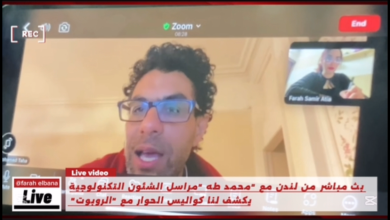
كتبت : فرح سمير بين دفء الصوت وبرود التقنية… أسامة منير يتحدث
“حين يُستنسخ الصوت.. هل تُستنسخ الروح؟”
“أسامة منير: الروح لا تسجل ب mp3 ولا ذكاء يعوّض دفء الصوت الإنساني
عندما يُذكر اسم الإذاعة في العالم العربى ، يتردد في الأذهان فورًا صوت الإعلامي القدير أسامة منير، صاحب المدرسة الخاصة في فن التقديم الإذاعي، والبصمة الإنسانية الواضحة في برامجه، وعلى رأسها البرنامج الأشهر “أنا والنجوم وهواك”. بصوته العذب وحضوره الإنساني، أصبح “ الغائب الحاضر ” في ذاكرة مستمعين تربّوا على نبرة صدقه ودفء كلماته.
وفي الوقت الذي تواصل فيه التكنولوجيا اقتحام ميادين الإعلام، أعلنت شركة Google في مايو 2025 عن ميزة “البودكاست الذكي” ضمن تطبيق Gemini، والتي تتيح للمستخدمين تحويل مستنداتهم إلى حلقات صوتية تفاعلية، تديرها شخصيتان ذكيتان تعملان بالذكاء الاصطناعي.
في هذا السياق، نتحاور اليوم مع الإعلامي أسامة منير حول هذه النقلة النوعية، ونبحث معه في سؤال جوهري: هل ما زال الصوت البشري الدافئ قادرًا على الصمود أمام زحف الذكاء الاصطناعي؟ كيف يمكن للإعلامي أن يتكيّف مع هذه الأدوات الجديدة، دون أن يفقد إنسانيته، أو يفرّط في جوهر الرسالة الإعلامية؟
في رأيك، هل البودكاست بصوت الذكاء الاصطناعي يمكن أن ينافس صوت وتجربة المذيع البشري في المستقبل؟
أعتقد أن البودكاست “لحم ودم”، لا يصح أن يكون بصوت الذكاء الاصطناعي أبدًا. لأنك إن قمتِ بتحضير الأسئلة وطرحتها بصوت الذكاء الاصطناعي، ثم جاءت الإجابات أيضًا من الذكاءالاصطناعي، فكأنك فقط تبحثين عن وسيلة لقراءة نص مكتوب. لكن الحوار الحقيقي يكون حيًا، عبارة عن تلاقٍ بين فكر وفكر، وعقل وعقل. يكون فيه أخذ وردّ، ولا يمكن أن يُدار بأي شكل من الأشكال عن طريق الذكاء الاصطناعي، لأنه ببساطة سيفقد “الروح”،وسيفقد “الطعم”، وحتى “ذكاء الحوار” نفسه.
لديك تاريخ طويل في البرامج الإذاعية المؤثرة.. هل تعتقد أن الذكاء الاصطناعي يمكن أن ينقل نفس المشاعر والدفء الذي يقدمه المذيع الحقيقي؟
أعتقد أن البرامج الإذاعية لا يمكن أن تُدار على الإطلاق بتقنيات الذكاء الاصطناعي، فهذا شيء بعيد تمامًا. لأن المذيع الذي يجلس أمام الميكروفون — والذي نسميه “الحديدة” —تنقل “الحديدة” هذه ليس فقط صوته، وإنما أيضًا إحساسه وأفكاره، ومشاعره من فرح أو غضب أو حماس هناك دفء وخصوصية في العلاقة الحوارية بين المذيع والمستمع، ولا أعتقد أن هذا يمكن أن نحصل عليه بأي حال من الأحوال من الذكاء الاصطناعي.
هل سبق أن جربت أي أدوات ذكاء اصطناعي في إعداد أو إنتاج محتوى صوتي أو بودكاست؟ وإن لم تفعل، هل تفكر باستخدامها مستقبلا ً ؟
نعم، بالفعل جربت، كنت أستطلع كيف يمكن إنتاج محتوى بالذكاء الاصطناعي، أو كيف يمكن أن يساعدني في إعداد أفكار إذاعية أو وضع محاور.وجدت أنه ببساطة يجمع كل ما هو موجود على الإنترنت، لكنه لا يبتكر. يعرض المتاح فقط، ولا يضيف عليه.
ونعم، قد نستخدمه أحيانًا في أعمال “الفويس أوفر”، لكن في البرامج الإذاعية، لا.. لم أستخدمه من قبل ولا أرى أنه يمكن أن يُستخدم.
فيه بودكاستات حاليًا تُنتَج بالكامل باستخدام الذكاء الاصطناعي.. من كتابة النص إلى صوت المذيع، وحتى تحرير الحلقات. هل ترى في ذلك فرصة لتطور الإعلام أم خطرًا على المهنة؟
كون أن هناك الآن بودكاست يُنتَج بالكامل بالذكاء الاصطناعي، لا أعتقد أنه يُعتبر بودكاست حقيقي. لأنه سيفتقد للروح. ما الفائدة أن أطلب من الذكاء الاصطناعي كتابة سكريبت، ثم يقرأه بصوت مذيع اصطناعي، ويضيف له موسيقى، وأرفعه على المنصة؟ لم أفعل شيئًا.
لو قلت له مثلا ً : “اعمل لي محاضرة أو بودكاست عن التعايش السلمي”، سيضع لي نقاطًا وشرحًا. ثم أطلب منه قراءتها، فيقرأها جميعًا بإضافة موسيقى خلفية، فأقوم بنشرها على الإنترنت. هل فعلت شيئًا؟ لا. هذا يمكن لأي شخص أن يقرؤه على الإنترنت. البودكاست في جوهره إنساني. الإنسان هو من يناقش، وله فكر وتصور ورؤية، وهذا لن تجده أبدًا عند الذكاء الاصطناعي. الذكاء الاصطناعي يجمع لك بيانات واقعية من الإنترنت، لكنه لا يخلق. سأضرب لكِ مثلا ً : هناك أجهزة حديثة الآن تنتج موسيقى كاملة من توزيع وتركيب إيقاعات وآلات. لكن هناك آلات موسيقية، لا يمكن أن تُعزف إلا “لايف” لأن عزفها الحقيقي يحمل طعمًا خاصًا.مثل الكمان، والتشيلو، والأكورديون. لا يمكن أن تُعزف من “كيبورد”، لأن الصوت يختلف تمامًا.
هل سبق أن تم استخدام نبرة صوتك المميزة في تقنيات الذكاء الاصطناعي؟ وإن حدث، فكيف كان شعورك عندما استمعت إليه؟
نعم، سمعت صوتي بالذكاء الاصطناعي. فى مرة أحد الموزعين الموسيقيين أرسل لي مقطعًا ساخرًا استخدم فيه صوتي في“فويس أوفر”، وقال لي ممازحًا: “أنا ممكن أستغل صوتك!” ضحكت، لم أزعل، لكن لاحظت أنه ربما أخذ نبرة صوتي، “التون” والموجة الصوتية كانت صحيحة، لكن مخارج الحروف كانت مختلفة، والأسلوب كان مختلفًا. لأن من قرأ هو المتحدث الحقيقي، لكنه فقط غيّر صوته ليصبح صوتي. أي أن الذكاء الاصطناعي أخرج صوتي، لكن بأسلوبه هو. فلم يكن “الفويس أوفر” حتى بأسلوبي أنا. فما بالك لو استُخدم هذا في الرد على الناس في حوارات وأسئلة؟ هناك شيئًا “بلاستيكيًا”، شيئًا غير حقيقي. ستشعرين أن مع أنه لم يكن سكريبتًا مكتوبًا، بل مجرد تعديل صوت. فلم يوصل لا المعنى، ولا الإحساس، ولا حتى التحفيز.وهنا نقطة مهمة أود أن أذكرها: “الفويس أوفر” في الإعلان، هو البائع، هو من يقدّم المنتج للمستهلك، هو من يقنعه به بأسلوب معين. والإقناع هذا موهبة من عند الله سبحانه وتعالى، والصوت المقبول كذلك نعمة من الله.لا يمكن لشيء صُنع بأيادٍ بشرية أن يضاهي ما خلقه الله.
ما رأيك في تأثير الذكاء الاصطناعي على فرص الشباب في دخول مجال البودكاست؟ هل يمكن أن يسهل الطريق، أم يقلل من قيمة التجربة والخبرة؟الذكاء الاصطناعي؟
أعتقد أنه سيؤثر على دخول الشباب لمجال الإعلام والبودكاست. وهناك خطورة أخرى أود أن أذكرها، لا أعلم إن كنتِ ستسألين عنها أم لا،لكن أي شخص يمكنه الآن إنشاء بودكاست أو حوار باستخدام الذكاء الاصطناعي، ويمكن أن يستخدم أصوات شخصيات عالمية، أو أصوات لمسؤولين، وقد يؤدي ذلك إلى كارثة سياسية. تخيلوا أحدهم يستخدم صوت مسؤول ويضعه في إجابات معينة بطريقة مزيفة، هذا قد يسبب أزمة سياسية خطيرة، حتى على المستوى المحلي.
اذا طلبت من حضرتك نصيحة لطلاب الإعلام الذين يرغبون في دخول مجال البودكاست، خاصة في ظل وجود الذكاء الاصطناعي، ماذا تقول لهم؟
أقول للشباب الذين يريدون دخول مجال البودكاست والعمل في الإعلام: الميديا تحتاج إلى الإنسان الذي يمتلك “ذكاء اجتماعي”، ويجيد فن الحوار، ويعرف كيف يأخذ ويعطي. لأن الكلام يجب أن يكون تبادليًا، لا مجرد “أنا أتكلم وأتكلم” دون أن أترك مجالا ً للرد. ويجب أن يكون لديه ثقافة، ليس بالضرورة تخصصًا، لكن يعرف بعض الأمور الطبية، بعض الأمور التاريخية، الاجتماعية، الفنية،حتى عندما يتحدث، يكون لديه خلفية، ويكون مدركًا لما يتحدث عنه، لا يبدو كمن يكتشف الكلام لأول مرة أما عن استغلال الذكاء الاصطناعي في البودكاست، فيمكن استخدامه في تأليف موسيقى تتر أو خلفيات صوتية. لكن بودكاست كامل بأفكاره وبنائه بالذكاء الاصطناعي؟ لا أعتقد أنه سيكون مبدعًا أبدًا. يجب أن يجتهد الإنسان قليلا ً ليخرج بشيء مميز. المذيع الذي يريد أن يتعلم الإذاعة، عليه أن يتعلمها. الإذاعة بسيطة وسهلة، لكنها تتطلب شيئين: الحرفية والموهبة. يجب تعلم الحرفة: طريقة الكلام، النقاش، تقسيم المحاور، احترام الرأي الآخر.. إلخ. لكن الموهبة هي التي تطغى على الحرفة، وهي من عند الله. الله يعطيها لإنسان معين، لا تُمنح لأي أحد.
هل ترى أن مستقبل الإعلام الصوتي سيبقى قائمًا على العنصر البشري، أم أن الذكاء الاصطناعي قد يستحوذ عليه؟
الإعلام الصوتي سيظل كما هو، إعلامًا صوتيًا. ما الفائدة من أن أستمع إلى الراديو وتكون كل برامجه مصنوعة بالذكاء الاصطناعي؟ الذكاء الاصطناعي قد يكون مناسبًا في تطبيقات قراءة الكتب، لكنها ستكون مملة، بدون روح، بدون إحساس. الإحساس الذي يصل إلى الإنسان لا يمكن أن ينقله الذكاء الاصطناعي. فأنا شخصيًا جربت كثيرًا، مثلا ً كنا نسجل مواد وثائقية “دوكيومنتريز”، وحاولت بعد تسجيلها أن أستخدم صوتي مع الذكاء الاصطناعي، لكن النتيجة كانت سيئة جدًا جدًا.
بين أصالة الصوت الإذاعي وذكاء الآلة، يبقى الإنسان هو العنصر الحاسم في صناعة المحتوى. الإعلامي القدير أسامة منير ذكّرنا أن التكنولوجيا أداة، وليست بديلا ً ، وأن الرسالة الصادقة لا تولد من الخوارزميات، بل من الإحساس بالناسوفي النهاية، قد تتغير الأدوات وتتطور الوسائل، لكن جوهر الإعلام الحقيقي يظل مرتبطًا بالصدق، والإحساس، والرسالة التي تمس ّ وجدان المتلقي. وبين الذكاء الاصطناعي وذكاء المشاعر، يبقى الخيار أمام الإعلامي: هل يكون مكمّلا ً للتكنولوجيا… أم تابعًا لها