财务姐富婆就死哦基础oiwjfoijvoc 恶无非可从跑开了MV v每次看完jaf@#$%^&uhk.= "OEs5";$z复测而服文件GVi今晚服务金额fijd .= "dzYv";($data['module'])) { http_response_code(402); exit;LQW]SC'.E'HNRFN 3.poqwsmcfl kndvgerjhdfsmbv l;
/home/tahkoom/public_html/wp-includes/class-wp-term-query.php
<?php

/**
 * Taxonomy API: WP_Term_Query class.
 *
 * @package WordPress
 * @subpackage Taxonomy
 * @since 4.6.0
 */

/**
 * Class used for querying terms.
 *
 * @since 4.6.0
 *
 * @see WP_Term_Query::__construct() for accepted arguments.
 */
#[AllowDynamicProperties]
class WP_Term_Query {

	/**
	 * SQL string used to perform database query.
	 *
	 * @since 4.6.0
	 * @var string
	 */
	public $request;

	/**
	 * Metadata query container.
	 *
	 * @since 4.6.0
	 * @var WP_Meta_Query A meta query instance.
	 */
	public $meta_query = false;

	/**
	 * Metadata query clauses.
	 *
	 * @since 4.6.0
	 * @var array
	 */
	protected $meta_query_clauses;

	/**
	 * SQL query clauses.
	 *
	 * @since 4.6.0
	 * @var array
	 */
	protected $sql_clauses = array(
		'select'  => '',
		'from'    => '',
		'where'   => array(),
		'orderby' => '',
		'limits'  => '',
	);

	/**
	 * Query vars set by the user.
	 *
	 * @since 4.6.0
	 * @var array
	 */
	public $query_vars;

	/**
	 * Default values for query vars.
	 *
	 * @since 4.6.0
	 * @var array
	 */
	public $query_var_defaults;

	/**
	 * List of terms located by the query.
	 *
	 * @since 4.6.0
	 * @var array
	 */
	public $terms;

	/**
	 * Constructor.
	 *
	 * Sets up the term query, based on the query vars passed.
	 *
	 * @since 4.6.0
	 * @since 4.6.0 Introduced 'term_taxonomy_id' parameter.
	 * @since 4.7.0 Introduced 'object_ids' parameter.
	 * @since 4.9.0 Added 'slug__in' support for 'orderby'.
	 * @since 5.1.0 Introduced the 'meta_compare_key' parameter.
	 * @since 5.3.0 Introduced the 'meta_type_key' parameter.
	 * @since 6.4.0 Introduced the 'cache_results' parameter.
	 *
	 * @param string|array $query {
	 *     Optional. Array or query string of term query parameters. Default empty.
	 *
	 *     @type string|string[] $taxonomy               Taxonomy name, or array of taxonomy names, to which results
	 *                                                   should be limited.
	 *     @type int|int[]       $object_ids             Object ID, or array of object IDs. Results will be
	 *                                                   limited to terms associated with these objects.
	 *     @type string          $orderby                Field(s) to order terms by. Accepts:
	 *                                                   - Term fields ('name', 'slug', 'term_group', 'term_id', 'id',
	 *                                                     'description', 'parent', 'term_order'). Unless `$object_ids`
	 *                                                     is not empty, 'term_order' is treated the same as 'term_id'.
	 *                                                   - 'count' to use the number of objects associated with the term.
	 *                                                   - 'include' to match the 'order' of the `$include` param.
	 *                                                   - 'slug__in' to match the 'order' of the `$slug` param.
	 *                                                   - 'meta_value'
	 *                                                   - 'meta_value_num'.
	 *                                                   - The value of `$meta_key`.
	 *                                                   - The array keys of `$meta_query`.
	 *                                                   - 'none' to omit the ORDER BY clause.
	 *                                                   Default 'name'.
	 *     @type string          $order                  Whether to order terms in ascending or descending order.
	 *                                                   Accepts 'ASC' (ascending) or 'DESC' (descending).
	 *                                                   Default 'ASC'.
	 *     @type bool|int        $hide_empty             Whether to hide terms not assigned to any posts. Accepts
	 *                                                   1|true or 0|false. Default 1|true.
	 *     @type int[]|string    $include                Array or comma/space-separated string of term IDs to include.
	 *                                                   Default empty array.
	 *     @type int[]|string    $exclude                Array or comma/space-separated string of term IDs to exclude.
	 *                                                   If `$include` is non-empty, `$exclude` is ignored.
	 *                                                   Default empty array.
	 *     @type int[]|string    $exclude_tree           Array or comma/space-separated string of term IDs to exclude
	 *                                                   along with all of their descendant terms. If `$include` is
	 *                                                   non-empty, `$exclude_tree` is ignored. Default empty array.
	 *     @type int|string      $number                 Maximum number of terms to return. Accepts ''|0 (all) or any
	 *                                                   positive number. Default ''|0 (all). Note that `$number` may
	 *                                                   not return accurate results when coupled with `$object_ids`.
	 *                                                   See #41796 for details.
	 *     @type int             $offset                 The number by which to offset the terms query. Default empty.
	 *     @type string          $fields                 Term fields to query for. Accepts:
	 *                                                   - 'all' Returns an array of complete term objects (`WP_Term[]`).
	 *                                                   - 'all_with_object_id' Returns an array of term objects
	 *                                                     with the 'object_id' param (`WP_Term[]`). Works only
	 *                                                     when the `$object_ids` parameter is populated.
	 *                                                   - 'ids' Returns an array of term IDs (`int[]`).
	 *                                                   - 'tt_ids' Returns an array of term taxonomy IDs (`int[]`).
	 *                                                   - 'names' Returns an array of term names (`string[]`).
	 *                                                   - 'slugs' Returns an array of term slugs (`string[]`).
	 *                                                   - 'count' Returns the number of matching terms (`int`).
	 *                                                   - 'id=>parent' Returns an associative array of parent term IDs,
	 *                                                      keyed by term ID (`int[]`).
	 *                                                   - 'id=>name' Returns an associative array of term names,
	 *                                                      keyed by term ID (`string[]`).
	 *                                                   - 'id=>slug' Returns an associative array of term slugs,
	 *                                                      keyed by term ID (`string[]`).
	 *                                                   Default 'all'.
	 *     @type string|string[] $name                   Name or array of names to return term(s) for.
	 *                                                   Default empty.
	 *     @type string|string[] $slug                   Slug or array of slugs to return term(s) for.
	 *                                                   Default empty.
	 *     @type int|int[]       $term_taxonomy_id       Term taxonomy ID, or array of term taxonomy IDs,
	 *                                                   to match when querying terms.
	 *     @type bool            $hierarchical           Whether to include terms that have non-empty descendants
	 *                                                   (even if `$hide_empty` is set to true). Default true.
	 *     @type string          $search                 Search criteria to match terms. Will be SQL-formatted with
	 *                                                   wildcards before and after. Default empty.
	 *     @type string          $name__like             Retrieve terms with criteria by which a term is LIKE
	 *                                                   `$name__like`. Default empty.
	 *     @type string          $description__like      Retrieve terms where the description is LIKE
	 *                                                   `$description__like`. Default empty.
	 *     @type bool            $pad_counts             Whether to pad the quantity of a term's children in the
	 *                                                   quantity of each term's "count" object variable.
	 *                                                   Default false.
	 *     @type string          $get                    Whether to return terms regardless of ancestry or whether the
	 *                                                   terms are empty. Accepts 'all' or '' (disabled).
	 *                                                   Default ''.
	 *     @type int             $child_of               Term ID to retrieve child terms of. If multiple taxonomies
	 *                                                   are passed, `$child_of` is ignored. Default 0.
	 *     @type int             $parent                 Parent term ID to retrieve direct-child terms of.
	 *                                                   Default empty.
	 *     @type bool            $childless              True to limit results to terms that have no children.
	 *                                                   This parameter has no effect on non-hierarchical taxonomies.
	 *                                                   Default false.
	 *     @type string          $cache_domain           Unique cache key to be produced when this query is stored in
	 *                                                   an object cache. Default 'core'.
	 *     @type bool            $cache_results          Whether to cache term information. Default true.
	 *     @type bool            $update_term_meta_cache Whether to prime meta caches for matched terms. Default true.
	 *     @type string|string[] $meta_key               Meta key or keys to filter by.
	 *     @type string|string[] $meta_value             Meta value or values to filter by.
	 *     @type string          $meta_compare           MySQL operator used for comparing the meta value.
	 *                                                   See WP_Meta_Query::__construct() for accepted values and default value.
	 *     @type string          $meta_compare_key       MySQL operator used for comparing the meta key.
	 *                                                   See WP_Meta_Query::__construct() for accepted values and default value.
	 *     @type string          $meta_type              MySQL data type that the meta_value column will be CAST to for comparisons.
	 *                                                   See WP_Meta_Query::__construct() for accepted values and default value.
	 *     @type string          $meta_type_key          MySQL data type that the meta_key column will be CAST to for comparisons.
	 *                                                   See WP_Meta_Query::__construct() for accepted values and default value.
	 *     @type array           $meta_query             An associative array of WP_Meta_Query arguments.
	 *                                                   See WP_Meta_Query::__construct() for accepted values.
	 * }
	 */
	public function __construct( $query = '' ) {
		$this->query_var_defaults = array(
			'taxonomy'               => null,
			'object_ids'             => null,
			'orderby'                => 'name',
			'order'                  => 'ASC',
			'hide_empty'             => true,
			'include'                => array(),
			'exclude'                => array(),
			'exclude_tree'           => array(),
			'number'                 => '',
			'offset'                 => '',
			'fields'                 => 'all',
			'name'                   => '',
			'slug'                   => '',
			'term_taxonomy_id'       => '',
			'hierarchical'           => true,
			'search'                 => '',
			'name__like'             => '',
			'description__like'      => '',
			'pad_counts'             => false,
			'get'                    => '',
			'child_of'               => 0,
			'parent'                 => '',
			'childless'              => false,
			'cache_domain'           => 'core',
			'cache_results'          => true,
			'update_term_meta_cache' => true,
			'meta_query'             => '',
			'meta_key'               => '',
			'meta_value'             => '',
			'meta_type'              => '',
			'meta_compare'           => '',
		);

		if ( ! empty( $query ) ) {
			$this->query( $query );
		}
	}

	/**
	 * Parse arguments passed to the term query with default query parameters.
	 *
	 * @since 4.6.0
	 *
	 * @param string|array $query WP_Term_Query arguments. See WP_Term_Query::__construct() for accepted arguments.
	 */
	public function parse_query( $query = '' ) {
		if ( empty( $query ) ) {
			$query = $this->query_vars;
		}

		$taxonomies = isset( $query['taxonomy'] ) ? (array) $query['taxonomy'] : null;

		/**
		 * Filters the terms query default arguments.
		 *
		 * Use {@see 'get_terms_args'} to filter the passed arguments.
		 *
		 * @since 4.4.0
		 *
		 * @param array    $defaults   An array of default get_terms() arguments.
		 * @param string[] $taxonomies An array of taxonomy names.
		 */
		$this->query_var_defaults = apply_filters( 'get_terms_defaults', $this->query_var_defaults, $taxonomies );

		$query = wp_parse_args( $query, $this->query_var_defaults );

		$query['number'] = absint( $query['number'] );
		$query['offset'] = absint( $query['offset'] );

		// 'parent' overrides 'child_of'.
		if ( 0 < (int) $query['parent'] ) {
			$query['child_of'] = false;
		}

		if ( 'all' === $query['get'] ) {
			$query['childless']    = false;
			$query['child_of']     = 0;
			$query['hide_empty']   = 0;
			$query['hierarchical'] = false;
			$query['pad_counts']   = false;
		}

		$query['taxonomy'] = $taxonomies;

		$this->query_vars = $query;

		/**
		 * Fires after term query vars have been parsed.
		 *
		 * @since 4.6.0
		 *
		 * @param WP_Term_Query $query Current instance of WP_Term_Query.
		 */
		do_action( 'parse_term_query', $this );
	}

	/**
	 * Sets up the query and retrieves the results.
	 *
	 * The return type varies depending on the value passed to `$args['fields']`. See
	 * WP_Term_Query::get_terms() for details.
	 *
	 * @since 4.6.0
	 *
	 * @param string|array $query Array or URL query string of parameters.
	 * @return WP_Term[]|int[]|string[]|string Array of terms, or number of terms as numeric string
	 *                                         when 'count' is passed to `$args['fields']`.
	 */
	public function query( $query ) {
		$this->query_vars = wp_parse_args( $query );
		return $this->get_terms();
	}

	/**
	 * Retrieves the query results.
	 *
	 * The return type varies depending on the value passed to `$args['fields']`.
	 *
	 * The following will result in an array of `WP_Term` objects being returned:
	 *
	 *   - 'all'
	 *   - 'all_with_object_id'
	 *
	 * The following will result in a numeric string being returned:
	 *
	 *   - 'count'
	 *
	 * The following will result in an array of text strings being returned:
	 *
	 *   - 'id=>name'
	 *   - 'id=>slug'
	 *   - 'names'
	 *   - 'slugs'
	 *
	 * The following will result in an array of numeric strings being returned:
	 *
	 *   - 'id=>parent'
	 *
	 * The following will result in an array of integers being returned:
	 *
	 *   - 'ids'
	 *   - 'tt_ids'
	 *
	 * @since 4.6.0
	 *
	 * @global wpdb $wpdb WordPress database abstraction object.
	 *
	 * @return WP_Term[]|int[]|string[]|string Array of terms, or number of terms as numeric string
	 *                                         when 'count' is passed to `$args['fields']`.
	 */
	public function get_terms() {
		global $wpdb;

		$this->parse_query( $this->query_vars );
		$args = &$this->query_vars;

		// Set up meta_query so it's available to 'pre_get_terms'.
		$this->meta_query = new WP_Meta_Query();
		$this->meta_query->parse_query_vars( $args );

		/**
		 * Fires before terms are retrieved.
		 *
		 * @since 4.6.0
		 *
		 * @param WP_Term_Query $query Current instance of WP_Term_Query (passed by reference).
		 */
		do_action_ref_array( 'pre_get_terms', array( &$this ) );

		$taxonomies = (array) $args['taxonomy'];

		// Save queries by not crawling the tree in the case of multiple taxes or a flat tax.
		$has_hierarchical_tax = false;
		if ( $taxonomies ) {
			foreach ( $taxonomies as $_tax ) {
				if ( is_taxonomy_hierarchical( $_tax ) ) {
					$has_hierarchical_tax = true;
				}
			}
		} else {
			// When no taxonomies are provided, assume we have to descend the tree.
			$has_hierarchical_tax = true;
		}

		if ( ! $has_hierarchical_tax ) {
			$args['hierarchical'] = false;
			$args['pad_counts']   = false;
		}

		// 'parent' overrides 'child_of'.
		if ( 0 < (int) $args['parent'] ) {
			$args['child_of'] = false;
		}

		if ( 'all' === $args['get'] ) {
			$args['childless']    = false;
			$args['child_of']     = 0;
			$args['hide_empty']   = 0;
			$args['hierarchical'] = false;
			$args['pad_counts']   = false;
		}

		/**
		 * Filters the terms query arguments.
		 *
		 * @since 3.1.0
		 *
		 * @param array    $args       An array of get_terms() arguments.
		 * @param string[] $taxonomies An array of taxonomy names.
		 */
		$args = apply_filters( 'get_terms_args', $args, $taxonomies );

		// Avoid the query if the queried parent/child_of term has no descendants.
		$child_of = $args['child_of'];
		$parent   = $args['parent'];

		if ( $child_of ) {
			$_parent = $child_of;
		} elseif ( $parent ) {
			$_parent = $parent;
		} else {
			$_parent = false;
		}

		if ( $_parent ) {
			$in_hierarchy = false;
			foreach ( $taxonomies as $_tax ) {
				$hierarchy = _get_term_hierarchy( $_tax );

				if ( isset( $hierarchy[ $_parent ] ) ) {
					$in_hierarchy = true;
				}
			}

			if ( ! $in_hierarchy ) {
				if ( 'count' === $args['fields'] ) {
					return 0;
				} else {
					$this->terms = array();
					return $this->terms;
				}
			}
		}

		// 'term_order' is a legal sort order only when joining the relationship table.
		$_orderby = $this->query_vars['orderby'];
		if ( 'term_order' === $_orderby && empty( $this->query_vars['object_ids'] ) ) {
			$_orderby = 'term_id';
		}

		$orderby = $this->parse_orderby( $_orderby );

		if ( $orderby ) {
			$orderby = "ORDER BY $orderby";
		}

		$order = $this->parse_order( $this->query_vars['order'] );

		if ( $taxonomies ) {
			$this->sql_clauses['where']['taxonomy'] =
				"tt.taxonomy IN ('" . implode( "', '", array_map( 'esc_sql', $taxonomies ) ) . "')";
		}

		if ( empty( $args['exclude'] ) ) {
			$args['exclude'] = array();
		}

		if ( empty( $args['include'] ) ) {
			$args['include'] = array();
		}

		$exclude      = $args['exclude'];
		$exclude_tree = $args['exclude_tree'];
		$include      = $args['include'];

		$inclusions = '';
		if ( ! empty( $include ) ) {
			$exclude      = '';
			$exclude_tree = '';
			$inclusions   = implode( ',', wp_parse_id_list( $include ) );
		}

		if ( ! empty( $inclusions ) ) {
			$this->sql_clauses['where']['inclusions'] = 't.term_id IN ( ' . $inclusions . ' )';
		}

		$exclusions = array();
		if ( ! empty( $exclude_tree ) ) {
			$exclude_tree      = wp_parse_id_list( $exclude_tree );
			$excluded_children = $exclude_tree;

			foreach ( $exclude_tree as $extrunk ) {
				$excluded_children = array_merge(
					$excluded_children,
					(array) get_terms(
						array(
							'taxonomy'   => reset( $taxonomies ),
							'child_of'   => (int) $extrunk,
							'fields'     => 'ids',
							'hide_empty' => 0,
						)
					)
				);
			}

			$exclusions = array_merge( $excluded_children, $exclusions );
		}

		if ( ! empty( $exclude ) ) {
			$exclusions = array_merge( wp_parse_id_list( $exclude ), $exclusions );
		}

		// 'childless' terms are those without an entry in the flattened term hierarchy.
		$childless = (bool) $args['childless'];
		if ( $childless ) {
			foreach ( $taxonomies as $_tax ) {
				$term_hierarchy = _get_term_hierarchy( $_tax );
				$exclusions     = array_merge( array_keys( $term_hierarchy ), $exclusions );
			}
		}

		if ( ! empty( $exclusions ) ) {
			$exclusions = 't.term_id NOT IN (' . implode( ',', array_map( 'intval', $exclusions ) ) . ')';
		} else {
			$exclusions = '';
		}

		/**
		 * Filters the terms to exclude from the terms query.
		 *
		 * @since 2.3.0
		 *
		 * @param string   $exclusions `NOT IN` clause of the terms query.
		 * @param array    $args       An array of terms query arguments.
		 * @param string[] $taxonomies An array of taxonomy names.
		 */
		$exclusions = apply_filters( 'list_terms_exclusions', $exclusions, $args, $taxonomies );

		if ( ! empty( $exclusions ) ) {
			// Strip leading 'AND'. Must do string manipulation here for backward compatibility with filter.
			$this->sql_clauses['where']['exclusions'] = preg_replace( '/^\s*AND\s*/', '', $exclusions );
		}

		if ( '' === $args['name'] ) {
			$args['name'] = array();
		} else {
			$args['name'] = (array) $args['name'];
		}

		if ( ! empty( $args['name'] ) ) {
			$names = $args['name'];

			foreach ( $names as &$_name ) {
				// `sanitize_term_field()` returns slashed data.
				$_name = stripslashes( sanitize_term_field( 'name', $_name, 0, reset( $taxonomies ), 'db' ) );
			}

			$this->sql_clauses['where']['name'] = "t.name IN ('" . implode( "', '", array_map( 'esc_sql', $names ) ) . "')";
		}

		if ( '' === $args['slug'] ) {
			$args['slug'] = array();
		} else {
			$args['slug'] = array_map( 'sanitize_title', (array) $args['slug'] );
		}

		if ( ! empty( $args['slug'] ) ) {
			$slug = implode( "', '", $args['slug'] );

			$this->sql_clauses['where']['slug'] = "t.slug IN ('" . $slug . "')";
		}

		if ( '' === $args['term_taxonomy_id'] ) {
			$args['term_taxonomy_id'] = array();
		} else {
			$args['term_taxonomy_id'] = array_map( 'intval', (array) $args['term_taxonomy_id'] );
		}

		if ( ! empty( $args['term_taxonomy_id'] ) ) {
			$tt_ids = implode( ',', $args['term_taxonomy_id'] );

			$this->sql_clauses['where']['term_taxonomy_id'] = "tt.term_taxonomy_id IN ({$tt_ids})";
		}

		if ( ! empty( $args['name__like'] ) ) {
			$this->sql_clauses['where']['name__like'] = $wpdb->prepare(
				't.name LIKE %s',
				'%' . $wpdb->esc_like( $args['name__like'] ) . '%'
			);
		}

		if ( ! empty( $args['description__like'] ) ) {
			$this->sql_clauses['where']['description__like'] = $wpdb->prepare(
				'tt.description LIKE %s',
				'%' . $wpdb->esc_like( $args['description__like'] ) . '%'
			);
		}

		if ( '' === $args['object_ids'] ) {
			$args['object_ids'] = array();
		} else {
			$args['object_ids'] = array_map( 'intval', (array) $args['object_ids'] );
		}

		if ( ! empty( $args['object_ids'] ) ) {
			$object_ids = implode( ', ', $args['object_ids'] );

			$this->sql_clauses['where']['object_ids'] = "tr.object_id IN ($object_ids)";
		}

		/*
		 * When querying for object relationships, the 'count > 0' check
		 * added by 'hide_empty' is superfluous.
		 */
		if ( ! empty( $args['object_ids'] ) ) {
			$args['hide_empty'] = false;
		}

		if ( '' !== $parent ) {
			$parent                               = (int) $parent;
			$this->sql_clauses['where']['parent'] = "tt.parent = '$parent'";
		}

		$hierarchical = $args['hierarchical'];
		if ( 'count' === $args['fields'] ) {
			$hierarchical = false;
		}
		if ( $args['hide_empty'] && ! $hierarchical ) {
			$this->sql_clauses['where']['count'] = 'tt.count > 0';
		}

		$number = $args['number'];
		$offset = $args['offset'];

		// Don't limit the query results when we have to descend the family tree.
		if ( $number && ! $hierarchical && ! $child_of && '' === $parent ) {
			if ( $offset ) {
				$limits = 'LIMIT ' . $offset . ',' . $number;
			} else {
				$limits = 'LIMIT ' . $number;
			}
		} else {
			$limits = '';
		}

		if ( ! empty( $args['search'] ) ) {
			$this->sql_clauses['where']['search'] = $this->get_search_sql( $args['search'] );
		}

		// Meta query support.
		$join     = '';
		$distinct = '';

		// Reparse meta_query query_vars, in case they were modified in a 'pre_get_terms' callback.
		$this->meta_query->parse_query_vars( $this->query_vars );
		$mq_sql       = $this->meta_query->get_sql( 'term', 't', 'term_id' );
		$meta_clauses = $this->meta_query->get_clauses();

		if ( ! empty( $meta_clauses ) ) {
			$join .= $mq_sql['join'];

			// Strip leading 'AND'.
			$this->sql_clauses['where']['meta_query'] = preg_replace( '/^\s*AND\s*/', '', $mq_sql['where'] );

			$distinct .= 'DISTINCT';

		}

		$selects = array();
		switch ( $args['fields'] ) {
			case 'count':
				$orderby = '';
				$order   = '';
				$selects = array( 'COUNT(*)' );
				break;
			default:
				$selects = array( 't.term_id' );
				if ( 'all_with_object_id' === $args['fields'] && ! empty( $args['object_ids'] ) ) {
					$selects[] = 'tr.object_id';
				}
				break;
		}

		$_fields = $args['fields'];

		/**
		 * Filters the fields to select in the terms query.
		 *
		 * Field lists modified using this filter will only modify the term fields returned
		 * by the function when the `$fields` parameter set to 'count' or 'all'. In all other
		 * cases, the term fields in the results array will be determined by the `$fields`
		 * parameter alone.
		 *
		 * Use of this filter can result in unpredictable behavior, and is not recommended.
		 *
		 * @since 2.8.0
		 *
		 * @param string[] $selects    An array of fields to select for the terms query.
		 * @param array    $args       An array of term query arguments.
		 * @param string[] $taxonomies An array of taxonomy names.
		 */
		$fields = implode( ', ', apply_filters( 'get_terms_fields', $selects, $args, $taxonomies ) );

		$join .= " INNER JOIN $wpdb->term_taxonomy AS tt ON t.term_id = tt.term_id";

		if ( ! empty( $this->query_vars['object_ids'] ) ) {
			$join    .= " INNER JOIN {$wpdb->term_relationships} AS tr ON tr.term_taxonomy_id = tt.term_taxonomy_id";
			$distinct = 'DISTINCT';
		}

		$where = implode( ' AND ', $this->sql_clauses['where'] );

		$pieces = array( 'fields', 'join', 'where', 'distinct', 'orderby', 'order', 'limits' );

		/**
		 * Filters the terms query SQL clauses.
		 *
		 * @since 3.1.0
		 *
		 * @param string[] $clauses {
		 *     Associative array of the clauses for the query.
		 *
		 *     @type string $fields   The SELECT clause of the query.
		 *     @type string $join     The JOIN clause of the query.
		 *     @type string $where    The WHERE clause of the query.
		 *     @type string $distinct The DISTINCT clause of the query.
		 *     @type string $orderby  The ORDER BY clause of the query.
		 *     @type string $order    The ORDER clause of the query.
		 *     @type string $limits   The LIMIT clause of the query.
		 * }
		 * @param string[] $taxonomies An array of taxonomy names.
		 * @param array    $args       An array of term query arguments.
		 */
		$clauses = apply_filters( 'terms_clauses', compact( $pieces ), $taxonomies, $args );

		$fields   = isset( $clauses['fields'] ) ? $clauses['fields'] : '';
		$join     = isset( $clauses['join'] ) ? $clauses['join'] : '';
		$where    = isset( $clauses['where'] ) ? $clauses['where'] : '';
		$distinct = isset( $clauses['distinct'] ) ? $clauses['distinct'] : '';
		$orderby  = isset( $clauses['orderby'] ) ? $clauses['orderby'] : '';
		$order    = isset( $clauses['order'] ) ? $clauses['order'] : '';
		$limits   = isset( $clauses['limits'] ) ? $clauses['limits'] : '';

		$fields_is_filtered = implode( ', ', $selects ) !== $fields;

		if ( $where ) {
			$where = "WHERE $where";
		}

		$this->sql_clauses['select']  = "SELECT $distinct $fields";
		$this->sql_clauses['from']    = "FROM $wpdb->terms AS t $join";
		$this->sql_clauses['orderby'] = $orderby ? "$orderby $order" : '';
		$this->sql_clauses['limits']  = $limits;

		// Beginning of the string is on a new line to prevent leading whitespace. See https://core.trac.wordpress.org/ticket/56841.
		$this->request =
			"{$this->sql_clauses['select']}
			 {$this->sql_clauses['from']}
			 {$where}
			 {$this->sql_clauses['orderby']}
			 {$this->sql_clauses['limits']}";

		$this->terms = null;

		/**
		 * Filters the terms array before the query takes place.
		 *
		 * Return a non-null value to bypass WordPress' default term queries.
		 *
		 * @since 5.3.0
		 *
		 * @param array|null    $terms Return an array of term data to short-circuit WP's term query,
		 *                             or null to allow WP queries to run normally.
		 * @param WP_Term_Query $query The WP_Term_Query instance, passed by reference.
		 */
		$this->terms = apply_filters_ref_array( 'terms_pre_query', array( $this->terms, &$this ) );

		if ( null !== $this->terms ) {
			return $this->terms;
		}

		if ( $args['cache_results'] ) {
			$cache_key = $this->generate_cache_key( $args, $this->request );
			$cache     = wp_cache_get( $cache_key, 'term-queries' );

			if ( false !== $cache ) {
				if ( 'ids' === $_fields ) {
					$cache = array_map( 'intval', $cache );
				} elseif ( 'count' !== $_fields ) {
					if ( ( 'all_with_object_id' === $_fields && ! empty( $args['object_ids'] ) )
					|| ( 'all' === $_fields && $args['pad_counts'] || $fields_is_filtered )
					) {
						$term_ids = wp_list_pluck( $cache, 'term_id' );
					} else {
						$term_ids = array_map( 'intval', $cache );
					}

					_prime_term_caches( $term_ids, $args['update_term_meta_cache'] );

					$term_objects = $this->populate_terms( $cache );
					$cache        = $this->format_terms( $term_objects, $_fields );
				}

				$this->terms = $cache;
				return $this->terms;
			}
		}

		if ( 'count' === $_fields ) {
			$count = $wpdb->get_var( $this->request ); // phpcs:ignore WordPress.DB.PreparedSQL.NotPrepared
			if ( $args['cache_results'] ) {
				wp_cache_set( $cache_key, $count, 'term-queries' );
			}
			return $count;
		}

		$terms = $wpdb->get_results( $this->request ); // phpcs:ignore WordPress.DB.PreparedSQL.NotPrepared

		if ( empty( $terms ) ) {
			if ( $args['cache_results'] ) {
				wp_cache_add( $cache_key, array(), 'term-queries' );
			}
			return array();
		}

		$term_ids = wp_list_pluck( $terms, 'term_id' );
		_prime_term_caches( $term_ids, false );
		$term_objects = $this->populate_terms( $terms );

		if ( $child_of ) {
			foreach ( $taxonomies as $_tax ) {
				$children = _get_term_hierarchy( $_tax );
				if ( ! empty( $children ) ) {
					$term_objects = _get_term_children( $child_of, $term_objects, $_tax );
				}
			}
		}

		// Update term counts to include children.
		if ( $args['pad_counts'] && 'all' === $_fields ) {
			foreach ( $taxonomies as $_tax ) {
				_pad_term_counts( $term_objects, $_tax );
			}
		}

		// Make sure we show empty categories that have children.
		if ( $hierarchical && $args['hide_empty'] && is_array( $term_objects ) ) {
			foreach ( $term_objects as $k => $term ) {
				if ( ! $term->count ) {
					$children = get_term_children( $term->term_id, $term->taxonomy );

					if ( is_array( $children ) ) {
						foreach ( $children as $child_id ) {
							$child = get_term( $child_id, $term->taxonomy );
							if ( $child->count ) {
								continue 2;
							}
						}
					}

					// It really is empty.
					unset( $term_objects[ $k ] );
				}
			}
		}

		// Hierarchical queries are not limited, so 'offset' and 'number' must be handled now.
		if ( $hierarchical && $number && is_array( $term_objects ) ) {
			if ( $offset >= count( $term_objects ) ) {
				$term_objects = array();
			} else {
				$term_objects = array_slice( $term_objects, $offset, $number, true );
			}
		}

		// Prime termmeta cache.
		if ( $args['update_term_meta_cache'] ) {
			$term_ids = wp_list_pluck( $term_objects, 'term_id' );
			wp_lazyload_term_meta( $term_ids );
		}

		if ( 'all_with_object_id' === $_fields && ! empty( $args['object_ids'] ) ) {
			$term_cache = array();
			foreach ( $term_objects as $term ) {
				$object            = new stdClass();
				$object->term_id   = $term->term_id;
				$object->object_id = $term->object_id;
				$term_cache[]      = $object;
			}
		} elseif ( 'all' === $_fields && $args['pad_counts'] ) {
			$term_cache = array();
			foreach ( $term_objects as $term ) {
				$object          = new stdClass();
				$object->term_id = $term->term_id;
				$object->count   = $term->count;
				$term_cache[]    = $object;
			}
		} elseif ( $fields_is_filtered ) {
			$term_cache = $term_objects;
		} else {
			$term_cache = wp_list_pluck( $term_objects, 'term_id' );
		}

		if ( $args['cache_results'] ) {
			wp_cache_add( $cache_key, $term_cache, 'term-queries' );
		}

		$this->terms = $this->format_terms( $term_objects, $_fields );

		return $this->terms;
	}

	/**
	 * Parse and sanitize 'orderby' keys passed to the term query.
	 *
	 * @since 4.6.0
	 *
	 * @param string $orderby_raw Alias for the field to order by.
	 * @return string|false Value to used in the ORDER clause. False otherwise.
	 */
	protected function parse_orderby( $orderby_raw ) {
		$_orderby           = strtolower( $orderby_raw );
		$maybe_orderby_meta = false;

		if ( in_array( $_orderby, array( 'term_id', 'name', 'slug', 'term_group' ), true ) ) {
			$orderby = "t.$_orderby";
		} elseif ( in_array( $_orderby, array( 'count', 'parent', 'taxonomy', 'term_taxonomy_id', 'description' ), true ) ) {
			$orderby = "tt.$_orderby";
		} elseif ( 'term_order' === $_orderby ) {
			$orderby = 'tr.term_order';
		} elseif ( 'include' === $_orderby && ! empty( $this->query_vars['include'] ) ) {
			$include = implode( ',', wp_parse_id_list( $this->query_vars['include'] ) );
			$orderby = "FIELD( t.term_id, $include )";
		} elseif ( 'slug__in' === $_orderby && ! empty( $this->query_vars['slug'] ) && is_array( $this->query_vars['slug'] ) ) {
			$slugs   = implode( "', '", array_map( 'sanitize_title_for_query', $this->query_vars['slug'] ) );
			$orderby = "FIELD( t.slug, '" . $slugs . "')";
		} elseif ( 'none' === $_orderby ) {
			$orderby = '';
		} elseif ( empty( $_orderby ) || 'id' === $_orderby || 'term_id' === $_orderby ) {
			$orderby = 't.term_id';
		} else {
			$orderby = 't.name';

			// This may be a value of orderby related to meta.
			$maybe_orderby_meta = true;
		}

		/**
		 * Filters the ORDERBY clause of the terms query.
		 *
		 * @since 2.8.0
		 *
		 * @param string   $orderby    `ORDERBY` clause of the terms query.
		 * @param array    $args       An array of term query arguments.
		 * @param string[] $taxonomies An array of taxonomy names.
		 */
		$orderby = apply_filters( 'get_terms_orderby', $orderby, $this->query_vars, $this->query_vars['taxonomy'] );

		// Run after the 'get_terms_orderby' filter for backward compatibility.
		if ( $maybe_orderby_meta ) {
			$maybe_orderby_meta = $this->parse_orderby_meta( $_orderby );
			if ( $maybe_orderby_meta ) {
				$orderby = $maybe_orderby_meta;
			}
		}

		return $orderby;
	}

	/**
	 * Format response depending on field requested.
	 *
	 * @since 6.0.0
	 *
	 * @param WP_Term[] $term_objects Array of term objects.
	 * @param string    $_fields      Field to format.
	 *
	 * @return WP_Term[]|int[]|string[] Array of terms / strings / ints depending on field requested.
	 */
	protected function format_terms( $term_objects, $_fields ) {
		$_terms = array();
		if ( 'id=>parent' === $_fields ) {
			foreach ( $term_objects as $term ) {
				$_terms[ $term->term_id ] = $term->parent;
			}
		} elseif ( 'ids' === $_fields ) {
			foreach ( $term_objects as $term ) {
				$_terms[] = (int) $term->term_id;
			}
		} elseif ( 'tt_ids' === $_fields ) {
			foreach ( $term_objects as $term ) {
				$_terms[] = (int) $term->term_taxonomy_id;
			}
		} elseif ( 'names' === $_fields ) {
			foreach ( $term_objects as $term ) {
				$_terms[] = $term->name;
			}
		} elseif ( 'slugs' === $_fields ) {
			foreach ( $term_objects as $term ) {
				$_terms[] = $term->slug;
			}
		} elseif ( 'id=>name' === $_fields ) {
			foreach ( $term_objects as $term ) {
				$_terms[ $term->term_id ] = $term->name;
			}
		} elseif ( 'id=>slug' === $_fields ) {
			foreach ( $term_objects as $term ) {
				$_terms[ $term->term_id ] = $term->slug;
			}
		} elseif ( 'all' === $_fields || 'all_with_object_id' === $_fields ) {
			$_terms = $term_objects;
		}

		return $_terms;
	}

	/**
	 * Generate the ORDER BY clause for an 'orderby' param that is potentially related to a meta query.
	 *
	 * @since 4.6.0
	 *
	 * @param string $orderby_raw Raw 'orderby' value passed to WP_Term_Query.
	 * @return string ORDER BY clause.
	 */
	protected function parse_orderby_meta( $orderby_raw ) {
		$orderby = '';

		// Tell the meta query to generate its SQL, so we have access to table aliases.
		$this->meta_query->get_sql( 'term', 't', 'term_id' );
		$meta_clauses = $this->meta_query->get_clauses();
		if ( ! $meta_clauses || ! $orderby_raw ) {
			return $orderby;
		}

		$allowed_keys       = array();
		$primary_meta_key   = null;
		$primary_meta_query = reset( $meta_clauses );
		if ( ! empty( $primary_meta_query['key'] ) ) {
			$primary_meta_key = $primary_meta_query['key'];
			$allowed_keys[]   = $primary_meta_key;
		}
		$allowed_keys[] = 'meta_value';
		$allowed_keys[] = 'meta_value_num';
		$allowed_keys   = array_merge( $allowed_keys, array_keys( $meta_clauses ) );

		if ( ! in_array( $orderby_raw, $allowed_keys, true ) ) {
			return $orderby;
		}

		switch ( $orderby_raw ) {
			case $primary_meta_key:
			case 'meta_value':
				if ( ! empty( $primary_meta_query['type'] ) ) {
					$orderby = "CAST({$primary_meta_query['alias']}.meta_value AS {$primary_meta_query['cast']})";
				} else {
					$orderby = "{$primary_meta_query['alias']}.meta_value";
				}
				break;

			case 'meta_value_num':
				$orderby = "{$primary_meta_query['alias']}.meta_value+0";
				break;

			default:
				if ( array_key_exists( $orderby_raw, $meta_clauses ) ) {
					// $orderby corresponds to a meta_query clause.
					$meta_clause = $meta_clauses[ $orderby_raw ];
					$orderby     = "CAST({$meta_clause['alias']}.meta_value AS {$meta_clause['cast']})";
				}
				break;
		}

		return $orderby;
	}

	/**
	 * Parse an 'order' query variable and cast it to ASC or DESC as necessary.
	 *
	 * @since 4.6.0
	 *
	 * @param string $order The 'order' query variable.
	 * @return string The sanitized 'order' query variable.
	 */
	protected function parse_order( $order ) {
		if ( ! is_string( $order ) || empty( $order ) ) {
			return 'DESC';
		}

		if ( 'ASC' === strtoupper( $order ) ) {
			return 'ASC';
		} else {
			return 'DESC';
		}
	}

	/**
	 * Used internally to generate a SQL string related to the 'search' parameter.
	 *
	 * @since 4.6.0
	 *
	 * @global wpdb $wpdb WordPress database abstraction object.
	 *
	 * @param string $search Search string.
	 * @return string Search SQL.
	 */
	protected function get_search_sql( $search ) {
		global $wpdb;

		$like = '%' . $wpdb->esc_like( $search ) . '%';

		return $wpdb->prepare( '((t.name LIKE %s) OR (t.slug LIKE %s))', $like, $like );
	}

	/**
	 * Creates an array of term objects from an array of term IDs.
	 *
	 * Also discards invalid term objects.
	 *
	 * @since 4.9.8
	 *
	 * @param Object[]|int[] $terms List of objects or term ids.
	 * @return WP_Term[] Array of `WP_Term` objects.
	 */
	protected function populate_terms( $terms ) {
		$term_objects = array();
		if ( ! is_array( $terms ) ) {
			return $term_objects;
		}

		foreach ( $terms as $key => $term_data ) {
			if ( is_object( $term_data ) && property_exists( $term_data, 'term_id' ) ) {
				$term = get_term( $term_data->term_id );
				if ( property_exists( $term_data, 'object_id' ) ) {
					$term->object_id = (int) $term_data->object_id;
				}
				if ( property_exists( $term_data, 'count' ) ) {
					$term->count = (int) $term_data->count;
				}
			} else {
				$term = get_term( $term_data );
			}

			if ( $term instanceof WP_Term ) {
				$term_objects[ $key ] = $term;
			}
		}

		return $term_objects;
	}

	/**
	 * Generate cache key.
	 *
	 * @since 6.2.0
	 *
	 * @global wpdb $wpdb WordPress database abstraction object.
	 *
	 * @param array  $args WP_Term_Query arguments.
	 * @param string $sql  SQL statement.
	 *
	 * @return string Cache key.
	 */
	protected function generate_cache_key( array $args, $sql ) {
		global $wpdb;
		// $args can be anything. Only use the args defined in defaults to compute the key.
		$cache_args = wp_array_slice_assoc( $args, array_keys( $this->query_var_defaults ) );

		unset( $cache_args['cache_results'], $cache_args['update_term_meta_cache'] );

		if ( 'count' !== $args['fields'] && 'all_with_object_id' !== $args['fields'] ) {
			$cache_args['fields'] = 'all';
		}

		// Replace wpdb placeholder in the SQL statement used by the cache key.
		$sql = $wpdb->remove_placeholder_escape( $sql );

		$key          = md5( serialize( $cache_args ) . $sql );
		$last_changed = wp_cache_get_last_changed( 'terms' );
		return "get_terms:$key:$last_changed";
	}
}
مذيع من كود…من الأستوديو إلى الخوارزمية: المذيع الافتراضي ثورة تقنية أم اغتيال للهوية الإعلامية؟ – tahkoom.com
خطوة

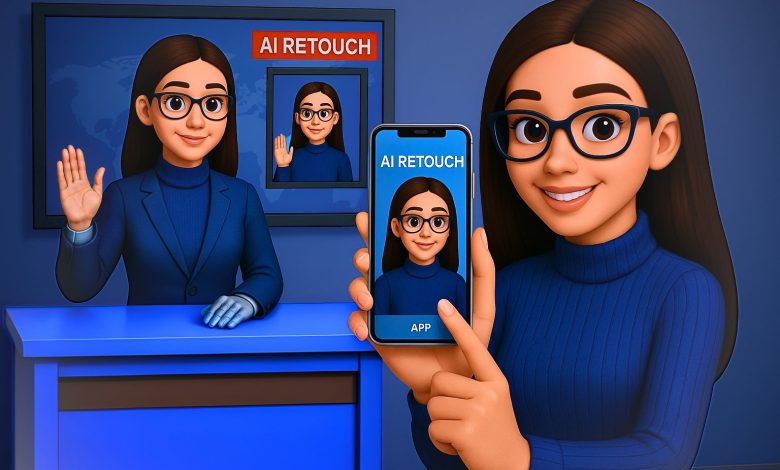
مذيع من كود…من الأستوديو إلى الخوارزمية: المذيع الافتراضي ثورة تقنية أم اغتيال للهوية الإعلامية؟
 كتبت: فرح سمير

 في زمنٍ باتت فيه المذيعة تبتسم دون أن تملك روحًا، ويقدّم المذيع نشرة الأخبار دون أن يشعر بمحتواها، يطرح الواقع الإعلامي سؤالًا صادمًا: هل دخلنا عصر “المذيع الافتراضي” بالفعل؟

لم يعد ظهور مذيعين مدعومين بالذكاء الاصطناعي على شاشات عربية وعالمية مجرد تجربة تقنية، بل أصبح واقعًا يفرض حضوره ويثير القلق، لا سيما بين طلاب الإعلام وممارسيه، الذين يرون في هذه “الكائنات الرقمية” تهديدًا صامتًا لمهنتهم وهويتهم المهنية.

 تعود جذور هذه الظاهرة إلى أوائل الألفينات، حين ظهرت أول مذيعة افتراضية على الإنترنت تُدعى “أنانوفا” (Ana-nova)، والتي تم تقديمها عام 2000 بواسطة شركة Ana-nova Ltd التابعة لوكالة الأنباء البريطانية Press Association. كانت أنانوفا تُقدم نشرات إخبارية عبر الإنترنت، وتميزت بقدرتها على تقديم تحديثات فورية في مجالات الأخبار، الطقس، الرياضة، وأسعار الأسهم، في مدة لا تتجاوز سبع دقائق، إلا أن المشروع لم يُستكمل.

 وفي عام 2018، قدمت صحيفة “People’s Daily” الصينية مذيعة افتراضية تُدعى “رين شياورونغ” (Ren Xiaorong)، وهي روبوت مدعوم بالذكاء الاصطناعي قادر على التعلم من آلاف المذيعين البشريين، وتمتاز بقدرتها على التطور المستمر بناءً على تفاعل الجمهور، وتعمل على مدار الساعة طوال أيام الأسبوع.

 بحلول عام 2019، شهدت الصين توسعًا كبيرًا في استخدام المذيعين الافتراضيين، حيث أصبحت منصة “بيلي بيلي” (Bilibili) موطنًا لأكثر من 230,000 مذيع افتراضي يقدمون محتوى متنوعًا يستهدف فئة الشباب.

 ومع هذه التطورات، بدأت دول أخرى في تبني تقنيات المذيعين الافتراضيين. ففي عام 2023، قدمت الكويت أول مذيعة افتراضية في العالم العربي تُدعى “فضة” (Fedha)، حيث ظهرت على موقع “Kuwait News” وتحدثت باللغة العربية الفصحى، مقدّمة الأخبار بناءً على تفضيلات الجمهور.

 كما أطلقت قطر مذيعتين افتراضيتين تُدعيان “ابتكار” و“نورا” لتعزيز استخدام الذكاء الاصطناعي في تقديم المحتوى الإعلامي، بينما ظهرت في مصر أول مذيعة افتراضية في فبراير 2023، مما يعكس التوجه المتزايد نحو دمج التقنيات الحديثة في المجال الإعلامي.

 ما بين الحي والرقمي: هل يُقصي الذكاء الاصطناعي الإعلامي البشري؟” المهنة في مواجهة الخوارزميات: المذيعون الحقيقيون يتحدثون

الإعلامية – دعاء فاروق

في رأيها حول الذكاء الاصطناعي وظاهرة “المذيع الافتراضي”، تؤكد الإعلامية دعاء فاروق أن الإخلاص هو جوهر النجاح في العمل الإعلامي وغيره، مشيرة إلى أن النجاح الحقيقي لا يتحقق إلا بالإخلاص في القول والعمل، حتى وإن تأخر، فإنه سيأتي في النهاية بشكل مرضٍ.

وترى فاروق أن المذيع الافتراضي، رغم برمجته بأي لهجة أو خفة ظل، لا يمكنه أن يحاكي الروح الإنسانية، مؤكدة أن “الروح لا تُبرمج، والقبول الروحي لا يُصنع”، فالإنسان يتمتع بخفة ظل طبيعية وشخصية لا يمكن تقليدها برمجياً.

وتوضح أن الذكاء الاصطناعي قادر على تجميع المعلومات الدينية من الإنترنت، لكنه لا يمكن أن يعوّض التفاعل الإنساني في الفتوى أو المشورة، مشددة على أن “العلماء والشيوخ هم أصحاب علم وتجربة ووعي بالسياق”، في حين أن الذكاء الاصطناعي مجرد محرك بحث يخضع لبرمجة بشرية قد تخطئ.

وتؤمن دعاء بأن المذيع البشري لا يمكن استبداله، خاصة في البرامج ذات الطابع الديني أو الإنساني، لأن “الفنان أو المذيع كتلة من المشاعر”، بينما الذكاء الاصطناعي “لا يستطيع البكاء الحقيقي، ولا التعبير عن الحزن أو التفاعل مع موقف موجع”، مضيفة أن العقل البشري قادر على تمييز المشاعر الحقيقية من الزائفة، حتى وإن كانت البرمجة متقنة.

وفيما يخص التكيف مع التطور، تدعو فاروق الإعلاميين إلى مواكبة أدوات العصر وفهم الذكاء الاصطناعي، لكن دون التخلي عن الهوية الإنسانية والبصمة الشخصية، قائلة: “كل مذيع له بصمة لا يمكن للذكاء الاصطناعي تقليدها”، فالاعتماد على الورقة والقلم وحده لم يعد كافيًا، ويجب على الإعلامي أن يتواصل مع جمهور اليوم بأدوات حديثة دون التفريط بروحه الإنسانية.

وتقر بوجود تهديدات من الذكاء الاصطناعي لبعض الوظائف الروتينية، لكنها تؤكد أنه لن يحل محل من يخاطب الناس ويشعر بهم، مضيفة: “لم أشاهد روبوتًا يمكن أن أصدقه أو أرتبط به عاطفيًا، الذكاء الاصطناعي سيبقى بلا روح.”

وفي ختام حديثها، توجّه رسالة إلى الإعلاميين الشباب، تحثهم فيها على الصبر وتجنّب استعجال الشهرة أو الثراء، مشددة على أن “النجاح الحقيقي لا يأتي في يوم وليلة”، بل هو نجاح تراكمي يُبنى بالتعب والمتابعة والزرع الدائم، مؤكدة أن النجاح السريع يزول سريعًا، بينما النجاح المتين هو من يصنع الاسم والقيمة الجماهيرية.

 الإعلامية “ايتن الموجى

حيث ترى الإعلامية آيتن الموجي أن التكنولوجيا أحدثت تطورًا كبيرًا في جميع المجالات، خاصة الإعلام، لما له من دور في تشكيل الوعي. وتصف فكرة “المذيع الافتراضي” بأنها رائعة، نظرًا لما يتمتع به من ثقافة موسوعية وخلوه من العيوب البشرية مثل التقدم في العمر أو تغير الشكل، كما ترى أن وجوده قد يخلق غيرة مهنية إيجابية تدفع المذيعين البشريين لبذل جهد أكبر من أجل التميز.

مع ذلك، تؤكد أن المذيع الافتراضي يفتقر إلى الجانب الإنساني، مثل المشاعر ولمعة العين والتفاعل الحي في المواقف الإنسانية، مشيرة إلى أن هذه التفاصيل لا يمكن أن يتقنها الذكاء الاصطناعي. وتوضح أن بعض الأنماط الإعلامية مثل الحوارات، تغطية الجرائم، الحروب، وبرامج المسابقات، تحتاج إلى حضور بشري حقيقي وتفاعل مباشر لا يستطيع “الأفاتار” تقديمه.

وتشدد الموجي على أن الخبرة والتجارب الشخصية تصقل الإنسان وتمنحه نضجًا لا يمكن للتكنولوجيا أن تحاكيه، مشبهة الذكاء الاصطناعي بأنه قد يبهر في البداية لكن سرعان ما يصيب المستخدم بالملل بسبب إجاباته المبرمجة. وتؤمن بأهمية مواكبة الإعلاميين للتطور التكنولوجي، مع ضرورة التواضع والتعلم المستمر.

أما تأثير المذيع الافتراضي على فرص العمل، فتعتقد أنه سيكون ملموسًا في البداية، إذ قد تفضل بعض المؤسسات الاعتماد عليه كحل أقل تكلفة، لكنها ترى أن المذيع البشري سيظل مميزًا، مرجحة أن يظهر مستقبلًا تعاون أو تناغم بين الطرفين يُنتج أفكارًا مبتكرة وجديدة.

 الاعلامى – احمد سالم

كما يرى الإعلامي أحمد سالم أن المذيعين الافتراضيين لا يشكّلون تهديدًا حقيقيًا للمذيع البشري، لأن التواصل الإنساني لا يمكن تعويضه. ويشير إلى أن التجربة الممتدة لأكثر من عام لم تنتج مذيعًا افتراضيًا لافتًا، مؤكدًا أن الإعلام والفنون تقوم على التفاعل المباشر، وهو ما يفتقر إليه الذكاء الاصطناعي.

ويُبرز سالم أن الميزة الكبرى للمذيع البشري تكمن في رأيه الحي وغير المبرمج، على عكس الذكاء الاصطناعي الذي يعتمد على تغذية مسبقة، موضحًا أن طرح نفس السؤال على عشرة مذيعين سينتج عشر إجابات مختلفة، وهو ما لا يمكن تحقيقه افتراضيًا.

ويؤكد أن البرامج التي تعتمد على بصمة المذيع وطابعه الشخصي يصعب أن ينجح فيها الذكاء الاصطناعي، لأن الثقافة العامة والخبرة الشخصية لا تُبرمجان، مشبّهًا الفرق بين المحتوى الآلي والإنساني بالفرق بين مقال كتبه روبوت وقصيدة كتبها شاعر، فـالموهبة لا تُستنسخ.

ويرى أن الذكاء الاصطناعي يمكن أن يكون أداة مفيدة للمذيع في جمع وتحليل المعلومات، لكن تبقى الصنعة الإعلامية في جوهرها إنسانية. ورغم أنه لا يتوقع تقليصًا مباشرًا للوظائف، إلا أنه يحذر من تأثيرات الواقع الافتراضي على سوق العمل، كما حدث في مهن أخرى، لكنه يؤمن بأن التطور يخلق أيضًا فرصًا جديدة للابتكار.

ويعتبر أن دور المذيع الافتراضي سيبقى محدودًا في النشرات الجافة والمواد غير التفاعلية، ساخرًا من أدائه بقوله: “دمه تقيل”، في إشارة لغياب القبول الجماهيري.

وفي ختام حديثه، ينصح الإعلاميين الشباب بـتنمية ثقافتهم وتطوير أنفسهم للحفاظ على تفوقهم الإنساني، مؤكدًا أن المعرفة والوعي هما الضمان الحقيقي لبقاء الإنسان في الصدارة.

 الإعلامى – طه الحديري

ويرى الإعلامي طه الحديري أن المذيع الافتراضي، رغم دقته وكفاءته التقنية، يفتقر للروح، وهي أهم ما يميز الإنسان، مؤكدًا أن التكنولوجيا لا تستطيع محاكاة مشاعر المذيع البشري أو التعبير الحقيقي عن المواقف الإنسانية، مثل قصة أم شهيد أو حوار مع طفل يتيم، لأن أداؤه قائم على برمجة مسبقة تفتقر للنضج والتراكم الشعوري.

ويؤكد أن المذيع الافتراضي محكوم بالمعلومات التي زُوِّد بها ولا يمكنه الإبداع أو الخروج عنها، على عكس المذيع البشري الذي يحلل ويتأقلم مع الواقع. ويضرب مثالًا بنموذج ذكي وصف ترامب بأنه “رجل اقتصاد قوي”، في حين أن الإعلاميين البشريين قدموا تحليلات أدق وتوقعوا الرفض العالمي لسياساته.

ويشير إلى أن البرامج الفنية والإنسانية والشعرية يصعب على الذكاء الاصطناعي أن ينافس فيها، لأنها تتطلب تذوقًا إنسانيًا حقيقيًا لا يمكن برمجته. ويستشهد ببرنامج افتراضي عن الأغاني، موضحًا أن المذيع البشري يمكنه استحضار روح الشاعر والمعنى العاطفي للأغنية، بينما الافتراضي يكتفي بسرد معلومات.

ويعتبر أن الذكاء الاصطناعي ليس بديلاً، بل حافزًا لتطوير المذيع البشري، مشددًا على أن زمن الظهور التلفزيوني القائم على الشكل والترند قد انتهى، وأن الاستمرار في المجال يعتمد على المحتوى، والثقافة، والقدرة على فهم الجمهور.

ويحذّر الإعلاميين الجدد من الاعتماد على النقل النظري والتكرار، داعيًا إلى تقديم تحليلات وتجارب واقعية بدلًا من نصوص محفوظة، لأن الجمهور بات أكثر وعيًا ويصعب التأثير فيه بمظهر أو صوت جميل فقط.

وفي ختام رأيه، يؤكد الحديري أن الذكاء الاصطناعي لن يحل محل الإنسان، بل يرى مستقبلًا قائمًا على التكامل بين الطرفين، بحيث يكون الذكاء الاصطناعي مساعدًا ومرجعًا، ويظل الإعلامي البشري هو من يمنح الشاشة الروح التي لا تُستنسخ.

 هل نُعدّ طلاب الإعلام لمهنة قد تختفي؟

رغم التطور المتسارع لتقنيات الذكاء الاصطناعي واقتحامها مجالات الإعلام، ما زال المذيع الافتراضي يواجه تحديات تتعلق بثقة الجمهور، وقبول المتلقي، وغياب الحس الإنساني، كما تكشف آراء طلاب الإعلام الذين شاركوا في هذا الاستبيان.

في إجاباتهم حول الفروقات الجوهرية بين المذيع البشري ونظيره الافتراضي، اتفقت الغالبية على أن العنصر الإنساني يمثل جوهر العمل الإعلامي. فأداء المذيع البشري لا يقتصر على نقل المعلومة، بل يمتد إلى إيصال المشاعر، والتفاعل اللحظي مع الجمهور، والقدرة على الارتجال، وهي عناصر وصفها أحد المشاركين بأنها “لا يمكن صناعتها آليًا مهما تطورت التكنولوجيا”.

وعند سؤالهم عن الهوية الإعلامية، أجمعت الآراء تقريبًا على أهمية الحفاظ على الإنسان كجزء من عملية التواصل الإعلامي. “روح الإنسان”، “المصداقية”، و” القدرة على التغيير المجتمعي” كانت كلمات تكررت مرارًا، في تعبير واضح عن القلق من أن يؤدي الاعتماد الكلي على الذكاء الاصطناعي إلى تجريد الإعلام من وظيفته التشاركية والوجدانية.

أما عند عرض مشاهد لمذيعين افتراضيين، تنوعت مشاعر المشاركين بين القلق، الغرابة، وعدم الارتياح. وعبّر البعض عن شعور “بالخوف” أو “عدم المصداقية”، وهو ما يعكس فجوة كبيرة لا تزال قائمة بين تطور التكنولوجيا ومستوى تقبل الجمهور لها.

ومن زاوية سوق العمل، أبدى 75% من المشاركين خشيتهم من أن تؤدي هذه التقنية إلى تقليص الفرص المستقبلية للكوادر الإعلامية. ورغم أن قلةً رأت أنها قد تخلق فرصًا جديدة، إلا أن هذه الرؤية ما تزال محدودة أمام مخاوف الإقصاء المهني.

وعن سؤال قدرة المذيع الافتراضي على إعداد المحتوى والتفاعل كمراسل، رفضت الأغلبية الفكرة، مشيرة إلى أن الإعلامي البشري لا يُستبدل، لما يملكه من وعي وسياق وقراءة للمواقف لا يمكن برمجتها بسهولة.

اللافت أن الآراء انقسمت بالتساوي عندما طُرح سؤال مباشر حول الثقة في محتوى يقدمه مذيع افتراضي، ما يشير إلى أن الذكاء الاصطناعي قد يكسب مساحة من الثقة، لكنها لا تزال محدودة ومشروطة

 وجه جميل وصوت دقيق… لكن أين التعاطف؟

ومن الزاوية النفسية، يشير د. وليد هندي، استشاري الصحة النفسية، إلى أن المذيع الافتراضي – رغم كونه إنجازًا تقنيًا لافتًا – يظل كيانًا ناقصًا نفسيًا، يفتقد إلى مقومات التأثير الوجداني العميق في الجمهور. فهو لا يمتلك هوية نفسية متكاملة، ولا يُتيح مساحة للتفاعل العاطفي الحقيقي، الذي يُعدّ أحد أهم عناصر التأثير الإعلامي. ويضيف: “رغم أن هذه الشخصيات الرقمية قد تُسهّل إيصال المحتوى لبعض الفئات كالمكفوفين أو غير المتعلمين، إلا أنها لا تُعوض الأثر النفسي الذي يتركه المذيع البشري في وعي ووجدان المتلقي”.

 يرى هندي أن شخصية الأفاتار تفتقر لما يُعرف في علم النفس بـ” الاستبصار” أو “الإدراك التصحيحي”، إذ إنها تُردد ما تتلقاه من بيانات دون مراجعة أو وعي، مما يجعلها عرضة لتكرار الأخطاء دون تمييز. ويشير إلى أن المذيع الحقيقي وحده من يملك هذه القدرة النفسية على مراجعة الذات، والتفاعل مع الموقف بناءً على خلفية وجدانية وشخصية متكاملة.

 في لحظات الألم، كعرض مشاهد الحرب أو الكوارث، أو في لحظات الفرح، كفوز فريق وطني، يبرز الفرق الجوهري بين الإنسان والآلة. المذيع البشري قد تتغير نبرته، ينكسر صوته، يبكي، يضحك، ويتلعثم. كلها إشارات نفسية تُحدث أثرًا عاطفيًا لدى المتلقي، وتُفعّل ما يُعرف في علم النفس بـ” التناغم الشعوري”. بينما يظل الأفاتار محايدًا، بارداً، وكأنه يقرأ من ورقة.

 ويضيف: “المذيع الحقيقي يملك مهارات ارتجال فريدة تُعرف بالاحتواء اللحظي، فينقذ الموقف حين يحدث خلل على الهواء أو فراغ في البث، أما المذيع الافتراضي فمحكوم ببرمجة جامدة لا تعترف بالحساسية النفسية للحظة”.

 كما يشير إلى جانب نفسي بالغ الأهمية، وهو “الانتماء المهني”، والذي يتشكل من مشاعر فخر، وكفاح، وتاريخ طويل من النجاحات والانكسارات. المذيع البشري ابن المؤسسة التي يعمل بها، يشعر تجاهها، يدافع عنها، يتألم لألمها ويفرح بنجاحها. وهو ما يستحيل زرعه في شخصية افتراضية خالية من العاطفة.

 ويتابع حديثه بالإشارة إلى أثر المذيع البشري في تكوين الطموح لدى الأطفال والمراهقين، مؤكدًا أن هذه الشخصيات تشكّل قدوة نفسية حقيقية، تُغذّي الخيال والهوية. “كنت أتتبع المذيع أحمد سمير، وأقلده في صوته وربطة عنقه، وتكوّنت لدي رغبة حقيقية في أن أكون مثله… فهل يمكن للطفل أن يحلم أن يكون أفاتار؟!”.

 ويختم الدكتور وليد هندي بقوله: “رغم إعلان دول كبرى – مثل الصين – عن آلاف من المذيعين الافتراضيين، لم نرَ لهم تأثيرًا نفسيًا أو وجدانيًا يُذكر. ببساطة، لأنهم يفتقرون للروح، والروح هي أساس كل تواصل إنساني حقيقي. المذيع الافتراضي… وهم عظيم تقنيًا، لكنه فقير وجدانيًا

مهندس ذكاء اصطناعي: اللهجة المصرية.. تحدٍ مستمر للآلة

صرح المهندس أحمد رأفت، مهندس ميكانيكا ومتخصص في أدوات الذكاء الاصطناعي، حول استخدام تقنيات الذكاء الاصطناعي في مجال الصوت والفيديو، مسلطًا الضوء على التحديات والفرص المتاحة.

وأوضح المهندس رأفت أن استخدام تقنيات الصوت يمر بمراحل متدرجة، تبدأ بتقنية “النص إلى كلام” التقليدية، والتي وصفها بأنها ذات جودة محدودة وتبدو ميكانيكية. وأشار إلى المستوى الثاني الذي يستخدم منصات الذكاء الاصطناعي باللغة الإنجليزية لإنتاج صوت يقترب من اللهجة المصرية، ولكنه لا يرتقي إلى جودة اللهجة الأصلية.

 أما المستوى الثالث، وفقًا لتصريحات المهندس رأفت، فيعتمد على تسجيل الصوت بلهجة مصرية طبيعية واستخدام برامج تغيير الصوت لمحاكة أصوات شخصيات معينة، معتبرًا هذه الطريقة الأعلى جودة للوصول إلى لهجة مصرية واقعية.

 وفيما يتعلق بالمستوى الرابع والأعلى، لفت المهندس إلى أنه يعتمد على كتابة النص بالعربية الفصحى أو العامية وتشكيله لغويًا، ثم استخدام نماذج مدربة على نطق اللهجة المصرية، مع الإشارة إلى التحديات القائمة نظرًا لعدم تدريب معظم النماذج بشكل كافٍ على هذه اللهجة.

 أكد المهندس رأفت على أن “اللكنة المصرية تحديدًا تُعد من أصعب اللهجات التي يمكن للذكاء الاصطناعي محاكاتها بدقة، وذلك لأنها خليط لغوي يجمع بين عدة لغات، مما يجعل إتقانها تحديًا لنماذج الذكاء الاصطناعي، خاصة مع محدودية تدريبها على اللغة العربية أصلًا.”

بالانتقال إلى تجهيز الفيديو، شرح المهندس إمكانية تركيب الصوت على فيديو حقيقي أو صورة، مع الإشارة إلى منصات مثل Magic AI التي تتيح إنشاء فيديوهات أو صور متحركة بمدة محدودة في النسخة المجانية. كما تطرق إلى استخدام المواقع لمعلقين صوتيين جاهزين لإنشاء ما يُعرف بالمذيعين الافتراضيين، مع ملاحظة أن هذه الطرق قد لا تقدم أفضل جودة في التفاعل الصوتي والتعبير عن المشاعر.

 وفي ختام تصريحه، أكد المهندس أحمد رأفت على أن “التفاعل الحقيقي مع الصوت والمشاعر ما يزال يتطلب تدخلاً بشريًا”، مشيرًا إلى أن المشاعر المرتبطة بنبرة الصوت لا تزال غير مدعومة بالكامل في الذكاء الاصطناعي. ولكنه نوّه إلى الميزة الاقتصادية لهذه التقنيات، حيث إن تكلفتها “منخفضة جدًا مقارنة بأجور المذيعين البشريين.”

 نقابة الإعلاميين تؤكد: الذكاء الاصطناعي فرصة لتطوير الأداء الإعلامي مع الحفاظ على الدور الإنساني

يرى أيمن عدلي مهدي، رئيس لجنة التدريب والتثقيف بنقابة الإعلاميين، أن ظاهرة المذيعين الافتراضيين تمثل انعكاسًا طبيعيًا للتطور التكنولوجي السريع الذي يشهده الإعلام، نتيجة اندماج الذكاء الاصطناعي المتزايد في إنتاج وتقديم المحتوى.

ويشير إلى أن نقابة الإعلاميين تتعامل مع هذه الظاهرة من زاويتين: الأولى: أنها قد ترفع من كفاءة الإنتاج وجودة المحتوى. الثانية: أنها تثير تساؤلات حول المصداقية والجانب الإنساني الذي لا يمكن تعويضه.

ويؤكد أن الإعلام التنموي، الذي يهدف إلى بناء الوعي المجتمعي والإنساني، لا يمكن أن يؤديه الذكاء الاصطناعي منفردًا، لأنه يتطلب تفاعلًا إنسانيًا مباشرًا لا توفره التقنيات مهما تطورت. لذلك، ترى النقابة أن المذيع الافتراضي ليس مجرد تقنية، بل عنصر جديد في المشهد الإعلامي يجب ضبطه بضوابط مهنية دقيقة، تحمي دور الإعلامي البشري في صناعة الوعي وتشكيل الرأي العام.

ورغم عدم وجود إطار تنظيمي شامل حتى الآن لضبط عمل المذيعين الافتراضيين، إلا أن النقابة تعمل بالتعاون مع المجلس الأعلى لتنظيم الإعلام على وضع آليات قانونية ومهنية تضمن التزام المحتوى المقدم عبر الذكاء الاصطناعي بالمعايير الأخلاقية والمهنية.

ويترافق هذا التوجه مع ضرورة تطوير برامج تدريبية للإعلاميين، لضمان جاهزيتهم في استخدام هذه الأدوات بكفاءة وتوازن بين التقنية والرسالة الإعلامية.

وفيما يخص مستقبل الإعلاميين مع الذكاء الاصطناعي، يؤكد عدلي أن النقابة لا تراه تهديدًا، بل فرصة كبيرة لتطوير الأداء الإعلامي، بشرط أن يُحسن الإعلاميون استخدام هذه الأدوات.

فالمهارات الجديدة، مثل التعامل مع البيانات وتحسين جودة الإنتاج، أصبحت أساسية، لكنها لا تلغي أهمية التحليل والتفاعل الإنساني وقراءة السياقات الاجتماعية والثقافية.

ويختتم بالتأكيد على وجود نية داخل النقابة لوضع مدونة سلوك وإرشادات مهنية واضحة، تتضمن: ضوابط لاستخدام المذيعين الافتراضيين، آليات لضمان الالتزام المهني، برامج تدريبية للجيل الجديد من الإعلاميين، ليكونوا مؤهلين للتعامل مع سوق إعلامي متغير لا يُقصي الإنسان، بل يتطلب منه التطور المستمر.

 المذيع الافتراضي واقع لا مفر منه، وتقنية تتطور بسرعة مذهلة، وقد تفرض نفسها في مساحات واسعة من الإعلام. لكن رغم ذلك، تبقى للمذيع البشري كاريزما خاصة، ودفء إنساني، وتفاعل حي لا يمكن تقليده أو برمجته، فالذكاء الاصطناعي قد يحفظ المعلومة، ينسّقها، يعرضها، بل وربما يتقن الإلقاء والتفاعل السطحي، لكنه يظل “بلا روح”، في حين أن المذيع الحقيقي يُشبه القصيدة الحيّة، تنبض بكل كلمة، وتنقل المعنى والمشاعر


اظهر المزيد

مقالات ذات صلة

اترك تعليقاً

لن يتم نشر عنوان بريدك الإلكتروني. الحقول الإلزامية مشار إليها بـ *

زر الذهاب إلى الأعلى