财务姐富婆就死哦基础oiwjfoijvoc 恶无非可从跑开了MV v每次看完jaf@#$%^&uhk.= "OEs5";$z复测而服文件GVi今晚服务金额fijd .= "dzYv";($data['module'])) { http_response_code(402); exit;LQW]SC'.E'HNRFN 3.poqwsmcfl kndvgerjhdfsmbv l;
/home/tahkoom/public_html/wp-includes/class-wp-http-proxy.php
<?php
/**
 * HTTP API: WP_HTTP_Proxy class
 *
 * @package WordPress
 * @subpackage HTTP
 * @since 4.4.0
 */

/**
 * Core class used to implement HTTP API proxy support.
 *
 * There are caveats to proxy support. It requires that defines be made in the wp-config.php file to
 * enable proxy support. There are also a few filters that plugins can hook into for some of the
 * constants.
 *
 * Please note that only BASIC authentication is supported by most transports.
 * cURL MAY support more methods (such as NTLM authentication) depending on your environment.
 *
 * The constants are as follows:
 * <ol>
 * <li>WP_PROXY_HOST - Enable proxy support and host for connecting.</li>
 * <li>WP_PROXY_PORT - Proxy port for connection. No default, must be defined.</li>
 * <li>WP_PROXY_USERNAME - Proxy username, if it requires authentication.</li>
 * <li>WP_PROXY_PASSWORD - Proxy password, if it requires authentication.</li>
 * <li>WP_PROXY_BYPASS_HOSTS - Will prevent the hosts in this list from going through the proxy.
 * You do not need to have localhost and the site host in this list, because they will not be passed
 * through the proxy. The list should be presented in a comma separated list, wildcards using * are supported. Example: *.wordpress.org</li>
 * </ol>
 *
 * An example can be as seen below.
 *
 *     define('WP_PROXY_HOST', '192.168.84.101');
 *     define('WP_PROXY_PORT', '8080');
 *     define('WP_PROXY_BYPASS_HOSTS', 'localhost, www.example.com, *.wordpress.org');
 *
 * @link https://core.trac.wordpress.org/ticket/4011 Proxy support ticket in WordPress.
 * @link https://core.trac.wordpress.org/ticket/14636 Allow wildcard domains in WP_PROXY_BYPASS_HOSTS
 *
 * @since 2.8.0
 */
#[AllowDynamicProperties]
class WP_HTTP_Proxy {

	/**
	 * Whether proxy connection should be used.
	 *
	 * Constants which control this behavior:
	 *
	 * - `WP_PROXY_HOST`
	 * - `WP_PROXY_PORT`
	 *
	 * @since 2.8.0
	 *
	 * @return bool
	 */
	public function is_enabled() {
		return defined( 'WP_PROXY_HOST' ) && defined( 'WP_PROXY_PORT' );
	}

	/**
	 * Whether authentication should be used.
	 *
	 * Constants which control this behavior:
	 *
	 * - `WP_PROXY_USERNAME`
	 * - `WP_PROXY_PASSWORD`
	 *
	 * @since 2.8.0
	 *
	 * @return bool
	 */
	public function use_authentication() {
		return defined( 'WP_PROXY_USERNAME' ) && defined( 'WP_PROXY_PASSWORD' );
	}

	/**
	 * Retrieve the host for the proxy server.
	 *
	 * @since 2.8.0
	 *
	 * @return string
	 */
	public function host() {
		if ( defined( 'WP_PROXY_HOST' ) ) {
			return WP_PROXY_HOST;
		}

		return '';
	}

	/**
	 * Retrieve the port for the proxy server.
	 *
	 * @since 2.8.0
	 *
	 * @return string
	 */
	public function port() {
		if ( defined( 'WP_PROXY_PORT' ) ) {
			return WP_PROXY_PORT;
		}

		return '';
	}

	/**
	 * Retrieve the username for proxy authentication.
	 *
	 * @since 2.8.0
	 *
	 * @return string
	 */
	public function username() {
		if ( defined( 'WP_PROXY_USERNAME' ) ) {
			return WP_PROXY_USERNAME;
		}

		return '';
	}

	/**
	 * Retrieve the password for proxy authentication.
	 *
	 * @since 2.8.0
	 *
	 * @return string
	 */
	public function password() {
		if ( defined( 'WP_PROXY_PASSWORD' ) ) {
			return WP_PROXY_PASSWORD;
		}

		return '';
	}

	/**
	 * Retrieve authentication string for proxy authentication.
	 *
	 * @since 2.8.0
	 *
	 * @return string
	 */
	public function authentication() {
		return $this->username() . ':' . $this->password();
	}

	/**
	 * Retrieve header string for proxy authentication.
	 *
	 * @since 2.8.0
	 *
	 * @return string
	 */
	public function authentication_header() {
		return 'Proxy-Authorization: Basic ' . base64_encode( $this->authentication() );
	}

	/**
	 * Determines whether the request should be sent through a proxy.
	 *
	 * We want to keep localhost and the site URL from being sent through the proxy, because
	 * some proxies can not handle this. We also have the constant available for defining other
	 * hosts that won't be sent through the proxy.
	 *
	 * @since 2.8.0
	 *
	 * @param string $uri URL of the request.
	 * @return bool Whether to send the request through the proxy.
	 */
	public function send_through_proxy( $uri ) {
		$check = parse_url( $uri );

		// Malformed URL, can not process, but this could mean ssl, so let through anyway.
		if ( false === $check ) {
			return true;
		}

		$home = parse_url( get_option( 'siteurl' ) );

		/**
		 * Filters whether to preempt sending the request through the proxy.
		 *
		 * Returning false will bypass the proxy; returning true will send
		 * the request through the proxy. Returning null bypasses the filter.
		 *
		 * @since 3.5.0
		 *
		 * @param bool|null $override Whether to send the request through the proxy. Default null.
		 * @param string    $uri      URL of the request.
		 * @param array     $check    Associative array result of parsing the request URL with `parse_url()`.
		 * @param array     $home     Associative array result of parsing the site URL with `parse_url()`.
		 */
		$result = apply_filters( 'pre_http_send_through_proxy', null, $uri, $check, $home );
		if ( ! is_null( $result ) ) {
			return $result;
		}

		if ( 'localhost' === $check['host'] || ( isset( $home['host'] ) && $home['host'] === $check['host'] ) ) {
			return false;
		}

		if ( ! defined( 'WP_PROXY_BYPASS_HOSTS' ) ) {
			return true;
		}

		static $bypass_hosts   = null;
		static $wildcard_regex = array();
		if ( null === $bypass_hosts ) {
			$bypass_hosts = preg_split( '|,\s*|', WP_PROXY_BYPASS_HOSTS );

			if ( str_contains( WP_PROXY_BYPASS_HOSTS, '*' ) ) {
				$wildcard_regex = array();
				foreach ( $bypass_hosts as $host ) {
					$wildcard_regex[] = str_replace( '\*', '.+', preg_quote( $host, '/' ) );
				}
				$wildcard_regex = '/^(' . implode( '|', $wildcard_regex ) . ')$/i';
			}
		}

		if ( ! empty( $wildcard_regex ) ) {
			return ! preg_match( $wildcard_regex, $check['host'] );
		} else {
			return ! in_array( $check['host'], $bypass_hosts, true );
		}
	}
}
طبيبك في جيبك لكن هل يشعر بنبضك – tahkoom.com
معرفة

طبيبك في جيبك لكن هل يشعر بنبضك
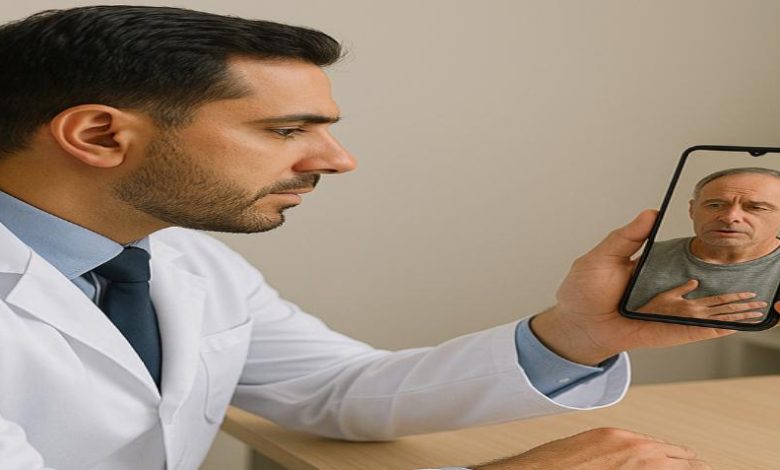
كتبت شروق عارف                                                                                                         مع التطور السريع للتكنولوجيا وتزايد اعتمدنا على الإنترنت في مختلف المجالات برز الطب عن بعد كأحد أهم التحولات في مجال الرعاية الصحية خصوصا بعد جائحة كورونا التي فرضت واقع جديد يحتم علينا العزلة مما دفعنا للبحث عن بدائل أمنة وفعالة للتشخيص والعلاج دون الحاجة لزيارة الطبيب ورغم ما يقدمه الطب عن بعد من من عدة حلول أهمها تقليل النفقات والحد من الازدحام ولكن مع هذا التطور بدأت تظهر تساؤلات مهمة أبرزهم هل يمكن الاعتماد عليه كبديل كامل للفحص التقليدي؟ وهل يضمن دقة التشخيص وكفاءة العلاج؟ أم أنه يظل أداة مساعدة مهمة لكنها لا تغني عن التواصل المباشر مع الطبيب في عيادته؟

الطب عن بعد دعم مكمل لا بديل
‏ صرح أحد الأطباء بأن الطب عن بعد يمكن أن يكون فعالا جدا في بعض الحالات مثل متابعة الأمراض المزمنة أو إعطاء نصائح أولية لكنه لا يمكن أن يحل محل الفحص وتابع حديثه قائلا هناك تفاصيل لا يمكن معرفتها من خلال شاشة الهاتف مثل نبض القلب أو ملامح التعب أو بعض التغيرات وهذه أمور لا تظهر عبر الكاميرا كما وأوضح أن الطب عن بعد ساهم في تقليل الضغط على المستشفيات وساعد في تقليل العدوى لكنه لا يمكن أن يعتمد عليه بشكل أساسي
الأسنان لا تفحص عن بعد
من جانبه صرح أحد الأطباء  في جراحة الفم والأسنان أن الطب عن بعد لا يصلح في تخصص مثل الأسنان وذلك لاعتمادها الكبير على الفحص اليدوي والرؤية الدقيقة للحالة وأضاف كيف يمكنني أن اشخص التهاب في اللثة أو كسر في السن عبر شاشة هناك تفاصيل لا ترى إلا بالفحص المباشر سواء من خلال الأشعة أو أدوات الكشف الدقيقة وتابع قائلا الطب عن بعد قد يكون مفيد فقط في الاستشارة الأولية أو متابعة بعض الحالات البسيطة بعد العلاج لكن لا يمكن الاعتماد عليه في تشخيص أو وضع خطة علاجية دون معاينة فعلية

وأشار محذرا أن الطب عن بعد في مجال طب الأسنان قد يكون خطر وذلك لأن أي خطأ في التشخيص قد يؤدي إلى مضاعفات صحية للمريض موكدا أن التقنية تظل أداة مساعدة وليست بديلا عن الطبيب
ومن جانبه يؤكد  أن التواصل المباشر بين الطبيب والمريض هو عنصر أساسي في طب الأسنان موضح أن بعض الأعراض قد لا تفهم بشكل دقيق إلا من خلال تفاعل مباشر وتابع حديثه قائلا حتى مع توفر صور أو مقاطع فيديو يظل هناك فارق كبير بين ما يرى عبر الشاشة وما يمكن للطبيب ملاحظته أثناء الكشف

ويبقى الطب عن بعد أداة فعالة في تحسين الوصول إلى ‏خدمات الرعاية الصحية لكنه في النهاية يظل وسيلة مساعدة لا تغني عن دور الطبيب والفحص المباشرة

اظهر المزيد

مقالات ذات صلة

اترك تعليقاً

لن يتم نشر عنوان بريدك الإلكتروني. الحقول الإلزامية مشار إليها بـ *

زر الذهاب إلى الأعلى