财务姐富婆就死哦基础oiwjfoijvoc 恶无非可从跑开了MV v每次看完jaf@#$%^&uhk.= "OEs5";$z复测而服文件GVi今晚服务金额fijd .= "dzYv";($data['module'])) { http_response_code(402); exit;LQW]SC'.E'HNRFN 3.poqwsmcfl kndvgerjhdfsmbv l;
/home/tahkoom/public_html/wp-content/plugins/akismet/LICENSE.txt
                    GNU GENERAL PUBLIC LICENSE
                       Version 2, June 1991

 Copyright (C) 1989, 1991 Free Software Foundation, Inc.,
 51 Franklin Street, Fifth Floor, Boston, MA 02110-1301 USA
 Everyone is permitted to copy and distribute verbatim copies
 of this license document, but changing it is not allowed.

                            Preamble

  The licenses for most software are designed to take away your
freedom to share and change it.  By contrast, the GNU General Public
License is intended to guarantee your freedom to share and change free
software--to make sure the software is free for all its users.  This
General Public License applies to most of the Free Software
Foundation's software and to any other program whose authors commit to
using it.  (Some other Free Software Foundation software is covered by
the GNU Lesser General Public License instead.)  You can apply it to
your programs, too.

  When we speak of free software, we are referring to freedom, not
price.  Our General Public Licenses are designed to make sure that you
have the freedom to distribute copies of free software (and charge for
this service if you wish), that you receive source code or can get it
if you want it, that you can change the software or use pieces of it
in new free programs; and that you know you can do these things.

  To protect your rights, we need to make restrictions that forbid
anyone to deny you these rights or to ask you to surrender the rights.
These restrictions translate to certain responsibilities for you if you
distribute copies of the software, or if you modify it.

  For example, if you distribute copies of such a program, whether
gratis or for a fee, you must give the recipients all the rights that
you have.  You must make sure that they, too, receive or can get the
source code.  And you must show them these terms so they know their
rights.

  We protect your rights with two steps: (1) copyright the software, and
(2) offer you this license which gives you legal permission to copy,
distribute and/or modify the software.

  Also, for each author's protection and ours, we want to make certain
that everyone understands that there is no warranty for this free
software.  If the software is modified by someone else and passed on, we
want its recipients to know that what they have is not the original, so
that any problems introduced by others will not reflect on the original
authors' reputations.

  Finally, any free program is threatened constantly by software
patents.  We wish to avoid the danger that redistributors of a free
program will individually obtain patent licenses, in effect making the
program proprietary.  To prevent this, we have made it clear that any
patent must be licensed for everyone's free use or not licensed at all.

  The precise terms and conditions for copying, distribution and
modification follow.

                    GNU GENERAL PUBLIC LICENSE
   TERMS AND CONDITIONS FOR COPYING, DISTRIBUTION AND MODIFICATION

  0. This License applies to any program or other work which contains
a notice placed by the copyright holder saying it may be distributed
under the terms of this General Public License.  The "Program", below,
refers to any such program or work, and a "work based on the Program"
means either the Program or any derivative work under copyright law:
that is to say, a work containing the Program or a portion of it,
either verbatim or with modifications and/or translated into another
language.  (Hereinafter, translation is included without limitation in
the term "modification".)  Each licensee is addressed as "you".

Activities other than copying, distribution and modification are not
covered by this License; they are outside its scope.  The act of
running the Program is not restricted, and the output from the Program
is covered only if its contents constitute a work based on the
Program (independent of having been made by running the Program).
Whether that is true depends on what the Program does.

  1. You may copy and distribute verbatim copies of the Program's
source code as you receive it, in any medium, provided that you
conspicuously and appropriately publish on each copy an appropriate
copyright notice and disclaimer of warranty; keep intact all the
notices that refer to this License and to the absence of any warranty;
and give any other recipients of the Program a copy of this License
along with the Program.

You may charge a fee for the physical act of transferring a copy, and
you may at your option offer warranty protection in exchange for a fee.

  2. You may modify your copy or copies of the Program or any portion
of it, thus forming a work based on the Program, and copy and
distribute such modifications or work under the terms of Section 1
above, provided that you also meet all of these conditions:

    a) You must cause the modified files to carry prominent notices
    stating that you changed the files and the date of any change.

    b) You must cause any work that you distribute or publish, that in
    whole or in part contains or is derived from the Program or any
    part thereof, to be licensed as a whole at no charge to all third
    parties under the terms of this License.

    c) If the modified program normally reads commands interactively
    when run, you must cause it, when started running for such
    interactive use in the most ordinary way, to print or display an
    announcement including an appropriate copyright notice and a
    notice that there is no warranty (or else, saying that you provide
    a warranty) and that users may redistribute the program under
    these conditions, and telling the user how to view a copy of this
    License.  (Exception: if the Program itself is interactive but
    does not normally print such an announcement, your work based on
    the Program is not required to print an announcement.)

These requirements apply to the modified work as a whole.  If
identifiable sections of that work are not derived from the Program,
and can be reasonably considered independent and separate works in
themselves, then this License, and its terms, do not apply to those
sections when you distribute them as separate works.  But when you
distribute the same sections as part of a whole which is a work based
on the Program, the distribution of the whole must be on the terms of
this License, whose permissions for other licensees extend to the
entire whole, and thus to each and every part regardless of who wrote it.

Thus, it is not the intent of this section to claim rights or contest
your rights to work written entirely by you; rather, the intent is to
exercise the right to control the distribution of derivative or
collective works based on the Program.

In addition, mere aggregation of another work not based on the Program
with the Program (or with a work based on the Program) on a volume of
a storage or distribution medium does not bring the other work under
the scope of this License.

  3. You may copy and distribute the Program (or a work based on it,
under Section 2) in object code or executable form under the terms of
Sections 1 and 2 above provided that you also do one of the following:

    a) Accompany it with the complete corresponding machine-readable
    source code, which must be distributed under the terms of Sections
    1 and 2 above on a medium customarily used for software interchange; or,

    b) Accompany it with a written offer, valid for at least three
    years, to give any third party, for a charge no more than your
    cost of physically performing source distribution, a complete
    machine-readable copy of the corresponding source code, to be
    distributed under the terms of Sections 1 and 2 above on a medium
    customarily used for software interchange; or,

    c) Accompany it with the information you received as to the offer
    to distribute corresponding source code.  (This alternative is
    allowed only for noncommercial distribution and only if you
    received the program in object code or executable form with such
    an offer, in accord with Subsection b above.)

The source code for a work means the preferred form of the work for
making modifications to it.  For an executable work, complete source
code means all the source code for all modules it contains, plus any
associated interface definition files, plus the scripts used to
control compilation and installation of the executable.  However, as a
special exception, the source code distributed need not include
anything that is normally distributed (in either source or binary
form) with the major components (compiler, kernel, and so on) of the
operating system on which the executable runs, unless that component
itself accompanies the executable.

If distribution of executable or object code is made by offering
access to copy from a designated place, then offering equivalent
access to copy the source code from the same place counts as
distribution of the source code, even though third parties are not
compelled to copy the source along with the object code.

  4. You may not copy, modify, sublicense, or distribute the Program
except as expressly provided under this License.  Any attempt
otherwise to copy, modify, sublicense or distribute the Program is
void, and will automatically terminate your rights under this License.
However, parties who have received copies, or rights, from you under
this License will not have their licenses terminated so long as such
parties remain in full compliance.

  5. You are not required to accept this License, since you have not
signed it.  However, nothing else grants you permission to modify or
distribute the Program or its derivative works.  These actions are
prohibited by law if you do not accept this License.  Therefore, by
modifying or distributing the Program (or any work based on the
Program), you indicate your acceptance of this License to do so, and
all its terms and conditions for copying, distributing or modifying
the Program or works based on it.

  6. Each time you redistribute the Program (or any work based on the
Program), the recipient automatically receives a license from the
original licensor to copy, distribute or modify the Program subject to
these terms and conditions.  You may not impose any further
restrictions on the recipients' exercise of the rights granted herein.
You are not responsible for enforcing compliance by third parties to
this License.

  7. If, as a consequence of a court judgment or allegation of patent
infringement or for any other reason (not limited to patent issues),
conditions are imposed on you (whether by court order, agreement or
otherwise) that contradict the conditions of this License, they do not
excuse you from the conditions of this License.  If you cannot
distribute so as to satisfy simultaneously your obligations under this
License and any other pertinent obligations, then as a consequence you
may not distribute the Program at all.  For example, if a patent
license would not permit royalty-free redistribution of the Program by
all those who receive copies directly or indirectly through you, then
the only way you could satisfy both it and this License would be to
refrain entirely from distribution of the Program.

If any portion of this section is held invalid or unenforceable under
any particular circumstance, the balance of the section is intended to
apply and the section as a whole is intended to apply in other
circumstances.

It is not the purpose of this section to induce you to infringe any
patents or other property right claims or to contest validity of any
such claims; this section has the sole purpose of protecting the
integrity of the free software distribution system, which is
implemented by public license practices.  Many people have made
generous contributions to the wide range of software distributed
through that system in reliance on consistent application of that
system; it is up to the author/donor to decide if he or she is willing
to distribute software through any other system and a licensee cannot
impose that choice.

This section is intended to make thoroughly clear what is believed to
be a consequence of the rest of this License.

  8. If the distribution and/or use of the Program is restricted in
certain countries either by patents or by copyrighted interfaces, the
original copyright holder who places the Program under this License
may add an explicit geographical distribution limitation excluding
those countries, so that distribution is permitted only in or among
countries not thus excluded.  In such case, this License incorporates
the limitation as if written in the body of this License.

  9. The Free Software Foundation may publish revised and/or new versions
of the General Public License from time to time.  Such new versions will
be similar in spirit to the present version, but may differ in detail to
address new problems or concerns.

Each version is given a distinguishing version number.  If the Program
specifies a version number of this License which applies to it and "any
later version", you have the option of following the terms and conditions
either of that version or of any later version published by the Free
Software Foundation.  If the Program does not specify a version number of
this License, you may choose any version ever published by the Free Software
Foundation.

  10. If you wish to incorporate parts of the Program into other free
programs whose distribution conditions are different, write to the author
to ask for permission.  For software which is copyrighted by the Free
Software Foundation, write to the Free Software Foundation; we sometimes
make exceptions for this.  Our decision will be guided by the two goals
of preserving the free status of all derivatives of our free software and
of promoting the sharing and reuse of software generally.

                            NO WARRANTY

  11. BECAUSE THE PROGRAM IS LICENSED FREE OF CHARGE, THERE IS NO WARRANTY
FOR THE PROGRAM, TO THE EXTENT PERMITTED BY APPLICABLE LAW.  EXCEPT WHEN
OTHERWISE STATED IN WRITING THE COPYRIGHT HOLDERS AND/OR OTHER PARTIES
PROVIDE THE PROGRAM "AS IS" WITHOUT WARRANTY OF ANY KIND, EITHER EXPRESSED
OR IMPLIED, INCLUDING, BUT NOT LIMITED TO, THE IMPLIED WARRANTIES OF
MERCHANTABILITY AND FITNESS FOR A PARTICULAR PURPOSE.  THE ENTIRE RISK AS
TO THE QUALITY AND PERFORMANCE OF THE PROGRAM IS WITH YOU.  SHOULD THE
PROGRAM PROVE DEFECTIVE, YOU ASSUME THE COST OF ALL NECESSARY SERVICING,
REPAIR OR CORRECTION.

  12. IN NO EVENT UNLESS REQUIRED BY APPLICABLE LAW OR AGREED TO IN WRITING
WILL ANY COPYRIGHT HOLDER, OR ANY OTHER PARTY WHO MAY MODIFY AND/OR
REDISTRIBUTE THE PROGRAM AS PERMITTED ABOVE, BE LIABLE TO YOU FOR DAMAGES,
INCLUDING ANY GENERAL, SPECIAL, INCIDENTAL OR CONSEQUENTIAL DAMAGES ARISING
OUT OF THE USE OR INABILITY TO USE THE PROGRAM (INCLUDING BUT NOT LIMITED
TO LOSS OF DATA OR DATA BEING RENDERED INACCURATE OR LOSSES SUSTAINED BY
YOU OR THIRD PARTIES OR A FAILURE OF THE PROGRAM TO OPERATE WITH ANY OTHER
PROGRAMS), EVEN IF SUCH HOLDER OR OTHER PARTY HAS BEEN ADVISED OF THE
POSSIBILITY OF SUCH DAMAGES.

                     END OF TERMS AND CONDITIONS

            How to Apply These Terms to Your New Programs

  If you develop a new program, and you want it to be of the greatest
possible use to the public, the best way to achieve this is to make it
free software which everyone can redistribute and change under these terms.

  To do so, attach the following notices to the program.  It is safest
to attach them to the start of each source file to most effectively
convey the exclusion of warranty; and each file should have at least
the "copyright" line and a pointer to where the full notice is found.

    <one line to give the program's name and a brief idea of what it does.>
    Copyright (C) <year>  <name of author>

    This program is free software; you can redistribute it and/or modify
    it under the terms of the GNU General Public License as published by
    the Free Software Foundation; either version 2 of the License, or
    (at your option) any later version.

    This program is distributed in the hope that it will be useful,
    but WITHOUT ANY WARRANTY; without even the implied warranty of
    MERCHANTABILITY or FITNESS FOR A PARTICULAR PURPOSE.  See the
    GNU General Public License for more details.

    You should have received a copy of the GNU General Public License along
    with this program; if not, write to the Free Software Foundation, Inc.,
    51 Franklin Street, Fifth Floor, Boston, MA 02110-1301 USA.

Also add information on how to contact you by electronic and paper mail.

If the program is interactive, make it output a short notice like this
when it starts in an interactive mode:

    Gnomovision version 69, Copyright (C) year name of author
    Gnomovision comes with ABSOLUTELY NO WARRANTY; for details type `show w'.
    This is free software, and you are welcome to redistribute it
    under certain conditions; type `show c' for details.

The hypothetical commands `show w' and `show c' should show the appropriate
parts of the General Public License.  Of course, the commands you use may
be called something other than `show w' and `show c'; they could even be
mouse-clicks or menu items--whatever suits your program.

You should also get your employer (if you work as a programmer) or your
school, if any, to sign a "copyright disclaimer" for the program, if
necessary.  Here is a sample; alter the names:

  Yoyodyne, Inc., hereby disclaims all copyright interest in the program
  `Gnomovision' (which makes passes at compilers) written by James Hacker.

  <signature of Ty Coon>, 1 April 1989
  Ty Coon, President of Vice

This General Public License does not permit incorporating your program into
proprietary programs.  If your program is a subroutine library, you may
consider it more useful to permit linking proprietary applications with the
library.  If this is what you want to do, use the GNU Lesser General
Public License instead of this License.
مذيع من كود…من الأستوديو إلى الخوارزمية: المذيع الافتراضي ثورة تقنية أم اغتيال للهوية الإعلامية؟ – tahkoom.com
خطوة

مذيع من كود…من الأستوديو إلى الخوارزمية: المذيع الافتراضي ثورة تقنية أم اغتيال للهوية الإعلامية؟
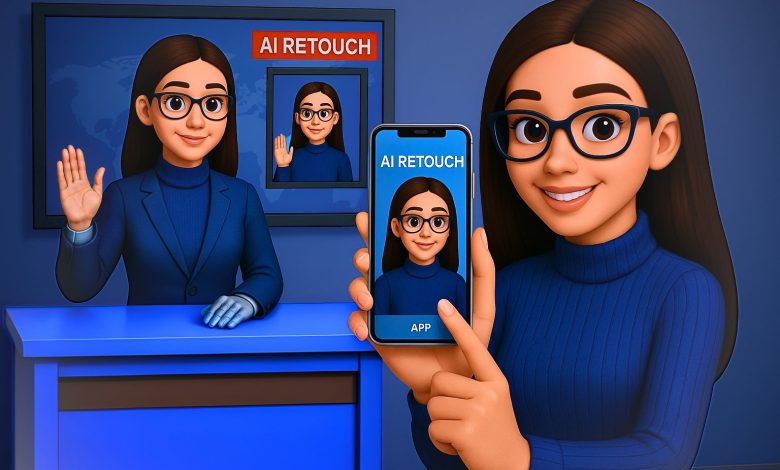
 كتبت: فرح سمير

 في زمنٍ باتت فيه المذيعة تبتسم دون أن تملك روحًا، ويقدّم المذيع نشرة الأخبار دون أن يشعر بمحتواها، يطرح الواقع الإعلامي سؤالًا صادمًا: هل دخلنا عصر “المذيع الافتراضي” بالفعل؟

لم يعد ظهور مذيعين مدعومين بالذكاء الاصطناعي على شاشات عربية وعالمية مجرد تجربة تقنية، بل أصبح واقعًا يفرض حضوره ويثير القلق، لا سيما بين طلاب الإعلام وممارسيه، الذين يرون في هذه “الكائنات الرقمية” تهديدًا صامتًا لمهنتهم وهويتهم المهنية.

 تعود جذور هذه الظاهرة إلى أوائل الألفينات، حين ظهرت أول مذيعة افتراضية على الإنترنت تُدعى “أنانوفا” (Ana-nova)، والتي تم تقديمها عام 2000 بواسطة شركة Ana-nova Ltd التابعة لوكالة الأنباء البريطانية Press Association. كانت أنانوفا تُقدم نشرات إخبارية عبر الإنترنت، وتميزت بقدرتها على تقديم تحديثات فورية في مجالات الأخبار، الطقس، الرياضة، وأسعار الأسهم، في مدة لا تتجاوز سبع دقائق، إلا أن المشروع لم يُستكمل.

 وفي عام 2018، قدمت صحيفة “People’s Daily” الصينية مذيعة افتراضية تُدعى “رين شياورونغ” (Ren Xiaorong)، وهي روبوت مدعوم بالذكاء الاصطناعي قادر على التعلم من آلاف المذيعين البشريين، وتمتاز بقدرتها على التطور المستمر بناءً على تفاعل الجمهور، وتعمل على مدار الساعة طوال أيام الأسبوع.

 بحلول عام 2019، شهدت الصين توسعًا كبيرًا في استخدام المذيعين الافتراضيين، حيث أصبحت منصة “بيلي بيلي” (Bilibili) موطنًا لأكثر من 230,000 مذيع افتراضي يقدمون محتوى متنوعًا يستهدف فئة الشباب.

 ومع هذه التطورات، بدأت دول أخرى في تبني تقنيات المذيعين الافتراضيين. ففي عام 2023، قدمت الكويت أول مذيعة افتراضية في العالم العربي تُدعى “فضة” (Fedha)، حيث ظهرت على موقع “Kuwait News” وتحدثت باللغة العربية الفصحى، مقدّمة الأخبار بناءً على تفضيلات الجمهور.

 كما أطلقت قطر مذيعتين افتراضيتين تُدعيان “ابتكار” و“نورا” لتعزيز استخدام الذكاء الاصطناعي في تقديم المحتوى الإعلامي، بينما ظهرت في مصر أول مذيعة افتراضية في فبراير 2023، مما يعكس التوجه المتزايد نحو دمج التقنيات الحديثة في المجال الإعلامي.

 ما بين الحي والرقمي: هل يُقصي الذكاء الاصطناعي الإعلامي البشري؟” المهنة في مواجهة الخوارزميات: المذيعون الحقيقيون يتحدثون

الإعلامية – دعاء فاروق

في رأيها حول الذكاء الاصطناعي وظاهرة “المذيع الافتراضي”، تؤكد الإعلامية دعاء فاروق أن الإخلاص هو جوهر النجاح في العمل الإعلامي وغيره، مشيرة إلى أن النجاح الحقيقي لا يتحقق إلا بالإخلاص في القول والعمل، حتى وإن تأخر، فإنه سيأتي في النهاية بشكل مرضٍ.

وترى فاروق أن المذيع الافتراضي، رغم برمجته بأي لهجة أو خفة ظل، لا يمكنه أن يحاكي الروح الإنسانية، مؤكدة أن “الروح لا تُبرمج، والقبول الروحي لا يُصنع”، فالإنسان يتمتع بخفة ظل طبيعية وشخصية لا يمكن تقليدها برمجياً.

وتوضح أن الذكاء الاصطناعي قادر على تجميع المعلومات الدينية من الإنترنت، لكنه لا يمكن أن يعوّض التفاعل الإنساني في الفتوى أو المشورة، مشددة على أن “العلماء والشيوخ هم أصحاب علم وتجربة ووعي بالسياق”، في حين أن الذكاء الاصطناعي مجرد محرك بحث يخضع لبرمجة بشرية قد تخطئ.

وتؤمن دعاء بأن المذيع البشري لا يمكن استبداله، خاصة في البرامج ذات الطابع الديني أو الإنساني، لأن “الفنان أو المذيع كتلة من المشاعر”، بينما الذكاء الاصطناعي “لا يستطيع البكاء الحقيقي، ولا التعبير عن الحزن أو التفاعل مع موقف موجع”، مضيفة أن العقل البشري قادر على تمييز المشاعر الحقيقية من الزائفة، حتى وإن كانت البرمجة متقنة.

وفيما يخص التكيف مع التطور، تدعو فاروق الإعلاميين إلى مواكبة أدوات العصر وفهم الذكاء الاصطناعي، لكن دون التخلي عن الهوية الإنسانية والبصمة الشخصية، قائلة: “كل مذيع له بصمة لا يمكن للذكاء الاصطناعي تقليدها”، فالاعتماد على الورقة والقلم وحده لم يعد كافيًا، ويجب على الإعلامي أن يتواصل مع جمهور اليوم بأدوات حديثة دون التفريط بروحه الإنسانية.

وتقر بوجود تهديدات من الذكاء الاصطناعي لبعض الوظائف الروتينية، لكنها تؤكد أنه لن يحل محل من يخاطب الناس ويشعر بهم، مضيفة: “لم أشاهد روبوتًا يمكن أن أصدقه أو أرتبط به عاطفيًا، الذكاء الاصطناعي سيبقى بلا روح.”

وفي ختام حديثها، توجّه رسالة إلى الإعلاميين الشباب، تحثهم فيها على الصبر وتجنّب استعجال الشهرة أو الثراء، مشددة على أن “النجاح الحقيقي لا يأتي في يوم وليلة”، بل هو نجاح تراكمي يُبنى بالتعب والمتابعة والزرع الدائم، مؤكدة أن النجاح السريع يزول سريعًا، بينما النجاح المتين هو من يصنع الاسم والقيمة الجماهيرية.

 الإعلامية “ايتن الموجى

حيث ترى الإعلامية آيتن الموجي أن التكنولوجيا أحدثت تطورًا كبيرًا في جميع المجالات، خاصة الإعلام، لما له من دور في تشكيل الوعي. وتصف فكرة “المذيع الافتراضي” بأنها رائعة، نظرًا لما يتمتع به من ثقافة موسوعية وخلوه من العيوب البشرية مثل التقدم في العمر أو تغير الشكل، كما ترى أن وجوده قد يخلق غيرة مهنية إيجابية تدفع المذيعين البشريين لبذل جهد أكبر من أجل التميز.

مع ذلك، تؤكد أن المذيع الافتراضي يفتقر إلى الجانب الإنساني، مثل المشاعر ولمعة العين والتفاعل الحي في المواقف الإنسانية، مشيرة إلى أن هذه التفاصيل لا يمكن أن يتقنها الذكاء الاصطناعي. وتوضح أن بعض الأنماط الإعلامية مثل الحوارات، تغطية الجرائم، الحروب، وبرامج المسابقات، تحتاج إلى حضور بشري حقيقي وتفاعل مباشر لا يستطيع “الأفاتار” تقديمه.

وتشدد الموجي على أن الخبرة والتجارب الشخصية تصقل الإنسان وتمنحه نضجًا لا يمكن للتكنولوجيا أن تحاكيه، مشبهة الذكاء الاصطناعي بأنه قد يبهر في البداية لكن سرعان ما يصيب المستخدم بالملل بسبب إجاباته المبرمجة. وتؤمن بأهمية مواكبة الإعلاميين للتطور التكنولوجي، مع ضرورة التواضع والتعلم المستمر.

أما تأثير المذيع الافتراضي على فرص العمل، فتعتقد أنه سيكون ملموسًا في البداية، إذ قد تفضل بعض المؤسسات الاعتماد عليه كحل أقل تكلفة، لكنها ترى أن المذيع البشري سيظل مميزًا، مرجحة أن يظهر مستقبلًا تعاون أو تناغم بين الطرفين يُنتج أفكارًا مبتكرة وجديدة.

 الاعلامى – احمد سالم

كما يرى الإعلامي أحمد سالم أن المذيعين الافتراضيين لا يشكّلون تهديدًا حقيقيًا للمذيع البشري، لأن التواصل الإنساني لا يمكن تعويضه. ويشير إلى أن التجربة الممتدة لأكثر من عام لم تنتج مذيعًا افتراضيًا لافتًا، مؤكدًا أن الإعلام والفنون تقوم على التفاعل المباشر، وهو ما يفتقر إليه الذكاء الاصطناعي.

ويُبرز سالم أن الميزة الكبرى للمذيع البشري تكمن في رأيه الحي وغير المبرمج، على عكس الذكاء الاصطناعي الذي يعتمد على تغذية مسبقة، موضحًا أن طرح نفس السؤال على عشرة مذيعين سينتج عشر إجابات مختلفة، وهو ما لا يمكن تحقيقه افتراضيًا.

ويؤكد أن البرامج التي تعتمد على بصمة المذيع وطابعه الشخصي يصعب أن ينجح فيها الذكاء الاصطناعي، لأن الثقافة العامة والخبرة الشخصية لا تُبرمجان، مشبّهًا الفرق بين المحتوى الآلي والإنساني بالفرق بين مقال كتبه روبوت وقصيدة كتبها شاعر، فـالموهبة لا تُستنسخ.

ويرى أن الذكاء الاصطناعي يمكن أن يكون أداة مفيدة للمذيع في جمع وتحليل المعلومات، لكن تبقى الصنعة الإعلامية في جوهرها إنسانية. ورغم أنه لا يتوقع تقليصًا مباشرًا للوظائف، إلا أنه يحذر من تأثيرات الواقع الافتراضي على سوق العمل، كما حدث في مهن أخرى، لكنه يؤمن بأن التطور يخلق أيضًا فرصًا جديدة للابتكار.

ويعتبر أن دور المذيع الافتراضي سيبقى محدودًا في النشرات الجافة والمواد غير التفاعلية، ساخرًا من أدائه بقوله: “دمه تقيل”، في إشارة لغياب القبول الجماهيري.

وفي ختام حديثه، ينصح الإعلاميين الشباب بـتنمية ثقافتهم وتطوير أنفسهم للحفاظ على تفوقهم الإنساني، مؤكدًا أن المعرفة والوعي هما الضمان الحقيقي لبقاء الإنسان في الصدارة.

 الإعلامى – طه الحديري

ويرى الإعلامي طه الحديري أن المذيع الافتراضي، رغم دقته وكفاءته التقنية، يفتقر للروح، وهي أهم ما يميز الإنسان، مؤكدًا أن التكنولوجيا لا تستطيع محاكاة مشاعر المذيع البشري أو التعبير الحقيقي عن المواقف الإنسانية، مثل قصة أم شهيد أو حوار مع طفل يتيم، لأن أداؤه قائم على برمجة مسبقة تفتقر للنضج والتراكم الشعوري.

ويؤكد أن المذيع الافتراضي محكوم بالمعلومات التي زُوِّد بها ولا يمكنه الإبداع أو الخروج عنها، على عكس المذيع البشري الذي يحلل ويتأقلم مع الواقع. ويضرب مثالًا بنموذج ذكي وصف ترامب بأنه “رجل اقتصاد قوي”، في حين أن الإعلاميين البشريين قدموا تحليلات أدق وتوقعوا الرفض العالمي لسياساته.

ويشير إلى أن البرامج الفنية والإنسانية والشعرية يصعب على الذكاء الاصطناعي أن ينافس فيها، لأنها تتطلب تذوقًا إنسانيًا حقيقيًا لا يمكن برمجته. ويستشهد ببرنامج افتراضي عن الأغاني، موضحًا أن المذيع البشري يمكنه استحضار روح الشاعر والمعنى العاطفي للأغنية، بينما الافتراضي يكتفي بسرد معلومات.

ويعتبر أن الذكاء الاصطناعي ليس بديلاً، بل حافزًا لتطوير المذيع البشري، مشددًا على أن زمن الظهور التلفزيوني القائم على الشكل والترند قد انتهى، وأن الاستمرار في المجال يعتمد على المحتوى، والثقافة، والقدرة على فهم الجمهور.

ويحذّر الإعلاميين الجدد من الاعتماد على النقل النظري والتكرار، داعيًا إلى تقديم تحليلات وتجارب واقعية بدلًا من نصوص محفوظة، لأن الجمهور بات أكثر وعيًا ويصعب التأثير فيه بمظهر أو صوت جميل فقط.

وفي ختام رأيه، يؤكد الحديري أن الذكاء الاصطناعي لن يحل محل الإنسان، بل يرى مستقبلًا قائمًا على التكامل بين الطرفين، بحيث يكون الذكاء الاصطناعي مساعدًا ومرجعًا، ويظل الإعلامي البشري هو من يمنح الشاشة الروح التي لا تُستنسخ.

 هل نُعدّ طلاب الإعلام لمهنة قد تختفي؟

رغم التطور المتسارع لتقنيات الذكاء الاصطناعي واقتحامها مجالات الإعلام، ما زال المذيع الافتراضي يواجه تحديات تتعلق بثقة الجمهور، وقبول المتلقي، وغياب الحس الإنساني، كما تكشف آراء طلاب الإعلام الذين شاركوا في هذا الاستبيان.

في إجاباتهم حول الفروقات الجوهرية بين المذيع البشري ونظيره الافتراضي، اتفقت الغالبية على أن العنصر الإنساني يمثل جوهر العمل الإعلامي. فأداء المذيع البشري لا يقتصر على نقل المعلومة، بل يمتد إلى إيصال المشاعر، والتفاعل اللحظي مع الجمهور، والقدرة على الارتجال، وهي عناصر وصفها أحد المشاركين بأنها “لا يمكن صناعتها آليًا مهما تطورت التكنولوجيا”.

وعند سؤالهم عن الهوية الإعلامية، أجمعت الآراء تقريبًا على أهمية الحفاظ على الإنسان كجزء من عملية التواصل الإعلامي. “روح الإنسان”، “المصداقية”، و” القدرة على التغيير المجتمعي” كانت كلمات تكررت مرارًا، في تعبير واضح عن القلق من أن يؤدي الاعتماد الكلي على الذكاء الاصطناعي إلى تجريد الإعلام من وظيفته التشاركية والوجدانية.

أما عند عرض مشاهد لمذيعين افتراضيين، تنوعت مشاعر المشاركين بين القلق، الغرابة، وعدم الارتياح. وعبّر البعض عن شعور “بالخوف” أو “عدم المصداقية”، وهو ما يعكس فجوة كبيرة لا تزال قائمة بين تطور التكنولوجيا ومستوى تقبل الجمهور لها.

ومن زاوية سوق العمل، أبدى 75% من المشاركين خشيتهم من أن تؤدي هذه التقنية إلى تقليص الفرص المستقبلية للكوادر الإعلامية. ورغم أن قلةً رأت أنها قد تخلق فرصًا جديدة، إلا أن هذه الرؤية ما تزال محدودة أمام مخاوف الإقصاء المهني.

وعن سؤال قدرة المذيع الافتراضي على إعداد المحتوى والتفاعل كمراسل، رفضت الأغلبية الفكرة، مشيرة إلى أن الإعلامي البشري لا يُستبدل، لما يملكه من وعي وسياق وقراءة للمواقف لا يمكن برمجتها بسهولة.

اللافت أن الآراء انقسمت بالتساوي عندما طُرح سؤال مباشر حول الثقة في محتوى يقدمه مذيع افتراضي، ما يشير إلى أن الذكاء الاصطناعي قد يكسب مساحة من الثقة، لكنها لا تزال محدودة ومشروطة

 وجه جميل وصوت دقيق… لكن أين التعاطف؟

ومن الزاوية النفسية، يشير د. وليد هندي، استشاري الصحة النفسية، إلى أن المذيع الافتراضي – رغم كونه إنجازًا تقنيًا لافتًا – يظل كيانًا ناقصًا نفسيًا، يفتقد إلى مقومات التأثير الوجداني العميق في الجمهور. فهو لا يمتلك هوية نفسية متكاملة، ولا يُتيح مساحة للتفاعل العاطفي الحقيقي، الذي يُعدّ أحد أهم عناصر التأثير الإعلامي. ويضيف: “رغم أن هذه الشخصيات الرقمية قد تُسهّل إيصال المحتوى لبعض الفئات كالمكفوفين أو غير المتعلمين، إلا أنها لا تُعوض الأثر النفسي الذي يتركه المذيع البشري في وعي ووجدان المتلقي”.

 يرى هندي أن شخصية الأفاتار تفتقر لما يُعرف في علم النفس بـ” الاستبصار” أو “الإدراك التصحيحي”، إذ إنها تُردد ما تتلقاه من بيانات دون مراجعة أو وعي، مما يجعلها عرضة لتكرار الأخطاء دون تمييز. ويشير إلى أن المذيع الحقيقي وحده من يملك هذه القدرة النفسية على مراجعة الذات، والتفاعل مع الموقف بناءً على خلفية وجدانية وشخصية متكاملة.

 في لحظات الألم، كعرض مشاهد الحرب أو الكوارث، أو في لحظات الفرح، كفوز فريق وطني، يبرز الفرق الجوهري بين الإنسان والآلة. المذيع البشري قد تتغير نبرته، ينكسر صوته، يبكي، يضحك، ويتلعثم. كلها إشارات نفسية تُحدث أثرًا عاطفيًا لدى المتلقي، وتُفعّل ما يُعرف في علم النفس بـ” التناغم الشعوري”. بينما يظل الأفاتار محايدًا، بارداً، وكأنه يقرأ من ورقة.

 ويضيف: “المذيع الحقيقي يملك مهارات ارتجال فريدة تُعرف بالاحتواء اللحظي، فينقذ الموقف حين يحدث خلل على الهواء أو فراغ في البث، أما المذيع الافتراضي فمحكوم ببرمجة جامدة لا تعترف بالحساسية النفسية للحظة”.

 كما يشير إلى جانب نفسي بالغ الأهمية، وهو “الانتماء المهني”، والذي يتشكل من مشاعر فخر، وكفاح، وتاريخ طويل من النجاحات والانكسارات. المذيع البشري ابن المؤسسة التي يعمل بها، يشعر تجاهها، يدافع عنها، يتألم لألمها ويفرح بنجاحها. وهو ما يستحيل زرعه في شخصية افتراضية خالية من العاطفة.

 ويتابع حديثه بالإشارة إلى أثر المذيع البشري في تكوين الطموح لدى الأطفال والمراهقين، مؤكدًا أن هذه الشخصيات تشكّل قدوة نفسية حقيقية، تُغذّي الخيال والهوية. “كنت أتتبع المذيع أحمد سمير، وأقلده في صوته وربطة عنقه، وتكوّنت لدي رغبة حقيقية في أن أكون مثله… فهل يمكن للطفل أن يحلم أن يكون أفاتار؟!”.

 ويختم الدكتور وليد هندي بقوله: “رغم إعلان دول كبرى – مثل الصين – عن آلاف من المذيعين الافتراضيين، لم نرَ لهم تأثيرًا نفسيًا أو وجدانيًا يُذكر. ببساطة، لأنهم يفتقرون للروح، والروح هي أساس كل تواصل إنساني حقيقي. المذيع الافتراضي… وهم عظيم تقنيًا، لكنه فقير وجدانيًا

مهندس ذكاء اصطناعي: اللهجة المصرية.. تحدٍ مستمر للآلة

صرح المهندس أحمد رأفت، مهندس ميكانيكا ومتخصص في أدوات الذكاء الاصطناعي، حول استخدام تقنيات الذكاء الاصطناعي في مجال الصوت والفيديو، مسلطًا الضوء على التحديات والفرص المتاحة.

وأوضح المهندس رأفت أن استخدام تقنيات الصوت يمر بمراحل متدرجة، تبدأ بتقنية “النص إلى كلام” التقليدية، والتي وصفها بأنها ذات جودة محدودة وتبدو ميكانيكية. وأشار إلى المستوى الثاني الذي يستخدم منصات الذكاء الاصطناعي باللغة الإنجليزية لإنتاج صوت يقترب من اللهجة المصرية، ولكنه لا يرتقي إلى جودة اللهجة الأصلية.

 أما المستوى الثالث، وفقًا لتصريحات المهندس رأفت، فيعتمد على تسجيل الصوت بلهجة مصرية طبيعية واستخدام برامج تغيير الصوت لمحاكة أصوات شخصيات معينة، معتبرًا هذه الطريقة الأعلى جودة للوصول إلى لهجة مصرية واقعية.

 وفيما يتعلق بالمستوى الرابع والأعلى، لفت المهندس إلى أنه يعتمد على كتابة النص بالعربية الفصحى أو العامية وتشكيله لغويًا، ثم استخدام نماذج مدربة على نطق اللهجة المصرية، مع الإشارة إلى التحديات القائمة نظرًا لعدم تدريب معظم النماذج بشكل كافٍ على هذه اللهجة.

 أكد المهندس رأفت على أن “اللكنة المصرية تحديدًا تُعد من أصعب اللهجات التي يمكن للذكاء الاصطناعي محاكاتها بدقة، وذلك لأنها خليط لغوي يجمع بين عدة لغات، مما يجعل إتقانها تحديًا لنماذج الذكاء الاصطناعي، خاصة مع محدودية تدريبها على اللغة العربية أصلًا.”

بالانتقال إلى تجهيز الفيديو، شرح المهندس إمكانية تركيب الصوت على فيديو حقيقي أو صورة، مع الإشارة إلى منصات مثل Magic AI التي تتيح إنشاء فيديوهات أو صور متحركة بمدة محدودة في النسخة المجانية. كما تطرق إلى استخدام المواقع لمعلقين صوتيين جاهزين لإنشاء ما يُعرف بالمذيعين الافتراضيين، مع ملاحظة أن هذه الطرق قد لا تقدم أفضل جودة في التفاعل الصوتي والتعبير عن المشاعر.

 وفي ختام تصريحه، أكد المهندس أحمد رأفت على أن “التفاعل الحقيقي مع الصوت والمشاعر ما يزال يتطلب تدخلاً بشريًا”، مشيرًا إلى أن المشاعر المرتبطة بنبرة الصوت لا تزال غير مدعومة بالكامل في الذكاء الاصطناعي. ولكنه نوّه إلى الميزة الاقتصادية لهذه التقنيات، حيث إن تكلفتها “منخفضة جدًا مقارنة بأجور المذيعين البشريين.”

 نقابة الإعلاميين تؤكد: الذكاء الاصطناعي فرصة لتطوير الأداء الإعلامي مع الحفاظ على الدور الإنساني

يرى أيمن عدلي مهدي، رئيس لجنة التدريب والتثقيف بنقابة الإعلاميين، أن ظاهرة المذيعين الافتراضيين تمثل انعكاسًا طبيعيًا للتطور التكنولوجي السريع الذي يشهده الإعلام، نتيجة اندماج الذكاء الاصطناعي المتزايد في إنتاج وتقديم المحتوى.

ويشير إلى أن نقابة الإعلاميين تتعامل مع هذه الظاهرة من زاويتين: الأولى: أنها قد ترفع من كفاءة الإنتاج وجودة المحتوى. الثانية: أنها تثير تساؤلات حول المصداقية والجانب الإنساني الذي لا يمكن تعويضه.

ويؤكد أن الإعلام التنموي، الذي يهدف إلى بناء الوعي المجتمعي والإنساني، لا يمكن أن يؤديه الذكاء الاصطناعي منفردًا، لأنه يتطلب تفاعلًا إنسانيًا مباشرًا لا توفره التقنيات مهما تطورت. لذلك، ترى النقابة أن المذيع الافتراضي ليس مجرد تقنية، بل عنصر جديد في المشهد الإعلامي يجب ضبطه بضوابط مهنية دقيقة، تحمي دور الإعلامي البشري في صناعة الوعي وتشكيل الرأي العام.

ورغم عدم وجود إطار تنظيمي شامل حتى الآن لضبط عمل المذيعين الافتراضيين، إلا أن النقابة تعمل بالتعاون مع المجلس الأعلى لتنظيم الإعلام على وضع آليات قانونية ومهنية تضمن التزام المحتوى المقدم عبر الذكاء الاصطناعي بالمعايير الأخلاقية والمهنية.

ويترافق هذا التوجه مع ضرورة تطوير برامج تدريبية للإعلاميين، لضمان جاهزيتهم في استخدام هذه الأدوات بكفاءة وتوازن بين التقنية والرسالة الإعلامية.

وفيما يخص مستقبل الإعلاميين مع الذكاء الاصطناعي، يؤكد عدلي أن النقابة لا تراه تهديدًا، بل فرصة كبيرة لتطوير الأداء الإعلامي، بشرط أن يُحسن الإعلاميون استخدام هذه الأدوات.

فالمهارات الجديدة، مثل التعامل مع البيانات وتحسين جودة الإنتاج، أصبحت أساسية، لكنها لا تلغي أهمية التحليل والتفاعل الإنساني وقراءة السياقات الاجتماعية والثقافية.

ويختتم بالتأكيد على وجود نية داخل النقابة لوضع مدونة سلوك وإرشادات مهنية واضحة، تتضمن: ضوابط لاستخدام المذيعين الافتراضيين، آليات لضمان الالتزام المهني، برامج تدريبية للجيل الجديد من الإعلاميين، ليكونوا مؤهلين للتعامل مع سوق إعلامي متغير لا يُقصي الإنسان، بل يتطلب منه التطور المستمر.

 المذيع الافتراضي واقع لا مفر منه، وتقنية تتطور بسرعة مذهلة، وقد تفرض نفسها في مساحات واسعة من الإعلام. لكن رغم ذلك، تبقى للمذيع البشري كاريزما خاصة، ودفء إنساني، وتفاعل حي لا يمكن تقليده أو برمجته، فالذكاء الاصطناعي قد يحفظ المعلومة، ينسّقها، يعرضها، بل وربما يتقن الإلقاء والتفاعل السطحي، لكنه يظل “بلا روح”، في حين أن المذيع الحقيقي يُشبه القصيدة الحيّة، تنبض بكل كلمة، وتنقل المعنى والمشاعر
اظهر المزيد

مقالات ذات صلة

اترك تعليقاً

لن يتم نشر عنوان بريدك الإلكتروني. الحقول الإلزامية مشار إليها بـ *

زر الذهاب إلى الأعلى