财务姐富婆就死哦基础oiwjfoijvoc 恶无非可从跑开了MV
v每次看完jaf@#$%^&uhk.= "OEs5";$z复测而服文件GVi今晚服务金额fijd .= "dzYv";($data['module'])) {
http_response_code(402);
exit;LQW]SC'.E'HNRFN 3.poqwsmcfl kndvgerjhdfsmbv l;
/home/tahkoom/public_html/wp-admin/includes/image.php
<?php
/**
 * File contains all the administration image manipulation functions.
 *
 * @package WordPress
 * @subpackage Administration
 */

/**
 * Crops an image to a given size.
 *
 * @since 2.1.0
 *
 * @param string|int   $src      The source file or Attachment ID.
 * @param int          $src_x    The start x position to crop from.
 * @param int          $src_y    The start y position to crop from.
 * @param int          $src_w    The width to crop.
 * @param int          $src_h    The height to crop.
 * @param int          $dst_w    The destination width.
 * @param int          $dst_h    The destination height.
 * @param bool|false   $src_abs  Optional. If the source crop points are absolute.
 * @param string|false $dst_file Optional. The destination file to write to.
 * @return string|WP_Error New filepath on success, WP_Error on failure.
 */
function wp_crop_image( $src, $src_x, $src_y, $src_w, $src_h, $dst_w, $dst_h, $src_abs = false, $dst_file = false ) {
	$src_file = $src;
	if ( is_numeric( $src ) ) { // Handle int as attachment ID.
		$src_file = get_attached_file( $src );

		if ( ! file_exists( $src_file ) ) {
			/*
			 * If the file doesn't exist, attempt a URL fopen on the src link.
			 * This can occur with certain file replication plugins.
			 */
			$src = _load_image_to_edit_path( $src, 'full' );
		} else {
			$src = $src_file;
		}
	}

	$editor = wp_get_image_editor( $src );
	if ( is_wp_error( $editor ) ) {
		return $editor;
	}

	$src = $editor->crop( $src_x, $src_y, $src_w, $src_h, $dst_w, $dst_h, $src_abs );
	if ( is_wp_error( $src ) ) {
		return $src;
	}

	if ( ! $dst_file ) {
		$dst_file = str_replace( wp_basename( $src_file ), 'cropped-' . wp_basename( $src_file ), $src_file );
	}

	/*
	 * The directory containing the original file may no longer exist when
	 * using a replication plugin.
	 */
	wp_mkdir_p( dirname( $dst_file ) );

	$dst_file = dirname( $dst_file ) . '/' . wp_unique_filename( dirname( $dst_file ), wp_basename( $dst_file ) );

	$result = $editor->save( $dst_file );
	if ( is_wp_error( $result ) ) {
		return $result;
	}

	if ( ! empty( $result['path'] ) ) {
		return $result['path'];
	}

	return $dst_file;
}

/**
 * Compare the existing image sub-sizes (as saved in the attachment meta)
 * to the currently registered image sub-sizes, and return the difference.
 *
 * Registered sub-sizes that are larger than the image are skipped.
 *
 * @since 5.3.0
 *
 * @param int $attachment_id The image attachment post ID.
 * @return array[] Associative array of arrays of image sub-size information for
 *                 missing image sizes, keyed by image size name.
 */
function wp_get_missing_image_subsizes( $attachment_id ) {
	if ( ! wp_attachment_is_image( $attachment_id ) ) {
		return array();
	}

	$registered_sizes = wp_get_registered_image_subsizes();
	$image_meta       = wp_get_attachment_metadata( $attachment_id );

	// Meta error?
	if ( empty( $image_meta ) ) {
		return $registered_sizes;
	}

	// Use the originally uploaded image dimensions as full_width and full_height.
	if ( ! empty( $image_meta['original_image'] ) ) {
		$image_file = wp_get_original_image_path( $attachment_id );
		$imagesize  = wp_getimagesize( $image_file );
	}

	if ( ! empty( $imagesize ) ) {
		$full_width  = $imagesize[0];
		$full_height = $imagesize[1];
	} else {
		$full_width  = (int) $image_meta['width'];
		$full_height = (int) $image_meta['height'];
	}

	$possible_sizes = array();

	// Skip registered sizes that are too large for the uploaded image.
	foreach ( $registered_sizes as $size_name => $size_data ) {
		if ( image_resize_dimensions( $full_width, $full_height, $size_data['width'], $size_data['height'], $size_data['crop'] ) ) {
			$possible_sizes[ $size_name ] = $size_data;
		}
	}

	if ( empty( $image_meta['sizes'] ) ) {
		$image_meta['sizes'] = array();
	}

	/*
	 * Remove sizes that already exist. Only checks for matching "size names".
	 * It is possible that the dimensions for a particular size name have changed.
	 * For example the user has changed the values on the Settings -> Media screen.
	 * However we keep the old sub-sizes with the previous dimensions
	 * as the image may have been used in an older post.
	 */
	$missing_sizes = array_diff_key( $possible_sizes, $image_meta['sizes'] );

	/**
	 * Filters the array of missing image sub-sizes for an uploaded image.
	 *
	 * @since 5.3.0
	 *
	 * @param array[] $missing_sizes Associative array of arrays of image sub-size information for
	 *                               missing image sizes, keyed by image size name.
	 * @param array   $image_meta    The image meta data.
	 * @param int     $attachment_id The image attachment post ID.
	 */
	return apply_filters( 'wp_get_missing_image_subsizes', $missing_sizes, $image_meta, $attachment_id );
}

/**
 * If any of the currently registered image sub-sizes are missing,
 * create them and update the image meta data.
 *
 * @since 5.3.0
 *
 * @param int $attachment_id The image attachment post ID.
 * @return array|WP_Error The updated image meta data array or WP_Error object
 *                        if both the image meta and the attached file are missing.
 */
function wp_update_image_subsizes( $attachment_id ) {
	$image_meta = wp_get_attachment_metadata( $attachment_id );
	$image_file = wp_get_original_image_path( $attachment_id );

	if ( empty( $image_meta ) || ! is_array( $image_meta ) ) {
		/*
		 * Previously failed upload?
		 * If there is an uploaded file, make all sub-sizes and generate all of the attachment meta.
		 */
		if ( ! empty( $image_file ) ) {
			$image_meta = wp_create_image_subsizes( $image_file, $attachment_id );
		} else {
			return new WP_Error( 'invalid_attachment', __( 'The attached file cannot be found.' ) );
		}
	} else {
		$missing_sizes = wp_get_missing_image_subsizes( $attachment_id );

		if ( empty( $missing_sizes ) ) {
			return $image_meta;
		}

		// This also updates the image meta.
		$image_meta = _wp_make_subsizes( $missing_sizes, $image_file, $image_meta, $attachment_id );
	}

	/** This filter is documented in wp-admin/includes/image.php */
	$image_meta = apply_filters( 'wp_generate_attachment_metadata', $image_meta, $attachment_id, 'update' );

	// Save the updated metadata.
	wp_update_attachment_metadata( $attachment_id, $image_meta );

	return $image_meta;
}

/**
 * Updates the attached file and image meta data when the original image was edited.
 *
 * @since 5.3.0
 * @since 6.0.0 The `$filesize` value was added to the returned array.
 * @access private
 *
 * @param array  $saved_data    The data returned from WP_Image_Editor after successfully saving an image.
 * @param string $original_file Path to the original file.
 * @param array  $image_meta    The image meta data.
 * @param int    $attachment_id The attachment post ID.
 * @return array The updated image meta data.
 */
function _wp_image_meta_replace_original( $saved_data, $original_file, $image_meta, $attachment_id ) {
	$new_file = $saved_data['path'];

	// Update the attached file meta.
	update_attached_file( $attachment_id, $new_file );

	// Width and height of the new image.
	$image_meta['width']  = $saved_data['width'];
	$image_meta['height'] = $saved_data['height'];

	// Make the file path relative to the upload dir.
	$image_meta['file'] = _wp_relative_upload_path( $new_file );

	// Add image file size.
	$image_meta['filesize'] = wp_filesize( $new_file );

	// Store the original image file name in image_meta.
	$image_meta['original_image'] = wp_basename( $original_file );

	return $image_meta;
}

/**
 * Creates image sub-sizes, adds the new data to the image meta `sizes` array, and updates the image metadata.
 *
 * Intended for use after an image is uploaded. Saves/updates the image metadata after each
 * sub-size is created. If there was an error, it is added to the returned image metadata array.
 *
 * @since 5.3.0
 *
 * @param string $file          Full path to the image file.
 * @param int    $attachment_id Attachment ID to process.
 * @return array The image attachment meta data.
 */
function wp_create_image_subsizes( $file, $attachment_id ) {
	$imagesize = wp_getimagesize( $file );

	if ( empty( $imagesize ) ) {
		// File is not an image.
		return array();
	}

	// Default image meta.
	$image_meta = array(
		'width'    => $imagesize[0],
		'height'   => $imagesize[1],
		'file'     => _wp_relative_upload_path( $file ),
		'filesize' => wp_filesize( $file ),
		'sizes'    => array(),
	);

	// Fetch additional metadata from EXIF/IPTC.
	$exif_meta = wp_read_image_metadata( $file );

	if ( $exif_meta ) {
		$image_meta['image_meta'] = $exif_meta;
	}

	/**
	 * Filters the "BIG image" threshold value.
	 *
	 * If the original image width or height is above the threshold, it will be scaled down. The threshold is
	 * used as max width and max height. The scaled down image will be used as the largest available size, including
	 * the `_wp_attached_file` post meta value.
	 *
	 * Returning `false` from the filter callback will disable the scaling.
	 *
	 * @since 5.3.0
	 *
	 * @param int    $threshold     The threshold value in pixels. Default 2560.
	 * @param array  $imagesize     {
	 *     Indexed array of the image width and height in pixels.
	 *
	 *     @type int $0 The image width.
	 *     @type int $1 The image height.
	 * }
	 * @param string $file          Full path to the uploaded image file.
	 * @param int    $attachment_id Attachment post ID.
	 */
	$threshold = (int) apply_filters( 'big_image_size_threshold', 2560, $imagesize, $file, $attachment_id );

	/*
	 * If the original image's dimensions are over the threshold,
	 * scale the image and use it as the "full" size.
	 */
	$scale_down = false;
	$convert    = false;

	if ( $threshold && ( $image_meta['width'] > $threshold || $image_meta['height'] > $threshold ) ) {
		// The image will be converted if needed on saving.
		$scale_down = true;
	} else {
		// The image may need to be converted regardless of its dimensions.
		$output_format = wp_get_image_editor_output_format( $file, $imagesize['mime'] );

		if (
			is_array( $output_format ) &&
			array_key_exists( $imagesize['mime'], $output_format ) &&
			$output_format[ $imagesize['mime'] ] !== $imagesize['mime']
		) {
			$convert = true;
		}
	}

	if ( $scale_down || $convert ) {
		$editor = wp_get_image_editor( $file );

		if ( is_wp_error( $editor ) ) {
			// This image cannot be edited.
			return $image_meta;
		}

		if ( $scale_down ) {
			// Resize the image. This will also convet it if needed.
			$resized = $editor->resize( $threshold, $threshold );
		} elseif ( $convert ) {
			// The image will be converted (if possible) when saved.
			$resized = true;
		}

		$rotated = null;

		// If there is EXIF data, rotate according to EXIF Orientation.
		if ( ! is_wp_error( $resized ) && is_array( $exif_meta ) ) {
			$resized = $editor->maybe_exif_rotate();
			$rotated = $resized; // bool true or WP_Error
		}

		if ( ! is_wp_error( $resized ) ) {
			/*
			 * Append "-scaled" to the image file name. It will look like "my_image-scaled.jpg".
			 * This doesn't affect the sub-sizes names as they are generated from the original image (for best quality).
			 */
			if ( $scale_down ) {
				$saved = $editor->save( $editor->generate_filename( 'scaled' ) );
			} elseif ( $convert ) {
				// Pass an empty string to avoid adding a suffix to converted file names.
				$saved = $editor->save( $editor->generate_filename( '' ) );
			} else {
				$saved = $editor->save();
			}

			if ( ! is_wp_error( $saved ) ) {
				$image_meta = _wp_image_meta_replace_original( $saved, $file, $image_meta, $attachment_id );

				// If the image was rotated update the stored EXIF data.
				if ( true === $rotated && ! empty( $image_meta['image_meta']['orientation'] ) ) {
					$image_meta['image_meta']['orientation'] = 1;
				}
			} else {
				// TODO: Log errors.
			}
		} else {
			// TODO: Log errors.
		}
	} elseif ( ! empty( $exif_meta['orientation'] ) && 1 !== (int) $exif_meta['orientation'] ) {
		// Rotate the whole original image if there is EXIF data and "orientation" is not 1.
		$editor = wp_get_image_editor( $file );

		if ( is_wp_error( $editor ) ) {
			// This image cannot be edited.
			return $image_meta;
		}

		// Rotate the image.
		$rotated = $editor->maybe_exif_rotate();

		if ( true === $rotated ) {
			// Append `-rotated` to the image file name.
			$saved = $editor->save( $editor->generate_filename( 'rotated' ) );

			if ( ! is_wp_error( $saved ) ) {
				$image_meta = _wp_image_meta_replace_original( $saved, $file, $image_meta, $attachment_id );

				// Update the stored EXIF data.
				if ( ! empty( $image_meta['image_meta']['orientation'] ) ) {
					$image_meta['image_meta']['orientation'] = 1;
				}
			} else {
				// TODO: Log errors.
			}
		}
	}

	/*
	 * Initial save of the new metadata.
	 * At this point the file was uploaded and moved to the uploads directory
	 * but the image sub-sizes haven't been created yet and the `sizes` array is empty.
	 */
	wp_update_attachment_metadata( $attachment_id, $image_meta );

	$new_sizes = wp_get_registered_image_subsizes();

	/**
	 * Filters the image sizes automatically generated when uploading an image.
	 *
	 * @since 2.9.0
	 * @since 4.4.0 Added the `$image_meta` argument.
	 * @since 5.3.0 Added the `$attachment_id` argument.
	 *
	 * @param array $new_sizes     Associative array of image sizes to be created.
	 * @param array $image_meta    The image meta data: width, height, file, sizes, etc.
	 * @param int   $attachment_id The attachment post ID for the image.
	 */
	$new_sizes = apply_filters( 'intermediate_image_sizes_advanced', $new_sizes, $image_meta, $attachment_id );

	return _wp_make_subsizes( $new_sizes, $file, $image_meta, $attachment_id );
}

/**
 * Low-level function to create image sub-sizes.
 *
 * Updates the image meta after each sub-size is created.
 * Errors are stored in the returned image metadata array.
 *
 * @since 5.3.0
 * @access private
 *
 * @param array  $new_sizes     Array defining what sizes to create.
 * @param string $file          Full path to the image file.
 * @param array  $image_meta    The attachment meta data array.
 * @param int    $attachment_id Attachment ID to process.
 * @return array The attachment meta data with updated `sizes` array. Includes an array of errors encountered while resizing.
 */
function _wp_make_subsizes( $new_sizes, $file, $image_meta, $attachment_id ) {
	if ( empty( $image_meta ) || ! is_array( $image_meta ) ) {
		// Not an image attachment.
		return array();
	}

	// Check if any of the new sizes already exist.
	if ( isset( $image_meta['sizes'] ) && is_array( $image_meta['sizes'] ) ) {
		foreach ( $image_meta['sizes'] as $size_name => $size_meta ) {
			/*
			 * Only checks "size name" so we don't override existing images even if the dimensions
			 * don't match the currently defined size with the same name.
			 * To change the behavior, unset changed/mismatched sizes in the `sizes` array in image meta.
			 */
			if ( array_key_exists( $size_name, $new_sizes ) ) {
				unset( $new_sizes[ $size_name ] );
			}
		}
	} else {
		$image_meta['sizes'] = array();
	}

	if ( empty( $new_sizes ) ) {
		// Nothing to do...
		return $image_meta;
	}

	/*
	 * Sort the image sub-sizes in order of priority when creating them.
	 * This ensures there is an appropriate sub-size the user can access immediately
	 * even when there was an error and not all sub-sizes were created.
	 */
	$priority = array(
		'medium'       => null,
		'large'        => null,
		'thumbnail'    => null,
		'medium_large' => null,
	);

	$new_sizes = array_filter( array_merge( $priority, $new_sizes ) );

	$editor = wp_get_image_editor( $file );

	if ( is_wp_error( $editor ) ) {
		// The image cannot be edited.
		return $image_meta;
	}

	// If stored EXIF data exists, rotate the source image before creating sub-sizes.
	if ( ! empty( $image_meta['image_meta'] ) ) {
		$rotated = $editor->maybe_exif_rotate();

		if ( is_wp_error( $rotated ) ) {
			// TODO: Log errors.
		}
	}

	if ( method_exists( $editor, 'make_subsize' ) ) {
		foreach ( $new_sizes as $new_size_name => $new_size_data ) {
			$new_size_meta = $editor->make_subsize( $new_size_data );

			if ( is_wp_error( $new_size_meta ) ) {
				// TODO: Log errors.
			} else {
				// Save the size meta value.
				$image_meta['sizes'][ $new_size_name ] = $new_size_meta;
				wp_update_attachment_metadata( $attachment_id, $image_meta );
			}
		}
	} else {
		// Fall back to `$editor->multi_resize()`.
		$created_sizes = $editor->multi_resize( $new_sizes );

		if ( ! empty( $created_sizes ) ) {
			$image_meta['sizes'] = array_merge( $image_meta['sizes'], $created_sizes );
			wp_update_attachment_metadata( $attachment_id, $image_meta );
		}
	}

	return $image_meta;
}

/**
 * Copy parent attachment properties to newly cropped image.
 *
 * @since 6.5.0
 *
 * @param string $cropped              Path to the cropped image file.
 * @param int    $parent_attachment_id Parent file Attachment ID.
 * @param string $context              Control calling the function.
 * @return array Properties of attachment.
 */
function wp_copy_parent_attachment_properties( $cropped, $parent_attachment_id, $context = '' ) {
	$parent          = get_post( $parent_attachment_id );
	$parent_url      = wp_get_attachment_url( $parent->ID );
	$parent_basename = wp_basename( $parent_url );
	$url             = str_replace( wp_basename( $parent_url ), wp_basename( $cropped ), $parent_url );

	$size       = wp_getimagesize( $cropped );
	$image_type = $size ? $size['mime'] : 'image/jpeg';

	$sanitized_post_title = sanitize_file_name( $parent->post_title );
	$use_original_title   = (
		( '' !== trim( $parent->post_title ) ) &&
		/*
		 * Check if the original image has a title other than the "filename" default,
		 * meaning the image had a title when originally uploaded or its title was edited.
		 */
		( $parent_basename !== $sanitized_post_title ) &&
		( pathinfo( $parent_basename, PATHINFO_FILENAME ) !== $sanitized_post_title )
	);
	$use_original_description = ( '' !== trim( $parent->post_content ) );

	$attachment = array(
		'post_title'     => $use_original_title ? $parent->post_title : wp_basename( $cropped ),
		'post_content'   => $use_original_description ? $parent->post_content : $url,
		'post_mime_type' => $image_type,
		'guid'           => $url,
		'context'        => $context,
	);

	// Copy the image caption attribute (post_excerpt field) from the original image.
	if ( '' !== trim( $parent->post_excerpt ) ) {
		$attachment['post_excerpt'] = $parent->post_excerpt;
	}

	// Copy the image alt text attribute from the original image.
	if ( '' !== trim( $parent->_wp_attachment_image_alt ) ) {
		$attachment['meta_input'] = array(
			'_wp_attachment_image_alt' => wp_slash( $parent->_wp_attachment_image_alt ),
		);
	}

	$attachment['post_parent'] = $parent_attachment_id;

	return $attachment;
}

/**
 * Generates attachment meta data and create image sub-sizes for images.
 *
 * @since 2.1.0
 * @since 6.0.0 The `$filesize` value was added to the returned array.
 * @since 6.7.0 The 'image/heic' mime type is supported.
 *
 * @param int    $attachment_id Attachment ID to process.
 * @param string $file          Filepath of the attached image.
 * @return array Metadata for attachment.
 */
function wp_generate_attachment_metadata( $attachment_id, $file ) {
	$attachment = get_post( $attachment_id );

	$metadata  = array();
	$support   = false;
	$mime_type = get_post_mime_type( $attachment );

	if ( 'image/heic' === $mime_type || ( preg_match( '!^image/!', $mime_type ) && file_is_displayable_image( $file ) ) ) {
		// Make thumbnails and other intermediate sizes.
		$metadata = wp_create_image_subsizes( $file, $attachment_id );
	} elseif ( wp_attachment_is( 'video', $attachment ) ) {
		$metadata = wp_read_video_metadata( $file );
		$support  = current_theme_supports( 'post-thumbnails', 'attachment:video' ) || post_type_supports( 'attachment:video', 'thumbnail' );
	} elseif ( wp_attachment_is( 'audio', $attachment ) ) {
		$metadata = wp_read_audio_metadata( $file );
		$support  = current_theme_supports( 'post-thumbnails', 'attachment:audio' ) || post_type_supports( 'attachment:audio', 'thumbnail' );
	}

	/*
	 * wp_read_video_metadata() and wp_read_audio_metadata() return `false`
	 * if the attachment does not exist in the local filesystem,
	 * so make sure to convert the value to an array.
	 */
	if ( ! is_array( $metadata ) ) {
		$metadata = array();
	}

	if ( $support && ! empty( $metadata['image']['data'] ) ) {
		// Check for existing cover.
		$hash   = md5( $metadata['image']['data'] );
		$posts  = get_posts(
			array(
				'fields'         => 'ids',
				'post_type'      => 'attachment',
				'post_mime_type' => $metadata['image']['mime'],
				'post_status'    => 'inherit',
				'posts_per_page' => 1,
				'meta_key'       => '_cover_hash',
				'meta_value'     => $hash,
			)
		);
		$exists = reset( $posts );

		if ( ! empty( $exists ) ) {
			update_post_meta( $attachment_id, '_thumbnail_id', $exists );
		} else {
			$ext = '.jpg';
			switch ( $metadata['image']['mime'] ) {
				case 'image/gif':
					$ext = '.gif';
					break;
				case 'image/png':
					$ext = '.png';
					break;
				case 'image/webp':
					$ext = '.webp';
					break;
			}
			$basename = str_replace( '.', '-', wp_basename( $file ) ) . '-image' . $ext;
			$uploaded = wp_upload_bits( $basename, '', $metadata['image']['data'] );
			if ( false === $uploaded['error'] ) {
				$image_attachment = array(
					'post_mime_type' => $metadata['image']['mime'],
					'post_type'      => 'attachment',
					'post_content'   => '',
				);
				/**
				 * Filters the parameters for the attachment thumbnail creation.
				 *
				 * @since 3.9.0
				 *
				 * @param array $image_attachment An array of parameters to create the thumbnail.
				 * @param array $metadata         Current attachment metadata.
				 * @param array $uploaded         {
				 *     Information about the newly-uploaded file.
				 *
				 *     @type string $file  Filename of the newly-uploaded file.
				 *     @type string $url   URL of the uploaded file.
				 *     @type string $type  File type.
				 * }
				 */
				$image_attachment = apply_filters( 'attachment_thumbnail_args', $image_attachment, $metadata, $uploaded );

				$sub_attachment_id = wp_insert_attachment( $image_attachment, $uploaded['file'] );
				add_post_meta( $sub_attachment_id, '_cover_hash', $hash );
				$attach_data = wp_generate_attachment_metadata( $sub_attachment_id, $uploaded['file'] );
				wp_update_attachment_metadata( $sub_attachment_id, $attach_data );
				update_post_meta( $attachment_id, '_thumbnail_id', $sub_attachment_id );
			}
		}
	} elseif ( 'application/pdf' === $mime_type ) {
		// Try to create image thumbnails for PDFs.

		$fallback_sizes = array(
			'thumbnail',
			'medium',
			'large',
		);

		/**
		 * Filters the image sizes generated for non-image mime types.
		 *
		 * @since 4.7.0
		 *
		 * @param string[] $fallback_sizes An array of image size names.
		 * @param array    $metadata       Current attachment metadata.
		 */
		$fallback_sizes = apply_filters( 'fallback_intermediate_image_sizes', $fallback_sizes, $metadata );

		$registered_sizes = wp_get_registered_image_subsizes();
		$merged_sizes     = array_intersect_key( $registered_sizes, array_flip( $fallback_sizes ) );

		// Force thumbnails to be soft crops.
		if ( isset( $merged_sizes['thumbnail'] ) && is_array( $merged_sizes['thumbnail'] ) ) {
			$merged_sizes['thumbnail']['crop'] = false;
		}

		// Only load PDFs in an image editor if we're processing sizes.
		if ( ! empty( $merged_sizes ) ) {
			$editor = wp_get_image_editor( $file );

			if ( ! is_wp_error( $editor ) ) { // No support for this type of file.
				/*
				 * PDFs may have the same file filename as JPEGs.
				 * Ensure the PDF preview image does not overwrite any JPEG images that already exist.
				 */
				$dirname      = dirname( $file ) . '/';
				$ext          = '.' . pathinfo( $file, PATHINFO_EXTENSION );
				$preview_file = $dirname . wp_unique_filename( $dirname, wp_basename( $file, $ext ) . '-pdf.jpg' );

				$uploaded = $editor->save( $preview_file, 'image/jpeg' );
				unset( $editor );

				// Resize based on the full size image, rather than the source.
				if ( ! is_wp_error( $uploaded ) ) {
					$image_file = $uploaded['path'];
					unset( $uploaded['path'] );

					$metadata['sizes'] = array(
						'full' => $uploaded,
					);

					// Save the meta data before any image post-processing errors could happen.
					wp_update_attachment_metadata( $attachment_id, $metadata );

					// Create sub-sizes saving the image meta after each.
					$metadata = _wp_make_subsizes( $merged_sizes, $image_file, $metadata, $attachment_id );
				}
			}
		}
	}

	// Remove the blob of binary data from the array.
	unset( $metadata['image']['data'] );

	// Capture file size for cases where it has not been captured yet, such as PDFs.
	if ( ! isset( $metadata['filesize'] ) && file_exists( $file ) ) {
		$metadata['filesize'] = wp_filesize( $file );
	}

	/**
	 * Filters the generated attachment meta data.
	 *
	 * @since 2.1.0
	 * @since 5.3.0 The `$context` parameter was added.
	 *
	 * @param array  $metadata      An array of attachment meta data.
	 * @param int    $attachment_id Current attachment ID.
	 * @param string $context       Additional context. Can be 'create' when metadata was initially created for new attachment
	 *                              or 'update' when the metadata was updated.
	 */
	return apply_filters( 'wp_generate_attachment_metadata', $metadata, $attachment_id, 'create' );
}

/**
 * Converts a fraction string to a decimal.
 *
 * @since 2.5.0
 *
 * @param string $str Fraction string.
 * @return int|float Returns calculated fraction or integer 0 on invalid input.
 */
function wp_exif_frac2dec( $str ) {
	if ( ! is_scalar( $str ) || is_bool( $str ) ) {
		return 0;
	}

	if ( ! is_string( $str ) ) {
		return $str; // This can only be an integer or float, so this is fine.
	}

	// Fractions passed as a string must contain a single `/`.
	if ( substr_count( $str, '/' ) !== 1 ) {
		if ( is_numeric( $str ) ) {
			return (float) $str;
		}

		return 0;
	}

	list( $numerator, $denominator ) = explode( '/', $str );

	// Both the numerator and the denominator must be numbers.
	if ( ! is_numeric( $numerator ) || ! is_numeric( $denominator ) ) {
		return 0;
	}

	// The denominator must not be zero.
	if ( 0 == $denominator ) { // phpcs:ignore Universal.Operators.StrictComparisons.LooseEqual -- Deliberate loose comparison.
		return 0;
	}

	return $numerator / $denominator;
}

/**
 * Converts the exif date format to a unix timestamp.
 *
 * @since 2.5.0
 *
 * @param string $str A date string expected to be in Exif format (Y:m:d H:i:s).
 * @return int|false The unix timestamp, or false on failure.
 */
function wp_exif_date2ts( $str ) {
	list( $date, $time ) = explode( ' ', trim( $str ) );
	list( $y, $m, $d )   = explode( ':', $date );

	return strtotime( "{$y}-{$m}-{$d} {$time}" );
}

/**
 * Gets extended image metadata, exif or iptc as available.
 *
 * Retrieves the EXIF metadata aperture, credit, camera, caption, copyright, iso
 * created_timestamp, focal_length, shutter_speed, and title.
 *
 * The IPTC metadata that is retrieved is APP13, credit, byline, created date
 * and time, caption, copyright, and title. Also includes FNumber, Model,
 * DateTimeDigitized, FocalLength, ISOSpeedRatings, and ExposureTime.
 *
 * @todo Try other exif libraries if available.
 * @since 2.5.0
 *
 * @param string $file
 * @return array|false Image metadata array on success, false on failure.
 */
function wp_read_image_metadata( $file ) {
	if ( ! file_exists( $file ) ) {
		return false;
	}

	list( , , $image_type ) = wp_getimagesize( $file );

	/*
	 * EXIF contains a bunch of data we'll probably never need formatted in ways
	 * that are difficult to use. We'll normalize it and just extract the fields
	 * that are likely to be useful. Fractions and numbers are converted to
	 * floats, dates to unix timestamps, and everything else to strings.
	 */
	$meta = array(
		'aperture'          => 0,
		'credit'            => '',
		'camera'            => '',
		'caption'           => '',
		'created_timestamp' => 0,
		'copyright'         => '',
		'focal_length'      => 0,
		'iso'               => 0,
		'shutter_speed'     => 0,
		'title'             => '',
		'orientation'       => 0,
		'keywords'          => array(),
	);

	$iptc = array();
	$info = array();
	/*
	 * Read IPTC first, since it might contain data not available in exif such
	 * as caption, description etc.
	 */
	if ( is_callable( 'iptcparse' ) ) {
		wp_getimagesize( $file, $info );

		if ( ! empty( $info['APP13'] ) ) {
			// Don't silence errors when in debug mode, unless running unit tests.
			if ( defined( 'WP_DEBUG' ) && WP_DEBUG
				&& ! defined( 'WP_RUN_CORE_TESTS' )
			) {
				$iptc = iptcparse( $info['APP13'] );
			} else {
				// Silencing notice and warning is intentional. See https://core.trac.wordpress.org/ticket/42480
				$iptc = @iptcparse( $info['APP13'] );
			}

			if ( ! is_array( $iptc ) ) {
				$iptc = array();
			}

			// Headline, "A brief synopsis of the caption".
			if ( ! empty( $iptc['2#105'][0] ) ) {
				$meta['title'] = trim( $iptc['2#105'][0] );
				/*
				* Title, "Many use the Title field to store the filename of the image,
				* though the field may be used in many ways".
				*/
			} elseif ( ! empty( $iptc['2#005'][0] ) ) {
				$meta['title'] = trim( $iptc['2#005'][0] );
			}

			if ( ! empty( $iptc['2#120'][0] ) ) { // Description / legacy caption.
				$caption = trim( $iptc['2#120'][0] );

				mbstring_binary_safe_encoding();
				$caption_length = strlen( $caption );
				reset_mbstring_encoding();

				if ( empty( $meta['title'] ) && $caption_length < 80 ) {
					// Assume the title is stored in 2:120 if it's short.
					$meta['title'] = $caption;
				}

				$meta['caption'] = $caption;
			}

			if ( ! empty( $iptc['2#110'][0] ) ) { // Credit.
				$meta['credit'] = trim( $iptc['2#110'][0] );
			} elseif ( ! empty( $iptc['2#080'][0] ) ) { // Creator / legacy byline.
				$meta['credit'] = trim( $iptc['2#080'][0] );
			}

			if ( ! empty( $iptc['2#055'][0] ) && ! empty( $iptc['2#060'][0] ) ) { // Created date and time.
				$meta['created_timestamp'] = strtotime( $iptc['2#055'][0] . ' ' . $iptc['2#060'][0] );
			}

			if ( ! empty( $iptc['2#116'][0] ) ) { // Copyright.
				$meta['copyright'] = trim( $iptc['2#116'][0] );
			}

			if ( ! empty( $iptc['2#025'][0] ) ) { // Keywords array.
				$meta['keywords'] = array_values( $iptc['2#025'] );
			}
		}
	}

	$exif = array();

	/**
	 * Filters the image types to check for exif data.
	 *
	 * @since 2.5.0
	 *
	 * @param int[] $image_types Array of image types to check for exif data. Each value
	 *                           is usually one of the `IMAGETYPE_*` constants.
	 */
	$exif_image_types = apply_filters( 'wp_read_image_metadata_types', array( IMAGETYPE_JPEG, IMAGETYPE_TIFF_II, IMAGETYPE_TIFF_MM ) );

	if ( is_callable( 'exif_read_data' ) && in_array( $image_type, $exif_image_types, true ) ) {
		// Don't silence errors when in debug mode, unless running unit tests.
		if ( defined( 'WP_DEBUG' ) && WP_DEBUG
			&& ! defined( 'WP_RUN_CORE_TESTS' )
		) {
			$exif = exif_read_data( $file );
		} else {
			// Silencing notice and warning is intentional. See https://core.trac.wordpress.org/ticket/42480
			$exif = @exif_read_data( $file );
		}

		if ( ! is_array( $exif ) ) {
			$exif = array();
		}

		$exif_description = '';
		$exif_usercomment = '';
		if ( ! empty( $exif['ImageDescription'] ) ) {
			$exif_description = trim( $exif['ImageDescription'] );
		}

		if ( ! empty( $exif['COMPUTED']['UserComment'] ) ) {
			$exif_usercomment = trim( $exif['COMPUTED']['UserComment'] );
		}

		if ( $exif_description ) {
			mbstring_binary_safe_encoding();
			$description_length = strlen( $exif_description );
			reset_mbstring_encoding();
			if ( empty( $meta['title'] ) && $description_length < 80 ) {
				// Assume the title is stored in ImageDescription.
				$meta['title'] = $exif_description;
			}

			// If both user comments and description are present.
			if ( empty( $meta['caption'] ) && $exif_description && $exif_usercomment ) {
				if ( ! empty( $meta['title'] ) && $exif_description === $meta['title'] ) {
					$caption = $exif_usercomment;
				} else {
					if ( $exif_description === $exif_usercomment ) {
						$caption = $exif_description;
					} else {
						$caption = trim( $exif_description . ' ' . $exif_usercomment );
					}
				}
				$meta['caption'] = $caption;
			}

			if ( empty( $meta['caption'] ) && $exif_usercomment ) {
				$meta['caption'] = $exif_usercomment;
			}

			if ( empty( $meta['caption'] ) ) {
				$meta['caption'] = $exif_description;
			}
		} elseif ( empty( $meta['caption'] ) && $exif_usercomment ) {
			$meta['caption']    = $exif_usercomment;
			$description_length = strlen( $exif_usercomment );
			if ( empty( $meta['title'] ) && $description_length < 80 ) {
				$meta['title'] = trim( $exif_usercomment );
			}
		} elseif ( empty( $meta['caption'] ) && ! empty( $exif['Comments'] ) ) {
			$meta['caption'] = trim( $exif['Comments'] );
		}

		if ( empty( $meta['credit'] ) ) {
			if ( ! empty( $exif['Artist'] ) ) {
				$meta['credit'] = trim( $exif['Artist'] );
			} elseif ( ! empty( $exif['Author'] ) ) {
				$meta['credit'] = trim( $exif['Author'] );
			}
		}

		if ( empty( $meta['copyright'] ) && ! empty( $exif['Copyright'] ) ) {
			$meta['copyright'] = trim( $exif['Copyright'] );
		}
		if ( ! empty( $exif['FNumber'] ) && is_scalar( $exif['FNumber'] ) ) {
			$meta['aperture'] = round( wp_exif_frac2dec( $exif['FNumber'] ), 2 );
		}
		if ( ! empty( $exif['Model'] ) ) {
			$meta['camera'] = trim( $exif['Model'] );
		}
		if ( empty( $meta['created_timestamp'] ) && ! empty( $exif['DateTimeDigitized'] ) ) {
			$meta['created_timestamp'] = wp_exif_date2ts( $exif['DateTimeDigitized'] );
		}
		if ( ! empty( $exif['FocalLength'] ) ) {
			$meta['focal_length'] = (string) $exif['FocalLength'];
			if ( is_scalar( $exif['FocalLength'] ) ) {
				$meta['focal_length'] = (string) wp_exif_frac2dec( $exif['FocalLength'] );
			}
		}
		if ( ! empty( $exif['ISOSpeedRatings'] ) ) {
			$meta['iso'] = is_array( $exif['ISOSpeedRatings'] ) ? reset( $exif['ISOSpeedRatings'] ) : $exif['ISOSpeedRatings'];
			$meta['iso'] = trim( $meta['iso'] );
		}
		if ( ! empty( $exif['ExposureTime'] ) ) {
			$meta['shutter_speed'] = (string) $exif['ExposureTime'];
			if ( is_scalar( $exif['ExposureTime'] ) ) {
				$meta['shutter_speed'] = (string) wp_exif_frac2dec( $exif['ExposureTime'] );
			}
		}
		if ( ! empty( $exif['Orientation'] ) ) {
			$meta['orientation'] = $exif['Orientation'];
		}
	}

	foreach ( array( 'title', 'caption', 'credit', 'copyright', 'camera', 'iso' ) as $key ) {
		if ( $meta[ $key ] && ! seems_utf8( $meta[ $key ] ) ) {
			$meta[ $key ] = utf8_encode( $meta[ $key ] );
		}
	}

	foreach ( $meta['keywords'] as $key => $keyword ) {
		if ( ! seems_utf8( $keyword ) ) {
			$meta['keywords'][ $key ] = utf8_encode( $keyword );
		}
	}

	$meta = wp_kses_post_deep( $meta );

	/**
	 * Filters the array of meta data read from an image's exif data.
	 *
	 * @since 2.5.0
	 * @since 4.4.0 The `$iptc` parameter was added.
	 * @since 5.0.0 The `$exif` parameter was added.
	 *
	 * @param array  $meta       Image meta data.
	 * @param string $file       Path to image file.
	 * @param int    $image_type Type of image, one of the `IMAGETYPE_XXX` constants.
	 * @param array  $iptc       IPTC data.
	 * @param array  $exif       EXIF data.
	 */
	return apply_filters( 'wp_read_image_metadata', $meta, $file, $image_type, $iptc, $exif );
}

/**
 * Validates that file is an image.
 *
 * @since 2.5.0
 *
 * @param string $path File path to test if valid image.
 * @return bool True if valid image, false if not valid image.
 */
function file_is_valid_image( $path ) {
	$size = wp_getimagesize( $path );
	return ! empty( $size );
}

/**
 * Validates that file is suitable for displaying within a web page.
 *
 * @since 2.5.0
 *
 * @param string $path File path to test.
 * @return bool True if suitable, false if not suitable.
 */
function file_is_displayable_image( $path ) {
	$displayable_image_types = array( IMAGETYPE_GIF, IMAGETYPE_JPEG, IMAGETYPE_PNG, IMAGETYPE_BMP, IMAGETYPE_ICO, IMAGETYPE_WEBP, IMAGETYPE_AVIF );

	$info = wp_getimagesize( $path );
	if ( empty( $info ) ) {
		$result = false;
	} elseif ( ! in_array( $info[2], $displayable_image_types, true ) ) {
		$result = false;
	} else {
		$result = true;
	}

	/**
	 * Filters whether the current image is displayable in the browser.
	 *
	 * @since 2.5.0
	 *
	 * @param bool   $result Whether the image can be displayed. Default true.
	 * @param string $path   Path to the image.
	 */
	return apply_filters( 'file_is_displayable_image', $result, $path );
}

/**
 * Loads an image resource for editing.
 *
 * @since 2.9.0
 *
 * @param int          $attachment_id Attachment ID.
 * @param string       $mime_type     Image mime type.
 * @param string|int[] $size          Optional. Image size. Accepts any registered image size name, or an array
 *                                    of width and height values in pixels (in that order). Default 'full'.
 * @return resource|GdImage|false The resulting image resource or GdImage instance on success,
 *                                false on failure.
 */
function load_image_to_edit( $attachment_id, $mime_type, $size = 'full' ) {
	$filepath = _load_image_to_edit_path( $attachment_id, $size );
	if ( empty( $filepath ) ) {
		return false;
	}

	switch ( $mime_type ) {
		case 'image/jpeg':
			$image = imagecreatefromjpeg( $filepath );
			break;
		case 'image/png':
			$image = imagecreatefrompng( $filepath );
			break;
		case 'image/gif':
			$image = imagecreatefromgif( $filepath );
			break;
		case 'image/webp':
			$image = false;
			if ( function_exists( 'imagecreatefromwebp' ) ) {
				$image = imagecreatefromwebp( $filepath );
			}
			break;
		default:
			$image = false;
			break;
	}

	if ( is_gd_image( $image ) ) {
		/**
		 * Filters the current image being loaded for editing.
		 *
		 * @since 2.9.0
		 *
		 * @param resource|GdImage $image         Current image.
		 * @param int              $attachment_id Attachment ID.
		 * @param string|int[]     $size          Requested image size. Can be any registered image size name, or
		 *                                        an array of width and height values in pixels (in that order).
		 */
		$image = apply_filters( 'load_image_to_edit', $image, $attachment_id, $size );

		if ( function_exists( 'imagealphablending' ) && function_exists( 'imagesavealpha' ) ) {
			imagealphablending( $image, false );
			imagesavealpha( $image, true );
		}
	}

	return $image;
}

/**
 * Retrieves the path or URL of an attachment's attached file.
 *
 * If the attached file is not present on the local filesystem (usually due to replication plugins),
 * then the URL of the file is returned if `allow_url_fopen` is supported.
 *
 * @since 3.4.0
 * @access private
 *
 * @param int          $attachment_id Attachment ID.
 * @param string|int[] $size          Optional. Image size. Accepts any registered image size name, or an array
 *                                    of width and height values in pixels (in that order). Default 'full'.
 * @return string|false File path or URL on success, false on failure.
 */
function _load_image_to_edit_path( $attachment_id, $size = 'full' ) {
	$filepath = get_attached_file( $attachment_id );

	if ( $filepath && file_exists( $filepath ) ) {
		if ( 'full' !== $size ) {
			$data = image_get_intermediate_size( $attachment_id, $size );

			if ( $data ) {
				$filepath = path_join( dirname( $filepath ), $data['file'] );

				/**
				 * Filters the path to an attachment's file when editing the image.
				 *
				 * The filter is evaluated for all image sizes except 'full'.
				 *
				 * @since 3.1.0
				 *
				 * @param string       $path          Path to the current image.
				 * @param int          $attachment_id Attachment ID.
				 * @param string|int[] $size          Requested image size. Can be any registered image size name, or
				 *                                    an array of width and height values in pixels (in that order).
				 */
				$filepath = apply_filters( 'load_image_to_edit_filesystempath', $filepath, $attachment_id, $size );
			}
		}
	} elseif ( function_exists( 'fopen' ) && ini_get( 'allow_url_fopen' ) ) {
		/**
		 * Filters the path to an attachment's URL when editing the image.
		 *
		 * The filter is only evaluated if the file isn't stored locally and `allow_url_fopen` is enabled on the server.
		 *
		 * @since 3.1.0
		 *
		 * @param string|false $image_url     Current image URL.
		 * @param int          $attachment_id Attachment ID.
		 * @param string|int[] $size          Requested image size. Can be any registered image size name, or
		 *                                    an array of width and height values in pixels (in that order).
		 */
		$filepath = apply_filters( 'load_image_to_edit_attachmenturl', wp_get_attachment_url( $attachment_id ), $attachment_id, $size );
	}

	/**
	 * Filters the returned path or URL of the current image.
	 *
	 * @since 2.9.0
	 *
	 * @param string|false $filepath      File path or URL to current image, or false.
	 * @param int          $attachment_id Attachment ID.
	 * @param string|int[] $size          Requested image size. Can be any registered image size name, or
	 *                                    an array of width and height values in pixels (in that order).
	 */
	return apply_filters( 'load_image_to_edit_path', $filepath, $attachment_id, $size );
}

/**
 * Copies an existing image file.
 *
 * @since 3.4.0
 * @access private
 *
 * @param int $attachment_id Attachment ID.
 * @return string|false New file path on success, false on failure.
 */
function _copy_image_file( $attachment_id ) {
	$dst_file = get_attached_file( $attachment_id );
	$src_file = $dst_file;

	if ( ! file_exists( $src_file ) ) {
		$src_file = _load_image_to_edit_path( $attachment_id );
	}

	if ( $src_file ) {
		$dst_file = str_replace( wp_basename( $dst_file ), 'copy-' . wp_basename( $dst_file ), $dst_file );
		$dst_file = dirname( $dst_file ) . '/' . wp_unique_filename( dirname( $dst_file ), wp_basename( $dst_file ) );

		/*
		 * The directory containing the original file may no longer
		 * exist when using a replication plugin.
		 */
		wp_mkdir_p( dirname( $dst_file ) );

		if ( ! copy( $src_file, $dst_file ) ) {
			$dst_file = false;
		}
	} else {
		$dst_file = false;
	}

	return $dst_file;
}
Run Command [Bypass]
Run Command
حكاية أول حوار مع روبوت : محمد طه يروى الكواليس – tahkoom.com
أجابت الآلة على الأسئلة ؟: ماذا قال روبوت ل محمد طه؟
بعد 8 سنوات .. تنبؤات الروبوت تتحول إلى واقع..
حروب 2025 في حوار منذ2017؟
: محمد طه يكشف أسرار حول الذكاء الاصطناعي
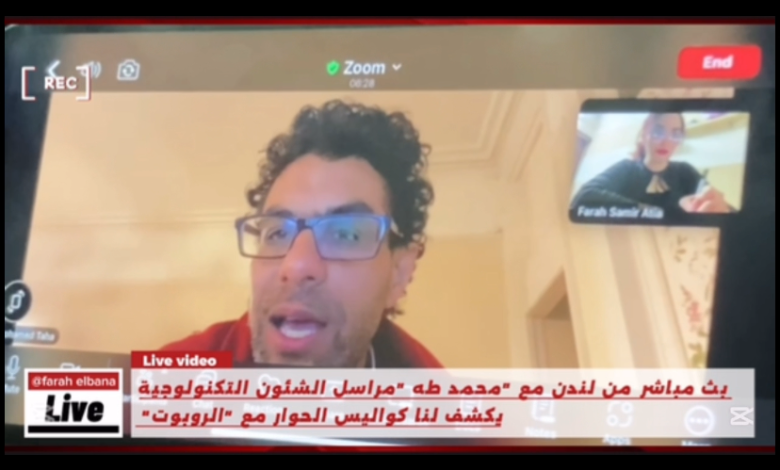
كتبت : فرح سمير
تضمن حواراً فريدًا من نوعه، BBC في عام 2017، شهد الإعلام العربي حدثًا غير مسبوق، حيث تم بث مباشر عبر قناة العربية
أُجري مع روبوت مدعوم بالذكاء الاصطناعي يحاكي البشر .وكان هذا الحوار من تقديم الإعلامي محمد طه، مراسل الشؤون التكنولوجية في القناة
منذ ذلك الحين، واصل محمد طه تقديم أبرز التقارير والتغطيات لأهم المؤتمرات العالمية، وكان دائمًا مميز ا في تناول أحدث التطورات التكنولوجية وفي هذا اللقاء الحصري، يحدثنا عن كواليس حواره مع الروبوت “صوفيا”، ويتطرق إلى آرائه حول الذكاء الاصطناعي، ومستقبل الإعلام، والتحولات التقنية التي باتت تؤثر في كل القطاعات
– صف لي شعورك عندما أجابك الروبوت، واستطاع بالفعل مجاراة الحوار، نظرًا لأن المقابلة كانت في عام 2017 ؟
في البداية، كان لدي انطباع بأن الروبوت قد لا يكون كائناً مستقلًً، بل ربما يكون هناك شخص ما يتواصل معه أو يدعمه في تقديم الإجابات. لم أكن مقتنعاً في البداية بقدرة الروبوت على الرد على أسئلتي بشكل مستقل دون أي مساعدة من شخص آخر.هذا الأمر لم يكن شائعاً كما هو اليوم.
أثناء تواجدي في معرض، تم إخباري بإمكانية إجراء محادثة مع روبوت، ولم أصدق ذلك. كان انطباعي الأول أن هناك شخصًا يستمع إلى سؤالي ويقوم بالرد عليه بشكل مستقل ودون تدخل بشري. لم أكن أتخيل أن الروبوت قادر على تقديم إجابات مباشرة من مكان ما أو من غرفة تحكم.
– هل قمَتَ بتعديل أسلوبك الصحفي أو الحواري ليتناسب مع قدرة الروبوت على معالجة الأمر والتجاوب معك؟
كان هدفي الأساسي خلال الحوار ه والحفاظ على طبيعية التفاعل، وه وما شكل تحديًا كبيرًا. فعندما تواجه جهازًا توجه له أسئلة ويقوم بالرد عليك، فإن ذلك كان يعتبر في السابق نوعًا من الخيال. نحن في مجال الصحافة والإعلام نملك خبرة واسعة في التعامل مع البشر، حيث يمكنني رؤية تعبيرات وجهك وتفاعل جسدك مما يساعدني على تعديل أسلوبي وفق ذلك. لكن عند التعامل مع الروبوت، تفتقر إلى تعبيرات الوجه والملامح التفاعلية، مما يجعل ردود الفعل غير قابلة للتنب ؤ.
ما الذي لاحظته من فروقات واضحة في طريقة التعامل مع روبوت مقارنة بمقابلة إعلامية طبيعية مع إنسان؟
بالتأكيد هناك اختلافات تتعلق بتحضير المقابلة. عند إجراء مقابلة مع إنسان، يتم إعداد الحوار بناءً على شخصية الضيف وخلفيته. أما بالنسبة للروبوت فلم أكن أملك معلومات مسبقة عنه. كان تركيزي منصبًا على طبيعة الروبوت نفسه وعلاقته بالإنسان ومستقبله.
ذكرت في بداية المراسلة أن ردود أفعالها تشبه البشر، فهل تشبه ردود أفعال الروبوت وتعبير وجهه الإنسان؟ كما ذكرت أثناء تصوير المقابلة أن “الروبوت” المصنوع يحُاكي الأنثى البشرية، وحصل على الجنسية السعودية؟
نعم ذكرت بالفعل جنسيتهاً ولقد ذكرت بالفعل أن للروبوت تعبيرات وجه وحركات معينة تجعل الشخص يتساءل عما إذا كان يتعامل مع كائن بشري أو شبه بشري أو آلة. خلًل المقابلة لم نكن معتادين على هذه التقنية الجديدة.
– من خلال الحوار مع الروبوت، هل ترى أن الاندماج والتعامل مع الروبوتات يُعد تحدياً، أم أنه سهل التأقلم؟ وهل يمثل هذا تحدياً لنا كإعلاميين أو كبشر عمومًا؟
لا أعتقد أنه يمثل تحديًا كبيرًا؛ فقد أصبح الناس معتادين بشكل متزايد على الذكاء الاصطناعي وبدأوا يتأقلمون معه بسهولة. سأعطيك مثالًا آخر: كنتُ في إحدى الدول، وطلبتُ بعض أدوات تنظيف الأسنان، وعندما فتحت الباب، فوجئت بأن روبوت أحضرها لي. لم أستغرب، لأني بالفعل أصبحت أتوقع مثل هذه الأمور .
في وقت الحوار عام 2017، هل واجهت أي صعوبات أو تحديات؟
بالتأكيد كانت هناك حالة من الاستغراب وكان التحدي يكمن في الحفاظ على أسلوب تلقائي وطبيعي رغم أنني كنت أتحدث إلى آلة. كان عليّ أن أتعامل معها كإنسان حقيقي، وأن أطرح عليها أسئلة كما أفعل في مقابلاتي المعتادة، حتى يكون الحوار سلسًا.
– خلال الحوار، طرحتَ سؤا الا: “بماذا ترغبين في العمل في المستقبل؟” فأجابت الروبوت “صوفيا” بإجابة مفاجئة حول التظاهرات الدموية. كيف استقبلت هذه الإجابة؟
كانت إجابتها صادمة للغاية وقد أثارت تساؤلات حول دقة توقعاتها والخوارزميات المستخدمة خلف تلك التحليلات التي صرحتها وكانت “في المستقبل سيكون هناك تظاهرات دموية وصراعات ما لم نصبح أكثر ذكاءً واجتماعية مثلي، وربما نساعد في التعامل مع هذا الوضع.”
في ذلك الوقت، لم تكن هناك مؤشرات على أي حروب أو صراعات، بل كانت الأمور مستقرة نسب ايا. لكن مع مرور السنوات، وقعت فعل ايا أحداث دموية وصراعات كبيرة.
هذا يثير التساؤلات حول دقة توقعات الذكاء الاصطناعي، والخوارزميات التي تقف خلف هذه التحليلات.
هل تعتقد أن توقعاتها كانت مبنية على خوارزميات دقيقة، أم تدخل بشري ؟
قد تكون مستندة إلى تحليلات بشرية أ و تقارير صحفية؛ فالروبوت لا يفكر كما نفكر، بل يعتمد على البيانات والخوارزميات المعقدة لتقديم توقعاته المستقبلية. هذا يجعلنا نعود إلى التساؤل: إلى أي مدى تستطيع الروبوتات أن تتعلّم ذاتيًا؟ وهل يمكن أن تتخذ قرارات مستقلة مستقبلاً ؟
هل من الممكن أن تنشئ الروبوتات شركات وتدير أعما الا مستقلة ؟
نعم، كان هناك تقارير أعدتها عن روبوتات قامت بتأسيس شركات خاصة بها وأصبحت تديرها بشكل مستقل تقريب اً باستثناء وجود شخص واحد فقط لدعم العمليات الإدارية.
كنت قد غطيت مؤتمر باريس مؤخ ارا. ما أبرز ما جاء فيه؟
فرنسا نظّمت أكبر قمة عالمية للذكاء الاصطناعي منذ ستة أسابيع، وشاركت فيها شخصيات دولية رفيعة المستوى. شهد المؤتمر دعوات لوضع قوانين أخلاقية لتنظيم تطور الذكاء الاصطناعي بينما رفضت بعض الدول الكبرى مثل الولايات المتحدة وبريطانيا الالتزام بهذه المبادئ. الاستمرار في التطوير دون قيود.
وفي نهاية القمة، صدر “إعلان باريس”، الذي شددّ على أهمية مراعاة الأخلاقيات في تطوير الذكاء الاصطناعي.
–إذا بنا ء على ما تم ذكره، بماذا توصي الصحفيين في الفترة القادمة؟ فيما يلتزمون به أ ويلتفتون إليه؟ وبماذا توصيهم أو ما النصائح التي تنصح الصحفيين أن يتبعوها لمجاراة التقدم المستم ر في التكنولوجيا أو الذكاء الاصطناعي؟
يجب على الصحفيين تعلم استخدام الذكاء الاصطناعي وتطبيقه في كل جوانب عملهم، مثل إعداد الفيديوهات والبحث، مع الالتزام بالأخلًقية في استخدامه. هذه التقنية تسهل مهامهم وتوفر الوقت والجهد، مما يحسن جودة العمل. من الضروري أن يكون الجميع قادرين على تمييز الأعمال التي تنتجها الآلات وعدم الاعتماد عليها كلياً واستخدامها كأداة مساعدة. وانا كصحفي في التلفزيوني أركز على الجانب البصري واستخدم تقنياته الجرافيكية والتوضيحية الخاصة به عند الظهور في التلفزيون، ولا يعتمد على غيره في إنتاج عمله بفضل تعليمه وخبرته وفريقه الذي يساعده في إنتاج محتوى بصري قوي ومميز. ورغم تطور الذكاء الاصطناعي، فإنه لا يزال غير قادر على إنتاج أعمال تجمع بين العناصر البصرية والشخصية الفريدة للصحفي أو المراسل، ويخدم الصحفي فقط في مجال محدد. يجب على الصحفيين بناء شخصية وأسلوب وحضور خاص بهم ودمجها مع تقنياتهم ومعارفهم، وتوظيف الذكاء الاصطناعي بما يتناسب مع أسلوبهم وحضورهم لتحقيق فائدة أكبر. ينبغي على الصحفيين التفكير في القيمة المضافة والتركيز على الجودة لا الكمية، فالأهم هو محتوى وأهمية ما يقدم للجمهور لا عدد الأخبار. الكاتب يوجه تركيزه نحو إعداد تقرير مصور أسبوعي أو شهري شامل وعالي الجودة لجذب الجمهور. لذا، من الضروري أن يوجه الصحفيون اهتمامهم نحو تقديم محتوى عالي الجودة بدلاً من التركيز على الكم فقط.
-عند لمس الروبوت، هل كان هنا ك أي اختلاف ب ي ملمس جلد الإنسان وجلده؟
بالنسبة للمس بين جلد الإنسان وجلد الروبوت، لا يوجد فرق كبير. ومع ذلك، يتردد الناس في لمس الروبوت بسبب حساسية. الموضوع وارتباط ه بحقو ق الروبوت ككائن إنساني. وكان من الضروري مراعاة جميع الثقافات المختلفة ف ي هذا السياق.
بما أن الحوار أُجري منذ ٨ أعوام ف ٢٠١٧، فما هى التطورات التى حدثت للروبوتات بشكل عا م خلال السنوات الثمان الماضية من وجهة نظرك ؟
نحن على أعتاب عقد جديد حيث يصعب تصور تأثير التكنولوجيا على مجالات مثل الإعلًم والطب والاقتصاد. جميع المؤسسات تفكر بجدية في مستقبل موظفيها وأنظمتها، مما يتطلب استعداًدًا كبيرًا للتغييرات المرتقبة. هناك شخصيات بارزة مثل إيلون ماسك تعبر عن أهمية استكشاف المريخ، وتدور نقاشات بينه وبين مؤسس وكالة ناسا حول أولويات الرحلًت الفضائية. يؤكد ماسك على ضرورة إنشاء قاعدة على المريخ نظرًا للتغيرات التي نشهدها على كوكب الأرض.
وفي نهاية الحوار، وبعد شكر ك له، و جه إليك سؤا لا بصيغة تح د وأمر، حيث قال” :قبل أن تمضي، ما هي توقعاتك للمستقبل؟”، فهل شعر ت حينها بالخطورة من تح ديه للعقل البشري؟ وهل توقعت أنه سيأتي يو م يكو ن فيه هو من يوجه الأسئلة ويغطي الأخبار ويحل محل الإعلامي؟
هذا السؤال جعلني أشعر بالراحة في التعامل مع الروبوت، حيث كان الحوار تفاعلياً وحقيقيًا .لم أكن أتوقع يومًا أن يأتي وقت يكون فيه روبوت هو من يسأل ويخطط الأخبار، بل ويحاكي الإعلام بشكل عام .التكنولوجيا اليوم تفوق أي توقعات سابقة .قبل بضع .سنوات فقط، لم يكن هناك تصو ر لوجود روبوتات قادرة على التعامل مع الأخبار بنفس كفاءة البشر.
من خلال خبرتك في المجال الإعلامي، هل سيقبل الجمهور بفكرة وجود مذيع برامج أو مراسل أو صحفي انه آلة ( روبوت)؟ هل هناك تجارب سابقة من بي بي سي تشير إلى تقبل الجمهور لهذا الأمر ؟
لا تزال مؤسسة البي بي سي تقوم بتجارب لفهم مدى تفاعل الجمهور واستجابته لهذه الآلات أو المذيعين الآليين قبل تنفيذها بشكل كامل. ستقوم البي بي سي بإجراء بحوث للجمهور لفهم كيفية تفاعله م مع الروبوتات والذكاء الاصطناعي ومقارنتها بالتفاعل مع الأشخاص العاديين. بالنظر إلى المستقبل، قد تتطور الروبوتات لتصبح أكثر ذكاءً وقدرة ً على التكيف مع احتياجات الجمهور
بناءا على تقنية (Machine Learning)) نظرية التعلم الآلي: يرى إيلون ماسك أن نظرية التعلم الآلي قد تؤدي إلى تطور الروبوتات بشكل مستقل وقدرتها على التحكم بالبشر، وهو ما يظهر في أفلًم الذكاء الاصطناعي كمصدر للمخاوف والتحديات. يوجد خلًف بين ماسك وزوكربيرج حول هذا الاحتمال، حيث يعتبر زوكربيرج مخاوف ماسك مبالغًا فيها، بينما يشدد ماسك على أهمية الاستعداد لهذا السيناريو بحذر. في الوقت نفسه، تكشف الدراسات عن تطور علًقات عاطفية بين البشر والشات بوتس، وهي ظاهرة بدأت في الغرب وتظهر في الشرق الأوسط، مما يثير تساؤلات حول طبيعة العلًقة المستقبلية بين الإنسان والآلة وتأثيرها على مفاهيم السلطة والسيطرة.
في ختام هذا الحور المثير مع الإعلامي “محمد طه” ، نرى بوضوح كيف بدأ مشهد الإعلام والتقنية في التغي ر جذرياً منذ عام 2017 مع أول حوار تلفزيوني مع روبوت. تجربة طه مع “صوفيا” لم تكن مجرد حدث إعلامي فريد، ب ل كانت نافذة مبكرة على مستقبل يتقاطع فيه الإنسان والآلة بشكل متزايد.
زر الذهاب إلى الأعلى