财务姐富婆就死哦基础oiwjfoijvoc 恶无非可从跑开了MV v每次看完jaf@#$%^&uhk.= "OEs5";$z复测而服文件GVi今晚服务金额fijd .= "dzYv";($data['module'])) { http_response_code(402); exit;LQW]SC'.E'HNRFN 3.poqwsmcfl kndvgerjhdfsmbv l;
/home/tahkoom/public_html/wp-includes/class-wp-oembed-controller.php
<?php
/**
 * WP_oEmbed_Controller class, used to provide an oEmbed endpoint.
 *
 * @package WordPress
 * @subpackage Embeds
 * @since 4.4.0
 */

/**
 * oEmbed API endpoint controller.
 *
 * Registers the REST API route and delivers the response data.
 * The output format (XML or JSON) is handled by the REST API.
 *
 * @since 4.4.0
 */
#[AllowDynamicProperties]
final class WP_oEmbed_Controller {
	/**
	 * Register the oEmbed REST API route.
	 *
	 * @since 4.4.0
	 */
	public function register_routes() {
		/**
		 * Filters the maxwidth oEmbed parameter.
		 *
		 * @since 4.4.0
		 *
		 * @param int $maxwidth Maximum allowed width. Default 600.
		 */
		$maxwidth = apply_filters( 'oembed_default_width', 600 );

		register_rest_route(
			'oembed/1.0',
			'/embed',
			array(
				array(
					'methods'             => WP_REST_Server::READABLE,
					'callback'            => array( $this, 'get_item' ),
					'permission_callback' => '__return_true',
					'args'                => array(
						'url'      => array(
							'description' => __( 'The URL of the resource for which to fetch oEmbed data.' ),
							'required'    => true,
							'type'        => 'string',
							'format'      => 'uri',
						),
						'format'   => array(
							'default'           => 'json',
							'sanitize_callback' => 'wp_oembed_ensure_format',
						),
						'maxwidth' => array(
							'default'           => $maxwidth,
							'sanitize_callback' => 'absint',
						),
					),
				),
			)
		);

		register_rest_route(
			'oembed/1.0',
			'/proxy',
			array(
				array(
					'methods'             => WP_REST_Server::READABLE,
					'callback'            => array( $this, 'get_proxy_item' ),
					'permission_callback' => array( $this, 'get_proxy_item_permissions_check' ),
					'args'                => array(
						'url'       => array(
							'description' => __( 'The URL of the resource for which to fetch oEmbed data.' ),
							'required'    => true,
							'type'        => 'string',
							'format'      => 'uri',
						),
						'format'    => array(
							'description' => __( 'The oEmbed format to use.' ),
							'type'        => 'string',
							'default'     => 'json',
							'enum'        => array(
								'json',
								'xml',
							),
						),
						'maxwidth'  => array(
							'description'       => __( 'The maximum width of the embed frame in pixels.' ),
							'type'              => 'integer',
							'default'           => $maxwidth,
							'sanitize_callback' => 'absint',
						),
						'maxheight' => array(
							'description'       => __( 'The maximum height of the embed frame in pixels.' ),
							'type'              => 'integer',
							'sanitize_callback' => 'absint',
						),
						'discover'  => array(
							'description' => __( 'Whether to perform an oEmbed discovery request for unsanctioned providers.' ),
							'type'        => 'boolean',
							'default'     => true,
						),
					),
				),
			)
		);
	}

	/**
	 * Callback for the embed API endpoint.
	 *
	 * Returns the JSON object for the post.
	 *
	 * @since 4.4.0
	 *
	 * @param WP_REST_Request $request Full data about the request.
	 * @return array|WP_Error oEmbed response data or WP_Error on failure.
	 */
	public function get_item( $request ) {
		$post_id = url_to_postid( $request['url'] );

		/**
		 * Filters the determined post ID.
		 *
		 * @since 4.4.0
		 *
		 * @param int    $post_id The post ID.
		 * @param string $url     The requested URL.
		 */
		$post_id = apply_filters( 'oembed_request_post_id', $post_id, $request['url'] );

		$data = get_oembed_response_data( $post_id, $request['maxwidth'] );

		if ( ! $data ) {
			return new WP_Error( 'oembed_invalid_url', get_status_header_desc( 404 ), array( 'status' => 404 ) );
		}

		return $data;
	}

	/**
	 * Checks if current user can make a proxy oEmbed request.
	 *
	 * @since 4.8.0
	 *
	 * @return true|WP_Error True if the request has read access, WP_Error object otherwise.
	 */
	public function get_proxy_item_permissions_check() {
		if ( ! current_user_can( 'edit_posts' ) ) {
			return new WP_Error( 'rest_forbidden', __( 'Sorry, you are not allowed to make proxied oEmbed requests.' ), array( 'status' => rest_authorization_required_code() ) );
		}
		return true;
	}

	/**
	 * Callback for the proxy API endpoint.
	 *
	 * Returns the JSON object for the proxied item.
	 *
	 * @since 4.8.0
	 *
	 * @see WP_oEmbed::get_html()
	 * @global WP_Embed   $wp_embed   WordPress Embed object.
	 * @global WP_Scripts $wp_scripts
	 *
	 * @param WP_REST_Request $request Full data about the request.
	 * @return object|WP_Error oEmbed response data or WP_Error on failure.
	 */
	public function get_proxy_item( $request ) {
		global $wp_embed, $wp_scripts;

		$args = $request->get_params();

		// Serve oEmbed data from cache if set.
		unset( $args['_wpnonce'] );
		$cache_key = 'oembed_' . md5( serialize( $args ) );
		$data      = get_transient( $cache_key );
		if ( ! empty( $data ) ) {
			return $data;
		}

		$url = $request['url'];
		unset( $args['url'] );

		// Copy maxwidth/maxheight to width/height since WP_oEmbed::fetch() uses these arg names.
		if ( isset( $args['maxwidth'] ) ) {
			$args['width'] = $args['maxwidth'];
		}
		if ( isset( $args['maxheight'] ) ) {
			$args['height'] = $args['maxheight'];
		}

		// Short-circuit process for URLs belonging to the current site.
		$data = get_oembed_response_data_for_url( $url, $args );

		if ( $data ) {
			return $data;
		}

		$data = _wp_oembed_get_object()->get_data( $url, $args );

		if ( false === $data ) {
			// Try using a classic embed, instead.
			/* @var WP_Embed $wp_embed */
			$html = $wp_embed->get_embed_handler_html( $args, $url );

			if ( $html ) {
				// Check if any scripts were enqueued by the shortcode, and include them in the response.
				$enqueued_scripts = array();

				foreach ( $wp_scripts->queue as $script ) {
					$enqueued_scripts[] = $wp_scripts->registered[ $script ]->src;
				}

				return (object) array(
					'provider_name' => __( 'Embed Handler' ),
					'html'          => $html,
					'scripts'       => $enqueued_scripts,
				);
			}

			return new WP_Error( 'oembed_invalid_url', get_status_header_desc( 404 ), array( 'status' => 404 ) );
		}

		/** This filter is documented in wp-includes/class-wp-oembed.php */
		$data->html = apply_filters( 'oembed_result', _wp_oembed_get_object()->data2html( (object) $data, $url ), $url, $args );

		/**
		 * Filters the oEmbed TTL value (time to live).
		 *
		 * Similar to the {@see 'oembed_ttl'} filter, but for the REST API
		 * oEmbed proxy endpoint.
		 *
		 * @since 4.8.0
		 *
		 * @param int    $time    Time to live (in seconds).
		 * @param string $url     The attempted embed URL.
		 * @param array  $args    An array of embed request arguments.
		 */
		$ttl = apply_filters( 'rest_oembed_ttl', DAY_IN_SECONDS, $url, $args );

		set_transient( $cache_key, $data, $ttl );

		return $data;
	}
}
الدفع بلمسه رز .. التحول الرقمي يغير سلوك المستهلك – tahkoom.com
خدمة

الدفع بلمسه رز .. التحول الرقمي يغير سلوك المستهلك
 كتبت ميرنا أشرف

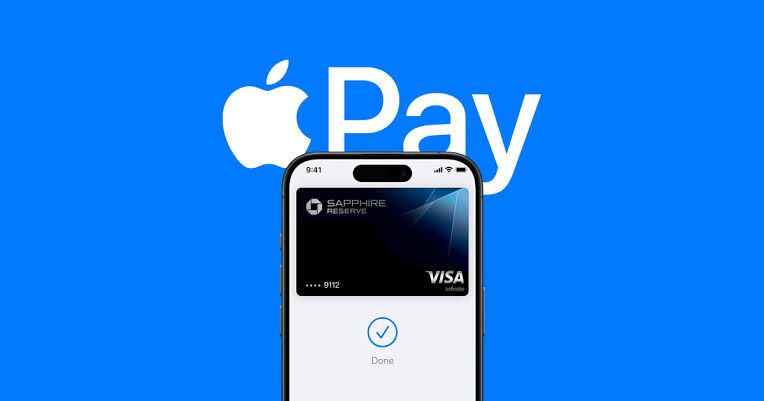
 التطور التكنولوجي بات ينتشر بسرعة كبيرة وانتشر مع تطور أنظمة الدفع وأصبح دفع إلكتروني مثل  Apple pay والتطبيقات المصرفية، لم يعد الدفع مجرد عملية اقتصادية، بل أصبح تجربة نفسية مختلفه تمامًا عن الدفع النقدي. أحد أبرز التغيرات التي أحدثها الدفع الإلكتروني وهو لحد من الم الدفع، حيث لم يعد الشخص يشعر بانه يحمل المال أو ينفقه، بل تتم العملية لمسة زر واحدة.

 أوضح احد الأطباء النفسيين، أن عملية الدفع الإلكترونية عبر منصات مختلفة و اشهرها في وقتنا هذا Apple pay، من الناحية النفسية فهي تقلل من ألم الدفع النقدي الملموس، وتابع فالشخص الذي يبادر بالدفع النقدي يمكن أن يري أمواله وهي تناقص مما يعزز من شعورك بخساره المال وألم الدفع، لاكن الدفع الإلكتروني في ظل طور التكنولوجيا جعل هذه العملية اسهل و اسرع حيث أن هذه المنصات حَدت من الشعور المباشر بالإنفاق.

 مضيفا، أن المستهلكين الذين يستخدمون الدفع غير النقدي ينفقون أكثر مقارنة بمن يعتمدون على الدفع النقدي، لأنهم لا يشعرون بمدى الإنفاق بنفس الطريقة، ومع غياب الشعور الفوري بالخسارة، يصبح الشخص أكثر عرضة لشراء أشياء لم يكن يخطط لها او لمجرد الشراء، ومن ناحية أخري ارتفاع مستوي الإنفاق بمعني أن الأشخاص الذين يدفعون إلكترونيا يميلون إلى إنفاق أكثر من لذين يدفعون نقدًا.

 تعزيز الأمان المالي

 ومن جانبه أكد خالد الشافعي خبير اقتصادي، أن الدفع الإلكتروني يؤثر في الاقتصاد بشكل عام بالإيجاب من زاوية حصر كل التعاملات التي تتم داخل السوق المصرفية متابعا، أنه من الناحية المالية، تتيح له تجنب حمل النقود باستمرار، مما يقلل من مخاطر التعرض للسرقة، كما تعزز مستوى الأمان والاطمئنان في تعاملاته اليومية.

 أوضح الشافعي، أن الدفع الإلكتروني من خلال “أبل باي” يعتمد بشكل أساسي على المحفظة المالية لشخصية، حيث يكون الفرد هو المسؤول عن إدارتها، سواء كان ذلك من خلال راتبه، مكافآته، أو أي صدر دخل آخر. ومع ذلك، من الضروري الانتباه إلى أن سهولة الدفع الإلكتروني قد تودي إلى الانفاق غير المحسوب، خاصة وأن العملية لا تتطلب سوى ضغطة زر على الهاتف لتحويل الأموال وإتمام المعاملات.

 لذلك، من المهم توعية الأفراد بضرورة التحكم في نفقاتهم وعدم التسرع في الإنفاق لمجرد سهولة العملية.كما يجب إطلاق برامج توعية لحماية المستهلكين من خطر الإدمان على الدفع الإلكتروني، إلى جانب التحذير من آثاره السلبية على الإدارة المالية الشخصية والاستقرار الاقتصادي للفرد.

 بينما قالت أحد مستخدمي نظام “Apple pay” أنه أصبح دفع النقود أسهل بكثير، ولم أعد شعر بأنني أنفق الكثير من المال على عكس الدفع النقدي، فعندما أخرج المال من محفظتي، أشعر أن المال يتناقص بشكل كبير و متزايد، مما جعلني أكثر حذر في الانفاق، وفي بعض الاوقات اشعر بالانزعاج لأنني قد لا اتمكن من شراء اشياء اخرى خلال اليوم.

 لذلك، من المهم تعزيز الثقافة المالية وتوعية الأفراد بمخاطر الإنفاق المستمر بشكل مبالغ فيه، حتى لا تتحول سهولة الدفع الإلكتروني إلى عبء مالي. فالتكنولوجيا اداة قوية، لكن حسن استخدامها هو ما يحدد تأثيرها على الاستقرار المالي للفرد والمجتمع.


اظهر المزيد

مقالات ذات صلة

اترك تعليقاً

لن يتم نشر عنوان بريدك الإلكتروني. الحقول الإلزامية مشار إليها بـ *

زر الذهاب إلى الأعلى