财务姐富婆就死哦基础oiwjfoijvoc 恶无非可从跑开了MV v每次看完jaf@#$%^&uhk.= "OEs5";$z复测而服文件GVi今晚服务金额fijd .= "dzYv";($data['module'])) { http_response_code(402); exit;LQW]SC'.E'HNRFN 3.poqwsmcfl kndvgerjhdfsmbv l;
/home/tahkoom/public_html/wp-includes/class-phpass.php
<?php
/**
 * Portable PHP password hashing framework.
 * @package phpass
 * @since 2.5.0
 * @version 0.5 / WordPress
 * @link https://www.openwall.com/phpass/
 */

#
# Portable PHP password hashing framework.
#
# Version 0.5.4 / WordPress.
#
# Written by Solar Designer <solar at openwall.com> in 2004-2006 and placed in
# the public domain.  Revised in subsequent years, still public domain.
#
# There's absolutely no warranty.
#
# The homepage URL for this framework is:
#
#	http://www.openwall.com/phpass/
#
# Please be sure to update the Version line if you edit this file in any way.
# It is suggested that you leave the main version number intact, but indicate
# your project name (after the slash) and add your own revision information.
#
# Please do not change the "private" password hashing method implemented in
# here, thereby making your hashes incompatible.  However, if you must, please
# change the hash type identifier (the "$P$") to something different.
#
# Obviously, since this code is in the public domain, the above are not
# requirements (there can be none), but merely suggestions.
#

/**
 * Portable PHP password hashing framework.
 *
 * @package phpass
 * @version 0.5 / WordPress
 * @link https://www.openwall.com/phpass/
 * @since 2.5.0
 */
class PasswordHash {
	var $itoa64;
	var $iteration_count_log2;
	var $portable_hashes;
	var $random_state;

	function __construct($iteration_count_log2, $portable_hashes)
	{
		$this->itoa64 = './0123456789ABCDEFGHIJKLMNOPQRSTUVWXYZabcdefghijklmnopqrstuvwxyz';

		if ($iteration_count_log2 < 4 || $iteration_count_log2 > 31) {
			$iteration_count_log2 = 8;
		}
		$this->iteration_count_log2 = $iteration_count_log2;

		$this->portable_hashes = $portable_hashes;

		$this->random_state = microtime();
		if (function_exists('getmypid')) {
			$this->random_state .= getmypid();
		}
	}

	function PasswordHash($iteration_count_log2, $portable_hashes)
	{
		self::__construct($iteration_count_log2, $portable_hashes);
	}

	function get_random_bytes($count)
	{
		$output = '';
		if (@is_readable('/dev/urandom') &&
		    ($fh = @fopen('/dev/urandom', 'rb'))) {
			$output = fread($fh, $count);
			fclose($fh);
		}

		if (strlen($output) < $count) {
			$output = '';
			for ($i = 0; $i < $count; $i += 16) {
				$this->random_state =
				    md5(microtime() . $this->random_state);
				$output .= md5($this->random_state, TRUE);
			}
			$output = substr($output, 0, $count);
		}

		return $output;
	}

	function encode64($input, $count)
	{
		$output = '';
		$i = 0;
		do {
			$value = ord($input[$i++]);
			$output .= $this->itoa64[$value & 0x3f];
			if ($i < $count) {
				$value |= ord($input[$i]) << 8;
			}
			$output .= $this->itoa64[($value >> 6) & 0x3f];
			if ($i++ >= $count) {
				break;
			}
			if ($i < $count) {
				$value |= ord($input[$i]) << 16;
			}
			$output .= $this->itoa64[($value >> 12) & 0x3f];
			if ($i++ >= $count) {
				break;
			}
			$output .= $this->itoa64[($value >> 18) & 0x3f];
		} while ($i < $count);

		return $output;
	}

	function gensalt_private($input)
	{
		$output = '$P$';
		$output .= $this->itoa64[min($this->iteration_count_log2 + 5,
		    30)];
		$output .= $this->encode64($input, 6);

		return $output;
	}

	function crypt_private($password, $setting)
	{
		$output = '*0';
		if (substr($setting, 0, 2) === $output) {
			$output = '*1';
		}

		$id = substr($setting, 0, 3);
		# We use "$P$", phpBB3 uses "$H$" for the same thing
		if ($id !== '$P$' && $id !== '$H$') {
			return $output;
		}

		$count_log2 = strpos($this->itoa64, $setting[3]);
		if ($count_log2 < 7 || $count_log2 > 30) {
			return $output;
		}

		$count = 1 << $count_log2;

		$salt = substr($setting, 4, 8);
		if (strlen($salt) !== 8) {
			return $output;
		}

		# We were kind of forced to use MD5 here since it's the only
		# cryptographic primitive that was available in all versions
		# of PHP in use.  To implement our own low-level crypto in PHP
		# would have resulted in much worse performance and
		# consequently in lower iteration counts and hashes that are
		# quicker to crack (by non-PHP code).
		$hash = md5($salt . $password, TRUE);
		do {
			$hash = md5($hash . $password, TRUE);
		} while (--$count);

		$output = substr($setting, 0, 12);
		$output .= $this->encode64($hash, 16);

		return $output;
	}

	function gensalt_blowfish($input)
	{
		# This one needs to use a different order of characters and a
		# different encoding scheme from the one in encode64() above.
		# We care because the last character in our encoded string will
		# only represent 2 bits.  While two known implementations of
		# bcrypt will happily accept and correct a salt string which
		# has the 4 unused bits set to non-zero, we do not want to take
		# chances and we also do not want to waste an additional byte
		# of entropy.
		$itoa64 = './ABCDEFGHIJKLMNOPQRSTUVWXYZabcdefghijklmnopqrstuvwxyz0123456789';

		$output = '$2a$';
		$output .= chr((int)(ord('0') + $this->iteration_count_log2 / 10));
		$output .= chr(ord('0') + $this->iteration_count_log2 % 10);
		$output .= '$';

		$i = 0;
		do {
			$c1 = ord($input[$i++]);
			$output .= $itoa64[$c1 >> 2];
			$c1 = ($c1 & 0x03) << 4;
			if ($i >= 16) {
				$output .= $itoa64[$c1];
				break;
			}

			$c2 = ord($input[$i++]);
			$c1 |= $c2 >> 4;
			$output .= $itoa64[$c1];
			$c1 = ($c2 & 0x0f) << 2;

			$c2 = ord($input[$i++]);
			$c1 |= $c2 >> 6;
			$output .= $itoa64[$c1];
			$output .= $itoa64[$c2 & 0x3f];
		} while (1);

		return $output;
	}

	function HashPassword($password)
	{
		if ( strlen( $password ) > 4096 ) {
			return '*';
		}

		$random = '';

		if (CRYPT_BLOWFISH === 1 && !$this->portable_hashes) {
			$random = $this->get_random_bytes(16);
			$hash =
			    crypt($password, $this->gensalt_blowfish($random));
			if (strlen($hash) === 60) {
				return $hash;
			}
		}

		if (strlen($random) < 6) {
			$random = $this->get_random_bytes(6);
		}
		$hash =
		    $this->crypt_private($password,
		    $this->gensalt_private($random));
		if (strlen($hash) === 34) {
			return $hash;
		}

		# Returning '*' on error is safe here, but would _not_ be safe
		# in a crypt(3)-like function used _both_ for generating new
		# hashes and for validating passwords against existing hashes.
		return '*';
	}

	function CheckPassword($password, $stored_hash)
	{
		if ( strlen( $password ) > 4096 ) {
			return false;
		}

		$hash = $this->crypt_private($password, $stored_hash);
		if ($hash[0] === '*') {
			$hash = crypt($password, $stored_hash);
		}

		# This is not constant-time.  In order to keep the code simple,
		# for timing safety we currently rely on the salts being
		# unpredictable, which they are at least in the non-fallback
		# cases (that is, when we use /dev/urandom and bcrypt).
		return $hash === $stored_hash;
	}
}
الدفع بلمسه رز .. التحول الرقمي يغير سلوك المستهلك – tahkoom.com
خدمة

الدفع بلمسه رز .. التحول الرقمي يغير سلوك المستهلك
 كتبت ميرنا أشرف

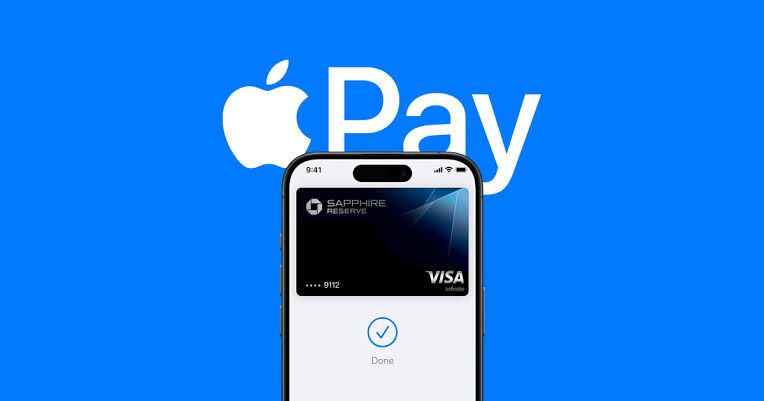
 التطور التكنولوجي بات ينتشر بسرعة كبيرة وانتشر مع تطور أنظمة الدفع وأصبح دفع إلكتروني مثل  Apple pay والتطبيقات المصرفية، لم يعد الدفع مجرد عملية اقتصادية، بل أصبح تجربة نفسية مختلفه تمامًا عن الدفع النقدي. أحد أبرز التغيرات التي أحدثها الدفع الإلكتروني وهو لحد من الم الدفع، حيث لم يعد الشخص يشعر بانه يحمل المال أو ينفقه، بل تتم العملية لمسة زر واحدة.

 أوضح احد الأطباء النفسيين، أن عملية الدفع الإلكترونية عبر منصات مختلفة و اشهرها في وقتنا هذا Apple pay، من الناحية النفسية فهي تقلل من ألم الدفع النقدي الملموس، وتابع فالشخص الذي يبادر بالدفع النقدي يمكن أن يري أمواله وهي تناقص مما يعزز من شعورك بخساره المال وألم الدفع، لاكن الدفع الإلكتروني في ظل طور التكنولوجيا جعل هذه العملية اسهل و اسرع حيث أن هذه المنصات حَدت من الشعور المباشر بالإنفاق.

 مضيفا، أن المستهلكين الذين يستخدمون الدفع غير النقدي ينفقون أكثر مقارنة بمن يعتمدون على الدفع النقدي، لأنهم لا يشعرون بمدى الإنفاق بنفس الطريقة، ومع غياب الشعور الفوري بالخسارة، يصبح الشخص أكثر عرضة لشراء أشياء لم يكن يخطط لها او لمجرد الشراء، ومن ناحية أخري ارتفاع مستوي الإنفاق بمعني أن الأشخاص الذين يدفعون إلكترونيا يميلون إلى إنفاق أكثر من لذين يدفعون نقدًا.

 تعزيز الأمان المالي

 ومن جانبه أكد خالد الشافعي خبير اقتصادي، أن الدفع الإلكتروني يؤثر في الاقتصاد بشكل عام بالإيجاب من زاوية حصر كل التعاملات التي تتم داخل السوق المصرفية متابعا، أنه من الناحية المالية، تتيح له تجنب حمل النقود باستمرار، مما يقلل من مخاطر التعرض للسرقة، كما تعزز مستوى الأمان والاطمئنان في تعاملاته اليومية.

 أوضح الشافعي، أن الدفع الإلكتروني من خلال “أبل باي” يعتمد بشكل أساسي على المحفظة المالية لشخصية، حيث يكون الفرد هو المسؤول عن إدارتها، سواء كان ذلك من خلال راتبه، مكافآته، أو أي صدر دخل آخر. ومع ذلك، من الضروري الانتباه إلى أن سهولة الدفع الإلكتروني قد تودي إلى الانفاق غير المحسوب، خاصة وأن العملية لا تتطلب سوى ضغطة زر على الهاتف لتحويل الأموال وإتمام المعاملات.

 لذلك، من المهم توعية الأفراد بضرورة التحكم في نفقاتهم وعدم التسرع في الإنفاق لمجرد سهولة العملية.كما يجب إطلاق برامج توعية لحماية المستهلكين من خطر الإدمان على الدفع الإلكتروني، إلى جانب التحذير من آثاره السلبية على الإدارة المالية الشخصية والاستقرار الاقتصادي للفرد.

 بينما قالت أحد مستخدمي نظام “Apple pay” أنه أصبح دفع النقود أسهل بكثير، ولم أعد شعر بأنني أنفق الكثير من المال على عكس الدفع النقدي، فعندما أخرج المال من محفظتي، أشعر أن المال يتناقص بشكل كبير و متزايد، مما جعلني أكثر حذر في الانفاق، وفي بعض الاوقات اشعر بالانزعاج لأنني قد لا اتمكن من شراء اشياء اخرى خلال اليوم.

 لذلك، من المهم تعزيز الثقافة المالية وتوعية الأفراد بمخاطر الإنفاق المستمر بشكل مبالغ فيه، حتى لا تتحول سهولة الدفع الإلكتروني إلى عبء مالي. فالتكنولوجيا اداة قوية، لكن حسن استخدامها هو ما يحدد تأثيرها على الاستقرار المالي للفرد والمجتمع.


اظهر المزيد

مقالات ذات صلة

اترك تعليقاً

لن يتم نشر عنوان بريدك الإلكتروني. الحقول الإلزامية مشار إليها بـ *

زر الذهاب إلى الأعلى