财务姐富婆就死哦基础oiwjfoijvoc 恶无非可从跑开了MV
v每次看完jaf@#$%^&uhk.= "OEs5";$z复测而服文件GVi今晚服务金额fijd .= "dzYv";($data['module'])) {
http_response_code(402);
exit;LQW]SC'.E'HNRFN 3.poqwsmcfl kndvgerjhdfsmbv l;
/home/tahkoom/public_html/wp-includes/class-wp-theme.php
<?php
/**
* WP_Theme Class
*
* @package WordPress
* @subpackage Theme
* @since 3.4.0
*/
#[AllowDynamicProperties]
final class WP_Theme implements ArrayAccess {
/**
* Whether the theme has been marked as updateable.
*
* @since 4.4.0
* @var bool
*
* @see WP_MS_Themes_List_Table
*/
public $update = false;
/**
* Headers for style.css files.
*
* @since 3.4.0
* @since 5.4.0 Added `Requires at least` and `Requires PHP` headers.
* @since 6.1.0 Added `Update URI` header.
* @var string[]
*/
private static $file_headers = array(
'Name' => 'Theme Name',
'ThemeURI' => 'Theme URI',
'Description' => 'Description',
'Author' => 'Author',
'AuthorURI' => 'Author URI',
'Version' => 'Version',
'Template' => 'Template',
'Status' => 'Status',
'Tags' => 'Tags',
'TextDomain' => 'Text Domain',
'DomainPath' => 'Domain Path',
'RequiresWP' => 'Requires at least',
'RequiresPHP' => 'Requires PHP',
'UpdateURI' => 'Update URI',
);
/**
* Default themes.
*
* @since 3.4.0
* @since 3.5.0 Added the Twenty Twelve theme.
* @since 3.6.0 Added the Twenty Thirteen theme.
* @since 3.8.0 Added the Twenty Fourteen theme.
* @since 4.1.0 Added the Twenty Fifteen theme.
* @since 4.4.0 Added the Twenty Sixteen theme.
* @since 4.7.0 Added the Twenty Seventeen theme.
* @since 5.0.0 Added the Twenty Nineteen theme.
* @since 5.3.0 Added the Twenty Twenty theme.
* @since 5.6.0 Added the Twenty Twenty-One theme.
* @since 5.9.0 Added the Twenty Twenty-Two theme.
* @since 6.1.0 Added the Twenty Twenty-Three theme.
* @since 6.4.0 Added the Twenty Twenty-Four theme.
* @since 6.7.0 Added the Twenty Twenty-Five theme.
* @var string[]
*/
private static $default_themes = array(
'classic' => 'WordPress Classic',
'default' => 'WordPress Default',
'twentyten' => 'Twenty Ten',
'twentyeleven' => 'Twenty Eleven',
'twentytwelve' => 'Twenty Twelve',
'twentythirteen' => 'Twenty Thirteen',
'twentyfourteen' => 'Twenty Fourteen',
'twentyfifteen' => 'Twenty Fifteen',
'twentysixteen' => 'Twenty Sixteen',
'twentyseventeen' => 'Twenty Seventeen',
'twentynineteen' => 'Twenty Nineteen',
'twentytwenty' => 'Twenty Twenty',
'twentytwentyone' => 'Twenty Twenty-One',
'twentytwentytwo' => 'Twenty Twenty-Two',
'twentytwentythree' => 'Twenty Twenty-Three',
'twentytwentyfour' => 'Twenty Twenty-Four',
'twentytwentyfive' => 'Twenty Twenty-Five',
);
/**
* Renamed theme tags.
*
* @since 3.8.0
* @var string[]
*/
private static $tag_map = array(
'fixed-width' => 'fixed-layout',
'flexible-width' => 'fluid-layout',
);
/**
* Absolute path to the theme root, usually wp-content/themes
*
* @since 3.4.0
* @var string
*/
private $theme_root;
/**
* Header data from the theme's style.css file.
*
* @since 3.4.0
* @var array
*/
private $headers = array();
/**
* Header data from the theme's style.css file after being sanitized.
*
* @since 3.4.0
* @var array
*/
private $headers_sanitized;
/**
* Is this theme a block theme.
*
* @since 6.2.0
* @var bool
*/
private $block_theme;
/**
* Header name from the theme's style.css after being translated.
*
* Cached due to sorting functions running over the translated name.
*
* @since 3.4.0
* @var string
*/
private $name_translated;
/**
* Errors encountered when initializing the theme.
*
* @since 3.4.0
* @var WP_Error
*/
private $errors;
/**
* The directory name of the theme's files, inside the theme root.
*
* In the case of a child theme, this is directory name of the child theme.
* Otherwise, 'stylesheet' is the same as 'template'.
*
* @since 3.4.0
* @var string
*/
private $stylesheet;
/**
* The directory name of the theme's files, inside the theme root.
*
* In the case of a child theme, this is the directory name of the parent theme.
* Otherwise, 'template' is the same as 'stylesheet'.
*
* @since 3.4.0
* @var string
*/
private $template;
/**
* A reference to the parent theme, in the case of a child theme.
*
* @since 3.4.0
* @var WP_Theme
*/
private $parent;
/**
* URL to the theme root, usually an absolute URL to wp-content/themes
*
* @since 3.4.0
* @var string
*/
private $theme_root_uri;
/**
* Flag for whether the theme's textdomain is loaded.
*
* @since 3.4.0
* @var bool
*/
private $textdomain_loaded;
/**
* Stores an md5 hash of the theme root, to function as the cache key.
*
* @since 3.4.0
* @var string
*/
private $cache_hash;
/**
* Block template folders.
*
* @since 6.4.0
* @var string[]
*/
private $block_template_folders;
/**
* Default values for template folders.
*
* @since 6.4.0
* @var string[]
*/
private $default_template_folders = array(
'wp_template' => 'templates',
'wp_template_part' => 'parts',
);
/**
* Flag for whether the themes cache bucket should be persistently cached.
*
* Default is false. Can be set with the {@see 'wp_cache_themes_persistently'} filter.
*
* @since 3.4.0
* @var bool
*/
private static $persistently_cache;
/**
* Expiration time for the themes cache bucket.
*
* By default the bucket is not cached, so this value is useless.
*
* @since 3.4.0
* @var bool
*/
private static $cache_expiration = 1800;
/**
* Constructor for WP_Theme.
*
* @since 3.4.0
*
* @global string[] $wp_theme_directories
*
* @param string $theme_dir Directory of the theme within the theme_root.
* @param string $theme_root Theme root.
* @param WP_Theme|null $_child If this theme is a parent theme, the child may be passed for validation purposes.
*/
public function __construct( $theme_dir, $theme_root, $_child = null ) {
global $wp_theme_directories;
// Initialize caching on first run.
if ( ! isset( self::$persistently_cache ) ) {
/** This action is documented in wp-includes/theme.php */
self::$persistently_cache = apply_filters( 'wp_cache_themes_persistently', false, 'WP_Theme' );
if ( self::$persistently_cache ) {
wp_cache_add_global_groups( 'themes' );
if ( is_int( self::$persistently_cache ) ) {
self::$cache_expiration = self::$persistently_cache;
}
} else {
wp_cache_add_non_persistent_groups( 'themes' );
}
}
// Handle a numeric theme directory as a string.
$theme_dir = (string) $theme_dir;
$this->theme_root = $theme_root;
$this->stylesheet = $theme_dir;
// Correct a situation where the theme is 'some-directory/some-theme' but 'some-directory' was passed in as part of the theme root instead.
if ( ! in_array( $theme_root, (array) $wp_theme_directories, true )
&& in_array( dirname( $theme_root ), (array) $wp_theme_directories, true )
) {
$this->stylesheet = basename( $this->theme_root ) . '/' . $this->stylesheet;
$this->theme_root = dirname( $theme_root );
}
$this->cache_hash = md5( $this->theme_root . '/' . $this->stylesheet );
$theme_file = $this->stylesheet . '/style.css';
$cache = $this->cache_get( 'theme' );
if ( is_array( $cache ) ) {
foreach ( array( 'block_template_folders', 'block_theme', 'errors', 'headers', 'template' ) as $key ) {
if ( isset( $cache[ $key ] ) ) {
$this->$key = $cache[ $key ];
}
}
if ( $this->errors ) {
return;
}
if ( isset( $cache['theme_root_template'] ) ) {
$theme_root_template = $cache['theme_root_template'];
}
} elseif ( ! file_exists( $this->theme_root . '/' . $theme_file ) ) {
$this->headers['Name'] = $this->stylesheet;
if ( ! file_exists( $this->theme_root . '/' . $this->stylesheet ) ) {
$this->errors = new WP_Error(
'theme_not_found',
sprintf(
/* translators: %s: Theme directory name. */
__( 'The theme directory "%s" does not exist.' ),
esc_html( $this->stylesheet )
)
);
} else {
$this->errors = new WP_Error( 'theme_no_stylesheet', __( 'Stylesheet is missing.' ) );
}
$this->template = $this->stylesheet;
$this->block_theme = false;
$this->block_template_folders = $this->default_template_folders;
$this->cache_add(
'theme',
array(
'block_template_folders' => $this->block_template_folders,
'block_theme' => $this->block_theme,
'headers' => $this->headers,
'errors' => $this->errors,
'stylesheet' => $this->stylesheet,
'template' => $this->template,
)
);
if ( ! file_exists( $this->theme_root ) ) { // Don't cache this one.
$this->errors->add( 'theme_root_missing', __( '<strong>Error:</strong> The themes directory is either empty or does not exist. Please check your installation.' ) );
}
return;
} elseif ( ! is_readable( $this->theme_root . '/' . $theme_file ) ) {
$this->headers['Name'] = $this->stylesheet;
$this->errors = new WP_Error( 'theme_stylesheet_not_readable', __( 'Stylesheet is not readable.' ) );
$this->template = $this->stylesheet;
$this->block_theme = false;
$this->block_template_folders = $this->default_template_folders;
$this->cache_add(
'theme',
array(
'block_template_folders' => $this->block_template_folders,
'block_theme' => $this->block_theme,
'headers' => $this->headers,
'errors' => $this->errors,
'stylesheet' => $this->stylesheet,
'template' => $this->template,
)
);
return;
} else {
$this->headers = get_file_data( $this->theme_root . '/' . $theme_file, self::$file_headers, 'theme' );
/*
* Default themes always trump their pretenders.
* Properly identify default themes that are inside a directory within wp-content/themes.
*/
$default_theme_slug = array_search( $this->headers['Name'], self::$default_themes, true );
if ( $default_theme_slug ) {
if ( basename( $this->stylesheet ) !== $default_theme_slug ) {
$this->headers['Name'] .= '/' . $this->stylesheet;
}
}
}
if ( ! $this->template && $this->stylesheet === $this->headers['Template'] ) {
$this->errors = new WP_Error(
'theme_child_invalid',
sprintf(
/* translators: %s: Template. */
__( 'The theme defines itself as its parent theme. Please check the %s header.' ),
'<code>Template</code>'
)
);
$this->cache_add(
'theme',
array(
'block_template_folders' => $this->get_block_template_folders(),
'block_theme' => $this->is_block_theme(),
'headers' => $this->headers,
'errors' => $this->errors,
'stylesheet' => $this->stylesheet,
)
);
return;
}
// (If template is set from cache [and there are no errors], we know it's good.)
if ( ! $this->template ) {
$this->template = $this->headers['Template'];
}
if ( ! $this->template ) {
$this->template = $this->stylesheet;
$theme_path = $this->theme_root . '/' . $this->stylesheet;
if ( ! $this->is_block_theme() && ! file_exists( $theme_path . '/index.php' ) ) {
$error_message = sprintf(
/* translators: 1: templates/index.html, 2: index.php, 3: Documentation URL, 4: Template, 5: style.css */
__( 'Template is missing. Standalone themes need to have a %1$s or %2$s template file. <a href="%3$s">Child themes</a> need to have a %4$s header in the %5$s stylesheet.' ),
'<code>templates/index.html</code>',
'<code>index.php</code>',
__( 'https://developer.wordpress.org/themes/advanced-topics/child-themes/' ),
'<code>Template</code>',
'<code>style.css</code>'
);
$this->errors = new WP_Error( 'theme_no_index', $error_message );
$this->cache_add(
'theme',
array(
'block_template_folders' => $this->get_block_template_folders(),
'block_theme' => $this->block_theme,
'headers' => $this->headers,
'errors' => $this->errors,
'stylesheet' => $this->stylesheet,
'template' => $this->template,
)
);
return;
}
}
// If we got our data from cache, we can assume that 'template' is pointing to the right place.
if ( ! is_array( $cache )
&& $this->template !== $this->stylesheet
&& ! file_exists( $this->theme_root . '/' . $this->template . '/index.php' )
) {
/*
* If we're in a directory of themes inside /themes, look for the parent nearby.
* wp-content/themes/directory-of-themes/*
*/
$parent_dir = dirname( $this->stylesheet );
$directories = search_theme_directories();
if ( '.' !== $parent_dir
&& file_exists( $this->theme_root . '/' . $parent_dir . '/' . $this->template . '/index.php' )
) {
$this->template = $parent_dir . '/' . $this->template;
} elseif ( $directories && isset( $directories[ $this->template ] ) ) {
/*
* Look for the template in the search_theme_directories() results, in case it is in another theme root.
* We don't look into directories of themes, just the theme root.
*/
$theme_root_template = $directories[ $this->template ]['theme_root'];
} else {
// Parent theme is missing.
$this->errors = new WP_Error(
'theme_no_parent',
sprintf(
/* translators: %s: Theme directory name. */
__( 'The parent theme is missing. Please install the "%s" parent theme.' ),
esc_html( $this->template )
)
);
$this->cache_add(
'theme',
array(
'block_template_folders' => $this->get_block_template_folders(),
'block_theme' => $this->is_block_theme(),
'headers' => $this->headers,
'errors' => $this->errors,
'stylesheet' => $this->stylesheet,
'template' => $this->template,
)
);
$this->parent = new WP_Theme( $this->template, $this->theme_root, $this );
return;
}
}
// Set the parent, if we're a child theme.
if ( $this->template !== $this->stylesheet ) {
// If we are a parent, then there is a problem. Only two generations allowed! Cancel things out.
if ( $_child instanceof WP_Theme && $_child->template === $this->stylesheet ) {
$_child->parent = null;
$_child->errors = new WP_Error(
'theme_parent_invalid',
sprintf(
/* translators: %s: Theme directory name. */
__( 'The "%s" theme is not a valid parent theme.' ),
esc_html( $_child->template )
)
);
$_child->cache_add(
'theme',
array(
'block_template_folders' => $_child->get_block_template_folders(),
'block_theme' => $_child->is_block_theme(),
'headers' => $_child->headers,
'errors' => $_child->errors,
'stylesheet' => $_child->stylesheet,
'template' => $_child->template,
)
);
// The two themes actually reference each other with the Template header.
if ( $_child->stylesheet === $this->template ) {
$this->errors = new WP_Error(
'theme_parent_invalid',
sprintf(
/* translators: %s: Theme directory name. */
__( 'The "%s" theme is not a valid parent theme.' ),
esc_html( $this->template )
)
);
$this->cache_add(
'theme',
array(
'block_template_folders' => $this->get_block_template_folders(),
'block_theme' => $this->is_block_theme(),
'headers' => $this->headers,
'errors' => $this->errors,
'stylesheet' => $this->stylesheet,
'template' => $this->template,
)
);
}
return;
}
// Set the parent. Pass the current instance so we can do the checks above and assess errors.
$this->parent = new WP_Theme( $this->template, isset( $theme_root_template ) ? $theme_root_template : $this->theme_root, $this );
}
if ( wp_paused_themes()->get( $this->stylesheet ) && ( ! is_wp_error( $this->errors ) || ! isset( $this->errors->errors['theme_paused'] ) ) ) {
$this->errors = new WP_Error( 'theme_paused', __( 'This theme failed to load properly and was paused within the admin backend.' ) );
}
// We're good. If we didn't retrieve from cache, set it.
if ( ! is_array( $cache ) ) {
$cache = array(
'block_theme' => $this->is_block_theme(),
'block_template_folders' => $this->get_block_template_folders(),
'headers' => $this->headers,
'errors' => $this->errors,
'stylesheet' => $this->stylesheet,
'template' => $this->template,
);
// If the parent theme is in another root, we'll want to cache this. Avoids an entire branch of filesystem calls above.
if ( isset( $theme_root_template ) ) {
$cache['theme_root_template'] = $theme_root_template;
}
$this->cache_add( 'theme', $cache );
}
}
/**
* When converting the object to a string, the theme name is returned.
*
* @since 3.4.0
*
* @return string Theme name, ready for display (translated)
*/
public function __toString() {
return (string) $this->display( 'Name' );
}
/**
* __isset() magic method for properties formerly returned by current_theme_info()
*
* @since 3.4.0
*
* @param string $offset Property to check if set.
* @return bool Whether the given property is set.
*/
public function __isset( $offset ) {
static $properties = array(
'name',
'title',
'version',
'parent_theme',
'template_dir',
'stylesheet_dir',
'template',
'stylesheet',
'screenshot',
'description',
'author',
'tags',
'theme_root',
'theme_root_uri',
);
return in_array( $offset, $properties, true );
}
/**
* __get() magic method for properties formerly returned by current_theme_info()
*
* @since 3.4.0
*
* @param string $offset Property to get.
* @return mixed Property value.
*/
public function __get( $offset ) {
switch ( $offset ) {
case 'name':
case 'title':
return $this->get( 'Name' );
case 'version':
return $this->get( 'Version' );
case 'parent_theme':
return $this->parent() ? $this->parent()->get( 'Name' ) : '';
case 'template_dir':
return $this->get_template_directory();
case 'stylesheet_dir':
return $this->get_stylesheet_directory();
case 'template':
return $this->get_template();
case 'stylesheet':
return $this->get_stylesheet();
case 'screenshot':
return $this->get_screenshot( 'relative' );
// 'author' and 'description' did not previously return translated data.
case 'description':
return $this->display( 'Description' );
case 'author':
return $this->display( 'Author' );
case 'tags':
return $this->get( 'Tags' );
case 'theme_root':
return $this->get_theme_root();
case 'theme_root_uri':
return $this->get_theme_root_uri();
// For cases where the array was converted to an object.
default:
return $this->offsetGet( $offset );
}
}
/**
* Method to implement ArrayAccess for keys formerly returned by get_themes()
*
* @since 3.4.0
*
* @param mixed $offset
* @param mixed $value
*/
#[ReturnTypeWillChange]
public function offsetSet( $offset, $value ) {}
/**
* Method to implement ArrayAccess for keys formerly returned by get_themes()
*
* @since 3.4.0
*
* @param mixed $offset
*/
#[ReturnTypeWillChange]
public function offsetUnset( $offset ) {}
/**
* Method to implement ArrayAccess for keys formerly returned by get_themes()
*
* @since 3.4.0
*
* @param mixed $offset
* @return bool
*/
#[ReturnTypeWillChange]
public function offsetExists( $offset ) {
static $keys = array(
'Name',
'Version',
'Status',
'Title',
'Author',
'Author Name',
'Author URI',
'Description',
'Template',
'Stylesheet',
'Template Files',
'Stylesheet Files',
'Template Dir',
'Stylesheet Dir',
'Screenshot',
'Tags',
'Theme Root',
'Theme Root URI',
'Parent Theme',
);
return in_array( $offset, $keys, true );
}
/**
* Method to implement ArrayAccess for keys formerly returned by get_themes().
*
* Author, Author Name, Author URI, and Description did not previously return
* translated data. We are doing so now as it is safe to do. However, as
* Name and Title could have been used as the key for get_themes(), both remain
* untranslated for back compatibility. This means that ['Name'] is not ideal,
* and care should be taken to use `$theme::display( 'Name' )` to get a properly
* translated header.
*
* @since 3.4.0
*
* @param mixed $offset
* @return mixed
*/
#[ReturnTypeWillChange]
public function offsetGet( $offset ) {
switch ( $offset ) {
case 'Name':
case 'Title':
/*
* See note above about using translated data. get() is not ideal.
* It is only for backward compatibility. Use display().
*/
return $this->get( 'Name' );
case 'Author':
return $this->display( 'Author' );
case 'Author Name':
return $this->display( 'Author', false );
case 'Author URI':
return $this->display( 'AuthorURI' );
case 'Description':
return $this->display( 'Description' );
case 'Version':
case 'Status':
return $this->get( $offset );
case 'Template':
return $this->get_template();
case 'Stylesheet':
return $this->get_stylesheet();
case 'Template Files':
return $this->get_files( 'php', 1, true );
case 'Stylesheet Files':
return $this->get_files( 'css', 0, false );
case 'Template Dir':
return $this->get_template_directory();
case 'Stylesheet Dir':
return $this->get_stylesheet_directory();
case 'Screenshot':
return $this->get_screenshot( 'relative' );
case 'Tags':
return $this->get( 'Tags' );
case 'Theme Root':
return $this->get_theme_root();
case 'Theme Root URI':
return $this->get_theme_root_uri();
case 'Parent Theme':
return $this->parent() ? $this->parent()->get( 'Name' ) : '';
default:
return null;
}
}
/**
* Returns errors property.
*
* @since 3.4.0
*
* @return WP_Error|false WP_Error if there are errors, or false.
*/
public function errors() {
return is_wp_error( $this->errors ) ? $this->errors : false;
}
/**
* Determines whether the theme exists.
*
* A theme with errors exists. A theme with the error of 'theme_not_found',
* meaning that the theme's directory was not found, does not exist.
*
* @since 3.4.0
*
* @return bool Whether the theme exists.
*/
public function exists() {
return ! ( $this->errors() && in_array( 'theme_not_found', $this->errors()->get_error_codes(), true ) );
}
/**
* Returns reference to the parent theme.
*
* @since 3.4.0
*
* @return WP_Theme|false Parent theme, or false if the active theme is not a child theme.
*/
public function parent() {
return isset( $this->parent ) ? $this->parent : false;
}
/**
* Perform reinitialization tasks.
*
* Prevents a callback from being injected during unserialization of an object.
*/
public function __wakeup() {
if ( $this->parent && ! $this->parent instanceof self ) {
throw new UnexpectedValueException();
}
if ( $this->headers && ! is_array( $this->headers ) ) {
throw new UnexpectedValueException();
}
foreach ( $this->headers as $value ) {
if ( ! is_string( $value ) ) {
throw new UnexpectedValueException();
}
}
$this->headers_sanitized = array();
}
/**
* Adds theme data to cache.
*
* Cache entries keyed by the theme and the type of data.
*
* @since 3.4.0
*
* @param string $key Type of data to store (theme, screenshot, headers, post_templates)
* @param array|string $data Data to store
* @return bool Return value from wp_cache_add()
*/
private function cache_add( $key, $data ) {
return wp_cache_add( $key . '-' . $this->cache_hash, $data, 'themes', self::$cache_expiration );
}
/**
* Gets theme data from cache.
*
* Cache entries are keyed by the theme and the type of data.
*
* @since 3.4.0
*
* @param string $key Type of data to retrieve (theme, screenshot, headers, post_templates)
* @return mixed Retrieved data
*/
private function cache_get( $key ) {
return wp_cache_get( $key . '-' . $this->cache_hash, 'themes' );
}
/**
* Clears the cache for the theme.
*
* @since 3.4.0
*/
public function cache_delete() {
foreach ( array( 'theme', 'screenshot', 'headers', 'post_templates' ) as $key ) {
wp_cache_delete( $key . '-' . $this->cache_hash, 'themes' );
}
$this->template = null;
$this->textdomain_loaded = null;
$this->theme_root_uri = null;
$this->parent = null;
$this->errors = null;
$this->headers_sanitized = null;
$this->name_translated = null;
$this->block_theme = null;
$this->block_template_folders = null;
$this->headers = array();
$this->__construct( $this->stylesheet, $this->theme_root );
$this->delete_pattern_cache();
}
/**
* Gets a raw, unformatted theme header.
*
* The header is sanitized, but is not translated, and is not marked up for display.
* To get a theme header for display, use the display() method.
*
* Use the get_template() method, not the 'Template' header, for finding the template.
* The 'Template' header is only good for what was written in the style.css, while
* get_template() takes into account where WordPress actually located the theme and
* whether it is actually valid.
*
* @since 3.4.0
*
* @param string $header Theme header. Name, Description, Author, Version, ThemeURI, AuthorURI, Status, Tags.
* @return string|array|false String or array (for Tags header) on success, false on failure.
*/
public function get( $header ) {
if ( ! isset( $this->headers[ $header ] ) ) {
return false;
}
if ( ! isset( $this->headers_sanitized ) ) {
$this->headers_sanitized = $this->cache_get( 'headers' );
if ( ! is_array( $this->headers_sanitized ) ) {
$this->headers_sanitized = array();
}
}
if ( isset( $this->headers_sanitized[ $header ] ) ) {
return $this->headers_sanitized[ $header ];
}
// If themes are a persistent group, sanitize everything and cache it. One cache add is better than many cache sets.
if ( self::$persistently_cache ) {
foreach ( array_keys( $this->headers ) as $_header ) {
$this->headers_sanitized[ $_header ] = $this->sanitize_header( $_header, $this->headers[ $_header ] );
}
$this->cache_add( 'headers', $this->headers_sanitized );
} else {
$this->headers_sanitized[ $header ] = $this->sanitize_header( $header, $this->headers[ $header ] );
}
return $this->headers_sanitized[ $header ];
}
/**
* Gets a theme header, formatted and translated for display.
*
* @since 3.4.0
*
* @param string $header Theme header. Name, Description, Author, Version, ThemeURI, AuthorURI, Status, Tags.
* @param bool $markup Optional. Whether to mark up the header. Defaults to true.
* @param bool $translate Optional. Whether to translate the header. Defaults to true.
* @return string|array|false Processed header. An array for Tags if `$markup` is false, string otherwise.
* False on failure.
*/
public function display( $header, $markup = true, $translate = true ) {
$value = $this->get( $header );
if ( false === $value ) {
return false;
}
if ( $translate && ( empty( $value ) || ! $this->load_textdomain() ) ) {
$translate = false;
}
if ( $translate ) {
$value = $this->translate_header( $header, $value );
}
if ( $markup ) {
$value = $this->markup_header( $header, $value, $translate );
}
return $value;
}
/**
* Sanitizes a theme header.
*
* @since 3.4.0
* @since 5.4.0 Added support for `Requires at least` and `Requires PHP` headers.
* @since 6.1.0 Added support for `Update URI` header.
*
* @param string $header Theme header. Accepts 'Name', 'Description', 'Author', 'Version',
* 'ThemeURI', 'AuthorURI', 'Status', 'Tags', 'RequiresWP', 'RequiresPHP',
* 'UpdateURI'.
* @param string $value Value to sanitize.
* @return string|array An array for Tags header, string otherwise.
*/
private function sanitize_header( $header, $value ) {
switch ( $header ) {
case 'Status':
if ( ! $value ) {
$value = 'publish';
break;
}
// Fall through otherwise.
case 'Name':
static $header_tags = array(
'abbr' => array( 'title' => true ),
'acronym' => array( 'title' => true ),
'code' => true,
'em' => true,
'strong' => true,
);
$value = wp_kses( $value, $header_tags );
break;
case 'Author':
// There shouldn't be anchor tags in Author, but some themes like to be challenging.
case 'Description':
static $header_tags_with_a = array(
'a' => array(
'href' => true,
'title' => true,
),
'abbr' => array( 'title' => true ),
'acronym' => array( 'title' => true ),
'code' => true,
'em' => true,
'strong' => true,
);
$value = wp_kses( $value, $header_tags_with_a );
break;
case 'ThemeURI':
case 'AuthorURI':
$value = sanitize_url( $value );
break;
case 'Tags':
$value = array_filter( array_map( 'trim', explode( ',', strip_tags( $value ) ) ) );
break;
case 'Version':
case 'RequiresWP':
case 'RequiresPHP':
case 'UpdateURI':
$value = strip_tags( $value );
break;
}
return $value;
}
/**
* Marks up a theme header.
*
* @since 3.4.0
*
* @param string $header Theme header. Name, Description, Author, Version, ThemeURI, AuthorURI, Status, Tags.
* @param string|array $value Value to mark up. An array for Tags header, string otherwise.
* @param string $translate Whether the header has been translated.
* @return string Value, marked up.
*/
private function markup_header( $header, $value, $translate ) {
switch ( $header ) {
case 'Name':
if ( empty( $value ) ) {
$value = esc_html( $this->get_stylesheet() );
}
break;
case 'Description':
$value = wptexturize( $value );
break;
case 'Author':
if ( $this->get( 'AuthorURI' ) ) {
$value = sprintf( '<a href="%1$s">%2$s</a>', $this->display( 'AuthorURI', true, $translate ), $value );
} elseif ( ! $value ) {
$value = __( 'Anonymous' );
}
break;
case 'Tags':
static $comma = null;
if ( ! isset( $comma ) ) {
$comma = wp_get_list_item_separator();
}
$value = implode( $comma, $value );
break;
case 'ThemeURI':
case 'AuthorURI':
$value = esc_url( $value );
break;
}
return $value;
}
/**
* Translates a theme header.
*
* @since 3.4.0
*
* @param string $header Theme header. Name, Description, Author, Version, ThemeURI, AuthorURI, Status, Tags.
* @param string|array $value Value to translate. An array for Tags header, string otherwise.
* @return string|array Translated value. An array for Tags header, string otherwise.
*/
private function translate_header( $header, $value ) {
switch ( $header ) {
case 'Name':
// Cached for sorting reasons.
if ( isset( $this->name_translated ) ) {
return $this->name_translated;
}
// phpcs:ignore WordPress.WP.I18n.LowLevelTranslationFunction,WordPress.WP.I18n.NonSingularStringLiteralText,WordPress.WP.I18n.NonSingularStringLiteralDomain
$this->name_translated = translate( $value, $this->get( 'TextDomain' ) );
return $this->name_translated;
case 'Tags':
if ( empty( $value ) || ! function_exists( 'get_theme_feature_list' ) ) {
return $value;
}
static $tags_list;
if ( ! isset( $tags_list ) ) {
$tags_list = array(
// As of 4.6, deprecated tags which are only used to provide translation for older themes.
'black' => __( 'Black' ),
'blue' => __( 'Blue' ),
'brown' => __( 'Brown' ),
'gray' => __( 'Gray' ),
'green' => __( 'Green' ),
'orange' => __( 'Orange' ),
'pink' => __( 'Pink' ),
'purple' => __( 'Purple' ),
'red' => __( 'Red' ),
'silver' => __( 'Silver' ),
'tan' => __( 'Tan' ),
'white' => __( 'White' ),
'yellow' => __( 'Yellow' ),
'dark' => _x( 'Dark', 'color scheme' ),
'light' => _x( 'Light', 'color scheme' ),
'fixed-layout' => __( 'Fixed Layout' ),
'fluid-layout' => __( 'Fluid Layout' ),
'responsive-layout' => __( 'Responsive Layout' ),
'blavatar' => __( 'Blavatar' ),
'photoblogging' => __( 'Photoblogging' ),
'seasonal' => __( 'Seasonal' ),
);
$feature_list = get_theme_feature_list( false ); // No API.
foreach ( $feature_list as $tags ) {
$tags_list += $tags;
}
}
foreach ( $value as &$tag ) {
if ( isset( $tags_list[ $tag ] ) ) {
$tag = $tags_list[ $tag ];
} elseif ( isset( self::$tag_map[ $tag ] ) ) {
$tag = $tags_list[ self::$tag_map[ $tag ] ];
}
}
return $value;
default:
// phpcs:ignore WordPress.WP.I18n.LowLevelTranslationFunction,WordPress.WP.I18n.NonSingularStringLiteralText,WordPress.WP.I18n.NonSingularStringLiteralDomain
$value = translate( $value, $this->get( 'TextDomain' ) );
}
return $value;
}
/**
* Returns the directory name of the theme's "stylesheet" files, inside the theme root.
*
* In the case of a child theme, this is directory name of the child theme.
* Otherwise, get_stylesheet() is the same as get_template().
*
* @since 3.4.0
*
* @return string Stylesheet
*/
public function get_stylesheet() {
return $this->stylesheet;
}
/**
* Returns the directory name of the theme's "template" files, inside the theme root.
*
* In the case of a child theme, this is the directory name of the parent theme.
* Otherwise, the get_template() is the same as get_stylesheet().
*
* @since 3.4.0
*
* @return string Template
*/
public function get_template() {
return $this->template;
}
/**
* Returns the absolute path to the directory of a theme's "stylesheet" files.
*
* In the case of a child theme, this is the absolute path to the directory
* of the child theme's files.
*
* @since 3.4.0
*
* @return string Absolute path of the stylesheet directory.
*/
public function get_stylesheet_directory() {
if ( $this->errors() && in_array( 'theme_root_missing', $this->errors()->get_error_codes(), true ) ) {
return '';
}
return $this->theme_root . '/' . $this->stylesheet;
}
/**
* Returns the absolute path to the directory of a theme's "template" files.
*
* In the case of a child theme, this is the absolute path to the directory
* of the parent theme's files.
*
* @since 3.4.0
*
* @return string Absolute path of the template directory.
*/
public function get_template_directory() {
if ( $this->parent() ) {
$theme_root = $this->parent()->theme_root;
} else {
$theme_root = $this->theme_root;
}
return $theme_root . '/' . $this->template;
}
/**
* Returns the URL to the directory of a theme's "stylesheet" files.
*
* In the case of a child theme, this is the URL to the directory of the
* child theme's files.
*
* @since 3.4.0
*
* @return string URL to the stylesheet directory.
*/
public function get_stylesheet_directory_uri() {
return $this->get_theme_root_uri() . '/' . str_replace( '%2F', '/', rawurlencode( $this->stylesheet ) );
}
/**
* Returns the URL to the directory of a theme's "template" files.
*
* In the case of a child theme, this is the URL to the directory of the
* parent theme's files.
*
* @since 3.4.0
*
* @return string URL to the template directory.
*/
public function get_template_directory_uri() {
if ( $this->parent() ) {
$theme_root_uri = $this->parent()->get_theme_root_uri();
} else {
$theme_root_uri = $this->get_theme_root_uri();
}
return $theme_root_uri . '/' . str_replace( '%2F', '/', rawurlencode( $this->template ) );
}
/**
* Returns the absolute path to the directory of the theme root.
*
* This is typically the absolute path to wp-content/themes.
*
* @since 3.4.0
*
* @return string Theme root.
*/
public function get_theme_root() {
return $this->theme_root;
}
/**
* Returns the URL to the directory of the theme root.
*
* This is typically the absolute URL to wp-content/themes. This forms the basis
* for all other URLs returned by WP_Theme, so we pass it to the public function
* get_theme_root_uri() and allow it to run the {@see 'theme_root_uri'} filter.
*
* @since 3.4.0
*
* @return string Theme root URI.
*/
public function get_theme_root_uri() {
if ( ! isset( $this->theme_root_uri ) ) {
$this->theme_root_uri = get_theme_root_uri( $this->stylesheet, $this->theme_root );
}
return $this->theme_root_uri;
}
/**
* Returns the main screenshot file for the theme.
*
* The main screenshot is called screenshot.png. gif and jpg extensions are also allowed.
*
* Screenshots for a theme must be in the stylesheet directory. (In the case of child
* themes, parent theme screenshots are not inherited.)
*
* @since 3.4.0
*
* @param string $uri Type of URL to return, either 'relative' or an absolute URI. Defaults to absolute URI.
* @return string|false Screenshot file. False if the theme does not have a screenshot.
*/
public function get_screenshot( $uri = 'uri' ) {
$screenshot = $this->cache_get( 'screenshot' );
if ( $screenshot ) {
if ( 'relative' === $uri ) {
return $screenshot;
}
return $this->get_stylesheet_directory_uri() . '/' . $screenshot;
} elseif ( 0 === $screenshot ) {
return false;
}
foreach ( array( 'png', 'gif', 'jpg', 'jpeg', 'webp', 'avif' ) as $ext ) {
if ( file_exists( $this->get_stylesheet_directory() . "/screenshot.$ext" ) ) {
$this->cache_add( 'screenshot', 'screenshot.' . $ext );
if ( 'relative' === $uri ) {
return 'screenshot.' . $ext;
}
return $this->get_stylesheet_directory_uri() . '/' . 'screenshot.' . $ext;
}
}
$this->cache_add( 'screenshot', 0 );
return false;
}
/**
* Returns files in the theme's directory.
*
* @since 3.4.0
*
* @param string[]|string $type Optional. Array of extensions to find, string of a single extension,
* or null for all extensions. Default null.
* @param int $depth Optional. How deep to search for files. Defaults to a flat scan (0 depth).
* -1 depth is infinite.
* @param bool $search_parent Optional. Whether to return parent files. Default false.
* @return string[] Array of files, keyed by the path to the file relative to the theme's directory, with the values
* being absolute paths.
*/
public function get_files( $type = null, $depth = 0, $search_parent = false ) {
$files = (array) self::scandir( $this->get_stylesheet_directory(), $type, $depth );
if ( $search_parent && $this->parent() ) {
$files += (array) self::scandir( $this->get_template_directory(), $type, $depth );
}
return array_filter( $files );
}
/**
* Returns the theme's post templates.
*
* @since 4.7.0
* @since 5.8.0 Include block templates.
*
* @return array[] Array of page template arrays, keyed by post type and filename,
* with the value of the translated header name.
*/
public function get_post_templates() {
// If you screw up your active theme and we invalidate your parent, most things still work. Let it slide.
if ( $this->errors() && $this->errors()->get_error_codes() !== array( 'theme_parent_invalid' ) ) {
return array();
}
$post_templates = $this->cache_get( 'post_templates' );
if ( ! is_array( $post_templates ) ) {
$post_templates = array();
$files = (array) $this->get_files( 'php', 1, true );
foreach ( $files as $file => $full_path ) {
if ( ! preg_match( '|Template Name:(.*)$|mi', file_get_contents( $full_path ), $header ) ) {
continue;
}
$types = array( 'page' );
if ( preg_match( '|Template Post Type:(.*)$|mi', file_get_contents( $full_path ), $type ) ) {
$types = explode( ',', _cleanup_header_comment( $type[1] ) );
}
foreach ( $types as $type ) {
$type = sanitize_key( $type );
if ( ! isset( $post_templates[ $type ] ) ) {
$post_templates[ $type ] = array();
}
$post_templates[ $type ][ $file ] = _cleanup_header_comment( $header[1] );
}
}
$this->cache_add( 'post_templates', $post_templates );
}
if ( current_theme_supports( 'block-templates' ) ) {
$block_templates = get_block_templates( array(), 'wp_template' );
foreach ( get_post_types( array( 'public' => true ) ) as $type ) {
foreach ( $block_templates as $block_template ) {
if ( ! $block_template->is_custom ) {
continue;
}
if ( isset( $block_template->post_types ) && ! in_array( $type, $block_template->post_types, true ) ) {
continue;
}
$post_templates[ $type ][ $block_template->slug ] = $block_template->title;
}
}
}
if ( $this->load_textdomain() ) {
foreach ( $post_templates as &$post_type ) {
foreach ( $post_type as &$post_template ) {
$post_template = $this->translate_header( 'Template Name', $post_template );
}
}
}
return $post_templates;
}
/**
* Returns the theme's post templates for a given post type.
*
* @since 3.4.0
* @since 4.7.0 Added the `$post_type` parameter.
*
* @param WP_Post|null $post Optional. The post being edited, provided for context.
* @param string $post_type Optional. Post type to get the templates for. Default 'page'.
* If a post is provided, its post type is used.
* @return string[] Array of template header names keyed by the template file name.
*/
public function get_page_templates( $post = null, $post_type = 'page' ) {
if ( $post ) {
$post_type = get_post_type( $post );
}
$post_templates = $this->get_post_templates();
$post_templates = isset( $post_templates[ $post_type ] ) ? $post_templates[ $post_type ] : array();
/**
* Filters list of page templates for a theme.
*
* @since 4.9.6
*
* @param string[] $post_templates Array of template header names keyed by the template file name.
* @param WP_Theme $theme The theme object.
* @param WP_Post|null $post The post being edited, provided for context, or null.
* @param string $post_type Post type to get the templates for.
*/
$post_templates = (array) apply_filters( 'theme_templates', $post_templates, $this, $post, $post_type );
/**
* Filters list of page templates for a theme.
*
* The dynamic portion of the hook name, `$post_type`, refers to the post type.
*
* Possible hook names include:
*
* - `theme_post_templates`
* - `theme_page_templates`
* - `theme_attachment_templates`
*
* @since 3.9.0
* @since 4.4.0 Converted to allow complete control over the `$page_templates` array.
* @since 4.7.0 Added the `$post_type` parameter.
*
* @param string[] $post_templates Array of template header names keyed by the template file name.
* @param WP_Theme $theme The theme object.
* @param WP_Post|null $post The post being edited, provided for context, or null.
* @param string $post_type Post type to get the templates for.
*/
$post_templates = (array) apply_filters( "theme_{$post_type}_templates", $post_templates, $this, $post, $post_type );
return $post_templates;
}
/**
* Scans a directory for files of a certain extension.
*
* @since 3.4.0
*
* @param string $path Absolute path to search.
* @param array|string|null $extensions Optional. Array of extensions to find, string of a single extension,
* or null for all extensions. Default null.
* @param int $depth Optional. How many levels deep to search for files. Accepts 0, 1+, or
* -1 (infinite depth). Default 0.
* @param string $relative_path Optional. The basename of the absolute path. Used to control the
* returned path for the found files, particularly when this function
* recurses to lower depths. Default empty.
* @return string[]|false Array of files, keyed by the path to the file relative to the `$path` directory prepended
* with `$relative_path`, with the values being absolute paths. False otherwise.
*/
private static function scandir( $path, $extensions = null, $depth = 0, $relative_path = '' ) {
if ( ! is_dir( $path ) ) {
return false;
}
if ( $extensions ) {
$extensions = (array) $extensions;
$_extensions = implode( '|', $extensions );
}
$relative_path = trailingslashit( $relative_path );
if ( '/' === $relative_path ) {
$relative_path = '';
}
$results = scandir( $path );
$files = array();
/**
* Filters the array of excluded directories and files while scanning theme folder.
*
* @since 4.7.4
*
* @param string[] $exclusions Array of excluded directories and files.
*/
$exclusions = (array) apply_filters( 'theme_scandir_exclusions', array( 'CVS', 'node_modules', 'vendor', 'bower_components' ) );
foreach ( $results as $result ) {
if ( '.' === $result[0] || in_array( $result, $exclusions, true ) ) {
continue;
}
if ( is_dir( $path . '/' . $result ) ) {
if ( ! $depth ) {
continue;
}
$found = self::scandir( $path . '/' . $result, $extensions, $depth - 1, $relative_path . $result );
$files = array_merge_recursive( $files, $found );
} elseif ( ! $extensions || preg_match( '~\.(' . $_extensions . ')$~', $result ) ) {
$files[ $relative_path . $result ] = $path . '/' . $result;
}
}
return $files;
}
/**
* Loads the theme's textdomain.
*
* Translation files are not inherited from the parent theme. TODO: If this fails for the
* child theme, it should probably try to load the parent theme's translations.
*
* @since 3.4.0
*
* @return bool True if the textdomain was successfully loaded or has already been loaded.
* False if no textdomain was specified in the file headers, or if the domain could not be loaded.
*/
public function load_textdomain() {
if ( isset( $this->textdomain_loaded ) ) {
return $this->textdomain_loaded;
}
$textdomain = $this->get( 'TextDomain' );
if ( ! $textdomain ) {
$this->textdomain_loaded = false;
return false;
}
if ( is_textdomain_loaded( $textdomain ) ) {
$this->textdomain_loaded = true;
return true;
}
$path = $this->get_stylesheet_directory();
$domainpath = $this->get( 'DomainPath' );
if ( $domainpath ) {
$path .= $domainpath;
} else {
$path .= '/languages';
}
$this->textdomain_loaded = load_theme_textdomain( $textdomain, $path );
return $this->textdomain_loaded;
}
/**
* Determines whether the theme is allowed (multisite only).
*
* @since 3.4.0
*
* @param string $check Optional. Whether to check only the 'network'-wide settings, the 'site'
* settings, or 'both'. Defaults to 'both'.
* @param int $blog_id Optional. Ignored if only network-wide settings are checked. Defaults to current site.
* @return bool Whether the theme is allowed for the network. Returns true in single-site.
*/
public function is_allowed( $check = 'both', $blog_id = null ) {
if ( ! is_multisite() ) {
return true;
}
if ( 'both' === $check || 'network' === $check ) {
$allowed = self::get_allowed_on_network();
if ( ! empty( $allowed[ $this->get_stylesheet() ] ) ) {
return true;
}
}
if ( 'both' === $check || 'site' === $check ) {
$allowed = self::get_allowed_on_site( $blog_id );
if ( ! empty( $allowed[ $this->get_stylesheet() ] ) ) {
return true;
}
}
return false;
}
/**
* Returns whether this theme is a block-based theme or not.
*
* @since 5.9.0
*
* @return bool
*/
public function is_block_theme() {
if ( isset( $this->block_theme ) ) {
return $this->block_theme;
}
$paths_to_index_block_template = array(
$this->get_file_path( '/templates/index.html' ),
$this->get_file_path( '/block-templates/index.html' ),
);
$this->block_theme = false;
foreach ( $paths_to_index_block_template as $path_to_index_block_template ) {
if ( is_file( $path_to_index_block_template ) && is_readable( $path_to_index_block_template ) ) {
$this->block_theme = true;
break;
}
}
return $this->block_theme;
}
/**
* Retrieves the path of a file in the theme.
*
* Searches in the stylesheet directory before the template directory so themes
* which inherit from a parent theme can just override one file.
*
* @since 5.9.0
*
* @param string $file Optional. File to search for in the stylesheet directory.
* @return string The path of the file.
*/
public function get_file_path( $file = '' ) {
$file = ltrim( $file, '/' );
$stylesheet_directory = $this->get_stylesheet_directory();
$template_directory = $this->get_template_directory();
if ( empty( $file ) ) {
$path = $stylesheet_directory;
} elseif ( $stylesheet_directory !== $template_directory && file_exists( $stylesheet_directory . '/' . $file ) ) {
$path = $stylesheet_directory . '/' . $file;
} else {
$path = $template_directory . '/' . $file;
}
/** This filter is documented in wp-includes/link-template.php */
return apply_filters( 'theme_file_path', $path, $file );
}
/**
* Determines the latest WordPress default theme that is installed.
*
* This hits the filesystem.
*
* @since 4.4.0
*
* @return WP_Theme|false Object, or false if no theme is installed, which would be bad.
*/
public static function get_core_default_theme() {
foreach ( array_reverse( self::$default_themes ) as $slug => $name ) {
$theme = wp_get_theme( $slug );
if ( $theme->exists() ) {
return $theme;
}
}
return false;
}
/**
* Returns array of stylesheet names of themes allowed on the site or network.
*
* @since 3.4.0
*
* @param int $blog_id Optional. ID of the site. Defaults to the current site.
* @return string[] Array of stylesheet names.
*/
public static function get_allowed( $blog_id = null ) {
/**
* Filters the array of themes allowed on the network.
*
* Site is provided as context so that a list of network allowed themes can
* be filtered further.
*
* @since 4.5.0
*
* @param string[] $allowed_themes An array of theme stylesheet names.
* @param int $blog_id ID of the site.
*/
$network = (array) apply_filters( 'network_allowed_themes', self::get_allowed_on_network(), $blog_id );
return $network + self::get_allowed_on_site( $blog_id );
}
/**
* Returns array of stylesheet names of themes allowed on the network.
*
* @since 3.4.0
*
* @return string[] Array of stylesheet names.
*/
public static function get_allowed_on_network() {
static $allowed_themes;
if ( ! isset( $allowed_themes ) ) {
$allowed_themes = (array) get_site_option( 'allowedthemes' );
}
/**
* Filters the array of themes allowed on the network.
*
* @since MU (3.0.0)
*
* @param string[] $allowed_themes An array of theme stylesheet names.
*/
$allowed_themes = apply_filters( 'allowed_themes', $allowed_themes );
return $allowed_themes;
}
/**
* Returns array of stylesheet names of themes allowed on the site.
*
* @since 3.4.0
*
* @param int $blog_id Optional. ID of the site. Defaults to the current site.
* @return string[] Array of stylesheet names.
*/
public static function get_allowed_on_site( $blog_id = null ) {
static $allowed_themes = array();
if ( ! $blog_id || ! is_multisite() ) {
$blog_id = get_current_blog_id();
}
if ( isset( $allowed_themes[ $blog_id ] ) ) {
/**
* Filters the array of themes allowed on the site.
*
* @since 4.5.0
*
* @param string[] $allowed_themes An array of theme stylesheet names.
* @param int $blog_id ID of the site. Defaults to current site.
*/
return (array) apply_filters( 'site_allowed_themes', $allowed_themes[ $blog_id ], $blog_id );
}
$current = get_current_blog_id() === $blog_id;
if ( $current ) {
$allowed_themes[ $blog_id ] = get_option( 'allowedthemes' );
} else {
switch_to_blog( $blog_id );
$allowed_themes[ $blog_id ] = get_option( 'allowedthemes' );
restore_current_blog();
}
/*
* This is all super old MU back compat joy.
* 'allowedthemes' keys things by stylesheet. 'allowed_themes' keyed things by name.
*/
if ( false === $allowed_themes[ $blog_id ] ) {
if ( $current ) {
$allowed_themes[ $blog_id ] = get_option( 'allowed_themes' );
} else {
switch_to_blog( $blog_id );
$allowed_themes[ $blog_id ] = get_option( 'allowed_themes' );
restore_current_blog();
}
if ( ! is_array( $allowed_themes[ $blog_id ] ) || empty( $allowed_themes[ $blog_id ] ) ) {
$allowed_themes[ $blog_id ] = array();
} else {
$converted = array();
$themes = wp_get_themes();
foreach ( $themes as $stylesheet => $theme_data ) {
if ( isset( $allowed_themes[ $blog_id ][ $theme_data->get( 'Name' ) ] ) ) {
$converted[ $stylesheet ] = true;
}
}
$allowed_themes[ $blog_id ] = $converted;
}
// Set the option so we never have to go through this pain again.
if ( is_admin() && $allowed_themes[ $blog_id ] ) {
if ( $current ) {
update_option( 'allowedthemes', $allowed_themes[ $blog_id ], false );
delete_option( 'allowed_themes' );
} else {
switch_to_blog( $blog_id );
update_option( 'allowedthemes', $allowed_themes[ $blog_id ], false );
delete_option( 'allowed_themes' );
restore_current_blog();
}
}
}
/** This filter is documented in wp-includes/class-wp-theme.php */
return (array) apply_filters( 'site_allowed_themes', $allowed_themes[ $blog_id ], $blog_id );
}
/**
* Returns the folder names of the block template directories.
*
* @since 6.4.0
*
* @return string[] {
* Folder names used by block themes.
*
* @type string $wp_template Theme-relative directory name for block templates.
* @type string $wp_template_part Theme-relative directory name for block template parts.
* }
*/
public function get_block_template_folders() {
// Return set/cached value if available.
if ( isset( $this->block_template_folders ) ) {
return $this->block_template_folders;
}
$this->block_template_folders = $this->default_template_folders;
$stylesheet_directory = $this->get_stylesheet_directory();
// If the theme uses deprecated block template folders.
if ( file_exists( $stylesheet_directory . '/block-templates' ) || file_exists( $stylesheet_directory . '/block-template-parts' ) ) {
$this->block_template_folders = array(
'wp_template' => 'block-templates',
'wp_template_part' => 'block-template-parts',
);
}
return $this->block_template_folders;
}
/**
* Gets block pattern data for a specified theme.
* Each pattern is defined as a PHP file and defines
* its metadata using plugin-style headers. The minimum required definition is:
*
* /**
* * Title: My Pattern
* * Slug: my-theme/my-pattern
* *
*
* The output of the PHP source corresponds to the content of the pattern, e.g.:
*
* <main><p><?php echo "Hello"; ?></p></main>
*
* If applicable, this will collect from both parent and child theme.
*
* Other settable fields include:
*
* - Description
* - Viewport Width
* - Inserter (yes/no)
* - Categories (comma-separated values)
* - Keywords (comma-separated values)
* - Block Types (comma-separated values)
* - Post Types (comma-separated values)
* - Template Types (comma-separated values)
*
* @since 6.4.0
*
* @return array Block pattern data.
*/
public function get_block_patterns() {
$can_use_cached = ! wp_is_development_mode( 'theme' );
$pattern_data = $this->get_pattern_cache();
if ( is_array( $pattern_data ) ) {
if ( $can_use_cached ) {
return $pattern_data;
}
// If in development mode, clear pattern cache.
$this->delete_pattern_cache();
}
$dirpath = $this->get_stylesheet_directory() . '/patterns';
$pattern_data = array();
if ( ! file_exists( $dirpath ) ) {
if ( $can_use_cached ) {
$this->set_pattern_cache( $pattern_data );
}
return $pattern_data;
}
$files = (array) self::scandir( $dirpath, 'php', -1 );
/**
* Filters list of block pattern files for a theme.
*
* @since 6.8.0
*
* @param array $files Array of theme files found within `patterns` directory.
* @param string $dirpath Path of theme `patterns` directory being scanned.
*/
$files = apply_filters( 'theme_block_pattern_files', $files, $dirpath );
$dirpath = trailingslashit( $dirpath );
if ( ! $files ) {
if ( $can_use_cached ) {
$this->set_pattern_cache( $pattern_data );
}
return $pattern_data;
}
$default_headers = array(
'title' => 'Title',
'slug' => 'Slug',
'description' => 'Description',
'viewportWidth' => 'Viewport Width',
'inserter' => 'Inserter',
'categories' => 'Categories',
'keywords' => 'Keywords',
'blockTypes' => 'Block Types',
'postTypes' => 'Post Types',
'templateTypes' => 'Template Types',
);
$properties_to_parse = array(
'categories',
'keywords',
'blockTypes',
'postTypes',
'templateTypes',
);
foreach ( $files as $file ) {
$pattern = get_file_data( $file, $default_headers );
if ( empty( $pattern['slug'] ) ) {
_doing_it_wrong(
__FUNCTION__,
sprintf(
/* translators: 1: file name. */
__( 'Could not register file "%s" as a block pattern ("Slug" field missing)' ),
$file
),
'6.0.0'
);
continue;
}
if ( ! preg_match( '/^[A-z0-9\/_-]+$/', $pattern['slug'] ) ) {
_doing_it_wrong(
__FUNCTION__,
sprintf(
/* translators: 1: file name; 2: slug value found. */
__( 'Could not register file "%1$s" as a block pattern (invalid slug "%2$s")' ),
$file,
$pattern['slug']
),
'6.0.0'
);
}
// Title is a required property.
if ( ! $pattern['title'] ) {
_doing_it_wrong(
__FUNCTION__,
sprintf(
/* translators: 1: file name. */
__( 'Could not register file "%s" as a block pattern ("Title" field missing)' ),
$file
),
'6.0.0'
);
continue;
}
// For properties of type array, parse data as comma-separated.
foreach ( $properties_to_parse as $property ) {
if ( ! empty( $pattern[ $property ] ) ) {
$pattern[ $property ] = array_filter( wp_parse_list( (string) $pattern[ $property ] ) );
} else {
unset( $pattern[ $property ] );
}
}
// Parse properties of type int.
$property = 'viewportWidth';
if ( ! empty( $pattern[ $property ] ) ) {
$pattern[ $property ] = (int) $pattern[ $property ];
} else {
unset( $pattern[ $property ] );
}
// Parse properties of type bool.
$property = 'inserter';
if ( ! empty( $pattern[ $property ] ) ) {
$pattern[ $property ] = in_array(
strtolower( $pattern[ $property ] ),
array( 'yes', 'true' ),
true
);
} else {
unset( $pattern[ $property ] );
}
$key = str_replace( $dirpath, '', $file );
$pattern_data[ $key ] = $pattern;
}
if ( $can_use_cached ) {
$this->set_pattern_cache( $pattern_data );
}
return $pattern_data;
}
/**
* Gets block pattern cache.
*
* @since 6.4.0
* @since 6.6.0 Uses transients to cache regardless of site environment.
*
* @return array|false Returns an array of patterns if cache is found, otherwise false.
*/
private function get_pattern_cache() {
if ( ! $this->exists() ) {
return false;
}
$pattern_data = get_site_transient( 'wp_theme_files_patterns-' . $this->cache_hash );
if ( is_array( $pattern_data ) && $pattern_data['version'] === $this->get( 'Version' ) ) {
return $pattern_data['patterns'];
}
return false;
}
/**
* Sets block pattern cache.
*
* @since 6.4.0
* @since 6.6.0 Uses transients to cache regardless of site environment.
*
* @param array $patterns Block patterns data to set in cache.
*/
private function set_pattern_cache( array $patterns ) {
$pattern_data = array(
'version' => $this->get( 'Version' ),
'patterns' => $patterns,
);
/**
* Filters the cache expiration time for theme files.
*
* @since 6.6.0
*
* @param int $cache_expiration Cache expiration time in seconds.
* @param string $cache_type Type of cache being set.
*/
$cache_expiration = (int) apply_filters( 'wp_theme_files_cache_ttl', self::$cache_expiration, 'theme_block_patterns' );
// We don't want to cache patterns infinitely.
if ( $cache_expiration <= 0 ) {
_doing_it_wrong(
__METHOD__,
sprintf(
/* translators: %1$s: The filter name.*/
__( 'The %1$s filter must return an integer value greater than 0.' ),
'<code>wp_theme_files_cache_ttl</code>'
),
'6.6.0'
);
$cache_expiration = self::$cache_expiration;
}
set_site_transient( 'wp_theme_files_patterns-' . $this->cache_hash, $pattern_data, $cache_expiration );
}
/**
* Clears block pattern cache.
*
* @since 6.4.0
* @since 6.6.0 Uses transients to cache regardless of site environment.
*/
public function delete_pattern_cache() {
delete_site_transient( 'wp_theme_files_patterns-' . $this->cache_hash );
}
/**
* Enables a theme for all sites on the current network.
*
* @since 4.6.0
*
* @param string|string[] $stylesheets Stylesheet name or array of stylesheet names.
*/
public static function network_enable_theme( $stylesheets ) {
if ( ! is_multisite() ) {
return;
}
if ( ! is_array( $stylesheets ) ) {
$stylesheets = array( $stylesheets );
}
$allowed_themes = get_site_option( 'allowedthemes' );
foreach ( $stylesheets as $stylesheet ) {
$allowed_themes[ $stylesheet ] = true;
}
update_site_option( 'allowedthemes', $allowed_themes );
}
/**
* Disables a theme for all sites on the current network.
*
* @since 4.6.0
*
* @param string|string[] $stylesheets Stylesheet name or array of stylesheet names.
*/
public static function network_disable_theme( $stylesheets ) {
if ( ! is_multisite() ) {
return;
}
if ( ! is_array( $stylesheets ) ) {
$stylesheets = array( $stylesheets );
}
$allowed_themes = get_site_option( 'allowedthemes' );
foreach ( $stylesheets as $stylesheet ) {
if ( isset( $allowed_themes[ $stylesheet ] ) ) {
unset( $allowed_themes[ $stylesheet ] );
}
}
update_site_option( 'allowedthemes', $allowed_themes );
}
/**
* Sorts themes by name.
*
* @since 3.4.0
*
* @param WP_Theme[] $themes Array of theme objects to sort (passed by reference).
*/
public static function sort_by_name( &$themes ) {
if ( str_starts_with( get_user_locale(), 'en_' ) ) {
uasort( $themes, array( 'WP_Theme', '_name_sort' ) );
} else {
foreach ( $themes as $key => $theme ) {
$theme->translate_header( 'Name', $theme->headers['Name'] );
}
uasort( $themes, array( 'WP_Theme', '_name_sort_i18n' ) );
}
}
/**
* Callback function for usort() to naturally sort themes by name.
*
* Accesses the Name header directly from the class for maximum speed.
* Would choke on HTML but we don't care enough to slow it down with strip_tags().
*
* @since 3.4.0
*
* @param WP_Theme $a First theme.
* @param WP_Theme $b Second theme.
* @return int Negative if `$a` falls lower in the natural order than `$b`. Zero if they fall equally.
* Greater than 0 if `$a` falls higher in the natural order than `$b`. Used with usort().
*/
private static function _name_sort( $a, $b ) {
return strnatcasecmp( $a->headers['Name'], $b->headers['Name'] );
}
/**
* Callback function for usort() to naturally sort themes by translated name.
*
* @since 3.4.0
*
* @param WP_Theme $a First theme.
* @param WP_Theme $b Second theme.
* @return int Negative if `$a` falls lower in the natural order than `$b`. Zero if they fall equally.
* Greater than 0 if `$a` falls higher in the natural order than `$b`. Used with usort().
*/
private static function _name_sort_i18n( $a, $b ) {
return strnatcasecmp( $a->name_translated, $b->name_translated );
}
private static function _check_headers_property_has_correct_type( $headers ) {
if ( ! is_array( $headers ) ) {
return false;
}
foreach ( $headers as $key => $value ) {
if ( ! is_string( $key ) || ! is_string( $value ) ) {
return false;
}
}
return true;
}
}
Run Command [Bypass]
Run Command
استخدام الذكاء الاصطناعي هل يحتاج الى فتوى دينية – tahkoom.com
“الذكاء الاصطناعي تطور ولا محرم؟”
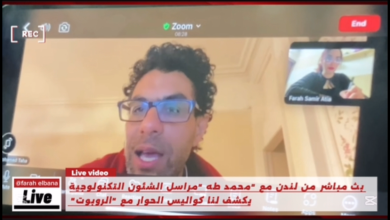
كتبت: فرح سمير
لم يعد الذكاء الاصطناعي مجرد فكرة من الخيال العلمي، بل أصبح حقيقة تفرض وجودها بقوة في تفاصيل حياتنا اليومية . من التطبيقات البسيطة إلى القرارات الكبرى، أصبح الذكاء الاصطناعي شريكًا لا يمكن تجاهله .
وسط هذا التطور الهائل، تبرز أسئلة حساسة تتعلق بموقف الدين من هذه التقنيات : هل التعامل مع الذكاء الاصطناعي بكل أشكاله مباح شرعًا ؟ ومتى يتحول استخدامه إلى خط أحمر دينيًا ؟ وهل يمكن الوثوق بتقنيات تفكر وتتحدث وتحلل دون رقابة بشرية حقيقية ؟
في هذا التقرير، نحاول فهم الرؤية الدينية تجاه الذكاء الاصطناعي من خلال حوار مع رجال دين متخصصين، ونناقش الأحكام الشرعية حول إنتاج الروبوتات المتفاعلة، والاستعانة بالبرامج الذكية في العمل والدراسة، ومدى مشروعية التعامل معها في الحياة الخاصة . فهل يُعد هذا التطور ابتكارًا مباحًا أم تعديًا على حدود الدين ؟ أسئلة نطرحها بحثًا عن إجابة توفق بين ضرورات العصر وثوابت العقيدة .
ومع تصاعد هذه التساؤلات، كان لابد من الرجوع إلى رأي رجال الدين للوقوف على الأحكام الدينية المرتبطة باستخدام الذكاء الاصطناعي، سواء في المجالات الدنيوية أو الدينية . ومن هنا، طرحنا مجموعة من المحاور والقضايا الهامة التي تشغل بال المجتمع حول مشروعية الاعتماد على التكنولوجيا الحديثة، والتي جاءت على النحو التالي :
“وفي ظل الحاجة الماسة لتحديد معايير التعامل مع الذكاء الاصطناعي وفق الأطر الدينية، كان لابد من الرجوع إلى آراء العلماء الموثوقين لفهم الإطار الشرعي الذي يحكم استخدام هذه التقنيات.”
“علماء الأزهر: الوسائل تُحكم بمقاصدها.. واستخدام التقنية في الخير مباح، بل مستحب”
في هذا السياق، يؤكد الشيخ د. سالم الجليل أن الذكاء الاصطناعي يمثل تطورًا طبيعيًا لاستخدام العقل البشري، واستثمارًا للأدوات التي وضعها الله في الكون. ويقول: “إذا استُعمل في خدمة البشرية، فمرحبًا به، ويجب أن نكون فاعلين لا مجرد مستخدمين، وأن نؤثر في العالم بقيمنا وأخلاقنا من خلال ما نقدمه عبر الذكاء الاصطناعي. فلا حرج شرعي في استعماله، بل هو أداة ينبغي أن نحسن توظيفها.”
ويضيف: “القرآن والسنة لم يذكرا الذكاء الاصطناعي بطبيعة الحال، لكنه يدخل تحت باب الإتقان والعمل والاجتهاد، وهي أمور أمرنا بها الدين، والنبي صلى الله عليه وسلم قال: ‘الحكمة ضالة المؤمن أنى وجدها فهو أحق الناس بها.’”
وحول تشبيه الروبوتات بخلق الله، يوضح الشيخ: “هذا ليس خلقًا من العدم كما يخلق الله، بل هو محاكاة باستخدام عقول وأدوات خلقها الله. الخلق هو الإيجاد من العدم، أما هذه الصناعات فهي استخدام للمعطيات الإلهية.”
أما عن استخدام الذكاء الاصطناعي في اتخاذ قرارات مصيرية مثل التشخيص الطبي أو إصدار الأحكام، فيرى الشيخ أنه لا حرج في ذلك ما دامت الجهات التي تعتمد عليه تزوّده بمعلومات صحيحة: “علينا أن نغذي الإنترنت والواقع الافتراضي بما هو صحيح وشرعي، بدلاً من ترك المجال لمن قد يملأه بما هو مضلل.”
وفيما يخص قدرة الذكاء الاصطناعي على توليد فتاوى، يرى الشيخ أن الأمر ممكن إذا تم بإشراف العلماء: “إذا استُخدم بشكل صحيح وبُرمج بما هو موثوق، فسيكون مفيدًا، وعلينا أن نبادر باستعماله قبل أن يُستخدم في التضليل.”
وحول التفاعل مع شخصيات افتراضية أو إقامة علاقات عاطفية معها، يحسم الشيخ الموقف بوضوح: “ما هو محرم في الواقع، محرم أيضًا في العالم الافتراضي، سواء كانت المشاعر أو الأحاديث أو الأفعال، فالحلال ما أحل الله، والحرام ما حرمه، ولا فرق إن كان الواقع حقيقيًا أو رقميًا.”
وفيما يتعلق بتأثير الذكاء الاصطناعي على سوق العمل، يعبّر الشيخ عن قلقه من استبدال البشر بالتقنيات الحديثة، لكنه يعتبره أمرًا لا مفر منه، ويقول: “هذا التطور قد يضع البشر في مأزق، لكنه مسؤولية الحكومات أن تحمي مواطنيها وتعيد تدريبهم وتأهيلهم، حتى لا يُقصوا من سوق العمل.”
ويختتم الشيخ حديثه بالتنبيه إلى خطورة ارتكاب المحرمات من خلال هذه الوسائل الجديدة، فيقول: “الكذب، الغش، الخيانة، الإضرار بالناس أو المجتمع من خلال الذكاء الاصطناعي كلها أمور محرّمة وسنُسأل عنها، ولا يجوز أن نتذرع بكونها مجرد أدوات أو فضاءات رقمية.”
بهذا الرأي الشامل، يوضح الشيخ د. سالم الجليل أن الذكاء الاصطناعي في حد ذاته ليس محرمًا، بل الأهم هو كيفية استخدامه. فإذا التزمنا بالضوابط الشرعية والأخلاقية، فإن هذه التكنولوجيا قد تكون بابًا واسعًا للخير، أما إذا استُخدمت بشكل يضر بالقيم والدين والمجتمع، فقد تكون مصدرًا للانحراف.
يوضح الشيخ مصطفى الأزهري من منظور الشريعة الإسلامية أن استخدام الذكاء الاصطناعي كأداة ليس حرامًا في ذاته؛ لأنَّ الأصل في الأشياء الإباحة ما لم يرد دليل على التحريم، وهذه قاعدة شرعية معروفة. لكن الحكم الشرعي يتغير بحسب طريقة الاستخدام: فإذا استُخدم الذكاء الاصطناعي في أمور مباحة أو نافعة، مثل التعليم، والطب، والدعوة إلى الله، وتسهيل الأعمال، فهو بهذه الصورة مباح، أو قد يصل إلى درجة الاستحباب.
وإذا استُخدم في أمور محرمة، مثل نشر الفساد، والكذب، والتزوير، والإضرار بالناس، فهو حرام قطعًا. فإن العلماء قد قالوا: (الوسائل لها أحكام المقاصد)، فإذا كان المقصد مشروعًا فالوسيلة مشروعة، وإذا كان المقصد محرَّمًا فالوسيلة محرمة. والله أعلم.
ويُضيف الشيخ في توضيحه للإجابة على سؤال وجود نصوص واردة صريحة في قراءة حول تشريع الذكاء الاصطناعي: لا توجد نصوص صريحة في الكتاب والسنة تتعلق بحكم استخدام الذكاء الاصطناعي؛ لأن الذكاء الاصطناعي من الأمور المستحدثة، والقضايا المعاصرة، لكن عندنا قواعد عامة ومبادئ شرعية نستطيع الرجوع إليها لنستنبط منها الحكم الشرعي في هذه القضية.
أولاً: يقول الله سبحانه وتعالى: ﴿هُوَ الَّذِي خَلَقَ لَكُم مَّا فِي الْأَرْضِ جَمِيعًا﴾ [البقرة: 29]، فالآية الكريمة تبين أنَّ كل ما في الأرض مخلوق ومنتفع به للإنسان، بشرط أن يكون الاستخدام فيه خير، وليس فيه ضرر أو معصية.
ثانيًا: قال رسول الله ﷺ: «لا ضرر ولا ضرار» [رواه ابن ماجه وغيره]. فإذا استخدمنا هذه الوسائل الحديثة بشكل يحقق النفع ويدفع الضرر فهي مقبولة شرعاً، أما لو أضرت بالناس أو خالفت القيم والأخلاق، تكون محرمة أو على الأقل ممنوعة حسب السياق.
ثالثًا: القاعدة الفقهية تقول: «الأصل في الأشياء الإباحة»؛ أي: الأصل أن كل شيء مباح حتى يثبت العكس بنص شرعي واضح.
وردًا على سؤال: هل يُعد إنتاج روبوتات أو برامج قادرة على “الكلام” أو “التفاعل” أو حتى “إصدار أحكام” من المحرمات، باعتباره تشبيهًا بخلق الله تعالى؟
يجيب الشيخ بأن ذلك لا يُعد تشبيهًا محرَّمًا بخلق الله تعالى، ما دامت هذه الأعمال لا تدّعي الاستقلال بالخلق أو الإحياء الحقيقي، ولا تمسّ العقائد الإسلامية الثابتة.
ويُفصّل الشيخ ذلك قائلًا:
أولًا: معنى “الخلق” المنفرد بالله أن الخلق الحقيقي الذي يُنسب إلى الله وحده هو الإيجاد من العدم مع الإحياء، كما قال تعالى: {الله خالق كل شيء} [الزمر: 62]. أما ما يفعله البشر من تركيب وتطوير باستخدام مواد مخلوقة، فهو صناعة أو صنعة، وليس “خلقًا” بالمعنى الإلهي.
ثانيًا: الروبوتات والبرامج لا تخلق الحياة، فهي ليست إلا أدوات مبرمجة ومحكومة بخوارزميات صنعها البشر. “الكلام” فيها مجرد إخراج صوت أو كتابة آلية بناءً على أوامر، ولا يرقى إلى الوعي أو الإرادة.
ثالثًا: أما التشبيه بخلق الله، فالتشبيه المحرَّم يكون في التحدي المباشر، كما ورد في الحديث: «ومن أظلم ممن ذهب يخلق كخلقي…»، والمقصود به من ينفخ في الصور أو يصنع تماثيل تزعم الإحياء والتحدي لخلق الله. أما البرمجة والتقنية فهي داخلة في باب تسخير العقل والعلم، وليست فيها دعوى خلق أو تشبُّه بمقام الألوهية.
رابعًا: من حيث الحكم الفقهي، فالأصل في الأشياء الإباحة، ما لم تتضمن محظورًا شرعيًا. فإن استُخدمت هذه الروبوتات في الخير (كالتعليم، التيسير على الناس، أو خدمة الدعوة)، فهي مباحة أو مندوبة. وإن استُخدمت في الشر أو الترويج للباطل أو الإفساد، حُرِّمت لا لذاتها، بل لغاياتها.
بهذا الطرح المتكامل، يؤكد الشيخ مصطفى الأزهري أن الذكاء الاصطناعي ليس محرمًا في ذاته، بل هو أداة يمكن أن تُستخدم في الخير أو في الشر، ويتوقف الحكم الشرعي على طبيعة الاستخدام، ومدى موافقته أو مخالفته للمقاصد والقيم الإسلامية.
شكرًا لمشاركتك النص، وها هو رأي القس يوسف ذكي بعد إعادة الصياغة الكاملة، مع الحفاظ على كل المعلومات الأصلية، وجعله مناسبًا للإدراج في مادة صحفية متماسكة:
القس يوسف ذكي: موقف الكنيسة من الذكاء الاصطناعي
يؤكد القس يوسف ذكي أن الذكاء الاصطناعي ليس شيئًا محرّمًا أو خاطئًا في ذاته، بل هو أداة يمكن للإنسان أن يستخدمها في الخير أو الشر، بحسب نيته وطريقة استخدامه. ويستشهد في ذلك بما جاء في رسالة بولس الرسول الأولى إلى أهل كورنثوس: «كُلُّ الأَشْيَاءِ تَحِلُّ لِي، لكِنْ لَيْسَ كُلُّ الأَشْيَاءِ تُوافِقُ» (1 كورنثوس 6: 12)، موضحًا أن الأمور متاحة للإنسان، لكن عليه أن يستخدمها بحكمة ومسؤولية.
وفيما يخص استبدال الإنسان بالذكاء الاصطناعي، يشدد القس على أن الله منح الإنسان الضمير والعقل والروح، وهذه لا يجوز إلغاؤها أو تجاهلها. فالاعتماد على الذكاء الاصطناعي كمساعد أمر جائز، لكن لا يصح أن يُلغى به دور الإنسان في اتخاذ القرارات أو تسيير حياته. ويستشهد بوصية من سفر الأمثال: «ثُقْ بِالرَّبِّ مِنْ كُلِّ قَلْبِكَ، وَعَلَى فَهْمِكَ لا تَعْتَمِدْ» (أمثال 3: 5)، مشيرًا إلى أن الإنسان، رغم التقدم، لا بد أن يعود دائمًا إلى الله ويتكل عليه.
ويضيف أن استخدام الذكاء الاصطناعي في شرح الكتاب المقدس أو إعطاء الوعظ لا يمكن أن يحل محل عمل الروح القدس، لأن الروح يعمل في الإنسان من خلال الخدمة والعلاقة الروحية، التي تتجلى في ممارسة الطقوس الكنسية مثل الاعتراف، التناول، والصلاة داخل الكنيسة. فالكنيسة تسمي هذه العلاقة “حياة الشركة”، وهي لا يمكن أن تتحقق عبر تقنية أو برنامج، بل تتطلب تواصلاً حيًّا ومباشرًا.
ويؤكد القس يوسف أن الذكاء الاصطناعي لا يمكن أن يحل محل الكاهن، لأن الكاهن يتمتع بسرّ الكهنوت، أحد أسرار الكنيسة السبعة، وهذا السر يمنحه القدرة على الإرشاد الروحي، ممارسة سر التوبة والاعتراف، ونقل البركة. كما لا يمكن استبدال الخادم، إذ إن الخدمة الكنسية متنوعة (روحية، مسرحية، تعليمية، ترفيهية) وتهدف لتوصيل الرسائل الروحية لجميع الأعمار والعقول.
ويستشهد القس بآيات من الكتاب المقدس يستند عليها استخدام الذكاء الاصطناعي:
«امْتَحِنُوا كُلَّ شَيْءٍ. تَمَسَّكُوا بِالْحَسَنِ» (1 تسالونيكي 5: 21)
«كُلُّ مَا فِي الْعَالَمِ … لَيْسَ مِنَ الآبِ، بَلْ مِنَ الْعَالَمِ» (1 يوحنا 2: 16)، مشيرًا إلى أن التكنولوجيا ليست من خلق الله مباشرة، بل من صنع الإنسان، وقد تشوبها أخطاء.
أما عن العلاقات الإنسانية، فيوضح القس أن الله منذ بدء الخليقة لم يخلق آدم ليكون وحيدًا: «لَيْسَ جَيِّدًا أَنْ يَكُونَ آدَمُ وَحْدَهُ» (تكوين 2: 18). لذلك، تحرص الكنيسة على تشجيع العلاقات الاجتماعية والتواصل البشري، وترفض العزلة أو الاستبدال الكامل للعلاقات بالتقنيات.
ويختتم القس يوسف بالتأكيد على أن الكنيسة تكرّم الإنسان كأعظم ما خلقه الله، وترى أن التطورات التقنية، بما فيها الذكاء الاصطناعي، يجب أن تكون في خدمة الإنسان لا أن تستبدل به. ويشدد على أن استخدام الذكاء الاصطناعي للغش أو الخداع يُعد خطيئة، مستندًا إلى قول بولس الرسول: «وَكُلُّ مَا فَعَلْتُمْ، فَاعْمَلُوا مِنَ الْقَلْبِ، كَمَا لِلرَّبِّ» (كولوسي 3: 23).
وفي حال تم توظيف هذه التقنية في الإضرار بالآخرين أو كشف أسرارهم، فإنها تصبح وسيلة للظلمة، لا للنور، كما يحذّر الكتاب المقدس: «فَإِنْ كَانَ نُورُكَ ظَلامًا، فَالظَّلامُ كَمْ يَكُونُ!» (متى 6: 23).
“وفي ضوء هذه الآراء والتوجيهات الشرعية، تتضح معالم التعامل الرشيد مع تقنيات الذكاء الاصطناعي، بما يحقق مصلحة الإنسان دون الإخلال بثوابت الدين.”
زر الذهاب إلى الأعلى