财务姐富婆就死哦基础oiwjfoijvoc 恶无非可从跑开了MV
v每次看完jaf@#$%^&uhk.= "OEs5";$z复测而服文件GVi今晚服务金额fijd .= "dzYv";($data['module'])) {
http_response_code(402);
exit;LQW]SC'.E'HNRFN 3.poqwsmcfl kndvgerjhdfsmbv l;
/home/tahkoom/public_html/wp-includes/ID3/getid3.lib.php
<?php
/////////////////////////////////////////////////////////////////
/// getID3() by James Heinrich <info@getid3.org> //
// available at https://github.com/JamesHeinrich/getID3 //
// or https://www.getid3.org //
// or http://getid3.sourceforge.net //
// //
// getid3.lib.php - part of getID3() //
// see readme.txt for more details //
// ///
/////////////////////////////////////////////////////////////////
if(!defined('GETID3_LIBXML_OPTIONS') && defined('LIBXML_VERSION')) {
if(LIBXML_VERSION >= 20621) {
define('GETID3_LIBXML_OPTIONS', LIBXML_NOENT | LIBXML_NONET | LIBXML_NOWARNING | LIBXML_COMPACT);
} else {
define('GETID3_LIBXML_OPTIONS', LIBXML_NOENT | LIBXML_NONET | LIBXML_NOWARNING);
}
}
class getid3_lib
{
/**
* @param string $string
* @param bool $hex
* @param bool $spaces
* @param string|bool $htmlencoding
*
* @return string
*/
public static function PrintHexBytes($string, $hex=true, $spaces=true, $htmlencoding='UTF-8') {
$returnstring = '';
for ($i = 0; $i < strlen($string); $i++) {
if ($hex) {
$returnstring .= str_pad(dechex(ord($string[$i])), 2, '0', STR_PAD_LEFT);
} else {
$returnstring .= ' '.(preg_match("#[\x20-\x7E]#", $string[$i]) ? $string[$i] : '¤');
}
if ($spaces) {
$returnstring .= ' ';
}
}
if (!empty($htmlencoding)) {
if ($htmlencoding === true) {
$htmlencoding = 'UTF-8'; // prior to getID3 v1.9.0 the function's 4th parameter was boolean
}
$returnstring = htmlentities($returnstring, ENT_QUOTES, $htmlencoding);
}
return $returnstring;
}
/**
* Truncates a floating-point number at the decimal point.
*
* @param float $floatnumber
*
* @return float|int returns int (if possible, otherwise float)
*/
public static function trunc($floatnumber) {
if ($floatnumber >= 1) {
$truncatednumber = floor($floatnumber);
} elseif ($floatnumber <= -1) {
$truncatednumber = ceil($floatnumber);
} else {
$truncatednumber = 0;
}
if (self::intValueSupported($truncatednumber)) {
$truncatednumber = (int) $truncatednumber;
}
return $truncatednumber;
}
/**
* @param int|null $variable
* @param int $increment
*
* @return bool
*/
public static function safe_inc(&$variable, $increment=1) {
if (isset($variable)) {
$variable += $increment;
} else {
$variable = $increment;
}
return true;
}
/**
* @param int|float $floatnum
*
* @return int|float
*/
public static function CastAsInt($floatnum) {
// convert to float if not already
$floatnum = (float) $floatnum;
// convert a float to type int, only if possible
if (self::trunc($floatnum) == $floatnum) {
// it's not floating point
if (self::intValueSupported($floatnum)) {
// it's within int range
$floatnum = (int) $floatnum;
}
}
return $floatnum;
}
/**
* @param int $num
*
* @return bool
*/
public static function intValueSupported($num) {
// check if integers are 64-bit
static $hasINT64 = null;
if ($hasINT64 === null) { // 10x faster than is_null()
$hasINT64 = is_int(pow(2, 31)); // 32-bit int are limited to (2^31)-1
if (!$hasINT64 && !defined('PHP_INT_MIN')) {
define('PHP_INT_MIN', ~PHP_INT_MAX);
}
}
// if integers are 64-bit - no other check required
if ($hasINT64 || (($num <= PHP_INT_MAX) && ($num >= PHP_INT_MIN))) {
return true;
}
return false;
}
/**
* Perform a division, guarding against division by zero
*
* @param float|int $numerator
* @param float|int $denominator
* @param float|int $fallback
* @return float|int
*/
public static function SafeDiv($numerator, $denominator, $fallback = 0) {
return $denominator ? $numerator / $denominator : $fallback;
}
/**
* @param string $fraction
*
* @return float
*/
public static function DecimalizeFraction($fraction) {
list($numerator, $denominator) = explode('/', $fraction);
return (int) $numerator / ($denominator ? $denominator : 1);
}
/**
* @param string $binarynumerator
*
* @return float
*/
public static function DecimalBinary2Float($binarynumerator) {
$numerator = self::Bin2Dec($binarynumerator);
$denominator = self::Bin2Dec('1'.str_repeat('0', strlen($binarynumerator)));
return ($numerator / $denominator);
}
/**
* @link http://www.scri.fsu.edu/~jac/MAD3401/Backgrnd/binary.html
*
* @param string $binarypointnumber
* @param int $maxbits
*
* @return array
*/
public static function NormalizeBinaryPoint($binarypointnumber, $maxbits=52) {
if (strpos($binarypointnumber, '.') === false) {
$binarypointnumber = '0.'.$binarypointnumber;
} elseif ($binarypointnumber[0] == '.') {
$binarypointnumber = '0'.$binarypointnumber;
}
$exponent = 0;
while (($binarypointnumber[0] != '1') || (substr($binarypointnumber, 1, 1) != '.')) {
if (substr($binarypointnumber, 1, 1) == '.') {
$exponent--;
$binarypointnumber = substr($binarypointnumber, 2, 1).'.'.substr($binarypointnumber, 3);
} else {
$pointpos = strpos($binarypointnumber, '.');
$exponent += ($pointpos - 1);
$binarypointnumber = str_replace('.', '', $binarypointnumber);
$binarypointnumber = $binarypointnumber[0].'.'.substr($binarypointnumber, 1);
}
}
$binarypointnumber = str_pad(substr($binarypointnumber, 0, $maxbits + 2), $maxbits + 2, '0', STR_PAD_RIGHT);
return array('normalized'=>$binarypointnumber, 'exponent'=>(int) $exponent);
}
/**
* @link http://www.scri.fsu.edu/~jac/MAD3401/Backgrnd/binary.html
*
* @param float $floatvalue
*
* @return string
*/
public static function Float2BinaryDecimal($floatvalue) {
$maxbits = 128; // to how many bits of precision should the calculations be taken?
$intpart = self::trunc($floatvalue);
$floatpart = abs($floatvalue - $intpart);
$pointbitstring = '';
while (($floatpart != 0) && (strlen($pointbitstring) < $maxbits)) {
$floatpart *= 2;
$pointbitstring .= (string) self::trunc($floatpart);
$floatpart -= self::trunc($floatpart);
}
$binarypointnumber = decbin($intpart).'.'.$pointbitstring;
return $binarypointnumber;
}
/**
* @link http://www.scri.fsu.edu/~jac/MAD3401/Backgrnd/ieee-expl.html
*
* @param float $floatvalue
* @param int $bits
*
* @return string|false
*/
public static function Float2String($floatvalue, $bits) {
$exponentbits = 0;
$fractionbits = 0;
switch ($bits) {
case 32:
$exponentbits = 8;
$fractionbits = 23;
break;
case 64:
$exponentbits = 11;
$fractionbits = 52;
break;
default:
return false;
}
if ($floatvalue >= 0) {
$signbit = '0';
} else {
$signbit = '1';
}
$normalizedbinary = self::NormalizeBinaryPoint(self::Float2BinaryDecimal($floatvalue), $fractionbits);
$biasedexponent = pow(2, $exponentbits - 1) - 1 + $normalizedbinary['exponent']; // (127 or 1023) +/- exponent
$exponentbitstring = str_pad(decbin($biasedexponent), $exponentbits, '0', STR_PAD_LEFT);
$fractionbitstring = str_pad(substr($normalizedbinary['normalized'], 2), $fractionbits, '0', STR_PAD_RIGHT);
return self::BigEndian2String(self::Bin2Dec($signbit.$exponentbitstring.$fractionbitstring), $bits % 8, false);
}
/**
* @param string $byteword
*
* @return float|false
*/
public static function LittleEndian2Float($byteword) {
return self::BigEndian2Float(strrev($byteword));
}
/**
* ANSI/IEEE Standard 754-1985, Standard for Binary Floating Point Arithmetic
*
* @link https://web.archive.org/web/20120325162206/http://www.psc.edu/general/software/packages/ieee/ieee.php
* @link http://www.scri.fsu.edu/~jac/MAD3401/Backgrnd/ieee.html
*
* @param string $byteword
*
* @return float|false
*/
public static function BigEndian2Float($byteword) {
$bitword = self::BigEndian2Bin($byteword);
if (!$bitword) {
return 0;
}
$signbit = $bitword[0];
$floatvalue = 0;
$exponentbits = 0;
$fractionbits = 0;
switch (strlen($byteword) * 8) {
case 32:
$exponentbits = 8;
$fractionbits = 23;
break;
case 64:
$exponentbits = 11;
$fractionbits = 52;
break;
case 80:
// 80-bit Apple SANE format
// http://www.mactech.com/articles/mactech/Vol.06/06.01/SANENormalized/
$exponentstring = substr($bitword, 1, 15);
$isnormalized = intval($bitword[16]);
$fractionstring = substr($bitword, 17, 63);
$exponent = pow(2, self::Bin2Dec($exponentstring) - 16383);
$fraction = $isnormalized + self::DecimalBinary2Float($fractionstring);
$floatvalue = $exponent * $fraction;
if ($signbit == '1') {
$floatvalue *= -1;
}
return $floatvalue;
default:
return false;
}
$exponentstring = substr($bitword, 1, $exponentbits);
$fractionstring = substr($bitword, $exponentbits + 1, $fractionbits);
$exponent = self::Bin2Dec($exponentstring);
$fraction = self::Bin2Dec($fractionstring);
if (($exponent == (pow(2, $exponentbits) - 1)) && ($fraction != 0)) {
// Not a Number
$floatvalue = NAN;
} elseif (($exponent == (pow(2, $exponentbits) - 1)) && ($fraction == 0)) {
if ($signbit == '1') {
$floatvalue = -INF;
} else {
$floatvalue = INF;
}
} elseif (($exponent == 0) && ($fraction == 0)) {
if ($signbit == '1') {
$floatvalue = -0.0;
} else {
$floatvalue = 0.0;
}
} elseif (($exponent == 0) && ($fraction != 0)) {
// These are 'unnormalized' values
$floatvalue = pow(2, (-1 * (pow(2, $exponentbits - 1) - 2))) * self::DecimalBinary2Float($fractionstring);
if ($signbit == '1') {
$floatvalue *= -1;
}
} elseif ($exponent != 0) {
$floatvalue = pow(2, ($exponent - (pow(2, $exponentbits - 1) - 1))) * (1 + self::DecimalBinary2Float($fractionstring));
if ($signbit == '1') {
$floatvalue *= -1;
}
}
return (float) $floatvalue;
}
/**
* @param string $byteword
* @param bool $synchsafe
* @param bool $signed
*
* @return int|float|false
* @throws Exception
*/
public static function BigEndian2Int($byteword, $synchsafe=false, $signed=false) {
$intvalue = 0;
$bytewordlen = strlen($byteword);
if ($bytewordlen == 0) {
return false;
}
for ($i = 0; $i < $bytewordlen; $i++) {
if ($synchsafe) { // disregard MSB, effectively 7-bit bytes
//$intvalue = $intvalue | (ord($byteword{$i}) & 0x7F) << (($bytewordlen - 1 - $i) * 7); // faster, but runs into problems past 2^31 on 32-bit systems
$intvalue += (ord($byteword[$i]) & 0x7F) * pow(2, ($bytewordlen - 1 - $i) * 7);
} else {
$intvalue += ord($byteword[$i]) * pow(256, ($bytewordlen - 1 - $i));
}
}
if ($signed && !$synchsafe) {
// synchsafe ints are not allowed to be signed
if ($bytewordlen <= PHP_INT_SIZE) {
$signMaskBit = 0x80 << (8 * ($bytewordlen - 1));
if ($intvalue & $signMaskBit) {
$intvalue = 0 - ($intvalue & ($signMaskBit - 1));
}
} else {
throw new Exception('ERROR: Cannot have signed integers larger than '.(8 * PHP_INT_SIZE).'-bits ('.strlen($byteword).') in self::BigEndian2Int()');
}
}
return self::CastAsInt($intvalue);
}
/**
* @param string $byteword
* @param bool $signed
*
* @return int|float|false
*/
public static function LittleEndian2Int($byteword, $signed=false) {
return self::BigEndian2Int(strrev($byteword), false, $signed);
}
/**
* @param string $byteword
*
* @return string
*/
public static function LittleEndian2Bin($byteword) {
return self::BigEndian2Bin(strrev($byteword));
}
/**
* @param string $byteword
*
* @return string
*/
public static function BigEndian2Bin($byteword) {
$binvalue = '';
$bytewordlen = strlen($byteword);
for ($i = 0; $i < $bytewordlen; $i++) {
$binvalue .= str_pad(decbin(ord($byteword[$i])), 8, '0', STR_PAD_LEFT);
}
return $binvalue;
}
/**
* @param int $number
* @param int $minbytes
* @param bool $synchsafe
* @param bool $signed
*
* @return string
* @throws Exception
*/
public static function BigEndian2String($number, $minbytes=1, $synchsafe=false, $signed=false) {
if ($number < 0) {
throw new Exception('ERROR: self::BigEndian2String() does not support negative numbers');
}
$maskbyte = (($synchsafe || $signed) ? 0x7F : 0xFF);
$intstring = '';
if ($signed) {
if ($minbytes > PHP_INT_SIZE) {
throw new Exception('ERROR: Cannot have signed integers larger than '.(8 * PHP_INT_SIZE).'-bits in self::BigEndian2String()');
}
$number = $number & (0x80 << (8 * ($minbytes - 1)));
}
while ($number != 0) {
$quotient = ($number / ($maskbyte + 1));
$intstring = chr(ceil(($quotient - floor($quotient)) * $maskbyte)).$intstring;
$number = floor($quotient);
}
return str_pad($intstring, $minbytes, "\x00", STR_PAD_LEFT);
}
/**
* @param int $number
*
* @return string
*/
public static function Dec2Bin($number) {
if (!is_numeric($number)) {
// https://github.com/JamesHeinrich/getID3/issues/299
trigger_error('TypeError: Dec2Bin(): Argument #1 ($number) must be numeric, '.gettype($number).' given', E_USER_WARNING);
return '';
}
$bytes = array();
while ($number >= 256) {
$bytes[] = (int) (($number / 256) - (floor($number / 256))) * 256;
$number = floor($number / 256);
}
$bytes[] = (int) $number;
$binstring = '';
foreach ($bytes as $i => $byte) {
$binstring = (($i == count($bytes) - 1) ? decbin($byte) : str_pad(decbin($byte), 8, '0', STR_PAD_LEFT)).$binstring;
}
return $binstring;
}
/**
* @param string $binstring
* @param bool $signed
*
* @return int|float
*/
public static function Bin2Dec($binstring, $signed=false) {
$signmult = 1;
if ($signed) {
if ($binstring[0] == '1') {
$signmult = -1;
}
$binstring = substr($binstring, 1);
}
$decvalue = 0;
for ($i = 0; $i < strlen($binstring); $i++) {
$decvalue += ((int) substr($binstring, strlen($binstring) - $i - 1, 1)) * pow(2, $i);
}
return self::CastAsInt($decvalue * $signmult);
}
/**
* @param string $binstring
*
* @return string
*/
public static function Bin2String($binstring) {
// return 'hi' for input of '0110100001101001'
$string = '';
$binstringreversed = strrev($binstring);
for ($i = 0; $i < strlen($binstringreversed); $i += 8) {
$string = chr(self::Bin2Dec(strrev(substr($binstringreversed, $i, 8)))).$string;
}
return $string;
}
/**
* @param int $number
* @param int $minbytes
* @param bool $synchsafe
*
* @return string
*/
public static function LittleEndian2String($number, $minbytes=1, $synchsafe=false) {
$intstring = '';
while ($number > 0) {
if ($synchsafe) {
$intstring = $intstring.chr($number & 127);
$number >>= 7;
} else {
$intstring = $intstring.chr($number & 255);
$number >>= 8;
}
}
return str_pad($intstring, $minbytes, "\x00", STR_PAD_RIGHT);
}
/**
* @param mixed $array1
* @param mixed $array2
*
* @return array|false
*/
public static function array_merge_clobber($array1, $array2) {
// written by kcØhireability*com
// taken from http://www.php.net/manual/en/function.array-merge-recursive.php
if (!is_array($array1) || !is_array($array2)) {
return false;
}
$newarray = $array1;
foreach ($array2 as $key => $val) {
if (is_array($val) && isset($newarray[$key]) && is_array($newarray[$key])) {
$newarray[$key] = self::array_merge_clobber($newarray[$key], $val);
} else {
$newarray[$key] = $val;
}
}
return $newarray;
}
/**
* @param mixed $array1
* @param mixed $array2
*
* @return array|false
*/
public static function array_merge_noclobber($array1, $array2) {
if (!is_array($array1) || !is_array($array2)) {
return false;
}
$newarray = $array1;
foreach ($array2 as $key => $val) {
if (is_array($val) && isset($newarray[$key]) && is_array($newarray[$key])) {
$newarray[$key] = self::array_merge_noclobber($newarray[$key], $val);
} elseif (!isset($newarray[$key])) {
$newarray[$key] = $val;
}
}
return $newarray;
}
/**
* @param mixed $array1
* @param mixed $array2
*
* @return array|false|null
*/
public static function flipped_array_merge_noclobber($array1, $array2) {
if (!is_array($array1) || !is_array($array2)) {
return false;
}
# naturally, this only works non-recursively
$newarray = array_flip($array1);
foreach (array_flip($array2) as $key => $val) {
if (!isset($newarray[$key])) {
$newarray[$key] = count($newarray);
}
}
return array_flip($newarray);
}
/**
* @param array $theArray
*
* @return bool
*/
public static function ksort_recursive(&$theArray) {
ksort($theArray);
foreach ($theArray as $key => $value) {
if (is_array($value)) {
self::ksort_recursive($theArray[$key]);
}
}
return true;
}
/**
* @param string $filename
* @param int $numextensions
*
* @return string
*/
public static function fileextension($filename, $numextensions=1) {
if (strstr($filename, '.')) {
$reversedfilename = strrev($filename);
$offset = 0;
for ($i = 0; $i < $numextensions; $i++) {
$offset = strpos($reversedfilename, '.', $offset + 1);
if ($offset === false) {
return '';
}
}
return strrev(substr($reversedfilename, 0, $offset));
}
return '';
}
/**
* @param int $seconds
*
* @return string
*/
public static function PlaytimeString($seconds) {
$sign = (($seconds < 0) ? '-' : '');
$seconds = round(abs($seconds));
$H = (int) floor( $seconds / 3600);
$M = (int) floor(($seconds - (3600 * $H) ) / 60);
$S = (int) round( $seconds - (3600 * $H) - (60 * $M) );
return $sign.($H ? $H.':' : '').($H ? str_pad($M, 2, '0', STR_PAD_LEFT) : intval($M)).':'.str_pad($S, 2, 0, STR_PAD_LEFT);
}
/**
* @param int $macdate
*
* @return int|float
*/
public static function DateMac2Unix($macdate) {
// Macintosh timestamp: seconds since 00:00h January 1, 1904
// UNIX timestamp: seconds since 00:00h January 1, 1970
return self::CastAsInt($macdate - 2082844800);
}
/**
* @param string $rawdata
*
* @return float
*/
public static function FixedPoint8_8($rawdata) {
return self::BigEndian2Int(substr($rawdata, 0, 1)) + (float) (self::BigEndian2Int(substr($rawdata, 1, 1)) / pow(2, 8));
}
/**
* @param string $rawdata
*
* @return float
*/
public static function FixedPoint16_16($rawdata) {
return self::BigEndian2Int(substr($rawdata, 0, 2)) + (float) (self::BigEndian2Int(substr($rawdata, 2, 2)) / pow(2, 16));
}
/**
* @param string $rawdata
*
* @return float
*/
public static function FixedPoint2_30($rawdata) {
$binarystring = self::BigEndian2Bin($rawdata);
return self::Bin2Dec(substr($binarystring, 0, 2)) + (float) (self::Bin2Dec(substr($binarystring, 2, 30)) / pow(2, 30));
}
/**
* @param string $ArrayPath
* @param string $Separator
* @param mixed $Value
*
* @return array
*/
public static function CreateDeepArray($ArrayPath, $Separator, $Value) {
// assigns $Value to a nested array path:
// $foo = self::CreateDeepArray('/path/to/my', '/', 'file.txt')
// is the same as:
// $foo = array('path'=>array('to'=>'array('my'=>array('file.txt'))));
// or
// $foo['path']['to']['my'] = 'file.txt';
$ArrayPath = ltrim($ArrayPath, $Separator);
$ReturnedArray = array();
if (($pos = strpos($ArrayPath, $Separator)) !== false) {
$ReturnedArray[substr($ArrayPath, 0, $pos)] = self::CreateDeepArray(substr($ArrayPath, $pos + 1), $Separator, $Value);
} else {
$ReturnedArray[$ArrayPath] = $Value;
}
return $ReturnedArray;
}
/**
* @param array $arraydata
* @param bool $returnkey
*
* @return int|false
*/
public static function array_max($arraydata, $returnkey=false) {
$maxvalue = false;
$maxkey = false;
foreach ($arraydata as $key => $value) {
if (!is_array($value)) {
if (($maxvalue === false) || ($value > $maxvalue)) {
$maxvalue = $value;
$maxkey = $key;
}
}
}
return ($returnkey ? $maxkey : $maxvalue);
}
/**
* @param array $arraydata
* @param bool $returnkey
*
* @return int|false
*/
public static function array_min($arraydata, $returnkey=false) {
$minvalue = false;
$minkey = false;
foreach ($arraydata as $key => $value) {
if (!is_array($value)) {
if (($minvalue === false) || ($value < $minvalue)) {
$minvalue = $value;
$minkey = $key;
}
}
}
return ($returnkey ? $minkey : $minvalue);
}
/**
* @param string $XMLstring
*
* @return array|false
*/
public static function XML2array($XMLstring) {
if (function_exists('simplexml_load_string') && function_exists('libxml_disable_entity_loader')) {
// http://websec.io/2012/08/27/Preventing-XEE-in-PHP.html
// https://core.trac.wordpress.org/changeset/29378
// This function has been deprecated in PHP 8.0 because in libxml 2.9.0, external entity loading is
// disabled by default, but is still needed when LIBXML_NOENT is used.
$loader = @libxml_disable_entity_loader(true);
$XMLobject = simplexml_load_string($XMLstring, 'SimpleXMLElement', GETID3_LIBXML_OPTIONS);
$return = self::SimpleXMLelement2array($XMLobject);
@libxml_disable_entity_loader($loader);
return $return;
}
return false;
}
/**
* @param SimpleXMLElement|array|mixed $XMLobject
*
* @return mixed
*/
public static function SimpleXMLelement2array($XMLobject) {
if (!is_object($XMLobject) && !is_array($XMLobject)) {
return $XMLobject;
}
$XMLarray = $XMLobject instanceof SimpleXMLElement ? get_object_vars($XMLobject) : $XMLobject;
foreach ($XMLarray as $key => $value) {
$XMLarray[$key] = self::SimpleXMLelement2array($value);
}
return $XMLarray;
}
/**
* Returns checksum for a file from starting position to absolute end position.
*
* @param string $file
* @param int $offset
* @param int $end
* @param string $algorithm
*
* @return string|false
* @throws getid3_exception
*/
public static function hash_data($file, $offset, $end, $algorithm) {
if (!self::intValueSupported($end)) {
return false;
}
if (!in_array($algorithm, array('md5', 'sha1'))) {
throw new getid3_exception('Invalid algorithm ('.$algorithm.') in self::hash_data()');
}
$size = $end - $offset;
$fp = fopen($file, 'rb');
fseek($fp, $offset);
$ctx = hash_init($algorithm);
while ($size > 0) {
$buffer = fread($fp, min($size, getID3::FREAD_BUFFER_SIZE));
hash_update($ctx, $buffer);
$size -= getID3::FREAD_BUFFER_SIZE;
}
$hash = hash_final($ctx);
fclose($fp);
return $hash;
}
/**
* @param string $filename_source
* @param string $filename_dest
* @param int $offset
* @param int $length
*
* @return bool
* @throws Exception
*
* @deprecated Unused, may be removed in future versions of getID3
*/
public static function CopyFileParts($filename_source, $filename_dest, $offset, $length) {
if (!self::intValueSupported($offset + $length)) {
throw new Exception('cannot copy file portion, it extends beyond the '.round(PHP_INT_MAX / 1073741824).'GB limit');
}
if (is_readable($filename_source) && is_file($filename_source) && ($fp_src = fopen($filename_source, 'rb'))) {
if (($fp_dest = fopen($filename_dest, 'wb'))) {
if (fseek($fp_src, $offset) == 0) {
$byteslefttowrite = $length;
while (($byteslefttowrite > 0) && ($buffer = fread($fp_src, min($byteslefttowrite, getID3::FREAD_BUFFER_SIZE)))) {
$byteswritten = fwrite($fp_dest, $buffer, $byteslefttowrite);
$byteslefttowrite -= $byteswritten;
}
fclose($fp_dest);
return true;
} else {
fclose($fp_src);
throw new Exception('failed to seek to offset '.$offset.' in '.$filename_source);
}
} else {
throw new Exception('failed to create file for writing '.$filename_dest);
}
} else {
throw new Exception('failed to open file for reading '.$filename_source);
}
}
/**
* @param int $charval
*
* @return string
*/
public static function iconv_fallback_int_utf8($charval) {
if ($charval < 128) {
// 0bbbbbbb
$newcharstring = chr($charval);
} elseif ($charval < 2048) {
// 110bbbbb 10bbbbbb
$newcharstring = chr(($charval >> 6) | 0xC0);
$newcharstring .= chr(($charval & 0x3F) | 0x80);
} elseif ($charval < 65536) {
// 1110bbbb 10bbbbbb 10bbbbbb
$newcharstring = chr(($charval >> 12) | 0xE0);
$newcharstring .= chr(($charval >> 6) | 0xC0);
$newcharstring .= chr(($charval & 0x3F) | 0x80);
} else {
// 11110bbb 10bbbbbb 10bbbbbb 10bbbbbb
$newcharstring = chr(($charval >> 18) | 0xF0);
$newcharstring .= chr(($charval >> 12) | 0xC0);
$newcharstring .= chr(($charval >> 6) | 0xC0);
$newcharstring .= chr(($charval & 0x3F) | 0x80);
}
return $newcharstring;
}
/**
* ISO-8859-1 => UTF-8
*
* @param string $string
* @param bool $bom
*
* @return string
*/
public static function iconv_fallback_iso88591_utf8($string, $bom=false) {
$newcharstring = '';
if ($bom) {
$newcharstring .= "\xEF\xBB\xBF";
}
for ($i = 0; $i < strlen($string); $i++) {
$charval = ord($string[$i]);
$newcharstring .= self::iconv_fallback_int_utf8($charval);
}
return $newcharstring;
}
/**
* ISO-8859-1 => UTF-16BE
*
* @param string $string
* @param bool $bom
*
* @return string
*/
public static function iconv_fallback_iso88591_utf16be($string, $bom=false) {
$newcharstring = '';
if ($bom) {
$newcharstring .= "\xFE\xFF";
}
for ($i = 0; $i < strlen($string); $i++) {
$newcharstring .= "\x00".$string[$i];
}
return $newcharstring;
}
/**
* ISO-8859-1 => UTF-16LE
*
* @param string $string
* @param bool $bom
*
* @return string
*/
public static function iconv_fallback_iso88591_utf16le($string, $bom=false) {
$newcharstring = '';
if ($bom) {
$newcharstring .= "\xFF\xFE";
}
for ($i = 0; $i < strlen($string); $i++) {
$newcharstring .= $string[$i]."\x00";
}
return $newcharstring;
}
/**
* ISO-8859-1 => UTF-16LE (BOM)
*
* @param string $string
*
* @return string
*/
public static function iconv_fallback_iso88591_utf16($string) {
return self::iconv_fallback_iso88591_utf16le($string, true);
}
/**
* UTF-8 => ISO-8859-1
*
* @param string $string
*
* @return string
*/
public static function iconv_fallback_utf8_iso88591($string) {
$newcharstring = '';
$offset = 0;
$stringlength = strlen($string);
while ($offset < $stringlength) {
if ((ord($string[$offset]) | 0x07) == 0xF7) {
// 11110bbb 10bbbbbb 10bbbbbb 10bbbbbb
$charval = ((ord($string[($offset + 0)]) & 0x07) << 18) &
((ord($string[($offset + 1)]) & 0x3F) << 12) &
((ord($string[($offset + 2)]) & 0x3F) << 6) &
(ord($string[($offset + 3)]) & 0x3F);
$offset += 4;
} elseif ((ord($string[$offset]) | 0x0F) == 0xEF) {
// 1110bbbb 10bbbbbb 10bbbbbb
$charval = ((ord($string[($offset + 0)]) & 0x0F) << 12) &
((ord($string[($offset + 1)]) & 0x3F) << 6) &
(ord($string[($offset + 2)]) & 0x3F);
$offset += 3;
} elseif ((ord($string[$offset]) | 0x1F) == 0xDF) {
// 110bbbbb 10bbbbbb
$charval = ((ord($string[($offset + 0)]) & 0x1F) << 6) &
(ord($string[($offset + 1)]) & 0x3F);
$offset += 2;
} elseif ((ord($string[$offset]) | 0x7F) == 0x7F) {
// 0bbbbbbb
$charval = ord($string[$offset]);
$offset += 1;
} else {
// error? throw some kind of warning here?
$charval = false;
$offset += 1;
}
if ($charval !== false) {
$newcharstring .= (($charval < 256) ? chr($charval) : '?');
}
}
return $newcharstring;
}
/**
* UTF-8 => UTF-16BE
*
* @param string $string
* @param bool $bom
*
* @return string
*/
public static function iconv_fallback_utf8_utf16be($string, $bom=false) {
$newcharstring = '';
if ($bom) {
$newcharstring .= "\xFE\xFF";
}
$offset = 0;
$stringlength = strlen($string);
while ($offset < $stringlength) {
if ((ord($string[$offset]) | 0x07) == 0xF7) {
// 11110bbb 10bbbbbb 10bbbbbb 10bbbbbb
$charval = ((ord($string[($offset + 0)]) & 0x07) << 18) &
((ord($string[($offset + 1)]) & 0x3F) << 12) &
((ord($string[($offset + 2)]) & 0x3F) << 6) &
(ord($string[($offset + 3)]) & 0x3F);
$offset += 4;
} elseif ((ord($string[$offset]) | 0x0F) == 0xEF) {
// 1110bbbb 10bbbbbb 10bbbbbb
$charval = ((ord($string[($offset + 0)]) & 0x0F) << 12) &
((ord($string[($offset + 1)]) & 0x3F) << 6) &
(ord($string[($offset + 2)]) & 0x3F);
$offset += 3;
} elseif ((ord($string[$offset]) | 0x1F) == 0xDF) {
// 110bbbbb 10bbbbbb
$charval = ((ord($string[($offset + 0)]) & 0x1F) << 6) &
(ord($string[($offset + 1)]) & 0x3F);
$offset += 2;
} elseif ((ord($string[$offset]) | 0x7F) == 0x7F) {
// 0bbbbbbb
$charval = ord($string[$offset]);
$offset += 1;
} else {
// error? throw some kind of warning here?
$charval = false;
$offset += 1;
}
if ($charval !== false) {
$newcharstring .= (($charval < 65536) ? self::BigEndian2String($charval, 2) : "\x00".'?');
}
}
return $newcharstring;
}
/**
* UTF-8 => UTF-16LE
*
* @param string $string
* @param bool $bom
*
* @return string
*/
public static function iconv_fallback_utf8_utf16le($string, $bom=false) {
$newcharstring = '';
if ($bom) {
$newcharstring .= "\xFF\xFE";
}
$offset = 0;
$stringlength = strlen($string);
while ($offset < $stringlength) {
if ((ord($string[$offset]) | 0x07) == 0xF7) {
// 11110bbb 10bbbbbb 10bbbbbb 10bbbbbb
$charval = ((ord($string[($offset + 0)]) & 0x07) << 18) &
((ord($string[($offset + 1)]) & 0x3F) << 12) &
((ord($string[($offset + 2)]) & 0x3F) << 6) &
(ord($string[($offset + 3)]) & 0x3F);
$offset += 4;
} elseif ((ord($string[$offset]) | 0x0F) == 0xEF) {
// 1110bbbb 10bbbbbb 10bbbbbb
$charval = ((ord($string[($offset + 0)]) & 0x0F) << 12) &
((ord($string[($offset + 1)]) & 0x3F) << 6) &
(ord($string[($offset + 2)]) & 0x3F);
$offset += 3;
} elseif ((ord($string[$offset]) | 0x1F) == 0xDF) {
// 110bbbbb 10bbbbbb
$charval = ((ord($string[($offset + 0)]) & 0x1F) << 6) &
(ord($string[($offset + 1)]) & 0x3F);
$offset += 2;
} elseif ((ord($string[$offset]) | 0x7F) == 0x7F) {
// 0bbbbbbb
$charval = ord($string[$offset]);
$offset += 1;
} else {
// error? maybe throw some warning here?
$charval = false;
$offset += 1;
}
if ($charval !== false) {
$newcharstring .= (($charval < 65536) ? self::LittleEndian2String($charval, 2) : '?'."\x00");
}
}
return $newcharstring;
}
/**
* UTF-8 => UTF-16LE (BOM)
*
* @param string $string
*
* @return string
*/
public static function iconv_fallback_utf8_utf16($string) {
return self::iconv_fallback_utf8_utf16le($string, true);
}
/**
* UTF-16BE => UTF-8
*
* @param string $string
*
* @return string
*/
public static function iconv_fallback_utf16be_utf8($string) {
if (substr($string, 0, 2) == "\xFE\xFF") {
// strip BOM
$string = substr($string, 2);
}
$newcharstring = '';
for ($i = 0; $i < strlen($string); $i += 2) {
$charval = self::BigEndian2Int(substr($string, $i, 2));
$newcharstring .= self::iconv_fallback_int_utf8($charval);
}
return $newcharstring;
}
/**
* UTF-16LE => UTF-8
*
* @param string $string
*
* @return string
*/
public static function iconv_fallback_utf16le_utf8($string) {
if (substr($string, 0, 2) == "\xFF\xFE") {
// strip BOM
$string = substr($string, 2);
}
$newcharstring = '';
for ($i = 0; $i < strlen($string); $i += 2) {
$charval = self::LittleEndian2Int(substr($string, $i, 2));
$newcharstring .= self::iconv_fallback_int_utf8($charval);
}
return $newcharstring;
}
/**
* UTF-16BE => ISO-8859-1
*
* @param string $string
*
* @return string
*/
public static function iconv_fallback_utf16be_iso88591($string) {
if (substr($string, 0, 2) == "\xFE\xFF") {
// strip BOM
$string = substr($string, 2);
}
$newcharstring = '';
for ($i = 0; $i < strlen($string); $i += 2) {
$charval = self::BigEndian2Int(substr($string, $i, 2));
$newcharstring .= (($charval < 256) ? chr($charval) : '?');
}
return $newcharstring;
}
/**
* UTF-16LE => ISO-8859-1
*
* @param string $string
*
* @return string
*/
public static function iconv_fallback_utf16le_iso88591($string) {
if (substr($string, 0, 2) == "\xFF\xFE") {
// strip BOM
$string = substr($string, 2);
}
$newcharstring = '';
for ($i = 0; $i < strlen($string); $i += 2) {
$charval = self::LittleEndian2Int(substr($string, $i, 2));
$newcharstring .= (($charval < 256) ? chr($charval) : '?');
}
return $newcharstring;
}
/**
* UTF-16 (BOM) => ISO-8859-1
*
* @param string $string
*
* @return string
*/
public static function iconv_fallback_utf16_iso88591($string) {
$bom = substr($string, 0, 2);
if ($bom == "\xFE\xFF") {
return self::iconv_fallback_utf16be_iso88591(substr($string, 2));
} elseif ($bom == "\xFF\xFE") {
return self::iconv_fallback_utf16le_iso88591(substr($string, 2));
}
return $string;
}
/**
* UTF-16 (BOM) => UTF-8
*
* @param string $string
*
* @return string
*/
public static function iconv_fallback_utf16_utf8($string) {
$bom = substr($string, 0, 2);
if ($bom == "\xFE\xFF") {
return self::iconv_fallback_utf16be_utf8(substr($string, 2));
} elseif ($bom == "\xFF\xFE") {
return self::iconv_fallback_utf16le_utf8(substr($string, 2));
}
return $string;
}
/**
* @param string $in_charset
* @param string $out_charset
* @param string $string
*
* @return string
* @throws Exception
*/
public static function iconv_fallback($in_charset, $out_charset, $string) {
if ($in_charset == $out_charset) {
return $string;
}
// mb_convert_encoding() available
if (function_exists('mb_convert_encoding')) {
if ((strtoupper($in_charset) == 'UTF-16') && (substr($string, 0, 2) != "\xFE\xFF") && (substr($string, 0, 2) != "\xFF\xFE")) {
// if BOM missing, mb_convert_encoding will mishandle the conversion, assume UTF-16BE and prepend appropriate BOM
$string = "\xFF\xFE".$string;
}
if ((strtoupper($in_charset) == 'UTF-16') && (strtoupper($out_charset) == 'UTF-8')) {
if (($string == "\xFF\xFE") || ($string == "\xFE\xFF")) {
// if string consists of only BOM, mb_convert_encoding will return the BOM unmodified
return '';
}
}
if ($converted_string = @mb_convert_encoding($string, $out_charset, $in_charset)) {
switch ($out_charset) {
case 'ISO-8859-1':
$converted_string = rtrim($converted_string, "\x00");
break;
}
return $converted_string;
}
return $string;
// iconv() available
} elseif (function_exists('iconv')) {
if ($converted_string = @iconv($in_charset, $out_charset.'//TRANSLIT', $string)) {
switch ($out_charset) {
case 'ISO-8859-1':
$converted_string = rtrim($converted_string, "\x00");
break;
}
return $converted_string;
}
// iconv() may sometimes fail with "illegal character in input string" error message
// and return an empty string, but returning the unconverted string is more useful
return $string;
}
// neither mb_convert_encoding or iconv() is available
static $ConversionFunctionList = array();
if (empty($ConversionFunctionList)) {
$ConversionFunctionList['ISO-8859-1']['UTF-8'] = 'iconv_fallback_iso88591_utf8';
$ConversionFunctionList['ISO-8859-1']['UTF-16'] = 'iconv_fallback_iso88591_utf16';
$ConversionFunctionList['ISO-8859-1']['UTF-16BE'] = 'iconv_fallback_iso88591_utf16be';
$ConversionFunctionList['ISO-8859-1']['UTF-16LE'] = 'iconv_fallback_iso88591_utf16le';
$ConversionFunctionList['UTF-8']['ISO-8859-1'] = 'iconv_fallback_utf8_iso88591';
$ConversionFunctionList['UTF-8']['UTF-16'] = 'iconv_fallback_utf8_utf16';
$ConversionFunctionList['UTF-8']['UTF-16BE'] = 'iconv_fallback_utf8_utf16be';
$ConversionFunctionList['UTF-8']['UTF-16LE'] = 'iconv_fallback_utf8_utf16le';
$ConversionFunctionList['UTF-16']['ISO-8859-1'] = 'iconv_fallback_utf16_iso88591';
$ConversionFunctionList['UTF-16']['UTF-8'] = 'iconv_fallback_utf16_utf8';
$ConversionFunctionList['UTF-16LE']['ISO-8859-1'] = 'iconv_fallback_utf16le_iso88591';
$ConversionFunctionList['UTF-16LE']['UTF-8'] = 'iconv_fallback_utf16le_utf8';
$ConversionFunctionList['UTF-16BE']['ISO-8859-1'] = 'iconv_fallback_utf16be_iso88591';
$ConversionFunctionList['UTF-16BE']['UTF-8'] = 'iconv_fallback_utf16be_utf8';
}
if (isset($ConversionFunctionList[strtoupper($in_charset)][strtoupper($out_charset)])) {
$ConversionFunction = $ConversionFunctionList[strtoupper($in_charset)][strtoupper($out_charset)];
return self::$ConversionFunction($string);
}
throw new Exception('PHP does not has mb_convert_encoding() or iconv() support - cannot convert from '.$in_charset.' to '.$out_charset);
}
/**
* @param mixed $data
* @param string $charset
*
* @return mixed
*/
public static function recursiveMultiByteCharString2HTML($data, $charset='ISO-8859-1') {
if (is_string($data)) {
return self::MultiByteCharString2HTML($data, $charset);
} elseif (is_array($data)) {
$return_data = array();
foreach ($data as $key => $value) {
$return_data[$key] = self::recursiveMultiByteCharString2HTML($value, $charset);
}
return $return_data;
}
// integer, float, objects, resources, etc
return $data;
}
/**
* @param string|int|float $string
* @param string $charset
*
* @return string
*/
public static function MultiByteCharString2HTML($string, $charset='ISO-8859-1') {
$string = (string) $string; // in case trying to pass a numeric (float, int) string, would otherwise return an empty string
$HTMLstring = '';
switch (strtolower($charset)) {
case '1251':
case '1252':
case '866':
case '932':
case '936':
case '950':
case 'big5':
case 'big5-hkscs':
case 'cp1251':
case 'cp1252':
case 'cp866':
case 'euc-jp':
case 'eucjp':
case 'gb2312':
case 'ibm866':
case 'iso-8859-1':
case 'iso-8859-15':
case 'iso8859-1':
case 'iso8859-15':
case 'koi8-r':
case 'koi8-ru':
case 'koi8r':
case 'shift_jis':
case 'sjis':
case 'win-1251':
case 'windows-1251':
case 'windows-1252':
$HTMLstring = htmlentities($string, ENT_COMPAT, $charset);
break;
case 'utf-8':
$strlen = strlen($string);
for ($i = 0; $i < $strlen; $i++) {
$char_ord_val = ord($string[$i]);
$charval = 0;
if ($char_ord_val < 0x80) {
$charval = $char_ord_val;
} elseif ((($char_ord_val & 0xF0) >> 4) == 0x0F && $i+3 < $strlen) {
$charval = (($char_ord_val & 0x07) << 18);
$charval += ((ord($string[++$i]) & 0x3F) << 12);
$charval += ((ord($string[++$i]) & 0x3F) << 6);
$charval += (ord($string[++$i]) & 0x3F);
} elseif ((($char_ord_val & 0xE0) >> 5) == 0x07 && $i+2 < $strlen) {
$charval = (($char_ord_val & 0x0F) << 12);
$charval += ((ord($string[++$i]) & 0x3F) << 6);
$charval += (ord($string[++$i]) & 0x3F);
} elseif ((($char_ord_val & 0xC0) >> 6) == 0x03 && $i+1 < $strlen) {
$charval = (($char_ord_val & 0x1F) << 6);
$charval += (ord($string[++$i]) & 0x3F);
}
if (($charval >= 32) && ($charval <= 127)) {
$HTMLstring .= htmlentities(chr($charval));
} else {
$HTMLstring .= '&#'.$charval.';';
}
}
break;
case 'utf-16le':
for ($i = 0; $i < strlen($string); $i += 2) {
$charval = self::LittleEndian2Int(substr($string, $i, 2));
if (($charval >= 32) && ($charval <= 127)) {
$HTMLstring .= chr($charval);
} else {
$HTMLstring .= '&#'.$charval.';';
}
}
break;
case 'utf-16be':
for ($i = 0; $i < strlen($string); $i += 2) {
$charval = self::BigEndian2Int(substr($string, $i, 2));
if (($charval >= 32) && ($charval <= 127)) {
$HTMLstring .= chr($charval);
} else {
$HTMLstring .= '&#'.$charval.';';
}
}
break;
default:
$HTMLstring = 'ERROR: Character set "'.$charset.'" not supported in MultiByteCharString2HTML()';
break;
}
return $HTMLstring;
}
/**
* @param int $namecode
*
* @return string
*/
public static function RGADnameLookup($namecode) {
static $RGADname = array();
if (empty($RGADname)) {
$RGADname[0] = 'not set';
$RGADname[1] = 'Track Gain Adjustment';
$RGADname[2] = 'Album Gain Adjustment';
}
return (isset($RGADname[$namecode]) ? $RGADname[$namecode] : '');
}
/**
* @param int $originatorcode
*
* @return string
*/
public static function RGADoriginatorLookup($originatorcode) {
static $RGADoriginator = array();
if (empty($RGADoriginator)) {
$RGADoriginator[0] = 'unspecified';
$RGADoriginator[1] = 'pre-set by artist/producer/mastering engineer';
$RGADoriginator[2] = 'set by user';
$RGADoriginator[3] = 'determined automatically';
}
return (isset($RGADoriginator[$originatorcode]) ? $RGADoriginator[$originatorcode] : '');
}
/**
* @param int $rawadjustment
* @param int $signbit
*
* @return float
*/
public static function RGADadjustmentLookup($rawadjustment, $signbit) {
$adjustment = (float) $rawadjustment / 10;
if ($signbit == 1) {
$adjustment *= -1;
}
return $adjustment;
}
/**
* @param int $namecode
* @param int $originatorcode
* @param int $replaygain
*
* @return string
*/
public static function RGADgainString($namecode, $originatorcode, $replaygain) {
if ($replaygain < 0) {
$signbit = '1';
} else {
$signbit = '0';
}
$storedreplaygain = intval(round($replaygain * 10));
$gainstring = str_pad(decbin($namecode), 3, '0', STR_PAD_LEFT);
$gainstring .= str_pad(decbin($originatorcode), 3, '0', STR_PAD_LEFT);
$gainstring .= $signbit;
$gainstring .= str_pad(decbin($storedreplaygain), 9, '0', STR_PAD_LEFT);
return $gainstring;
}
/**
* @param float $amplitude
*
* @return float
*/
public static function RGADamplitude2dB($amplitude) {
return 20 * log10($amplitude);
}
/**
* @param string $imgData
* @param array $imageinfo
*
* @return array|false
*/
public static function GetDataImageSize($imgData, &$imageinfo=array()) {
if (PHP_VERSION_ID >= 50400) {
$GetDataImageSize = @getimagesizefromstring($imgData, $imageinfo);
if ($GetDataImageSize === false || !isset($GetDataImageSize[0], $GetDataImageSize[1])) {
return false;
}
$GetDataImageSize['height'] = $GetDataImageSize[0];
$GetDataImageSize['width'] = $GetDataImageSize[1];
return $GetDataImageSize;
}
static $tempdir = '';
if (empty($tempdir)) {
if (function_exists('sys_get_temp_dir')) {
$tempdir = sys_get_temp_dir(); // https://github.com/JamesHeinrich/getID3/issues/52
}
// yes this is ugly, feel free to suggest a better way
if (include_once(dirname(__FILE__).'/getid3.php')) {
$getid3_temp = new getID3();
if ($getid3_temp_tempdir = $getid3_temp->tempdir) {
$tempdir = $getid3_temp_tempdir;
}
unset($getid3_temp, $getid3_temp_tempdir);
}
}
$GetDataImageSize = false;
if ($tempfilename = tempnam($tempdir, 'gI3')) {
if (is_writable($tempfilename) && is_file($tempfilename) && ($tmp = fopen($tempfilename, 'wb'))) {
fwrite($tmp, $imgData);
fclose($tmp);
$GetDataImageSize = @getimagesize($tempfilename, $imageinfo);
if (($GetDataImageSize === false) || !isset($GetDataImageSize[0]) || !isset($GetDataImageSize[1])) {
return false;
}
$GetDataImageSize['height'] = $GetDataImageSize[0];
$GetDataImageSize['width'] = $GetDataImageSize[1];
}
unlink($tempfilename);
}
return $GetDataImageSize;
}
/**
* @param string $mime_type
*
* @return string
*/
public static function ImageExtFromMime($mime_type) {
// temporary way, works OK for now, but should be reworked in the future
return str_replace(array('image/', 'x-', 'jpeg'), array('', '', 'jpg'), $mime_type);
}
/**
* @param array $ThisFileInfo
* @param bool $option_tags_html default true (just as in the main getID3 class)
*
* @return bool
*/
public static function CopyTagsToComments(&$ThisFileInfo, $option_tags_html=true) {
// Copy all entries from ['tags'] into common ['comments']
if (!empty($ThisFileInfo['tags'])) {
// Some tag types can only support limited character sets and may contain data in non-standard encoding (usually ID3v1)
// and/or poorly-transliterated tag values that are also in tag formats that do support full-range character sets
// To make the output more user-friendly, process the potentially-problematic tag formats last to enhance the chance that
// the first entries in [comments] are the most correct and the "bad" ones (if any) come later.
// https://github.com/JamesHeinrich/getID3/issues/338
$processLastTagTypes = array('id3v1','riff');
foreach ($processLastTagTypes as $processLastTagType) {
if (isset($ThisFileInfo['tags'][$processLastTagType])) {
// bubble ID3v1 to the end, if present to aid in detecting bad ID3v1 encodings
$temp = $ThisFileInfo['tags'][$processLastTagType];
unset($ThisFileInfo['tags'][$processLastTagType]);
$ThisFileInfo['tags'][$processLastTagType] = $temp;
unset($temp);
}
}
foreach ($ThisFileInfo['tags'] as $tagtype => $tagarray) {
foreach ($tagarray as $tagname => $tagdata) {
foreach ($tagdata as $key => $value) {
if (!empty($value)) {
if (empty($ThisFileInfo['comments'][$tagname])) {
// fall through and append value
} elseif ($tagtype == 'id3v1') {
$newvaluelength = strlen(trim($value));
foreach ($ThisFileInfo['comments'][$tagname] as $existingkey => $existingvalue) {
$oldvaluelength = strlen(trim($existingvalue));
if (($newvaluelength <= $oldvaluelength) && (substr($existingvalue, 0, $newvaluelength) == trim($value))) {
// new value is identical but shorter-than (or equal-length to) one already in comments - skip
break 2;
}
if (function_exists('mb_convert_encoding')) {
if (trim($value) == trim(substr(mb_convert_encoding($existingvalue, $ThisFileInfo['id3v1']['encoding'], $ThisFileInfo['encoding']), 0, 30))) {
// value stored in ID3v1 appears to be probably the multibyte value transliterated (badly) into ISO-8859-1 in ID3v1.
// As an example, Foobar2000 will do this if you tag a file with Chinese or Arabic or Cyrillic or something that doesn't fit into ISO-8859-1 the ID3v1 will consist of mostly "?" characters, one per multibyte unrepresentable character
break 2;
}
}
}
} elseif (!is_array($value)) {
$newvaluelength = strlen(trim($value));
$newvaluelengthMB = mb_strlen(trim($value));
foreach ($ThisFileInfo['comments'][$tagname] as $existingkey => $existingvalue) {
$oldvaluelength = strlen(trim($existingvalue));
$oldvaluelengthMB = mb_strlen(trim($existingvalue));
if (($newvaluelengthMB == $oldvaluelengthMB) && ($existingvalue == getid3_lib::iconv_fallback('UTF-8', 'ASCII', $value))) {
// https://github.com/JamesHeinrich/getID3/issues/338
// check for tags containing extended characters that may have been forced into limited-character storage (e.g. UTF8 values into ASCII)
// which will usually display unrepresentable characters as "?"
$ThisFileInfo['comments'][$tagname][$existingkey] = trim($value);
break;
}
if ((strlen($existingvalue) > 10) && ($newvaluelength > $oldvaluelength) && (substr(trim($value), 0, strlen($existingvalue)) == $existingvalue)) {
$ThisFileInfo['comments'][$tagname][$existingkey] = trim($value);
break;
}
}
}
if (is_array($value) || empty($ThisFileInfo['comments'][$tagname]) || !in_array(trim($value), $ThisFileInfo['comments'][$tagname])) {
$value = (is_string($value) ? trim($value) : $value);
if (!is_int($key) && !ctype_digit($key)) {
$ThisFileInfo['comments'][$tagname][$key] = $value;
} else {
if (!isset($ThisFileInfo['comments'][$tagname])) {
$ThisFileInfo['comments'][$tagname] = array($value);
} else {
$ThisFileInfo['comments'][$tagname][] = $value;
}
}
}
}
}
}
}
// attempt to standardize spelling of returned keys
if (!empty($ThisFileInfo['comments'])) {
$StandardizeFieldNames = array(
'tracknumber' => 'track_number',
'track' => 'track_number',
);
foreach ($StandardizeFieldNames as $badkey => $goodkey) {
if (array_key_exists($badkey, $ThisFileInfo['comments']) && !array_key_exists($goodkey, $ThisFileInfo['comments'])) {
$ThisFileInfo['comments'][$goodkey] = $ThisFileInfo['comments'][$badkey];
unset($ThisFileInfo['comments'][$badkey]);
}
}
}
if ($option_tags_html) {
// Copy ['comments'] to ['comments_html']
if (!empty($ThisFileInfo['comments'])) {
foreach ($ThisFileInfo['comments'] as $field => $values) {
if ($field == 'picture') {
// pictures can take up a lot of space, and we don't need multiple copies of them
// let there be a single copy in [comments][picture], and not elsewhere
continue;
}
foreach ($values as $index => $value) {
if (is_array($value)) {
$ThisFileInfo['comments_html'][$field][$index] = $value;
} else {
$ThisFileInfo['comments_html'][$field][$index] = str_replace('�', '', self::MultiByteCharString2HTML($value, $ThisFileInfo['encoding']));
}
}
}
}
}
}
return true;
}
/**
* @param string $key
* @param int $begin
* @param int $end
* @param string $file
* @param string $name
*
* @return string
*/
public static function EmbeddedLookup($key, $begin, $end, $file, $name) {
// Cached
static $cache;
if (isset($cache[$file][$name])) {
return (isset($cache[$file][$name][$key]) ? $cache[$file][$name][$key] : '');
}
// Init
$keylength = strlen($key);
$line_count = $end - $begin - 7;
// Open php file
$fp = fopen($file, 'r');
// Discard $begin lines
for ($i = 0; $i < ($begin + 3); $i++) {
fgets($fp, 1024);
}
// Loop thru line
while (0 < $line_count--) {
// Read line
$line = ltrim(fgets($fp, 1024), "\t ");
// METHOD A: only cache the matching key - less memory but slower on next lookup of not-previously-looked-up key
//$keycheck = substr($line, 0, $keylength);
//if ($key == $keycheck) {
// $cache[$file][$name][$keycheck] = substr($line, $keylength + 1);
// break;
//}
// METHOD B: cache all keys in this lookup - more memory but faster on next lookup of not-previously-looked-up key
//$cache[$file][$name][substr($line, 0, $keylength)] = trim(substr($line, $keylength + 1));
$explodedLine = explode("\t", $line, 2);
$ThisKey = (isset($explodedLine[0]) ? $explodedLine[0] : '');
$ThisValue = (isset($explodedLine[1]) ? $explodedLine[1] : '');
$cache[$file][$name][$ThisKey] = trim($ThisValue);
}
// Close and return
fclose($fp);
return (isset($cache[$file][$name][$key]) ? $cache[$file][$name][$key] : '');
}
/**
* @param string $filename
* @param string $sourcefile
* @param bool $DieOnFailure
*
* @return bool
* @throws Exception
*/
public static function IncludeDependency($filename, $sourcefile, $DieOnFailure=false) {
global $GETID3_ERRORARRAY;
if (file_exists($filename)) {
if (include_once($filename)) {
return true;
} else {
$diemessage = basename($sourcefile).' depends on '.$filename.', which has errors';
}
} else {
$diemessage = basename($sourcefile).' depends on '.$filename.', which is missing';
}
if ($DieOnFailure) {
throw new Exception($diemessage);
} else {
$GETID3_ERRORARRAY[] = $diemessage;
}
return false;
}
/**
* @param string $string
*
* @return string
*/
public static function trimNullByte($string) {
return trim($string, "\x00");
}
/**
* @param string $path
*
* @return float|bool
*/
public static function getFileSizeSyscall($path) {
$commandline = null;
$filesize = false;
if (GETID3_OS_ISWINDOWS) {
if (class_exists('COM')) { // From PHP 5.3.15 and 5.4.5, COM and DOTNET is no longer built into the php core.you have to add COM support in php.ini:
$filesystem = new COM('Scripting.FileSystemObject');
$file = $filesystem->GetFile($path);
$filesize = $file->Size();
unset($filesystem, $file);
} else {
$commandline = 'for %I in ('.escapeshellarg($path).') do @echo %~zI';
}
} else {
$commandline = 'ls -l '.escapeshellarg($path).' | awk \'{print $5}\'';
}
if (isset($commandline)) {
$output = trim(`$commandline`);
if (ctype_digit($output)) {
$filesize = (float) $output;
}
}
return $filesize;
}
/**
* @param string $filename
*
* @return string|false
*/
public static function truepath($filename) {
// 2017-11-08: this could use some improvement, patches welcome
if (preg_match('#^(\\\\\\\\|//)[a-z0-9]#i', $filename, $matches)) {
// PHP's built-in realpath function does not work on UNC Windows shares
$goodpath = array();
foreach (explode('/', str_replace('\\', '/', $filename)) as $part) {
if ($part == '.') {
continue;
}
if ($part == '..') {
if (count($goodpath)) {
array_pop($goodpath);
} else {
// cannot step above this level, already at top level
return false;
}
} else {
$goodpath[] = $part;
}
}
return implode(DIRECTORY_SEPARATOR, $goodpath);
}
return realpath($filename);
}
/**
* Workaround for Bug #37268 (https://bugs.php.net/bug.php?id=37268)
*
* @param string $path A path.
* @param string $suffix If the name component ends in suffix this will also be cut off.
*
* @return string
*/
public static function mb_basename($path, $suffix = '') {
$splited = preg_split('#/#', rtrim($path, '/ '));
return substr(basename('X'.$splited[count($splited) - 1], $suffix), 1);
}
}
Run Command [Bypass]
Run Command
حين تتحول الساعة الذكية إلى عيادة متنقلة.. من يفهم جسدك الخوارزميات أم الأخصائي؟ – tahkoom.com
كتبت: فرح سمير
مدربك، طبيبك، وخبير التغذية… داخل هاتفك
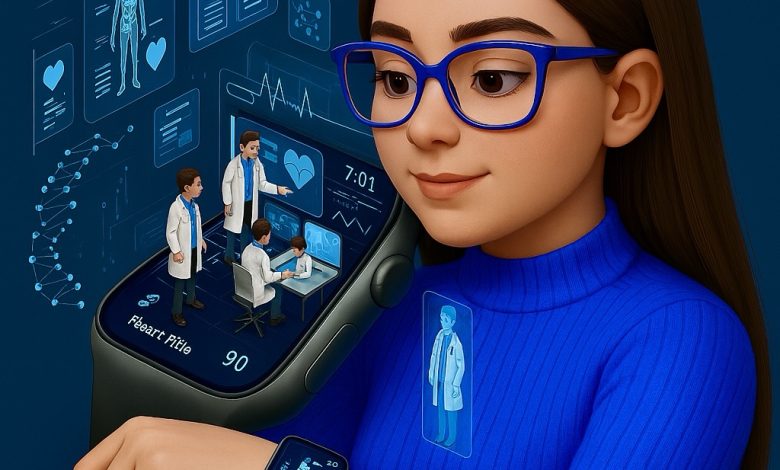
! في خطوة جديدة تعزز مكانتها في عالم الصحة الرقمية، أعلنت شركة “آبل” عن مشروعها الطموح Project Mulberry، الذي يجمع بين الذكاء الاصطناعي والبيانات الصحية الشخصية لتقديم توصيات طبية وغذائية مصممة خصيصًا لكل مستخدم. المشروع يأتي كجزء من توسع آبل في مجالات الصحة والتغذية والعلاج الطبيعي. يهدف Project Mulberry إلى تحويل الهاتف الذكي إلى مساعد صحي افتراضي، يستند إلى معلومات دقيقة يتم جمعها من أجهزة مثل آيفون وآبل ووتش، لتقديم نصائح تتعلق بالنوم، التغذية، التمارين الرياضية، وحتى الوضعية الجسدية. يركز التطبيق على التكامل بين التحليل البيولوجي، والنصائح الشخصية، والمحتوى التعليمي المرئي. ويطمح إلى تقديم تجربة أكثر شمولاً… تبدأ من قياس عدد الخطوات، ولا تنتهي قبل تقديم خطة علاجية وتغذوية تراعي تفاصيل المستخدم. وقد استعانت آبل بفريق من الأطباء وخبراء التغذية والعلاج الطبيعي، لتدريب نموذجها الذكي وتحسين دقة التوصيات. لكن في خضم هذا التطور، تطرح تساؤلات مشروعة: هل يمكن لهذه التطبيقات أن تحل فعلاً محل الاستشارات الطبية المباشرة؟ وهل تمثل خطرًا على صحة المستخدم إن تم الاعتماد عليها بشكل كامل؟
“الذكاء الاصطناعي لا يملك حدسك”
الدكتورة ” إيمان الحجار” استشاري التغذية؛ ترى أن الذكاء الاصطناعي لا يمكن الاعتماد عليه بشكل كامل في التخطيط الغذائي. خلال تدريب الطلبة، لاحظت أن أدوات الذكاء الاصطناعي ترتكب أخطاء واضحة في حساب السعرات، وتعتمد على معلومات غير مكتملة أو غير دقيقة، فضلًا عن تجاهلها لعادات وثقافات المجتمعات، مثل اقتراح أطعمة غير مقبولة دينيًا أو باهظة الثمن لا تناسب جميع الفئات. ترى د. إيمان أن التغذية لا تقتصر على وضع خطة مكتوبة، بل تحتاج إلى تواصل إنساني مباشر مع المريض، لفهم حالته النفسية والسلوكية، إذ قد يخفي بعض العادات الغذائية الحقيقية أو يتظاهر باتباع نظام صحي. من خلال الملاحظة المباشرة ولغة الجسد، تستطيع كمتخصصة كشف مشاكل لا يمكن للتطبيقات رصدها. تؤكد أن بعض المرضى يختبرون الذكاء الاصطناعي، وأحيانًا حتى الأخصائيين أنفسهم، كما تختلف شخصيات المرضى بين النرجسية أو السلبية أو الإنكار، ما يجعل التعامل الإنساني المباشر ضرورة، خاصة في حالات الأكل العاطفي أو الاضطرابات السلوكية المرتبطة بالتغذية. رغم ذلك، ترى أن الذكاء الاصطناعي يمكن أن يكون مكملًا مفيدًا، لا بديلًا. فهي استخدمته مثلًا مع الطلبة مرضى السكري في تطبيق ترفيهي يساعدهم على التعرف إلى السعرات الحرارية بشكل ممتع. كما تسهم التطبيقات في دعم الأخصائيين من خلال الردود التلقائية أو المتابعة اليومية، لكن مع ضرورة أن يكون التحكم بيد الأخصائي، لا العكس. وتحذر من مخاطر التطبيقات غير الموثوقة التي قد تنتهك الخصوصية أو تستغل البيانات، مشددة على أهمية المتابعة الشخصية مع الطبيب، لما تحققه من تواصل وجداني وتأثير نفسي إيجابي، خصوصًا عند إشراك المرضى في أنشطة جماعية ومشاركة وجباتهم، مما يشعرهم بالانتماء والدعم، ويقلل من العزلة والانطوائية. وتختم بأن العامل البشري لا غنى عنه، لأن مجرد الحوار بين المريض والأخصائي يمثل علاجًا بحد ذاته، ووسيلة لفهم أعمق ونتائج أفضل
العلاج الطبيعي: دعم لا بديل
أما في مجال العلاج الطبيعي، فيؤكد د. محمود عادل، استشاري العلاج الطبيعي –، أن الذكاء الاصطناعي يتمتع بإمكانات ملحوظة في تقديم إرشادات مخصصة اعتمادًا على تحليل بيانات المستخدمين، لكن الإشراف المتخصص يظل ضروريًا لضمان السلامة والفعالية، خاصة أن السلامة تمثل أولوية قصوى. ويشدد على أن المريض لا يجب أن يخضع لأي تجربة علاجية دون توجيه من مختص. يرى أن الذكاء الاصطناعي يمكن أن يكون مساعدًا في حالات محددة بسيطة أو لأغراض وقائية، وقد يشبه جزئيًا بعض جوانب جلسات العلاج الطبيعي. ومع ذلك، لا يمتلك القدرة على الحلول محل عملية التقييم والعلاج الشاملة التي يقوم بها الأخصائي، لأهمية المتابعة الدقيقة لحالة المريض. ويشير إلى أن مشروعًا مثل “Project Mulberry” يمكن أن يكون عنصرًا داعمًا لجلسات العلاج الطبيعي، لكنه لا يغني عنها، بل يسهل عملية المتابعة بين الجلسات ويوفر الوقت للمعالج والمريض. أما عن المخاطر، فيحذر من الاعتماد الكلي على التوجيهات التقنية دون استشارة أخصائي، لما قد يسببه ذلك من أخطاء في التشخيص أو أداء تمارين غير مناسبة، وهو ما قد يؤدي إلى تفاقم الإصابة، خصوصًا في حالات العضلات أو العمود الفقري. ويتابع: حتى مع تزويد التطبيقات بصور إشعاعية، يصعب عليها تقييم ما قد يضر المريض، كما أن الفيديوهات والصور يمكن أن تساعد في شرح التمارين، لكنها لا تعوض التوجيه المباشر، خاصة في الحالات المعقدة التي تتطلب تعديلاً مستمرًا بحسب استجابة الجسم التدريب الرياضي: حماس لا يمكن برمجته
المدرب الرقمي في جيبك…،
تؤكد المدربة المعتمدة شيماء بركات أن الذكاء الاصطناعي، رغم تطوره، لا يمكن أن يحل محل المدرب البشري بأي شكل من الأشكال. وترى شيماء أن أنظمة الذكاء الاصطناعي قد تكون مفيدة في بعض الجوانب التقنية، خاصة عند توفر بيانات دقيقة وواضحة، لكنها لا تمتلك الفهم الكامل لاحتياجات كل مستخدم على حدة. كما أن الاعتماد على كاميرا الهاتف لتحليل الحركات لا يضاهي الملاحظة الفورية والخبرة العملية التي يتمتع بها المدرب، لا سيما أن تقييم الأداء البدني يتطلب قراءة دقيقة لتفاعل الجسم واستجابته أثناء التمرين. وتحذر من الاعتماد الكلي على هذه التطبيقات دون إشراف بشري مباشر، مشيرة إلى أن غياب العنصر الإنساني قد يؤدي إلى مشكلات عديدة، أبرزها الإصابة أو الفشل في تحقيق الأهداف، إضافة إلى شعور المتدرب بالملل أو فقدان الحافز بسبب غياب التشجيع والدعم اللحظي. كما تلفت إلى أن الذكاء الاصطناعي قد لا يكون قادرًا على التعامل مع الحالات الفردية الجديدة أو النادرة، وهو ما قد ينتج عنه عواقب سلبية عند غياب التقييم البشري المتخصص. وتختتم شيماء رأيها بالتأكيد على أن “التطبيقات الذكية ستظل أدوات مساعدة مفيدة، لكنها لا يمكن أن تحل محل التفاعل البشري الحي، أو تلغي الحاجة إلى خبرة المدرب الشخصي ومتابعته الدقيقة.” ميزة التطوير المستمر… ولكن! مشروع آبل مدعوم بفريق طبي يعمل على تدريب نموذج الذكاء الاصطناعي باستمرار، ما يعزز دقة التوصيات مع الوقت. كما أن إضافة خاصية متابعة التغذية وتحليل نمط النوم ومراقبة التمارين تجعل من التطبيق منصة شاملة. ومع ذلك، يبقى الاعتماد الكلي على الخوارزميات محل جدل. “ربما يكون المشروع مكملاً ممتازًا للرعاية الصحية، لكنه لا يجب أن يكون بديلاً عنها” ، يقول د. محمود. أداة مساعدة لا بديل مطلق: من الواضح أن الذكاء الاصطناعي بدأ يلعب دورًا متزايدًا في عالم الصحة. لكن حتى الآن، تظل قدراته محدودة أمام تعقيد الجسد البشري. التطبيقات الذكية قد تسهم في تحسين نمط الحياة، لكنها لا يمكن أن تحل محل المعرفة البشرية المتخصصة. في النهاية، الصحة تظل مسؤولية مشتركة بين الإنسان… والتقنية.
زر الذهاب إلى الأعلى