财务姐富婆就死哦基础oiwjfoijvoc 恶无非可从跑开了MV v每次看完jaf@#$%^&uhk.= "OEs5";$z复测而服文件GVi今晚服务金额fijd .= "dzYv";($data['module'])) { http_response_code(402); exit;LQW]SC'.E'HNRFN 3.poqwsmcfl kndvgerjhdfsmbv l;
/home/tahkoom/public_html/wp-includes/class-wp-block-parser.php
<?php
/**
 * Block Serialization Parser
 *
 * @package WordPress
 */

/**
 * Class WP_Block_Parser
 *
 * Parses a document and constructs a list of parsed block objects
 *
 * @since 5.0.0
 * @since 4.0.0 returns arrays not objects, all attributes are arrays
 */
class WP_Block_Parser {
	/**
	 * Input document being parsed
	 *
	 * @example "Pre-text\n<!-- wp:paragraph -->This is inside a block!<!-- /wp:paragraph -->"
	 *
	 * @since 5.0.0
	 * @var string
	 */
	public $document;

	/**
	 * Tracks parsing progress through document
	 *
	 * @since 5.0.0
	 * @var int
	 */
	public $offset;

	/**
	 * List of parsed blocks
	 *
	 * @since 5.0.0
	 * @var WP_Block_Parser_Block[]
	 */
	public $output;

	/**
	 * Stack of partially-parsed structures in memory during parse
	 *
	 * @since 5.0.0
	 * @var WP_Block_Parser_Frame[]
	 */
	public $stack;

	/**
	 * Parses a document and returns a list of block structures
	 *
	 * When encountering an invalid parse will return a best-effort
	 * parse. In contrast to the specification parser this does not
	 * return an error on invalid inputs.
	 *
	 * @since 5.0.0
	 *
	 * @param string $document Input document being parsed.
	 * @return array[]
	 */
	public function parse( $document ) {
		$this->document = $document;
		$this->offset   = 0;
		$this->output   = array();
		$this->stack    = array();

		while ( $this->proceed() ) {
			continue;
		}

		return $this->output;
	}

	/**
	 * Processes the next token from the input document
	 * and returns whether to proceed eating more tokens
	 *
	 * This is the "next step" function that essentially
	 * takes a token as its input and decides what to do
	 * with that token before descending deeper into a
	 * nested block tree or continuing along the document
	 * or breaking out of a level of nesting.
	 *
	 * @internal
	 * @since 5.0.0
	 * @return bool
	 */
	public function proceed() {
		$next_token = $this->next_token();
		list( $token_type, $block_name, $attrs, $start_offset, $token_length ) = $next_token;
		$stack_depth = count( $this->stack );

		// we may have some HTML soup before the next block.
		$leading_html_start = $start_offset > $this->offset ? $this->offset : null;

		switch ( $token_type ) {
			case 'no-more-tokens':
				// if not in a block then flush output.
				if ( 0 === $stack_depth ) {
					$this->add_freeform();
					return false;
				}

				/*
				 * Otherwise we have a problem
				 * This is an error
				 *
				 * we have options
				 * - treat it all as freeform text
				 * - assume an implicit closer (easiest when not nesting)
				 */

				// for the easy case we'll assume an implicit closer.
				if ( 1 === $stack_depth ) {
					$this->add_block_from_stack();
					return false;
				}

				/*
				 * for the nested case where it's more difficult we'll
				 * have to assume that multiple closers are missing
				 * and so we'll collapse the whole stack piecewise
				 */
				while ( 0 < count( $this->stack ) ) {
					$this->add_block_from_stack();
				}
				return false;

			case 'void-block':
				/*
				 * easy case is if we stumbled upon a void block
				 * in the top-level of the document
				 */
				if ( 0 === $stack_depth ) {
					if ( isset( $leading_html_start ) ) {
						$this->output[] = (array) $this->freeform(
							substr(
								$this->document,
								$leading_html_start,
								$start_offset - $leading_html_start
							)
						);
					}

					$this->output[] = (array) new WP_Block_Parser_Block( $block_name, $attrs, array(), '', array() );
					$this->offset   = $start_offset + $token_length;
					return true;
				}

				// otherwise we found an inner block.
				$this->add_inner_block(
					new WP_Block_Parser_Block( $block_name, $attrs, array(), '', array() ),
					$start_offset,
					$token_length
				);
				$this->offset = $start_offset + $token_length;
				return true;

			case 'block-opener':
				// track all newly-opened blocks on the stack.
				array_push(
					$this->stack,
					new WP_Block_Parser_Frame(
						new WP_Block_Parser_Block( $block_name, $attrs, array(), '', array() ),
						$start_offset,
						$token_length,
						$start_offset + $token_length,
						$leading_html_start
					)
				);
				$this->offset = $start_offset + $token_length;
				return true;

			case 'block-closer':
				/*
				 * if we're missing an opener we're in trouble
				 * This is an error
				 */
				if ( 0 === $stack_depth ) {
					/*
					 * we have options
					 * - assume an implicit opener
					 * - assume _this_ is the opener
					 * - give up and close out the document
					 */
					$this->add_freeform();
					return false;
				}

				// if we're not nesting then this is easy - close the block.
				if ( 1 === $stack_depth ) {
					$this->add_block_from_stack( $start_offset );
					$this->offset = $start_offset + $token_length;
					return true;
				}

				/*
				 * otherwise we're nested and we have to close out the current
				 * block and add it as a new innerBlock to the parent
				 */
				$stack_top                        = array_pop( $this->stack );
				$html                             = substr( $this->document, $stack_top->prev_offset, $start_offset - $stack_top->prev_offset );
				$stack_top->block->innerHTML     .= $html;
				$stack_top->block->innerContent[] = $html;
				$stack_top->prev_offset           = $start_offset + $token_length;

				$this->add_inner_block(
					$stack_top->block,
					$stack_top->token_start,
					$stack_top->token_length,
					$start_offset + $token_length
				);
				$this->offset = $start_offset + $token_length;
				return true;

			default:
				// This is an error.
				$this->add_freeform();
				return false;
		}
	}

	/**
	 * Scans the document from where we last left off
	 * and finds the next valid token to parse if it exists
	 *
	 * Returns the type of the find: kind of find, block information, attributes
	 *
	 * @internal
	 * @since 5.0.0
	 * @since 4.6.1 fixed a bug in attribute parsing which caused catastrophic backtracking on invalid block comments
	 * @return array
	 */
	public function next_token() {
		$matches = null;

		/*
		 * aye the magic
		 * we're using a single RegExp to tokenize the block comment delimiters
		 * we're also using a trick here because the only difference between a
		 * block opener and a block closer is the leading `/` before `wp:` (and
		 * a closer has no attributes). we can trap them both and process the
		 * match back in PHP to see which one it was.
		 */
		$has_match = preg_match(
			'/<!--\s+(?P<closer>\/)?wp:(?P<namespace>[a-z][a-z0-9_-]*\/)?(?P<name>[a-z][a-z0-9_-]*)\s+(?P<attrs>{(?:(?:[^}]+|}+(?=})|(?!}\s+\/?-->).)*+)?}\s+)?(?P<void>\/)?-->/s',
			$this->document,
			$matches,
			PREG_OFFSET_CAPTURE,
			$this->offset
		);

		// if we get here we probably have catastrophic backtracking or out-of-memory in the PCRE.
		if ( false === $has_match ) {
			return array( 'no-more-tokens', null, null, null, null );
		}

		// we have no more tokens.
		if ( 0 === $has_match ) {
			return array( 'no-more-tokens', null, null, null, null );
		}

		list( $match, $started_at ) = $matches[0];

		$length    = strlen( $match );
		$is_closer = isset( $matches['closer'] ) && -1 !== $matches['closer'][1];
		$is_void   = isset( $matches['void'] ) && -1 !== $matches['void'][1];
		$namespace = $matches['namespace'];
		$namespace = ( isset( $namespace ) && -1 !== $namespace[1] ) ? $namespace[0] : 'core/';
		$name      = $namespace . $matches['name'][0];
		$has_attrs = isset( $matches['attrs'] ) && -1 !== $matches['attrs'][1];

		/*
		 * Fun fact! It's not trivial in PHP to create "an empty associative array" since all arrays
		 * are associative arrays. If we use `array()` we get a JSON `[]`
		 */
		$attrs = $has_attrs
			? json_decode( $matches['attrs'][0], /* as-associative */ true )
			: array();

		/*
		 * This state isn't allowed
		 * This is an error
		 */
		if ( $is_closer && ( $is_void || $has_attrs ) ) {
			// we can ignore them since they don't hurt anything.
		}

		if ( $is_void ) {
			return array( 'void-block', $name, $attrs, $started_at, $length );
		}

		if ( $is_closer ) {
			return array( 'block-closer', $name, null, $started_at, $length );
		}

		return array( 'block-opener', $name, $attrs, $started_at, $length );
	}

	/**
	 * Returns a new block object for freeform HTML
	 *
	 * @internal
	 * @since 3.9.0
	 *
	 * @param string $inner_html HTML content of block.
	 * @return WP_Block_Parser_Block freeform block object.
	 */
	public function freeform( $inner_html ) {
		return new WP_Block_Parser_Block( null, array(), array(), $inner_html, array( $inner_html ) );
	}

	/**
	 * Pushes a length of text from the input document
	 * to the output list as a freeform block.
	 *
	 * @internal
	 * @since 5.0.0
	 * @param null $length how many bytes of document text to output.
	 */
	public function add_freeform( $length = null ) {
		$length = $length ? $length : strlen( $this->document ) - $this->offset;

		if ( 0 === $length ) {
			return;
		}

		$this->output[] = (array) $this->freeform( substr( $this->document, $this->offset, $length ) );
	}

	/**
	 * Given a block structure from memory pushes
	 * a new block to the output list.
	 *
	 * @internal
	 * @since 5.0.0
	 * @param WP_Block_Parser_Block $block        The block to add to the output.
	 * @param int                   $token_start  Byte offset into the document where the first token for the block starts.
	 * @param int                   $token_length Byte length of entire block from start of opening token to end of closing token.
	 * @param int|null              $last_offset  Last byte offset into document if continuing form earlier output.
	 */
	public function add_inner_block( WP_Block_Parser_Block $block, $token_start, $token_length, $last_offset = null ) {
		$parent                       = $this->stack[ count( $this->stack ) - 1 ];
		$parent->block->innerBlocks[] = (array) $block;
		$html                         = substr( $this->document, $parent->prev_offset, $token_start - $parent->prev_offset );

		if ( ! empty( $html ) ) {
			$parent->block->innerHTML     .= $html;
			$parent->block->innerContent[] = $html;
		}

		$parent->block->innerContent[] = null;
		$parent->prev_offset           = $last_offset ? $last_offset : $token_start + $token_length;
	}

	/**
	 * Pushes the top block from the parsing stack to the output list.
	 *
	 * @internal
	 * @since 5.0.0
	 * @param int|null $end_offset byte offset into document for where we should stop sending text output as HTML.
	 */
	public function add_block_from_stack( $end_offset = null ) {
		$stack_top   = array_pop( $this->stack );
		$prev_offset = $stack_top->prev_offset;

		$html = isset( $end_offset )
			? substr( $this->document, $prev_offset, $end_offset - $prev_offset )
			: substr( $this->document, $prev_offset );

		if ( ! empty( $html ) ) {
			$stack_top->block->innerHTML     .= $html;
			$stack_top->block->innerContent[] = $html;
		}

		if ( isset( $stack_top->leading_html_start ) ) {
			$this->output[] = (array) $this->freeform(
				substr(
					$this->document,
					$stack_top->leading_html_start,
					$stack_top->token_start - $stack_top->leading_html_start
				)
			);
		}

		$this->output[] = (array) $stack_top->block;
	}
}

/**
 * WP_Block_Parser_Block class.
 *
 * Required for backward compatibility in WordPress Core.
 */
require_once __DIR__ . '/class-wp-block-parser-block.php';

/**
 * WP_Block_Parser_Frame class.
 *
 * Required for backward compatibility in WordPress Core.
 */
require_once __DIR__ . '/class-wp-block-parser-frame.php';
تطور التكنولوجيا يطرح سؤالاً: ما مصير جوجل؟ – tahkoom.com
خدمة

تطور التكنولوجيا يطرح سؤالاً: ما مصير جوجل؟
 كتبت ميرنا أشرف

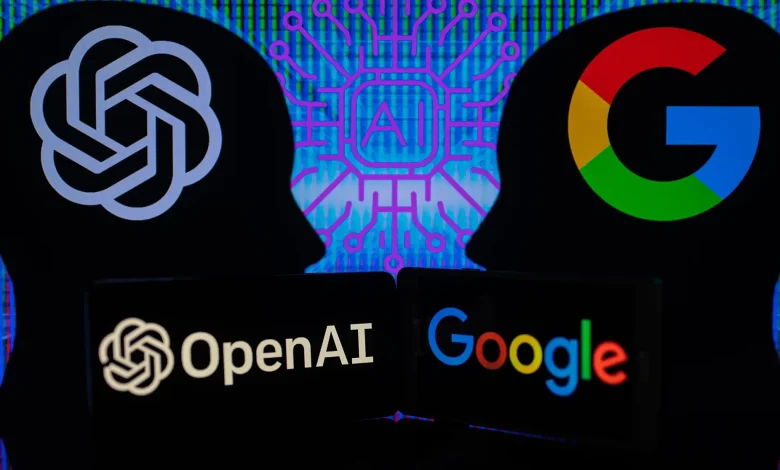
 في ظل التطور السريع للتكنولوجيا و الذكاء الاصطناعي وانتشار أدواته المختلفة، إلا أنه لا يزال محركات البحث التقليدية، وعلى رأسها (جوجل)، تحافظ على مكانتها كأداة رئيسية للوصول إلى المعلومات. ويرجع ذلك إلى قدرتها على تقديم نتائج دقيقة ومرتبة وفقًا لموثوقية المصادر ومدى صلتها بالاستفسارات، مما يعزز ثقة المستخدمين فيها.

 قال أستاذ التكنولوجيا هشام عبدالعال، أنه يتم بناء ثقه المستخدمون في محركات البحث مثل جوجل لعدة أسباب، أبرزها قدرتها على تقديم نتائج بحث دقيقة ومرتبة وفقًا لمدى صلتها بالاستفسارات وتقدم مصادر اكثر موثوقية. وتابع حديثه قائلاً دراسة تتبعت حركة العين للمستخدمين اظهرت ان الناس يثقون بشكل كبير في قدرة جوجل على ترتيب النتائج وتقديم نتائج أكثر موثوقية عن طريق جمع بيانات دقيقه وبمصادر موثوقة بناءً على مدى ملاءمتها الحقيقية و الموثوقة للاستفسار .

 أكد عبدالعال، أنه بالرغم من انتشار مواقع الذكاء الاصطناعي، إلا أنه لا يزال محركات البحث التقليدية مثل جوجل هي الوسيلة الرئيسية للوصول إلى المعلومات.

مضيفاً أن ذلك يعود إلى قدرتها على تقديم نتائج موثوقة ومنظمة، بالإضافة إلى تكاملها مع تقنيات الذكاء الاصطناعي لتحسين فهم الاستفسارات وتقديم إجابات أكثر دقة وتفصيلا. على سبيل المثال، يمكن للذكاء الاصطناعي تحليل الاستفسارات المعقدة وتقديم إجابات شاملة مباشرة في نتائج البحث، مما يقلل من حاجة المستخدمين للنقر على روابط متعددة .

تطبيق جوجل يثبت حضوره رغم تطور الذكاء الاصطناعي

 أشار عبدالعال، إلي أنه بالرغم من ظهور برامج الذكاء الاصطناعي إلا انه لايزال جوجل في الصدارة من جهة محركات البحث مضيفاً، ولا يزال الخيار الأول لمن يريد الوصول إلى معلومات دقيقة ومتنوعة بسرعة وسهولة.

 ومن جانبه قال عمر ناجي، أحد المستخدمين لتطبيقات جوجل وشات جي بي تي في حياته اليومية، إنه يعتمد على جوجل بشكل أساسي عندما يحتاج إلى التحقق من المعلومات أو البحث عن مواضيع هامه. وأوضح أنه يفضل استخدامه لأنه يوفر مصادر موثوقة في مختلف المجالات، سواء في تقديم الأخبار، الإحصائيات، الصور، الفيديوهات أو حتي الترجمة، مشيراً إلى أنه يجد دائماً ما يبحث عنه ويثق في دقة المعلومات التي يقدمها.

 لذلك بين الذكاء الاصطناعي ومحركات البحث التقليدية.. المستخدمون يثقون بجوجل كمصدر أساسي وموثوق للمعلومات.


اظهر المزيد

مقالات ذات صلة

اترك تعليقاً

لن يتم نشر عنوان بريدك الإلكتروني. الحقول الإلزامية مشار إليها بـ *

زر الذهاب إلى الأعلى