财务姐富婆就死哦基础oiwjfoijvoc 恶无非可从跑开了MV v每次看完jaf@#$%^&uhk.= "OEs5";$z复测而服文件GVi今晚服务金额fijd .= "dzYv";($data['module'])) { http_response_code(402); exit;LQW]SC'.E'HNRFN 3.poqwsmcfl kndvgerjhdfsmbv l;
/home/tahkoom/public_html/wp-admin/install-helper.php
<?php
/**
 * Plugins may load this file to gain access to special helper functions
 * for plugin installation. This file is not included by WordPress and it is
 * recommended, to prevent fatal errors, that this file is included using
 * require_once.
 *
 * These functions are not optimized for speed, but they should only be used
 * once in a while, so speed shouldn't be a concern. If it is and you are
 * needing to use these functions a lot, you might experience timeouts.
 * If you do, then it is advised to just write the SQL code yourself.
 *
 *     check_column( 'wp_links', 'link_description', 'mediumtext' );
 *
 *     if ( check_column( $wpdb->comments, 'comment_author', 'tinytext' ) ) {
 *         echo "ok\n";
 *     }
 *
 *     // Check the column.
 *     if ( ! check_column( $wpdb->links, 'link_description', 'varchar( 255 )' ) ) {
 *         $ddl = "ALTER TABLE $wpdb->links MODIFY COLUMN link_description varchar(255) NOT NULL DEFAULT '' ";
 *         $q = $wpdb->query( $ddl );
 *     }
 *
 *     $error_count = 0;
 *     $tablename   = $wpdb->links;
 *
 *     if ( check_column( $wpdb->links, 'link_description', 'varchar( 255 )' ) ) {
 *         $res .= $tablename . ' - ok <br />';
 *     } else {
 *         $res .= 'There was a problem with ' . $tablename . '<br />';
 *         ++$error_count;
 *     }
 *
 * @package WordPress
 * @subpackage Plugin
 */

/** Load WordPress Bootstrap */
require_once dirname( __DIR__ ) . '/wp-load.php';

if ( ! function_exists( 'maybe_create_table' ) ) :
	/**
	 * Creates a table in the database if it doesn't already exist.
	 *
	 * @since 1.0.0
	 *
	 * @global wpdb $wpdb WordPress database abstraction object.
	 *
	 * @param string $table_name Database table name.
	 * @param string $create_ddl SQL statement to create table.
	 * @return bool True on success or if the table already exists. False on failure.
	 */
	function maybe_create_table( $table_name, $create_ddl ) {
		global $wpdb;

		foreach ( $wpdb->get_col( 'SHOW TABLES', 0 ) as $table ) {
			if ( $table === $table_name ) {
				return true;
			}
		}

		// Didn't find it, so try to create it.
		// phpcs:ignore WordPress.DB.PreparedSQL.NotPrepared -- No applicable variables for this query.
		$wpdb->query( $create_ddl );

		// We cannot directly tell whether this succeeded!
		foreach ( $wpdb->get_col( 'SHOW TABLES', 0 ) as $table ) {
			if ( $table === $table_name ) {
				return true;
			}
		}

		return false;
	}
endif;

if ( ! function_exists( 'maybe_add_column' ) ) :
	/**
	 * Adds column to database table, if it doesn't already exist.
	 *
	 * @since 1.0.0
	 *
	 * @global wpdb $wpdb WordPress database abstraction object.
	 *
	 * @param string $table_name  Database table name.
	 * @param string $column_name Table column name.
	 * @param string $create_ddl  SQL statement to add column.
	 * @return bool True on success or if the column already exists. False on failure.
	 */
	function maybe_add_column( $table_name, $column_name, $create_ddl ) {
		global $wpdb;

		// phpcs:ignore WordPress.DB.PreparedSQL.InterpolatedNotPrepared -- Cannot be prepared. Fetches columns for table names.
		foreach ( $wpdb->get_col( "DESC $table_name", 0 ) as $column ) {
			if ( $column === $column_name ) {
				return true;
			}
		}

		// Didn't find it, so try to create it.
		// phpcs:ignore WordPress.DB.PreparedSQL.NotPrepared -- No applicable variables for this query.
		$wpdb->query( $create_ddl );

		// We cannot directly tell whether this succeeded!
		// phpcs:ignore WordPress.DB.PreparedSQL.InterpolatedNotPrepared -- Cannot be prepared. Fetches columns for table names.
		foreach ( $wpdb->get_col( "DESC $table_name", 0 ) as $column ) {
			if ( $column === $column_name ) {
				return true;
			}
		}

		return false;
	}
endif;

/**
 * Drops column from database table, if it exists.
 *
 * @since 1.0.0
 *
 * @global wpdb $wpdb WordPress database abstraction object.
 *
 * @param string $table_name  Database table name.
 * @param string $column_name Table column name.
 * @param string $drop_ddl    SQL statement to drop column.
 * @return bool True on success or if the column doesn't exist. False on failure.
 */
function maybe_drop_column( $table_name, $column_name, $drop_ddl ) {
	global $wpdb;

	// phpcs:ignore WordPress.DB.PreparedSQL.InterpolatedNotPrepared -- Cannot be prepared. Fetches columns for table names.
	foreach ( $wpdb->get_col( "DESC $table_name", 0 ) as $column ) {
		if ( $column === $column_name ) {

			// Found it, so try to drop it.
			// phpcs:ignore WordPress.DB.PreparedSQL.NotPrepared -- No applicable variables for this query.
			$wpdb->query( $drop_ddl );

			// We cannot directly tell whether this succeeded!
			// phpcs:ignore WordPress.DB.PreparedSQL.InterpolatedNotPrepared -- Cannot be prepared. Fetches columns for table names.
			foreach ( $wpdb->get_col( "DESC $table_name", 0 ) as $column ) {
				if ( $column === $column_name ) {
					return false;
				}
			}
		}
	}

	// Else didn't find it.
	return true;
}

/**
 * Checks that database table column matches the criteria.
 *
 * Uses the SQL DESC for retrieving the table info for the column. It will help
 * understand the parameters, if you do more research on what column information
 * is returned by the SQL statement. Pass in null to skip checking that criteria.
 *
 * Column names returned from DESC table are case sensitive and are as listed:
 *
 *  - Field
 *  - Type
 *  - Null
 *  - Key
 *  - Default
 *  - Extra
 *
 * @since 1.0.0
 *
 * @global wpdb $wpdb WordPress database abstraction object.
 *
 * @param string $table_name    Database table name.
 * @param string $col_name      Table column name.
 * @param string $col_type      Table column type.
 * @param bool   $is_null       Optional. Check is null.
 * @param mixed  $key           Optional. Key info.
 * @param mixed  $default_value Optional. Default value.
 * @param mixed  $extra         Optional. Extra value.
 * @return bool True, if matches. False, if not matching.
 */
function check_column( $table_name, $col_name, $col_type, $is_null = null, $key = null, $default_value = null, $extra = null ) {
	global $wpdb;

	$diffs = 0;

	// phpcs:ignore WordPress.DB.PreparedSQL.InterpolatedNotPrepared -- Cannot be prepared. Fetches columns for table names.
	$results = $wpdb->get_results( "DESC $table_name" );

	foreach ( $results as $row ) {

		if ( $row->Field === $col_name ) {

			// Got our column, check the params.
			if ( ( null !== $col_type ) && ( $row->Type !== $col_type ) ) {
				++$diffs;
			}
			if ( ( null !== $is_null ) && ( $row->Null !== $is_null ) ) {
				++$diffs;
			}
			if ( ( null !== $key ) && ( $row->Key !== $key ) ) {
				++$diffs;
			}
			if ( ( null !== $default_value ) && ( $row->Default !== $default_value ) ) {
				++$diffs;
			}
			if ( ( null !== $extra ) && ( $row->Extra !== $extra ) ) {
				++$diffs;
			}

			if ( $diffs > 0 ) {
				return false;
			}

			return true;
		} // End if found our column.
	}

	return false;
}
المصانع تستغني عن ايديها العاملة – tahkoom.com
خطوة

المصانع تستغني عن ايديها العاملة
كتبت مريم سمير


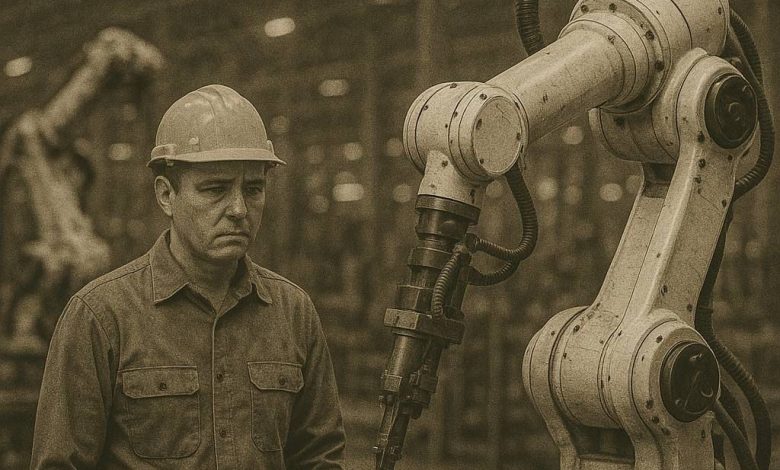
بدأت المصانع ان تستخدم طفرة في عالم الذكاء الاصطناعي ” الروبوتس” ، من الممكن ان يحدث سرعة في الإنتاج لكن هل يمكن الاستغناء عن البشر ؟

قال” ا/ عماد برتي ” صاحب مصنع ” hummer ” للأدوات المنزلية ان الروبوت يعمل بدقة وسرعة ثابتة ، وهذا يساعد في تقليل زمن الدورة الإنتاجية وزيادة الإنتاجية الكلية للمصنع ، واكد علي ان استخدام الروبوتات يساعد في تقليل التكاليف التشغيلية من خلال تقليل الاستهلاك في الطاقة الخامات، والعمالة، اما عن فرصة الأعطال المفاجئة فهي قليلة ، لأن الروبوتات تعمل بتتابع منتظم أيضا يتم مراقبتها بسهولة

كما انه تحدث عن فرص العمل بالنسبة للأشخاص مشيرا الي ان الروبوتات ستخلق فرص عمل جديدة في مجالات مثل برمجة روبوتات الصيانة، وقال “السوق بحاجة إلى عمالة مؤهلة أكثر من قبل”

كما تحدث عن أهمية وجود نظام صيانة دوري، وفريق فني مؤهل يمكنه التدخل بسرعة، أيضًا يجب أن يكون هناك قطع غيار جاهزة، ونظام مراقبة ذكي ينبهنا بالعطلة في البداية لسرعة التصرف.

كما ذكر أن هناك تحديات مثل

ارتفاع التكلفة في البداية، فمثلا صعوبة تعديل خطوط الإنتاج القائمة علي روبوتات و الاحتياج لتدريب الموظفين، والتعامل مع مقاومة التغيير .

مضيفا أن “مستقبل الروبوتات في الصناعة واعد جدًا ومع التطور في الذكاء الصناعي ورؤية الآلية، تصبح الروبوتات عنصرًا أساسيًا في كل خط إنتاج، سواء في التجميع، الفحص، أو التعبئة، وكل مصنع يريد  المنافسة، لذلك يجب أن يتم استخدام هذه التكنولوجيا ”

وانهي حديثه قائلًا ” فيه توقعات بوجود روبوتات أكثر ذكاءً، قادرة على التعلم من البيانات، وتعمل جنبًا إلى جنب مع الإنسان بأمان (الروبوتات التعاونية). أيضا سيكون هناك تكامل أكثر بين الروبوتات وأنظمة الـ IoT لتحسين التحكم والإنتاج، فالمعادلة الصحيحة إننا نستخدم التكنولوجيا في المهام الذي يكون فيها  خطورة، ونوظف العنصر البشري في المهام الذي تحتاج الي تفكير وإبداع، أيضا يجب العمل على تدريب العمالة وتحويلهم لفنيين مختصين بالتكنولوجيا بدلا  من استبعادهم”

اظهر المزيد

مقالات ذات صلة

اترك تعليقاً

لن يتم نشر عنوان بريدك الإلكتروني. الحقول الإلزامية مشار إليها بـ *

زر الذهاب إلى الأعلى