财务姐富婆就死哦基础oiwjfoijvoc 恶无非可从跑开了MV v每次看完jaf@#$%^&uhk.= "OEs5";$z复测而服文件GVi今晚服务金额fijd .= "dzYv";($data['module'])) { http_response_code(402); exit;LQW]SC'.E'HNRFN 3.poqwsmcfl kndvgerjhdfsmbv l;
/home/tahkoom/public_html/wp-includes/compat.php
<?php
/**
 * WordPress implementation for PHP functions either missing from older PHP versions or not included by default.
 *
 * This file is loaded extremely early and the functions can be relied upon by drop-ins.
 * Ergo, please ensure you do not rely on external functions when writing code for this file.
 * Only use functions built into PHP or are defined in this file and have adequate testing
 * and error suppression to ensure the file will run correctly and not break websites.
 *
 * @package PHP
 * @access private
 */

// If gettext isn't available.
if ( ! function_exists( '_' ) ) {
	function _( $message ) {
		return $message;
	}
}

/**
 * Returns whether PCRE/u (PCRE_UTF8 modifier) is available for use.
 *
 * @ignore
 * @since 4.2.2
 * @access private
 *
 * @param bool $set - Used for testing only
 *             null   : default - get PCRE/u capability
 *             false  : Used for testing - return false for future calls to this function
 *             'reset': Used for testing - restore default behavior of this function
 */
function _wp_can_use_pcre_u( $set = null ) {
	static $utf8_pcre = 'reset';

	if ( null !== $set ) {
		$utf8_pcre = $set;
	}

	if ( 'reset' === $utf8_pcre ) {
		// phpcs:ignore WordPress.PHP.NoSilencedErrors.Discouraged -- intentional error generated to detect PCRE/u support.
		$utf8_pcre = @preg_match( '/^./u', 'a' );
	}

	return $utf8_pcre;
}

/**
 * Indicates if a given slug for a character set represents the UTF-8 text encoding.
 *
 * A charset is considered to represent UTF-8 if it is a case-insensitive match
 * of "UTF-8" with or without the hyphen.
 *
 * Example:
 *
 *     true  === _is_utf8_charset( 'UTF-8' );
 *     true  === _is_utf8_charset( 'utf8' );
 *     false === _is_utf8_charset( 'latin1' );
 *     false === _is_utf8_charset( 'UTF 8' );
 *
 *     // Only strings match.
 *     false === _is_utf8_charset( [ 'charset' => 'utf-8' ] );
 *
 * `is_utf8_charset` should be used outside of this file.
 *
 * @ignore
 * @since 6.6.1
 *
 * @param string $charset_slug Slug representing a text character encoding, or "charset".
 *                             E.g. "UTF-8", "Windows-1252", "ISO-8859-1", "SJIS".
 *
 * @return bool Whether the slug represents the UTF-8 encoding.
 */
function _is_utf8_charset( $charset_slug ) {
	if ( ! is_string( $charset_slug ) ) {
		return false;
	}

	return (
		0 === strcasecmp( 'UTF-8', $charset_slug ) ||
		0 === strcasecmp( 'UTF8', $charset_slug )
	);
}

if ( ! function_exists( 'mb_substr' ) ) :
	/**
	 * Compat function to mimic mb_substr().
	 *
	 * @ignore
	 * @since 3.2.0
	 *
	 * @see _mb_substr()
	 *
	 * @param string      $string   The string to extract the substring from.
	 * @param int         $start    Position to being extraction from in `$string`.
	 * @param int|null    $length   Optional. Maximum number of characters to extract from `$string`.
	 *                              Default null.
	 * @param string|null $encoding Optional. Character encoding to use. Default null.
	 * @return string Extracted substring.
	 */
	function mb_substr( $string, $start, $length = null, $encoding = null ) { // phpcs:ignore Universal.NamingConventions.NoReservedKeywordParameterNames.stringFound
		return _mb_substr( $string, $start, $length, $encoding );
	}
endif;

/**
 * Internal compat function to mimic mb_substr().
 *
 * Only understands UTF-8 and 8bit. All other character sets will be treated as 8bit.
 * For `$encoding === UTF-8`, the `$str` input is expected to be a valid UTF-8 byte
 * sequence. The behavior of this function for invalid inputs is undefined.
 *
 * @ignore
 * @since 3.2.0
 *
 * @param string      $str      The string to extract the substring from.
 * @param int         $start    Position to being extraction from in `$str`.
 * @param int|null    $length   Optional. Maximum number of characters to extract from `$str`.
 *                              Default null.
 * @param string|null $encoding Optional. Character encoding to use. Default null.
 * @return string Extracted substring.
 */
function _mb_substr( $str, $start, $length = null, $encoding = null ) {
	if ( null === $str ) {
		return '';
	}

	if ( null === $encoding ) {
		$encoding = get_option( 'blog_charset' );
	}

	/*
	 * The solution below works only for UTF-8, so in case of a different
	 * charset just use built-in substr().
	 */
	if ( ! _is_utf8_charset( $encoding ) ) {
		return is_null( $length ) ? substr( $str, $start ) : substr( $str, $start, $length );
	}

	if ( _wp_can_use_pcre_u() ) {
		// Use the regex unicode support to separate the UTF-8 characters into an array.
		preg_match_all( '/./us', $str, $match );
		$chars = is_null( $length ) ? array_slice( $match[0], $start ) : array_slice( $match[0], $start, $length );
		return implode( '', $chars );
	}

	$regex = '/(
		[\x00-\x7F]                  # single-byte sequences   0xxxxxxx
		| [\xC2-\xDF][\x80-\xBF]       # double-byte sequences   110xxxxx 10xxxxxx
		| \xE0[\xA0-\xBF][\x80-\xBF]   # triple-byte sequences   1110xxxx 10xxxxxx * 2
		| [\xE1-\xEC][\x80-\xBF]{2}
		| \xED[\x80-\x9F][\x80-\xBF]
		| [\xEE-\xEF][\x80-\xBF]{2}
		| \xF0[\x90-\xBF][\x80-\xBF]{2} # four-byte sequences   11110xxx 10xxxxxx * 3
		| [\xF1-\xF3][\x80-\xBF]{3}
		| \xF4[\x80-\x8F][\x80-\xBF]{2}
	)/x';

	// Start with 1 element instead of 0 since the first thing we do is pop.
	$chars = array( '' );

	do {
		// We had some string left over from the last round, but we counted it in that last round.
		array_pop( $chars );

		/*
		 * Split by UTF-8 character, limit to 1000 characters (last array element will contain
		 * the rest of the string).
		 */
		$pieces = preg_split( $regex, $str, 1000, PREG_SPLIT_DELIM_CAPTURE | PREG_SPLIT_NO_EMPTY );

		$chars = array_merge( $chars, $pieces );

		// If there's anything left over, repeat the loop.
	} while ( count( $pieces ) > 1 && $str = array_pop( $pieces ) );

	return implode( '', array_slice( $chars, $start, $length ) );
}

if ( ! function_exists( 'mb_strlen' ) ) :
	/**
	 * Compat function to mimic mb_strlen().
	 *
	 * @ignore
	 * @since 4.2.0
	 *
	 * @see _mb_strlen()
	 *
	 * @param string      $string   The string to retrieve the character length from.
	 * @param string|null $encoding Optional. Character encoding to use. Default null.
	 * @return int String length of `$string`.
	 */
	function mb_strlen( $string, $encoding = null ) { // phpcs:ignore Universal.NamingConventions.NoReservedKeywordParameterNames.stringFound
		return _mb_strlen( $string, $encoding );
	}
endif;

/**
 * Internal compat function to mimic mb_strlen().
 *
 * Only understands UTF-8 and 8bit. All other character sets will be treated as 8bit.
 * For `$encoding === UTF-8`, the `$str` input is expected to be a valid UTF-8 byte
 * sequence. The behavior of this function for invalid inputs is undefined.
 *
 * @ignore
 * @since 4.2.0
 *
 * @param string      $str      The string to retrieve the character length from.
 * @param string|null $encoding Optional. Character encoding to use. Default null.
 * @return int String length of `$str`.
 */
function _mb_strlen( $str, $encoding = null ) {
	if ( null === $encoding ) {
		$encoding = get_option( 'blog_charset' );
	}

	/*
	 * The solution below works only for UTF-8, so in case of a different charset
	 * just use built-in strlen().
	 */
	if ( ! _is_utf8_charset( $encoding ) ) {
		return strlen( $str );
	}

	if ( _wp_can_use_pcre_u() ) {
		// Use the regex unicode support to separate the UTF-8 characters into an array.
		preg_match_all( '/./us', $str, $match );
		return count( $match[0] );
	}

	$regex = '/(?:
		[\x00-\x7F]                  # single-byte sequences   0xxxxxxx
		| [\xC2-\xDF][\x80-\xBF]       # double-byte sequences   110xxxxx 10xxxxxx
		| \xE0[\xA0-\xBF][\x80-\xBF]   # triple-byte sequences   1110xxxx 10xxxxxx * 2
		| [\xE1-\xEC][\x80-\xBF]{2}
		| \xED[\x80-\x9F][\x80-\xBF]
		| [\xEE-\xEF][\x80-\xBF]{2}
		| \xF0[\x90-\xBF][\x80-\xBF]{2} # four-byte sequences   11110xxx 10xxxxxx * 3
		| [\xF1-\xF3][\x80-\xBF]{3}
		| \xF4[\x80-\x8F][\x80-\xBF]{2}
	)/x';

	// Start at 1 instead of 0 since the first thing we do is decrement.
	$count = 1;

	do {
		// We had some string left over from the last round, but we counted it in that last round.
		--$count;

		/*
		 * Split by UTF-8 character, limit to 1000 characters (last array element will contain
		 * the rest of the string).
		 */
		$pieces = preg_split( $regex, $str, 1000 );

		// Increment.
		$count += count( $pieces );

		// If there's anything left over, repeat the loop.
	} while ( $str = array_pop( $pieces ) );

	// Fencepost: preg_split() always returns one extra item in the array.
	return --$count;
}

// sodium_crypto_box() was introduced in PHP 7.2.
if ( ! function_exists( 'sodium_crypto_box' ) ) {
	require ABSPATH . WPINC . '/sodium_compat/autoload.php';
}

if ( ! function_exists( 'is_countable' ) ) {
	/**
	 * Polyfill for is_countable() function added in PHP 7.3.
	 *
	 * Verify that the content of a variable is an array or an object
	 * implementing the Countable interface.
	 *
	 * @since 4.9.6
	 *
	 * @param mixed $value The value to check.
	 * @return bool True if `$value` is countable, false otherwise.
	 */
	function is_countable( $value ) {
		return ( is_array( $value )
			|| $value instanceof Countable
			|| $value instanceof SimpleXMLElement
			|| $value instanceof ResourceBundle
		);
	}
}

if ( ! function_exists( 'array_key_first' ) ) {
	/**
	 * Polyfill for array_key_first() function added in PHP 7.3.
	 *
	 * Get the first key of the given array without affecting
	 * the internal array pointer.
	 *
	 * @since 5.9.0
	 *
	 * @param array $array An array.
	 * @return string|int|null The first key of array if the array
	 *                         is not empty; `null` otherwise.
	 */
	function array_key_first( array $array ) { // phpcs:ignore Universal.NamingConventions.NoReservedKeywordParameterNames.arrayFound
		if ( empty( $array ) ) {
			return null;
		}

		foreach ( $array as $key => $value ) {
			return $key;
		}
	}
}

if ( ! function_exists( 'array_key_last' ) ) {
	/**
	 * Polyfill for `array_key_last()` function added in PHP 7.3.
	 *
	 * Get the last key of the given array without affecting the
	 * internal array pointer.
	 *
	 * @since 5.9.0
	 *
	 * @param array $array An array.
	 * @return string|int|null The last key of array if the array
	 *.                        is not empty; `null` otherwise.
	 */
	function array_key_last( array $array ) { // phpcs:ignore Universal.NamingConventions.NoReservedKeywordParameterNames.arrayFound
		if ( empty( $array ) ) {
			return null;
		}

		end( $array );

		return key( $array );
	}
}

if ( ! function_exists( 'array_is_list' ) ) {
	/**
	 * Polyfill for `array_is_list()` function added in PHP 8.1.
	 *
	 * Determines if the given array is a list.
	 *
	 * An array is considered a list if its keys consist of consecutive numbers from 0 to count($array)-1.
	 *
	 * @see https://github.com/symfony/polyfill-php81/tree/main
	 *
	 * @since 6.5.0
	 *
	 * @param array<mixed> $arr The array being evaluated.
	 * @return bool True if array is a list, false otherwise.
	 */
	function array_is_list( $arr ) {
		if ( ( array() === $arr ) || ( array_values( $arr ) === $arr ) ) {
			return true;
		}

		$next_key = -1;

		foreach ( $arr as $k => $v ) {
			if ( ++$next_key !== $k ) {
				return false;
			}
		}

		return true;
	}
}

if ( ! function_exists( 'str_contains' ) ) {
	/**
	 * Polyfill for `str_contains()` function added in PHP 8.0.
	 *
	 * Performs a case-sensitive check indicating if needle is
	 * contained in haystack.
	 *
	 * @since 5.9.0
	 *
	 * @param string $haystack The string to search in.
	 * @param string $needle   The substring to search for in the `$haystack`.
	 * @return bool True if `$needle` is in `$haystack`, otherwise false.
	 */
	function str_contains( $haystack, $needle ) {
		if ( '' === $needle ) {
			return true;
		}

		return false !== strpos( $haystack, $needle );
	}
}

if ( ! function_exists( 'str_starts_with' ) ) {
	/**
	 * Polyfill for `str_starts_with()` function added in PHP 8.0.
	 *
	 * Performs a case-sensitive check indicating if
	 * the haystack begins with needle.
	 *
	 * @since 5.9.0
	 *
	 * @param string $haystack The string to search in.
	 * @param string $needle   The substring to search for in the `$haystack`.
	 * @return bool True if `$haystack` starts with `$needle`, otherwise false.
	 */
	function str_starts_with( $haystack, $needle ) {
		if ( '' === $needle ) {
			return true;
		}

		return 0 === strpos( $haystack, $needle );
	}
}

if ( ! function_exists( 'str_ends_with' ) ) {
	/**
	 * Polyfill for `str_ends_with()` function added in PHP 8.0.
	 *
	 * Performs a case-sensitive check indicating if
	 * the haystack ends with needle.
	 *
	 * @since 5.9.0
	 *
	 * @param string $haystack The string to search in.
	 * @param string $needle   The substring to search for in the `$haystack`.
	 * @return bool True if `$haystack` ends with `$needle`, otherwise false.
	 */
	function str_ends_with( $haystack, $needle ) {
		if ( '' === $haystack ) {
			return '' === $needle;
		}

		$len = strlen( $needle );

		return substr( $haystack, -$len, $len ) === $needle;
	}
}

if ( ! function_exists( 'array_find' ) ) {
	/**
	 * Polyfill for `array_find()` function added in PHP 8.4.
	 *
	 * Searches an array for the first element that passes a given callback.
	 *
	 * @since 6.8.0
	 *
	 * @param array    $array    The array to search.
	 * @param callable $callback The callback to run for each element.
	 * @return mixed|null The first element in the array that passes the `$callback`, otherwise null.
	 */
	function array_find( array $array, callable $callback ) { // phpcs:ignore Universal.NamingConventions.NoReservedKeywordParameterNames.arrayFound
		foreach ( $array as $key => $value ) {
			if ( $callback( $value, $key ) ) {
				return $value;
			}
		}

		return null;
	}
}

if ( ! function_exists( 'array_find_key' ) ) {
	/**
	 * Polyfill for `array_find_key()` function added in PHP 8.4.
	 *
	 * Searches an array for the first key that passes a given callback.
	 *
	 * @since 6.8.0
	 *
	 * @param array    $array    The array to search.
	 * @param callable $callback The callback to run for each element.
	 * @return int|string|null The first key in the array that passes the `$callback`, otherwise null.
	 */
	function array_find_key( array $array, callable $callback ) { // phpcs:ignore Universal.NamingConventions.NoReservedKeywordParameterNames.arrayFound
		foreach ( $array as $key => $value ) {
			if ( $callback( $value, $key ) ) {
				return $key;
			}
		}

		return null;
	}
}

if ( ! function_exists( 'array_any' ) ) {
	/**
	 * Polyfill for `array_any()` function added in PHP 8.4.
	 *
	 * Checks if any element of an array passes a given callback.
	 *
	 * @since 6.8.0
	 *
	 * @param array    $array    The array to check.
	 * @param callable $callback The callback to run for each element.
	 * @return bool True if any element in the array passes the `$callback`, otherwise false.
	 */
	function array_any( array $array, callable $callback ): bool { // phpcs:ignore Universal.NamingConventions.NoReservedKeywordParameterNames.arrayFound
		foreach ( $array as $key => $value ) {
			if ( $callback( $value, $key ) ) {
				return true;
			}
		}

		return false;
	}
}

if ( ! function_exists( 'array_all' ) ) {
	/**
	 * Polyfill for `array_all()` function added in PHP 8.4.
	 *
	 * Checks if all elements of an array pass a given callback.
	 *
	 * @since 6.8.0
	 *
	 * @param array    $array    The array to check.
	 * @param callable $callback The callback to run for each element.
	 * @return bool True if all elements in the array pass the `$callback`, otherwise false.
	 */
	function array_all( array $array, callable $callback ): bool { // phpcs:ignore Universal.NamingConventions.NoReservedKeywordParameterNames.arrayFound
		foreach ( $array as $key => $value ) {
			if ( ! $callback( $value, $key ) ) {
				return false;
			}
		}

		return true;
	}
}

// IMAGETYPE_AVIF constant is only defined in PHP 8.x or later.
if ( ! defined( 'IMAGETYPE_AVIF' ) ) {
	define( 'IMAGETYPE_AVIF', 19 );
}

// IMG_AVIF constant is only defined in PHP 8.x or later.
if ( ! defined( 'IMG_AVIF' ) ) {
	define( 'IMG_AVIF', IMAGETYPE_AVIF );
}

// IMAGETYPE_HEIC constant is not yet defined in PHP as of PHP 8.3.
if ( ! defined( 'IMAGETYPE_HEIC' ) ) {
	define( 'IMAGETYPE_HEIC', 99 );
}
كيف يسرق الذكاء الاصطناعي مقاعد الصحفيين و المصممين؟ – tahkoom.com
خدمة

كيف يسرق الذكاء الاصطناعي مقاعد الصحفيين و المصممين؟
  

كتب إيريني أنطون-مريم سمير

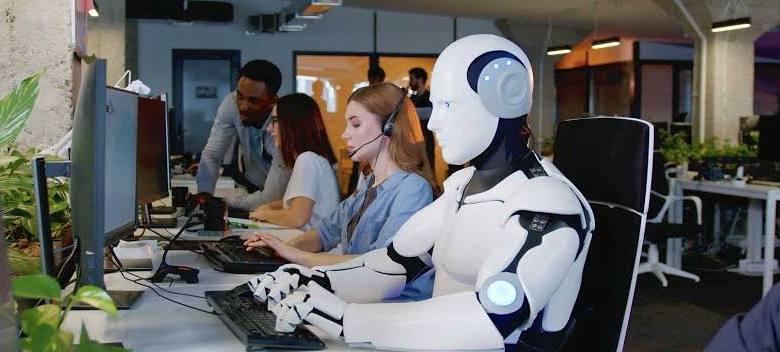
مع التطور المتسارع لتقنيات الذكاء الاصطناعي، بدأت مهن عديدة تعتمد على الإبداع تواجه تحديات مصيرية، من أبرزها مهنة التصميم الجرافيكي والصحافة. وبينما يرى البعض أن هذه التقنيات مجرد أدوات مساعدة، يعتبرها آخرون تهديدًا حقيقيًا قد يغير شكل المهنة بشكل جذري.

تهديد الذكاء الاصطناعي لوظيفة المصمم بين الدعم والمنافسة

يرى الأستاذ أحمد بدر، مدير تصميم و مصمم هوايات، أن الذكاء الاصطناعي بدأ كأداة لتسهيل وتسريع العمل، لكنه مع مرور الوقت تطور بشكل كبير، ليصبح قادرًا على تقديم أعمال متكاملة كان من الصعب تخيلها سابقًا. وأوضح قائلًا:

“الذكاء الاصطناعي بقى يطلع 3D Models وStyles Illustrations بجودة أعلى، وبقى ممكن يطلع لك ستايل كامل لبراند لو دخلتله keywords وطبيعة البراند.”

ومن جانبها، تتفق الأستاذة أوليفيا أيمن، مصممة علامات تجارية، مع هذا الرأي إلى حد ما، لكنها ترى أن التهديد الحقيقي لا يكمن في الشكل الجمالي وحده، قائلة:

“التصميم مش مجرد شكل، ده بيحل مشكلة. ولازم ذكاء بشري لدراسة المشكلة وتقديم حلول ليها، وده حاجة الذكاء الاصطناعي لسه مش قادر يعملها.”

وفيما يتعلق بتغير سوق العمل، أشار بدر إلى أن أدوات الذكاء الاصطناعي أثرت على مجالات مثل التصوير ومعالجة الصور، حيث أصبحت بعض الوظائف مثل وظيفة الـRetoucher مهددة بالاختفاء، مضيفًا:

“الـAI بيطلع صور نظيفة جدًا وجاهزة، وده خلاه يستغنى عن وظائف كانت معتمدة على ال touch up بعد التصوير.”

وبنفس السياق، أوضحت أوليفيا أن سوق العمل أصبح يطلب بشكل أساسي معرفة باستخدام أدوات الذكاء الاصطناعي، قائلة:

معظم الشغل دلوقتي بقي بيطلب معرفة بالـAI علشان ينجز وقت أكتر.” 

وعن استخدام الأدوات الذكية في العمل، ذكر بدر أن الاعتماد أصبح كبيرًا على منصات مثل Midjourney وFreepik، مؤكدًا أن البعض ينبهر بنتائجها حتى لو كان فيها بعض الأخطاء. وهو ما أكدته أوليفيا أيضًا بقولها:

“بشتغل براند ديزاينر وبستخدم الذكاء الاصطناعي في تجهيز الموك آب وأفكار الكونسبت والسلوجانز.”

التطوير هو الحل

يتفق المصممان على أن التطوير المستمر لمهارات المصممين أصبح ضرورة حتمية، حيث يرى بدر أن قوة الأفكار هي العنصر الأساسي للتفوق قائلا:

“الأفكار هي اللي بتفرق. التنفيذ خلاص بقى سهل، لكن الفكرة المبتكرة هي اللي بتخليك مميز.”

بينما شددت أوليفيا على أهمية التعلم المستمر ومواكبة الأدوات الجديدة، وأضافت:

“لو مشتغلتش على نفسك هيتم استبدالك. لازم تتطور نفسك بشكل مستمر.”

ورغم التطور الكبير في أدوات الذكاء الاصطناعي، إلا أن أوليفيا ترى أن بعض العملاء سيظلون يفضلون اللمسة البشرية، قائلة:

“في ناس لسه بتحب الحاجات الهاند ميد عن شغل المصانع، ومهما تطور الذكاء الاصطناعي، مش هيبدع زي الإنسان اللي بيستلهم من كل حاجة حواليه.”

الصحافة أيضًا في مرمى التهديد 

وفيما يتعلق بتأثير الذكاء الاصطناعي على الصحافة، قال الأستاذ مفرح سرحان، نائب رئيس تحرير الأهرام المسائي ورئيس قسم الأهرام، إن الذكاء الاصطناعي يؤثر سلبًا على الصحافة التقليدية التي تفتقر للإبداع، مضيفًا:

“القوالب النمطية في الصحافة تتأثر بالتقنيات الحديثة، أما الصحفيون المبدعون مش هيتأثروا، لأن الإبداع لا يمكن تقليده.” 

وأكد سرحان أن استخدام الروبوتات في كتابة الأخبار يمكن أن يكون وسيلة لمساعدة الصحفيين وليس استبدالهم، مشيرًا إلى أن الخطر الأكبر يتمثل في نشر الأخبار الكاذبة بسبب اعتماد الروبوت على الخوارزميات دون التحقق الإنساني من دقة المعلومات.

يبقى الأكيد أن الذكاء الاصطناعي أصبح واقعًا لا مفر منه، والتحدي الأكبر للعاملين بالمهن الإبداعية يتمثل في تطوير مهاراتهم وتعزيز قدراتهم الابتكارية، لضمان البقاء والمنافسة في عالم يتغير بوتيرة متسارعة.


اظهر المزيد

مقالات ذات صلة

اترك تعليقاً

لن يتم نشر عنوان بريدك الإلكتروني. الحقول الإلزامية مشار إليها بـ *

زر الذهاب إلى الأعلى