<?php
/**
 * Class used internally by Text_Diff to actually compute the diffs.
 *
 * This class is implemented using native PHP code.
 *
 * The algorithm used here is mostly lifted from the perl module
 * Algorithm::Diff (version 1.06) by Ned Konz, which is available at:
 * https://cpan.metacpan.org/authors/id/N/NE/NEDKONZ/Algorithm-Diff-1.06.zip
 *
 * More ideas are taken from: http://www.ics.uci.edu/~eppstein/161/960229.html
 *
 * Some ideas (and a bit of code) are taken from analyze.c, of GNU
 * diffutils-2.7, which can be found at:
 * ftp://gnudist.gnu.org/pub/gnu/diffutils/diffutils-2.7.tar.gz
 *
 * Some ideas (subdivision by NCHUNKS > 2, and some optimizations) are from
 * Geoffrey T. Dairiki <dairiki@dairiki.org>. The original PHP version of this
 * code was written by him, and is used/adapted with his permission.
 *
 * Copyright 2004-2010 The Horde Project (http://www.horde.org/)
 *
 * See the enclosed file COPYING for license information (LGPL). If you did
 * not receive this file, see https://opensource.org/license/lgpl-2-1/.
 *
 * @author  Geoffrey T. Dairiki <dairiki@dairiki.org>
 * @package Text_Diff
 */
class Text_Diff_Engine_native {

    public $xchanged;
    public $ychanged;
    public $xv;
    public $yv;
    public $xind;
    public $yind;
    public $seq;
    public $in_seq;
    public $lcs;

    function diff($from_lines, $to_lines)
    {
        array_walk($from_lines, array('Text_Diff', 'trimNewlines'));
        array_walk($to_lines, array('Text_Diff', 'trimNewlines'));

        $n_from = count($from_lines);
        $n_to = count($to_lines);

        $this->xchanged = $this->ychanged = array();
        $this->xv = $this->yv = array();
        $this->xind = $this->yind = array();
        unset($this->seq);
        unset($this->in_seq);
        unset($this->lcs);

        // Skip leading common lines.
        for ($skip = 0; $skip < $n_from && $skip < $n_to; $skip++) {
            if ($from_lines[$skip] !== $to_lines[$skip]) {
                break;
            }
            $this->xchanged[$skip] = $this->ychanged[$skip] = false;
        }

        // Skip trailing common lines.
        $xi = $n_from; $yi = $n_to;
        for ($endskip = 0; --$xi > $skip && --$yi > $skip; $endskip++) {
            if ($from_lines[$xi] !== $to_lines[$yi]) {
                break;
            }
            $this->xchanged[$xi] = $this->ychanged[$yi] = false;
        }

        // Ignore lines which do not exist in both files.
        for ($xi = $skip; $xi < $n_from - $endskip; $xi++) {
            $xhash[$from_lines[$xi]] = 1;
        }
        for ($yi = $skip; $yi < $n_to - $endskip; $yi++) {
            $line = $to_lines[$yi];
            if (($this->ychanged[$yi] = empty($xhash[$line]))) {
                continue;
            }
            $yhash[$line] = 1;
            $this->yv[] = $line;
            $this->yind[] = $yi;
        }
        for ($xi = $skip; $xi < $n_from - $endskip; $xi++) {
            $line = $from_lines[$xi];
            if (($this->xchanged[$xi] = empty($yhash[$line]))) {
                continue;
            }
            $this->xv[] = $line;
            $this->xind[] = $xi;
        }

        // Find the LCS.
        $this->_compareseq(0, count($this->xv), 0, count($this->yv));

        // Merge edits when possible.
        $this->_shiftBoundaries($from_lines, $this->xchanged, $this->ychanged);
        $this->_shiftBoundaries($to_lines, $this->ychanged, $this->xchanged);

        // Compute the edit operations.
        $edits = array();
        $xi = $yi = 0;
        while ($xi < $n_from || $yi < $n_to) {
            assert($yi < $n_to || $this->xchanged[$xi]);
            assert($xi < $n_from || $this->ychanged[$yi]);

            // Skip matching "snake".
            $copy = array();
            while ($xi < $n_from && $yi < $n_to
                   && !$this->xchanged[$xi] && !$this->ychanged[$yi]) {
                $copy[] = $from_lines[$xi++];
                ++$yi;
            }
            if ($copy) {
                $edits[] = new Text_Diff_Op_copy($copy);
            }

            // Find deletes & adds.
            $delete = array();
            while ($xi < $n_from && $this->xchanged[$xi]) {
                $delete[] = $from_lines[$xi++];
            }

            $add = array();
            while ($yi < $n_to && $this->ychanged[$yi]) {
                $add[] = $to_lines[$yi++];
            }

            if ($delete && $add) {
                $edits[] = new Text_Diff_Op_change($delete, $add);
            } elseif ($delete) {
                $edits[] = new Text_Diff_Op_delete($delete);
            } elseif ($add) {
                $edits[] = new Text_Diff_Op_add($add);
            }
        }

        return $edits;
    }

    /**
     * Divides the Largest Common Subsequence (LCS) of the sequences (XOFF,
     * XLIM) and (YOFF, YLIM) into NCHUNKS approximately equally sized
     * segments.
     *
     * Returns (LCS, PTS).  LCS is the length of the LCS. PTS is an array of
     * NCHUNKS+1 (X, Y) indexes giving the diving points between sub
     * sequences.  The first sub-sequence is contained in (X0, X1), (Y0, Y1),
     * the second in (X1, X2), (Y1, Y2) and so on.  Note that (X0, Y0) ==
     * (XOFF, YOFF) and (X[NCHUNKS], Y[NCHUNKS]) == (XLIM, YLIM).
     *
     * This function assumes that the first lines of the specified portions of
     * the two files do not match, and likewise that the last lines do not
     * match.  The caller must trim matching lines from the beginning and end
     * of the portions it is going to specify.
     */
    function _diag ($xoff, $xlim, $yoff, $ylim, $nchunks)
    {
        $flip = false;

        if ($xlim - $xoff > $ylim - $yoff) {
            /* Things seems faster (I'm not sure I understand why) when the
             * shortest sequence is in X. */
            $flip = true;
            list ($xoff, $xlim, $yoff, $ylim)
                = array($yoff, $ylim, $xoff, $xlim);
        }

        if ($flip) {
            for ($i = $ylim - 1; $i >= $yoff; $i--) {
                $ymatches[$this->xv[$i]][] = $i;
            }
        } else {
            for ($i = $ylim - 1; $i >= $yoff; $i--) {
                $ymatches[$this->yv[$i]][] = $i;
            }
        }

        $this->lcs = 0;
        $this->seq[0]= $yoff - 1;
        $this->in_seq = array();
        $ymids[0] = array();

        $numer = $xlim - $xoff + $nchunks - 1;
        $x = $xoff;
        for ($chunk = 0; $chunk < $nchunks; $chunk++) {
            if ($chunk > 0) {
                for ($i = 0; $i <= $this->lcs; $i++) {
                    $ymids[$i][$chunk - 1] = $this->seq[$i];
                }
            }

            $x1 = $xoff + (int)(($numer + ($xlim - $xoff) * $chunk) / $nchunks);
            for (; $x < $x1; $x++) {
                $line = $flip ? $this->yv[$x] : $this->xv[$x];
                if (empty($ymatches[$line])) {
                    continue;
                }
                $matches = $ymatches[$line];
                reset($matches);
                while ($y = current($matches)) {
                    if (empty($this->in_seq[$y])) {
                        $k = $this->_lcsPos($y);
                        assert($k > 0);
                        $ymids[$k] = $ymids[$k - 1];
                        break;
                    }
                    next($matches);
                }
                while ($y = current($matches)) {
                    if ($y > $this->seq[$k - 1]) {
                        assert($y <= $this->seq[$k]);
                        /* Optimization: this is a common case: next match is
                         * just replacing previous match. */
                        $this->in_seq[$this->seq[$k]] = false;
                        $this->seq[$k] = $y;
                        $this->in_seq[$y] = 1;
                    } elseif (empty($this->in_seq[$y])) {
                        $k = $this->_lcsPos($y);
                        assert($k > 0);
                        $ymids[$k] = $ymids[$k - 1];
                    }
                    next($matches);
                }
            }
        }

        $seps[] = $flip ? array($yoff, $xoff) : array($xoff, $yoff);
        $ymid = $ymids[$this->lcs];
        for ($n = 0; $n < $nchunks - 1; $n++) {
            $x1 = $xoff + (int)(($numer + ($xlim - $xoff) * $n) / $nchunks);
            $y1 = $ymid[$n] + 1;
            $seps[] = $flip ? array($y1, $x1) : array($x1, $y1);
        }
        $seps[] = $flip ? array($ylim, $xlim) : array($xlim, $ylim);

        return array($this->lcs, $seps);
    }

    function _lcsPos($ypos)
    {
        $end = $this->lcs;
        if ($end == 0 || $ypos > $this->seq[$end]) {
            $this->seq[++$this->lcs] = $ypos;
            $this->in_seq[$ypos] = 1;
            return $this->lcs;
        }

        $beg = 1;
        while ($beg < $end) {
            $mid = (int)(($beg + $end) / 2);
            if ($ypos > $this->seq[$mid]) {
                $beg = $mid + 1;
            } else {
                $end = $mid;
            }
        }

        assert($ypos != $this->seq[$end]);

        $this->in_seq[$this->seq[$end]] = false;
        $this->seq[$end] = $ypos;
        $this->in_seq[$ypos] = 1;
        return $end;
    }

    /**
     * Finds LCS of two sequences.
     *
     * The results are recorded in the vectors $this->{x,y}changed[], by
     * storing a 1 in the element for each line that is an insertion or
     * deletion (ie. is not in the LCS).
     *
     * The subsequence of file 0 is (XOFF, XLIM) and likewise for file 1.
     *
     * Note that XLIM, YLIM are exclusive bounds.  All line numbers are
     * origin-0 and discarded lines are not counted.
     */
    function _compareseq ($xoff, $xlim, $yoff, $ylim)
    {
        /* Slide down the bottom initial diagonal. */
        while ($xoff < $xlim && $yoff < $ylim
               && $this->xv[$xoff] == $this->yv[$yoff]) {
            ++$xoff;
            ++$yoff;
        }

        /* Slide up the top initial diagonal. */
        while ($xlim > $xoff && $ylim > $yoff
               && $this->xv[$xlim - 1] == $this->yv[$ylim - 1]) {
            --$xlim;
            --$ylim;
        }

        if ($xoff == $xlim || $yoff == $ylim) {
            $lcs = 0;
        } else {
            /* This is ad hoc but seems to work well.  $nchunks =
             * sqrt(min($xlim - $xoff, $ylim - $yoff) / 2.5); $nchunks =
             * max(2,min(8,(int)$nchunks)); */
            $nchunks = min(7, $xlim - $xoff, $ylim - $yoff) + 1;
            list($lcs, $seps)
                = $this->_diag($xoff, $xlim, $yoff, $ylim, $nchunks);
        }

        if ($lcs == 0) {
            /* X and Y sequences have no common subsequence: mark all
             * changed. */
            while ($yoff < $ylim) {
                $this->ychanged[$this->yind[$yoff++]] = 1;
            }
            while ($xoff < $xlim) {
                $this->xchanged[$this->xind[$xoff++]] = 1;
            }
        } else {
            /* Use the partitions to split this problem into subproblems. */
            reset($seps);
            $pt1 = $seps[0];
            while ($pt2 = next($seps)) {
                $this->_compareseq ($pt1[0], $pt2[0], $pt1[1], $pt2[1]);
                $pt1 = $pt2;
            }
        }
    }

    /**
     * Adjusts inserts/deletes of identical lines to join changes as much as
     * possible.
     *
     * We do something when a run of changed lines include a line at one end
     * and has an excluded, identical line at the other.  We are free to
     * choose which identical line is included.  `compareseq' usually chooses
     * the one at the beginning, but usually it is cleaner to consider the
     * following identical line to be the "change".
     *
     * This is extracted verbatim from analyze.c (GNU diffutils-2.7).
     */
    function _shiftBoundaries($lines, &$changed, $other_changed)
    {
        $i = 0;
        $j = 0;

        assert(count($lines) == count($changed));
        $len = count($lines);
        $other_len = count($other_changed);

        while (1) {
            /* Scan forward to find the beginning of another run of
             * changes. Also keep track of the corresponding point in the
             * other file.
             *
             * Throughout this code, $i and $j are adjusted together so that
             * the first $i elements of $changed and the first $j elements of
             * $other_changed both contain the same number of zeros (unchanged
             * lines).
             *
             * Furthermore, $j is always kept so that $j == $other_len or
             * $other_changed[$j] == false. */
            while ($j < $other_len && $other_changed[$j]) {
                $j++;
            }

            while ($i < $len && ! $changed[$i]) {
                assert($j < $other_len && ! $other_changed[$j]);
                $i++; $j++;
                while ($j < $other_len && $other_changed[$j]) {
                    $j++;
                }
            }

            if ($i == $len) {
                break;
            }

            $start = $i;

            /* Find the end of this run of changes. */
            while (++$i < $len && $changed[$i]) {
                continue;
            }

            do {
                /* Record the length of this run of changes, so that we can
                 * later determine whether the run has grown. */
                $runlength = $i - $start;

                /* Move the changed region back, so long as the previous
                 * unchanged line matches the last changed one.  This merges
                 * with previous changed regions. */
                while ($start > 0 && $lines[$start - 1] == $lines[$i - 1]) {
                    $changed[--$start] = 1;
                    $changed[--$i] = false;
                    while ($start > 0 && $changed[$start - 1]) {
                        $start--;
                    }
                    assert($j > 0);
                    while ($other_changed[--$j]) {
                        continue;
                    }
                    assert($j >= 0 && !$other_changed[$j]);
                }

                /* Set CORRESPONDING to the end of the changed run, at the
                 * last point where it corresponds to a changed run in the
                 * other file. CORRESPONDING == LEN means no such point has
                 * been found. */
                $corresponding = $j < $other_len ? $i : $len;

                /* Move the changed region forward, so long as the first
                 * changed line matches the following unchanged one.  This
                 * merges with following changed regions.  Do this second, so
                 * that if there are no merges, the changed region is moved
                 * forward as far as possible. */
                while ($i < $len && $lines[$start] == $lines[$i]) {
                    $changed[$start++] = false;
                    $changed[$i++] = 1;
                    while ($i < $len && $changed[$i]) {
                        $i++;
                    }

                    assert($j < $other_len && ! $other_changed[$j]);
                    $j++;
                    if ($j < $other_len && $other_changed[$j]) {
                        $corresponding = $i;
                        while ($j < $other_len && $other_changed[$j]) {
                            $j++;
                        }
                    }
                }
            } while ($runlength != $i - $start);

            /* If possible, move the fully-merged run of changes back to a
             * corresponding run in the other file. */
            while ($corresponding < $i) {
                $changed[--$start] = 1;
                $changed[--$i] = 0;
                assert($j > 0);
                while ($other_changed[--$j]) {
                    continue;
                }
                assert($j >= 0 && !$other_changed[$j]);
            }
        }
    }

}
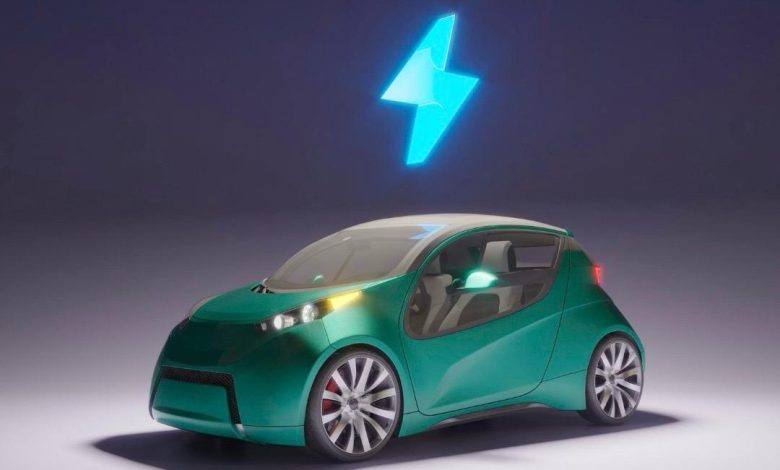
أحدثت التكنولوجيا تطورا كبيرا في عالم السيارات، أبرزها تطوير السيارات الكهربائية كحل مستدام للمستقبل. تتميز هذه السيارات بكفاءة عالية، وانبعاثات منخفضة، وتكاليف تشغيل أقل. رغم ذلك، لا تزال تواجه تحديات، ومع الابتكار المستمر تساهم التكنولوجيا في تجاوز هذه العقبات وتوسيع الاعتماد على النقل الكهربائي.
أكد الأستاذ هاني هشام، مدير إحدي معارض السيارات الكهربائية بالقاهرة، أن معرضة يُعد من المعارض الرائدة في مجال السيارات الكهربائية في مصر، حيث اتخذ خطوة جريئة بافتتاح معرض متخصص بالكامل في السيارات الكهربائية. وأضاف: “خطوتنا جاءت من إيماننا بأن المستقبل في سيارتك، لأن البنزين في طريقه للنهاية”. وأضاف، أن السبب الثاني لاتخاذ هذه الخطوة هو الارتفاع الكبير في تكلفة البنزين، مما يجعل السيارات الكهربائية هي البديل القوي للسيارات التقليدية خلال الفترة القادمة.
ومن جانبه، أكد الأستاذ مجدي كيلاني، أحد مسؤولي المبيعات لإحدي معارض السيارات بالقاهرة، أن التوجه للسيارات الكهربائية لم يعد رفاهية، بل ضرورة تفرضها المعايير البيئية والاقتصادية الحديثة. وأضاف أن المعرض يسعى لتوفير موديلات متنوعة تناسب احتياجات السوق المصري، مع تقديم خدمات ما بعد البيع وتوفير الدعم الفني اللازم، في خطوة تهدف إلى بناء ثقة المستهلك وتشجيعه على التحول لهذا النوع من السيارات
مميزات سيارات الكهرباء:
أوضح هشام، أنه من أبرز مميزات السيارات الكهربائية أنها تعتمد على بطاريات ليثيوم مما يجعل عمرها الافتراضي طويلاً ، ويجعلها أيضاً خيارًا عمليًا واقتصاديًا على المدى البعيد. كما أن قطع غيارها متوفرة، وصيانتها محدودة مقارنة بالسيارات التقليدية، كما أنها تحافظ على البيئة المحيطة بها وتُعد صديقة للبيئة، بفضل خلوّها من الانبعاثات الضارة.
وهناك نظام تمتاز به سيارات الكهرباء ليست في السيارات العادية وهي قدرتها على قراءة إرشادات الطريق الموجودة عليه، والتعرف على اللوحات والإشارات المنتشرة في الشوارع، مما يعزز من أمان القيادة ويسهل على السائقين التنقل بذكاء وسهولة.
اتفق معه كيلاني، وأضاف أن السيارات الكهربائية تتميز بعدة مزايا تجعلها خيارًا أفضل للمستقبل، أولها نها لا تستهلك البنزين، مما يجعلها وسيلة موفرة بالمقارنة بالسيارات التقليدية المستهلكة للبنزين المستمر.
وتزوّد بعض من انواع سيارات الكهرباء المتقدمة في الطراز بأنظمة أمان ذكية، خاصة في السيارات ذاتية القيادة، فعلى سبيل المثال، إذا وجدت طفلا يقطع الطريق فجأة، تقوم السيارة تلقائيًا بتفعيل وضع منع التصادم والتوقف الفوري، مما يعزز من مستوى الامان على الطرق و علي المستخدم.
التحديات التي تواجه سيارات الكهرباء :
قال هشام، إن أولى التحديات التي تواجه انتشار السيارات الكهربائية تتعلق بالعقلية و التفكير، حيث لايزال كثير من الناس غير مقتنعين تمامًا بفكرة الاعتماد على هذا النوع من السيارات، ويشعرون بالتخوف من السير بسيارة تعمل فقط بالبطارية. هذا التخوف يُشكل عامل قلق لدى العديد من الأفراد، نتيجة لعدم الاطمئنان الكامل تجاه مدى أمان البطارية وكفاءتها، وهو ما يتطلب جهود أكبر لنشر الوعي وتوضيح مزايا هذه التكنولوجيا الجديدة.
بينما يري الكيلاني، ان هناك تحدي واضح يتمثل في غياب المراكز المعتمدة لصيانتها حتى الآن فبالرغم من انها لا تحتاج صيانه في اغلب الاوقات الا انه لا يمكن شراء سيارة بدون معرفه مراكز صيانتها وذلك ايضا هو نوع من تخوف الافراد لشرائها، وذلك يحدث بسبب ضعف البنية التحتية اللازمة لدعم هذا النوع من السيارات بالشكل الكافي.
وحول مدى تطور التكنولوجيا في مجال السيارات الكهربائية، يرى الأستاذ هشام، أن ما وصلت إليه هذه الصناعة يؤكد انها تمثل المستقبل الحقيقي لعالم السيارات، وان هذا التطور التكنولوجي يسهم في تعزيز ثقة المستهلك ويدعم توجه السوق نحو البدائل النظيفة والمستدامة.
ومن جانبه، أشار الكيلاني، إلي أن هذا التطور يمهد لتحول في قطاع النقل، خاصة على المدى البعيد. وأكد أن انتشار السيارات الكهربائية سيسهم بشكل كبير في تقليل نسبة التلوث الذي يتعرض له الهواء نتيجة الانبعاثات الناتجة عن وقود السيارات التقليدية.
تمثل السيارات الكهربائية مستقبل النقل الذكي والمستدام، وسط التطور التكنولوجي المتسارع والجهود المستمرة لتجاوز هذه التحديات وبناء ثقة المستهلك نحو بيئة أنظف وقيادة أكثر كفاءة.