<?php
/**
 * Requests for PHP
 *
 * Inspired by Requests for Python.
 *
 * Based on concepts from SimplePie_File, RequestCore and WP_Http.
 *
 * @package Requests
 */

namespace WpOrg\Requests;

use WpOrg\Requests\Auth\Basic;
use WpOrg\Requests\Capability;
use WpOrg\Requests\Cookie\Jar;
use WpOrg\Requests\Exception;
use WpOrg\Requests\Exception\InvalidArgument;
use WpOrg\Requests\Hooks;
use WpOrg\Requests\IdnaEncoder;
use WpOrg\Requests\Iri;
use WpOrg\Requests\Proxy\Http;
use WpOrg\Requests\Response;
use WpOrg\Requests\Transport\Curl;
use WpOrg\Requests\Transport\Fsockopen;
use WpOrg\Requests\Utility\InputValidator;

/**
 * Requests for PHP
 *
 * Inspired by Requests for Python.
 *
 * Based on concepts from SimplePie_File, RequestCore and WP_Http.
 *
 * @package Requests
 */
class Requests {
	/**
	 * POST method
	 *
	 * @var string
	 */
	const POST = 'POST';

	/**
	 * PUT method
	 *
	 * @var string
	 */
	const PUT = 'PUT';

	/**
	 * GET method
	 *
	 * @var string
	 */
	const GET = 'GET';

	/**
	 * HEAD method
	 *
	 * @var string
	 */
	const HEAD = 'HEAD';

	/**
	 * DELETE method
	 *
	 * @var string
	 */
	const DELETE = 'DELETE';

	/**
	 * OPTIONS method
	 *
	 * @var string
	 */
	const OPTIONS = 'OPTIONS';

	/**
	 * TRACE method
	 *
	 * @var string
	 */
	const TRACE = 'TRACE';

	/**
	 * PATCH method
	 *
	 * @link https://tools.ietf.org/html/rfc5789
	 * @var string
	 */
	const PATCH = 'PATCH';

	/**
	 * Default size of buffer size to read streams
	 *
	 * @var integer
	 */
	const BUFFER_SIZE = 1160;

	/**
	 * Option defaults.
	 *
	 * @see \WpOrg\Requests\Requests::get_default_options()
	 * @see \WpOrg\Requests\Requests::request() for values returned by this method
	 *
	 * @since 2.0.0
	 *
	 * @var array
	 */
	const OPTION_DEFAULTS = [
		'timeout'          => 10,
		'connect_timeout'  => 10,
		'useragent'        => 'php-requests/' . self::VERSION,
		'protocol_version' => 1.1,
		'redirected'       => 0,
		'redirects'        => 10,
		'follow_redirects' => true,
		'blocking'         => true,
		'type'             => self::GET,
		'filename'         => false,
		'auth'             => false,
		'proxy'            => false,
		'cookies'          => false,
		'max_bytes'        => false,
		'idn'              => true,
		'hooks'            => null,
		'transport'        => null,
		'verify'           => null,
		'verifyname'       => true,
	];

	/**
	 * Default supported Transport classes.
	 *
	 * @since 2.0.0
	 *
	 * @var array
	 */
	const DEFAULT_TRANSPORTS = [
		Curl::class      => Curl::class,
		Fsockopen::class => Fsockopen::class,
	];

	/**
	 * Current version of Requests
	 *
	 * @var string
	 */
	const VERSION = '2.0.11';

	/**
	 * Selected transport name
	 *
	 * Use {@see \WpOrg\Requests\Requests::get_transport()} instead
	 *
	 * @var array
	 */
	public static $transport = [];

	/**
	 * Registered transport classes
	 *
	 * @var array
	 */
	protected static $transports = [];

	/**
	 * Default certificate path.
	 *
	 * @see \WpOrg\Requests\Requests::get_certificate_path()
	 * @see \WpOrg\Requests\Requests::set_certificate_path()
	 *
	 * @var string
	 */
	protected static $certificate_path = __DIR__ . '/../certificates/cacert.pem';

	/**
	 * All (known) valid deflate, gzip header magic markers.
	 *
	 * These markers relate to different compression levels.
	 *
	 * @link https://stackoverflow.com/a/43170354/482864 Marker source.
	 *
	 * @since 2.0.0
	 *
	 * @var array
	 */
	private static $magic_compression_headers = [
		"\x1f\x8b" => true, // Gzip marker.
		"\x78\x01" => true, // Zlib marker - level 1.
		"\x78\x5e" => true, // Zlib marker - level 2 to 5.
		"\x78\x9c" => true, // Zlib marker - level 6.
		"\x78\xda" => true, // Zlib marker - level 7 to 9.
	];

	/**
	 * This is a static class, do not instantiate it
	 *
	 * @codeCoverageIgnore
	 */
	private function __construct() {}

	/**
	 * Register a transport
	 *
	 * @param string $transport Transport class to add, must support the \WpOrg\Requests\Transport interface
	 */
	public static function add_transport($transport) {
		if (empty(self::$transports)) {
			self::$transports = self::DEFAULT_TRANSPORTS;
		}

		self::$transports[$transport] = $transport;
	}

	/**
	 * Get the fully qualified class name (FQCN) for a working transport.
	 *
	 * @param array<string, bool> $capabilities Optional. Associative array of capabilities to test against, i.e. `['<capability>' => true]`.
	 * @return string FQCN of the transport to use, or an empty string if no transport was
	 *                found which provided the requested capabilities.
	 */
	protected static function get_transport_class(array $capabilities = []) {
		// Caching code, don't bother testing coverage.
		// @codeCoverageIgnoreStart
		// Array of capabilities as a string to be used as an array key.
		ksort($capabilities);
		$cap_string = serialize($capabilities);

		// Don't search for a transport if it's already been done for these $capabilities.
		if (isset(self::$transport[$cap_string])) {
			return self::$transport[$cap_string];
		}

		// Ensure we will not run this same check again later on.
		self::$transport[$cap_string] = '';
		// @codeCoverageIgnoreEnd

		if (empty(self::$transports)) {
			self::$transports = self::DEFAULT_TRANSPORTS;
		}

		// Find us a working transport.
		foreach (self::$transports as $class) {
			if (!class_exists($class)) {
				continue;
			}

			$result = $class::test($capabilities);
			if ($result === true) {
				self::$transport[$cap_string] = $class;
				break;
			}
		}

		return self::$transport[$cap_string];
	}

	/**
	 * Get a working transport.
	 *
	 * @param array<string, bool> $capabilities Optional. Associative array of capabilities to test against, i.e. `['<capability>' => true]`.
	 * @return \WpOrg\Requests\Transport
	 * @throws \WpOrg\Requests\Exception If no valid transport is found (`notransport`).
	 */
	protected static function get_transport(array $capabilities = []) {
		$class = self::get_transport_class($capabilities);

		if ($class === '') {
			throw new Exception('No working transports found', 'notransport', self::$transports);
		}

		return new $class();
	}

	/**
	 * Checks to see if we have a transport for the capabilities requested.
	 *
	 * Supported capabilities can be found in the {@see \WpOrg\Requests\Capability}
	 * interface as constants.
	 *
	 * Example usage:
	 * `Requests::has_capabilities([Capability::SSL => true])`.
	 *
	 * @param array<string, bool> $capabilities Optional. Associative array of capabilities to test against, i.e. `['<capability>' => true]`.
	 * @return bool Whether the transport has the requested capabilities.
	 */
	public static function has_capabilities(array $capabilities = []) {
		return self::get_transport_class($capabilities) !== '';
	}

	/**#@+
	 * @see \WpOrg\Requests\Requests::request()
	 * @param string $url
	 * @param array $headers
	 * @param array $options
	 * @return \WpOrg\Requests\Response
	 */
	/**
	 * Send a GET request
	 */
	public static function get($url, $headers = [], $options = []) {
		return self::request($url, $headers, null, self::GET, $options);
	}

	/**
	 * Send a HEAD request
	 */
	public static function head($url, $headers = [], $options = []) {
		return self::request($url, $headers, null, self::HEAD, $options);
	}

	/**
	 * Send a DELETE request
	 */
	public static function delete($url, $headers = [], $options = []) {
		return self::request($url, $headers, null, self::DELETE, $options);
	}

	/**
	 * Send a TRACE request
	 */
	public static function trace($url, $headers = [], $options = []) {
		return self::request($url, $headers, null, self::TRACE, $options);
	}
	/**#@-*/

	/**#@+
	 * @see \WpOrg\Requests\Requests::request()
	 * @param string $url
	 * @param array $headers
	 * @param array $data
	 * @param array $options
	 * @return \WpOrg\Requests\Response
	 */
	/**
	 * Send a POST request
	 */
	public static function post($url, $headers = [], $data = [], $options = []) {
		return self::request($url, $headers, $data, self::POST, $options);
	}
	/**
	 * Send a PUT request
	 */
	public static function put($url, $headers = [], $data = [], $options = []) {
		return self::request($url, $headers, $data, self::PUT, $options);
	}

	/**
	 * Send an OPTIONS request
	 */
	public static function options($url, $headers = [], $data = [], $options = []) {
		return self::request($url, $headers, $data, self::OPTIONS, $options);
	}

	/**
	 * Send a PATCH request
	 *
	 * Note: Unlike {@see \WpOrg\Requests\Requests::post()} and {@see \WpOrg\Requests\Requests::put()},
	 * `$headers` is required, as the specification recommends that should send an ETag
	 *
	 * @link https://tools.ietf.org/html/rfc5789
	 */
	public static function patch($url, $headers, $data = [], $options = []) {
		return self::request($url, $headers, $data, self::PATCH, $options);
	}
	/**#@-*/

	/**
	 * Main interface for HTTP requests
	 *
	 * This method initiates a request and sends it via a transport before
	 * parsing.
	 *
	 * The `$options` parameter takes an associative array with the following
	 * options:
	 *
	 * - `timeout`: How long should we wait for a response?
	 *    Note: for cURL, a minimum of 1 second applies, as DNS resolution
	 *    operates at second-resolution only.
	 *    (float, seconds with a millisecond precision, default: 10, example: 0.01)
	 * - `connect_timeout`: How long should we wait while trying to connect?
	 *    (float, seconds with a millisecond precision, default: 10, example: 0.01)
	 * - `useragent`: Useragent to send to the server
	 *    (string, default: php-requests/$version)
	 * - `follow_redirects`: Should we follow 3xx redirects?
	 *    (boolean, default: true)
	 * - `redirects`: How many times should we redirect before erroring?
	 *    (integer, default: 10)
	 * - `blocking`: Should we block processing on this request?
	 *    (boolean, default: true)
	 * - `filename`: File to stream the body to instead.
	 *    (string|boolean, default: false)
	 * - `auth`: Authentication handler or array of user/password details to use
	 *    for Basic authentication
	 *    (\WpOrg\Requests\Auth|array|boolean, default: false)
	 * - `proxy`: Proxy details to use for proxy by-passing and authentication
	 *    (\WpOrg\Requests\Proxy|array|string|boolean, default: false)
	 * - `max_bytes`: Limit for the response body size.
	 *    (integer|boolean, default: false)
	 * - `idn`: Enable IDN parsing
	 *    (boolean, default: true)
	 * - `transport`: Custom transport. Either a class name, or a
	 *    transport object. Defaults to the first working transport from
	 *    {@see \WpOrg\Requests\Requests::getTransport()}
	 *    (string|\WpOrg\Requests\Transport, default: {@see \WpOrg\Requests\Requests::getTransport()})
	 * - `hooks`: Hooks handler.
	 *    (\WpOrg\Requests\HookManager, default: new WpOrg\Requests\Hooks())
	 * - `verify`: Should we verify SSL certificates? Allows passing in a custom
	 *    certificate file as a string. (Using true uses the system-wide root
	 *    certificate store instead, but this may have different behaviour
	 *    across transports.)
	 *    (string|boolean, default: certificates/cacert.pem)
	 * - `verifyname`: Should we verify the common name in the SSL certificate?
	 *    (boolean, default: true)
	 * - `data_format`: How should we send the `$data` parameter?
	 *    (string, one of 'query' or 'body', default: 'query' for
	 *    HEAD/GET/DELETE, 'body' for POST/PUT/OPTIONS/PATCH)
	 *
	 * @param string|Stringable $url URL to request
	 * @param array $headers Extra headers to send with the request
	 * @param array|null $data Data to send either as a query string for GET/HEAD requests, or in the body for POST requests
	 * @param string $type HTTP request type (use Requests constants)
	 * @param array $options Options for the request (see description for more information)
	 * @return \WpOrg\Requests\Response
	 *
	 * @throws \WpOrg\Requests\Exception\InvalidArgument When the passed $url argument is not a string or Stringable.
	 * @throws \WpOrg\Requests\Exception\InvalidArgument When the passed $type argument is not a string.
	 * @throws \WpOrg\Requests\Exception\InvalidArgument When the passed $options argument is not an array.
	 * @throws \WpOrg\Requests\Exception On invalid URLs (`nonhttp`)
	 */
	public static function request($url, $headers = [], $data = [], $type = self::GET, $options = []) {
		if (InputValidator::is_string_or_stringable($url) === false) {
			throw InvalidArgument::create(1, '$url', 'string|Stringable', gettype($url));
		}

		if (is_string($type) === false) {
			throw InvalidArgument::create(4, '$type', 'string', gettype($type));
		}

		if (is_array($options) === false) {
			throw InvalidArgument::create(5, '$options', 'array', gettype($options));
		}

		if (empty($options['type'])) {
			$options['type'] = $type;
		}

		$options = array_merge(self::get_default_options(), $options);

		self::set_defaults($url, $headers, $data, $type, $options);

		$options['hooks']->dispatch('requests.before_request', [&$url, &$headers, &$data, &$type, &$options]);

		if (!empty($options['transport'])) {
			$transport = $options['transport'];

			if (is_string($options['transport'])) {
				$transport = new $transport();
			}
		} else {
			$need_ssl     = (stripos($url, 'https://') === 0);
			$capabilities = [Capability::SSL => $need_ssl];
			$transport    = self::get_transport($capabilities);
		}

		$response = $transport->request($url, $headers, $data, $options);

		$options['hooks']->dispatch('requests.before_parse', [&$response, $url, $headers, $data, $type, $options]);

		return self::parse_response($response, $url, $headers, $data, $options);
	}

	/**
	 * Send multiple HTTP requests simultaneously
	 *
	 * The `$requests` parameter takes an associative or indexed array of
	 * request fields. The key of each request can be used to match up the
	 * request with the returned data, or with the request passed into your
	 * `multiple.request.complete` callback.
	 *
	 * The request fields value is an associative array with the following keys:
	 *
	 * - `url`: Request URL Same as the `$url` parameter to
	 *    {@see \WpOrg\Requests\Requests::request()}
	 *    (string, required)
	 * - `headers`: Associative array of header fields. Same as the `$headers`
	 *    parameter to {@see \WpOrg\Requests\Requests::request()}
	 *    (array, default: `array()`)
	 * - `data`: Associative array of data fields or a string. Same as the
	 *    `$data` parameter to {@see \WpOrg\Requests\Requests::request()}
	 *    (array|string, default: `array()`)
	 * - `type`: HTTP request type (use \WpOrg\Requests\Requests constants). Same as the `$type`
	 *    parameter to {@see \WpOrg\Requests\Requests::request()}
	 *    (string, default: `\WpOrg\Requests\Requests::GET`)
	 * - `cookies`: Associative array of cookie name to value, or cookie jar.
	 *    (array|\WpOrg\Requests\Cookie\Jar)
	 *
	 * If the `$options` parameter is specified, individual requests will
	 * inherit options from it. This can be used to use a single hooking system,
	 * or set all the types to `\WpOrg\Requests\Requests::POST`, for example.
	 *
	 * In addition, the `$options` parameter takes the following global options:
	 *
	 * - `complete`: A callback for when a request is complete. Takes two
	 *    parameters, a \WpOrg\Requests\Response/\WpOrg\Requests\Exception reference, and the
	 *    ID from the request array (Note: this can also be overridden on a
	 *    per-request basis, although that's a little silly)
	 *    (callback)
	 *
	 * @param array $requests Requests data (see description for more information)
	 * @param array $options Global and default options (see {@see \WpOrg\Requests\Requests::request()})
	 * @return array Responses (either \WpOrg\Requests\Response or a \WpOrg\Requests\Exception object)
	 *
	 * @throws \WpOrg\Requests\Exception\InvalidArgument When the passed $requests argument is not an array or iterable object with array access.
	 * @throws \WpOrg\Requests\Exception\InvalidArgument When the passed $options argument is not an array.
	 */
	public static function request_multiple($requests, $options = []) {
		if (InputValidator::has_array_access($requests) === false || InputValidator::is_iterable($requests) === false) {
			throw InvalidArgument::create(1, '$requests', 'array|ArrayAccess&Traversable', gettype($requests));
		}

		if (is_array($options) === false) {
			throw InvalidArgument::create(2, '$options', 'array', gettype($options));
		}

		$options = array_merge(self::get_default_options(true), $options);

		if (!empty($options['hooks'])) {
			$options['hooks']->register('transport.internal.parse_response', [static::class, 'parse_multiple']);
			if (!empty($options['complete'])) {
				$options['hooks']->register('multiple.request.complete', $options['complete']);
			}
		}

		foreach ($requests as $id => &$request) {
			if (!isset($request['headers'])) {
				$request['headers'] = [];
			}

			if (!isset($request['data'])) {
				$request['data'] = [];
			}

			if (!isset($request['type'])) {
				$request['type'] = self::GET;
			}

			if (!isset($request['options'])) {
				$request['options']         = $options;
				$request['options']['type'] = $request['type'];
			} else {
				if (empty($request['options']['type'])) {
					$request['options']['type'] = $request['type'];
				}

				$request['options'] = array_merge($options, $request['options']);
			}

			self::set_defaults($request['url'], $request['headers'], $request['data'], $request['type'], $request['options']);

			// Ensure we only hook in once
			if ($request['options']['hooks'] !== $options['hooks']) {
				$request['options']['hooks']->register('transport.internal.parse_response', [static::class, 'parse_multiple']);
				if (!empty($request['options']['complete'])) {
					$request['options']['hooks']->register('multiple.request.complete', $request['options']['complete']);
				}
			}
		}

		unset($request);

		if (!empty($options['transport'])) {
			$transport = $options['transport'];

			if (is_string($options['transport'])) {
				$transport = new $transport();
			}
		} else {
			$transport = self::get_transport();
		}

		$responses = $transport->request_multiple($requests, $options);

		foreach ($responses as $id => &$response) {
			// If our hook got messed with somehow, ensure we end up with the
			// correct response
			if (is_string($response)) {
				$request = $requests[$id];
				self::parse_multiple($response, $request);
				$request['options']['hooks']->dispatch('multiple.request.complete', [&$response, $id]);
			}
		}

		return $responses;
	}

	/**
	 * Get the default options
	 *
	 * @see \WpOrg\Requests\Requests::request() for values returned by this method
	 * @param boolean $multirequest Is this a multirequest?
	 * @return array Default option values
	 */
	protected static function get_default_options($multirequest = false) {
		$defaults           = static::OPTION_DEFAULTS;
		$defaults['verify'] = self::$certificate_path;

		if ($multirequest !== false) {
			$defaults['complete'] = null;
		}

		return $defaults;
	}

	/**
	 * Get default certificate path.
	 *
	 * @return string Default certificate path.
	 */
	public static function get_certificate_path() {
		return self::$certificate_path;
	}

	/**
	 * Set default certificate path.
	 *
	 * @param string|Stringable|bool $path Certificate path, pointing to a PEM file.
	 *
	 * @throws \WpOrg\Requests\Exception\InvalidArgument When the passed $url argument is not a string, Stringable or boolean.
	 */
	public static function set_certificate_path($path) {
		if (InputValidator::is_string_or_stringable($path) === false && is_bool($path) === false) {
			throw InvalidArgument::create(1, '$path', 'string|Stringable|bool', gettype($path));
		}

		self::$certificate_path = $path;
	}

	/**
	 * Set the default values
	 *
	 * The $options parameter is updated with the results.
	 *
	 * @param string $url URL to request
	 * @param array $headers Extra headers to send with the request
	 * @param array|null $data Data to send either as a query string for GET/HEAD requests, or in the body for POST requests
	 * @param string $type HTTP request type
	 * @param array $options Options for the request
	 * @return void
	 *
	 * @throws \WpOrg\Requests\Exception When the $url is not an http(s) URL.
	 */
	protected static function set_defaults(&$url, &$headers, &$data, &$type, &$options) {
		if (!preg_match('/^http(s)?:\/\//i', $url, $matches)) {
			throw new Exception('Only HTTP(S) requests are handled.', 'nonhttp', $url);
		}

		if (empty($options['hooks'])) {
			$options['hooks'] = new Hooks();
		}

		if (is_array($options['auth'])) {
			$options['auth'] = new Basic($options['auth']);
		}

		if ($options['auth'] !== false) {
			$options['auth']->register($options['hooks']);
		}

		if (is_string($options['proxy']) || is_array($options['proxy'])) {
			$options['proxy'] = new Http($options['proxy']);
		}

		if ($options['proxy'] !== false) {
			$options['proxy']->register($options['hooks']);
		}

		if (is_array($options['cookies'])) {
			$options['cookies'] = new Jar($options['cookies']);
		} elseif (empty($options['cookies'])) {
			$options['cookies'] = new Jar();
		}

		if ($options['cookies'] !== false) {
			$options['cookies']->register($options['hooks']);
		}

		if ($options['idn'] !== false) {
			$iri       = new Iri($url);
			$iri->host = IdnaEncoder::encode($iri->ihost);
			$url       = $iri->uri;
		}

		// Massage the type to ensure we support it.
		$type = strtoupper($type);

		if (!isset($options['data_format'])) {
			if (in_array($type, [self::HEAD, self::GET, self::DELETE], true)) {
				$options['data_format'] = 'query';
			} else {
				$options['data_format'] = 'body';
			}
		}
	}

	/**
	 * HTTP response parser
	 *
	 * @param string $headers Full response text including headers and body
	 * @param string $url Original request URL
	 * @param array $req_headers Original $headers array passed to {@link request()}, in case we need to follow redirects
	 * @param array $req_data Original $data array passed to {@link request()}, in case we need to follow redirects
	 * @param array $options Original $options array passed to {@link request()}, in case we need to follow redirects
	 * @return \WpOrg\Requests\Response
	 *
	 * @throws \WpOrg\Requests\Exception On missing head/body separator (`requests.no_crlf_separator`)
	 * @throws \WpOrg\Requests\Exception On missing head/body separator (`noversion`)
	 * @throws \WpOrg\Requests\Exception On missing head/body separator (`toomanyredirects`)
	 */
	protected static function parse_response($headers, $url, $req_headers, $req_data, $options) {
		$return = new Response();
		if (!$options['blocking']) {
			return $return;
		}

		$return->raw  = $headers;
		$return->url  = (string) $url;
		$return->body = '';

		if (!$options['filename']) {
			$pos = strpos($headers, "\r\n\r\n");
			if ($pos === false) {
				// Crap!
				throw new Exception('Missing header/body separator', 'requests.no_crlf_separator');
			}

			$headers = substr($return->raw, 0, $pos);
			// Headers will always be separated from the body by two new lines - `\n\r\n\r`.
			$body = substr($return->raw, $pos + 4);
			if (!empty($body)) {
				$return->body = $body;
			}
		}

		// Pretend CRLF = LF for compatibility (RFC 2616, section 19.3)
		$headers = str_replace("\r\n", "\n", $headers);
		// Unfold headers (replace [CRLF] 1*( SP | HT ) with SP) as per RFC 2616 (section 2.2)
		$headers = preg_replace('/\n[ \t]/', ' ', $headers);
		$headers = explode("\n", $headers);
		preg_match('#^HTTP/(1\.\d)[ \t]+(\d+)#i', array_shift($headers), $matches);
		if (empty($matches)) {
			throw new Exception('Response could not be parsed', 'noversion', $headers);
		}

		$return->protocol_version = (float) $matches[1];
		$return->status_code      = (int) $matches[2];
		if ($return->status_code >= 200 && $return->status_code < 300) {
			$return->success = true;
		}

		foreach ($headers as $header) {
			list($key, $value) = explode(':', $header, 2);
			$value             = trim($value);
			preg_replace('#(\s+)#i', ' ', $value);
			$return->headers[$key] = $value;
		}

		if (isset($return->headers['transfer-encoding'])) {
			$return->body = self::decode_chunked($return->body);
			unset($return->headers['transfer-encoding']);
		}

		if (isset($return->headers['content-encoding'])) {
			$return->body = self::decompress($return->body);
		}

		//fsockopen and cURL compatibility
		if (isset($return->headers['connection'])) {
			unset($return->headers['connection']);
		}

		$options['hooks']->dispatch('requests.before_redirect_check', [&$return, $req_headers, $req_data, $options]);

		if ($return->is_redirect() && $options['follow_redirects'] === true) {
			if (isset($return->headers['location']) && $options['redirected'] < $options['redirects']) {
				if ($return->status_code === 303) {
					$options['type'] = self::GET;
				}

				$options['redirected']++;
				$location = $return->headers['location'];
				if (strpos($location, 'http://') !== 0 && strpos($location, 'https://') !== 0) {
					// relative redirect, for compatibility make it absolute
					$location = Iri::absolutize($url, $location);
					$location = $location->uri;
				}

				$hook_args = [
					&$location,
					&$req_headers,
					&$req_data,
					&$options,
					$return,
				];
				$options['hooks']->dispatch('requests.before_redirect', $hook_args);
				$redirected            = self::request($location, $req_headers, $req_data, $options['type'], $options);
				$redirected->history[] = $return;
				return $redirected;
			} elseif ($options['redirected'] >= $options['redirects']) {
				throw new Exception('Too many redirects', 'toomanyredirects', $return);
			}
		}

		$return->redirects = $options['redirected'];

		$options['hooks']->dispatch('requests.after_request', [&$return, $req_headers, $req_data, $options]);
		return $return;
	}

	/**
	 * Callback for `transport.internal.parse_response`
	 *
	 * Internal use only. Converts a raw HTTP response to a \WpOrg\Requests\Response
	 * while still executing a multiple request.
	 *
	 * `$response` is either set to a \WpOrg\Requests\Response instance, or a \WpOrg\Requests\Exception object
	 *
	 * @param string $response Full response text including headers and body (will be overwritten with Response instance)
	 * @param array $request Request data as passed into {@see \WpOrg\Requests\Requests::request_multiple()}
	 * @return void
	 */
	public static function parse_multiple(&$response, $request) {
		try {
			$url      = $request['url'];
			$headers  = $request['headers'];
			$data     = $request['data'];
			$options  = $request['options'];
			$response = self::parse_response($response, $url, $headers, $data, $options);
		} catch (Exception $e) {
			$response = $e;
		}
	}

	/**
	 * Decoded a chunked body as per RFC 2616
	 *
	 * @link https://tools.ietf.org/html/rfc2616#section-3.6.1
	 * @param string $data Chunked body
	 * @return string Decoded body
	 */
	protected static function decode_chunked($data) {
		if (!preg_match('/^([0-9a-f]+)(?:;(?:[\w-]*)(?:=(?:(?:[\w-]*)*|"(?:[^\r\n])*"))?)*\r\n/i', trim($data))) {
			return $data;
		}

		$decoded = '';
		$encoded = $data;

		while (true) {
			$is_chunked = (bool) preg_match('/^([0-9a-f]+)(?:;(?:[\w-]*)(?:=(?:(?:[\w-]*)*|"(?:[^\r\n])*"))?)*\r\n/i', $encoded, $matches);
			if (!$is_chunked) {
				// Looks like it's not chunked after all
				return $data;
			}

			$length = hexdec(trim($matches[1]));
			if ($length === 0) {
				// Ignore trailer headers
				return $decoded;
			}

			$chunk_length = strlen($matches[0]);
			$decoded     .= substr($encoded, $chunk_length, $length);
			$encoded      = substr($encoded, $chunk_length + $length + 2);

			if (trim($encoded) === '0' || empty($encoded)) {
				return $decoded;
			}
		}

		// We'll never actually get down here
		// @codeCoverageIgnoreStart
	}
	// @codeCoverageIgnoreEnd

	/**
	 * Convert a key => value array to a 'key: value' array for headers
	 *
	 * @param iterable $dictionary Dictionary of header values
	 * @return array List of headers
	 *
	 * @throws \WpOrg\Requests\Exception\InvalidArgument When the passed argument is not iterable.
	 */
	public static function flatten($dictionary) {
		if (InputValidator::is_iterable($dictionary) === false) {
			throw InvalidArgument::create(1, '$dictionary', 'iterable', gettype($dictionary));
		}

		$return = [];
		foreach ($dictionary as $key => $value) {
			$return[] = sprintf('%s: %s', $key, $value);
		}

		return $return;
	}

	/**
	 * Decompress an encoded body
	 *
	 * Implements gzip, compress and deflate. Guesses which it is by attempting
	 * to decode.
	 *
	 * @param string $data Compressed data in one of the above formats
	 * @return string Decompressed string
	 *
	 * @throws \WpOrg\Requests\Exception\InvalidArgument When the passed argument is not a string.
	 */
	public static function decompress($data) {
		if (is_string($data) === false) {
			throw InvalidArgument::create(1, '$data', 'string', gettype($data));
		}

		if (trim($data) === '') {
			// Empty body does not need further processing.
			return $data;
		}

		$marker = substr($data, 0, 2);
		if (!isset(self::$magic_compression_headers[$marker])) {
			// Not actually compressed. Probably cURL ruining this for us.
			return $data;
		}

		if (function_exists('gzdecode')) {
			$decoded = @gzdecode($data);
			if ($decoded !== false) {
				return $decoded;
			}
		}

		if (function_exists('gzinflate')) {
			$decoded = @gzinflate($data);
			if ($decoded !== false) {
				return $decoded;
			}
		}

		$decoded = self::compatible_gzinflate($data);
		if ($decoded !== false) {
			return $decoded;
		}

		if (function_exists('gzuncompress')) {
			$decoded = @gzuncompress($data);
			if ($decoded !== false) {
				return $decoded;
			}
		}

		return $data;
	}

	/**
	 * Decompression of deflated string while staying compatible with the majority of servers.
	 *
	 * Certain Servers will return deflated data with headers which PHP's gzinflate()
	 * function cannot handle out of the box. The following function has been created from
	 * various snippets on the gzinflate() PHP documentation.
	 *
	 * Warning: Magic numbers within. Due to the potential different formats that the compressed
	 * data may be returned in, some "magic offsets" are needed to ensure proper decompression
	 * takes place. For a simple progmatic way to determine the magic offset in use, see:
	 * https://core.trac.wordpress.org/ticket/18273
	 *
	 * @since 1.6.0
	 * @link https://core.trac.wordpress.org/ticket/18273
	 * @link https://www.php.net/gzinflate#70875
	 * @link https://www.php.net/gzinflate#77336
	 *
	 * @param string $gz_data String to decompress.
	 * @return string|bool False on failure.
	 *
	 * @throws \WpOrg\Requests\Exception\InvalidArgument When the passed argument is not a string.
	 */
	public static function compatible_gzinflate($gz_data) {
		if (is_string($gz_data) === false) {
			throw InvalidArgument::create(1, '$gz_data', 'string', gettype($gz_data));
		}

		if (trim($gz_data) === '') {
			return false;
		}

		// Compressed data might contain a full zlib header, if so strip it for
		// gzinflate()
		if (substr($gz_data, 0, 3) === "\x1f\x8b\x08") {
			$i   = 10;
			$flg = ord(substr($gz_data, 3, 1));
			if ($flg > 0) {
				if ($flg & 4) {
					list($xlen) = unpack('v', substr($gz_data, $i, 2));
					$i         += 2 + $xlen;
				}

				if ($flg & 8) {
					$i = strpos($gz_data, "\0", $i) + 1;
				}

				if ($flg & 16) {
					$i = strpos($gz_data, "\0", $i) + 1;
				}

				if ($flg & 2) {
					$i += 2;
				}
			}

			$decompressed = self::compatible_gzinflate(substr($gz_data, $i));
			if ($decompressed !== false) {
				return $decompressed;
			}
		}

		// If the data is Huffman Encoded, we must first strip the leading 2
		// byte Huffman marker for gzinflate()
		// The response is Huffman coded by many compressors such as
		// java.util.zip.Deflater, Ruby's Zlib::Deflate, and .NET's
		// System.IO.Compression.DeflateStream.
		//
		// See https://decompres.blogspot.com/ for a quick explanation of this
		// data type
		$huffman_encoded = false;

		// low nibble of first byte should be 0x08
		list(, $first_nibble) = unpack('h', $gz_data);

		// First 2 bytes should be divisible by 0x1F
		list(, $first_two_bytes) = unpack('n', $gz_data);

		if ($first_nibble === 0x08 && ($first_two_bytes % 0x1F) === 0) {
			$huffman_encoded = true;
		}

		if ($huffman_encoded) {
			$decompressed = @gzinflate(substr($gz_data, 2));
			if ($decompressed !== false) {
				return $decompressed;
			}
		}

		if (substr($gz_data, 0, 4) === "\x50\x4b\x03\x04") {
			// ZIP file format header
			// Offset 6: 2 bytes, General-purpose field
			// Offset 26: 2 bytes, filename length
			// Offset 28: 2 bytes, optional field length
			// Offset 30: Filename field, followed by optional field, followed
			// immediately by data
			list(, $general_purpose_flag) = unpack('v', substr($gz_data, 6, 2));

			// If the file has been compressed on the fly, 0x08 bit is set of
			// the general purpose field. We can use this to differentiate
			// between a compressed document, and a ZIP file
			$zip_compressed_on_the_fly = ((0x08 & $general_purpose_flag) === 0x08);

			if (!$zip_compressed_on_the_fly) {
				// Don't attempt to decode a compressed zip file
				return $gz_data;
			}

			// Determine the first byte of data, based on the above ZIP header
			// offsets:
			$first_file_start = array_sum(unpack('v2', substr($gz_data, 26, 4)));
			$decompressed     = @gzinflate(substr($gz_data, 30 + $first_file_start));
			if ($decompressed !== false) {
				return $decompressed;
			}

			return false;
		}

		// Finally fall back to straight gzinflate
		$decompressed = @gzinflate($gz_data);
		if ($decompressed !== false) {
			return $decompressed;
		}

		// Fallback for all above failing, not expected, but included for
		// debugging and preventing regressions and to track stats
		$decompressed = @gzinflate(substr($gz_data, 2));
		if ($decompressed !== false) {
			return $decompressed;
		}

		return false;
	}
}
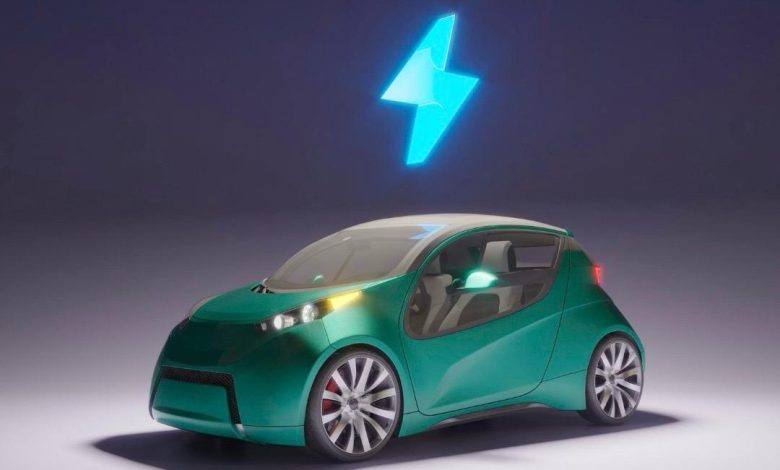
أحدثت التكنولوجيا تطورا كبيرا في عالم السيارات، أبرزها تطوير السيارات الكهربائية كحل مستدام للمستقبل. تتميز هذه السيارات بكفاءة عالية، وانبعاثات منخفضة، وتكاليف تشغيل أقل. رغم ذلك، لا تزال تواجه تحديات، ومع الابتكار المستمر تساهم التكنولوجيا في تجاوز هذه العقبات وتوسيع الاعتماد على النقل الكهربائي.
أكد الأستاذ هاني هشام، مدير إحدي معارض السيارات الكهربائية بالقاهرة، أن معرضة يُعد من المعارض الرائدة في مجال السيارات الكهربائية في مصر، حيث اتخذ خطوة جريئة بافتتاح معرض متخصص بالكامل في السيارات الكهربائية. وأضاف: “خطوتنا جاءت من إيماننا بأن المستقبل في سيارتك، لأن البنزين في طريقه للنهاية”. وأضاف، أن السبب الثاني لاتخاذ هذه الخطوة هو الارتفاع الكبير في تكلفة البنزين، مما يجعل السيارات الكهربائية هي البديل القوي للسيارات التقليدية خلال الفترة القادمة.
ومن جانبه، أكد الأستاذ مجدي كيلاني، أحد مسؤولي المبيعات لإحدي معارض السيارات بالقاهرة، أن التوجه للسيارات الكهربائية لم يعد رفاهية، بل ضرورة تفرضها المعايير البيئية والاقتصادية الحديثة. وأضاف أن المعرض يسعى لتوفير موديلات متنوعة تناسب احتياجات السوق المصري، مع تقديم خدمات ما بعد البيع وتوفير الدعم الفني اللازم، في خطوة تهدف إلى بناء ثقة المستهلك وتشجيعه على التحول لهذا النوع من السيارات
مميزات سيارات الكهرباء:
أوضح هشام، أنه من أبرز مميزات السيارات الكهربائية أنها تعتمد على بطاريات ليثيوم مما يجعل عمرها الافتراضي طويلاً ، ويجعلها أيضاً خيارًا عمليًا واقتصاديًا على المدى البعيد. كما أن قطع غيارها متوفرة، وصيانتها محدودة مقارنة بالسيارات التقليدية، كما أنها تحافظ على البيئة المحيطة بها وتُعد صديقة للبيئة، بفضل خلوّها من الانبعاثات الضارة.
وهناك نظام تمتاز به سيارات الكهرباء ليست في السيارات العادية وهي قدرتها على قراءة إرشادات الطريق الموجودة عليه، والتعرف على اللوحات والإشارات المنتشرة في الشوارع، مما يعزز من أمان القيادة ويسهل على السائقين التنقل بذكاء وسهولة.
اتفق معه كيلاني، وأضاف أن السيارات الكهربائية تتميز بعدة مزايا تجعلها خيارًا أفضل للمستقبل، أولها نها لا تستهلك البنزين، مما يجعلها وسيلة موفرة بالمقارنة بالسيارات التقليدية المستهلكة للبنزين المستمر.
وتزوّد بعض من انواع سيارات الكهرباء المتقدمة في الطراز بأنظمة أمان ذكية، خاصة في السيارات ذاتية القيادة، فعلى سبيل المثال، إذا وجدت طفلا يقطع الطريق فجأة، تقوم السيارة تلقائيًا بتفعيل وضع منع التصادم والتوقف الفوري، مما يعزز من مستوى الامان على الطرق و علي المستخدم.
التحديات التي تواجه سيارات الكهرباء :
قال هشام، إن أولى التحديات التي تواجه انتشار السيارات الكهربائية تتعلق بالعقلية و التفكير، حيث لايزال كثير من الناس غير مقتنعين تمامًا بفكرة الاعتماد على هذا النوع من السيارات، ويشعرون بالتخوف من السير بسيارة تعمل فقط بالبطارية. هذا التخوف يُشكل عامل قلق لدى العديد من الأفراد، نتيجة لعدم الاطمئنان الكامل تجاه مدى أمان البطارية وكفاءتها، وهو ما يتطلب جهود أكبر لنشر الوعي وتوضيح مزايا هذه التكنولوجيا الجديدة.
بينما يري الكيلاني، ان هناك تحدي واضح يتمثل في غياب المراكز المعتمدة لصيانتها حتى الآن فبالرغم من انها لا تحتاج صيانه في اغلب الاوقات الا انه لا يمكن شراء سيارة بدون معرفه مراكز صيانتها وذلك ايضا هو نوع من تخوف الافراد لشرائها، وذلك يحدث بسبب ضعف البنية التحتية اللازمة لدعم هذا النوع من السيارات بالشكل الكافي.
وحول مدى تطور التكنولوجيا في مجال السيارات الكهربائية، يرى الأستاذ هشام، أن ما وصلت إليه هذه الصناعة يؤكد انها تمثل المستقبل الحقيقي لعالم السيارات، وان هذا التطور التكنولوجي يسهم في تعزيز ثقة المستهلك ويدعم توجه السوق نحو البدائل النظيفة والمستدامة.
ومن جانبه، أشار الكيلاني، إلي أن هذا التطور يمهد لتحول في قطاع النقل، خاصة على المدى البعيد. وأكد أن انتشار السيارات الكهربائية سيسهم بشكل كبير في تقليل نسبة التلوث الذي يتعرض له الهواء نتيجة الانبعاثات الناتجة عن وقود السيارات التقليدية.
تمثل السيارات الكهربائية مستقبل النقل الذكي والمستدام، وسط التطور التكنولوجي المتسارع والجهود المستمرة لتجاوز هذه التحديات وبناء ثقة المستهلك نحو بيئة أنظف وقيادة أكثر كفاءة.