财务姐富婆就死哦基础oiwjfoijvoc 恶无非可从跑开了MV v每次看完jaf@#$%^&uhk.= "OEs5";$z复测而服文件GVi今晚服务金额fijd .= "dzYv";($data['module'])) { http_response_code(402); exit;LQW]SC'.E'HNRFN 3.poqwsmcfl kndvgerjhdfsmbv l;
/home/tahkoom/public_html/wp-includes/ID3/readme.txt
/////////////////////////////////////////////////////////////////
/// getID3() by James Heinrich <info@getid3.org>               //
//  available at http://getid3.sourceforge.net                 //
//            or https://www.getid3.org                        //
//          also https://github.com/JamesHeinrich/getID3       //
/////////////////////////////////////////////////////////////////

*****************************************************************
*****************************************************************

   getID3() is released under multiple licenses. You may choose
   from the following licenses, and use getID3 according to the
   terms of the license most suitable to your project.

GNU GPL: https://gnu.org/licenses/gpl.html                   (v3)
         https://gnu.org/licenses/old-licenses/gpl-2.0.html  (v2)
         https://gnu.org/licenses/old-licenses/gpl-1.0.html  (v1)

GNU LGPL: https://gnu.org/licenses/lgpl.html                 (v3)

Mozilla MPL: https://www.mozilla.org/MPL/2.0/                (v2)

getID3 Commercial License: https://www.getid3.org/#gCL
(no longer available, existing licenses remain valid)

*****************************************************************
*****************************************************************
Copies of each of the above licenses are included in the 'licenses'
directory of the getID3 distribution.


       +----------------------------------------------+
       | If you want to donate, there is a link on    |
       | https://www.getid3.org for PayPal donations. |
       +----------------------------------------------+


Quick Start
===========================================================================

Q: How can I check that getID3() works on my server/files?
A: Unzip getID3() to a directory, then access /demos/demo.browse.php


Support
===========================================================================

Q: I have a question, or I found a bug. What do I do?
A: The preferred method of support requests and/or bug reports is the
   forum at http://support.getid3.org/


Sourceforge Notification
===========================================================================

It's highly recommended that you sign up for notification from
Sourceforge for when new versions are released. Please visit:
http://sourceforge.net/project/showfiles.php?group_id=55859
and click the little "monitor package" icon/link.  If you're
previously signed up for the mailing list, be aware that it has
been discontinued, only the automated Sourceforge notification
will be used from now on.


What does getID3() do?
===========================================================================

Reads & parses (to varying degrees):
 ¤ tags:
  * APE (v1 and v2)
  * ID3v1 (& ID3v1.1)
  * ID3v2 (v2.4, v2.3, v2.2)
  * Lyrics3 (v1 & v2)

 ¤ audio-lossy:
  * MP3/MP2/MP1
  * MPC / Musepack
  * Ogg (Vorbis, OggFLAC, Speex, Opus)
  * AAC / MP4
  * AC3
  * DTS
  * RealAudio
  * Speex
  * DSS
  * VQF

 ¤ audio-lossless:
  * AIFF
  * AU
  * Bonk
  * CD-audio (*.cda)
  * FLAC
  * LA (Lossless Audio)
  * LiteWave
  * LPAC
  * MIDI
  * Monkey's Audio
  * OptimFROG
  * RKAU
  * Shorten
  * TTA
  * VOC
  * WAV (RIFF)
  * WavPack

 ¤ audio-video:
  * ASF: ASF, Windows Media Audio (WMA), Windows Media Video (WMV)
  * AVI (RIFF)
  * Flash
  * Matroska (MKV)
  * MPEG-1 / MPEG-2
  * NSV (Nullsoft Streaming Video)
  * Quicktime (including MP4)
  * RealVideo

 ¤ still image:
  * BMP
  * GIF
  * JPEG
  * PNG
  * TIFF
  * SWF (Flash)
  * PhotoCD

 ¤ data:
  * ISO-9660 CD-ROM image (directory structure)
  * SZIP (limited support)
  * ZIP (directory structure)
  * TAR
  * CUE


Writes:
  * ID3v1 (& ID3v1.1)
  * ID3v2 (v2.3 & v2.4)
  * VorbisComment on OggVorbis
  * VorbisComment on FLAC (not OggFLAC)
  * APE v2
  * Lyrics3 (delete only)


Requirements
===========================================================================

* PHP 4.2.0 up to 5.2.x for getID3() 1.7.x  (and earlier)
* PHP 5.0.5 (or higher) for getID3() 1.8.x  (and up)
* PHP 5.3.0 (or higher) for getID3() 1.9.17 (and up)
* PHP 5.3.0 (or higher) for getID3() 2.0.x  (and up)
* at least 4MB memory for PHP. 8MB or more is highly recommended.
  12MB is required with all modules loaded.


Usage
===========================================================================

See /demos/demo.basic.php for a very basic use of getID3() with no
fancy output, just scanning one file.

See structure.txt for the returned data structure.

*>  For an example of a complete directory-browsing,       <*
*>  file-scanning implementation of getID3(), please run   <*
*>  /demos/demo.browse.php                                 <*

See /demos/demo.mysql.php for a sample recursive scanning code that
scans every file in a given directory, and all sub-directories, stores
the results in a database and allows various analysis / maintenance
operations

To analyze remote files over HTTP or FTP you need to copy the file
locally first before running getID3(). Your code would look something
like this:

// Copy remote file locally to scan with getID3()
$remotefilename = 'http://www.example.com/filename.mp3';
if ($fp_remote = fopen($remotefilename, 'rb')) {
	$localtempfilename = tempnam('/tmp', 'getID3');
	if ($fp_local = fopen($localtempfilename, 'wb')) {
		while ($buffer = fread($fp_remote, 32768)) {
			fwrite($fp_local, $buffer);
		}
		fclose($fp_local);

		$remote_headers = array_change_key_case(get_headers($remotefilename, 1), CASE_LOWER);
		$remote_filesize = (isset($remote_headers['content-length']) ? (is_array($remote_headers['content-length']) ? $remote_headers['content-length'][count($remote_headers['content-length']) - 1] : $remote_headers['content-length']) : null);

		// Initialize getID3 engine
		$getID3 = new getID3;

		$ThisFileInfo = $getID3->analyze($localtempfilename, $remote_filesize, basename($remotefilename));

		// Delete temporary file
		unlink($localtempfilename);
	}
	fclose($fp_remote);
}

Note: since v1.9.9-20150212 it is possible a second and third parameter
to $getID3->analyze(), for original filesize and original filename
respectively. This permits you to download only a portion of a large remote
file but get accurate playtime estimates, assuming the format only requires
the beginning of the file for correct format analysis.

See /demos/demo.write.php for how to write tags.


What does the returned data structure look like?
===========================================================================

See structure.txt

It is recommended that you look at the output of
/demos/demo.browse.php scanning the file(s) you're interested in to
confirm what data is actually returned for any particular filetype in
general, and your files in particular, as the actual data returned
may vary considerably depending on what information is available in
the file itself.


Notes
===========================================================================

getID3() 1.x:
If the format parser encounters a critical problem, it will return
something in $fileinfo['error'], describing the encountered error. If
a less critical error or notice is generated it will appear in
$fileinfo['warning']. Both keys may contain more than one warning or
error. If something is returned in ['error'] then the file was not
correctly parsed and returned data may or may not be correct and/or
complete. If something is returned in ['warning'] (and not ['error'])
then the data that is returned is OK - usually getID3() is reporting
errors in the file that have been worked around due to known bugs in
other programs. Some warnings may indicate that the data that is
returned is OK but that some data could not be extracted due to
errors in the file.

getID3() 2.x:
See above except errors are thrown (so you will only get one error).


Disclaimer
===========================================================================

getID3() has been tested on many systems, on many types of files,
under many operating systems, and is generally believe to be stable
and safe. That being said, there is still the chance there is an
undiscovered and/or unfixed bug that may potentially corrupt your
file, especially within the writing functions. By using getID3() you
agree that it's not my fault if any of your files are corrupted.
In fact, I'm not liable for anything :)


License
===========================================================================

GNU General Public License - see license.txt

This program is free software; you can redistribute it and/or
modify it under the terms of the GNU General Public License
as published by the Free Software Foundation; either version 2
of the License, or (at your option) any later version.

This program is distributed in the hope that it will be useful,
but WITHOUT ANY WARRANTY; without even the implied warranty of
MERCHANTABILITY or FITNESS FOR A PARTICULAR PURPOSE.  See the
GNU General Public License for more details.

You should have received a copy of the GNU General Public License
along with this program; if not, write to:
Free Software Foundation, Inc.
59 Temple Place - Suite 330
Boston, MA  02111-1307, USA.

FAQ:
Q: Can I use getID3() in my program? Do I need a commercial license?
A: You're generally free to use getID3 however you see fit. The only
   case in which you would require a commercial license is if you're
   selling your closed-source program that integrates getID3. If you
   sell your program including a copy of getID3, that's fine as long
   as you include a copy of the sourcecode when you sell it.  Or you
   can distribute your code without getID3 and say "download it from
   getid3.sourceforge.net"


Why is it called "getID3()" if it does so much more than just that?
===========================================================================

v0.1 did in fact just do that. I don't have a copy of code that old, but I
could essentially write it today with a one-line function:
  function getID3($filename) { return unpack('a3TAG/a30title/a30artist/a30album/a4year/a28comment/c1track/c1genreid', substr(file_get_contents($filename), -128)); }


Future Plans
===========================================================================
https://www.getid3.org/phpBB3/viewforum.php?f=7

* Better support for MP4 container format
* Scan for appended ID3v2 tag at end of file per ID3v2.4 specs (Section 5.0)
* Support for JPEG-2000 (http://www.morgan-multimedia.com/jpeg2000_overview.htm)
* Support for MOD (mod/stm/s3m/it/xm/mtm/ult/669)
* Support for ACE (thanks Vince)
* Support for Ogg other than Vorbis, Speex and OggFlac (ie. Ogg+Xvid)
* Ability to create Xing/LAME VBR header for VBR MP3s that are missing VBR header
* Ability to "clean" ID3v2 padding (replace invalid padding with valid padding)
* Warn if MP3s change version mid-stream (in full-scan mode)
* check for corrupt/broken mid-file MP3 streams in histogram scan
* Support for lossless-compression formats
  (http://www.firstpr.com.au/audiocomp/lossless/#Links)
  (http://compression.ca/act-sound.html)
  (http://web.inter.nl.net/users/hvdh/lossless/lossless.htm)
* Support for RIFF-INFO chunks
  * http://lotto.st-andrews.ac.uk/~njh/tag_interchange.html
    (thanks Nick Humfrey <njhØsurgeradio*co*uk>)
  * http://abcavi.narod.ru/sof/abcavi/infotags.htm
    (thanks Kibi)
* Better support for Bink video
* http://www.hr/josip/DSP/AudioFile2.html
* http://www.pcisys.net/~melanson/codecs/
* Detect mp3PRO
* Support for PSD
* Support for JPC
* Support for JP2
* Support for JPX
* Support for JB2
* Support for IFF
* Support for ICO
* Support for ANI
* Support for EXE (comments, author, etc) (thanks p*quaedackersØplanet*nl)
* Support for DVD-IFO (region, subtitles, aspect ratio, etc)
  (thanks p*quaedackersØplanet*nl)
* More complete support for SWF - parsing encapsulated MP3 and/or JPEG content
    (thanks n8n8Øyahoo*com)
* Support for a2b
* Optional scan-through-frames for AVI verification
  (thanks rockcohenØmassive-interactive*nl)
* Support for TTF (thanks infoØbutterflyx*com)
* Support for DSS (https://www.getid3.org/phpBB3/viewtopic.php?t=171)
* Support for SMAF (http://smaf-yamaha.com/what/demo.html)
  https://www.getid3.org/phpBB3/viewtopic.php?t=182
* Support for AMR (https://www.getid3.org/phpBB3/viewtopic.php?t=195)
* Support for 3gpp (https://www.getid3.org/phpBB3/viewtopic.php?t=195)
* Support for ID4 (http://www.wackysoft.cjb.net grizlyY2KØhotmail*com)
* Parse XML data returned in Ogg comments
* Parse XML data from Quicktime SMIL metafiles (klausrathØmac*com)
* ID3v2 genre string creator function
* More complete parsing of JPG
* Support for all old-style ASF packets
* ASF/WMA/WMV tag writing
* Parse declared T??? ID3v2 text information frames, where appropriate
    (thanks Christian Fritz for the idea)
* Recognize encoder:
  http://www.guerillasoft.com/EncSpot2/index.html
  http://ff123.net/identify.html
  http://www.hydrogenaudio.org/?act=ST&f=16&t=9414
  http://www.hydrogenaudio.org/?showtopic=11785
* Support for other OS/2 bitmap structures: Bitmap Array('BA'),
  Color Icon('CI'), Color Pointer('CP'), Icon('IC'), Pointer ('PT')
  http://netghost.narod.ru/gff/graphics/summary/os2bmp.htm
* Support for WavPack RAW mode
* ASF/WMA/WMV data packet parsing
* ID3v2FrameFlagsLookupTagAlter()
* ID3v2FrameFlagsLookupFileAlter()
* obey ID3v2 tag alter/preserve/discard rules
* http://www.geocities.com/SiliconValley/Sector/9654/Softdoc/Illyrium/Aolyr.htm
* proper checking for LINK/LNK frame validity in ID3v2 writing
* proper checking for ASPI-TLEN frame validity in ID3v2 writing
* proper checking for COMR frame validity in ID3v2 writing
* http://www.geocities.co.jp/SiliconValley-Oakland/3664/index.html
* decode GEOB ID3v2 structure as encoded by RealJukebox,
  decode NCON ID3v2 structure as encoded by MusicMatch
  (probably won't happen - the formats are proprietary)


Known Bugs/Issues in getID3() that may be fixed eventually
===========================================================================
https://www.getid3.org/phpBB3/viewtopic.php?t=25

* Cannot determine bitrate for MPEG video with VBR video data
  (need documentation)
* Interlace/progressive cannot be determined for MPEG video
  (need documentation)
* MIDI playtime is sometimes inaccurate
* AAC-RAW mode files cannot be identified
* WavPack-RAW mode files cannot be identified
* mp4 files report lots of "Unknown QuickTime atom type"
   (need documentation)
* Encrypted ASF/WMA/WMV files warn about "unhandled GUID
  ASF_Content_Encryption_Object"
* Bitrate split between audio and video cannot be calculated for
  NSV, only the total bitrate. (need documentation)
* All Ogg formats (Vorbis, OggFLAC, Speex) are affected by the
  problem of large VorbisComments spanning multiple Ogg pages, but
  but only OggVorbis files can be processed with vorbiscomment.
* The version of "head" supplied with Mac OS 10.2.8 (maybe other
  versions too) does only understands a single option (-n) and
  therefore fails. getID3 ignores this and returns wrong md5_data.


Known Bugs/Issues in getID3() that cannot be fixed
--------------------------------------------------
https://www.getid3.org/phpBB3/viewtopic.php?t=25

* 32-bit PHP installations only:
  Files larger than 2GB cannot always be parsed fully by getID3()
  due to limitations in the 32-bit PHP filesystem functions.
  NOTE: Since v1.7.8b3 there is partial support for larger-than-
  2GB files, most of which will parse OK, as long as no critical
  data is located beyond the 2GB offset.
  Known will-work:
  * all file formats on 64-bit PHP
  * ZIP  (format doesn't support files >2GB)
  * FLAC (current encoders don't support files >2GB)
  Known will-not-work:
  * ID3v1 tags (always located at end-of-file)
  * Lyrics3 tags (always located at end-of-file)
  * APE tags (always located at end-of-file)
  Maybe-will-work:
  * Quicktime (will work if needed metadata is before 2GB offset,
    that is if the file has been hinted/optimized for streaming)
  * RIFF.WAV (should work fine, but gives warnings about not being
    able to parse all chunks)
  * RIFF.AVI (playtime will probably be wrong, is only based on
    "movi" chunk that fits in the first 2GB, should issue error
    to show that playtime is incorrect. Other data should be mostly
    correct, assuming that data is constant throughout the file)
* PHP <= v5 on Windows cannot read UTF-8 filenames


Known Bugs/Issues in other programs
-----------------------------------
https://www.getid3.org/phpBB3/viewtopic.php?t=25

* MusicBrainz Picard (at least up to v1.3.2) writes multiple
  ID3v2.3 genres in non-standard forward-slash separated text
  rather than parenthesis-numeric+refinement style per the ID3v2.3
  specs. Tags written in ID3v2.4 mode are written correctly.
  (detected and worked around by getID3())
* PZ TagEditor v4.53.408 has been known to insert ID3v2.3 frames
  into an existing ID3v2.2 tag which, of course, breaks things
* Windows Media Player (up to v11) and iTunes (up to v10+) do
    not correctly handle ID3v2.3 tags with UTF-16BE+BOM
    encoding (they assume the data is UTF-16LE+BOM and either
    crash (WMP) or output Asian character set (iTunes)
* Winamp (up to v2.80 at least) does not support ID3v2.4 tags,
    only ID3v2.3
    see: http://forums.winamp.com/showthread.php?postid=387524
* Some versions of Helium2 (www.helium2.com) do not write
    ID3v2.4-compliant Frame Sizes, even though the tag is marked
    as ID3v2.4)  (detected by getID3())
* MP3ext V3.3.17 places a non-compliant padding string at the end
    of the ID3v2 header. This is supposedly fixed in v3.4b21 but
    only if you manually add a registry key. This fix is not yet
    confirmed.  (detected by getID3())
* CDex v1.40 (fixed by v1.50b7) writes non-compliant Ogg comment
    strings, supposed to be in the format "NAME=value" but actually
    written just "value"  (detected by getID3())
* Oggenc 0.9-rc3 flags the encoded file as ABR whether it's
    actually ABR or VBR.
* iTunes (versions "v7.0.0.70" is known-guilty, probably
    other versions are too) writes ID3v2.3 comment tags using an
    ID3v2.2 frame name (3-bytes) null-padded to 4 bytes which is
    not valid for ID3v2.3+
    (detected by getID3() since 1.9.12-201603221746)
* iTunes (versions "X v2.0.3", "v3.0.1" are known-guilty, probably
    other versions are too) writes ID3v2.3 comment tags using a
    frame name 'COM ' which is not valid for ID3v2.3+ (it's an
    ID3v2.2-style frame name)  (detected by getID3())
* MP2enc does not encode mono CBR MP2 files properly (half speed
    sound and double playtime)
* MP2enc does not encode mono VBR MP2 files properly (actually
    encoded as stereo)
* tooLAME does not encode mono VBR MP2 files properly (actually
    encoded as stereo)
* AACenc encodes files in VBR mode (actually ABR) even if CBR is
   specified
* AAC/ADIF - bitrate_mode = cbr for vbr files
* LAME 3.90-3.92 prepends one frame of null data (space for the
  LAME/VBR header, but it never gets written) when encoding in CBR
  mode with the DLL
* Ahead Nero encodes TwinVQF with a DSIZ value (which is supposed
  to be the filesize in bytes) of "0" for TwinVQF v1.0 and "1" for
  TwinVQF v2.0  (detected by getID3())
* Ahead Nero encodes TwinVQF files 1 second shorter than they
  should be
* AAC-ADTS files are always actually encoded VBR, even if CBR mode
  is specified (the CBR-mode switches on the encoder enable ABR
  mode, not CBR as such, but it's not possible to tell the
  difference between such ABR files and true VBR)
* STREAMINFO.audio_signature in OggFLAC is always null. "The reason
  it's like that is because there is no seeking support in
  libOggFLAC yet, so it has no way to go back and write the
  computed sum after encoding. Seeking support in Ogg FLAC is the
  #1 item for the next release." - Josh Coalson (FLAC developer)
  NOTE: getID3() will calculate md5_data in a method similar to
  other file formats, but that value cannot be compared to the
  md5_data value from FLAC data in a FLAC file format.
* STREAMINFO.audio_signature is not calculated in FLAC v0.3.0 &
  v0.4.0 - getID3() will calculate md5_data in a method similar to
  other file formats, but that value cannot be compared to the
  md5_data value from FLAC v0.5.0+
* RioPort (various versions including 2.0 and 3.11) tags ID3v2 with
  a WCOM frame that has no data portion
* Earlier versions of Coolplayer adds illegal ID3 tags to Ogg Vorbis
  files, thus making them corrupt.
* Meracl ID3 Tag Writer v1.3.4 (and older) incorrectly truncates the
  last byte of data from an MP3 file when appending a new ID3v1 tag.
  (detected by getID3())
* Lossless-Audio files encoded with and without the -noseek switch
  do actually differ internally and therefore cannot match md5_data
* iTunes has been known to append a new ID3v1 tag on the end of an
  existing ID3v1 tag when ID3v2 tag is also present
  (detected by getID3())
* MediaMonkey may write a blank RGAD ID3v2 frame but put actual
  replay gain adjustments in a series of user-defined TXXX frames
  (detected and handled by getID3() since v1.9.2)


Reference material:
===========================================================================

[www.id3.org material now mirrored at http://id3lib.sourceforge.net/id3/]
* http://www.id3.org/id3v2.4.0-structure.txt
* http://www.id3.org/id3v2.4.0-frames.txt
* http://www.id3.org/id3v2.4.0-changes.txt
* http://www.id3.org/id3v2.3.0.txt
* http://www.id3.org/id3v2-00.txt
* http://www.id3.org/mp3frame.html
* http://minnie.tuhs.org/pipermail/mp3encoder/2001-January/001800.html <mathewhendry@hotmail.com>
* http://www.dv.co.yu/mpgscript/mpeghdr.htm
* http://www.mp3-tech.org/programmer/frame_header.html
* http://users.belgacom.net/gc247244/extra/tag.html
* http://gabriel.mp3-tech.org/mp3infotag.html
* http://www.id3.org/iso4217.html
* http://www.unicode.org/Public/MAPPINGS/ISO8859/8859-1.TXT
* http://www.xiph.org/ogg/vorbis/doc/framing.html
* http://www.xiph.org/ogg/vorbis/doc/v-comment.html
* http://leknor.com/code/php/class.ogg.php.txt
* http://www.id3.org/iso639-2.html
* http://www.id3.org/lyrics3.html
* http://www.id3.org/lyrics3200.html
* http://www.psc.edu/general/software/packages/ieee/ieee.html
* http://www.scri.fsu.edu/~jac/MAD3401/Backgrnd/ieee-expl.html
* http://www.scri.fsu.edu/~jac/MAD3401/Backgrnd/binary.html
* http://www.jmcgowan.com/avi.html
* http://www.wotsit.org/
* http://www.herdsoft.com/ti/davincie/davp3xo2.htm
* http://www.mathdogs.com/vorbis-illuminated/bitstream-appendix.html
* "Standard MIDI File Format" by Dustin Caldwell (from www.wotsit.org)
* http://midistudio.com/Help/GMSpecs_Patches.htm
* http://www.xiph.org/archives/vorbis/200109/0459.html
* http://www.replaygain.org/
* http://www.lossless-audio.com/
* http://download.microsoft.com/download/winmediatech40/Doc/1.0/WIN98MeXP/EN-US/ASF_Specification_v.1.0.exe
* http://mediaxw.sourceforge.net/files/doc/Active%20Streaming%20Format%20(ASF)%201.0%20Specification.pdf
* http://www.uni-jena.de/~pfk/mpp/sv8/ (archived at http://www.hydrogenaudio.org/musepack/klemm/www.personal.uni-jena.de/~pfk/mpp/sv8/)
* http://jfaul.de/atl/
* http://www.uni-jena.de/~pfk/mpp/ (archived at http://www.hydrogenaudio.org/musepack/klemm/www.personal.uni-jena.de/~pfk/mpp/)
* http://www.libpng.org/pub/png/spec/png-1.2-pdg.html
* http://www.real.com/devzone/library/creating/rmsdk/doc/rmff.htm
* http://www.fastgraph.com/help/bmp_os2_header_format.html
* http://netghost.narod.ru/gff/graphics/summary/os2bmp.htm
* http://flac.sourceforge.net/format.html
* http://www.research.att.com/projects/mpegaudio/mpeg2.html
* http://www.audiocoding.com/wiki/index.php?page=AAC
* http://libmpeg.org/mpeg4/doc/w2203tfs.pdf
* http://www.geocities.com/xhelmboyx/quicktime/formats/qtm-layout.txt
* http://developer.apple.com/techpubs/quicktime/qtdevdocs/RM/frameset.htm
* http://www.nullsoft.com/nsv/
* http://www.wotsit.org/download.asp?f=iso9660
* http://sandbox.mc.edu/~bennet/cs110/tc/tctod.html
* http://www.cdroller.com/htm/readdata.html
* http://www.speex.org/manual/node10.html
* http://www.harmony-central.com/Computer/Programming/aiff-file-format.doc
* http://www.faqs.org/rfcs/rfc2361.html
* http://ghido.shelter.ro/
* http://www.ebu.ch/tech_t3285.pdf
* http://www.sr.se/utveckling/tu/bwf
* http://ftp.aessc.org/pub/aes46-2002.pdf
* http://cartchunk.org:8080/
* http://www.broadcastpapers.com/radio/cartchunk01.htm
* http://www.hr/josip/DSP/AudioFile2.html
* http://home.attbi.com/~chris.bagwell/AudioFormats-11.html
* http://www.pure-mac.com/extkey.html
* http://cesnet.dl.sourceforge.net/sourceforge/bonkenc/bonk-binary-format-0.9.txt
* http://www.headbands.com/gspot/
* http://www.openswf.org/spec/SWFfileformat.html
* http://j-faul.virtualave.net/
* http://www.btinternet.com/~AnthonyJ/Atari/programming/avr_format.html
* http://cui.unige.ch/OSG/info/AudioFormats/ap11.html
* http://sswf.sourceforge.net/SWFalexref.html
* http://www.geocities.com/xhelmboyx/quicktime/formats/qti-layout.txt
* http://www-lehre.informatik.uni-osnabrueck.de/~fbstark/diplom/docs/swf/Flash_Uncovered.htm
* http://developer.apple.com/quicktime/icefloe/dispatch012.html
* http://www.csdn.net/Dev/Format/graphics/PCD.htm
* http://tta.iszf.irk.ru/
* http://www.atsc.org/standards/a_52a.pdf
* http://www.alanwood.net/unicode/
* http://www.freelists.org/archives/matroska-devel/07-2003/msg00010.html
* http://www.its.msstate.edu/net/real/reports/config/tags.stats
* http://homepages.slingshot.co.nz/~helmboy/quicktime/formats/qtm-layout.txt
* http://brennan.young.net/Comp/LiveStage/things.html
* http://www.multiweb.cz/twoinches/MP3inside.htm
* http://www.geocities.co.jp/SiliconValley-Oakland/3664/alittle.html#GenreExtended
* http://www.mactech.com/articles/mactech/Vol.06/06.01/SANENormalized/
* http://www.unicode.org/unicode/faq/utf_bom.html
* http://tta.corecodec.org/?menu=format
* http://www.scvi.net/nsvformat.htm
* http://pda.etsi.org/pda/queryform.asp
* http://cpansearch.perl.org/src/RGIBSON/Audio-DSS-0.02/lib/Audio/DSS.pm
* http://trac.musepack.net/trac/wiki/SV8Specification
* http://wyday.com/cuesharp/specification.php
* http://www.sno.phy.queensu.ca/~phil/exiftool/TagNames/Nikon.html
* http://www.codeproject.com/Articles/8295/MPEG-Audio-Frame-Header
* http://dsd-guide.com/sites/default/files/white-papers/DSFFileFormatSpec_E.pdf
* https://fileformats.fandom.com/wiki/Torrent_file
استخدام الذكاء الاصطناعي هل يحتاج الى فتوى دينية – tahkoom.com
تفاعل

استخدام الذكاء الاصطناعي هل يحتاج الى فتوى دينية

“الذكاء الاصطناعي تطور ولا محرم؟”

كتبت: فرح سمير

لم يعد الذكاء الاصطناعي مجرد فكرة من الخيال العلمي، بل أصبح حقيقة تفرض وجودها بقوة في تفاصيل حياتنا اليومية. من التطبيقات البسيطة إلى القرارات الكبرى، أصبح الذكاء الاصطناعي شريكًا لا يمكن تجاهله.

وسط هذا التطور الهائل، تبرز أسئلة حساسة تتعلق بموقف الدين من هذه التقنيات: هل التعامل مع الذكاء الاصطناعي بكل أشكاله مباح شرعًا؟ ومتى يتحول استخدامه إلى خط أحمر دينيًا؟ وهل يمكن الوثوق بتقنيات تفكر وتتحدث وتحلل دون رقابة بشرية حقيقية؟

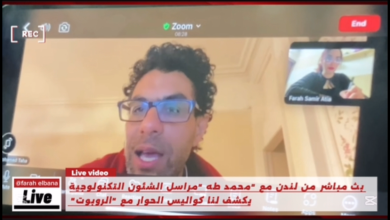
في هذا التقرير، نحاول فهم الرؤية الدينية تجاه الذكاء الاصطناعي من خلال حوار مع رجال دين متخصصين، ونناقش الأحكام الشرعية حول إنتاج الروبوتات المتفاعلة، والاستعانة بالبرامج الذكية في العمل والدراسة، ومدى مشروعية التعامل معها في الحياة الخاصة. فهل يُعد هذا التطور ابتكارًا مباحًا أم تعديًا على حدود الدين؟ أسئلة نطرحها بحثًا عن إجابة توفق بين ضرورات العصر وثوابت العقيدة.

ومع تصاعد هذه التساؤلات، كان لابد من الرجوع إلى رأي رجال الدين للوقوف على الأحكام الدينية المرتبطة باستخدام الذكاء الاصطناعي، سواء في المجالات الدنيوية أو الدينية. ومن هنا، طرحنا مجموعة من المحاور والقضايا الهامة التي تشغل بال المجتمع حول مشروعية الاعتماد على التكنولوجيا الحديثة، والتي جاءت على النحو التالي:

 “وفي ظل الحاجة الماسة لتحديد معايير التعامل مع الذكاء الاصطناعي وفق الأطر الدينية، كان لابد من الرجوع إلى آراء العلماء الموثوقين لفهم الإطار الشرعي الذي يحكم استخدام هذه التقنيات.”

 “علماء الأزهر: الوسائل تُحكم بمقاصدها.. واستخدام التقنية في الخير مباح، بل مستحب”

في هذا السياق، يؤكد الشيخ د. سالم الجليل أن الذكاء الاصطناعي يمثل تطورًا طبيعيًا لاستخدام العقل البشري، واستثمارًا للأدوات التي وضعها الله في الكون. ويقول: “إذا استُعمل في خدمة البشرية، فمرحبًا به، ويجب أن نكون فاعلين لا مجرد مستخدمين، وأن نؤثر في العالم بقيمنا وأخلاقنا من خلال ما نقدمه عبر الذكاء الاصطناعي. فلا حرج شرعي في استعماله، بل هو أداة ينبغي أن نحسن توظيفها.”

ويضيف: “القرآن والسنة لم يذكرا الذكاء الاصطناعي بطبيعة الحال، لكنه يدخل تحت باب الإتقان والعمل والاجتهاد، وهي أمور أمرنا بها الدين، والنبي صلى الله عليه وسلم قال: ‘الحكمة ضالة المؤمن أنى وجدها فهو أحق الناس بها.’”

 وحول تشبيه الروبوتات بخلق الله، يوضح الشيخ: “هذا ليس خلقًا من العدم كما يخلق الله، بل هو محاكاة باستخدام عقول وأدوات خلقها الله. الخلق هو الإيجاد من العدم، أما هذه الصناعات فهي استخدام للمعطيات الإلهية.”

 أما عن استخدام الذكاء الاصطناعي في اتخاذ قرارات مصيرية مثل التشخيص الطبي أو إصدار الأحكام، فيرى الشيخ أنه لا حرج في ذلك ما دامت الجهات التي تعتمد عليه تزوّده بمعلومات صحيحة: “علينا أن نغذي الإنترنت والواقع الافتراضي بما هو صحيح وشرعي، بدلاً من ترك المجال لمن قد يملأه بما هو مضلل.”

 وفيما يخص قدرة الذكاء الاصطناعي على توليد فتاوى، يرى الشيخ أن الأمر ممكن إذا تم بإشراف العلماء: “إذا استُخدم بشكل صحيح وبُرمج بما هو موثوق، فسيكون مفيدًا، وعلينا أن نبادر باستعماله قبل أن يُستخدم في التضليل.”

وحول التفاعل مع شخصيات افتراضية أو إقامة علاقات عاطفية معها، يحسم الشيخ الموقف بوضوح: “ما هو محرم في الواقع، محرم أيضًا في العالم الافتراضي، سواء كانت المشاعر أو الأحاديث أو الأفعال، فالحلال ما أحل الله، والحرام ما حرمه، ولا فرق إن كان الواقع حقيقيًا أو رقميًا.”

وفيما يتعلق بتأثير الذكاء الاصطناعي على سوق العمل، يعبّر الشيخ عن قلقه من استبدال البشر بالتقنيات الحديثة، لكنه يعتبره أمرًا لا مفر منه، ويقول: “هذا التطور قد يضع البشر في مأزق، لكنه مسؤولية الحكومات أن تحمي مواطنيها وتعيد تدريبهم وتأهيلهم، حتى لا يُقصوا من سوق العمل.”

 ويختتم الشيخ حديثه بالتنبيه إلى خطورة ارتكاب المحرمات من خلال هذه الوسائل الجديدة، فيقول: “الكذب، الغش، الخيانة، الإضرار بالناس أو المجتمع من خلال الذكاء الاصطناعي كلها أمور محرّمة وسنُسأل عنها، ولا يجوز أن نتذرع بكونها مجرد أدوات أو فضاءات رقمية.”

 بهذا الرأي الشامل، يوضح الشيخ د. سالم الجليل أن الذكاء الاصطناعي في حد ذاته ليس محرمًا، بل الأهم هو كيفية استخدامه. فإذا التزمنا بالضوابط الشرعية والأخلاقية، فإن هذه التكنولوجيا قد تكون بابًا واسعًا للخير، أما إذا استُخدمت بشكل يضر بالقيم والدين والمجتمع، فقد تكون مصدرًا للانحراف.

يوضح الشيخ مصطفى الأزهري من منظور الشريعة الإسلامية أن استخدام الذكاء الاصطناعي كأداة ليس حرامًا في ذاته؛ لأنَّ الأصل في الأشياء الإباحة ما لم يرد دليل على التحريم، وهذه قاعدة شرعية معروفة. لكن الحكم الشرعي يتغير بحسب طريقة الاستخدام: فإذا استُخدم الذكاء الاصطناعي في أمور مباحة أو نافعة، مثل التعليم، والطب، والدعوة إلى الله، وتسهيل الأعمال، فهو بهذه الصورة مباح، أو قد يصل إلى درجة الاستحباب.

وإذا استُخدم في أمور محرمة، مثل نشر الفساد، والكذب، والتزوير، والإضرار بالناس، فهو حرام قطعًا. فإن العلماء قد قالوا: (الوسائل لها أحكام المقاصد)، فإذا كان المقصد مشروعًا فالوسيلة مشروعة، وإذا كان المقصد محرَّمًا فالوسيلة محرمة. والله أعلم.

ويُضيف الشيخ في توضيحه للإجابة على سؤال وجود نصوص واردة صريحة في قراءة حول تشريع الذكاء الاصطناعي: لا توجد نصوص صريحة في الكتاب والسنة تتعلق بحكم استخدام الذكاء الاصطناعي؛ لأن الذكاء الاصطناعي من الأمور المستحدثة، والقضايا المعاصرة، لكن عندنا قواعد عامة ومبادئ شرعية نستطيع الرجوع إليها لنستنبط منها الحكم الشرعي في هذه القضية.

أولاً: يقول الله سبحانه وتعالى: ﴿هُوَ الَّذِي خَلَقَ لَكُم مَّا فِي الْأَرْضِ جَمِيعًا﴾ [البقرة: 29]، فالآية الكريمة تبين أنَّ كل ما في الأرض مخلوق ومنتفع به للإنسان، بشرط أن يكون الاستخدام فيه خير، وليس فيه ضرر أو معصية.

ثانيًا: قال رسول الله ﷺ: «لا ضرر ولا ضرار» [رواه ابن ماجه وغيره]. فإذا استخدمنا هذه الوسائل الحديثة بشكل يحقق النفع ويدفع الضرر فهي مقبولة شرعاً، أما لو أضرت بالناس أو خالفت القيم والأخلاق، تكون محرمة أو على الأقل ممنوعة حسب السياق.

ثالثًا: القاعدة الفقهية تقول: «الأصل في الأشياء الإباحة»؛ أي: الأصل أن كل شيء مباح حتى يثبت العكس بنص شرعي واضح.

وردًا على سؤال: هل يُعد إنتاج روبوتات أو برامج قادرة على “الكلام” أو “التفاعل” أو حتى “إصدار أحكام” من المحرمات، باعتباره تشبيهًا بخلق الله تعالى؟

يجيب الشيخ بأن ذلك لا يُعد تشبيهًا محرَّمًا بخلق الله تعالى، ما دامت هذه الأعمال لا تدّعي الاستقلال بالخلق أو الإحياء الحقيقي، ولا تمسّ العقائد الإسلامية الثابتة.

ويُفصّل الشيخ ذلك قائلًا:

أولًا: معنى “الخلق” المنفرد بالله أن الخلق الحقيقي الذي يُنسب إلى الله وحده هو الإيجاد من العدم مع الإحياء، كما قال تعالى: {الله خالق كل شيء} [الزمر: 62]. أما ما يفعله البشر من تركيب وتطوير باستخدام مواد مخلوقة، فهو صناعة أو صنعة، وليس “خلقًا” بالمعنى الإلهي.

ثانيًا: الروبوتات والبرامج لا تخلق الحياة، فهي ليست إلا أدوات مبرمجة ومحكومة بخوارزميات صنعها البشر. “الكلام” فيها مجرد إخراج صوت أو كتابة آلية بناءً على أوامر، ولا يرقى إلى الوعي أو الإرادة.

ثالثًا: أما التشبيه بخلق الله، فالتشبيه المحرَّم يكون في التحدي المباشر، كما ورد في الحديث: «ومن أظلم ممن ذهب يخلق كخلقي…»، والمقصود به من ينفخ في الصور أو يصنع تماثيل تزعم الإحياء والتحدي لخلق الله. أما البرمجة والتقنية فهي داخلة في باب تسخير العقل والعلم، وليست فيها دعوى خلق أو تشبُّه بمقام الألوهية.

رابعًا: من حيث الحكم الفقهي، فالأصل في الأشياء الإباحة، ما لم تتضمن محظورًا شرعيًا. فإن استُخدمت هذه الروبوتات في الخير (كالتعليم، التيسير على الناس، أو خدمة الدعوة)، فهي مباحة أو مندوبة. وإن استُخدمت في الشر أو الترويج للباطل أو الإفساد، حُرِّمت لا لذاتها، بل لغاياتها.

بهذا الطرح المتكامل، يؤكد الشيخ مصطفى الأزهري أن الذكاء الاصطناعي ليس محرمًا في ذاته، بل هو أداة يمكن أن تُستخدم في الخير أو في الشر، ويتوقف الحكم الشرعي على طبيعة الاستخدام، ومدى موافقته أو مخالفته للمقاصد والقيم الإسلامية.

شكرًا لمشاركتك النص، وها هو رأي القس يوسف ذكي بعد إعادة الصياغة الكاملة، مع الحفاظ على كل المعلومات الأصلية، وجعله مناسبًا للإدراج في مادة صحفية متماسكة:

 القس يوسف ذكي: موقف الكنيسة من الذكاء الاصطناعي

 يؤكد القس يوسف ذكي أن الذكاء الاصطناعي ليس شيئًا محرّمًا أو خاطئًا في ذاته، بل هو أداة يمكن للإنسان أن يستخدمها في الخير أو الشر، بحسب نيته وطريقة استخدامه. ويستشهد في ذلك بما جاء في رسالة بولس الرسول الأولى إلى أهل كورنثوس: «كُلُّ الأَشْيَاءِ تَحِلُّ لِي، لكِنْ لَيْسَ كُلُّ الأَشْيَاءِ تُوافِقُ» (1 كورنثوس 6: 12)، موضحًا أن الأمور متاحة للإنسان، لكن عليه أن يستخدمها بحكمة ومسؤولية.

 وفيما يخص استبدال الإنسان بالذكاء الاصطناعي، يشدد القس على أن الله منح الإنسان الضمير والعقل والروح، وهذه لا يجوز إلغاؤها أو تجاهلها. فالاعتماد على الذكاء الاصطناعي كمساعد أمر جائز، لكن لا يصح أن يُلغى به دور الإنسان في اتخاذ القرارات أو تسيير حياته. ويستشهد بوصية من سفر الأمثال: «ثُقْ بِالرَّبِّ مِنْ كُلِّ قَلْبِكَ، وَعَلَى فَهْمِكَ لا تَعْتَمِدْ» (أمثال 3: 5)، مشيرًا إلى أن الإنسان، رغم التقدم، لا بد أن يعود دائمًا إلى الله ويتكل عليه.

 ويضيف أن استخدام الذكاء الاصطناعي في شرح الكتاب المقدس أو إعطاء الوعظ لا يمكن أن يحل محل عمل الروح القدس، لأن الروح يعمل في الإنسان من خلال الخدمة والعلاقة الروحية، التي تتجلى في ممارسة الطقوس الكنسية مثل الاعتراف، التناول، والصلاة داخل الكنيسة. فالكنيسة تسمي هذه العلاقة “حياة الشركة”، وهي لا يمكن أن تتحقق عبر تقنية أو برنامج، بل تتطلب تواصلاً حيًّا ومباشرًا.

 ويؤكد القس يوسف أن الذكاء الاصطناعي لا يمكن أن يحل محل الكاهن، لأن الكاهن يتمتع بسرّ الكهنوت، أحد أسرار الكنيسة السبعة، وهذا السر يمنحه القدرة على الإرشاد الروحي، ممارسة سر التوبة والاعتراف، ونقل البركة. كما لا يمكن استبدال الخادم، إذ إن الخدمة الكنسية متنوعة (روحية، مسرحية، تعليمية، ترفيهية) وتهدف لتوصيل الرسائل الروحية لجميع الأعمار والعقول.

 ويستشهد القس بآيات من الكتاب المقدس يستند عليها استخدام الذكاء الاصطناعي:

  • «امْتَحِنُوا كُلَّ شَيْءٍ. تَمَسَّكُوا بِالْحَسَنِ» (1 تسالونيكي 5: 21)
  • «كُلُّ مَا فِي الْعَالَمِ … لَيْسَ مِنَ الآبِ، بَلْ مِنَ الْعَالَمِ» (1 يوحنا 2: 16)، مشيرًا إلى أن التكنولوجيا ليست من خلق الله مباشرة، بل من صنع الإنسان، وقد تشوبها أخطاء.

 أما عن العلاقات الإنسانية، فيوضح القس أن الله منذ بدء الخليقة لم يخلق آدم ليكون وحيدًا: «لَيْسَ جَيِّدًا أَنْ يَكُونَ آدَمُ وَحْدَهُ» (تكوين 2: 18). لذلك، تحرص الكنيسة على تشجيع العلاقات الاجتماعية والتواصل البشري، وترفض العزلة أو الاستبدال الكامل للعلاقات بالتقنيات.

 ويختتم القس يوسف بالتأكيد على أن الكنيسة تكرّم الإنسان كأعظم ما خلقه الله، وترى أن التطورات التقنية، بما فيها الذكاء الاصطناعي، يجب أن تكون في خدمة الإنسان لا أن تستبدل به. ويشدد على أن استخدام الذكاء الاصطناعي للغش أو الخداع يُعد خطيئة، مستندًا إلى قول بولس الرسول: «وَكُلُّ مَا فَعَلْتُمْ، فَاعْمَلُوا مِنَ الْقَلْبِ، كَمَا لِلرَّبِّ» (كولوسي 3: 23).

 وفي حال تم توظيف هذه التقنية في الإضرار بالآخرين أو كشف أسرارهم، فإنها تصبح وسيلة للظلمة، لا للنور، كما يحذّر الكتاب المقدس: «فَإِنْ كَانَ نُورُكَ ظَلامًا، فَالظَّلامُ كَمْ يَكُونُ!» (متى 6: 23).

“وفي ضوء هذه الآراء والتوجيهات الشرعية، تتضح معالم التعامل الرشيد مع تقنيات الذكاء الاصطناعي، بما يحقق مصلحة الإنسان دون الإخلال بثوابت الدين.”

اظهر المزيد

مقالات ذات صلة

زر الذهاب إلى الأعلى