/**
* @output wp-admin/js/dashboard.js
*/
/* global pagenow, ajaxurl, postboxes, wpActiveEditor:true, ajaxWidgets */
/* global ajaxPopulateWidgets, quickPressLoad, */
window.wp = window.wp || {};
window.communityEventsData = window.communityEventsData || {};
/**
* Initializes the dashboard widget functionality.
*
* @since 2.7.0
*/
jQuery( function($) {
var welcomePanel = $( '#welcome-panel' ),
welcomePanelHide = $('#wp_welcome_panel-hide'),
updateWelcomePanel;
/**
* Saves the visibility of the welcome panel.
*
* @since 3.3.0
*
* @param {boolean} visible Should it be visible or not.
*
* @return {void}
*/
updateWelcomePanel = function( visible ) {
$.post(
ajaxurl,
{
action: 'update-welcome-panel',
visible: visible,
welcomepanelnonce: $( '#welcomepanelnonce' ).val()
},
function() {
wp.a11y.speak( wp.i18n.__( 'Screen Options updated.' ) );
}
);
};
// Unhide the welcome panel if the Welcome Option checkbox is checked.
if ( welcomePanel.hasClass('hidden') && welcomePanelHide.prop('checked') ) {
welcomePanel.removeClass('hidden');
}
// Hide the welcome panel when the dismiss button or close button is clicked.
$('.welcome-panel-close, .welcome-panel-dismiss a', welcomePanel).on( 'click', function(e) {
e.preventDefault();
welcomePanel.addClass('hidden');
updateWelcomePanel( 0 );
$('#wp_welcome_panel-hide').prop('checked', false);
});
// Set welcome panel visibility based on Welcome Option checkbox value.
welcomePanelHide.on( 'click', function() {
welcomePanel.toggleClass('hidden', ! this.checked );
updateWelcomePanel( this.checked ? 1 : 0 );
});
/**
* These widgets can be populated via ajax.
*
* @since 2.7.0
*
* @type {string[]}
*
* @global
*/
window.ajaxWidgets = ['dashboard_primary'];
/**
* Triggers widget updates via Ajax.
*
* @since 2.7.0
*
* @global
*
* @param {string} el Optional. Widget to fetch or none to update all.
*
* @return {void}
*/
window.ajaxPopulateWidgets = function(el) {
/**
* Fetch the latest representation of the widget via Ajax and show it.
*
* @param {number} i Number of half-seconds to use as the timeout.
* @param {string} id ID of the element which is going to be checked for changes.
*
* @return {void}
*/
function show(i, id) {
var p, e = $('#' + id + ' div.inside:visible').find('.widget-loading');
// If the element is found in the dom, queue to load latest representation.
if ( e.length ) {
p = e.parent();
setTimeout( function(){
// Request the widget content.
p.load( ajaxurl + '?action=dashboard-widgets&widget=' + id + '&pagenow=' + pagenow, '', function() {
// Hide the parent and slide it out for visual fanciness.
p.hide().slideDown('normal', function(){
$(this).css('display', '');
});
});
}, i * 500 );
}
}
// If we have received a specific element to fetch, check if it is valid.
if ( el ) {
el = el.toString();
// If the element is available as Ajax widget, show it.
if ( $.inArray(el, ajaxWidgets) !== -1 ) {
// Show element without any delay.
show(0, el);
}
} else {
// Walk through all ajaxWidgets, loading them after each other.
$.each( ajaxWidgets, show );
}
};
// Initially populate ajax widgets.
ajaxPopulateWidgets();
// Register ajax widgets as postbox toggles.
postboxes.add_postbox_toggles(pagenow, { pbshow: ajaxPopulateWidgets } );
/**
* Control the Quick Press (Quick Draft) widget.
*
* @since 2.7.0
*
* @global
*
* @return {void}
*/
window.quickPressLoad = function() {
var act = $('#quickpost-action'), t;
// Enable the submit buttons.
$( '#quick-press .submit input[type="submit"], #quick-press .submit input[type="reset"]' ).prop( 'disabled' , false );
t = $('#quick-press').on( 'submit', function( e ) {
e.preventDefault();
// Show a spinner.
$('#dashboard_quick_press #publishing-action .spinner').show();
// Disable the submit button to prevent duplicate submissions.
$('#quick-press .submit input[type="submit"], #quick-press .submit input[type="reset"]').prop('disabled', true);
// Post the entered data to save it.
$.post( t.attr( 'action' ), t.serializeArray(), function( data ) {
// Replace the form, and prepend the published post.
$('#dashboard_quick_press .inside').html( data );
$('#quick-press').removeClass('initial-form');
quickPressLoad();
highlightLatestPost();
// Focus the title to allow for quickly drafting another post.
$('#title').trigger( 'focus' );
});
/**
* Highlights the latest post for one second.
*
* @return {void}
*/
function highlightLatestPost () {
var latestPost = $('.drafts ul li').first();
latestPost.css('background', '#fffbe5');
setTimeout(function () {
latestPost.css('background', 'none');
}, 1000);
}
} );
// Change the QuickPost action to the publish value.
$('#publish').on( 'click', function() { act.val( 'post-quickpress-publish' ); } );
$('#quick-press').on( 'click focusin', function() {
wpActiveEditor = 'content';
});
autoResizeTextarea();
};
window.quickPressLoad();
// Enable the dragging functionality of the widgets.
$( '.meta-box-sortables' ).sortable( 'option', 'containment', '#wpwrap' );
/**
* Adjust the height of the textarea based on the content.
*
* @since 3.6.0
*
* @return {void}
*/
function autoResizeTextarea() {
// When IE8 or older is used to render this document, exit.
if ( document.documentMode && document.documentMode < 9 ) {
return;
}
// Add a hidden div. We'll copy over the text from the textarea to measure its height.
$('body').append( '<div class="quick-draft-textarea-clone" style="display: none;"></div>' );
var clone = $('.quick-draft-textarea-clone'),
editor = $('#content'),
editorHeight = editor.height(),
/*
* 100px roughly accounts for browser chrome and allows the
* save draft button to show on-screen at the same time.
*/
editorMaxHeight = $(window).height() - 100;
/*
* Match up textarea and clone div as much as possible.
* Padding cannot be reliably retrieved using shorthand in all browsers.
*/
clone.css({
'font-family': editor.css('font-family'),
'font-size': editor.css('font-size'),
'line-height': editor.css('line-height'),
'padding-bottom': editor.css('paddingBottom'),
'padding-left': editor.css('paddingLeft'),
'padding-right': editor.css('paddingRight'),
'padding-top': editor.css('paddingTop'),
'white-space': 'pre-wrap',
'word-wrap': 'break-word',
'display': 'none'
});
// The 'propertychange' is used in IE < 9.
editor.on('focus input propertychange', function() {
var $this = $(this),
// Add a non-breaking space to ensure that the height of a trailing newline is
// included.
textareaContent = $this.val() + ' ',
// Add 2px to compensate for border-top & border-bottom.
cloneHeight = clone.css('width', $this.css('width')).text(textareaContent).outerHeight() + 2;
// Default to show a vertical scrollbar, if needed.
editor.css('overflow-y', 'auto');
// Only change the height if it has changed and both heights are below the max.
if ( cloneHeight === editorHeight || ( cloneHeight >= editorMaxHeight && editorHeight >= editorMaxHeight ) ) {
return;
}
/*
* Don't allow editor to exceed the height of the window.
* This is also bound in CSS to a max-height of 1300px to be extra safe.
*/
if ( cloneHeight > editorMaxHeight ) {
editorHeight = editorMaxHeight;
} else {
editorHeight = cloneHeight;
}
// Disable scrollbars because we adjust the height to the content.
editor.css('overflow', 'hidden');
$this.css('height', editorHeight + 'px');
});
}
} );
jQuery( function( $ ) {
'use strict';
var communityEventsData = window.communityEventsData,
dateI18n = wp.date.dateI18n,
format = wp.date.format,
sprintf = wp.i18n.sprintf,
__ = wp.i18n.__,
_x = wp.i18n._x,
app;
/**
* Global Community Events namespace.
*
* @since 4.8.0
*
* @memberOf wp
* @namespace wp.communityEvents
*/
app = window.wp.communityEvents = /** @lends wp.communityEvents */{
initialized: false,
model: null,
/**
* Initializes the wp.communityEvents object.
*
* @since 4.8.0
*
* @return {void}
*/
init: function() {
if ( app.initialized ) {
return;
}
var $container = $( '#community-events' );
/*
* When JavaScript is disabled, the errors container is shown, so
* that "This widget requires JavaScript" message can be seen.
*
* When JS is enabled, the container is hidden at first, and then
* revealed during the template rendering, if there actually are
* errors to show.
*
* The display indicator switches from `hide-if-js` to `aria-hidden`
* here in order to maintain consistency with all the other fields
* that key off of `aria-hidden` to determine their visibility.
* `aria-hidden` can't be used initially, because there would be no
* way to set it to false when JavaScript is disabled, which would
* prevent people from seeing the "This widget requires JavaScript"
* message.
*/
$( '.community-events-errors' )
.attr( 'aria-hidden', 'true' )
.removeClass( 'hide-if-js' );
$container.on( 'click', '.community-events-toggle-location, .community-events-cancel', app.toggleLocationForm );
/**
* Filters events based on entered location.
*
* @return {void}
*/
$container.on( 'submit', '.community-events-form', function( event ) {
var location = $( '#community-events-location' ).val().trim();
event.preventDefault();
/*
* Don't trigger a search if the search field is empty or the
* search term was made of only spaces before being trimmed.
*/
if ( ! location ) {
return;
}
app.getEvents({
location: location
});
});
if ( communityEventsData && communityEventsData.cache && communityEventsData.cache.location && communityEventsData.cache.events ) {
app.renderEventsTemplate( communityEventsData.cache, 'app' );
} else {
app.getEvents();
}
app.initialized = true;
},
/**
* Toggles the visibility of the Edit Location form.
*
* @since 4.8.0
*
* @param {event|string} action 'show' or 'hide' to specify a state;
* or an event object to flip between states.
*
* @return {void}
*/
toggleLocationForm: function( action ) {
var $toggleButton = $( '.community-events-toggle-location' ),
$cancelButton = $( '.community-events-cancel' ),
$form = $( '.community-events-form' ),
$target = $();
if ( 'object' === typeof action ) {
// The action is the event object: get the clicked element.
$target = $( action.target );
/*
* Strict comparison doesn't work in this case because sometimes
* we explicitly pass a string as value of aria-expanded and
* sometimes a boolean as the result of an evaluation.
*/
action = 'true' == $toggleButton.attr( 'aria-expanded' ) ? 'hide' : 'show';
}
if ( 'hide' === action ) {
$toggleButton.attr( 'aria-expanded', 'false' );
$cancelButton.attr( 'aria-expanded', 'false' );
$form.attr( 'aria-hidden', 'true' );
/*
* If the Cancel button has been clicked, bring the focus back
* to the toggle button so users relying on screen readers don't
* lose their place.
*/
if ( $target.hasClass( 'community-events-cancel' ) ) {
$toggleButton.trigger( 'focus' );
}
} else {
$toggleButton.attr( 'aria-expanded', 'true' );
$cancelButton.attr( 'aria-expanded', 'true' );
$form.attr( 'aria-hidden', 'false' );
}
},
/**
* Sends REST API requests to fetch events for the widget.
*
* @since 4.8.0
*
* @param {Object} requestParams REST API Request parameters object.
*
* @return {void}
*/
getEvents: function( requestParams ) {
var initiatedBy,
app = this,
$spinner = $( '.community-events-form' ).children( '.spinner' );
requestParams = requestParams || {};
requestParams._wpnonce = communityEventsData.nonce;
requestParams.timezone = window.Intl ? window.Intl.DateTimeFormat().resolvedOptions().timeZone : '';
initiatedBy = requestParams.location ? 'user' : 'app';
$spinner.addClass( 'is-active' );
wp.ajax.post( 'get-community-events', requestParams )
.always( function() {
$spinner.removeClass( 'is-active' );
})
.done( function( response ) {
if ( 'no_location_available' === response.error ) {
if ( requestParams.location ) {
response.unknownCity = requestParams.location;
} else {
/*
* No location was passed, which means that this was an automatic query
* based on IP, locale, and timezone. Since the user didn't initiate it,
* it should fail silently. Otherwise, the error could confuse and/or
* annoy them.
*/
delete response.error;
}
}
app.renderEventsTemplate( response, initiatedBy );
})
.fail( function() {
app.renderEventsTemplate({
'location' : false,
'events' : [],
'error' : true
}, initiatedBy );
});
},
/**
* Renders the template for the Events section of the Events & News widget.
*
* @since 4.8.0
*
* @param {Object} templateParams The various parameters that will get passed to wp.template.
* @param {string} initiatedBy 'user' to indicate that this was triggered manually by the user;
* 'app' to indicate it was triggered automatically by the app itself.
*
* @return {void}
*/
renderEventsTemplate: function( templateParams, initiatedBy ) {
var template,
elementVisibility,
$toggleButton = $( '.community-events-toggle-location' ),
$locationMessage = $( '#community-events-location-message' ),
$results = $( '.community-events-results' );
templateParams.events = app.populateDynamicEventFields(
templateParams.events,
communityEventsData.time_format
);
/*
* Hide all toggleable elements by default, to keep the logic simple.
* Otherwise, each block below would have to turn hide everything that
* could have been shown at an earlier point.
*
* The exception to that is that the .community-events container is hidden
* when the page is first loaded, because the content isn't ready yet,
* but once we've reached this point, it should always be shown.
*/
elementVisibility = {
'.community-events' : true,
'.community-events-loading' : false,
'.community-events-errors' : false,
'.community-events-error-occurred' : false,
'.community-events-could-not-locate' : false,
'#community-events-location-message' : false,
'.community-events-toggle-location' : false,
'.community-events-results' : false
};
/*
* Determine which templates should be rendered and which elements
* should be displayed.
*/
if ( templateParams.location.ip ) {
/*
* If the API determined the location by geolocating an IP, it will
* provide events, but not a specific location.
*/
$locationMessage.text( __( 'Attend an upcoming event near you.' ) );
if ( templateParams.events.length ) {
template = wp.template( 'community-events-event-list' );
$results.html( template( templateParams ) );
} else {
template = wp.template( 'community-events-no-upcoming-events' );
$results.html( template( templateParams ) );
}
elementVisibility['#community-events-location-message'] = true;
elementVisibility['.community-events-toggle-location'] = true;
elementVisibility['.community-events-results'] = true;
} else if ( templateParams.location.description ) {
template = wp.template( 'community-events-attend-event-near' );
$locationMessage.html( template( templateParams ) );
if ( templateParams.events.length ) {
template = wp.template( 'community-events-event-list' );
$results.html( template( templateParams ) );
} else {
template = wp.template( 'community-events-no-upcoming-events' );
$results.html( template( templateParams ) );
}
if ( 'user' === initiatedBy ) {
wp.a11y.speak(
sprintf(
/* translators: %s: The name of a city. */
__( 'City updated. Listing events near %s.' ),
templateParams.location.description
),
'assertive'
);
}
elementVisibility['#community-events-location-message'] = true;
elementVisibility['.community-events-toggle-location'] = true;
elementVisibility['.community-events-results'] = true;
} else if ( templateParams.unknownCity ) {
template = wp.template( 'community-events-could-not-locate' );
$( '.community-events-could-not-locate' ).html( template( templateParams ) );
wp.a11y.speak(
sprintf(
/*
* These specific examples were chosen to highlight the fact that a
* state is not needed, even for cities whose name is not unique.
* It would be too cumbersome to include that in the instructions
* to the user, so it's left as an implication.
*/
/*
* translators: %s is the name of the city we couldn't locate.
* Replace the examples with cities related to your locale. Test that
* they match the expected location and have upcoming events before
* including them. If no cities related to your locale have events,
* then use cities related to your locale that would be recognizable
* to most users. Use only the city name itself, without any region
* or country. Use the endonym (native locale name) instead of the
* English name if possible.
*/
__( 'We couldn’t locate %s. Please try another nearby city. For example: Kansas City; Springfield; Portland.' ),
templateParams.unknownCity
)
);
elementVisibility['.community-events-errors'] = true;
elementVisibility['.community-events-could-not-locate'] = true;
} else if ( templateParams.error && 'user' === initiatedBy ) {
/*
* Errors messages are only shown for requests that were initiated
* by the user, not for ones that were initiated by the app itself.
* Showing error messages for an event that user isn't aware of
* could be confusing or unnecessarily distracting.
*/
wp.a11y.speak( __( 'An error occurred. Please try again.' ) );
elementVisibility['.community-events-errors'] = true;
elementVisibility['.community-events-error-occurred'] = true;
} else {
$locationMessage.text( __( 'Enter your closest city to find nearby events.' ) );
elementVisibility['#community-events-location-message'] = true;
elementVisibility['.community-events-toggle-location'] = true;
}
// Set the visibility of toggleable elements.
_.each( elementVisibility, function( isVisible, element ) {
$( element ).attr( 'aria-hidden', ! isVisible );
});
$toggleButton.attr( 'aria-expanded', elementVisibility['.community-events-toggle-location'] );
if ( templateParams.location && ( templateParams.location.ip || templateParams.location.latitude ) ) {
// Hide the form when there's a valid location.
app.toggleLocationForm( 'hide' );
if ( 'user' === initiatedBy ) {
/*
* When the form is programmatically hidden after a user search,
* bring the focus back to the toggle button so users relying
* on screen readers don't lose their place.
*/
$toggleButton.trigger( 'focus' );
}
} else {
app.toggleLocationForm( 'show' );
}
},
/**
* Populate event fields that have to be calculated on the fly.
*
* These can't be stored in the database, because they're dependent on
* the user's current time zone, locale, etc.
*
* @since 5.5.2
*
* @param {Array} rawEvents The events that should have dynamic fields added to them.
* @param {string} timeFormat A time format acceptable by `wp.date.dateI18n()`.
*
* @returns {Array}
*/
populateDynamicEventFields: function( rawEvents, timeFormat ) {
// Clone the parameter to avoid mutating it, so that this can remain a pure function.
var populatedEvents = JSON.parse( JSON.stringify( rawEvents ) );
$.each( populatedEvents, function( index, event ) {
var timeZone = app.getTimeZone( event.start_unix_timestamp * 1000 );
event.user_formatted_date = app.getFormattedDate(
event.start_unix_timestamp * 1000,
event.end_unix_timestamp * 1000,
timeZone
);
event.user_formatted_time = dateI18n(
timeFormat,
event.start_unix_timestamp * 1000,
timeZone
);
event.timeZoneAbbreviation = app.getTimeZoneAbbreviation( event.start_unix_timestamp * 1000 );
} );
return populatedEvents;
},
/**
* Returns the user's local/browser time zone, in a form suitable for `wp.date.i18n()`.
*
* @since 5.5.2
*
* @param startTimestamp
*
* @returns {string|number}
*/
getTimeZone: function( startTimestamp ) {
/*
* Prefer a name like `Europe/Helsinki`, since that automatically tracks daylight savings. This
* doesn't need to take `startTimestamp` into account for that reason.
*/
var timeZone = Intl.DateTimeFormat().resolvedOptions().timeZone;
/*
* Fall back to an offset for IE11, which declares the property but doesn't assign a value.
*/
if ( 'undefined' === typeof timeZone ) {
/*
* It's important to use the _event_ time, not the _current_
* time, so that daylight savings time is accounted for.
*/
timeZone = app.getFlippedTimeZoneOffset( startTimestamp );
}
return timeZone;
},
/**
* Get intuitive time zone offset.
*
* `Data.prototype.getTimezoneOffset()` returns a positive value for time zones
* that are _behind_ UTC, and a _negative_ value for ones that are ahead.
*
* See https://stackoverflow.com/questions/21102435/why-does-javascript-date-gettimezoneoffset-consider-0500-as-a-positive-off.
*
* @since 5.5.2
*
* @param {number} startTimestamp
*
* @returns {number}
*/
getFlippedTimeZoneOffset: function( startTimestamp ) {
return new Date( startTimestamp ).getTimezoneOffset() * -1;
},
/**
* Get a short time zone name, like `PST`.
*
* @since 5.5.2
*
* @param {number} startTimestamp
*
* @returns {string}
*/
getTimeZoneAbbreviation: function( startTimestamp ) {
var timeZoneAbbreviation,
eventDateTime = new Date( startTimestamp );
/*
* Leaving the `locales` argument undefined is important, so that the browser
* displays the abbreviation that's most appropriate for the current locale. For
* some that will be `UTC{+|-}{n}`, and for others it will be a code like `PST`.
*
* This doesn't need to take `startTimestamp` into account, because a name like
* `America/Chicago` automatically tracks daylight savings.
*/
var shortTimeStringParts = eventDateTime.toLocaleTimeString( undefined, { timeZoneName : 'short' } ).split( ' ' );
if ( 3 === shortTimeStringParts.length ) {
timeZoneAbbreviation = shortTimeStringParts[2];
}
if ( 'undefined' === typeof timeZoneAbbreviation ) {
/*
* It's important to use the _event_ time, not the _current_
* time, so that daylight savings time is accounted for.
*/
var timeZoneOffset = app.getFlippedTimeZoneOffset( startTimestamp ),
sign = -1 === Math.sign( timeZoneOffset ) ? '' : '+';
// translators: Used as part of a string like `GMT+5` in the Events Widget.
timeZoneAbbreviation = _x( 'GMT', 'Events widget offset prefix' ) + sign + ( timeZoneOffset / 60 );
}
return timeZoneAbbreviation;
},
/**
* Format a start/end date in the user's local time zone and locale.
*
* @since 5.5.2
*
* @param {int} startDate The Unix timestamp in milliseconds when the the event starts.
* @param {int} endDate The Unix timestamp in milliseconds when the the event ends.
* @param {string} timeZone A time zone string or offset which is parsable by `wp.date.i18n()`.
*
* @returns {string}
*/
getFormattedDate: function( startDate, endDate, timeZone ) {
var formattedDate;
/*
* The `date_format` option is not used because it's important
* in this context to keep the day of the week in the displayed date,
* so that users can tell at a glance if the event is on a day they
* are available, without having to open the link.
*
* The case of crossing a year boundary is intentionally not handled.
* It's so rare in practice that it's not worth the complexity
* tradeoff. The _ending_ year should be passed to
* `multiple_month_event`, though, just in case.
*/
/* translators: Date format for upcoming events on the dashboard. Include the day of the week. See https://www.php.net/manual/datetime.format.php */
var singleDayEvent = __( 'l, M j, Y' ),
/* translators: Date string for upcoming events. 1: Month, 2: Starting day, 3: Ending day, 4: Year. */
multipleDayEvent = __( '%1$s %2$d–%3$d, %4$d' ),
/* translators: Date string for upcoming events. 1: Starting month, 2: Starting day, 3: Ending month, 4: Ending day, 5: Ending year. */
multipleMonthEvent = __( '%1$s %2$d – %3$s %4$d, %5$d' );
// Detect single-day events.
if ( ! endDate || format( 'Y-m-d', startDate ) === format( 'Y-m-d', endDate ) ) {
formattedDate = dateI18n( singleDayEvent, startDate, timeZone );
// Multiple day events.
} else if ( format( 'Y-m', startDate ) === format( 'Y-m', endDate ) ) {
formattedDate = sprintf(
multipleDayEvent,
dateI18n( _x( 'F', 'upcoming events month format' ), startDate, timeZone ),
dateI18n( _x( 'j', 'upcoming events day format' ), startDate, timeZone ),
dateI18n( _x( 'j', 'upcoming events day format' ), endDate, timeZone ),
dateI18n( _x( 'Y', 'upcoming events year format' ), endDate, timeZone )
);
// Multi-day events that cross a month boundary.
} else {
formattedDate = sprintf(
multipleMonthEvent,
dateI18n( _x( 'F', 'upcoming events month format' ), startDate, timeZone ),
dateI18n( _x( 'j', 'upcoming events day format' ), startDate, timeZone ),
dateI18n( _x( 'F', 'upcoming events month format' ), endDate, timeZone ),
dateI18n( _x( 'j', 'upcoming events day format' ), endDate, timeZone ),
dateI18n( _x( 'Y', 'upcoming events year format' ), endDate, timeZone )
);
}
return formattedDate;
}
};
if ( $( '#dashboard_primary' ).is( ':visible' ) ) {
app.init();
} else {
$( document ).on( 'postbox-toggled', function( event, postbox ) {
var $postbox = $( postbox );
if ( 'dashboard_primary' === $postbox.attr( 'id' ) && $postbox.is( ':visible' ) ) {
app.init();
}
});
}
});
/**
* Removed in 5.6.0, needed for back-compatibility.
*
* @since 4.8.0
* @deprecated 5.6.0
*
* @type {object}
*/
window.communityEventsData.l10n = window.communityEventsData.l10n || {
enter_closest_city: '',
error_occurred_please_try_again: '',
attend_event_near_generic: '',
could_not_locate_city: '',
city_updated: ''
};
window.communityEventsData.l10n = window.wp.deprecateL10nObject( 'communityEventsData.l10n', window.communityEventsData.l10n, '5.6.0' );
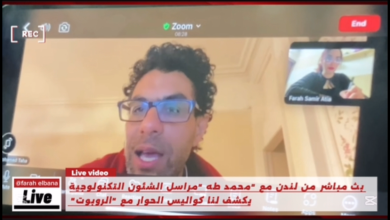
كتبت : فرح سمير بين دفء الصوت وبرود التقنية… أسامة منير يتحدث
“حين يُستنسخ الصوت.. هل تُستنسخ الروح؟”
“أسامة منير: الروح لا تسجل ب mp3 ولا ذكاء يعوّض دفء الصوت الإنساني
عندما يُذكر اسم الإذاعة في العالم العربى ، يتردد في الأذهان فورًا صوت الإعلامي القدير أسامة منير، صاحب المدرسة الخاصة في فن التقديم الإذاعي، والبصمة الإنسانية الواضحة في برامجه، وعلى رأسها البرنامج الأشهر “أنا والنجوم وهواك”. بصوته العذب وحضوره الإنساني، أصبح “ الغائب الحاضر ” في ذاكرة مستمعين تربّوا على نبرة صدقه ودفء كلماته.
وفي الوقت الذي تواصل فيه التكنولوجيا اقتحام ميادين الإعلام، أعلنت شركة Google في مايو 2025 عن ميزة “البودكاست الذكي” ضمن تطبيق Gemini، والتي تتيح للمستخدمين تحويل مستنداتهم إلى حلقات صوتية تفاعلية، تديرها شخصيتان ذكيتان تعملان بالذكاء الاصطناعي.
في هذا السياق، نتحاور اليوم مع الإعلامي أسامة منير حول هذه النقلة النوعية، ونبحث معه في سؤال جوهري: هل ما زال الصوت البشري الدافئ قادرًا على الصمود أمام زحف الذكاء الاصطناعي؟ كيف يمكن للإعلامي أن يتكيّف مع هذه الأدوات الجديدة، دون أن يفقد إنسانيته، أو يفرّط في جوهر الرسالة الإعلامية؟
في رأيك، هل البودكاست بصوت الذكاء الاصطناعي يمكن أن ينافس صوت وتجربة المذيع البشري في المستقبل؟
أعتقد أن البودكاست “لحم ودم”، لا يصح أن يكون بصوت الذكاء الاصطناعي أبدًا. لأنك إن قمتِ بتحضير الأسئلة وطرحتها بصوت الذكاء الاصطناعي، ثم جاءت الإجابات أيضًا من الذكاءالاصطناعي، فكأنك فقط تبحثين عن وسيلة لقراءة نص مكتوب. لكن الحوار الحقيقي يكون حيًا، عبارة عن تلاقٍ بين فكر وفكر، وعقل وعقل. يكون فيه أخذ وردّ، ولا يمكن أن يُدار بأي شكل من الأشكال عن طريق الذكاء الاصطناعي، لأنه ببساطة سيفقد “الروح”،وسيفقد “الطعم”، وحتى “ذكاء الحوار” نفسه.
لديك تاريخ طويل في البرامج الإذاعية المؤثرة.. هل تعتقد أن الذكاء الاصطناعي يمكن أن ينقل نفس المشاعر والدفء الذي يقدمه المذيع الحقيقي؟
أعتقد أن البرامج الإذاعية لا يمكن أن تُدار على الإطلاق بتقنيات الذكاء الاصطناعي، فهذا شيء بعيد تمامًا. لأن المذيع الذي يجلس أمام الميكروفون — والذي نسميه “الحديدة” —تنقل “الحديدة” هذه ليس فقط صوته، وإنما أيضًا إحساسه وأفكاره، ومشاعره من فرح أو غضب أو حماس هناك دفء وخصوصية في العلاقة الحوارية بين المذيع والمستمع، ولا أعتقد أن هذا يمكن أن نحصل عليه بأي حال من الأحوال من الذكاء الاصطناعي.
هل سبق أن جربت أي أدوات ذكاء اصطناعي في إعداد أو إنتاج محتوى صوتي أو بودكاست؟ وإن لم تفعل، هل تفكر باستخدامها مستقبلا ً ؟
نعم، بالفعل جربت، كنت أستطلع كيف يمكن إنتاج محتوى بالذكاء الاصطناعي، أو كيف يمكن أن يساعدني في إعداد أفكار إذاعية أو وضع محاور.وجدت أنه ببساطة يجمع كل ما هو موجود على الإنترنت، لكنه لا يبتكر. يعرض المتاح فقط، ولا يضيف عليه.
ونعم، قد نستخدمه أحيانًا في أعمال “الفويس أوفر”، لكن في البرامج الإذاعية، لا.. لم أستخدمه من قبل ولا أرى أنه يمكن أن يُستخدم.
فيه بودكاستات حاليًا تُنتَج بالكامل باستخدام الذكاء الاصطناعي.. من كتابة النص إلى صوت المذيع، وحتى تحرير الحلقات. هل ترى في ذلك فرصة لتطور الإعلام أم خطرًا على المهنة؟
كون أن هناك الآن بودكاست يُنتَج بالكامل بالذكاء الاصطناعي، لا أعتقد أنه يُعتبر بودكاست حقيقي. لأنه سيفتقد للروح. ما الفائدة أن أطلب من الذكاء الاصطناعي كتابة سكريبت، ثم يقرأه بصوت مذيع اصطناعي، ويضيف له موسيقى، وأرفعه على المنصة؟ لم أفعل شيئًا.
لو قلت له مثلا ً : “اعمل لي محاضرة أو بودكاست عن التعايش السلمي”، سيضع لي نقاطًا وشرحًا. ثم أطلب منه قراءتها، فيقرأها جميعًا بإضافة موسيقى خلفية، فأقوم بنشرها على الإنترنت. هل فعلت شيئًا؟ لا. هذا يمكن لأي شخص أن يقرؤه على الإنترنت. البودكاست في جوهره إنساني. الإنسان هو من يناقش، وله فكر وتصور ورؤية، وهذا لن تجده أبدًا عند الذكاء الاصطناعي. الذكاء الاصطناعي يجمع لك بيانات واقعية من الإنترنت، لكنه لا يخلق. سأضرب لكِ مثلا ً : هناك أجهزة حديثة الآن تنتج موسيقى كاملة من توزيع وتركيب إيقاعات وآلات. لكن هناك آلات موسيقية، لا يمكن أن تُعزف إلا “لايف” لأن عزفها الحقيقي يحمل طعمًا خاصًا.مثل الكمان، والتشيلو، والأكورديون. لا يمكن أن تُعزف من “كيبورد”، لأن الصوت يختلف تمامًا.
هل سبق أن تم استخدام نبرة صوتك المميزة في تقنيات الذكاء الاصطناعي؟ وإن حدث، فكيف كان شعورك عندما استمعت إليه؟
نعم، سمعت صوتي بالذكاء الاصطناعي. فى مرة أحد الموزعين الموسيقيين أرسل لي مقطعًا ساخرًا استخدم فيه صوتي في“فويس أوفر”، وقال لي ممازحًا: “أنا ممكن أستغل صوتك!” ضحكت، لم أزعل، لكن لاحظت أنه ربما أخذ نبرة صوتي، “التون” والموجة الصوتية كانت صحيحة، لكن مخارج الحروف كانت مختلفة، والأسلوب كان مختلفًا. لأن من قرأ هو المتحدث الحقيقي، لكنه فقط غيّر صوته ليصبح صوتي. أي أن الذكاء الاصطناعي أخرج صوتي، لكن بأسلوبه هو. فلم يكن “الفويس أوفر” حتى بأسلوبي أنا. فما بالك لو استُخدم هذا في الرد على الناس في حوارات وأسئلة؟ هناك شيئًا “بلاستيكيًا”، شيئًا غير حقيقي. ستشعرين أن مع أنه لم يكن سكريبتًا مكتوبًا، بل مجرد تعديل صوت. فلم يوصل لا المعنى، ولا الإحساس، ولا حتى التحفيز.وهنا نقطة مهمة أود أن أذكرها: “الفويس أوفر” في الإعلان، هو البائع، هو من يقدّم المنتج للمستهلك، هو من يقنعه به بأسلوب معين. والإقناع هذا موهبة من عند الله سبحانه وتعالى، والصوت المقبول كذلك نعمة من الله.لا يمكن لشيء صُنع بأيادٍ بشرية أن يضاهي ما خلقه الله.
ما رأيك في تأثير الذكاء الاصطناعي على فرص الشباب في دخول مجال البودكاست؟ هل يمكن أن يسهل الطريق، أم يقلل من قيمة التجربة والخبرة؟الذكاء الاصطناعي؟
أعتقد أنه سيؤثر على دخول الشباب لمجال الإعلام والبودكاست. وهناك خطورة أخرى أود أن أذكرها، لا أعلم إن كنتِ ستسألين عنها أم لا،لكن أي شخص يمكنه الآن إنشاء بودكاست أو حوار باستخدام الذكاء الاصطناعي، ويمكن أن يستخدم أصوات شخصيات عالمية، أو أصوات لمسؤولين، وقد يؤدي ذلك إلى كارثة سياسية. تخيلوا أحدهم يستخدم صوت مسؤول ويضعه في إجابات معينة بطريقة مزيفة، هذا قد يسبب أزمة سياسية خطيرة، حتى على المستوى المحلي.
اذا طلبت من حضرتك نصيحة لطلاب الإعلام الذين يرغبون في دخول مجال البودكاست، خاصة في ظل وجود الذكاء الاصطناعي، ماذا تقول لهم؟
أقول للشباب الذين يريدون دخول مجال البودكاست والعمل في الإعلام: الميديا تحتاج إلى الإنسان الذي يمتلك “ذكاء اجتماعي”، ويجيد فن الحوار، ويعرف كيف يأخذ ويعطي. لأن الكلام يجب أن يكون تبادليًا، لا مجرد “أنا أتكلم وأتكلم” دون أن أترك مجالا ً للرد. ويجب أن يكون لديه ثقافة، ليس بالضرورة تخصصًا، لكن يعرف بعض الأمور الطبية، بعض الأمور التاريخية، الاجتماعية، الفنية،حتى عندما يتحدث، يكون لديه خلفية، ويكون مدركًا لما يتحدث عنه، لا يبدو كمن يكتشف الكلام لأول مرة أما عن استغلال الذكاء الاصطناعي في البودكاست، فيمكن استخدامه في تأليف موسيقى تتر أو خلفيات صوتية. لكن بودكاست كامل بأفكاره وبنائه بالذكاء الاصطناعي؟ لا أعتقد أنه سيكون مبدعًا أبدًا. يجب أن يجتهد الإنسان قليلا ً ليخرج بشيء مميز. المذيع الذي يريد أن يتعلم الإذاعة، عليه أن يتعلمها. الإذاعة بسيطة وسهلة، لكنها تتطلب شيئين: الحرفية والموهبة. يجب تعلم الحرفة: طريقة الكلام، النقاش، تقسيم المحاور، احترام الرأي الآخر.. إلخ. لكن الموهبة هي التي تطغى على الحرفة، وهي من عند الله. الله يعطيها لإنسان معين، لا تُمنح لأي أحد.
هل ترى أن مستقبل الإعلام الصوتي سيبقى قائمًا على العنصر البشري، أم أن الذكاء الاصطناعي قد يستحوذ عليه؟
الإعلام الصوتي سيظل كما هو، إعلامًا صوتيًا. ما الفائدة من أن أستمع إلى الراديو وتكون كل برامجه مصنوعة بالذكاء الاصطناعي؟ الذكاء الاصطناعي قد يكون مناسبًا في تطبيقات قراءة الكتب، لكنها ستكون مملة، بدون روح، بدون إحساس. الإحساس الذي يصل إلى الإنسان لا يمكن أن ينقله الذكاء الاصطناعي. فأنا شخصيًا جربت كثيرًا، مثلا ً كنا نسجل مواد وثائقية “دوكيومنتريز”، وحاولت بعد تسجيلها أن أستخدم صوتي مع الذكاء الاصطناعي، لكن النتيجة كانت سيئة جدًا جدًا.
بين أصالة الصوت الإذاعي وذكاء الآلة، يبقى الإنسان هو العنصر الحاسم في صناعة المحتوى. الإعلامي القدير أسامة منير ذكّرنا أن التكنولوجيا أداة، وليست بديلا ً ، وأن الرسالة الصادقة لا تولد من الخوارزميات، بل من الإحساس بالناسوفي النهاية، قد تتغير الأدوات وتتطور الوسائل، لكن جوهر الإعلام الحقيقي يظل مرتبطًا بالصدق، والإحساس، والرسالة التي تمس ّ وجدان المتلقي. وبين الذكاء الاصطناعي وذكاء المشاعر، يبقى الخيار أمام الإعلامي: هل يكون مكمّلا ً للتكنولوجيا… أم تابعًا لها