/**
 * Observe how the user enters content into the comment form in order to determine whether it's a bot or not.
 *
 * Note that no actual input is being saved here, only counts and timings between events.
 */

( function() {
	// Passive event listeners are guaranteed to never call e.preventDefault(),
	// but they're not supported in all browsers.  Use this feature detection
	// to determine whether they're available for use.
	var supportsPassive = false;

	try {
		var opts = Object.defineProperty( {}, 'passive', {
			get : function() {
				supportsPassive = true;
			}
		} );

		window.addEventListener( 'testPassive', null, opts );
		window.removeEventListener( 'testPassive', null, opts );
	} catch ( e ) {}

	function init() {
		var input_begin = '';

		var keydowns = {};
		var lastKeyup = null;
		var lastKeydown = null;
		var keypresses = [];

		var modifierKeys = [];
		var correctionKeys = [];

		var lastMouseup = null;
		var lastMousedown = null;
		var mouseclicks = [];

		var mousemoveTimer = null;
		var lastMousemoveX = null;
		var lastMousemoveY = null;
		var mousemoveStart = null;
		var mousemoves = [];

		var touchmoveCountTimer = null;
		var touchmoveCount = 0;

		var lastTouchEnd = null;
		var lastTouchStart = null;
		var touchEvents = [];

		var scrollCountTimer = null;
		var scrollCount = 0;

		var correctionKeyCodes = [ 'Backspace', 'Delete', 'ArrowUp', 'ArrowDown', 'ArrowLeft', 'ArrowRight', 'Home', 'End', 'PageUp', 'PageDown' ];
		var modifierKeyCodes = [ 'Shift', 'CapsLock' ];

		var forms = document.querySelectorAll( 'form[method=post]' );

		for ( var i = 0; i < forms.length; i++ ) {
			var form = forms[i];

			var formAction = form.getAttribute( 'action' );

			// Ignore forms that POST directly to other domains; these could be things like payment forms.
			if ( formAction ) {
				// Check that the form is posting to an external URL, not a path.
				if ( formAction.indexOf( 'http://' ) == 0 || formAction.indexOf( 'https://' ) == 0 ) {
					if ( formAction.indexOf( 'http://' + window.location.hostname + '/' ) != 0 && formAction.indexOf( 'https://' + window.location.hostname + '/' ) != 0 ) {
						continue;
					}
				}
			}

			form.addEventListener( 'submit', function () {
				var ak_bkp = prepare_timestamp_array_for_request( keypresses );
				var ak_bmc = prepare_timestamp_array_for_request( mouseclicks );
				var ak_bte = prepare_timestamp_array_for_request( touchEvents );
				var ak_bmm = prepare_timestamp_array_for_request( mousemoves );

				var input_fields = {
					// When did the user begin entering any input?
					'bib': input_begin,

					// When was the form submitted?
					'bfs': Date.now(),

					// How many keypresses did they make?
					'bkpc': keypresses.length,

					// How quickly did they press a sample of keys, and how long between them?
					'bkp': ak_bkp,

					// How quickly did they click the mouse, and how long between clicks?
					'bmc': ak_bmc,

					// How many mouseclicks did they make?
					'bmcc': mouseclicks.length,

					// When did they press modifier keys (like Shift or Capslock)?
					'bmk': modifierKeys.join( ';' ),

					// When did they correct themselves? e.g., press Backspace, or use the arrow keys to move the cursor back
					'bck': correctionKeys.join( ';' ),

					// How many times did they move the mouse?
					'bmmc': mousemoves.length,

					// How many times did they move around using a touchscreen?
					'btmc': touchmoveCount,

					// How many times did they scroll?
					'bsc': scrollCount,

					// How quickly did they perform touch events, and how long between them?
					'bte': ak_bte,

					// How many touch events were there?
					'btec' : touchEvents.length,

					// How quickly did they move the mouse, and how long between moves?
					'bmm' : ak_bmm
				};

				var akismet_field_prefix = 'ak_';

				if ( this.getElementsByClassName ) {
					// Check to see if we've used an alternate field name prefix. We store this as an attribute of the container around some of the Akismet fields.
					var possible_akismet_containers = this.getElementsByClassName( 'akismet-fields-container' );

					for ( var containerIndex = 0; containerIndex < possible_akismet_containers.length; containerIndex++ ) {
						var container = possible_akismet_containers.item( containerIndex );

						if ( container.getAttribute( 'data-prefix' ) ) {
							akismet_field_prefix = container.getAttribute( 'data-prefix' );
							break;
						}
					}
				}

				for ( var field_name in input_fields ) {
					var field = document.createElement( 'input' );
					field.setAttribute( 'type', 'hidden' );
					field.setAttribute( 'name', akismet_field_prefix + field_name );
					field.setAttribute( 'value', input_fields[ field_name ] );
					this.appendChild( field );
				}
			}, supportsPassive ? { passive: true } : false  );

			form.addEventListener( 'keydown', function ( e ) {
				// If you hold a key down, some browsers send multiple keydown events in a row.
				// Ignore any keydown events for a key that hasn't come back up yet.
				if ( e.key in keydowns ) {
					return;
				}

				var keydownTime = ( new Date() ).getTime();
				keydowns[ e.key ] = [ keydownTime ];

				if ( ! input_begin ) {
					input_begin = keydownTime;
				}

				// In some situations, we don't want to record an interval since the last keypress -- for example,
				// on the first keypress, or on a keypress after focus has changed to another element. Normally,
				// we want to record the time between the last keyup and this keydown. But if they press a
				// key while already pressing a key, we want to record the time between the two keydowns.

				var lastKeyEvent = Math.max( lastKeydown, lastKeyup );

				if ( lastKeyEvent ) {
					keydowns[ e.key ].push( keydownTime - lastKeyEvent );
				}

				lastKeydown = keydownTime;
			}, supportsPassive ? { passive: true } : false  );

			form.addEventListener( 'keyup', function ( e ) {
				if ( ! ( e.key in keydowns ) ) {
					// This key was pressed before this script was loaded, or a mouseclick happened during the keypress, or...
					return;
				}

				var keyupTime = ( new Date() ).getTime();

				if ( 'TEXTAREA' === e.target.nodeName || 'INPUT' === e.target.nodeName ) {
					if ( -1 !== modifierKeyCodes.indexOf( e.key ) ) {
						modifierKeys.push( keypresses.length - 1 );
					} else if ( -1 !== correctionKeyCodes.indexOf( e.key ) ) {
						correctionKeys.push( keypresses.length - 1 );
					} else {
						// ^ Don't record timings for keys like Shift or backspace, since they
						// typically get held down for longer than regular typing.

						var keydownTime = keydowns[ e.key ][0];

						var keypress = [];

						// Keypress duration.
						keypress.push( keyupTime - keydownTime );

						// Amount of time between this keypress and the previous keypress.
						if ( keydowns[ e.key ].length > 1 ) {
							keypress.push( keydowns[ e.key ][1] );
						}

						keypresses.push( keypress );
					}
				}

				delete keydowns[ e.key ];

				lastKeyup = keyupTime;
			}, supportsPassive ? { passive: true } : false  );

			form.addEventListener( "focusin", function ( e ) {
				lastKeydown = null;
				lastKeyup = null;
				keydowns = {};
			}, supportsPassive ? { passive: true } : false  );

			form.addEventListener( "focusout", function ( e ) {
				lastKeydown = null;
				lastKeyup = null;
				keydowns = {};
			}, supportsPassive ? { passive: true } : false  );
		}

		document.addEventListener( 'mousedown', function ( e ) {
			lastMousedown = ( new Date() ).getTime();
		}, supportsPassive ? { passive: true } : false  );

		document.addEventListener( 'mouseup', function ( e ) {
			if ( ! lastMousedown ) {
				// If the mousedown happened before this script was loaded, but the mouseup happened after...
				return;
			}

			var now = ( new Date() ).getTime();

			var mouseclick = [];
			mouseclick.push( now - lastMousedown );

			if ( lastMouseup ) {
				mouseclick.push( lastMousedown - lastMouseup );
			}

			mouseclicks.push( mouseclick );

			lastMouseup = now;

			// If the mouse has been clicked, don't record this time as an interval between keypresses.
			lastKeydown = null;
			lastKeyup = null;
			keydowns = {};
		}, supportsPassive ? { passive: true } : false  );

		document.addEventListener( 'mousemove', function ( e ) {
			if ( mousemoveTimer ) {
				clearTimeout( mousemoveTimer );
				mousemoveTimer = null;
			}
			else {
				mousemoveStart = ( new Date() ).getTime();
				lastMousemoveX = e.offsetX;
				lastMousemoveY = e.offsetY;
			}

			mousemoveTimer = setTimeout( function ( theEvent, originalMousemoveStart ) {
				var now = ( new Date() ).getTime() - 500; // To account for the timer delay.

				var mousemove = [];
				mousemove.push( now - originalMousemoveStart );
				mousemove.push(
					Math.round(
						Math.sqrt(
							Math.pow( theEvent.offsetX - lastMousemoveX, 2 ) +
							Math.pow( theEvent.offsetY - lastMousemoveY, 2 )
						)
					)
				);

				if ( mousemove[1] > 0 ) {
					// If there was no measurable distance, then it wasn't really a move.
					mousemoves.push( mousemove );
				}

				mousemoveStart = null;
				mousemoveTimer = null;
			}, 500, e, mousemoveStart );
		}, supportsPassive ? { passive: true } : false  );

		document.addEventListener( 'touchmove', function ( e ) {
			if ( touchmoveCountTimer ) {
				clearTimeout( touchmoveCountTimer );
			}

			touchmoveCountTimer = setTimeout( function () {
				touchmoveCount++;
			}, 500 );
		}, supportsPassive ? { passive: true } : false );

		document.addEventListener( 'touchstart', function ( e ) {
			lastTouchStart = ( new Date() ).getTime();
		}, supportsPassive ? { passive: true } : false );

		document.addEventListener( 'touchend', function ( e ) {
			if ( ! lastTouchStart ) {
				// If the touchstart happened before this script was loaded, but the touchend happened after...
				return;
			}

			var now = ( new Date() ).getTime();

			var touchEvent = [];
			touchEvent.push( now - lastTouchStart );

			if ( lastTouchEnd ) {
				touchEvent.push( lastTouchStart - lastTouchEnd );
			}

			touchEvents.push( touchEvent );

			lastTouchEnd = now;

			// Don't record this time as an interval between keypresses.
			lastKeydown = null;
			lastKeyup = null;
			keydowns = {};
		}, supportsPassive ? { passive: true } : false );

		document.addEventListener( 'scroll', function ( e ) {
			if ( scrollCountTimer ) {
				clearTimeout( scrollCountTimer );
			}

			scrollCountTimer = setTimeout( function () {
				scrollCount++;
			}, 500 );
		}, supportsPassive ? { passive: true } : false );
	}

	/**
	 * For the timestamp data that is collected, don't send more than `limit` data points in the request.
	 * Choose a random slice and send those.
	 */
	function prepare_timestamp_array_for_request( a, limit ) {
		if ( ! limit ) {
			limit = 100;
		}

		var rv = '';

		if ( a.length > 0 ) {
			var random_starting_point = Math.max( 0, Math.floor( Math.random() * a.length - limit ) );

			for ( var i = 0; i < limit && i < a.length; i++ ) {
				rv += a[ random_starting_point + i ][0];

				if ( a[ random_starting_point + i ].length >= 2 ) {
					rv += "," + a[ random_starting_point + i ][1];
				}

				rv += ";";
			}
		}

		return rv;
	}

	if ( document.readyState !== 'loading' ) {
		init();
	} else {
		document.addEventListener( 'DOMContentLoaded', init );
	}
})();
كتبت شروق عارف
مع التطور الهائل في تقنيات الذكاء الاصطناعي أصبح هذا المجال ساحة تنافس شرسة خاصة بين الولايات المتحدة والصين لم تعد الدول تنظر إلى الذكاء الاصطناعي كأداة مساعدة فقط بل كقوة عظيمة تحدد ملامح المستقبل وتمنح الأفضلية لمن يتفوق فيه على الساحة العالمية فما هي أبرز التطورات الأخيرة في مجال الذكاء الاصطناعي بين الولايات المتحدة والصين؟
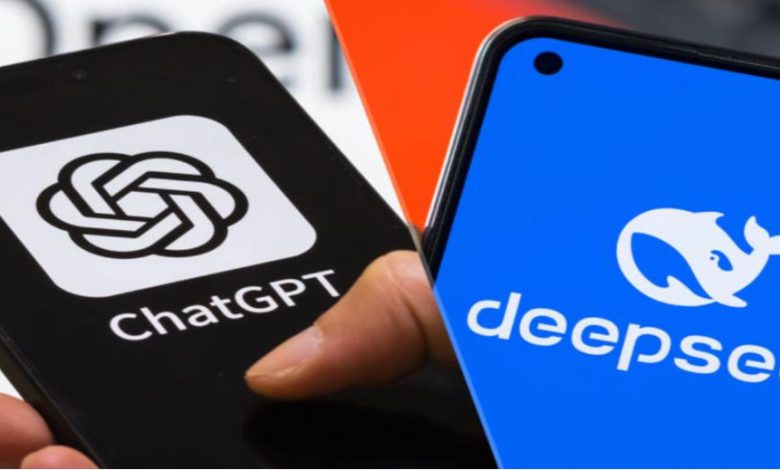
في البداية، تصدرت الولايات المتحدة المشهد عبر نظام ChatGPT الذي طورته شركة OpenAI والذي أحدث ثورة في عالم الذكاء الاصطناعي التفاعلي. لكن الصين لم تلبث أن ردت بقوة من خلال نظام DeepSeek V3، الذي سرعان ما تصدر قائمة التنزيلات في الولايات المتحدة، متفوق على ChatGPT في بعض الجوانب مما أعاد إشعال المنافسة مجددا
Deep Seek منافس قوي لكنه ما زال تحت التجربة
يرى الدكتور إبراهيم عبد الله أستاذ تكنولوجيا المعلومات في المعاهد العليا للدراسات النوعية إن منصة DeepSeek تقدم خدمات قوية ومجانية قد تدفع البعض لتفضيلها على ChatGPT لكنها لا تزال تحت التجربة، ولا يمكن الاعتماد عليها كليًا في الوقت الحالي وأضاف أن دعم البرمجيات مفتوحة المصدر يمثل فرصة مهمة للتطوير والابتكار لكن استخدامها يجب أن يتم بحذر وذلك لتجنب أي تهديدات أمنية محتمل
أبرز الاختلافات بين ChatGPT وDeep Seek
بحسب ما ورد في موقع click up وما ذكره ماركو ممدوح يعتبر Deep Seek نموذج ذكي من تطوير شركة صينية الذي أسسها رجل الأعمال لينج وينفينج ويعتمد على أكثر من 37 مليار معلومة وذلك يمنحه دقة عالية في الإجابة يتميز بأنه مجاني بالكامل ويدعم أكثر من 95 لغة من بينها العربية حيث يظهر اداء قوي قد يتفوق علي ChatGPT في بعض الأحيان
أما ChatGPT فهو من تطوير شركة OpenAI الأمريكية وانطلق في نوفمبر 2022 بدعم من شركة مايكروسوفت يشتهر بقدرته على التفاعل بلغة طبيعي وتميزه في الكتابة الإبداعية وصناعة الصور وتحويل النصوص إلى صوت. ومع ذلك فإن نسخته الأقوى GPT-4 تتطلب اشتراك مدفوع
أيهما يتفوق
رغم أن ChatGPT يتميز بالتفاعل الواسع والإبداع في اللغة إلا أن Deep Seek يتفوق عليه في تحليل البيانات، التفكير المنطقي والرياضيات بالإضافة إلى دعمه القوي للبرمجيات مفتوحة المصدر كما يمنح المستخدمين تحكم كامل في بياناتهم في مقابل بيئة مغلقة نسبيا في ChatGPT
لكن Deep Seek لم يسلم من الانتقادات خاصة بعد كشف تقارير عن ثغرات أمنية خطيرة، منها تعطيل أنظمة تشفير على أجهزة iPhone واستخدام تقنيات قديمة قالت هيئة حماية البيانات الإيطالية أنها حظرت نموذج DeepSeek من استخدامه كما حذّرت دول مثل تايوان من استخدامه خوفًا من تسريب بيانات حساسة في المقابل يواجه ChatGPT تحديات تتعلق بالدقة والتحيز السياسي أحيانا وعدم تقديمه دائما معلومات مكتملة أو صحيحة بالإضافة إلى إمكانية تجاوزه لقيود الأمان وذلك من خلال إعادة صياغة الأسئلة
Deep Seek ينافس بقوة و لكن ChatGPTيتفوق في الأداء
من جانبه يرى عمر عاطف خبير التكنولوجيا أن الذكاء الاصطناعي أصبح منافس حقيقي في عدة مجالات سواء في كتابة المحتوى أو تحليل البيانات أو حتى التعليم، ومع ظهور أدوات مثل DeepSeek أصبح المستخدم أمام خيارات متعددة تتيح له تجربة تقنيات متقدمة بشكل مجاني وأشار إلى أن رغم قوة هذه الأدوات فإن ChatGPT لا يزال متفوق من حيث الأداء ودقة النتائج خاصة في النسخ المدفوعة التي توفر ميزات أوسع لكن المنافسة تدفع الجميع للتطوير باستمرار
ولكن يبقى الرهان الحقيقي بين عمالقة الذكاء الاصطناعي على من يستطيع تلبية احتياجات المستخدمين بذكاء وأمان وأفضل الإمكانيات في ان واحد