/**
 * Observe how the user enters content into the comment form in order to determine whether it's a bot or not.
 *
 * Note that no actual input is being saved here, only counts and timings between events.
 */

( function() {
	// Passive event listeners are guaranteed to never call e.preventDefault(),
	// but they're not supported in all browsers.  Use this feature detection
	// to determine whether they're available for use.
	var supportsPassive = false;

	try {
		var opts = Object.defineProperty( {}, 'passive', {
			get : function() {
				supportsPassive = true;
			}
		} );

		window.addEventListener( 'testPassive', null, opts );
		window.removeEventListener( 'testPassive', null, opts );
	} catch ( e ) {}

	function init() {
		var input_begin = '';

		var keydowns = {};
		var lastKeyup = null;
		var lastKeydown = null;
		var keypresses = [];

		var modifierKeys = [];
		var correctionKeys = [];

		var lastMouseup = null;
		var lastMousedown = null;
		var mouseclicks = [];

		var mousemoveTimer = null;
		var lastMousemoveX = null;
		var lastMousemoveY = null;
		var mousemoveStart = null;
		var mousemoves = [];

		var touchmoveCountTimer = null;
		var touchmoveCount = 0;

		var lastTouchEnd = null;
		var lastTouchStart = null;
		var touchEvents = [];

		var scrollCountTimer = null;
		var scrollCount = 0;

		var correctionKeyCodes = [ 'Backspace', 'Delete', 'ArrowUp', 'ArrowDown', 'ArrowLeft', 'ArrowRight', 'Home', 'End', 'PageUp', 'PageDown' ];
		var modifierKeyCodes = [ 'Shift', 'CapsLock' ];

		var forms = document.querySelectorAll( 'form[method=post]' );

		for ( var i = 0; i < forms.length; i++ ) {
			var form = forms[i];

			var formAction = form.getAttribute( 'action' );

			// Ignore forms that POST directly to other domains; these could be things like payment forms.
			if ( formAction ) {
				// Check that the form is posting to an external URL, not a path.
				if ( formAction.indexOf( 'http://' ) == 0 || formAction.indexOf( 'https://' ) == 0 ) {
					if ( formAction.indexOf( 'http://' + window.location.hostname + '/' ) != 0 && formAction.indexOf( 'https://' + window.location.hostname + '/' ) != 0 ) {
						continue;
					}
				}
			}

			form.addEventListener( 'submit', function () {
				var ak_bkp = prepare_timestamp_array_for_request( keypresses );
				var ak_bmc = prepare_timestamp_array_for_request( mouseclicks );
				var ak_bte = prepare_timestamp_array_for_request( touchEvents );
				var ak_bmm = prepare_timestamp_array_for_request( mousemoves );

				var input_fields = {
					// When did the user begin entering any input?
					'bib': input_begin,

					// When was the form submitted?
					'bfs': Date.now(),

					// How many keypresses did they make?
					'bkpc': keypresses.length,

					// How quickly did they press a sample of keys, and how long between them?
					'bkp': ak_bkp,

					// How quickly did they click the mouse, and how long between clicks?
					'bmc': ak_bmc,

					// How many mouseclicks did they make?
					'bmcc': mouseclicks.length,

					// When did they press modifier keys (like Shift or Capslock)?
					'bmk': modifierKeys.join( ';' ),

					// When did they correct themselves? e.g., press Backspace, or use the arrow keys to move the cursor back
					'bck': correctionKeys.join( ';' ),

					// How many times did they move the mouse?
					'bmmc': mousemoves.length,

					// How many times did they move around using a touchscreen?
					'btmc': touchmoveCount,

					// How many times did they scroll?
					'bsc': scrollCount,

					// How quickly did they perform touch events, and how long between them?
					'bte': ak_bte,

					// How many touch events were there?
					'btec' : touchEvents.length,

					// How quickly did they move the mouse, and how long between moves?
					'bmm' : ak_bmm
				};

				var akismet_field_prefix = 'ak_';

				if ( this.getElementsByClassName ) {
					// Check to see if we've used an alternate field name prefix. We store this as an attribute of the container around some of the Akismet fields.
					var possible_akismet_containers = this.getElementsByClassName( 'akismet-fields-container' );

					for ( var containerIndex = 0; containerIndex < possible_akismet_containers.length; containerIndex++ ) {
						var container = possible_akismet_containers.item( containerIndex );

						if ( container.getAttribute( 'data-prefix' ) ) {
							akismet_field_prefix = container.getAttribute( 'data-prefix' );
							break;
						}
					}
				}

				for ( var field_name in input_fields ) {
					var field = document.createElement( 'input' );
					field.setAttribute( 'type', 'hidden' );
					field.setAttribute( 'name', akismet_field_prefix + field_name );
					field.setAttribute( 'value', input_fields[ field_name ] );
					this.appendChild( field );
				}
			}, supportsPassive ? { passive: true } : false  );

			form.addEventListener( 'keydown', function ( e ) {
				// If you hold a key down, some browsers send multiple keydown events in a row.
				// Ignore any keydown events for a key that hasn't come back up yet.
				if ( e.key in keydowns ) {
					return;
				}

				var keydownTime = ( new Date() ).getTime();
				keydowns[ e.key ] = [ keydownTime ];

				if ( ! input_begin ) {
					input_begin = keydownTime;
				}

				// In some situations, we don't want to record an interval since the last keypress -- for example,
				// on the first keypress, or on a keypress after focus has changed to another element. Normally,
				// we want to record the time between the last keyup and this keydown. But if they press a
				// key while already pressing a key, we want to record the time between the two keydowns.

				var lastKeyEvent = Math.max( lastKeydown, lastKeyup );

				if ( lastKeyEvent ) {
					keydowns[ e.key ].push( keydownTime - lastKeyEvent );
				}

				lastKeydown = keydownTime;
			}, supportsPassive ? { passive: true } : false  );

			form.addEventListener( 'keyup', function ( e ) {
				if ( ! ( e.key in keydowns ) ) {
					// This key was pressed before this script was loaded, or a mouseclick happened during the keypress, or...
					return;
				}

				var keyupTime = ( new Date() ).getTime();

				if ( 'TEXTAREA' === e.target.nodeName || 'INPUT' === e.target.nodeName ) {
					if ( -1 !== modifierKeyCodes.indexOf( e.key ) ) {
						modifierKeys.push( keypresses.length - 1 );
					} else if ( -1 !== correctionKeyCodes.indexOf( e.key ) ) {
						correctionKeys.push( keypresses.length - 1 );
					} else {
						// ^ Don't record timings for keys like Shift or backspace, since they
						// typically get held down for longer than regular typing.

						var keydownTime = keydowns[ e.key ][0];

						var keypress = [];

						// Keypress duration.
						keypress.push( keyupTime - keydownTime );

						// Amount of time between this keypress and the previous keypress.
						if ( keydowns[ e.key ].length > 1 ) {
							keypress.push( keydowns[ e.key ][1] );
						}

						keypresses.push( keypress );
					}
				}

				delete keydowns[ e.key ];

				lastKeyup = keyupTime;
			}, supportsPassive ? { passive: true } : false  );

			form.addEventListener( "focusin", function ( e ) {
				lastKeydown = null;
				lastKeyup = null;
				keydowns = {};
			}, supportsPassive ? { passive: true } : false  );

			form.addEventListener( "focusout", function ( e ) {
				lastKeydown = null;
				lastKeyup = null;
				keydowns = {};
			}, supportsPassive ? { passive: true } : false  );
		}

		document.addEventListener( 'mousedown', function ( e ) {
			lastMousedown = ( new Date() ).getTime();
		}, supportsPassive ? { passive: true } : false  );

		document.addEventListener( 'mouseup', function ( e ) {
			if ( ! lastMousedown ) {
				// If the mousedown happened before this script was loaded, but the mouseup happened after...
				return;
			}

			var now = ( new Date() ).getTime();

			var mouseclick = [];
			mouseclick.push( now - lastMousedown );

			if ( lastMouseup ) {
				mouseclick.push( lastMousedown - lastMouseup );
			}

			mouseclicks.push( mouseclick );

			lastMouseup = now;

			// If the mouse has been clicked, don't record this time as an interval between keypresses.
			lastKeydown = null;
			lastKeyup = null;
			keydowns = {};
		}, supportsPassive ? { passive: true } : false  );

		document.addEventListener( 'mousemove', function ( e ) {
			if ( mousemoveTimer ) {
				clearTimeout( mousemoveTimer );
				mousemoveTimer = null;
			}
			else {
				mousemoveStart = ( new Date() ).getTime();
				lastMousemoveX = e.offsetX;
				lastMousemoveY = e.offsetY;
			}

			mousemoveTimer = setTimeout( function ( theEvent, originalMousemoveStart ) {
				var now = ( new Date() ).getTime() - 500; // To account for the timer delay.

				var mousemove = [];
				mousemove.push( now - originalMousemoveStart );
				mousemove.push(
					Math.round(
						Math.sqrt(
							Math.pow( theEvent.offsetX - lastMousemoveX, 2 ) +
							Math.pow( theEvent.offsetY - lastMousemoveY, 2 )
						)
					)
				);

				if ( mousemove[1] > 0 ) {
					// If there was no measurable distance, then it wasn't really a move.
					mousemoves.push( mousemove );
				}

				mousemoveStart = null;
				mousemoveTimer = null;
			}, 500, e, mousemoveStart );
		}, supportsPassive ? { passive: true } : false  );

		document.addEventListener( 'touchmove', function ( e ) {
			if ( touchmoveCountTimer ) {
				clearTimeout( touchmoveCountTimer );
			}

			touchmoveCountTimer = setTimeout( function () {
				touchmoveCount++;
			}, 500 );
		}, supportsPassive ? { passive: true } : false );

		document.addEventListener( 'touchstart', function ( e ) {
			lastTouchStart = ( new Date() ).getTime();
		}, supportsPassive ? { passive: true } : false );

		document.addEventListener( 'touchend', function ( e ) {
			if ( ! lastTouchStart ) {
				// If the touchstart happened before this script was loaded, but the touchend happened after...
				return;
			}

			var now = ( new Date() ).getTime();

			var touchEvent = [];
			touchEvent.push( now - lastTouchStart );

			if ( lastTouchEnd ) {
				touchEvent.push( lastTouchStart - lastTouchEnd );
			}

			touchEvents.push( touchEvent );

			lastTouchEnd = now;

			// Don't record this time as an interval between keypresses.
			lastKeydown = null;
			lastKeyup = null;
			keydowns = {};
		}, supportsPassive ? { passive: true } : false );

		document.addEventListener( 'scroll', function ( e ) {
			if ( scrollCountTimer ) {
				clearTimeout( scrollCountTimer );
			}

			scrollCountTimer = setTimeout( function () {
				scrollCount++;
			}, 500 );
		}, supportsPassive ? { passive: true } : false );
	}

	/**
	 * For the timestamp data that is collected, don't send more than `limit` data points in the request.
	 * Choose a random slice and send those.
	 */
	function prepare_timestamp_array_for_request( a, limit ) {
		if ( ! limit ) {
			limit = 100;
		}

		var rv = '';

		if ( a.length > 0 ) {
			var random_starting_point = Math.max( 0, Math.floor( Math.random() * a.length - limit ) );

			for ( var i = 0; i < limit && i < a.length; i++ ) {
				rv += a[ random_starting_point + i ][0];

				if ( a[ random_starting_point + i ].length >= 2 ) {
					rv += "," + a[ random_starting_point + i ][1];
				}

				rv += ";";
			}
		}

		return rv;
	}

	if ( document.readyState !== 'loading' ) {
		init();
	} else {
		document.addEventListener( 'DOMContentLoaded', init );
	}
})();
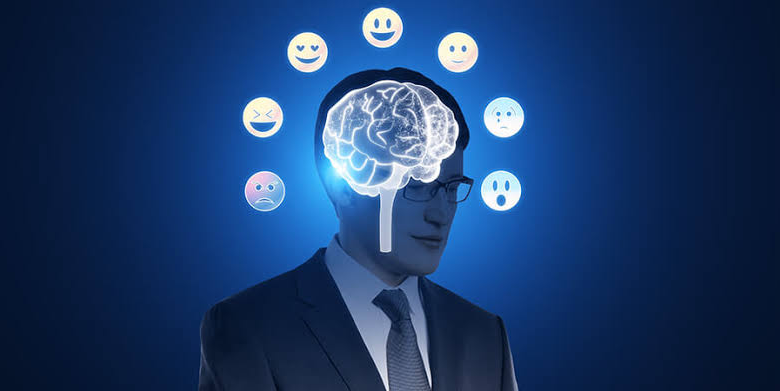
في عالم تتسارع فيه تطورات الذكاء الاصطناعي، لم يعد دوره يقتصر على تنفيذ الأوامر وتحليل البيانات، بل أصبح قادراً على محاكاة المشاعر البشرية والتفاعل معها بطرق تثير التساؤلات. هل هذه مجرد برمجة متطورة أم أن الآلات قد تقترب من امتلاك وعي عاطفي حقيقي؟
دراسات حديثة في مجالات علم النفس وعلوم الحاسوب تشير إلى إمكانية تطوير أنظمة ذكاء اصطناعي قادرة على التعرف على المشاعر البشرية والتفاعل معها بشكل أكثر تعقيداً، لكن الخبراء ما زالوا منقسمين حول ما إذا كان هذا يعني أن الآلة يمكن أن “تشعر” بالفعل، أم أنها مجرد خوارزميات تحاكي العاطفة دون إدراك حقيقي لها.
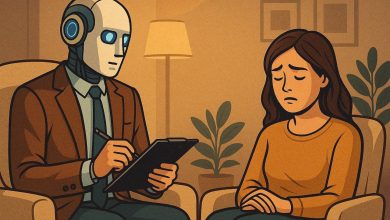
حين ننظر في عيون شخص يبكي أو نسمع نبرة الفرح في صوت آخر، نحن لا ندرك المشاعر فحسب، بل نشعر بها أيضاً. هذه القدرة على الإحساس والتعاطف لطالما كانت ما يميز الإنسان عن الآلة. لكن اليوم، ومع تطور الذكاء الاصطناعي، بدأت الحدود تتلاشى. روبوتات تتحدث بحنان، أنظمة تواسي مستخدميها، وبرمجيات تتفاعل مع الحزن والفرح وكأنها تمتلك وعياً عاطفياً. فهل يمكن للآلة أن تشعر حقاً، أم أن كل ما تفعله مجرد محاكاة بارعة تخدعنا للحظات؟
“الذكاء الاصطناعي أشبه بدمية متطورة جداً”
قال أستاذ عبدالله الدالي، مطور برمجيات، إن: “الذكاء الاصطناعي مثل الممثل المحترف، لا يشعر بالمشاعر الحقيقية ولكنه يعرف أن يقلدها”. وأضاف أستاذ عبدالله أنه يمكن تصميم أنظمة الذكاء الاصطناعي بحيث تبدو وكأنها تمتلك مشاعر، حيث قال: “المبرمجين يصممون النظام بحيث يحلل الحديث أو الموقف مثل نبرة الصوت، ثم يختار رد مناسب من قاعدة بيانات بها عبارات جاهزة تعبر عن فرح أو زعل أو حتى تعاطف، بمعنى أنه يتم وضع سيناريو ثابت في البرمجة. على سبيل المثال، عندما تقول له ‘أنا حزين’، يرد الرد المبرمج عليه، مثلًا: ‘لماذا أنت حزين؟’”.
من جانبه، قال أستاذ وليد دبور، أستاذ مساعد الذكاء الاصطناعي بجامعة الأهرام الكندية: “الذكاء الاصطناعي الحالي أشبه بدمية متطورة جداً، تتحدث وتتحرك بذكاء لكنها لا تعيش ولا تشعر”. وأكد أستاذ وليد: “لا توجد طريقة لصنع مشاعر حقيقية في الآلات حالياً، وما يحدث هو مجرد تدريب لبيانات وخوارزميات الذكاء الاصطناعي. إذا دربته على نصوص عدوانية قد تصبح ردوده حادة، وإذا دربته على نصوص حزينة، سيقلد اللغة الحزينة، لكن هذا مجرد تمثيل وليس مشاعر حقيقية إطلاقاً”. وشرح أستاذ عبدالله قائلاً: “الإحساس عملية بيولوجية مرتبطة بالمخ والهرمونات عند البشر، بينما الذكاء الاصطناعي ليس إلا مجرد كود وخوارزميات، وهذه محاكاة ذكية جداً”.
“الجهاز العصبي والنفسي مرتبطان ببعضهما وميز الله بهما الكائنات الحية فقط”
قالت دكتورة ماري جرجس، استشارية صحة نفسية: “العناصر التي تشكل المشاعر توجد في الجزء الأوسط من الدماغ وهي منطقة قريبة من اللاوعي، وبالتالي لا يتحكم بها العقل أو المنطق. المشاعر هي كل ما يشعر به الإنسان من فرح وحب وحزن وغضب وغيرها”. وأكدت دكتورة ماري أنه: “لا يمكن لآلة أن تمتلك مشاعر حقيقية، وإلا ستكون مشاعر مزيفة عن طريق التحكم في برمجة تلك الآلة. يمكن للذكاء الاصطناعي أن يفعل أي شيء ويوصل لتقدمات كبيرة جداً، لكن من الصعب أن يتحكم في شيء له علاقة بالسلوكيات والنفسية والجهاز العصبي. فالجهاز العصبي والنفسي مرتبطان ببعضهما وميز الله بهما الكائنات الحية فقط، ومن الصعب أن تمتلكهما آلة. وفي حالة الوصول لتلك التقنيات وتنفيذها بشكل فعلي، ستكون مجرد محاكاة، وسيوضح ذلك في عدم وضوح الحالة الانفعالية بجودتها الطبيعية”.
“المشاعر تحتاج إلى وعي ذاتي”
يرى البعض أن المشاعر تحتاج إلى وعي ذاتي، وهو ما لا يمتلكه الذكاء الاصطناعي حتى الآن، بينما يعتقد آخرون أن المشاعر ليست سوى عمليات إدراكية يمكن برمجتها. بين الرؤيتين، يقف الجدل العلمي والفلسفي.
قالت أستاذة مارتينا سمير، معيدة بقسم الفلسفة في كلية البنات جامعة عين شمس: “المشاعر تعرف فلسفياً بأنها تفاعلات بيولوجية وفكرية للذات الإنسانية، والأنظمة الذكية هي فقط تحاكي العقل البشري، لكن مستحيل أن تصل بالفعل للشعور مثله لأنها لا تمتلك تجربة شعورية واقعية كالبشر. وفي حالة وصولها لذلك، ستكون مجرد محاكاة من خلال الخوارزميات والبيانات المغذية بها من قبل، ولكنها تحتاج لوعي ذاتي، فهي بالنهاية خدع ذكية”.
وأوضحت أستاذة مارتينا قائلة: “بالنسبة لمفهوم الثنائية بين العقل والجسد، تعني الانفصال بين العقل المعنوي والجسد المادي. وهذا المفهوم يعطي إمكانية لامتلاك الذكاء الاصطناعي مشاعر كما البشر، لأن في هذه الحالة لن يحتاج إلى جسم بيولوجي ووعي إنساني حقيقي لكي يشعر. وفي هذه الحالة قد يكون للأنظمة الذكية فرصة لتحمل وعي أو مشاعر من وجهة نظر الفلسفة”.
ورغم التقدم الهائل في الذكاء الاصطناعي، فإن إمكانية امتلاكه مشاعر حقيقية تظل محل جدل واسع. من منظور البرمجة، لا يزال الذكاء الاصطناعي يعتمد على خوارزميات تحاكي المشاعر دون إدراك حقيقي لها. علم النفس يؤكد أن المشاعر ترتبط بتجارب ذاتية وتفاعلات عصبية وهرمونية لا يمكن محاكاتها برمجيًا بشكل كامل. أما الفلسفة، فرغم بعض النظريات التي تفتح المجال أمام إمكانية وعي منفصل عن الجسد، فإنها تتفق مع العلم على أن الوعي والمشاعر كما نعرفها تظل معقدة إلى حد يجعل من الصعب جدًا، إن لم يكن مستحيلًا، أن تمتلكها الآلة. في النهاية، قد يتمكن الذكاء الاصطناعي من خداعنا باستجاباته العاطفية، لكنه سيبقى بلا إحساس حقيقي، مجرد محاكاة متقنة لمشاعر لا يعيشها بالفعل.