import * as __WEBPACK_EXTERNAL_MODULE__wordpress_interactivity_8e89b257__ from "@wordpress/interactivity";
/******/ var __webpack_modules__ = ({

/***/ 317:
/***/ ((module) => {

module.exports = import("@wordpress/a11y");;

/***/ })

/******/ });
/************************************************************************/
/******/ // The module cache
/******/ var __webpack_module_cache__ = {};
/******/
/******/ // The require function
/******/ function __webpack_require__(moduleId) {
/******/ 	// Check if module is in cache
/******/ 	var cachedModule = __webpack_module_cache__[moduleId];
/******/ 	if (cachedModule !== undefined) {
/******/ 		return cachedModule.exports;
/******/ 	}
/******/ 	// Create a new module (and put it into the cache)
/******/ 	var module = __webpack_module_cache__[moduleId] = {
/******/ 		// no module.id needed
/******/ 		// no module.loaded needed
/******/ 		exports: {}
/******/ 	};
/******/
/******/ 	// Execute the module function
/******/ 	__webpack_modules__[moduleId](module, module.exports, __webpack_require__);
/******/
/******/ 	// Return the exports of the module
/******/ 	return module.exports;
/******/ }
/******/
/************************************************************************/
/******/ /* webpack/runtime/define property getters */
/******/ (() => {
/******/ 	// define getter functions for harmony exports
/******/ 	__webpack_require__.d = (exports, definition) => {
/******/ 		for(var key in definition) {
/******/ 			if(__webpack_require__.o(definition, key) && !__webpack_require__.o(exports, key)) {
/******/ 				Object.defineProperty(exports, key, { enumerable: true, get: definition[key] });
/******/ 			}
/******/ 		}
/******/ 	};
/******/ })();
/******/
/******/ /* webpack/runtime/hasOwnProperty shorthand */
/******/ (() => {
/******/ 	__webpack_require__.o = (obj, prop) => (Object.prototype.hasOwnProperty.call(obj, prop))
/******/ })();
/******/
/************************************************************************/
var __webpack_exports__ = {};

// EXPORTS
__webpack_require__.d(__webpack_exports__, {
  o: () => (/* binding */ actions),
  w: () => (/* binding */ state)
});

;// external "@wordpress/interactivity"
var x = (y) => {
	var x = {}; __webpack_require__.d(x, y); return x
}
var y = (x) => (() => (x))
const interactivity_namespaceObject = x({ ["getConfig"]: () => (__WEBPACK_EXTERNAL_MODULE__wordpress_interactivity_8e89b257__.getConfig), ["privateApis"]: () => (__WEBPACK_EXTERNAL_MODULE__wordpress_interactivity_8e89b257__.privateApis), ["store"]: () => (__WEBPACK_EXTERNAL_MODULE__wordpress_interactivity_8e89b257__.store) });
;// ./node_modules/@wordpress/interactivity-router/build-module/head.js
/**
 * The cache of prefetched stylesheets and scripts.
 */
const headElements = new Map();

/**
 * Helper to update only the necessary tags in the head.
 *
 * @async
 * @param newHead The head elements of the new page.
 */
const updateHead = async newHead => {
  // Helper to get the tag id store in the cache.
  const getTagId = tag => tag.id || tag.outerHTML;

  // Map incoming head tags by their content.
  const newHeadMap = new Map();
  for (const child of newHead) {
    newHeadMap.set(getTagId(child), child);
  }
  const toRemove = [];

  // Detect nodes that should be added or removed.
  for (const child of document.head.children) {
    const id = getTagId(child);
    // Always remove styles and links as they might change.
    if (child.nodeName === 'LINK' || child.nodeName === 'STYLE') {
      toRemove.push(child);
    } else if (newHeadMap.has(id)) {
      newHeadMap.delete(id);
    } else if (child.nodeName !== 'SCRIPT' && child.nodeName !== 'META') {
      toRemove.push(child);
    }
  }
  await Promise.all([...headElements.entries()].filter(([, {
    tag
  }]) => tag.nodeName === 'SCRIPT').map(async ([url]) => {
    await import(/* webpackIgnore: true */url);
  }));

  // Prepare new assets.
  const toAppend = [...newHeadMap.values()];

  // Apply the changes.
  toRemove.forEach(n => n.remove());
  document.head.append(...toAppend);
};

/**
 * Fetches and processes head assets (stylesheets and scripts) from a specified document.
 *
 * @async
 * @param doc The document from which to fetch head assets. It should support standard DOM querying methods.
 *
 * @return Returns an array of HTML elements representing the head assets.
 */
const fetchHeadAssets = async doc => {
  const headTags = [];

  // We only want to fetch module scripts because regular scripts (without
  // `async` or `defer` attributes) can depend on the execution of other scripts.
  // Scripts found in the head are blocking and must be executed in order.
  const scripts = doc.querySelectorAll('script[type="module"][src]');
  scripts.forEach(script => {
    const src = script.getAttribute('src');
    if (!headElements.has(src)) {
      // add the <link> elements to prefetch the module scripts
      const link = doc.createElement('link');
      link.rel = 'modulepreload';
      link.href = src;
      document.head.append(link);
      headElements.set(src, {
        tag: script
      });
    }
  });
  const stylesheets = doc.querySelectorAll('link[rel=stylesheet]');
  await Promise.all(Array.from(stylesheets).map(async tag => {
    const href = tag.getAttribute('href');
    if (!href) {
      return;
    }
    if (!headElements.has(href)) {
      try {
        const response = await fetch(href);
        const text = await response.text();
        headElements.set(href, {
          tag,
          text
        });
      } catch (e) {
        // eslint-disable-next-line no-console
        console.error(e);
      }
    }
    const headElement = headElements.get(href);
    const styleElement = doc.createElement('style');
    styleElement.textContent = headElement.text;
    headTags.push(styleElement);
  }));
  return [doc.querySelector('title'), ...doc.querySelectorAll('style'), ...headTags];
};

;// ./node_modules/@wordpress/interactivity-router/build-module/index.js
var _getConfig$navigation;
/**
 * WordPress dependencies
 */


/**
 * Internal dependencies
 */

const {
  directivePrefix,
  getRegionRootFragment,
  initialVdom,
  toVdom,
  render,
  parseServerData,
  populateServerData,
  batch
} = (0,interactivity_namespaceObject.privateApis)('I acknowledge that using private APIs means my theme or plugin will inevitably break in the next version of WordPress.');
// Check if the navigation mode is full page or region based.
const navigationMode = (_getConfig$navigation = (0,interactivity_namespaceObject.getConfig)('core/router').navigationMode) !== null && _getConfig$navigation !== void 0 ? _getConfig$navigation : 'regionBased';

// The cache of visited and prefetched pages, stylesheets and scripts.
const pages = new Map();

// Helper to remove domain and hash from the URL. We are only interesting in
// caching the path and the query.
const getPagePath = url => {
  const u = new URL(url, window.location.href);
  return u.pathname + u.search;
};

// Fetch a new page and convert it to a static virtual DOM.
const fetchPage = async (url, {
  html
}) => {
  try {
    if (!html) {
      const res = await window.fetch(url);
      if (res.status !== 200) {
        return false;
      }
      html = await res.text();
    }
    const dom = new window.DOMParser().parseFromString(html, 'text/html');
    return regionsToVdom(dom);
  } catch (e) {
    return false;
  }
};

// Return an object with VDOM trees of those HTML regions marked with a
// `router-region` directive.
const regionsToVdom = async (dom, {
  vdom
} = {}) => {
  const regions = {
    body: undefined
  };
  let head;
  if (false) {}
  if (navigationMode === 'regionBased') {
    const attrName = `data-${directivePrefix}-router-region`;
    dom.querySelectorAll(`[${attrName}]`).forEach(region => {
      const id = region.getAttribute(attrName);
      regions[id] = vdom?.has(region) ? vdom.get(region) : toVdom(region);
    });
  }
  const title = dom.querySelector('title')?.innerText;
  const initialData = parseServerData(dom);
  return {
    regions,
    head,
    title,
    initialData
  };
};

// Render all interactive regions contained in the given page.
const renderRegions = async page => {
  if (false) {}
  if (navigationMode === 'regionBased') {
    const attrName = `data-${directivePrefix}-router-region`;
    batch(() => {
      populateServerData(page.initialData);
      document.querySelectorAll(`[${attrName}]`).forEach(region => {
        const id = region.getAttribute(attrName);
        const fragment = getRegionRootFragment(region);
        render(page.regions[id], fragment);
      });
    });
  }
  if (page.title) {
    document.title = page.title;
  }
};

/**
 * Load the given page forcing a full page reload.
 *
 * The function returns a promise that won't resolve, useful to prevent any
 * potential feedback indicating that the navigation has finished while the new
 * page is being loaded.
 *
 * @param href The page href.
 * @return Promise that never resolves.
 */
const forcePageReload = href => {
  window.location.assign(href);
  return new Promise(() => {});
};

// Listen to the back and forward buttons and restore the page if it's in the
// cache.
window.addEventListener('popstate', async () => {
  const pagePath = getPagePath(window.location.href); // Remove hash.
  const page = pages.has(pagePath) && (await pages.get(pagePath));
  if (page) {
    await renderRegions(page);
    // Update the URL in the state.
    state.url = window.location.href;
  } else {
    window.location.reload();
  }
});

// Initialize the router and cache the initial page using the initial vDOM.
// Once this code is tested and more mature, the head should be updated for
// region based navigation as well.
if (false) {}
pages.set(getPagePath(window.location.href), Promise.resolve(regionsToVdom(document, {
  vdom: initialVdom
})));

// Check if the link is valid for client-side navigation.
const isValidLink = ref => ref && ref instanceof window.HTMLAnchorElement && ref.href && (!ref.target || ref.target === '_self') && ref.origin === window.location.origin && !ref.pathname.startsWith('/wp-admin') && !ref.pathname.startsWith('/wp-login.php') && !ref.getAttribute('href').startsWith('#') && !new URL(ref.href).searchParams.has('_wpnonce');

// Check if the event is valid for client-side navigation.
const isValidEvent = event => event && event.button === 0 &&
// Left clicks only.
!event.metaKey &&
// Open in new tab (Mac).
!event.ctrlKey &&
// Open in new tab (Windows).
!event.altKey &&
// Download.
!event.shiftKey && !event.defaultPrevented;

// Variable to store the current navigation.
let navigatingTo = '';
let hasLoadedNavigationTextsData = false;
const navigationTexts = {
  loading: 'Loading page, please wait.',
  loaded: 'Page Loaded.'
};
const {
  state,
  actions
} = (0,interactivity_namespaceObject.store)('core/router', {
  state: {
    url: window.location.href,
    navigation: {
      hasStarted: false,
      hasFinished: false
    }
  },
  actions: {
    /**
     * Navigates to the specified page.
     *
     * This function normalizes the passed href, fetches the page HTML if
     * needed, and updates any interactive regions whose contents have
     * changed. It also creates a new entry in the browser session history.
     *
     * @param href                               The page href.
     * @param [options]                          Options object.
     * @param [options.force]                    If true, it forces re-fetching the URL.
     * @param [options.html]                     HTML string to be used instead of fetching the requested URL.
     * @param [options.replace]                  If true, it replaces the current entry in the browser session history.
     * @param [options.timeout]                  Time until the navigation is aborted, in milliseconds. Default is 10000.
     * @param [options.loadingAnimation]         Whether an animation should be shown while navigating. Default to `true`.
     * @param [options.screenReaderAnnouncement] Whether a message for screen readers should be announced while navigating. Default to `true`.
     *
     * @return  Promise that resolves once the navigation is completed or aborted.
     */
    *navigate(href, options = {}) {
      const {
        clientNavigationDisabled
      } = (0,interactivity_namespaceObject.getConfig)();
      if (clientNavigationDisabled) {
        yield forcePageReload(href);
      }
      const pagePath = getPagePath(href);
      const {
        navigation
      } = state;
      const {
        loadingAnimation = true,
        screenReaderAnnouncement = true,
        timeout = 10000
      } = options;
      navigatingTo = href;
      actions.prefetch(pagePath, options);

      // Create a promise that resolves when the specified timeout ends.
      // The timeout value is 10 seconds by default.
      const timeoutPromise = new Promise(resolve => setTimeout(resolve, timeout));

      // Don't update the navigation status immediately, wait 400 ms.
      const loadingTimeout = setTimeout(() => {
        if (navigatingTo !== href) {
          return;
        }
        if (loadingAnimation) {
          navigation.hasStarted = true;
          navigation.hasFinished = false;
        }
        if (screenReaderAnnouncement) {
          a11ySpeak('loading');
        }
      }, 400);
      const page = yield Promise.race([pages.get(pagePath), timeoutPromise]);

      // Dismiss loading message if it hasn't been added yet.
      clearTimeout(loadingTimeout);

      // Once the page is fetched, the destination URL could have changed
      // (e.g., by clicking another link in the meantime). If so, bail
      // out, and let the newer execution to update the HTML.
      if (navigatingTo !== href) {
        return;
      }
      if (page && !page.initialData?.config?.['core/router']?.clientNavigationDisabled) {
        yield renderRegions(page);
        window.history[options.replace ? 'replaceState' : 'pushState']({}, '', href);

        // Update the URL in the state.
        state.url = href;

        // Update the navigation status once the the new page rendering
        // has been completed.
        if (loadingAnimation) {
          navigation.hasStarted = false;
          navigation.hasFinished = true;
        }
        if (screenReaderAnnouncement) {
          a11ySpeak('loaded');
        }

        // Scroll to the anchor if exits in the link.
        const {
          hash
        } = new URL(href, window.location.href);
        if (hash) {
          document.querySelector(hash)?.scrollIntoView();
        }
      } else {
        yield forcePageReload(href);
      }
    },
    /**
     * Prefetches the page with the passed URL.
     *
     * The function normalizes the URL and stores internally the fetch
     * promise, to avoid triggering a second fetch for an ongoing request.
     *
     * @param url             The page URL.
     * @param [options]       Options object.
     * @param [options.force] Force fetching the URL again.
     * @param [options.html]  HTML string to be used instead of fetching the requested URL.
     */
    prefetch(url, options = {}) {
      const {
        clientNavigationDisabled
      } = (0,interactivity_namespaceObject.getConfig)();
      if (clientNavigationDisabled) {
        return;
      }
      const pagePath = getPagePath(url);
      if (options.force || !pages.has(pagePath)) {
        pages.set(pagePath, fetchPage(pagePath, {
          html: options.html
        }));
      }
    }
  }
});

/**
 * Announces a message to screen readers.
 *
 * This is a wrapper around the `@wordpress/a11y` package's `speak` function. It handles importing
 * the package on demand and should be used instead of calling `ally.speak` direacly.
 *
 * @param messageKey The message to be announced by assistive technologies.
 */
function a11ySpeak(messageKey) {
  if (!hasLoadedNavigationTextsData) {
    hasLoadedNavigationTextsData = true;
    const content = document.getElementById('wp-script-module-data-@wordpress/interactivity-router')?.textContent;
    if (content) {
      try {
        const parsed = JSON.parse(content);
        if (typeof parsed?.i18n?.loading === 'string') {
          navigationTexts.loading = parsed.i18n.loading;
        }
        if (typeof parsed?.i18n?.loaded === 'string') {
          navigationTexts.loaded = parsed.i18n.loaded;
        }
      } catch {}
    } else {
      // Fallback to localized strings from Interactivity API state.
      // @todo This block is for Core < 6.7.0. Remove when support is dropped.

      // @ts-expect-error
      if (state.navigation.texts?.loading) {
        // @ts-expect-error
        navigationTexts.loading = state.navigation.texts.loading;
      }
      // @ts-expect-error
      if (state.navigation.texts?.loaded) {
        // @ts-expect-error
        navigationTexts.loaded = state.navigation.texts.loaded;
      }
    }
  }
  const message = navigationTexts[messageKey];
  Promise.resolve(/* import() */).then(__webpack_require__.bind(__webpack_require__, 317)).then(({
    speak
  }) => speak(message),
  // Ignore failures to load the a11y module.
  () => {});
}

// Add click and prefetch to all links.
if (false) {}

var __webpack_exports__actions = __webpack_exports__.o;
var __webpack_exports__state = __webpack_exports__.w;
export { __webpack_exports__actions as actions, __webpack_exports__state as state };
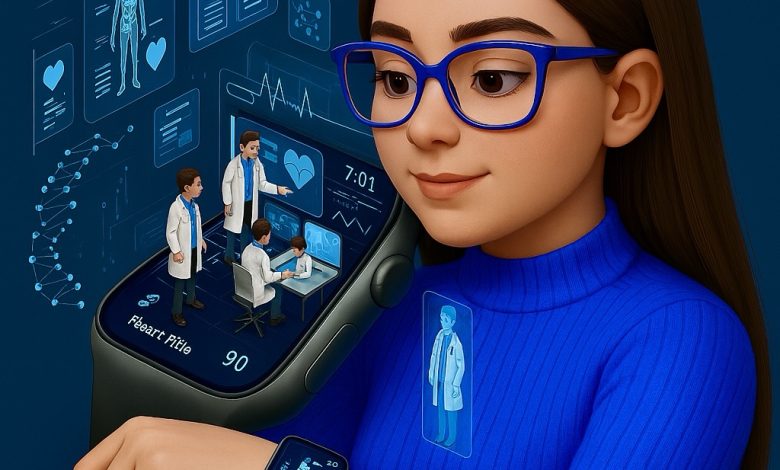
! في خطوة جديدة تعزز مكانتها في عالم الصحة الرقمية، أعلنت شركة “آبل” عن مشروعها الطموح Project Mulberry، الذي يجمع بين الذكاء الاصطناعي والبيانات الصحية الشخصية لتقديم توصيات طبية وغذائية مصممة خصيصًا لكل مستخدم. المشروع يأتي كجزء من توسع آبل في مجالات الصحة والتغذية والعلاج الطبيعي. يهدف Project Mulberry إلى تحويل الهاتف الذكي إلى مساعد صحي افتراضي، يستند إلى معلومات دقيقة يتم جمعها من أجهزة مثل آيفون وآبل ووتش، لتقديم نصائح تتعلق بالنوم، التغذية، التمارين الرياضية، وحتى الوضعية الجسدية. يركز التطبيق على التكامل بين التحليل البيولوجي، والنصائح الشخصية، والمحتوى التعليمي المرئي. ويطمح إلى تقديم تجربة أكثر شمولاً… تبدأ من قياس عدد الخطوات، ولا تنتهي قبل تقديم خطة علاجية وتغذوية تراعي تفاصيل المستخدم. وقد استعانت آبل بفريق من الأطباء وخبراء التغذية والعلاج الطبيعي، لتدريب نموذجها الذكي وتحسين دقة التوصيات. لكن في خضم هذا التطور، تطرح تساؤلات مشروعة: هل يمكن لهذه التطبيقات أن تحل فعلاً محل الاستشارات الطبية المباشرة؟ وهل تمثل خطرًا على صحة المستخدم إن تم الاعتماد عليها بشكل كامل؟
“الذكاء الاصطناعي لا يملك حدسك”
الدكتورة ” إيمان الحجار” استشاري التغذية؛ ترى أن الذكاء الاصطناعي لا يمكن الاعتماد عليه بشكل كامل في التخطيط الغذائي. خلال تدريب الطلبة، لاحظت أن أدوات الذكاء الاصطناعي ترتكب أخطاء واضحة في حساب السعرات، وتعتمد على معلومات غير مكتملة أو غير دقيقة، فضلًا عن تجاهلها لعادات وثقافات المجتمعات، مثل اقتراح أطعمة غير مقبولة دينيًا أو باهظة الثمن لا تناسب جميع الفئات. ترى د. إيمان أن التغذية لا تقتصر على وضع خطة مكتوبة، بل تحتاج إلى تواصل إنساني مباشر مع المريض، لفهم حالته النفسية والسلوكية، إذ قد يخفي بعض العادات الغذائية الحقيقية أو يتظاهر باتباع نظام صحي. من خلال الملاحظة المباشرة ولغة الجسد، تستطيع كمتخصصة كشف مشاكل لا يمكن للتطبيقات رصدها. تؤكد أن بعض المرضى يختبرون الذكاء الاصطناعي، وأحيانًا حتى الأخصائيين أنفسهم، كما تختلف شخصيات المرضى بين النرجسية أو السلبية أو الإنكار، ما يجعل التعامل الإنساني المباشر ضرورة، خاصة في حالات الأكل العاطفي أو الاضطرابات السلوكية المرتبطة بالتغذية. رغم ذلك، ترى أن الذكاء الاصطناعي يمكن أن يكون مكملًا مفيدًا، لا بديلًا. فهي استخدمته مثلًا مع الطلبة مرضى السكري في تطبيق ترفيهي يساعدهم على التعرف إلى السعرات الحرارية بشكل ممتع. كما تسهم التطبيقات في دعم الأخصائيين من خلال الردود التلقائية أو المتابعة اليومية، لكن مع ضرورة أن يكون التحكم بيد الأخصائي، لا العكس. وتحذر من مخاطر التطبيقات غير الموثوقة التي قد تنتهك الخصوصية أو تستغل البيانات، مشددة على أهمية المتابعة الشخصية مع الطبيب، لما تحققه من تواصل وجداني وتأثير نفسي إيجابي، خصوصًا عند إشراك المرضى في أنشطة جماعية ومشاركة وجباتهم، مما يشعرهم بالانتماء والدعم، ويقلل من العزلة والانطوائية. وتختم بأن العامل البشري لا غنى عنه، لأن مجرد الحوار بين المريض والأخصائي يمثل علاجًا بحد ذاته، ووسيلة لفهم أعمق ونتائج أفضل
العلاج الطبيعي: دعم لا بديل
أما في مجال العلاج الطبيعي، فيؤكد د. محمود عادل، استشاري العلاج الطبيعي –، أن الذكاء الاصطناعي يتمتع بإمكانات ملحوظة في تقديم إرشادات مخصصة اعتمادًا على تحليل بيانات المستخدمين، لكن الإشراف المتخصص يظل ضروريًا لضمان السلامة والفعالية، خاصة أن السلامة تمثل أولوية قصوى. ويشدد على أن المريض لا يجب أن يخضع لأي تجربة علاجية دون توجيه من مختص. يرى أن الذكاء الاصطناعي يمكن أن يكون مساعدًا في حالات محددة بسيطة أو لأغراض وقائية، وقد يشبه جزئيًا بعض جوانب جلسات العلاج الطبيعي. ومع ذلك، لا يمتلك القدرة على الحلول محل عملية التقييم والعلاج الشاملة التي يقوم بها الأخصائي، لأهمية المتابعة الدقيقة لحالة المريض. ويشير إلى أن مشروعًا مثل “Project Mulberry” يمكن أن يكون عنصرًا داعمًا لجلسات العلاج الطبيعي، لكنه لا يغني عنها، بل يسهل عملية المتابعة بين الجلسات ويوفر الوقت للمعالج والمريض. أما عن المخاطر، فيحذر من الاعتماد الكلي على التوجيهات التقنية دون استشارة أخصائي، لما قد يسببه ذلك من أخطاء في التشخيص أو أداء تمارين غير مناسبة، وهو ما قد يؤدي إلى تفاقم الإصابة، خصوصًا في حالات العضلات أو العمود الفقري. ويتابع: حتى مع تزويد التطبيقات بصور إشعاعية، يصعب عليها تقييم ما قد يضر المريض، كما أن الفيديوهات والصور يمكن أن تساعد في شرح التمارين، لكنها لا تعوض التوجيه المباشر، خاصة في الحالات المعقدة التي تتطلب تعديلاً مستمرًا بحسب استجابة الجسم التدريب الرياضي: حماس لا يمكن برمجته
المدرب الرقمي في جيبك…،
تؤكد المدربة المعتمدة شيماء بركات أن الذكاء الاصطناعي، رغم تطوره، لا يمكن أن يحل محل المدرب البشري بأي شكل من الأشكال. وترى شيماء أن أنظمة الذكاء الاصطناعي قد تكون مفيدة في بعض الجوانب التقنية، خاصة عند توفر بيانات دقيقة وواضحة، لكنها لا تمتلك الفهم الكامل لاحتياجات كل مستخدم على حدة. كما أن الاعتماد على كاميرا الهاتف لتحليل الحركات لا يضاهي الملاحظة الفورية والخبرة العملية التي يتمتع بها المدرب، لا سيما أن تقييم الأداء البدني يتطلب قراءة دقيقة لتفاعل الجسم واستجابته أثناء التمرين. وتحذر من الاعتماد الكلي على هذه التطبيقات دون إشراف بشري مباشر، مشيرة إلى أن غياب العنصر الإنساني قد يؤدي إلى مشكلات عديدة، أبرزها الإصابة أو الفشل في تحقيق الأهداف، إضافة إلى شعور المتدرب بالملل أو فقدان الحافز بسبب غياب التشجيع والدعم اللحظي. كما تلفت إلى أن الذكاء الاصطناعي قد لا يكون قادرًا على التعامل مع الحالات الفردية الجديدة أو النادرة، وهو ما قد ينتج عنه عواقب سلبية عند غياب التقييم البشري المتخصص. وتختتم شيماء رأيها بالتأكيد على أن “التطبيقات الذكية ستظل أدوات مساعدة مفيدة، لكنها لا يمكن أن تحل محل التفاعل البشري الحي، أو تلغي الحاجة إلى خبرة المدرب الشخصي ومتابعته الدقيقة.” ميزة التطوير المستمر… ولكن! مشروع آبل مدعوم بفريق طبي يعمل على تدريب نموذج الذكاء الاصطناعي باستمرار، ما يعزز دقة التوصيات مع الوقت. كما أن إضافة خاصية متابعة التغذية وتحليل نمط النوم ومراقبة التمارين تجعل من التطبيق منصة شاملة. ومع ذلك، يبقى الاعتماد الكلي على الخوارزميات محل جدل. “ربما يكون المشروع مكملاً ممتازًا للرعاية الصحية، لكنه لا يجب أن يكون بديلاً عنها” ، يقول د. محمود. أداة مساعدة لا بديل مطلق: من الواضح أن الذكاء الاصطناعي بدأ يلعب دورًا متزايدًا في عالم الصحة. لكن حتى الآن، تظل قدراته محدودة أمام تعقيد الجسد البشري. التطبيقات الذكية قد تسهم في تحسين نمط الحياة، لكنها لا يمكن أن تحل محل المعرفة البشرية المتخصصة. في النهاية، الصحة تظل مسؤولية مشتركة بين الإنسان… والتقنية.