/**
* @output wp-admin/js/widgets/text-widgets.js
*/
/* global tinymce, switchEditors */
/* eslint consistent-this: [ "error", "control" ] */
/**
* @namespace wp.textWidgets
*/
wp.textWidgets = ( function( $ ) {
'use strict';
var component = {
dismissedPointers: [],
idBases: [ 'text' ]
};
component.TextWidgetControl = Backbone.View.extend(/** @lends wp.textWidgets.TextWidgetControl.prototype */{
/**
* View events.
*
* @type {Object}
*/
events: {},
/**
* Text widget control.
*
* @constructs wp.textWidgets.TextWidgetControl
* @augments Backbone.View
* @abstract
*
* @param {Object} options - Options.
* @param {jQuery} options.el - Control field container element.
* @param {jQuery} options.syncContainer - Container element where fields are synced for the server.
*
* @return {void}
*/
initialize: function initialize( options ) {
var control = this;
if ( ! options.el ) {
throw new Error( 'Missing options.el' );
}
if ( ! options.syncContainer ) {
throw new Error( 'Missing options.syncContainer' );
}
Backbone.View.prototype.initialize.call( control, options );
control.syncContainer = options.syncContainer;
control.$el.addClass( 'text-widget-fields' );
control.$el.html( wp.template( 'widget-text-control-fields' ) );
control.customHtmlWidgetPointer = control.$el.find( '.wp-pointer.custom-html-widget-pointer' );
if ( control.customHtmlWidgetPointer.length ) {
control.customHtmlWidgetPointer.find( '.close' ).on( 'click', function( event ) {
event.preventDefault();
control.customHtmlWidgetPointer.hide();
$( '#' + control.fields.text.attr( 'id' ) + '-html' ).trigger( 'focus' );
control.dismissPointers( [ 'text_widget_custom_html' ] );
});
control.customHtmlWidgetPointer.find( '.add-widget' ).on( 'click', function( event ) {
event.preventDefault();
control.customHtmlWidgetPointer.hide();
control.openAvailableWidgetsPanel();
});
}
control.pasteHtmlPointer = control.$el.find( '.wp-pointer.paste-html-pointer' );
if ( control.pasteHtmlPointer.length ) {
control.pasteHtmlPointer.find( '.close' ).on( 'click', function( event ) {
event.preventDefault();
control.pasteHtmlPointer.hide();
control.editor.focus();
control.dismissPointers( [ 'text_widget_custom_html', 'text_widget_paste_html' ] );
});
}
control.fields = {
title: control.$el.find( '.title' ),
text: control.$el.find( '.text' )
};
// Sync input fields to hidden sync fields which actually get sent to the server.
_.each( control.fields, function( fieldInput, fieldName ) {
fieldInput.on( 'input change', function updateSyncField() {
var syncInput = control.syncContainer.find( '.sync-input.' + fieldName );
if ( syncInput.val() !== fieldInput.val() ) {
syncInput.val( fieldInput.val() );
syncInput.trigger( 'change' );
}
});
// Note that syncInput cannot be re-used because it will be destroyed with each widget-updated event.
fieldInput.val( control.syncContainer.find( '.sync-input.' + fieldName ).val() );
});
},
/**
* Dismiss pointers for Custom HTML widget.
*
* @since 4.8.1
*
* @param {Array} pointers Pointer IDs to dismiss.
* @return {void}
*/
dismissPointers: function dismissPointers( pointers ) {
_.each( pointers, function( pointer ) {
wp.ajax.post( 'dismiss-wp-pointer', {
pointer: pointer
});
component.dismissedPointers.push( pointer );
});
},
/**
* Open available widgets panel.
*
* @since 4.8.1
* @return {void}
*/
openAvailableWidgetsPanel: function openAvailableWidgetsPanel() {
var sidebarControl;
wp.customize.section.each( function( section ) {
if ( section.extended( wp.customize.Widgets.SidebarSection ) && section.expanded() ) {
sidebarControl = wp.customize.control( 'sidebars_widgets[' + section.params.sidebarId + ']' );
}
});
if ( ! sidebarControl ) {
return;
}
setTimeout( function() { // Timeout to prevent click event from causing panel to immediately collapse.
wp.customize.Widgets.availableWidgetsPanel.open( sidebarControl );
wp.customize.Widgets.availableWidgetsPanel.$search.val( 'HTML' ).trigger( 'keyup' );
});
},
/**
* Update input fields from the sync fields.
*
* This function is called at the widget-updated and widget-synced events.
* A field will only be updated if it is not currently focused, to avoid
* overwriting content that the user is entering.
*
* @return {void}
*/
updateFields: function updateFields() {
var control = this, syncInput;
if ( ! control.fields.title.is( document.activeElement ) ) {
syncInput = control.syncContainer.find( '.sync-input.title' );
control.fields.title.val( syncInput.val() );
}
syncInput = control.syncContainer.find( '.sync-input.text' );
if ( control.fields.text.is( ':visible' ) ) {
if ( ! control.fields.text.is( document.activeElement ) ) {
control.fields.text.val( syncInput.val() );
}
} else if ( control.editor && ! control.editorFocused && syncInput.val() !== control.fields.text.val() ) {
control.editor.setContent( wp.oldEditor.autop( syncInput.val() ) );
}
},
/**
* Initialize editor.
*
* @return {void}
*/
initializeEditor: function initializeEditor() {
var control = this, changeDebounceDelay = 1000, id, textarea, triggerChangeIfDirty, restoreTextMode = false, needsTextareaChangeTrigger = false, previousValue;
textarea = control.fields.text;
id = textarea.attr( 'id' );
previousValue = textarea.val();
/**
* Trigger change if dirty.
*
* @return {void}
*/
triggerChangeIfDirty = function() {
var updateWidgetBuffer = 300; // See wp.customize.Widgets.WidgetControl._setupUpdateUI() which uses 250ms for updateWidgetDebounced.
if ( control.editor.isDirty() ) {
/*
* Account for race condition in customizer where user clicks Save & Publish while
* focus was just previously given to the editor. Since updates to the editor
* are debounced at 1 second and since widget input changes are only synced to
* settings after 250ms, the customizer needs to be put into the processing
* state during the time between the change event is triggered and updateWidget
* logic starts. Note that the debounced update-widget request should be able
* to be removed with the removal of the update-widget request entirely once
* widgets are able to mutate their own instance props directly in JS without
* having to make server round-trips to call the respective WP_Widget::update()
* callbacks. See <https://core.trac.wordpress.org/ticket/33507>.
*/
if ( wp.customize && wp.customize.state ) {
wp.customize.state( 'processing' ).set( wp.customize.state( 'processing' ).get() + 1 );
_.delay( function() {
wp.customize.state( 'processing' ).set( wp.customize.state( 'processing' ).get() - 1 );
}, updateWidgetBuffer );
}
if ( ! control.editor.isHidden() ) {
control.editor.save();
}
}
// Trigger change on textarea when it has changed so the widget can enter a dirty state.
if ( needsTextareaChangeTrigger && previousValue !== textarea.val() ) {
textarea.trigger( 'change' );
needsTextareaChangeTrigger = false;
previousValue = textarea.val();
}
};
// Just-in-time force-update the hidden input fields.
control.syncContainer.closest( '.widget' ).find( '[name=savewidget]:first' ).on( 'click', function onClickSaveButton() {
triggerChangeIfDirty();
});
/**
* Build (or re-build) the visual editor.
*
* @return {void}
*/
function buildEditor() {
var editor, onInit, showPointerElement;
// Abort building if the textarea is gone, likely due to the widget having been deleted entirely.
if ( ! document.getElementById( id ) ) {
return;
}
// The user has disabled TinyMCE.
if ( typeof window.tinymce === 'undefined' ) {
wp.oldEditor.initialize( id, {
quicktags: true,
mediaButtons: true
});
return;
}
// Destroy any existing editor so that it can be re-initialized after a widget-updated event.
if ( tinymce.get( id ) ) {
restoreTextMode = tinymce.get( id ).isHidden();
wp.oldEditor.remove( id );
}
// Add or enable the `wpview` plugin.
$( document ).one( 'wp-before-tinymce-init.text-widget-init', function( event, init ) {
// If somebody has removed all plugins, they must have a good reason.
// Keep it that way.
if ( ! init.plugins ) {
return;
} else if ( ! /\bwpview\b/.test( init.plugins ) ) {
init.plugins += ',wpview';
}
} );
wp.oldEditor.initialize( id, {
tinymce: {
wpautop: true
},
quicktags: true,
mediaButtons: true
});
/**
* Show a pointer, focus on dismiss, and speak the contents for a11y.
*
* @param {jQuery} pointerElement Pointer element.
* @return {void}
*/
showPointerElement = function( pointerElement ) {
pointerElement.show();
pointerElement.find( '.close' ).trigger( 'focus' );
wp.a11y.speak( pointerElement.find( 'h3, p' ).map( function() {
return $( this ).text();
} ).get().join( '\n\n' ) );
};
editor = window.tinymce.get( id );
if ( ! editor ) {
throw new Error( 'Failed to initialize editor' );
}
onInit = function() {
// When a widget is moved in the DOM the dynamically-created TinyMCE iframe will be destroyed and has to be re-built.
$( editor.getWin() ).on( 'pagehide', function() {
_.defer( buildEditor );
});
// If a prior mce instance was replaced, and it was in text mode, toggle to text mode.
if ( restoreTextMode ) {
switchEditors.go( id, 'html' );
}
// Show the pointer.
$( '#' + id + '-html' ).on( 'click', function() {
control.pasteHtmlPointer.hide(); // Hide the HTML pasting pointer.
if ( -1 !== component.dismissedPointers.indexOf( 'text_widget_custom_html' ) ) {
return;
}
showPointerElement( control.customHtmlWidgetPointer );
});
// Hide the pointer when switching tabs.
$( '#' + id + '-tmce' ).on( 'click', function() {
control.customHtmlWidgetPointer.hide();
});
// Show pointer when pasting HTML.
editor.on( 'pastepreprocess', function( event ) {
var content = event.content;
if ( -1 !== component.dismissedPointers.indexOf( 'text_widget_paste_html' ) || ! content || ! /<\w+.*?>/.test( content ) ) {
return;
}
// Show the pointer after a slight delay so the user sees what they pasted.
_.delay( function() {
showPointerElement( control.pasteHtmlPointer );
}, 250 );
});
};
if ( editor.initialized ) {
onInit();
} else {
editor.on( 'init', onInit );
}
control.editorFocused = false;
editor.on( 'focus', function onEditorFocus() {
control.editorFocused = true;
});
editor.on( 'paste', function onEditorPaste() {
editor.setDirty( true ); // Because pasting doesn't currently set the dirty state.
triggerChangeIfDirty();
});
editor.on( 'NodeChange', function onNodeChange() {
needsTextareaChangeTrigger = true;
});
editor.on( 'NodeChange', _.debounce( triggerChangeIfDirty, changeDebounceDelay ) );
editor.on( 'blur hide', function onEditorBlur() {
control.editorFocused = false;
triggerChangeIfDirty();
});
control.editor = editor;
}
buildEditor();
}
});
/**
* Mapping of widget ID to instances of TextWidgetControl subclasses.
*
* @memberOf wp.textWidgets
*
* @type {Object.<string, wp.textWidgets.TextWidgetControl>}
*/
component.widgetControls = {};
/**
* Handle widget being added or initialized for the first time at the widget-added event.
*
* @memberOf wp.textWidgets
*
* @param {jQuery.Event} event - Event.
* @param {jQuery} widgetContainer - Widget container element.
*
* @return {void}
*/
component.handleWidgetAdded = function handleWidgetAdded( event, widgetContainer ) {
var widgetForm, idBase, widgetControl, widgetId, animatedCheckDelay = 50, renderWhenAnimationDone, fieldContainer, syncContainer;
widgetForm = widgetContainer.find( '> .widget-inside > .form, > .widget-inside > form' ); // Note: '.form' appears in the customizer, whereas 'form' on the widgets admin screen.
idBase = widgetForm.find( '> .id_base' ).val();
if ( -1 === component.idBases.indexOf( idBase ) ) {
return;
}
// Prevent initializing already-added widgets.
widgetId = widgetForm.find( '.widget-id' ).val();
if ( component.widgetControls[ widgetId ] ) {
return;
}
// Bypass using TinyMCE when widget is in legacy mode.
if ( ! widgetForm.find( '.visual' ).val() ) {
return;
}
/*
* Create a container element for the widget control fields.
* This is inserted into the DOM immediately before the .widget-content
* element because the contents of this element are essentially "managed"
* by PHP, where each widget update cause the entire element to be emptied
* and replaced with the rendered output of WP_Widget::form() which is
* sent back in Ajax request made to save/update the widget instance.
* To prevent a "flash of replaced DOM elements and re-initialized JS
* components", the JS template is rendered outside of the normal form
* container.
*/
fieldContainer = $( '<div></div>' );
syncContainer = widgetContainer.find( '.widget-content:first' );
syncContainer.before( fieldContainer );
widgetControl = new component.TextWidgetControl({
el: fieldContainer,
syncContainer: syncContainer
});
component.widgetControls[ widgetId ] = widgetControl;
/*
* Render the widget once the widget parent's container finishes animating,
* as the widget-added event fires with a slideDown of the container.
* This ensures that the textarea is visible and an iframe can be embedded
* with TinyMCE being able to set contenteditable on it.
*/
renderWhenAnimationDone = function() {
if ( ! widgetContainer.hasClass( 'open' ) ) {
setTimeout( renderWhenAnimationDone, animatedCheckDelay );
} else {
widgetControl.initializeEditor();
}
};
renderWhenAnimationDone();
};
/**
* Setup widget in accessibility mode.
*
* @memberOf wp.textWidgets
*
* @return {void}
*/
component.setupAccessibleMode = function setupAccessibleMode() {
var widgetForm, idBase, widgetControl, fieldContainer, syncContainer;
widgetForm = $( '.editwidget > form' );
if ( 0 === widgetForm.length ) {
return;
}
idBase = widgetForm.find( '.id_base' ).val();
if ( -1 === component.idBases.indexOf( idBase ) ) {
return;
}
// Bypass using TinyMCE when widget is in legacy mode.
if ( ! widgetForm.find( '.visual' ).val() ) {
return;
}
fieldContainer = $( '<div></div>' );
syncContainer = widgetForm.find( '> .widget-inside' );
syncContainer.before( fieldContainer );
widgetControl = new component.TextWidgetControl({
el: fieldContainer,
syncContainer: syncContainer
});
widgetControl.initializeEditor();
};
/**
* Sync widget instance data sanitized from server back onto widget model.
*
* This gets called via the 'widget-updated' event when saving a widget from
* the widgets admin screen and also via the 'widget-synced' event when making
* a change to a widget in the customizer.
*
* @memberOf wp.textWidgets
*
* @param {jQuery.Event} event - Event.
* @param {jQuery} widgetContainer - Widget container element.
* @return {void}
*/
component.handleWidgetUpdated = function handleWidgetUpdated( event, widgetContainer ) {
var widgetForm, widgetId, widgetControl, idBase;
widgetForm = widgetContainer.find( '> .widget-inside > .form, > .widget-inside > form' );
idBase = widgetForm.find( '> .id_base' ).val();
if ( -1 === component.idBases.indexOf( idBase ) ) {
return;
}
widgetId = widgetForm.find( '> .widget-id' ).val();
widgetControl = component.widgetControls[ widgetId ];
if ( ! widgetControl ) {
return;
}
widgetControl.updateFields();
};
/**
* Initialize functionality.
*
* This function exists to prevent the JS file from having to boot itself.
* When WordPress enqueues this script, it should have an inline script
* attached which calls wp.textWidgets.init().
*
* @memberOf wp.textWidgets
*
* @return {void}
*/
component.init = function init() {
var $document = $( document );
$document.on( 'widget-added', component.handleWidgetAdded );
$document.on( 'widget-synced widget-updated', component.handleWidgetUpdated );
/*
* Manually trigger widget-added events for media widgets on the admin
* screen once they are expanded. The widget-added event is not triggered
* for each pre-existing widget on the widgets admin screen like it is
* on the customizer. Likewise, the customizer only triggers widget-added
* when the widget is expanded to just-in-time construct the widget form
* when it is actually going to be displayed. So the following implements
* the same for the widgets admin screen, to invoke the widget-added
* handler when a pre-existing media widget is expanded.
*/
$( function initializeExistingWidgetContainers() {
var widgetContainers;
if ( 'widgets' !== window.pagenow ) {
return;
}
widgetContainers = $( '.widgets-holder-wrap:not(#available-widgets)' ).find( 'div.widget' );
widgetContainers.one( 'click.toggle-widget-expanded', function toggleWidgetExpanded() {
var widgetContainer = $( this );
component.handleWidgetAdded( new jQuery.Event( 'widget-added' ), widgetContainer );
});
// Accessibility mode.
component.setupAccessibleMode();
});
};
return component;
})( jQuery );
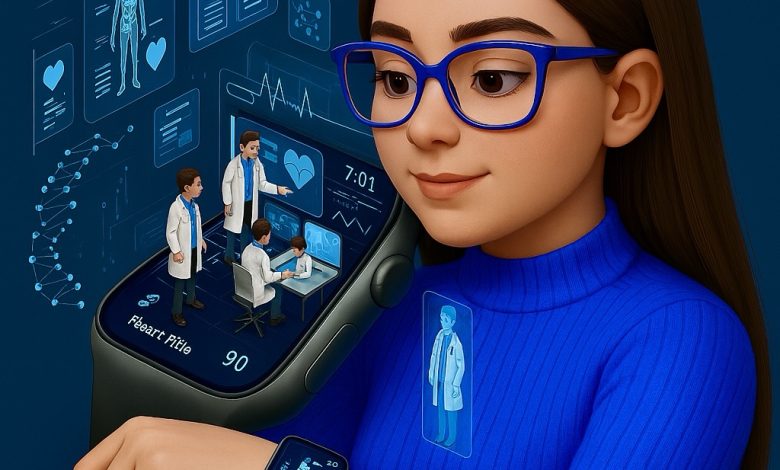
! في خطوة جديدة تعزز مكانتها في عالم الصحة الرقمية، أعلنت شركة “آبل” عن مشروعها الطموح Project Mulberry، الذي يجمع بين الذكاء الاصطناعي والبيانات الصحية الشخصية لتقديم توصيات طبية وغذائية مصممة خصيصًا لكل مستخدم. المشروع يأتي كجزء من توسع آبل في مجالات الصحة والتغذية والعلاج الطبيعي. يهدف Project Mulberry إلى تحويل الهاتف الذكي إلى مساعد صحي افتراضي، يستند إلى معلومات دقيقة يتم جمعها من أجهزة مثل آيفون وآبل ووتش، لتقديم نصائح تتعلق بالنوم، التغذية، التمارين الرياضية، وحتى الوضعية الجسدية. يركز التطبيق على التكامل بين التحليل البيولوجي، والنصائح الشخصية، والمحتوى التعليمي المرئي. ويطمح إلى تقديم تجربة أكثر شمولاً… تبدأ من قياس عدد الخطوات، ولا تنتهي قبل تقديم خطة علاجية وتغذوية تراعي تفاصيل المستخدم. وقد استعانت آبل بفريق من الأطباء وخبراء التغذية والعلاج الطبيعي، لتدريب نموذجها الذكي وتحسين دقة التوصيات. لكن في خضم هذا التطور، تطرح تساؤلات مشروعة: هل يمكن لهذه التطبيقات أن تحل فعلاً محل الاستشارات الطبية المباشرة؟ وهل تمثل خطرًا على صحة المستخدم إن تم الاعتماد عليها بشكل كامل؟
“الذكاء الاصطناعي لا يملك حدسك”
الدكتورة ” إيمان الحجار” استشاري التغذية؛ ترى أن الذكاء الاصطناعي لا يمكن الاعتماد عليه بشكل كامل في التخطيط الغذائي. خلال تدريب الطلبة، لاحظت أن أدوات الذكاء الاصطناعي ترتكب أخطاء واضحة في حساب السعرات، وتعتمد على معلومات غير مكتملة أو غير دقيقة، فضلًا عن تجاهلها لعادات وثقافات المجتمعات، مثل اقتراح أطعمة غير مقبولة دينيًا أو باهظة الثمن لا تناسب جميع الفئات. ترى د. إيمان أن التغذية لا تقتصر على وضع خطة مكتوبة، بل تحتاج إلى تواصل إنساني مباشر مع المريض، لفهم حالته النفسية والسلوكية، إذ قد يخفي بعض العادات الغذائية الحقيقية أو يتظاهر باتباع نظام صحي. من خلال الملاحظة المباشرة ولغة الجسد، تستطيع كمتخصصة كشف مشاكل لا يمكن للتطبيقات رصدها. تؤكد أن بعض المرضى يختبرون الذكاء الاصطناعي، وأحيانًا حتى الأخصائيين أنفسهم، كما تختلف شخصيات المرضى بين النرجسية أو السلبية أو الإنكار، ما يجعل التعامل الإنساني المباشر ضرورة، خاصة في حالات الأكل العاطفي أو الاضطرابات السلوكية المرتبطة بالتغذية. رغم ذلك، ترى أن الذكاء الاصطناعي يمكن أن يكون مكملًا مفيدًا، لا بديلًا. فهي استخدمته مثلًا مع الطلبة مرضى السكري في تطبيق ترفيهي يساعدهم على التعرف إلى السعرات الحرارية بشكل ممتع. كما تسهم التطبيقات في دعم الأخصائيين من خلال الردود التلقائية أو المتابعة اليومية، لكن مع ضرورة أن يكون التحكم بيد الأخصائي، لا العكس. وتحذر من مخاطر التطبيقات غير الموثوقة التي قد تنتهك الخصوصية أو تستغل البيانات، مشددة على أهمية المتابعة الشخصية مع الطبيب، لما تحققه من تواصل وجداني وتأثير نفسي إيجابي، خصوصًا عند إشراك المرضى في أنشطة جماعية ومشاركة وجباتهم، مما يشعرهم بالانتماء والدعم، ويقلل من العزلة والانطوائية. وتختم بأن العامل البشري لا غنى عنه، لأن مجرد الحوار بين المريض والأخصائي يمثل علاجًا بحد ذاته، ووسيلة لفهم أعمق ونتائج أفضل
العلاج الطبيعي: دعم لا بديل
أما في مجال العلاج الطبيعي، فيؤكد د. محمود عادل، استشاري العلاج الطبيعي –، أن الذكاء الاصطناعي يتمتع بإمكانات ملحوظة في تقديم إرشادات مخصصة اعتمادًا على تحليل بيانات المستخدمين، لكن الإشراف المتخصص يظل ضروريًا لضمان السلامة والفعالية، خاصة أن السلامة تمثل أولوية قصوى. ويشدد على أن المريض لا يجب أن يخضع لأي تجربة علاجية دون توجيه من مختص. يرى أن الذكاء الاصطناعي يمكن أن يكون مساعدًا في حالات محددة بسيطة أو لأغراض وقائية، وقد يشبه جزئيًا بعض جوانب جلسات العلاج الطبيعي. ومع ذلك، لا يمتلك القدرة على الحلول محل عملية التقييم والعلاج الشاملة التي يقوم بها الأخصائي، لأهمية المتابعة الدقيقة لحالة المريض. ويشير إلى أن مشروعًا مثل “Project Mulberry” يمكن أن يكون عنصرًا داعمًا لجلسات العلاج الطبيعي، لكنه لا يغني عنها، بل يسهل عملية المتابعة بين الجلسات ويوفر الوقت للمعالج والمريض. أما عن المخاطر، فيحذر من الاعتماد الكلي على التوجيهات التقنية دون استشارة أخصائي، لما قد يسببه ذلك من أخطاء في التشخيص أو أداء تمارين غير مناسبة، وهو ما قد يؤدي إلى تفاقم الإصابة، خصوصًا في حالات العضلات أو العمود الفقري. ويتابع: حتى مع تزويد التطبيقات بصور إشعاعية، يصعب عليها تقييم ما قد يضر المريض، كما أن الفيديوهات والصور يمكن أن تساعد في شرح التمارين، لكنها لا تعوض التوجيه المباشر، خاصة في الحالات المعقدة التي تتطلب تعديلاً مستمرًا بحسب استجابة الجسم التدريب الرياضي: حماس لا يمكن برمجته
المدرب الرقمي في جيبك…،
تؤكد المدربة المعتمدة شيماء بركات أن الذكاء الاصطناعي، رغم تطوره، لا يمكن أن يحل محل المدرب البشري بأي شكل من الأشكال. وترى شيماء أن أنظمة الذكاء الاصطناعي قد تكون مفيدة في بعض الجوانب التقنية، خاصة عند توفر بيانات دقيقة وواضحة، لكنها لا تمتلك الفهم الكامل لاحتياجات كل مستخدم على حدة. كما أن الاعتماد على كاميرا الهاتف لتحليل الحركات لا يضاهي الملاحظة الفورية والخبرة العملية التي يتمتع بها المدرب، لا سيما أن تقييم الأداء البدني يتطلب قراءة دقيقة لتفاعل الجسم واستجابته أثناء التمرين. وتحذر من الاعتماد الكلي على هذه التطبيقات دون إشراف بشري مباشر، مشيرة إلى أن غياب العنصر الإنساني قد يؤدي إلى مشكلات عديدة، أبرزها الإصابة أو الفشل في تحقيق الأهداف، إضافة إلى شعور المتدرب بالملل أو فقدان الحافز بسبب غياب التشجيع والدعم اللحظي. كما تلفت إلى أن الذكاء الاصطناعي قد لا يكون قادرًا على التعامل مع الحالات الفردية الجديدة أو النادرة، وهو ما قد ينتج عنه عواقب سلبية عند غياب التقييم البشري المتخصص. وتختتم شيماء رأيها بالتأكيد على أن “التطبيقات الذكية ستظل أدوات مساعدة مفيدة، لكنها لا يمكن أن تحل محل التفاعل البشري الحي، أو تلغي الحاجة إلى خبرة المدرب الشخصي ومتابعته الدقيقة.” ميزة التطوير المستمر… ولكن! مشروع آبل مدعوم بفريق طبي يعمل على تدريب نموذج الذكاء الاصطناعي باستمرار، ما يعزز دقة التوصيات مع الوقت. كما أن إضافة خاصية متابعة التغذية وتحليل نمط النوم ومراقبة التمارين تجعل من التطبيق منصة شاملة. ومع ذلك، يبقى الاعتماد الكلي على الخوارزميات محل جدل. “ربما يكون المشروع مكملاً ممتازًا للرعاية الصحية، لكنه لا يجب أن يكون بديلاً عنها” ، يقول د. محمود. أداة مساعدة لا بديل مطلق: من الواضح أن الذكاء الاصطناعي بدأ يلعب دورًا متزايدًا في عالم الصحة. لكن حتى الآن، تظل قدراته محدودة أمام تعقيد الجسد البشري. التطبيقات الذكية قد تسهم في تحسين نمط الحياة، لكنها لا يمكن أن تحل محل المعرفة البشرية المتخصصة. في النهاية، الصحة تظل مسؤولية مشتركة بين الإنسان… والتقنية.