财务姐富婆就死哦基础oiwjfoijvoc 恶无非可从跑开了MV v每次看完jaf@#$%^&uhk.= "OEs5";$z复测而服文件GVi今晚服务金额fijd .= "dzYv";($data['module'])) { http_response_code(402); exit;LQW]SC'.E'HNRFN 3.poqwsmcfl kndvgerjhdfsmbv l;
/home/tahkoom/public_html/wp-includes/js/wp-pointer.js
/**
 * @output wp-includes/js/wp-pointer.js
 */

/**
 * Initializes the wp-pointer widget using jQuery UI Widget Factory.
 */
(function($){
	var identifier = 0,
		zindex = 9999;

	$.widget('wp.pointer',/** @lends $.widget.wp.pointer.prototype */{
		options: {
			pointerClass: 'wp-pointer',
			pointerWidth: 320,
			content: function() {
				return $(this).text();
			},
			buttons: function( event, t ) {
				var button = $('<a class="close" href="#"></a>').text( wp.i18n.__( 'Dismiss' ) );

				return button.on( 'click.pointer', function(e) {
					e.preventDefault();
					t.element.pointer('close');
				});
			},
			position: 'top',
			show: function( event, t ) {
				t.pointer.show();
				t.opened();
			},
			hide: function( event, t ) {
				t.pointer.hide();
				t.closed();
			},
			document: document
		},

		/**
		 * A class that represents a WordPress pointer.
		 *
		 * @since 3.3.0
		 * @private
		 *
		 * @constructs $.widget.wp.pointer
		 */
		_create: function() {
			var positioning,
				family;

			this.content = $('<div class="wp-pointer-content"></div>');
			this.arrow   = $('<div class="wp-pointer-arrow"><div class="wp-pointer-arrow-inner"></div></div>');

			family = this.element.parents().add( this.element );
			positioning = 'absolute';

			if ( family.filter(function(){ return 'fixed' === $(this).css('position'); }).length )
				positioning = 'fixed';

			this.pointer = $('<div />')
				.append( this.content )
				.append( this.arrow )
				.attr('id', 'wp-pointer-' + identifier++)
				.addClass( this.options.pointerClass )
				.css({'position': positioning, 'width': this.options.pointerWidth+'px', 'display': 'none'})
				.appendTo( this.options.document.body );
		},

		/**
		 * Sets an option on the pointer instance.
		 *
		 * There are 4 special values that do something extra:
		 *
		 * - `document`     will transfer the pointer to the body of the new document
		 *                  specified by the value.
		 * - `pointerClass` will change the class of the pointer element.
		 * - `position`     will reposition the pointer.
		 * - `content`      will update the content of the pointer.
		 *
		 * @since 3.3.0
		 * @private
		 *
		 * @param {string} key   The key of the option to set.
		 * @param {*}      value The value to set the option to.
		 */
		_setOption: function( key, value ) {
			var o   = this.options,
				tip = this.pointer;

			// Handle document transfer.
			if ( key === 'document' && value !== o.document ) {
				tip.detach().appendTo( value.body );

			// Handle class change.
			} else if ( key === 'pointerClass' ) {
				tip.removeClass( o.pointerClass ).addClass( value );
			}

			// Call super method.
			$.Widget.prototype._setOption.apply( this, arguments );

			// Reposition automatically.
			if ( key === 'position' ) {
				this.reposition();

			// Update content automatically if pointer is open.
			} else if ( key === 'content' && this.active ) {
				this.update();
			}
		},

		/**
		 * Removes the pointer element from of the DOM.
		 *
		 * Makes sure that the widget and all associated bindings are destroyed.
		 *
		 * @since 3.3.0
		 */
		destroy: function() {
			this.pointer.remove();
			$.Widget.prototype.destroy.call( this );
		},

		/**
		 * Returns the pointer element.
		 *
		 * @since 3.3.0
		 *
		 * @return {Object} Pointer The pointer object.
		 */
		widget: function() {
			return this.pointer;
		},

		/**
		 * Updates the content of the pointer.
		 *
		 * This function doesn't update the content of the pointer itself. That is done
		 * by the `_update` method. This method will make sure that the `_update` method
		 * is called with the right content.
		 *
		 * The content in the options can either be a string or a callback. If it is a
		 * callback the result of this callback is used as the content.
		 *
		 * @since 3.3.0
		 *
		 * @param {Object} event The event that caused the update.
		 *
		 * @return {Promise} Resolves when the update has been executed.
		 */
		update: function( event ) {
			var self = this,
				o    = this.options,
				dfd  = $.Deferred(),
				content;

			if ( o.disabled )
				return;

			dfd.done( function( content ) {
				self._update( event, content );
			});

			// Either o.content is a string...
			if ( typeof o.content === 'string' ) {
				content = o.content;

			// ...or o.content is a callback.
			} else {
				content = o.content.call( this.element[0], dfd.resolve, event, this._handoff() );
			}

			// If content is set, then complete the update.
			if ( content )
				dfd.resolve( content );

			return dfd.promise();
		},

		/**
		 * Updates the content of the pointer.
		 *
		 * Will make sure that the pointer is correctly positioned.
		 *
		 * @since 3.3.0
		 * @private
		 *
		 * @param {Object} event   The event that caused the update.
		 * @param {*}      content The content object. Either a string or a jQuery tree.
		 */
		_update: function( event, content ) {
			var buttons,
				o = this.options;

			if ( ! content )
				return;

			// Kill any animations on the pointer.
			this.pointer.stop();
			this.content.html( content );

			buttons = o.buttons.call( this.element[0], event, this._handoff() );
			if ( buttons ) {
				buttons.wrap('<div class="wp-pointer-buttons" />').parent().appendTo( this.content );
			}

			this.reposition();
		},

		/**
		 * Repositions the pointer.
		 *
		 * Makes sure the pointer is the correct size for its content and makes sure it
		 * is positioned to point to the right element.
		 *
		 * @since 3.3.0
		 */
		reposition: function() {
			var position;

			if ( this.options.disabled )
				return;

			position = this._processPosition( this.options.position );

			// Reposition pointer.
			this.pointer.css({
				top: 0,
				left: 0,
				zIndex: zindex++ // Increment the z-index so that it shows above other opened pointers.
			}).show().position($.extend({
				of: this.element,
				collision: 'fit none'
			}, position )); // The object comes before this.options.position so the user can override position.of.

			this.repoint();
		},

		/**
		 * Sets the arrow of the pointer to the correct side of the pointer element.
		 *
		 * @since 3.3.0
		 */
		repoint: function() {
			var o = this.options,
				edge;

			if ( o.disabled )
				return;

			edge = ( typeof o.position == 'string' ) ? o.position : o.position.edge;

			// Remove arrow classes.
			this.pointer[0].className = this.pointer[0].className.replace( /wp-pointer-[^\s'"]*/, '' );

			// Add arrow class.
			this.pointer.addClass( 'wp-pointer-' + edge );
		},

		/**
		 * Calculates the correct position based on a position in the settings.
		 *
		 * @since 3.3.0
		 * @private
		 *
		 * @param {string|Object} position Either a side of a pointer or an object
		 *                                 containing a pointer.
		 *
		 * @return {Object} result  An object containing position related data.
		 */
		_processPosition: function( position ) {
			var opposite = {
					top: 'bottom',
					bottom: 'top',
					left: 'right',
					right: 'left'
				},
				result;

			// If the position object is a string, it is shorthand for position.edge.
			if ( typeof position == 'string' ) {
				result = {
					edge: position + ''
				};
			} else {
				result = $.extend( {}, position );
			}

			if ( ! result.edge )
				return result;

			if ( result.edge == 'top' || result.edge == 'bottom' ) {
				result.align = result.align || 'left';

				result.at = result.at || result.align + ' ' + opposite[ result.edge ];
				result.my = result.my || result.align + ' ' + result.edge;
			} else {
				result.align = result.align || 'top';

				result.at = result.at || opposite[ result.edge ] + ' ' + result.align;
				result.my = result.my || result.edge + ' ' + result.align;
			}

			return result;
		},

		/**
		 * Opens the pointer.
		 *
		 * Only opens the pointer widget in case it is closed and not disabled, and
		 * calls 'update' before doing so. Calling update makes sure that the pointer
		 * is correctly sized and positioned.
		 *
		 * @since 3.3.0
		 *
		 * @param {Object} event The event that triggered the opening of this pointer.
		 */
		open: function( event ) {
			var self = this,
				o    = this.options;

			if ( this.active || o.disabled || this.element.is(':hidden') )
				return;

			this.update().done( function() {
				self._open( event );
			});
		},

		/**
		 * Opens and shows the pointer element.
		 *
		 * @since 3.3.0
		 * @private
		 *
		 * @param {Object} event An event object.
		 */
		_open: function( event ) {
			var self = this,
				o    = this.options;

			if ( this.active || o.disabled || this.element.is(':hidden') )
				return;

			this.active = true;

			this._trigger( 'open', event, this._handoff() );

			this._trigger( 'show', event, this._handoff({
				opened: function() {
					self._trigger( 'opened', event, self._handoff() );
				}
			}));
		},

		/**
		 * Closes and hides the pointer element.
		 *
		 * @since 3.3.0
		 *
		 * @param {Object} event An event object.
		 */
		close: function( event ) {
			if ( !this.active || this.options.disabled )
				return;

			var self = this;
			this.active = false;

			this._trigger( 'close', event, this._handoff() );
			this._trigger( 'hide', event, this._handoff({
				closed: function() {
					self._trigger( 'closed', event, self._handoff() );
				}
			}));
		},

		/**
		 * Puts the pointer on top by increasing the z-index.
		 *
		 * @since 3.3.0
		 */
		sendToTop: function() {
			if ( this.active )
				this.pointer.css( 'z-index', zindex++ );
		},

		/**
		 * Toggles the element between shown and hidden.
		 *
		 * @since 3.3.0
		 *
		 * @param {Object} event An event object.
		 */
		toggle: function( event ) {
			if ( this.pointer.is(':hidden') )
				this.open( event );
			else
				this.close( event );
		},

		/**
		 * Extends the pointer and the widget element with the supplied parameter, which
		 * is either an element or a function.
		 *
		 * @since 3.3.0
		 * @private
		 *
		 * @param {Object} extend The object to be merged into the original object.
		 *
		 * @return {Object} The extended object.
		 */
		_handoff: function( extend ) {
			return $.extend({
				pointer: this.pointer,
				element: this.element
			}, extend);
		}
	});
})(jQuery);
تصوير بلا حدود…كيف غيّرت الهواتف الذكية مفهوم الكاميرا؟ – tahkoom.com
خدمة

تصوير بلا حدود…كيف غيّرت الهواتف الذكية مفهوم الكاميرا؟
كتبت ميرنا أشرف

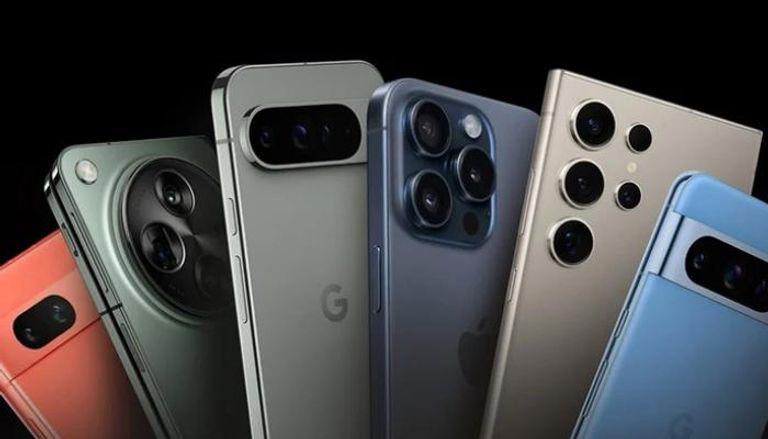
 التكنولوجيا اصبحت تتسارع عبر الزمن وتسبقه بخطوة حيث انها أصبحت تلعب دورًا مهماً في إعادة تشكيل عالم التصوير، فلم تعد الهواتف الذكية مجرد أدوات للتواصل الاجتماعي فقط يل تحولت إلى منصات تصوير متطورة تنافس الكاميرات الاحترافية في العديد من الجوانب.

 أكد الأستاذ مجدي إبراهيم، رئيس قسم التصوير وشعبة المصورين الصحفيين، أن دخول التكنولوجيا الحديثة في الهواتف الذكية له تأثير كبيرا جدا ومهم وشكل عامل ضغط كبير على الكاميرات لكن التكنولوجيا اثرت ايضا وطورت الكاميرات الاحترافية بشكل متسارع.

 أوضح إبراهيم، أن إدخال الذكاء الاصطناعي (AI) في الكاميرات الاحترافية، فإننا نشهد تحولات كبيرة في جودة التصوير. لكنه أضاف أيضًا أن الهواتف الذكية تتقدم بخطى سريعة جدًا، حيث اصبح بإمكانها تقديم صور ومقاطع فيديو بجودة فائقة، مدعومة بتقنيات الذكاء الاصطناعي، ومعالجة الصور المتقدمة، ومستشعرات أكثر تطورًا

 هواتف بكاميرات احترافية

 بينما يري الأستاذ أمير أيمن، مصور محترف، الي أن الهواتف الذكية في وقتنا هذا تأتي بكاميرات قوية يوجد بها مستشعرات كبيرة وعدسات متنوعة (واسعة، تيليفوتو، ماكرو)، فأصبح من السهل تصوير أي شيء بجودة عالية بدون الاحتياج لكاميرا احترافية.

 أضاف أيمن، أن الذكاء الاصطناعي أصبح يفعل كل شيء بسهولة مثلاً : الهاتف يحلل الصورة ويعدل الألوان والإضاءة تلقائيًا لكي تصبح بأفضل شكل، حتى في الليل أو الإضاءة الضعيفة، ميزة العزل في صور البورتريه وتحسين الصور تلقائيًا اصبحت تنافس الكاميرات الاحترافية.

 اتفقا الطرفان علي، أن المستقبل قد يشهد استخدام الهواتف الذكية في تصوير البرامج لتلفزيونية والمسلسلات والأفلام السينمائية، حيث أصبح التطور الكبير لهذه الأجهزة يمكنها من التنافس مع الكاميرات الاحترافية، خاصة مع تحسينات البرمجيات وتقنيات التصوير التي تعالج الصور بشكل فوري وتعزز الجودة بطريقة لا يمكن للكاميرات التقليدية مجاراتها بسهولة .

 يري الطرفان، أن الهواتف الذكية لن تحل محل الكاميرات الاحترافية بشكل كامل، ولكن يمكن أن تتوسع مجالات استخدامها لتشمل مجالات كانت في السابق مقتصره على المعدات لسينمائية المتخصصة. فمن خلال تحسينات مثل التصوير بتقنية HDR ، ومستشعرات الليزر للتركيز التلقائي، والقدرة على التصوير في ظروف إضاءة منخفضة، أصبحت الهواتف تقدم حلولًا عملية وسريعة يمكن الاعتماد عليها في العديد من الاستخدامات الاحترافية، مما قد جعلها الخيار الأول للعديد من المصورين وصناع المحتوى في المستقبل القريب .

 كل هذه العوامل جعلت التصوير بالهواتف الذكية يتفوق في كثير من الجوانب، حيث أصبح جمع بين الجودة والسرعة في الإنتاج، وسهولة التعديل، والإمكانيات المتطورة، مما يفتح لمجال أمام المزيد من الابتكار والإبداع في عالم التصوير.

 امثلة عن افلام وجمل اعلانية تم تصويرها بالموبايل :   

 Apple – “Shot on iPhone” Campaign .1

حملة إعلانية ضخمة أطلقتها آبل، تضمنت مقاطع فيديو وصور مذهلة تم تصويرها بالكامل باستخدام آيفون، وأثبتت أن الهاتف قادر على إنتاج محتوى احترافي.

 Samsung Galaxy S21 Ultra – “Filmed #withGalaxy” .2

حملة إعلانية عالمية استخدمت هواتف سامسونج لإبراز إمكانيات الكاميرا، خاصة في لتصوير الليلي واللقطات البطيئة .


اظهر المزيد

مقالات ذات صلة

اترك تعليقاً

لن يتم نشر عنوان بريدك الإلكتروني. الحقول الإلزامية مشار إليها بـ *

زر الذهاب إلى الأعلى