/******/ (() => { // webpackBootstrap
/******/ 	"use strict";
/******/ 	// The require scope
/******/ 	var __webpack_require__ = {};
/******/
/************************************************************************/
/******/ 	/* webpack/runtime/define property getters */
/******/ 	(() => {
/******/ 		// define getter functions for harmony exports
/******/ 		__webpack_require__.d = (exports, definition) => {
/******/ 			for(var key in definition) {
/******/ 				if(__webpack_require__.o(definition, key) && !__webpack_require__.o(exports, key)) {
/******/ 					Object.defineProperty(exports, key, { enumerable: true, get: definition[key] });
/******/ 				}
/******/ 			}
/******/ 		};
/******/ 	})();
/******/
/******/ 	/* webpack/runtime/hasOwnProperty shorthand */
/******/ 	(() => {
/******/ 		__webpack_require__.o = (obj, prop) => (Object.prototype.hasOwnProperty.call(obj, prop))
/******/ 	})();
/******/
/******/ 	/* webpack/runtime/make namespace object */
/******/ 	(() => {
/******/ 		// define __esModule on exports
/******/ 		__webpack_require__.r = (exports) => {
/******/ 			if(typeof Symbol !== 'undefined' && Symbol.toStringTag) {
/******/ 				Object.defineProperty(exports, Symbol.toStringTag, { value: 'Module' });
/******/ 			}
/******/ 			Object.defineProperty(exports, '__esModule', { value: true });
/******/ 		};
/******/ 	})();
/******/
/************************************************************************/
var __webpack_exports__ = {};
__webpack_require__.r(__webpack_exports__);
/* harmony export */ __webpack_require__.d(__webpack_exports__, {
/* harmony export */   parse: () => (/* binding */ parse)
/* harmony export */ });
/**
 * @type {string}
 */
let document;
/**
 * @type {number}
 */
let offset;
/**
 * @type {ParsedBlock[]}
 */
let output;
/**
 * @type {ParsedFrame[]}
 */
let stack;

/**
 * @typedef {Object|null} Attributes
 */

/**
 * @typedef {Object} ParsedBlock
 * @property {string|null}        blockName    Block name.
 * @property {Attributes}         attrs        Block attributes.
 * @property {ParsedBlock[]}      innerBlocks  Inner blocks.
 * @property {string}             innerHTML    Inner HTML.
 * @property {Array<string|null>} innerContent Inner content.
 */

/**
 * @typedef {Object} ParsedFrame
 * @property {ParsedBlock} block            Block.
 * @property {number}      tokenStart       Token start.
 * @property {number}      tokenLength      Token length.
 * @property {number}      prevOffset       Previous offset.
 * @property {number|null} leadingHtmlStart Leading HTML start.
 */

/**
 * @typedef {'no-more-tokens'|'void-block'|'block-opener'|'block-closer'} TokenType
 */

/**
 * @typedef {[TokenType, string, Attributes, number, number]} Token
 */

/**
 * Matches block comment delimiters
 *
 * While most of this pattern is straightforward the attribute parsing
 * incorporates a tricks to make sure we don't choke on specific input
 *
 *  - since JavaScript has no possessive quantifier or atomic grouping
 *    we are emulating it with a trick
 *
 *    we want a possessive quantifier or atomic group to prevent backtracking
 *    on the `}`s should we fail to match the remainder of the pattern
 *
 *    we can emulate this with a positive lookahead and back reference
 *    (a++)*c === ((?=(a+))\1)*c
 *
 *    let's examine an example:
 *      - /(a+)*c/.test('aaaaaaaaaaaaad') fails after over 49,000 steps
 *      - /(a++)*c/.test('aaaaaaaaaaaaad') fails after 85 steps
 *      - /(?>a+)*c/.test('aaaaaaaaaaaaad') fails after 126 steps
 *
 *    this is because the possessive `++` and the atomic group `(?>)`
 *    tell the engine that all those `a`s belong together as a single group
 *    and so it won't split it up when stepping backwards to try and match
 *
 *    if we use /((?=(a+))\1)*c/ then we get the same behavior as the atomic group
 *    or possessive and prevent the backtracking because the `a+` is matched but
 *    not captured. thus, we find the long string of `a`s and remember it, then
 *    reference it as a whole unit inside our pattern
 *
 *    @see http://instanceof.me/post/52245507631/regex-emulate-atomic-grouping-with-lookahead
 *    @see http://blog.stevenlevithan.com/archives/mimic-atomic-groups
 *    @see https://javascript.info/regexp-infinite-backtracking-problem
 *
 *    once browsers reliably support atomic grouping or possessive
 *    quantifiers natively we should remove this trick and simplify
 *
 * @type {RegExp}
 *
 * @since 3.8.0
 * @since 4.6.1 added optimization to prevent backtracking on attribute parsing
 */
const tokenizer = /<!--\s+(\/)?wp:([a-z][a-z0-9_-]*\/)?([a-z][a-z0-9_-]*)\s+({(?:(?=([^}]+|}+(?=})|(?!}\s+\/?-->)[^])*)\5|[^]*?)}\s+)?(\/)?-->/g;

/**
 * Constructs a block object.
 *
 * @param {string|null}   blockName
 * @param {Attributes}    attrs
 * @param {ParsedBlock[]} innerBlocks
 * @param {string}        innerHTML
 * @param {string[]}      innerContent
 * @return {ParsedBlock} The block object.
 */
function Block(blockName, attrs, innerBlocks, innerHTML, innerContent) {
  return {
    blockName,
    attrs,
    innerBlocks,
    innerHTML,
    innerContent
  };
}

/**
 * Constructs a freeform block object.
 *
 * @param {string} innerHTML
 * @return {ParsedBlock} The freeform block object.
 */
function Freeform(innerHTML) {
  return Block(null, {}, [], innerHTML, [innerHTML]);
}

/**
 * Constructs a frame object.
 *
 * @param {ParsedBlock} block
 * @param {number}      tokenStart
 * @param {number}      tokenLength
 * @param {number}      prevOffset
 * @param {number|null} leadingHtmlStart
 * @return {ParsedFrame} The frame object.
 */
function Frame(block, tokenStart, tokenLength, prevOffset, leadingHtmlStart) {
  return {
    block,
    tokenStart,
    tokenLength,
    prevOffset: prevOffset || tokenStart + tokenLength,
    leadingHtmlStart
  };
}

/**
 * Parser function, that converts input HTML into a block based structure.
 *
 * @param {string} doc The HTML document to parse.
 *
 * @example
 * Input post:
 * ```html
 * <!-- wp:columns {"columns":3} -->
 * <div class="wp-block-columns has-3-columns"><!-- wp:column -->
 * <div class="wp-block-column"><!-- wp:paragraph -->
 * <p>Left</p>
 * <!-- /wp:paragraph --></div>
 * <!-- /wp:column -->
 *
 * <!-- wp:column -->
 * <div class="wp-block-column"><!-- wp:paragraph -->
 * <p><strong>Middle</strong></p>
 * <!-- /wp:paragraph --></div>
 * <!-- /wp:column -->
 *
 * <!-- wp:column -->
 * <div class="wp-block-column"></div>
 * <!-- /wp:column --></div>
 * <!-- /wp:columns -->
 * ```
 *
 * Parsing code:
 * ```js
 * import { parse } from '@wordpress/block-serialization-default-parser';
 *
 * parse( post ) === [
 *     {
 *         blockName: "core/columns",
 *         attrs: {
 *             columns: 3
 *         },
 *         innerBlocks: [
 *             {
 *                 blockName: "core/column",
 *                 attrs: null,
 *                 innerBlocks: [
 *                     {
 *                         blockName: "core/paragraph",
 *                         attrs: null,
 *                         innerBlocks: [],
 *                         innerHTML: "\n<p>Left</p>\n"
 *                     }
 *                 ],
 *                 innerHTML: '\n<div class="wp-block-column"></div>\n'
 *             },
 *             {
 *                 blockName: "core/column",
 *                 attrs: null,
 *                 innerBlocks: [
 *                     {
 *                         blockName: "core/paragraph",
 *                         attrs: null,
 *                         innerBlocks: [],
 *                         innerHTML: "\n<p><strong>Middle</strong></p>\n"
 *                     }
 *                 ],
 *                 innerHTML: '\n<div class="wp-block-column"></div>\n'
 *             },
 *             {
 *                 blockName: "core/column",
 *                 attrs: null,
 *                 innerBlocks: [],
 *                 innerHTML: '\n<div class="wp-block-column"></div>\n'
 *             }
 *         ],
 *         innerHTML: '\n<div class="wp-block-columns has-3-columns">\n\n\n\n</div>\n'
 *     }
 * ];
 * ```
 * @return {ParsedBlock[]} A block-based representation of the input HTML.
 */
const parse = doc => {
  document = doc;
  offset = 0;
  output = [];
  stack = [];
  tokenizer.lastIndex = 0;
  do {
    // twiddle our thumbs
  } while (proceed());
  return output;
};

/**
 * Parses the next token in the input document.
 *
 * @return {boolean} Returns true when there is more tokens to parse.
 */
function proceed() {
  const stackDepth = stack.length;
  const next = nextToken();
  const [tokenType, blockName, attrs, startOffset, tokenLength] = next;

  // We may have some HTML soup before the next block.
  const leadingHtmlStart = startOffset > offset ? offset : null;
  switch (tokenType) {
    case 'no-more-tokens':
      // If not in a block then flush output.
      if (0 === stackDepth) {
        addFreeform();
        return false;
      }

      // Otherwise we have a problem
      // This is an error
      // we have options
      //  - treat it all as freeform text
      //  - assume an implicit closer (easiest when not nesting)

      // For the easy case we'll assume an implicit closer.
      if (1 === stackDepth) {
        addBlockFromStack();
        return false;
      }

      // For the nested case where it's more difficult we'll
      // have to assume that multiple closers are missing
      // and so we'll collapse the whole stack piecewise.
      while (0 < stack.length) {
        addBlockFromStack();
      }
      return false;
    case 'void-block':
      // easy case is if we stumbled upon a void block
      // in the top-level of the document.
      if (0 === stackDepth) {
        if (null !== leadingHtmlStart) {
          output.push(Freeform(document.substr(leadingHtmlStart, startOffset - leadingHtmlStart)));
        }
        output.push(Block(blockName, attrs, [], '', []));
        offset = startOffset + tokenLength;
        return true;
      }

      // Otherwise we found an inner block.
      addInnerBlock(Block(blockName, attrs, [], '', []), startOffset, tokenLength);
      offset = startOffset + tokenLength;
      return true;
    case 'block-opener':
      // Track all newly-opened blocks on the stack.
      stack.push(Frame(Block(blockName, attrs, [], '', []), startOffset, tokenLength, startOffset + tokenLength, leadingHtmlStart));
      offset = startOffset + tokenLength;
      return true;
    case 'block-closer':
      // If we're missing an opener we're in trouble
      // This is an error.
      if (0 === stackDepth) {
        // We have options
        //  - assume an implicit opener
        //  - assume _this_ is the opener
        // - give up and close out the document.
        addFreeform();
        return false;
      }

      // If we're not nesting then this is easy - close the block.
      if (1 === stackDepth) {
        addBlockFromStack(startOffset);
        offset = startOffset + tokenLength;
        return true;
      }

      // Otherwise we're nested and we have to close out the current
      // block and add it as a innerBlock to the parent.
      const stackTop = /** @type {ParsedFrame} */stack.pop();
      const html = document.substr(stackTop.prevOffset, startOffset - stackTop.prevOffset);
      stackTop.block.innerHTML += html;
      stackTop.block.innerContent.push(html);
      stackTop.prevOffset = startOffset + tokenLength;
      addInnerBlock(stackTop.block, stackTop.tokenStart, stackTop.tokenLength, startOffset + tokenLength);
      offset = startOffset + tokenLength;
      return true;
    default:
      // This is an error.
      addFreeform();
      return false;
  }
}

/**
 * Parse JSON if valid, otherwise return null
 *
 * Note that JSON coming from the block comment
 * delimiters is constrained to be an object
 * and cannot be things like `true` or `null`
 *
 * @param {string} input JSON input string to parse
 * @return {Object|null} parsed JSON if valid
 */
function parseJSON(input) {
  try {
    return JSON.parse(input);
  } catch (e) {
    return null;
  }
}

/**
 * Finds the next token in the document.
 *
 * @return {Token} The next matched token.
 */
function nextToken() {
  // Aye the magic
  // we're using a single RegExp to tokenize the block comment delimiters
  // we're also using a trick here because the only difference between a
  // block opener and a block closer is the leading `/` before `wp:` (and
  // a closer has no attributes). we can trap them both and process the
  // match back in JavaScript to see which one it was.
  const matches = tokenizer.exec(document);

  // We have no more tokens.
  if (null === matches) {
    return ['no-more-tokens', '', null, 0, 0];
  }
  const startedAt = matches.index;
  const [match, closerMatch, namespaceMatch, nameMatch, attrsMatch /* Internal/unused. */,, voidMatch] = matches;
  const length = match.length;
  const isCloser = !!closerMatch;
  const isVoid = !!voidMatch;
  const namespace = namespaceMatch || 'core/';
  const name = namespace + nameMatch;
  const hasAttrs = !!attrsMatch;
  const attrs = hasAttrs ? parseJSON(attrsMatch) : {};

  // This state isn't allowed
  // This is an error.
  if (isCloser && (isVoid || hasAttrs)) {
    // We can ignore them since they don't hurt anything
    // we may warn against this at some point or reject it.
  }
  if (isVoid) {
    return ['void-block', name, attrs, startedAt, length];
  }
  if (isCloser) {
    return ['block-closer', name, null, startedAt, length];
  }
  return ['block-opener', name, attrs, startedAt, length];
}

/**
 * Adds a freeform block to the output.
 *
 * @param {number} [rawLength]
 */
function addFreeform(rawLength) {
  const length = rawLength ? rawLength : document.length - offset;
  if (0 === length) {
    return;
  }
  output.push(Freeform(document.substr(offset, length)));
}

/**
 * Adds inner block to the parent block.
 *
 * @param {ParsedBlock} block
 * @param {number}      tokenStart
 * @param {number}      tokenLength
 * @param {number}      [lastOffset]
 */
function addInnerBlock(block, tokenStart, tokenLength, lastOffset) {
  const parent = stack[stack.length - 1];
  parent.block.innerBlocks.push(block);
  const html = document.substr(parent.prevOffset, tokenStart - parent.prevOffset);
  if (html) {
    parent.block.innerHTML += html;
    parent.block.innerContent.push(html);
  }
  parent.block.innerContent.push(null);
  parent.prevOffset = lastOffset ? lastOffset : tokenStart + tokenLength;
}

/**
 * Adds block from the stack to the output.
 *
 * @param {number} [endOffset]
 */
function addBlockFromStack(endOffset) {
  const {
    block,
    leadingHtmlStart,
    prevOffset,
    tokenStart
  } = /** @type {ParsedFrame} */stack.pop();
  const html = endOffset ? document.substr(prevOffset, endOffset - prevOffset) : document.substr(prevOffset);
  if (html) {
    block.innerHTML += html;
    block.innerContent.push(html);
  }
  if (null !== leadingHtmlStart) {
    output.push(Freeform(document.substr(leadingHtmlStart, tokenStart - leadingHtmlStart)));
  }
  output.push(block);
}

(window.wp = window.wp || {}).blockSerializationDefaultParser = __webpack_exports__;
/******/ })()
;
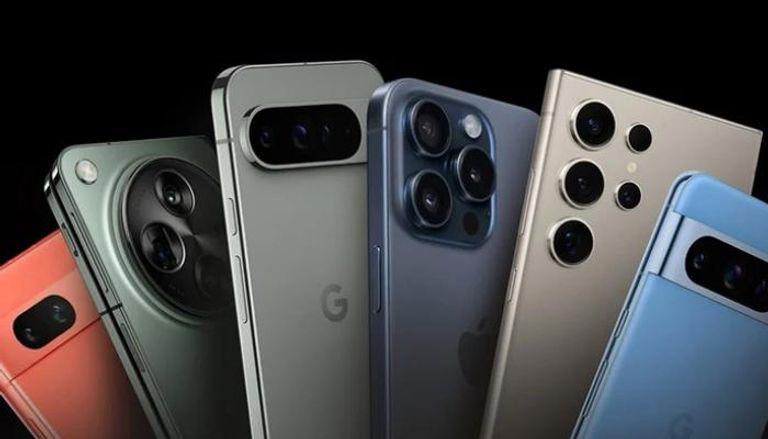
التكنولوجيا اصبحت تتسارع عبر الزمن وتسبقه بخطوة حيث انها أصبحت تلعب دورًا مهماً في إعادة تشكيل عالم التصوير، فلم تعد الهواتف الذكية مجرد أدوات للتواصل الاجتماعي فقط يل تحولت إلى منصات تصوير متطورة تنافس الكاميرات الاحترافية في العديد من الجوانب.
أكد الأستاذ مجدي إبراهيم، رئيس قسم التصوير وشعبة المصورين الصحفيين، أن دخول التكنولوجيا الحديثة في الهواتف الذكية له تأثير كبيرا جدا ومهم وشكل عامل ضغط كبير على الكاميرات لكن التكنولوجيا اثرت ايضا وطورت الكاميرات الاحترافية بشكل متسارع.
أوضح إبراهيم، أن إدخال الذكاء الاصطناعي (AI) في الكاميرات الاحترافية، فإننا نشهد تحولات كبيرة في جودة التصوير. لكنه أضاف أيضًا أن الهواتف الذكية تتقدم بخطى سريعة جدًا، حيث اصبح بإمكانها تقديم صور ومقاطع فيديو بجودة فائقة، مدعومة بتقنيات الذكاء الاصطناعي، ومعالجة الصور المتقدمة، ومستشعرات أكثر تطورًا
هواتف بكاميرات احترافية
بينما يري الأستاذ أمير أيمن، مصور محترف، الي أن الهواتف الذكية في وقتنا هذا تأتي بكاميرات قوية يوجد بها مستشعرات كبيرة وعدسات متنوعة (واسعة، تيليفوتو، ماكرو)، فأصبح من السهل تصوير أي شيء بجودة عالية بدون الاحتياج لكاميرا احترافية.
أضاف أيمن، أن الذكاء الاصطناعي أصبح يفعل كل شيء بسهولة مثلاً : الهاتف يحلل الصورة ويعدل الألوان والإضاءة تلقائيًا لكي تصبح بأفضل شكل، حتى في الليل أو الإضاءة الضعيفة، ميزة العزل في صور البورتريه وتحسين الصور تلقائيًا اصبحت تنافس الكاميرات الاحترافية.
اتفقا الطرفان علي، أن المستقبل قد يشهد استخدام الهواتف الذكية في تصوير البرامج لتلفزيونية والمسلسلات والأفلام السينمائية، حيث أصبح التطور الكبير لهذه الأجهزة يمكنها من التنافس مع الكاميرات الاحترافية، خاصة مع تحسينات البرمجيات وتقنيات التصوير التي تعالج الصور بشكل فوري وتعزز الجودة بطريقة لا يمكن للكاميرات التقليدية مجاراتها بسهولة .
يري الطرفان، أن الهواتف الذكية لن تحل محل الكاميرات الاحترافية بشكل كامل، ولكن يمكن أن تتوسع مجالات استخدامها لتشمل مجالات كانت في السابق مقتصره على المعدات لسينمائية المتخصصة. فمن خلال تحسينات مثل التصوير بتقنية HDR ، ومستشعرات الليزر للتركيز التلقائي، والقدرة على التصوير في ظروف إضاءة منخفضة، أصبحت الهواتف تقدم حلولًا عملية وسريعة يمكن الاعتماد عليها في العديد من الاستخدامات الاحترافية، مما قد جعلها الخيار الأول للعديد من المصورين وصناع المحتوى في المستقبل القريب .
كل هذه العوامل جعلت التصوير بالهواتف الذكية يتفوق في كثير من الجوانب، حيث أصبح جمع بين الجودة والسرعة في الإنتاج، وسهولة التعديل، والإمكانيات المتطورة، مما يفتح لمجال أمام المزيد من الابتكار والإبداع في عالم التصوير.
امثلة عن افلام وجمل اعلانية تم تصويرها بالموبايل :
Apple – “Shot on iPhone” Campaign .1
حملة إعلانية ضخمة أطلقتها آبل، تضمنت مقاطع فيديو وصور مذهلة تم تصويرها بالكامل باستخدام آيفون، وأثبتت أن الهاتف قادر على إنتاج محتوى احترافي.