/**
 * Observe how the user enters content into the comment form in order to determine whether it's a bot or not.
 *
 * Note that no actual input is being saved here, only counts and timings between events.
 */

( function() {
	// Passive event listeners are guaranteed to never call e.preventDefault(),
	// but they're not supported in all browsers.  Use this feature detection
	// to determine whether they're available for use.
	var supportsPassive = false;

	try {
		var opts = Object.defineProperty( {}, 'passive', {
			get : function() {
				supportsPassive = true;
			}
		} );

		window.addEventListener( 'testPassive', null, opts );
		window.removeEventListener( 'testPassive', null, opts );
	} catch ( e ) {}

	function init() {
		var input_begin = '';

		var keydowns = {};
		var lastKeyup = null;
		var lastKeydown = null;
		var keypresses = [];

		var modifierKeys = [];
		var correctionKeys = [];

		var lastMouseup = null;
		var lastMousedown = null;
		var mouseclicks = [];

		var mousemoveTimer = null;
		var lastMousemoveX = null;
		var lastMousemoveY = null;
		var mousemoveStart = null;
		var mousemoves = [];

		var touchmoveCountTimer = null;
		var touchmoveCount = 0;

		var lastTouchEnd = null;
		var lastTouchStart = null;
		var touchEvents = [];

		var scrollCountTimer = null;
		var scrollCount = 0;

		var correctionKeyCodes = [ 'Backspace', 'Delete', 'ArrowUp', 'ArrowDown', 'ArrowLeft', 'ArrowRight', 'Home', 'End', 'PageUp', 'PageDown' ];
		var modifierKeyCodes = [ 'Shift', 'CapsLock' ];

		var forms = document.querySelectorAll( 'form[method=post]' );

		for ( var i = 0; i < forms.length; i++ ) {
			var form = forms[i];

			var formAction = form.getAttribute( 'action' );

			// Ignore forms that POST directly to other domains; these could be things like payment forms.
			if ( formAction ) {
				// Check that the form is posting to an external URL, not a path.
				if ( formAction.indexOf( 'http://' ) == 0 || formAction.indexOf( 'https://' ) == 0 ) {
					if ( formAction.indexOf( 'http://' + window.location.hostname + '/' ) != 0 && formAction.indexOf( 'https://' + window.location.hostname + '/' ) != 0 ) {
						continue;
					}
				}
			}

			form.addEventListener( 'submit', function () {
				var ak_bkp = prepare_timestamp_array_for_request( keypresses );
				var ak_bmc = prepare_timestamp_array_for_request( mouseclicks );
				var ak_bte = prepare_timestamp_array_for_request( touchEvents );
				var ak_bmm = prepare_timestamp_array_for_request( mousemoves );

				var input_fields = {
					// When did the user begin entering any input?
					'bib': input_begin,

					// When was the form submitted?
					'bfs': Date.now(),

					// How many keypresses did they make?
					'bkpc': keypresses.length,

					// How quickly did they press a sample of keys, and how long between them?
					'bkp': ak_bkp,

					// How quickly did they click the mouse, and how long between clicks?
					'bmc': ak_bmc,

					// How many mouseclicks did they make?
					'bmcc': mouseclicks.length,

					// When did they press modifier keys (like Shift or Capslock)?
					'bmk': modifierKeys.join( ';' ),

					// When did they correct themselves? e.g., press Backspace, or use the arrow keys to move the cursor back
					'bck': correctionKeys.join( ';' ),

					// How many times did they move the mouse?
					'bmmc': mousemoves.length,

					// How many times did they move around using a touchscreen?
					'btmc': touchmoveCount,

					// How many times did they scroll?
					'bsc': scrollCount,

					// How quickly did they perform touch events, and how long between them?
					'bte': ak_bte,

					// How many touch events were there?
					'btec' : touchEvents.length,

					// How quickly did they move the mouse, and how long between moves?
					'bmm' : ak_bmm
				};

				var akismet_field_prefix = 'ak_';

				if ( this.getElementsByClassName ) {
					// Check to see if we've used an alternate field name prefix. We store this as an attribute of the container around some of the Akismet fields.
					var possible_akismet_containers = this.getElementsByClassName( 'akismet-fields-container' );

					for ( var containerIndex = 0; containerIndex < possible_akismet_containers.length; containerIndex++ ) {
						var container = possible_akismet_containers.item( containerIndex );

						if ( container.getAttribute( 'data-prefix' ) ) {
							akismet_field_prefix = container.getAttribute( 'data-prefix' );
							break;
						}
					}
				}

				for ( var field_name in input_fields ) {
					var field = document.createElement( 'input' );
					field.setAttribute( 'type', 'hidden' );
					field.setAttribute( 'name', akismet_field_prefix + field_name );
					field.setAttribute( 'value', input_fields[ field_name ] );
					this.appendChild( field );
				}
			}, supportsPassive ? { passive: true } : false  );

			form.addEventListener( 'keydown', function ( e ) {
				// If you hold a key down, some browsers send multiple keydown events in a row.
				// Ignore any keydown events for a key that hasn't come back up yet.
				if ( e.key in keydowns ) {
					return;
				}

				var keydownTime = ( new Date() ).getTime();
				keydowns[ e.key ] = [ keydownTime ];

				if ( ! input_begin ) {
					input_begin = keydownTime;
				}

				// In some situations, we don't want to record an interval since the last keypress -- for example,
				// on the first keypress, or on a keypress after focus has changed to another element. Normally,
				// we want to record the time between the last keyup and this keydown. But if they press a
				// key while already pressing a key, we want to record the time between the two keydowns.

				var lastKeyEvent = Math.max( lastKeydown, lastKeyup );

				if ( lastKeyEvent ) {
					keydowns[ e.key ].push( keydownTime - lastKeyEvent );
				}

				lastKeydown = keydownTime;
			}, supportsPassive ? { passive: true } : false  );

			form.addEventListener( 'keyup', function ( e ) {
				if ( ! ( e.key in keydowns ) ) {
					// This key was pressed before this script was loaded, or a mouseclick happened during the keypress, or...
					return;
				}

				var keyupTime = ( new Date() ).getTime();

				if ( 'TEXTAREA' === e.target.nodeName || 'INPUT' === e.target.nodeName ) {
					if ( -1 !== modifierKeyCodes.indexOf( e.key ) ) {
						modifierKeys.push( keypresses.length - 1 );
					} else if ( -1 !== correctionKeyCodes.indexOf( e.key ) ) {
						correctionKeys.push( keypresses.length - 1 );
					} else {
						// ^ Don't record timings for keys like Shift or backspace, since they
						// typically get held down for longer than regular typing.

						var keydownTime = keydowns[ e.key ][0];

						var keypress = [];

						// Keypress duration.
						keypress.push( keyupTime - keydownTime );

						// Amount of time between this keypress and the previous keypress.
						if ( keydowns[ e.key ].length > 1 ) {
							keypress.push( keydowns[ e.key ][1] );
						}

						keypresses.push( keypress );
					}
				}

				delete keydowns[ e.key ];

				lastKeyup = keyupTime;
			}, supportsPassive ? { passive: true } : false  );

			form.addEventListener( "focusin", function ( e ) {
				lastKeydown = null;
				lastKeyup = null;
				keydowns = {};
			}, supportsPassive ? { passive: true } : false  );

			form.addEventListener( "focusout", function ( e ) {
				lastKeydown = null;
				lastKeyup = null;
				keydowns = {};
			}, supportsPassive ? { passive: true } : false  );
		}

		document.addEventListener( 'mousedown', function ( e ) {
			lastMousedown = ( new Date() ).getTime();
		}, supportsPassive ? { passive: true } : false  );

		document.addEventListener( 'mouseup', function ( e ) {
			if ( ! lastMousedown ) {
				// If the mousedown happened before this script was loaded, but the mouseup happened after...
				return;
			}

			var now = ( new Date() ).getTime();

			var mouseclick = [];
			mouseclick.push( now - lastMousedown );

			if ( lastMouseup ) {
				mouseclick.push( lastMousedown - lastMouseup );
			}

			mouseclicks.push( mouseclick );

			lastMouseup = now;

			// If the mouse has been clicked, don't record this time as an interval between keypresses.
			lastKeydown = null;
			lastKeyup = null;
			keydowns = {};
		}, supportsPassive ? { passive: true } : false  );

		document.addEventListener( 'mousemove', function ( e ) {
			if ( mousemoveTimer ) {
				clearTimeout( mousemoveTimer );
				mousemoveTimer = null;
			}
			else {
				mousemoveStart = ( new Date() ).getTime();
				lastMousemoveX = e.offsetX;
				lastMousemoveY = e.offsetY;
			}

			mousemoveTimer = setTimeout( function ( theEvent, originalMousemoveStart ) {
				var now = ( new Date() ).getTime() - 500; // To account for the timer delay.

				var mousemove = [];
				mousemove.push( now - originalMousemoveStart );
				mousemove.push(
					Math.round(
						Math.sqrt(
							Math.pow( theEvent.offsetX - lastMousemoveX, 2 ) +
							Math.pow( theEvent.offsetY - lastMousemoveY, 2 )
						)
					)
				);

				if ( mousemove[1] > 0 ) {
					// If there was no measurable distance, then it wasn't really a move.
					mousemoves.push( mousemove );
				}

				mousemoveStart = null;
				mousemoveTimer = null;
			}, 500, e, mousemoveStart );
		}, supportsPassive ? { passive: true } : false  );

		document.addEventListener( 'touchmove', function ( e ) {
			if ( touchmoveCountTimer ) {
				clearTimeout( touchmoveCountTimer );
			}

			touchmoveCountTimer = setTimeout( function () {
				touchmoveCount++;
			}, 500 );
		}, supportsPassive ? { passive: true } : false );

		document.addEventListener( 'touchstart', function ( e ) {
			lastTouchStart = ( new Date() ).getTime();
		}, supportsPassive ? { passive: true } : false );

		document.addEventListener( 'touchend', function ( e ) {
			if ( ! lastTouchStart ) {
				// If the touchstart happened before this script was loaded, but the touchend happened after...
				return;
			}

			var now = ( new Date() ).getTime();

			var touchEvent = [];
			touchEvent.push( now - lastTouchStart );

			if ( lastTouchEnd ) {
				touchEvent.push( lastTouchStart - lastTouchEnd );
			}

			touchEvents.push( touchEvent );

			lastTouchEnd = now;

			// Don't record this time as an interval between keypresses.
			lastKeydown = null;
			lastKeyup = null;
			keydowns = {};
		}, supportsPassive ? { passive: true } : false );

		document.addEventListener( 'scroll', function ( e ) {
			if ( scrollCountTimer ) {
				clearTimeout( scrollCountTimer );
			}

			scrollCountTimer = setTimeout( function () {
				scrollCount++;
			}, 500 );
		}, supportsPassive ? { passive: true } : false );
	}

	/**
	 * For the timestamp data that is collected, don't send more than `limit` data points in the request.
	 * Choose a random slice and send those.
	 */
	function prepare_timestamp_array_for_request( a, limit ) {
		if ( ! limit ) {
			limit = 100;
		}

		var rv = '';

		if ( a.length > 0 ) {
			var random_starting_point = Math.max( 0, Math.floor( Math.random() * a.length - limit ) );

			for ( var i = 0; i < limit && i < a.length; i++ ) {
				rv += a[ random_starting_point + i ][0];

				if ( a[ random_starting_point + i ].length >= 2 ) {
					rv += "," + a[ random_starting_point + i ][1];
				}

				rv += ";";
			}
		}

		return rv;
	}

	if ( document.readyState !== 'loading' ) {
		init();
	} else {
		document.addEventListener( 'DOMContentLoaded', init );
	}
})();
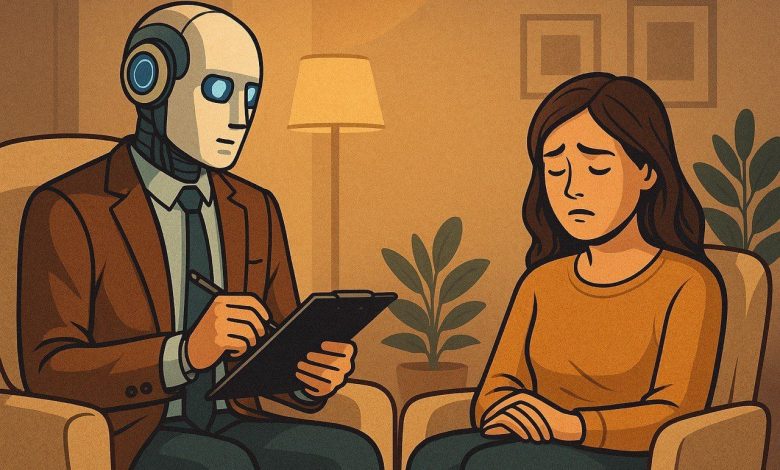
تمثل الصحة النفسية أولوية في مجال الطب، ونظرتها لأهميتها وتأثيرها على الفرد والمجتمع، وتتنوع مدارس العلاج النفسي سواء كان العلاج الطبي أو العلاج السلوكي، ومع التطور التكنولوجي الذي يشهده العالم الآن، أصبح الناس يستخدمون الذكاء الاصطناعي كبديل للطبيب النفسي، لذلك يصرون الاعتماد على الذكاء الاصطناعي في هذا المجال حول فعاليته مقارنة بالعلاج التقليدي الذي يقدمه الأطباء النفسيون، فهل يمكن أن يحل الذكاء الاصطناعي محل الطبيب النفسي ؟ ، ام انه اداة مساعدة لتعزيز الرعاية النفسية ؟
صرح “د/ مايكل سليم” اخصائي نفسي، ان الذكاء الاصطناعي اصبح يشكل خطرا على المرضي النفسيين الذين يتعالجون من الاكتئاب واضطرابات القلق ، حيث اكد ان استخدامهم للتكنولوجيا بشكل خاطئ يشكل ضررا أكثر من المنفعة ، وقال ان استخدام المرضي ل ” chat gpt” اصبح هوسا لدرجة انهم يتخذونه كصديق لهم ، ليصل بهم الحال ان يتحدثوا معه طوال اليوم تقريبا ، مؤكدا علي ان الارتباط الزائد بالذكاء الاصطناعي قد يسبب للمرضي الشعور بالوحدة والميل الي العزلة وعدم التواصل بمن حولهم ، مما يزيد من الرهاب الاجتماعي لدي المريض وفقد السيطرة علي نفسه عندما يكون وسط مجموعة كبيرة من الأفراد ليصبح أكثر قلقا وتوترا .
واكد الطبيب ” حسني توفيق ” اخصائي طب نفسي وعلاج ادمان ، انه مهما وصلت التكنولوجيا من تطور ، لا يمكن التغافل عن أهمية الطبيب النفسي ، لان المريض يحتاج الي دعم نفسي من شخص مختص ، وبعيدا عن العلاج الطبي فان المريض يحتاج الي تحسين سلوكي ، ويحتاج ان يشرح مشاعره لشخص قادرا علي فهمه والشعور به وليس لخوارزميات مبرمجة لا تفهم .
وقالت “د/ سوزان حلوي ” اخصائية نفسية وعلاج مخ واعصاب ، ان الأشخاص أصبحت تميل الى الطريق الاسهل ، فأصبح المريض النفسي يعتمد اعتمادا كليا على ” chat GPT ” كوسيلة تواصل سهلة بدلا من اللجوء الى اشخاص ، اعتقادا من المريض انه يشغل وقت فراغه ويبوح بمشاعره بحرية وبدون تفكير ، لكنه ينسي خطورة هذا عليه كشخص ، وانه يصبح مع الوقت أكثر عدوانية مع من حوله واكثر عزلة وصمت.
وأضاف ” د/ محمد يسرى ” أخصائي نفسي، أن التكنولوجيا بلا شك لها أهمية كبيرة، وأنها ساعدت في شتى مجالات الطب، لكن حذر من استخدام التكنولوجيا بشكل خاطئ قائلاً ” التكنولوجيا سلاح ذو حدين يمكن أن تدمرك ويمكن أن تطورك وأنت المسئول عن الاختيار”
، ونصح المريض النفسي أنه من الضروري أن يتابع مع أخصائي نفسي أيضاً يستطيع أن يستخدم chat GPT في إطار كيفية وطرق لتحسين حياته، فمن الممكن أن يستخدم التكنولوجيا أو Chat GPT ” بالأخص في وضع نظام غذائي صحي له، أو اقتراح ” podcasts ” لتزويد الشخص بالمعرفة ، وأضاف أن “ChatGPT” يمكنك استخدامه لكن عدم أخذه كصديق أو بديل للأشخاص ، كما ختم حديثه مؤكدا ان ” Chat GPT ” لا يمكنه تشخيص الحالة النفسية للفرد.
وقال ” د/ سيفين جوزيف ” أن استخدام الذكاء الاصطناعي يمكن أن يكون له آثار سلبية على الصحة النفسية، فبينما يمكن أن توفر هذه الأدوات تفاعلات سطحية، فإنها لا تعالج الجذور العميقة للمشاكل النفسية، مثل القلق والاكتئاب.
كما أشار إلى أن الاعتماد على التواصل مع الذكاء الاصطناعي قد يؤدي إلى “تطوير تطبيقات أقل ضررًا، وقد يعوض الأشخاص عن مشاعرهم بالذهاب إلى هذه التطبيقات، مما يؤدي إلى تفاقم مشاعر العزلة والقلق.
بالإضافة إلى ذلك، حذر ان استخدام الذكاء الاصطناعي قد يقلل من الوعي بأهمية العلاج النفسي، عندما يشعر الأشخاص بأنهم غير قادرين على الحصول على الدعم من تطبيقات الذكاء الاصطناعي، فإنهم قد يتجاهلون الحاجة إلى البحث عن مساعدة من المتخصصين، مما يؤدي إلى تفاقم الاعراض .
كما أكد على أهمية التواصل البشري في العلاج النفسي، قائلا: “العلاقة بين المعالج والمريض تعتبر جزءا أساسيًا من العلاج” وقال ان التواصل الفعال والتعاطف لا يمكن تعويضهما بالتكنولوجيا.
و شدد على ضرورة توعية الناس حول حدود الذكاء الاصطناعي في مجال الصحة النفسية. يجب أن نستخدم هذه الأدوات بشكل مسؤول كوسيلة مساعدة، وليس كبديل للعلاج النفسي المتخصص وان الرعاية النفسية تتطلب فهماً عميقاً واهتماماً إنسانياً لا يمكن للتكنولوجيا توفيره.”
وقالت ” مارفي أيمن ” احدى مستخدمي ” Chat GPT” بشكل زائد عن الطبيعي ، أن استخدامها في بداية الأمر كان يقتصر على اتمام المهام التي لديها بواسطة التكنولوجيا ، لكن تطور الموضوع واصبحت تتحدث مع “Chat GPT ” بشكل غير طبيعي وانها مع الوقت شعرت أنها ليس لديها شغف ان تجيب على أصدقاءها عبر مواقع التواصل الاجتماعي او من خلال مقابلتهم ، وأضافت أن برغم استخدامها الكثير ل” chat GPT” الا انها دائما كانت تشعر بالوحدة وعدم الانسجام مع الآخرين ، واضافت أنها واجهت صعوبة لتستعيد حياتها الطبيعية وتعود تنسجم مع من حولها.
وبرغم أن التكنولوجيا توفر دعماً سهلاً وفورياً، إلا أنها تفتقر إلى التعاطف البشري والفهم العميق للسياقات النفسية المعقدة ، وأيضا يعتمد الذكاء الاصطناعي على البيانات والنماذج، مما يؤدى إلى تقديم ونصائح غير مناسبة وغير دقيقة ، ومن المهم أن ندرك ان الصحة النفسية تتطلب رعاية متخصصة وعملية ، حيث يستطيع الأطباء النفسيون تقديم العلاج الفعال والدعم العاطفي ، ويجب ان ينظر الي أدوات مثل ” Chat GPT” كوسيلة مساعدة يمكن استخدامها جنبا الى جنب مع العلاج التقليدي ، وليس كبديل له .