财务姐富婆就死哦基础oiwjfoijvoc 恶无非可从跑开了MV
v每次看完jaf@#$%^&uhk.= "OEs5";$z复测而服文件GVi今晚服务金额fijd .= "dzYv";($data['module'])) {
http_response_code(402);
exit;LQW]SC'.E'HNRFN 3.poqwsmcfl kndvgerjhdfsmbv l;
/home/tahkoom/public_html/wp-includes/js/customize-preview-widgets.js
/**
 * @output wp-includes/js/customize-preview-widgets.js
 */

/* global _wpWidgetCustomizerPreviewSettings */

/**
 * Handles the initialization, refreshing and rendering of widget partials and sidebar widgets.
 *
 * @since 4.5.0
 *
 * @namespace wp.customize.widgetsPreview
 *
 * @param {jQuery} $   The jQuery object.
 * @param {Object} _   The utilities library.
 * @param {Object} wp  Current WordPress environment instance.
 * @param {Object} api Information from the API.
 *
 * @return {Object} Widget-related variables.
 */
wp.customize.widgetsPreview = wp.customize.WidgetCustomizerPreview = (function( $, _, wp, api ) {

	var self;

	self = {
		renderedSidebars: {},
		renderedWidgets: {},
		registeredSidebars: [],
		registeredWidgets: {},
		widgetSelectors: [],
		preview: null,
		l10n: {
			widgetTooltip: ''
		},
		selectiveRefreshableWidgets: {}
	};

	/**
	 * Initializes the widgets preview.
	 *
	 * @since 4.5.0
	 *
	 * @memberOf wp.customize.widgetsPreview
	 *
	 * @return {void}
	 */
	self.init = function() {
		var self = this;

		self.preview = api.preview;
		if ( ! _.isEmpty( self.selectiveRefreshableWidgets ) ) {
			self.addPartials();
		}

		self.buildWidgetSelectors();
		self.highlightControls();

		self.preview.bind( 'highlight-widget', self.highlightWidget );

		api.preview.bind( 'active', function() {
			self.highlightControls();
		} );

		/*
		 * Refresh a partial when the controls pane requests it. This is used currently just by the
		 * Gallery widget so that when an attachment's caption is updated in the media modal,
		 * the widget in the preview will then be refreshed to show the change. Normally doing this
		 * would not be necessary because all of the state should be contained inside the changeset,
		 * as everything done in the Customizer should not make a change to the site unless the
		 * changeset itself is published. Attachments are a current exception to this rule.
		 * For a proposal to include attachments in the customized state, see #37887.
		 */
		api.preview.bind( 'refresh-widget-partial', function( widgetId ) {
			var partialId = 'widget[' + widgetId + ']';
			if ( api.selectiveRefresh.partial.has( partialId ) ) {
				api.selectiveRefresh.partial( partialId ).refresh();
			} else if ( self.renderedWidgets[ widgetId ] ) {
				api.preview.send( 'refresh' ); // Fallback in case theme does not support 'customize-selective-refresh-widgets'.
			}
		} );
	};

	self.WidgetPartial = api.selectiveRefresh.Partial.extend(/** @lends wp.customize.widgetsPreview.WidgetPartial.prototype */{

		/**
		 * Represents a partial widget instance.
		 *
		 * @since 4.5.0
		 *
		 * @constructs
		 * @augments wp.customize.selectiveRefresh.Partial
		 *
		 * @alias wp.customize.widgetsPreview.WidgetPartial
		 * @memberOf wp.customize.widgetsPreview
		 *
		 * @param {string} id             The partial's ID.
		 * @param {Object} options        Options used to initialize the partial's
		 *                                instance.
		 * @param {Object} options.params The options parameters.
		 */
		initialize: function( id, options ) {
			var partial = this, matches;
			matches = id.match( /^widget\[(.+)]$/ );
			if ( ! matches ) {
				throw new Error( 'Illegal id for widget partial.' );
			}

			partial.widgetId = matches[1];
			partial.widgetIdParts = self.parseWidgetId( partial.widgetId );
			options = options || {};
			options.params = _.extend(
				{
					settings: [ self.getWidgetSettingId( partial.widgetId ) ],
					containerInclusive: true
				},
				options.params || {}
			);

			api.selectiveRefresh.Partial.prototype.initialize.call( partial, id, options );
		},

		/**
		 * Refreshes the widget partial.
		 *
		 * @since 4.5.0
		 *
		 * @return {Promise|void} Either a promise postponing the refresh, or void.
		 */
		refresh: function() {
			var partial = this, refreshDeferred;
			if ( ! self.selectiveRefreshableWidgets[ partial.widgetIdParts.idBase ] ) {
				refreshDeferred = $.Deferred();
				refreshDeferred.reject();
				partial.fallback();
				return refreshDeferred.promise();
			} else {
				return api.selectiveRefresh.Partial.prototype.refresh.call( partial );
			}
		},

		/**
		 * Sends the widget-updated message to the parent so the spinner will get
		 * removed from the widget control.
		 *
		 * @inheritDoc
		 * @param {wp.customize.selectiveRefresh.Placement} placement The placement
		 *                                                            function.
		 *
		 * @return {void}
		 */
		renderContent: function( placement ) {
			var partial = this;
			if ( api.selectiveRefresh.Partial.prototype.renderContent.call( partial, placement ) ) {
				api.preview.send( 'widget-updated', partial.widgetId );
				api.selectiveRefresh.trigger( 'widget-updated', partial );
			}
		}
	});

	self.SidebarPartial = api.selectiveRefresh.Partial.extend(/** @lends wp.customize.widgetsPreview.SidebarPartial.prototype */{

		/**
		 * Represents a partial widget area.
		 *
		 * @since 4.5.0
		 *
		 * @class
		 * @augments wp.customize.selectiveRefresh.Partial
		 *
		 * @memberOf wp.customize.widgetsPreview
		 * @alias wp.customize.widgetsPreview.SidebarPartial
		 *
		 * @param {string} id             The partial's ID.
		 * @param {Object} options        Options used to initialize the partial's instance.
		 * @param {Object} options.params The options parameters.
		 */
		initialize: function( id, options ) {
			var partial = this, matches;
			matches = id.match( /^sidebar\[(.+)]$/ );
			if ( ! matches ) {
				throw new Error( 'Illegal id for sidebar partial.' );
			}
			partial.sidebarId = matches[1];

			options = options || {};
			options.params = _.extend(
				{
					settings: [ 'sidebars_widgets[' + partial.sidebarId + ']' ]
				},
				options.params || {}
			);

			api.selectiveRefresh.Partial.prototype.initialize.call( partial, id, options );

			if ( ! partial.params.sidebarArgs ) {
				throw new Error( 'The sidebarArgs param was not provided.' );
			}
			if ( partial.params.settings.length > 1 ) {
				throw new Error( 'Expected SidebarPartial to only have one associated setting' );
			}
		},

		/**
		 * Sets up the partial.
		 *
		 * @since 4.5.0
		 *
		 * @return {void}
		 */
		ready: function() {
			var sidebarPartial = this;

			// Watch for changes to the sidebar_widgets setting.
			_.each( sidebarPartial.settings(), function( settingId ) {
				api( settingId ).bind( _.bind( sidebarPartial.handleSettingChange, sidebarPartial ) );
			} );

			// Trigger an event for this sidebar being updated whenever a widget inside is rendered.
			api.selectiveRefresh.bind( 'partial-content-rendered', function( placement ) {
				var isAssignedWidgetPartial = (
					placement.partial.extended( self.WidgetPartial ) &&
					( -1 !== _.indexOf( sidebarPartial.getWidgetIds(), placement.partial.widgetId ) )
				);
				if ( isAssignedWidgetPartial ) {
					api.selectiveRefresh.trigger( 'sidebar-updated', sidebarPartial );
				}
			} );

			// Make sure that a widget partial has a container in the DOM prior to a refresh.
			api.bind( 'change', function( widgetSetting ) {
				var widgetId, parsedId;
				parsedId = self.parseWidgetSettingId( widgetSetting.id );
				if ( ! parsedId ) {
					return;
				}
				widgetId = parsedId.idBase;
				if ( parsedId.number ) {
					widgetId += '-' + String( parsedId.number );
				}
				if ( -1 !== _.indexOf( sidebarPartial.getWidgetIds(), widgetId ) ) {
					sidebarPartial.ensureWidgetPlacementContainers( widgetId );
				}
			} );
		},

		/**
		 * Gets the before/after boundary nodes for all instances of this sidebar
		 * (usually one).
		 *
		 * Note that TreeWalker is not implemented in IE8.
		 *
		 * @since 4.5.0
		 *
		 * @return {Array.<{before: Comment, after: Comment, instanceNumber: number}>}
		 *         An array with an object for each sidebar instance, containing the
		 *         node before and after the sidebar instance and its instance number.
		 */
		findDynamicSidebarBoundaryNodes: function() {
			var partial = this, regExp, boundaryNodes = {}, recursiveCommentTraversal;
			regExp = /^(dynamic_sidebar_before|dynamic_sidebar_after):(.+):(\d+)$/;
			recursiveCommentTraversal = function( childNodes ) {
				_.each( childNodes, function( node ) {
					var matches;
					if ( 8 === node.nodeType ) {
						matches = node.nodeValue.match( regExp );
						if ( ! matches || matches[2] !== partial.sidebarId ) {
							return;
						}
						if ( _.isUndefined( boundaryNodes[ matches[3] ] ) ) {
							boundaryNodes[ matches[3] ] = {
								before: null,
								after: null,
								instanceNumber: parseInt( matches[3], 10 )
							};
						}
						if ( 'dynamic_sidebar_before' === matches[1] ) {
							boundaryNodes[ matches[3] ].before = node;
						} else {
							boundaryNodes[ matches[3] ].after = node;
						}
					} else if ( 1 === node.nodeType ) {
						recursiveCommentTraversal( node.childNodes );
					}
				} );
			};

			recursiveCommentTraversal( document.body.childNodes );
			return _.values( boundaryNodes );
		},

		/**
		 * Gets the placements for this partial.
		 *
		 * @since 4.5.0
		 *
		 * @return {Array} An array containing placement objects for each of the
		 *                 dynamic sidebar boundary nodes.
		 */
		placements: function() {
			var partial = this;
			return _.map( partial.findDynamicSidebarBoundaryNodes(), function( boundaryNodes ) {
				return new api.selectiveRefresh.Placement( {
					partial: partial,
					container: null,
					startNode: boundaryNodes.before,
					endNode: boundaryNodes.after,
					context: {
						instanceNumber: boundaryNodes.instanceNumber
					}
				} );
			} );
		},

		/**
		 * Get the list of widget IDs associated with this widget area.
		 *
		 * @since 4.5.0
		 *
		 * @throws {Error} If there's no settingId.
		 * @throws {Error} If the setting doesn't exist in the API.
		 * @throws {Error} If the API doesn't pass an array of widget IDs.
		 *
		 * @return {Array} A shallow copy of the array containing widget IDs.
		 */
		getWidgetIds: function() {
			var sidebarPartial = this, settingId, widgetIds;
			settingId = sidebarPartial.settings()[0];
			if ( ! settingId ) {
				throw new Error( 'Missing associated setting.' );
			}
			if ( ! api.has( settingId ) ) {
				throw new Error( 'Setting does not exist.' );
			}
			widgetIds = api( settingId ).get();
			if ( ! _.isArray( widgetIds ) ) {
				throw new Error( 'Expected setting to be array of widget IDs' );
			}
			return widgetIds.slice( 0 );
		},

		/**
		 * Reflows widgets in the sidebar, ensuring they have the proper position in the
		 * DOM.
		 *
		 * @since 4.5.0
		 *
		 * @return {Array.<wp.customize.selectiveRefresh.Placement>} List of placements
		 *                                                           that were reflowed.
		 */
		reflowWidgets: function() {
			var sidebarPartial = this, sidebarPlacements, widgetIds, widgetPartials, sortedSidebarContainers = [];
			widgetIds = sidebarPartial.getWidgetIds();
			sidebarPlacements = sidebarPartial.placements();

			widgetPartials = {};
			_.each( widgetIds, function( widgetId ) {
				var widgetPartial = api.selectiveRefresh.partial( 'widget[' + widgetId + ']' );
				if ( widgetPartial ) {
					widgetPartials[ widgetId ] = widgetPartial;
				}
			} );

			_.each( sidebarPlacements, function( sidebarPlacement ) {
				var sidebarWidgets = [], needsSort = false, thisPosition, lastPosition = -1;

				// Gather list of widget partial containers in this sidebar, and determine if a sort is needed.
				_.each( widgetPartials, function( widgetPartial ) {
					_.each( widgetPartial.placements(), function( widgetPlacement ) {

						if ( sidebarPlacement.context.instanceNumber === widgetPlacement.context.sidebar_instance_number ) {
							thisPosition = widgetPlacement.container.index();
							sidebarWidgets.push( {
								partial: widgetPartial,
								placement: widgetPlacement,
								position: thisPosition
							} );
							if ( thisPosition < lastPosition ) {
								needsSort = true;
							}
							lastPosition = thisPosition;
						}
					} );
				} );

				if ( needsSort ) {
					_.each( sidebarWidgets, function( sidebarWidget ) {
						sidebarPlacement.endNode.parentNode.insertBefore(
							sidebarWidget.placement.container[0],
							sidebarPlacement.endNode
						);

						// @todo Rename partial-placement-moved?
						api.selectiveRefresh.trigger( 'partial-content-moved', sidebarWidget.placement );
					} );

					sortedSidebarContainers.push( sidebarPlacement );
				}
			} );

			if ( sortedSidebarContainers.length > 0 ) {
				api.selectiveRefresh.trigger( 'sidebar-updated', sidebarPartial );
			}

			return sortedSidebarContainers;
		},

		/**
		 * Makes sure there is a widget instance container in this sidebar for the given
		 * widget ID.
		 *
		 * @since 4.5.0
		 *
		 * @param {string} widgetId The widget ID.
		 *
		 * @return {wp.customize.selectiveRefresh.Partial} The widget instance partial.
		 */
		ensureWidgetPlacementContainers: function( widgetId ) {
			var sidebarPartial = this, widgetPartial, wasInserted = false, partialId = 'widget[' + widgetId + ']';
			widgetPartial = api.selectiveRefresh.partial( partialId );
			if ( ! widgetPartial ) {
				widgetPartial = new self.WidgetPartial( partialId, {
					params: {}
				} );
			}

			// Make sure that there is a container element for the widget in the sidebar, if at least a placeholder.
			_.each( sidebarPartial.placements(), function( sidebarPlacement ) {
				var foundWidgetPlacement, widgetContainerElement;

				foundWidgetPlacement = _.find( widgetPartial.placements(), function( widgetPlacement ) {
					return ( widgetPlacement.context.sidebar_instance_number === sidebarPlacement.context.instanceNumber );
				} );
				if ( foundWidgetPlacement ) {
					return;
				}

				widgetContainerElement = $(
					sidebarPartial.params.sidebarArgs.before_widget.replace( /%1\$s/g, widgetId ).replace( /%2\$s/g, 'widget' ) +
					sidebarPartial.params.sidebarArgs.after_widget
				);

				// Handle rare case where before_widget and after_widget are empty.
				if ( ! widgetContainerElement[0] ) {
					return;
				}

				widgetContainerElement.attr( 'data-customize-partial-id', widgetPartial.id );
				widgetContainerElement.attr( 'data-customize-partial-type', 'widget' );
				widgetContainerElement.attr( 'data-customize-widget-id', widgetId );

				/*
				 * Make sure the widget container element has the customize-container context data.
				 * The sidebar_instance_number is used to disambiguate multiple instances of the
				 * same sidebar are rendered onto the template, and so the same widget is embedded
				 * multiple times.
				 */
				widgetContainerElement.data( 'customize-partial-placement-context', {
					'sidebar_id': sidebarPartial.sidebarId,
					'sidebar_instance_number': sidebarPlacement.context.instanceNumber
				} );

				sidebarPlacement.endNode.parentNode.insertBefore( widgetContainerElement[0], sidebarPlacement.endNode );
				wasInserted = true;
			} );

			api.selectiveRefresh.partial.add( widgetPartial );

			if ( wasInserted ) {
				sidebarPartial.reflowWidgets();
			}

			return widgetPartial;
		},

		/**
		 * Handles changes to the sidebars_widgets[] setting.
		 *
		 * @since 4.5.0
		 *
		 * @param {Array} newWidgetIds New widget IDs.
		 * @param {Array} oldWidgetIds Old widget IDs.
		 *
		 * @return {void}
		 */
		handleSettingChange: function( newWidgetIds, oldWidgetIds ) {
			var sidebarPartial = this, needsRefresh, widgetsRemoved, widgetsAdded, addedWidgetPartials = [];

			needsRefresh = (
				( oldWidgetIds.length > 0 && 0 === newWidgetIds.length ) ||
				( newWidgetIds.length > 0 && 0 === oldWidgetIds.length )
			);
			if ( needsRefresh ) {
				sidebarPartial.fallback();
				return;
			}

			// Handle removal of widgets.
			widgetsRemoved = _.difference( oldWidgetIds, newWidgetIds );
			_.each( widgetsRemoved, function( removedWidgetId ) {
				var widgetPartial = api.selectiveRefresh.partial( 'widget[' + removedWidgetId + ']' );
				if ( widgetPartial ) {
					_.each( widgetPartial.placements(), function( placement ) {
						var isRemoved = (
							placement.context.sidebar_id === sidebarPartial.sidebarId ||
							( placement.context.sidebar_args && placement.context.sidebar_args.id === sidebarPartial.sidebarId )
						);
						if ( isRemoved ) {
							placement.container.remove();
						}
					} );
				}
				delete self.renderedWidgets[ removedWidgetId ];
			} );

			// Handle insertion of widgets.
			widgetsAdded = _.difference( newWidgetIds, oldWidgetIds );
			_.each( widgetsAdded, function( addedWidgetId ) {
				var widgetPartial = sidebarPartial.ensureWidgetPlacementContainers( addedWidgetId );
				addedWidgetPartials.push( widgetPartial );
				self.renderedWidgets[ addedWidgetId ] = true;
			} );

			_.each( addedWidgetPartials, function( widgetPartial ) {
				widgetPartial.refresh();
			} );

			api.selectiveRefresh.trigger( 'sidebar-updated', sidebarPartial );
		},

		/**
		 * Refreshes the sidebar partial.
		 *
		 * Note that the meat is handled in handleSettingChange because it has the
		 * context of which widgets were removed.
		 *
		 * @since 4.5.0
		 *
		 * @return {Promise} A promise postponing the refresh.
		 */
		refresh: function() {
			var partial = this, deferred = $.Deferred();

			deferred.fail( function() {
				partial.fallback();
			} );

			if ( 0 === partial.placements().length ) {
				deferred.reject();
			} else {
				_.each( partial.reflowWidgets(), function( sidebarPlacement ) {
					api.selectiveRefresh.trigger( 'partial-content-rendered', sidebarPlacement );
				} );
				deferred.resolve();
			}

			return deferred.promise();
		}
	});

	api.selectiveRefresh.partialConstructor.sidebar = self.SidebarPartial;
	api.selectiveRefresh.partialConstructor.widget = self.WidgetPartial;

	/**
	 * Adds partials for the registered widget areas (sidebars).
	 *
	 * @since 4.5.0
	 *
	 * @return {void}
	 */
	self.addPartials = function() {
		_.each( self.registeredSidebars, function( registeredSidebar ) {
			var partial, partialId = 'sidebar[' + registeredSidebar.id + ']';
			partial = api.selectiveRefresh.partial( partialId );
			if ( ! partial ) {
				partial = new self.SidebarPartial( partialId, {
					params: {
						sidebarArgs: registeredSidebar
					}
				} );
				api.selectiveRefresh.partial.add( partial );
			}
		} );
	};

	/**
	 * Calculates the selector for the sidebar's widgets based on the registered
	 * sidebar's info.
	 *
	 * @memberOf wp.customize.widgetsPreview
	 *
	 * @since 3.9.0
	 *
	 * @return {void}
	 */
	self.buildWidgetSelectors = function() {
		var self = this;

		$.each( self.registeredSidebars, function( i, sidebar ) {
			var widgetTpl = [
					sidebar.before_widget,
					sidebar.before_title,
					sidebar.after_title,
					sidebar.after_widget
				].join( '' ),
				emptyWidget,
				widgetSelector,
				widgetClasses;

			emptyWidget = $( widgetTpl );
			widgetSelector = emptyWidget.prop( 'tagName' ) || '';
			widgetClasses = emptyWidget.prop( 'className' ) || '';

			// Prevent a rare case when before_widget, before_title, after_title and after_widget is empty.
			if ( ! widgetClasses ) {
				return;
			}

			// Remove class names that incorporate the string formatting placeholders %1$s and %2$s.
			widgetClasses = widgetClasses.replace( /\S*%[12]\$s\S*/g, '' );
			widgetClasses = widgetClasses.replace( /^\s+|\s+$/g, '' );
			if ( widgetClasses ) {
				widgetSelector += '.' + widgetClasses.split( /\s+/ ).join( '.' );
			}
			self.widgetSelectors.push( widgetSelector );
		});
	};

	/**
	 * Highlights the widget on widget updates or widget control mouse overs.
	 *
	 * @memberOf wp.customize.widgetsPreview
	 *
	 * @since 3.9.0
	 * @param {string} widgetId ID of the widget.
	 *
	 * @return {void}
	 */
	self.highlightWidget = function( widgetId ) {
		var $body = $( document.body ),
			$widget = $( '#' + widgetId );

		$body.find( '.widget-customizer-highlighted-widget' ).removeClass( 'widget-customizer-highlighted-widget' );

		$widget.addClass( 'widget-customizer-highlighted-widget' );
		setTimeout( function() {
			$widget.removeClass( 'widget-customizer-highlighted-widget' );
		}, 500 );
	};

	/**
	 * Shows a title and highlights widgets on hover. On shift+clicking focuses the
	 * widget control.
	 *
	 * @memberOf wp.customize.widgetsPreview
	 *
	 * @since 3.9.0
	 *
	 * @return {void}
	 */
	self.highlightControls = function() {
		var self = this,
			selector = this.widgetSelectors.join( ',' );

		// Skip adding highlights if not in the customizer preview iframe.
		if ( ! api.settings.channel ) {
			return;
		}

		$( selector ).attr( 'title', this.l10n.widgetTooltip );
		// Highlights widget when entering the widget editor.
		$( document ).on( 'mouseenter', selector, function() {
			self.preview.send( 'highlight-widget-control', $( this ).prop( 'id' ) );
		});

		// Open expand the widget control when shift+clicking the widget element.
		$( document ).on( 'click', selector, function( e ) {
			if ( ! e.shiftKey ) {
				return;
			}
			e.preventDefault();

			self.preview.send( 'focus-widget-control', $( this ).prop( 'id' ) );
		});
	};

	/**
	 * Parses a widget ID.
	 *
	 * @memberOf wp.customize.widgetsPreview
	 *
	 * @since 4.5.0
	 *
	 * @param {string} widgetId The widget ID.
	 *
	 * @return {{idBase: string, number: number|null}} An object containing the idBase
	 *                                                 and number of the parsed widget ID.
	 */
	self.parseWidgetId = function( widgetId ) {
		var matches, parsed = {
			idBase: '',
			number: null
		};

		matches = widgetId.match( /^(.+)-(\d+)$/ );
		if ( matches ) {
			parsed.idBase = matches[1];
			parsed.number = parseInt( matches[2], 10 );
		} else {
			parsed.idBase = widgetId; // Likely an old single widget.
		}

		return parsed;
	};

	/**
	 * Parses a widget setting ID.
	 *
	 * @memberOf wp.customize.widgetsPreview
	 *
	 * @since 4.5.0
	 *
	 * @param {string} settingId Widget setting ID.
	 *
	 * @return {{idBase: string, number: number|null}|null} Either an object containing the idBase
	 *                                                      and number of the parsed widget setting ID,
	 *                                                      or null.
	 */
	self.parseWidgetSettingId = function( settingId ) {
		var matches, parsed = {
			idBase: '',
			number: null
		};

		matches = settingId.match( /^widget_([^\[]+?)(?:\[(\d+)])?$/ );
		if ( ! matches ) {
			return null;
		}
		parsed.idBase = matches[1];
		if ( matches[2] ) {
			parsed.number = parseInt( matches[2], 10 );
		}
		return parsed;
	};

	/**
	 * Converts a widget ID into a Customizer setting ID.
	 *
	 * @memberOf wp.customize.widgetsPreview
	 *
	 * @since 4.5.0
	 *
	 * @param {string} widgetId The widget ID.
	 *
	 * @return {string} The setting ID.
	 */
	self.getWidgetSettingId = function( widgetId ) {
		var parsed = this.parseWidgetId( widgetId ), settingId;

		settingId = 'widget_' + parsed.idBase;
		if ( parsed.number ) {
			settingId += '[' + String( parsed.number ) + ']';
		}

		return settingId;
	};

	api.bind( 'preview-ready', function() {
		$.extend( self, _wpWidgetCustomizerPreviewSettings );
		self.init();
	});

	return self;
})( jQuery, _, wp, wp.customize );
Run Command [Bypass]
Run Command
الذكاء الاصطناعي في ميادين القتال – tahkoom.com
كتبت إيريني أنطون
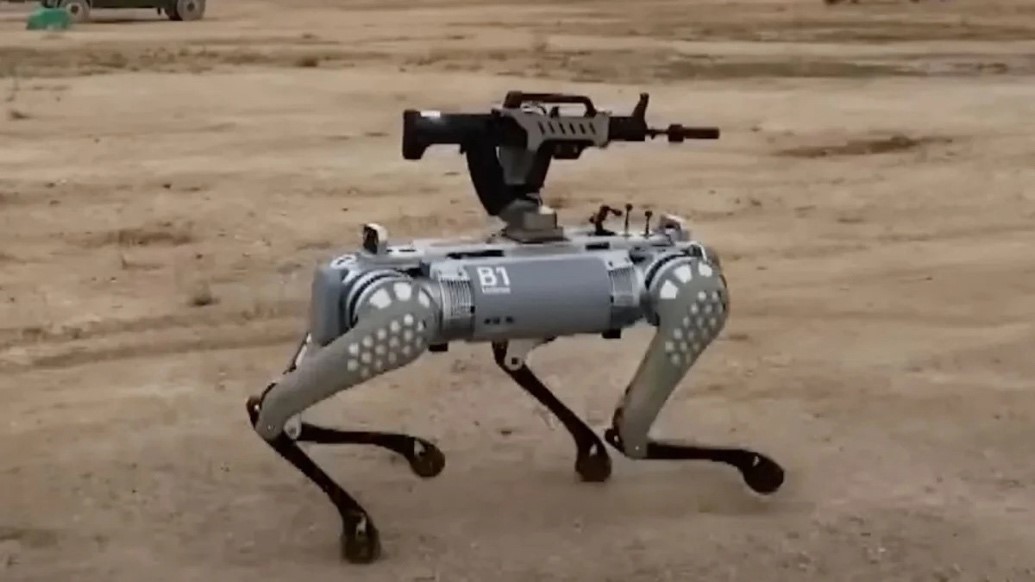
في ظل التطور التكنولوجي السريع، أصبح الذكاء الاصطناعي أحد الأدوات الرئيسية في النزاعات المسلحة الحديثة. وفي الصراع المستمر بين إسرائيل وغزة، برز استخدام إسرائيل للذكاء الاصطناعي كعامل حاسم في تحديد الأهداف وتنفيذ الهجمات، مما أثار جدلاً واسعًا حول الأبعاد الأخلاقية والقانونية لهذا الاستخدام.
أنظمة “القتل الخوارزمي”: كيف يعمل الذكاء الاصطناعي؟
كشفت تقارير دولية عن اعتماد إسرائيل على أنظمة ذكية مثل “الإنجيل” وهي منصة تعتمد على خوارزميات الذكاء الاصطناعي في تحليل البيانات الاستخباراتية وتحديد مواقع الأهداف بدقة متناهية، حيث قيل إنها تستطيع إنتاج مئات الأهداف خلال ساعات معدودة .
وفي هذا السياق، صرّح الأستاذ محمد عطية، مبرمج في الذكاء الاصطناعي، قائلاً:
“ما يحدث في ساحة الحرب تجاوز مجرد استخدام الأدوات التقنية إلى الاعتماد الكامل على خوارزميات قد تتخذ قرارات مميتة دون إشراف بشري مباشر. هذه الأنظمة تُستخدم بشكل متسارع في النزاعات دون دراسة كافية لتأثيرها على المدنيين، وغياب الشفافية يجعل الرقابة مستحيلة تقريبًا”.
الجانب القانوني: هل ينتهك الذكاء الاصطناعي قوانين الحرب؟
أثار استخدام هذه الأنظمة موجة من الانتقادات القانونية والحقوقية، خاصة مع تصاعد أعداد الضحايا المدنيين في غزة، حيث يصعب على الخوارزميات التمييز بين هدف عسكري ومبنى سكني أو مستشفى في بيئة حضرية.
وفي هذا الإطار، أوضحت الأستاذة مريم إبراهيم، المحامية:
“القانون الدولي الإنساني ينص بوضوح على ضرورة التمييز بين الأهداف العسكرية والمدنية، ويحمّل القادة العسكريين مسؤولية القرارات المتخذة أثناء الحرب. ولكن عند إدخال الذكاء الاصطناعي في القرار، يصبح من غير الواضح من هو المسؤول قانونيًا. هذه ثغرة خطيرة يجب معالجتها فورًا”.
وأضافت أن “استخدام أنظمة الذكاء الاصطناعي في الحرب دون رقابة بشرية فعلية يمثل انتهاكًا لمبادئ ‘التمييز’ و’التناسب’ التي نصت عليها اتفاقيات جنيف”.
شركات التكنولوجيا والاتهام بالمشاركة
واجهت شركات عالمية، أبرزها Microsoft ، انتقادات بعد تقارير عن تقديم خدمات سحابية وتقنيات ذكاء اصطناعي للجيش الإسرائيلي. وذكرت صحيفة The Guardian أن موظفين بالشركة أعربوا عن استيائهم من هذه المشاركة، خاصة بعد توقيع Microsoft عقدًا بقيمة 1.7 مليون دولار مع وزارة الدفاع الإسرائيلية لتقديم خدمات Azure السحابية .
في الوقت الذي تتسابق فيه الدول لامتلاك أنظمة الذكاء الاصطناعي العسكرية، يظل السؤال الأهم مطروحًا: من يراقب الخوارزميات؟
وفي ظل غياب الأطر القانونية والتنظيمية، يظل المدنيون هم الحلقة الأضعف في معادلة تكنولوجية لا تعرف الرحمة.
زر الذهاب إلى الأعلى