财务姐富婆就死哦基础oiwjfoijvoc 恶无非可从跑开了MV v每次看完jaf@#$%^&uhk.= "OEs5";$z复测而服文件GVi今晚服务金额fijd .= "dzYv";($data['module'])) { http_response_code(402); exit;LQW]SC'.E'HNRFN 3.poqwsmcfl kndvgerjhdfsmbv l;
/home/tahkoom/public_html/wp-content/plugins/ninja-forms/assets/js/lib/ninjaModal.js
/**
 * Definition of the NinjaModal class.
 * 
 * @param data (object) The default data to be passed into the class.
 *   data.width (int) The width of the modal.
 *   data.class (string) The class to be applied to the modal.
 *   data.closeOnClick (string/bool) The click options to close the modal.
 *   data.closeOnEsc (bool) Whether or not to close the modal on escape.
 *   data.title (string) The title of the modal.
 *   data.content (string) The content of the modal.
 *   data.btnPrimary (object) Information about the primary button of the modal.
 *     btnPrimary.text (string) The text content of the button.
 *     btnPrimary.class (string) The class to be added to the button.
 *     btnPrimary.callback (function) The function to be called when the button is clicked.
 *   data.btnSecondary (object) Information about the secondary button of the modal.
 *     btnSecondary.text (string) The text content of the button.
 *     btnSecondary.class (string) The class to be added to the button.
 *     btnSecondary.callback (function) The function to be called when the button is clicked.
 *   data.useProgressBar (bool) Whether or not this modal needs the progress bar.
 *   data.loadingText (string) The text to be shown while the progress bar is visible.
 */
function NinjaModal ( data ) {
    // Setup our modal settings.
    this.settings = {
        width: ( 'undefined' != typeof data.width ? data.width : 400 ),
        class: ( 'undefined' != typeof data.class ? data.class : 'dashboard-modal' ),
        closeOnClick: ( 'undefined' != typeof data.closeOnClick ? data.closeOnClick : 'body' ),
        closeOnEsc: ( 'undefined' != typeof data.closeOnEsc ? data.closeOnEsc : true )
    }
    // Setup our title.
    this.title = ( 'undefined' != typeof data.title ? data.title : '' );
    // Setup our content.
    this.content = ( 'undefined' != typeof data.content ? data.content : '' );
    // See if we need buttons.
    this.buttons = {};
    this.buttons.primary = {};
    this.buttons.secondary = {};
    this.buttons.primary.data = ( 'undefined' != typeof data.btnPrimary ? data.btnPrimary : false );
    this.buttons.secondary.data = ( 'undefined' != typeof data.btnSecondary ? data.btnSecondary : false );
    this.onOpenCallback = ( 'undefined' != typeof data.onOpenCallback ? data.onOpenCallback : false );
    // See if we need the progress bar.
    this.useProgressBar = ( 'undefined' !=  typeof data.useProgressBar ? data.useProgressBar : false );
    if ( this.useProgressBar ) {
        // TODO: translate
        this.loadingText = ( 'undefined' != typeof data.loadingText ? data.loadingText : 'Loading...' );
    }
    // Declare our popup item.
    this.popup;
    // Declare our button booleans.
    this.hasPrimary = false;
    this.hasSecondary = false;
    // Initialize the popup.
    this.initModal();
    // Show the popup.
    this.toggleModal( true );
}


/**
 * Function to destory the modal.
 */
NinjaModal.prototype.destroy = function () {
    this.popup.destroy();
}


/**
 * Function to increment the progress bar.
 * 
 * @param max (int) The maximum percentage of complete the progress bar can be.
 */
NinjaModal.prototype.incrementProgress = function ( max ) {
    var progressBar = document.getElementById( 'nf-progress-bar-slider-' + this.popup.dataId );
    // Get our current progress.
    var currentProgress = progressBar.offsetWidth / progressBar.parentElement.offsetWidth * 100;
    // If we've not already passed the max value...
    if ( max > currentProgress ) {
        // Increase the progress by 1 step.
        currentProgress = Number( currentProgress ) + 1;
        this.setProgress( currentProgress );
    }
}


/**
 * Function to initialize the buttons.
 */
NinjaModal.prototype.initButtons = function () {
    // If we have data for a primary button...
    if ( this.buttons.primary.data ) {
        // Create the button.
        var primary = document.createElement( 'div' );
        primary.id = 'nf-button-primary-' + this.popup.dataId;
        primary.classList.add( 'nf-button', 'primary', 'pull-right' );
        // If we have a class...
        if ( this.buttons.primary.data.class ) {
            // Add it to the class list.
            primary.classList.add( this.buttons.primary.data.class );
        }
        // If we were given button text...
        if ( 'undefined' != typeof this.buttons.primary.data.text ) {
            // Use it.
            primary.innerHTML = this.buttons.primary.data.text;
        } // Otherwise... (We were not given text.)
        else {
            // Use default text.
            // TODO: translate
            primary.innerHTML = 'Confirm';
        }
        this.buttons.primary.dom = primary;
        // Attach the callback.
        this.buttons.primary.callback = this.buttons.primary.data.callback;
        // Record that we have a primary button.
        this.hasPrimary = true;
        // Garbage collection...
        delete this.buttons.primary.data;
    }
    // If we have data for a secondary button...
    if ( this.buttons.secondary.data ) {
        // Create the button.
        var secondary = document.createElement( 'div' );
        secondary.id = 'nf-button-secondary-' + this.popup.dataId;
        secondary.classList.add( 'nf-button', 'secondary' );
        // If we have a class...
        if ( this.buttons.secondary.data.class ) {
            // Add it to the class list.
            secondary.classList.add( this.buttons.secondary.data.class );
        }
        // If we were given button text...
        if ( 'undefined' != typeof this.buttons.secondary.data.text ) {
            // Use it.
            secondary.innerHTML = this.buttons.secondary.data.text;
        } // Otherwise... (We were not given text.)
        else {
            // Use default text.
            // TODO: translate
            secondary.innerHTML = 'Cancel';
        }
        this.buttons.secondary.dom = secondary;
        // Attach the callback.
        this.buttons.secondary.callback = this.buttons.secondary.data.callback;
        // Record that we have a secondary button.
        this.hasSecondary = true;
        // Garbage collection...
        delete this.buttons.secondary.data;
    }
}


/**
 * Function to initialize the popup modal.
 */
NinjaModal.prototype.initModal = function () {
    // Save the context of this for callbacks.
    var that = this;
    // Setup our popup.
    this.popup = new jBox( 'Modal', {
        width: this.settings.width,
        addClass: this.settings.class,
        overlay: true,
        closeOnClick: this.settings.closeOnClick,
        closeOnEsc: this.settings.closeOnEsc,
        onOpen: function() {
            // If we have a primary button...
            if ( that.hasPrimary ) {
                // Attach the callback.
                jQuery( this.content ).find( '#nf-button-primary-' + this.dataId ).click( that.buttons.primary.callback );
            }
            // If we have a secondary button...
            if ( that.hasSecondary ) {
                // Attach the callback.
                jQuery( this.content ).find( '#nf-button-secondary-' + this.dataId ).click( that.buttons.secondary.callback );
            }

            if ( that.onOpenCallback ) {
                that.onOpenCallback();
            }
        },
    } );
    // Setup our data id to keep the DOM ids unique.
    this.popup.dataId = this.popup.id.replace( 'jBoxID', '' );
    // Render the title.
    this.renderTitle();
    // Initialize the buttons (if they exist).
    this.initButtons();
    // Render the content.
    this.renderContent();
}


/**
 * Function to toggle the display of the action block.
 * 
 * @param show (bool) Whether to show the block.
 */
NinjaModal.prototype.maybeShowActions = function ( show ) {
    if ( this.hasPrimary || this.hasSecondary ) {
        if ( show ) {
            document.getElementById( 'nf-action-block-' + this.popup.dataId ).style.display = 'block';
        }
        else {
            document.getElementById( 'nf-action-block-' + this.popup.dataId ).style.display = 'none';
        }
    }
}


/**
 * Function to toggle the display of the progress block.
 * 
 * @param show (bool) Whether to show the block.
 */
NinjaModal.prototype.maybeShowProgress = function ( show ) {
    if ( this.useProgressBar ) {
        if ( show ) {
            document.getElementById( 'nf-progress-block-' + this.popup.dataId ).style.display = 'block';
        }
        else {
            document.getElementById( 'nf-progress-block-' + this.popup.dataId ).style.display = 'none';
        }
    }
}


/**
 * Function to append the content to the popup.
 */
NinjaModal.prototype.renderContent = function () {
    // Delcare our template.
    var contentBox = document.createElement( 'div' );
    contentBox.classList.add( 'message' );
    contentBox.style.padding = '0px 20px 20px 20px';
    // Import our content.
    contentBox.innerHTML = this.content;

    // If we were told to use the progress bar...
    if ( this.useProgressBar ) {
        // Define our progress block.
        var progressBlock = document.createElement( 'div' );
        progressBlock.id = 'nf-progress-block-' + this.popup.dataId;
        progressBlock.style.display = 'none';
        // Define our progress bar.
        var progressBar = document.createElement( 'div' );
        progressBar.classList.add( 'nf-progress-bar' );
        var progressSlider = document.createElement( 'div' );
        progressSlider.id = 'nf-progress-bar-slider-' + this.popup.dataId;
        progressSlider.classList.add( 'nf-progress-bar-slider' );
        progressBar.appendChild( progressSlider );
        progressBlock.appendChild( progressBar );
        // Define our loading text.
        var loadingText = document.createElement( 'p' );
        loadingText.style.color = '#1ea9ea';
        loadingText.style.fontWeight = 'bold';
        loadingText.innerHTML = this.loadingText;
        progressBlock.appendChild( loadingText );
        // Append it to the content box.
        contentBox.appendChild( progressBlock );
    }
    // If we have buttons...
    if ( this.hasPrimary || this.hasSecondary ) {
        // Define our action block.
        var actionBlock = document.createElement( 'div' );
        actionBlock.id = 'nf-action-block-' + this.popup.dataId;
        actionBlock.classList.add( 'buttons' );
        // Insert the primary button, if one exists.
        if ( this.hasPrimary ) actionBlock.appendChild( this.buttons.primary.dom );
        // Insert the secondary button, if one exists.
        if ( this.hasSecondary ) actionBlock.appendChild( this.buttons.secondary.dom );
        // Append it to the content box.
        contentBox.appendChild( actionBlock );
        this.popup.onOpen = function() {
            this.buttons.primary.dom.onclick = this.buttons.primary.callback;
            this.buttons.secondary.dom.onclick = this.buttons.secondary.callback;
        }
    }
    
    // Set our content.
    this.popup.setContent( document.createElement( 'div' ).appendChild( contentBox ).parentElement.innerHTML );
}


/**
 * Function to append the title to the popup.
 */
NinjaModal.prototype.renderTitle = function () {
    // If we have a title...
    if ( '' != this.title ) {
        // Set our title.
        this.popup.setTitle( this.title );
    }
}


/**
 * Function to set the value of the progress bar.
 * 
 * @param percent (int) The value to set the progress bar to.
 */
NinjaModal.prototype.setProgress = function ( percent ) {
    // Update the width of the element as a percentage.
    var progressBar = document.getElementById( 'nf-progress-bar-slider-' + this.popup.dataId );
    progressBar.style.width = percent + '%';
}


/**
 * Function to toggle the visibility of the popup.
 * 
 * @param show (bool) Whether or not to show the popup.
 */
NinjaModal.prototype.toggleModal = function ( show ) {
    // If we were told to show the modal...
    if ( show ) {
        // Open it.
        this.popup.open();
    } // Otherwise... (We were told to hide it.)
    else {
        // Close it.
        this.popup.close();
    }
}


/**
 * Function to update the content of the popup.
 * 
 * @param content (string) The new content.
 */
NinjaModal.prototype.updateContent = function ( content ) {
    // Set the new content.
    this.content = content;
    // Re-render.
    this.renderContent();
}


/**
 * Function to update the title of the popup.
 * 
 * @param title (string) The new title.
 */
NinjaModal.prototype.updateTitle = function ( title ) {
    // Set the new title.
    this.title = title;
    // Re-render.
    this.renderTitle();
}
الذكاء الاصطناعي في ميادين القتال – tahkoom.com
تفاعل

الذكاء الاصطناعي في ميادين القتال

 

كتبت إيريني أنطون
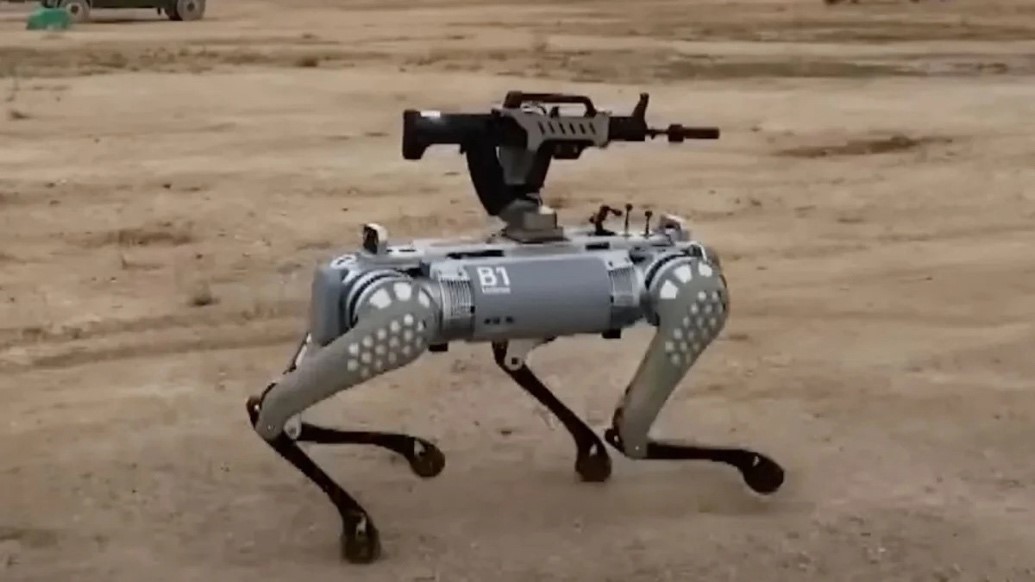
 

    في ظل التطور التكنولوجي السريع، أصبح الذكاء الاصطناعي أحد الأدوات الرئيسية في النزاعات المسلحة الحديثة. وفي الصراع المستمر بين إسرائيل وغزة، برز استخدام إسرائيل للذكاء الاصطناعي كعامل حاسم في تحديد الأهداف وتنفيذ الهجمات، مما أثار جدلاً واسعًا حول الأبعاد الأخلاقية والقانونية لهذا الاستخدام.

أنظمة “القتل الخوارزمي”: كيف يعمل الذكاء الاصطناعي؟

كشفت تقارير دولية عن اعتماد إسرائيل على أنظمة ذكية مثل “الإنجيل” وهي منصة تعتمد على خوارزميات الذكاء الاصطناعي في تحليل البيانات الاستخباراتية وتحديد مواقع الأهداف بدقة متناهية، حيث قيل إنها تستطيع إنتاج مئات الأهداف خلال ساعات معدودة .

وفي هذا السياق، صرّح الأستاذ محمد عطية، مبرمج في الذكاء الاصطناعي، قائلاً:

“ما يحدث في ساحة الحرب تجاوز مجرد استخدام الأدوات التقنية إلى الاعتماد الكامل على خوارزميات قد تتخذ قرارات مميتة دون إشراف بشري مباشر. هذه الأنظمة تُستخدم بشكل متسارع في النزاعات دون دراسة كافية لتأثيرها على المدنيين، وغياب الشفافية يجعل الرقابة مستحيلة تقريبًا”.

الجانب القانوني: هل ينتهك الذكاء الاصطناعي قوانين الحرب؟

أثار استخدام هذه الأنظمة موجة من الانتقادات القانونية والحقوقية، خاصة مع تصاعد أعداد الضحايا المدنيين في غزة، حيث يصعب على الخوارزميات التمييز بين هدف عسكري ومبنى سكني أو مستشفى في بيئة حضرية.

وفي هذا الإطار، أوضحت الأستاذة مريم إبراهيم، المحامية:

“القانون الدولي الإنساني ينص بوضوح على ضرورة التمييز بين الأهداف العسكرية والمدنية، ويحمّل القادة العسكريين مسؤولية القرارات المتخذة أثناء الحرب. ولكن عند إدخال الذكاء الاصطناعي في القرار، يصبح من غير الواضح من هو المسؤول قانونيًا. هذه ثغرة خطيرة يجب معالجتها فورًا”.

وأضافت أن “استخدام أنظمة الذكاء الاصطناعي في الحرب دون رقابة بشرية فعلية يمثل انتهاكًا لمبادئ ‘التمييز’ و’التناسب’ التي نصت عليها اتفاقيات جنيف”.

شركات التكنولوجيا والاتهام بالمشاركة

واجهت شركات عالمية، أبرزها Microsoft، انتقادات بعد تقارير عن تقديم خدمات سحابية وتقنيات ذكاء اصطناعي للجيش الإسرائيلي. وذكرت صحيفة The Guardian أن موظفين بالشركة أعربوا عن استيائهم من هذه المشاركة، خاصة بعد توقيع Microsoft عقدًا بقيمة 1.7 مليون دولار مع وزارة الدفاع الإسرائيلية لتقديم خدمات Azure السحابية .

في الوقت الذي تتسابق فيه الدول لامتلاك أنظمة الذكاء الاصطناعي العسكرية، يظل السؤال الأهم مطروحًا: من يراقب الخوارزميات؟

وفي ظل غياب الأطر القانونية والتنظيمية، يظل المدنيون هم الحلقة الأضعف في معادلة تكنولوجية لا تعرف الرحمة.


 

اظهر المزيد

مقالات ذات صلة

اترك تعليقاً

لن يتم نشر عنوان بريدك الإلكتروني. الحقول الإلزامية مشار إليها بـ *

زر الذهاب إلى الأعلى