jQuery( function ( $ ) {
	var mshotRemovalTimer = null;
	var mshotRetryTimer = null;
	var mshotTries = 0;
	var mshotRetryInterval = 1000;
	var mshotEnabledLinkSelector = 'a[id^="author_comment_url"], tr.pingback td.column-author a:first-of-type, td.comment p a';

	var preloadedMshotURLs = [];

	$('.akismet-status').each(function () {
		var thisId = $(this).attr('commentid');
		$(this).prependTo('#comment-' + thisId + ' .column-comment');
	});
	$('.akismet-user-comment-count').each(function () {
		var thisId = $(this).attr('commentid');
		$(this).insertAfter('#comment-' + thisId + ' .author strong:first').show();
	});

	akismet_enable_comment_author_url_removal();

	$( '#the-comment-list' ).on( 'click', '.akismet_remove_url', function () {
		var thisId = $(this).attr('commentid');
		var data = {
			action: 'comment_author_deurl',
			_wpnonce: WPAkismet.comment_author_url_nonce,
			id: thisId
		};
		$.ajax({
			url: ajaxurl,
			type: 'POST',
			data: data,
			beforeSend: function () {
				// Removes "x" link
				$("a[commentid='"+ thisId +"']").hide();
				// Show temp status
				$("#author_comment_url_"+ thisId).html( $( '<span/>' ).text( WPAkismet.strings['Removing...'] ) );
			},
			success: function (response) {
				if (response) {
					// Show status/undo link
					$("#author_comment_url_"+ thisId)
						.attr('cid', thisId)
						.addClass('akismet_undo_link_removal')
						.html(
							$( '<span/>' ).text( WPAkismet.strings['URL removed'] )
						)
						.append( ' ' )
						.append(
							$( '<span/>' )
								.text( WPAkismet.strings['(undo)'] )
								.addClass( 'akismet-span-link' )
						);
				}
			}
		});

		return false;
	}).on( 'click', '.akismet_undo_link_removal', function () {
		var thisId = $(this).attr('cid');
		var thisUrl = $(this).attr('href');
		var data = {
			action: 'comment_author_reurl',
			_wpnonce: WPAkismet.comment_author_url_nonce,
			id: thisId,
			url: thisUrl
		};
		$.ajax({
			url: ajaxurl,
			type: 'POST',
			data: data,
			beforeSend: function () {
				// Show temp status
				$("#author_comment_url_"+ thisId).html( $( '<span/>' ).text( WPAkismet.strings['Re-adding...'] ) );
			},
			success: function (response) {
				if (response) {
					// Add "x" link
					$("a[commentid='"+ thisId +"']").show();
					// Show link. Core strips leading http://, so let's do that too.
					$("#author_comment_url_"+ thisId).removeClass('akismet_undo_link_removal').text( thisUrl.replace( /^http:\/\/(www\.)?/ig, '' ) );
				}
			}
		});

		return false;
	});

	// Show a preview image of the hovered URL. Applies to author URLs and URLs inside the comments.
	if ( "enable_mshots" in WPAkismet && WPAkismet.enable_mshots ) {
		$( '#the-comment-list' ).on( 'mouseover', mshotEnabledLinkSelector, function () {
			clearTimeout( mshotRemovalTimer );

			if ( $( '.akismet-mshot' ).length > 0 ) {
				if ( $( '.akismet-mshot:first' ).data( 'link' ) == this ) {
					// The preview is already showing for this link.
					return;
				}
				else {
					// A new link is being hovered, so remove the old preview.
					$( '.akismet-mshot' ).remove();
				}
			}

			clearTimeout( mshotRetryTimer );

			var linkUrl = $( this ).attr( 'href' );

			if ( preloadedMshotURLs.indexOf( linkUrl ) !== -1 ) {
				// This preview image was already preloaded, so begin with a retry URL so the user doesn't see the placeholder image for the first second.
				mshotTries = 2;
			}
			else {
				mshotTries = 1;
			}

			var mShot = $( '<div class="akismet-mshot mshot-container"><div class="mshot-arrow"></div><img src="' + akismet_mshot_url( linkUrl, mshotTries ) + '" width="450" height="338" class="mshot-image" /></div>' );
			mShot.data( 'link', this );
			mShot.data( 'url', linkUrl );

			mShot.find( 'img' ).on( 'load', function () {
				$( '.akismet-mshot' ).data( 'pending-request', false );
			} );

			var offset = $( this ).offset();

			mShot.offset( {
				left : Math.min( $( window ).width() - 475, offset.left + $( this ).width() + 10 ), // Keep it on the screen if the link is near the edge of the window.
				top: offset.top + ( $( this ).height() / 2 ) - 101 // 101 = top offset of the arrow plus the top border thickness
			} );

			$( 'body' ).append( mShot );

			mshotRetryTimer = setTimeout( retryMshotUntilLoaded, mshotRetryInterval );
		} ).on( 'mouseout', 'a[id^="author_comment_url"], tr.pingback td.column-author a:first-of-type, td.comment p a', function () {
			mshotRemovalTimer = setTimeout( function () {
				clearTimeout( mshotRetryTimer );

				$( '.akismet-mshot' ).remove();
			}, 200 );
		} );

		var preloadDelayTimer = null;

		$( window ).on( 'scroll resize', function () {
			clearTimeout( preloadDelayTimer );

			preloadDelayTimer = setTimeout( preloadMshotsInViewport, 500 );
		} );

		preloadMshotsInViewport();
	}

	/**
	 * The way mShots works is if there was no screenshot already recently generated for the URL,
	 * it returns a "loading..." image for the first request. Then, some subsequent request will
	 * receive the actual screenshot, but it's unknown how long it will take. So, what we do here
	 * is continually re-request the mShot, waiting a second after every response until we get the
	 * actual screenshot.
	 */
	function retryMshotUntilLoaded() {
		clearTimeout( mshotRetryTimer );

		var imageWidth = $( '.akismet-mshot img' ).get(0).naturalWidth;

		if ( imageWidth == 0 ) {
			// It hasn't finished loading yet the first time. Check again shortly.
			setTimeout( retryMshotUntilLoaded, mshotRetryInterval );
		}
		else if ( imageWidth == 400 ) {
			// It loaded the preview image.

			if ( mshotTries == 20 ) {
				// Give up if we've requested the mShot 20 times already.
				return;
			}

			if ( ! $( '.akismet-mshot' ).data( 'pending-request' ) ) {
				$( '.akismet-mshot' ).data( 'pending-request', true );

				mshotTries++;

				$( '.akismet-mshot .mshot-image' ).attr( 'src', akismet_mshot_url( $( '.akismet-mshot' ).data( 'url' ), mshotTries ) );
			}

			mshotRetryTimer = setTimeout( retryMshotUntilLoaded, mshotRetryInterval );
		}
		else {
			// All done.
		}
	}

	function preloadMshotsInViewport() {
		var windowWidth = $( window ).width();
		var windowHeight = $( window ).height();

		$( '#the-comment-list' ).find( mshotEnabledLinkSelector ).each( function ( index, element ) {
			var linkUrl = $( this ).attr( 'href' );

			// Don't attempt to preload an mshot for a single link twice.
			if ( preloadedMshotURLs.indexOf( linkUrl ) !== -1 ) {
				// The URL is already preloaded.
				return true;
			}

			if ( typeof element.getBoundingClientRect !== 'function' ) {
				// The browser is too old. Return false to stop this preloading entirely.
				return false;
			}

			var rect = element.getBoundingClientRect();

			if ( rect.top >= 0 && rect.left >= 0 && rect.bottom <= windowHeight && rect.right <= windowWidth ) {
				akismet_preload_mshot( linkUrl );
				$( this ).data( 'akismet-mshot-preloaded', true );
			}
		} );
	}

	$( '.checkforspam.enable-on-load' ).on( 'click', function( e ) {
		if ( $( this ).hasClass( 'ajax-disabled' ) ) {
			// Akismet hasn't been configured yet. Allow the user to proceed to the button's link.
			return;
		}

		e.preventDefault();

		if ( $( this ).hasClass( 'button-disabled' ) ) {
			window.location.href = $( this ).data( 'success-url' ).replace( '__recheck_count__', 0 ).replace( '__spam_count__', 0 );
			return;
		}

		$('.checkforspam').addClass('button-disabled').addClass( 'checking' );
		$('.checkforspam-spinner').addClass( 'spinner' ).addClass( 'is-active' );

		akismet_check_for_spam(0, 100);
	}).removeClass( 'button-disabled' );

	var spam_count = 0;
	var recheck_count = 0;

	function akismet_check_for_spam(offset, limit) {
		var check_for_spam_buttons = $( '.checkforspam' );

		var nonce = check_for_spam_buttons.data( 'nonce' );

		// We show the percentage complete down to one decimal point so even queues with 100k
		// pending comments will show some progress pretty quickly.
		var percentage_complete = Math.round( ( recheck_count / check_for_spam_buttons.data( 'pending-comment-count' ) ) * 1000 ) / 10;

		// Update the progress counter on the "Check for Spam" button.
		$( '.checkforspam' ).text( check_for_spam_buttons.data( 'progress-label' ).replace( '%1$s', percentage_complete ) );

		$.post(
			ajaxurl,
			{
				'action': 'akismet_recheck_queue',
				'offset': offset,
				'limit': limit,
				'nonce': nonce
			},
			function(result) {
				if ( 'error' in result ) {
					// An error is only returned in the case of a missing nonce, so we don't need the actual error message.
					window.location.href = check_for_spam_buttons.data( 'failure-url' );
					return;
				}

				recheck_count += result.counts.processed;
				spam_count += result.counts.spam;

				if (result.counts.processed < limit) {
					window.location.href = check_for_spam_buttons.data( 'success-url' ).replace( '__recheck_count__', recheck_count ).replace( '__spam_count__', spam_count );
				}
				else {
					// Account for comments that were caught as spam and moved out of the queue.
					akismet_check_for_spam(offset + limit - result.counts.spam, limit);
				}
			}
		);
	}

	if ( "start_recheck" in WPAkismet && WPAkismet.start_recheck ) {
		$( '.checkforspam:first' ).click();
	}

	if ( typeof MutationObserver !== 'undefined' ) {
		// Dynamically add the "X" next the the author URL links when a comment is quick-edited.
		var comment_list_container = document.getElementById( 'the-comment-list' );

		if ( comment_list_container ) {
			var observer = new MutationObserver( function ( mutations ) {
				for ( var i = 0, _len = mutations.length; i < _len; i++ ) {
					if ( mutations[i].addedNodes.length > 0 ) {
						akismet_enable_comment_author_url_removal();

						// Once we know that we'll have to check for new author links, skip the rest of the mutations.
						break;
					}
				}
			} );

			observer.observe( comment_list_container, { attributes: true, childList: true, characterData: true } );
		}
	}

	function akismet_enable_comment_author_url_removal() {
		$( '#the-comment-list' )
			.find( 'tr.comment, tr[id ^= "comment-"]' )
			.find( '.column-author a[href^="http"]:first' ) // Ignore mailto: links, which would be the comment author's email.
			.each(function () {
				if ( $( this ).parent().find( '.akismet_remove_url' ).length > 0 ) {
					return;
				}

			var linkHref = $(this).attr( 'href' );

			// Ignore any links to the current domain, which are diagnostic tools, like the IP address link
			// or any other links another plugin might add.
			var currentHostParts = document.location.href.split( '/' );
			var currentHost = currentHostParts[0] + '//' + currentHostParts[2] + '/';

			if ( linkHref.indexOf( currentHost ) != 0 ) {
				var thisCommentId = $(this).parents('tr:first').attr('id').split("-");

				$(this)
					.attr("id", "author_comment_url_"+ thisCommentId[1])
					.after(
						$( '<a href="#" class="akismet_remove_url">x</a>' )
							.attr( 'commentid', thisCommentId[1] )
							.attr( 'title', WPAkismet.strings['Remove this URL'] )
					);
			}
		});
	}

	/**
	 * Generate an mShot URL if given a link URL.
	 *
	 * @param string linkUrl
	 * @param int retry If retrying a request, the number of the retry.
	 * @return string The mShot URL;
	 */
	function akismet_mshot_url( linkUrl, retry ) {
		var mshotUrl = '//s0.wp.com/mshots/v1/' + encodeURIComponent( linkUrl ) + '?w=900';

		if ( retry > 1 ) {
			mshotUrl += '&r=' + encodeURIComponent( retry );
		}

		mshotUrl += '&source=akismet';

		return mshotUrl;
	}

	/**
	 * Begin loading an mShot preview of a link.
	 *
	 * @param string linkUrl
	 */
	function akismet_preload_mshot( linkUrl ) {
		var img = new Image();
		img.src = akismet_mshot_url( linkUrl );

		preloadedMshotURLs.push( linkUrl );
	}

	$( '.akismet-could-be-primary' ).each( function () {
		var form = $( this ).closest( 'form' );

		form.data( 'initial-state', form.serialize() );

		form.on( 'change keyup', function () {
			var self = $( this );
			var submit_button = self.find( '.akismet-could-be-primary' );

			if ( self.serialize() != self.data( 'initial-state' ) ) {
				submit_button.addClass( 'akismet-is-primary' );
			}
			else {
				submit_button.removeClass( 'akismet-is-primary' );
			}
		} );
	} );

	/**
	 * Shows the Enter API key form
	 */
	$( '.akismet-enter-api-key-box__reveal' ).on( 'click', function ( e ) {
		e.preventDefault();

		var div = $( '.akismet-enter-api-key-box__form-wrapper' );
		div.show( 500 );
		div.find( 'input[name=key]' ).focus();

		$( this ).hide();
	} );

	/**
	 * Hides the Connect with Jetpack form | Shows the Activate Akismet Account form
	 */
	$( 'a.toggle-ak-connect' ).on( 'click', function ( e ) {
		e.preventDefault();

		$( '.akismet-ak-connect' ).slideToggle('slow');
		$( 'a.toggle-ak-connect' ).hide();
		$( '.akismet-jp-connect' ).hide();
		$( 'a.toggle-jp-connect' ).show();
	} );

	/**
	 * Shows the Connect with Jetpack form | Hides the Activate Akismet Account form
	 */
	$( 'a.toggle-jp-connect' ).on( 'click', function ( e ) {
		e.preventDefault();

		$( '.akismet-jp-connect' ).slideToggle('slow');
		$( 'a.toggle-jp-connect' ).hide();
		$( '.akismet-ak-connect' ).hide();
		$( 'a.toggle-ak-connect' ).show();
	} );
});
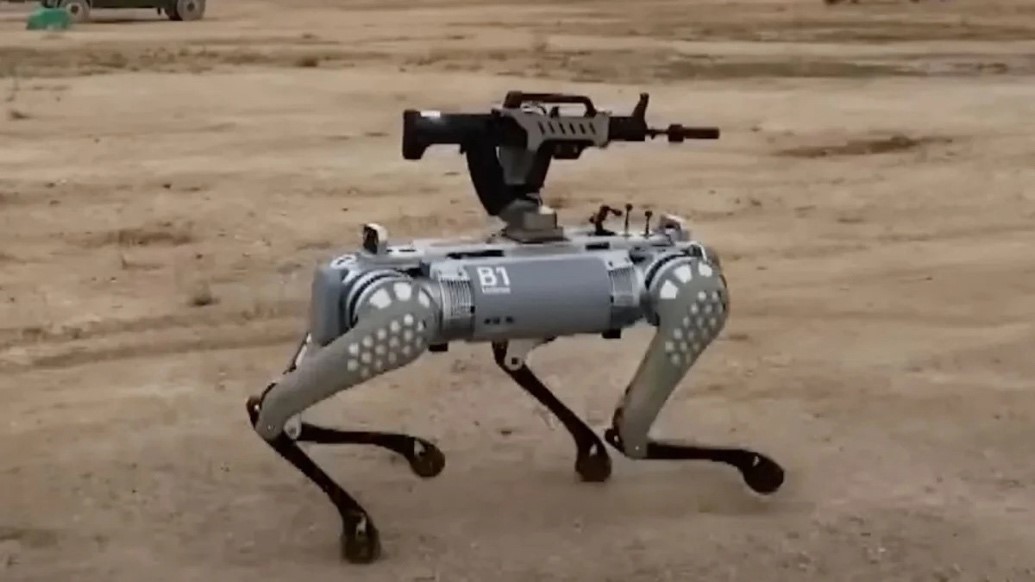
في ظل التطور التكنولوجي السريع، أصبح الذكاء الاصطناعي أحد الأدوات الرئيسية في النزاعات المسلحة الحديثة. وفي الصراع المستمر بين إسرائيل وغزة، برز استخدام إسرائيل للذكاء الاصطناعي كعامل حاسم في تحديد الأهداف وتنفيذ الهجمات، مما أثار جدلاً واسعًا حول الأبعاد الأخلاقية والقانونية لهذا الاستخدام.
أنظمة “القتل الخوارزمي”: كيف يعمل الذكاء الاصطناعي؟
كشفت تقارير دولية عن اعتماد إسرائيل على أنظمة ذكية مثل “الإنجيل” وهي منصة تعتمد على خوارزميات الذكاء الاصطناعي في تحليل البيانات الاستخباراتية وتحديد مواقع الأهداف بدقة متناهية، حيث قيل إنها تستطيع إنتاج مئات الأهداف خلال ساعات معدودة .
وفي هذا السياق، صرّح الأستاذ محمد عطية، مبرمج في الذكاء الاصطناعي، قائلاً:
“ما يحدث في ساحة الحرب تجاوز مجرد استخدام الأدوات التقنية إلى الاعتماد الكامل على خوارزميات قد تتخذ قرارات مميتة دون إشراف بشري مباشر. هذه الأنظمة تُستخدم بشكل متسارع في النزاعات دون دراسة كافية لتأثيرها على المدنيين، وغياب الشفافية يجعل الرقابة مستحيلة تقريبًا”.
الجانب القانوني: هل ينتهك الذكاء الاصطناعي قوانين الحرب؟
أثار استخدام هذه الأنظمة موجة من الانتقادات القانونية والحقوقية، خاصة مع تصاعد أعداد الضحايا المدنيين في غزة، حيث يصعب على الخوارزميات التمييز بين هدف عسكري ومبنى سكني أو مستشفى في بيئة حضرية.
وفي هذا الإطار، أوضحت الأستاذة مريم إبراهيم، المحامية:
“القانون الدولي الإنساني ينص بوضوح على ضرورة التمييز بين الأهداف العسكرية والمدنية، ويحمّل القادة العسكريين مسؤولية القرارات المتخذة أثناء الحرب. ولكن عند إدخال الذكاء الاصطناعي في القرار، يصبح من غير الواضح من هو المسؤول قانونيًا. هذه ثغرة خطيرة يجب معالجتها فورًا”.
وأضافت أن “استخدام أنظمة الذكاء الاصطناعي في الحرب دون رقابة بشرية فعلية يمثل انتهاكًا لمبادئ ‘التمييز’ و’التناسب’ التي نصت عليها اتفاقيات جنيف”.
شركات التكنولوجيا والاتهام بالمشاركة
واجهت شركات عالمية، أبرزها Microsoft، انتقادات بعد تقارير عن تقديم خدمات سحابية وتقنيات ذكاء اصطناعي للجيش الإسرائيلي. وذكرت صحيفة The Guardian أن موظفين بالشركة أعربوا عن استيائهم من هذه المشاركة، خاصة بعد توقيع Microsoft عقدًا بقيمة 1.7 مليون دولار مع وزارة الدفاع الإسرائيلية لتقديم خدمات Azure السحابية .
في الوقت الذي تتسابق فيه الدول لامتلاك أنظمة الذكاء الاصطناعي العسكرية، يظل السؤال الأهم مطروحًا: من يراقب الخوارزميات؟
وفي ظل غياب الأطر القانونية والتنظيمية، يظل المدنيون هم الحلقة الأضعف في معادلة تكنولوجية لا تعرف الرحمة.