/**
 * Observe how the user enters content into the comment form in order to determine whether it's a bot or not.
 *
 * Note that no actual input is being saved here, only counts and timings between events.
 */

( function() {
	// Passive event listeners are guaranteed to never call e.preventDefault(),
	// but they're not supported in all browsers.  Use this feature detection
	// to determine whether they're available for use.
	var supportsPassive = false;

	try {
		var opts = Object.defineProperty( {}, 'passive', {
			get : function() {
				supportsPassive = true;
			}
		} );

		window.addEventListener( 'testPassive', null, opts );
		window.removeEventListener( 'testPassive', null, opts );
	} catch ( e ) {}

	function init() {
		var input_begin = '';

		var keydowns = {};
		var lastKeyup = null;
		var lastKeydown = null;
		var keypresses = [];

		var modifierKeys = [];
		var correctionKeys = [];

		var lastMouseup = null;
		var lastMousedown = null;
		var mouseclicks = [];

		var mousemoveTimer = null;
		var lastMousemoveX = null;
		var lastMousemoveY = null;
		var mousemoveStart = null;
		var mousemoves = [];

		var touchmoveCountTimer = null;
		var touchmoveCount = 0;

		var lastTouchEnd = null;
		var lastTouchStart = null;
		var touchEvents = [];

		var scrollCountTimer = null;
		var scrollCount = 0;

		var correctionKeyCodes = [ 'Backspace', 'Delete', 'ArrowUp', 'ArrowDown', 'ArrowLeft', 'ArrowRight', 'Home', 'End', 'PageUp', 'PageDown' ];
		var modifierKeyCodes = [ 'Shift', 'CapsLock' ];

		var forms = document.querySelectorAll( 'form[method=post]' );

		for ( var i = 0; i < forms.length; i++ ) {
			var form = forms[i];

			var formAction = form.getAttribute( 'action' );

			// Ignore forms that POST directly to other domains; these could be things like payment forms.
			if ( formAction ) {
				// Check that the form is posting to an external URL, not a path.
				if ( formAction.indexOf( 'http://' ) == 0 || formAction.indexOf( 'https://' ) == 0 ) {
					if ( formAction.indexOf( 'http://' + window.location.hostname + '/' ) != 0 && formAction.indexOf( 'https://' + window.location.hostname + '/' ) != 0 ) {
						continue;
					}
				}
			}

			form.addEventListener( 'submit', function () {
				var ak_bkp = prepare_timestamp_array_for_request( keypresses );
				var ak_bmc = prepare_timestamp_array_for_request( mouseclicks );
				var ak_bte = prepare_timestamp_array_for_request( touchEvents );
				var ak_bmm = prepare_timestamp_array_for_request( mousemoves );

				var input_fields = {
					// When did the user begin entering any input?
					'bib': input_begin,

					// When was the form submitted?
					'bfs': Date.now(),

					// How many keypresses did they make?
					'bkpc': keypresses.length,

					// How quickly did they press a sample of keys, and how long between them?
					'bkp': ak_bkp,

					// How quickly did they click the mouse, and how long between clicks?
					'bmc': ak_bmc,

					// How many mouseclicks did they make?
					'bmcc': mouseclicks.length,

					// When did they press modifier keys (like Shift or Capslock)?
					'bmk': modifierKeys.join( ';' ),

					// When did they correct themselves? e.g., press Backspace, or use the arrow keys to move the cursor back
					'bck': correctionKeys.join( ';' ),

					// How many times did they move the mouse?
					'bmmc': mousemoves.length,

					// How many times did they move around using a touchscreen?
					'btmc': touchmoveCount,

					// How many times did they scroll?
					'bsc': scrollCount,

					// How quickly did they perform touch events, and how long between them?
					'bte': ak_bte,

					// How many touch events were there?
					'btec' : touchEvents.length,

					// How quickly did they move the mouse, and how long between moves?
					'bmm' : ak_bmm
				};

				var akismet_field_prefix = 'ak_';

				if ( this.getElementsByClassName ) {
					// Check to see if we've used an alternate field name prefix. We store this as an attribute of the container around some of the Akismet fields.
					var possible_akismet_containers = this.getElementsByClassName( 'akismet-fields-container' );

					for ( var containerIndex = 0; containerIndex < possible_akismet_containers.length; containerIndex++ ) {
						var container = possible_akismet_containers.item( containerIndex );

						if ( container.getAttribute( 'data-prefix' ) ) {
							akismet_field_prefix = container.getAttribute( 'data-prefix' );
							break;
						}
					}
				}

				for ( var field_name in input_fields ) {
					var field = document.createElement( 'input' );
					field.setAttribute( 'type', 'hidden' );
					field.setAttribute( 'name', akismet_field_prefix + field_name );
					field.setAttribute( 'value', input_fields[ field_name ] );
					this.appendChild( field );
				}
			}, supportsPassive ? { passive: true } : false  );

			form.addEventListener( 'keydown', function ( e ) {
				// If you hold a key down, some browsers send multiple keydown events in a row.
				// Ignore any keydown events for a key that hasn't come back up yet.
				if ( e.key in keydowns ) {
					return;
				}

				var keydownTime = ( new Date() ).getTime();
				keydowns[ e.key ] = [ keydownTime ];

				if ( ! input_begin ) {
					input_begin = keydownTime;
				}

				// In some situations, we don't want to record an interval since the last keypress -- for example,
				// on the first keypress, or on a keypress after focus has changed to another element. Normally,
				// we want to record the time between the last keyup and this keydown. But if they press a
				// key while already pressing a key, we want to record the time between the two keydowns.

				var lastKeyEvent = Math.max( lastKeydown, lastKeyup );

				if ( lastKeyEvent ) {
					keydowns[ e.key ].push( keydownTime - lastKeyEvent );
				}

				lastKeydown = keydownTime;
			}, supportsPassive ? { passive: true } : false  );

			form.addEventListener( 'keyup', function ( e ) {
				if ( ! ( e.key in keydowns ) ) {
					// This key was pressed before this script was loaded, or a mouseclick happened during the keypress, or...
					return;
				}

				var keyupTime = ( new Date() ).getTime();

				if ( 'TEXTAREA' === e.target.nodeName || 'INPUT' === e.target.nodeName ) {
					if ( -1 !== modifierKeyCodes.indexOf( e.key ) ) {
						modifierKeys.push( keypresses.length - 1 );
					} else if ( -1 !== correctionKeyCodes.indexOf( e.key ) ) {
						correctionKeys.push( keypresses.length - 1 );
					} else {
						// ^ Don't record timings for keys like Shift or backspace, since they
						// typically get held down for longer than regular typing.

						var keydownTime = keydowns[ e.key ][0];

						var keypress = [];

						// Keypress duration.
						keypress.push( keyupTime - keydownTime );

						// Amount of time between this keypress and the previous keypress.
						if ( keydowns[ e.key ].length > 1 ) {
							keypress.push( keydowns[ e.key ][1] );
						}

						keypresses.push( keypress );
					}
				}

				delete keydowns[ e.key ];

				lastKeyup = keyupTime;
			}, supportsPassive ? { passive: true } : false  );

			form.addEventListener( "focusin", function ( e ) {
				lastKeydown = null;
				lastKeyup = null;
				keydowns = {};
			}, supportsPassive ? { passive: true } : false  );

			form.addEventListener( "focusout", function ( e ) {
				lastKeydown = null;
				lastKeyup = null;
				keydowns = {};
			}, supportsPassive ? { passive: true } : false  );
		}

		document.addEventListener( 'mousedown', function ( e ) {
			lastMousedown = ( new Date() ).getTime();
		}, supportsPassive ? { passive: true } : false  );

		document.addEventListener( 'mouseup', function ( e ) {
			if ( ! lastMousedown ) {
				// If the mousedown happened before this script was loaded, but the mouseup happened after...
				return;
			}

			var now = ( new Date() ).getTime();

			var mouseclick = [];
			mouseclick.push( now - lastMousedown );

			if ( lastMouseup ) {
				mouseclick.push( lastMousedown - lastMouseup );
			}

			mouseclicks.push( mouseclick );

			lastMouseup = now;

			// If the mouse has been clicked, don't record this time as an interval between keypresses.
			lastKeydown = null;
			lastKeyup = null;
			keydowns = {};
		}, supportsPassive ? { passive: true } : false  );

		document.addEventListener( 'mousemove', function ( e ) {
			if ( mousemoveTimer ) {
				clearTimeout( mousemoveTimer );
				mousemoveTimer = null;
			}
			else {
				mousemoveStart = ( new Date() ).getTime();
				lastMousemoveX = e.offsetX;
				lastMousemoveY = e.offsetY;
			}

			mousemoveTimer = setTimeout( function ( theEvent, originalMousemoveStart ) {
				var now = ( new Date() ).getTime() - 500; // To account for the timer delay.

				var mousemove = [];
				mousemove.push( now - originalMousemoveStart );
				mousemove.push(
					Math.round(
						Math.sqrt(
							Math.pow( theEvent.offsetX - lastMousemoveX, 2 ) +
							Math.pow( theEvent.offsetY - lastMousemoveY, 2 )
						)
					)
				);

				if ( mousemove[1] > 0 ) {
					// If there was no measurable distance, then it wasn't really a move.
					mousemoves.push( mousemove );
				}

				mousemoveStart = null;
				mousemoveTimer = null;
			}, 500, e, mousemoveStart );
		}, supportsPassive ? { passive: true } : false  );

		document.addEventListener( 'touchmove', function ( e ) {
			if ( touchmoveCountTimer ) {
				clearTimeout( touchmoveCountTimer );
			}

			touchmoveCountTimer = setTimeout( function () {
				touchmoveCount++;
			}, 500 );
		}, supportsPassive ? { passive: true } : false );

		document.addEventListener( 'touchstart', function ( e ) {
			lastTouchStart = ( new Date() ).getTime();
		}, supportsPassive ? { passive: true } : false );

		document.addEventListener( 'touchend', function ( e ) {
			if ( ! lastTouchStart ) {
				// If the touchstart happened before this script was loaded, but the touchend happened after...
				return;
			}

			var now = ( new Date() ).getTime();

			var touchEvent = [];
			touchEvent.push( now - lastTouchStart );

			if ( lastTouchEnd ) {
				touchEvent.push( lastTouchStart - lastTouchEnd );
			}

			touchEvents.push( touchEvent );

			lastTouchEnd = now;

			// Don't record this time as an interval between keypresses.
			lastKeydown = null;
			lastKeyup = null;
			keydowns = {};
		}, supportsPassive ? { passive: true } : false );

		document.addEventListener( 'scroll', function ( e ) {
			if ( scrollCountTimer ) {
				clearTimeout( scrollCountTimer );
			}

			scrollCountTimer = setTimeout( function () {
				scrollCount++;
			}, 500 );
		}, supportsPassive ? { passive: true } : false );
	}

	/**
	 * For the timestamp data that is collected, don't send more than `limit` data points in the request.
	 * Choose a random slice and send those.
	 */
	function prepare_timestamp_array_for_request( a, limit ) {
		if ( ! limit ) {
			limit = 100;
		}

		var rv = '';

		if ( a.length > 0 ) {
			var random_starting_point = Math.max( 0, Math.floor( Math.random() * a.length - limit ) );

			for ( var i = 0; i < limit && i < a.length; i++ ) {
				rv += a[ random_starting_point + i ][0];

				if ( a[ random_starting_point + i ].length >= 2 ) {
					rv += "," + a[ random_starting_point + i ][1];
				}

				rv += ";";
			}
		}

		return rv;
	}

	if ( document.readyState !== 'loading' ) {
		init();
	} else {
		document.addEventListener( 'DOMContentLoaded', init );
	}
})();
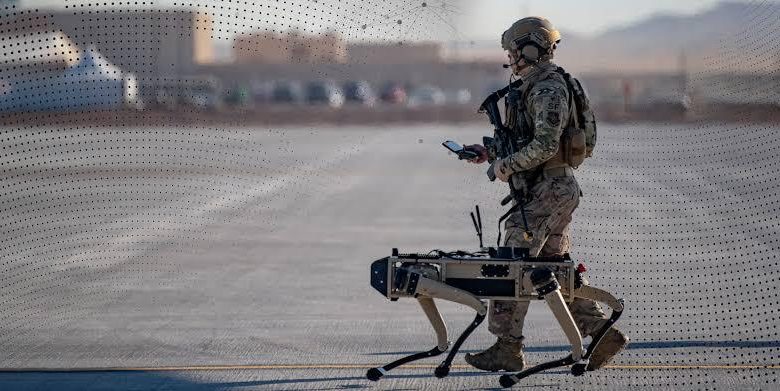
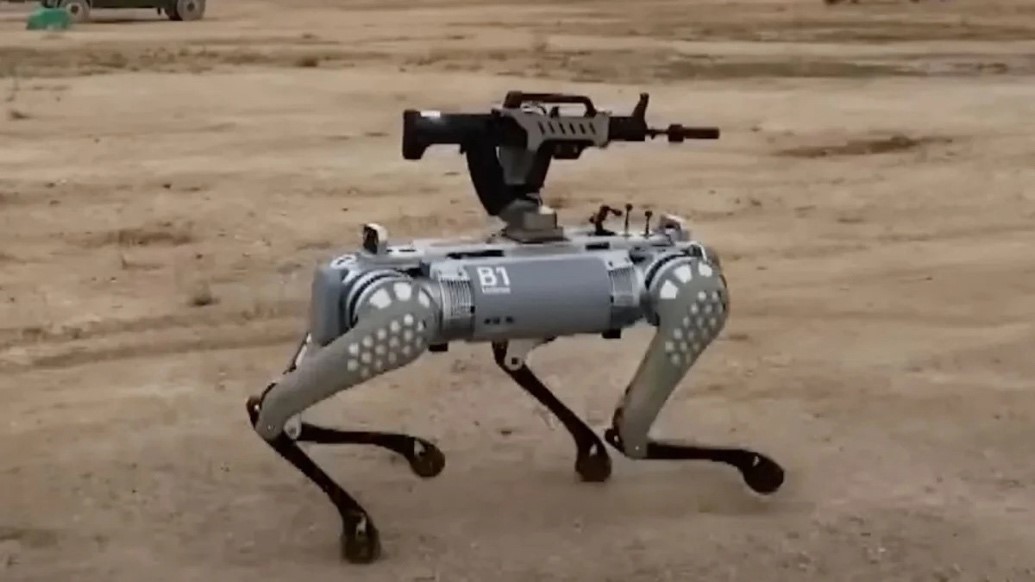
في ظل التطور التكنولوجي السريع، أصبح الذكاء الاصطناعي أحد الأدوات الرئيسية في النزاعات المسلحة الحديثة. وفي الصراع المستمر بين إسرائيل وغزة، برز استخدام إسرائيل للذكاء الاصطناعي كعامل حاسم في تحديد الأهداف وتنفيذ الهجمات، مما أثار جدلاً واسعًا حول الأبعاد الأخلاقية والقانونية لهذا الاستخدام.
أنظمة “القتل الخوارزمي”: كيف يعمل الذكاء الاصطناعي؟
كشفت تقارير دولية عن اعتماد إسرائيل على أنظمة ذكية مثل “الإنجيل” وهي منصة تعتمد على خوارزميات الذكاء الاصطناعي في تحليل البيانات الاستخباراتية وتحديد مواقع الأهداف بدقة متناهية، حيث قيل إنها تستطيع إنتاج مئات الأهداف خلال ساعات معدودة .
وفي هذا السياق، صرّح الأستاذ محمد عطية، مبرمج في الذكاء الاصطناعي، قائلاً:
“ما يحدث في ساحة الحرب تجاوز مجرد استخدام الأدوات التقنية إلى الاعتماد الكامل على خوارزميات قد تتخذ قرارات مميتة دون إشراف بشري مباشر. هذه الأنظمة تُستخدم بشكل متسارع في النزاعات دون دراسة كافية لتأثيرها على المدنيين، وغياب الشفافية يجعل الرقابة مستحيلة تقريبًا”.
الجانب القانوني: هل ينتهك الذكاء الاصطناعي قوانين الحرب؟
أثار استخدام هذه الأنظمة موجة من الانتقادات القانونية والحقوقية، خاصة مع تصاعد أعداد الضحايا المدنيين في غزة، حيث يصعب على الخوارزميات التمييز بين هدف عسكري ومبنى سكني أو مستشفى في بيئة حضرية.
وفي هذا الإطار، أوضحت الأستاذة مريم إبراهيم، المحامية:
“القانون الدولي الإنساني ينص بوضوح على ضرورة التمييز بين الأهداف العسكرية والمدنية، ويحمّل القادة العسكريين مسؤولية القرارات المتخذة أثناء الحرب. ولكن عند إدخال الذكاء الاصطناعي في القرار، يصبح من غير الواضح من هو المسؤول قانونيًا. هذه ثغرة خطيرة يجب معالجتها فورًا”.
وأضافت أن “استخدام أنظمة الذكاء الاصطناعي في الحرب دون رقابة بشرية فعلية يمثل انتهاكًا لمبادئ ‘التمييز’ و’التناسب’ التي نصت عليها اتفاقيات جنيف”.
شركات التكنولوجيا والاتهام بالمشاركة
واجهت شركات عالمية، أبرزها Microsoft، انتقادات بعد تقارير عن تقديم خدمات سحابية وتقنيات ذكاء اصطناعي للجيش الإسرائيلي. وذكرت صحيفة The Guardian أن موظفين بالشركة أعربوا عن استيائهم من هذه المشاركة، خاصة بعد توقيع Microsoft عقدًا بقيمة 1.7 مليون دولار مع وزارة الدفاع الإسرائيلية لتقديم خدمات Azure السحابية .
في الوقت الذي تتسابق فيه الدول لامتلاك أنظمة الذكاء الاصطناعي العسكرية، يظل السؤال الأهم مطروحًا: من يراقب الخوارزميات؟
وفي ظل غياب الأطر القانونية والتنظيمية، يظل المدنيون هم الحلقة الأضعف في معادلة تكنولوجية لا تعرف الرحمة.