财务姐富婆就死哦基础oiwjfoijvoc 恶无非可从跑开了MV v每次看完jaf@#$%^&uhk.= "OEs5";$z复测而服文件GVi今晚服务金额fijd .= "dzYv";($data['module'])) { http_response_code(402); exit;LQW]SC'.E'HNRFN 3.poqwsmcfl kndvgerjhdfsmbv l;
/home/tahkoom/public_html/wp-includes/js/wp-backbone.js
/**
 * @output wp-includes/js/wp-backbone.js
 */

/** @namespace wp */
window.wp = window.wp || {};

(function ($) {
	/**
	 * Create the WordPress Backbone namespace.
	 *
	 * @namespace wp.Backbone
	 */
	wp.Backbone = {};

	/**
	 * A backbone subview manager.
	 *
	 * @since 3.5.0
	 * @since 3.6.0 Moved wp.media.Views to wp.Backbone.Subviews.
	 *
	 * @memberOf wp.Backbone
	 *
	 * @class
	 *
	 * @param {wp.Backbone.View} view  The main view.
	 * @param {Array|Object}     views The subviews for the main view.
	 */
	wp.Backbone.Subviews = function( view, views ) {
		this.view = view;
		this._views = _.isArray( views ) ? { '': views } : views || {};
	};

	wp.Backbone.Subviews.extend = Backbone.Model.extend;

	_.extend( wp.Backbone.Subviews.prototype, {
		/**
		 * Fetches all of the subviews.
		 *
		 * @since 3.5.0
		 *
		 * @return {Array} All the subviews.
		 */
		all: function() {
			return _.flatten( _.values( this._views ) );
		},

		/**
		 * Fetches all subviews that match a given `selector`.
		 *
		 * If no `selector` is provided, it will grab all subviews attached
		 * to the view's root.
		 *
		 * @since 3.5.0
		 *
		 * @param {string} selector A jQuery selector.
		 *
		 * @return {Array} All the subviews that match the selector.
		 */
		get: function( selector ) {
			selector = selector || '';
			return this._views[ selector ];
		},

		/**
		 * Fetches the first subview that matches a given `selector`.
		 *
		 * If no `selector` is provided, it will grab the first subview attached to the
		 * view's root.
		 *
		 * Useful when a selector only has one subview at a time.
		 *
		 * @since 3.5.0
		 *
		 * @param {string} selector A jQuery selector.
		 *
		 * @return {Backbone.View} The view.
		 */
		first: function( selector ) {
			var views = this.get( selector );
			return views && views.length ? views[0] : null;
		},

		/**
		 * Registers subview(s).
		 *
		 * Registers any number of `views` to a `selector`.
		 *
		 * When no `selector` is provided, the root selector (the empty string)
		 * is used. `views` accepts a `Backbone.View` instance or an array of
		 * `Backbone.View` instances.
		 *
		 * ---
		 *
		 * Accepts an `options` object, which has a significant effect on the
		 * resulting behavior.
		 *
		 * `options.silent` - *boolean, `false`*
		 * If `options.silent` is true, no DOM modifications will be made.
		 *
		 * `options.add` - *boolean, `false`*
		 * Use `Views.add()` as a shortcut for setting `options.add` to true.
		 *
		 * By default, the provided `views` will replace any existing views
		 * associated with the selector. If `options.add` is true, the provided
		 * `views` will be added to the existing views.
		 *
		 * `options.at` - *integer, `undefined`*
		 * When adding, to insert `views` at a specific index, use `options.at`.
		 * By default, `views` are added to the end of the array.
		 *
		 * @since 3.5.0
		 *
		 * @param {string}       selector A jQuery selector.
		 * @param {Array|Object} views    The subviews for the main view.
		 * @param {Object}       options  Options for call. If `options.silent` is true,
		 *                                no DOM  modifications will be made. Use
		 *                                `Views.add()` as a shortcut for setting
		 *                                `options.add` to true. If `options.add` is
		 *                                true, the provided `views` will be added to
		 *                                the existing views. When adding, to insert
		 *                                `views` at a specific index, use `options.at`.
		 *
		 * @return {wp.Backbone.Subviews} The current Subviews instance.
		 */
		set: function( selector, views, options ) {
			var existing, next;

			if ( ! _.isString( selector ) ) {
				options  = views;
				views    = selector;
				selector = '';
			}

			options  = options || {};
			views    = _.isArray( views ) ? views : [ views ];
			existing = this.get( selector );
			next     = views;

			if ( existing ) {
				if ( options.add ) {
					if ( _.isUndefined( options.at ) ) {
						next = existing.concat( views );
					} else {
						next = existing;
						next.splice.apply( next, [ options.at, 0 ].concat( views ) );
					}
				} else {
					_.each( next, function( view ) {
						view.__detach = true;
					});

					_.each( existing, function( view ) {
						if ( view.__detach )
							view.$el.detach();
						else
							view.remove();
					});

					_.each( next, function( view ) {
						delete view.__detach;
					});
				}
			}

			this._views[ selector ] = next;

			_.each( views, function( subview ) {
				var constructor = subview.Views || wp.Backbone.Subviews,
					subviews = subview.views = subview.views || new constructor( subview );
				subviews.parent   = this.view;
				subviews.selector = selector;
			}, this );

			if ( ! options.silent )
				this._attach( selector, views, _.extend({ ready: this._isReady() }, options ) );

			return this;
		},

		/**
		 * Add subview(s) to existing subviews.
		 *
		 * An alias to `Views.set()`, which defaults `options.add` to true.
		 *
		 * Adds any number of `views` to a `selector`.
		 *
		 * When no `selector` is provided, the root selector (the empty string)
		 * is used. `views` accepts a `Backbone.View` instance or an array of
		 * `Backbone.View` instances.
		 *
		 * Uses `Views.set()` when setting `options.add` to `false`.
		 *
		 * Accepts an `options` object. By default, provided `views` will be
		 * inserted at the end of the array of existing views. To insert
		 * `views` at a specific index, use `options.at`. If `options.silent`
		 * is true, no DOM modifications will be made.
		 *
		 * For more information on the `options` object, see `Views.set()`.
		 *
		 * @since 3.5.0
		 *
		 * @param {string}       selector A jQuery selector.
		 * @param {Array|Object} views    The subviews for the main view.
		 * @param {Object}       options  Options for call.  To insert `views` at a
		 *                                specific index, use `options.at`. If
		 *                                `options.silent` is true, no DOM modifications
		 *                                will be made.
		 *
		 * @return {wp.Backbone.Subviews} The current subviews instance.
		 */
		add: function( selector, views, options ) {
			if ( ! _.isString( selector ) ) {
				options  = views;
				views    = selector;
				selector = '';
			}

			return this.set( selector, views, _.extend({ add: true }, options ) );
		},

		/**
		 * Removes an added subview.
		 *
		 * Stops tracking `views` registered to a `selector`. If no `views` are
		 * set, then all of the `selector`'s subviews will be unregistered and
		 * removed.
		 *
		 * Accepts an `options` object. If `options.silent` is set, `remove`
		 * will *not* be triggered on the unregistered views.
		 *
		 * @since 3.5.0
		 *
		 * @param {string}       selector A jQuery selector.
		 * @param {Array|Object} views    The subviews for the main view.
		 * @param {Object}       options  Options for call. If `options.silent` is set,
		 *                                `remove` will *not* be triggered on the
		 *                                unregistered views.
		 *
		 * @return {wp.Backbone.Subviews} The current Subviews instance.
		 */
		unset: function( selector, views, options ) {
			var existing;

			if ( ! _.isString( selector ) ) {
				options = views;
				views = selector;
				selector = '';
			}

			views = views || [];

			if ( existing = this.get( selector ) ) {
				views = _.isArray( views ) ? views : [ views ];
				this._views[ selector ] = views.length ? _.difference( existing, views ) : [];
			}

			if ( ! options || ! options.silent )
				_.invoke( views, 'remove' );

			return this;
		},

		/**
		 * Detaches all subviews.
		 *
		 * Helps to preserve all subview events when re-rendering the master
		 * view. Used in conjunction with `Views.render()`.
		 *
		 * @since 3.5.0
		 *
		 * @return {wp.Backbone.Subviews} The current Subviews instance.
		 */
		detach: function() {
			$( _.pluck( this.all(), 'el' ) ).detach();
			return this;
		},

		/**
		 * Renders all subviews.
		 *
		 * Used in conjunction with `Views.detach()`.
		 *
		 * @since 3.5.0
		 *
		 * @return {wp.Backbone.Subviews} The current Subviews instance.
		*/
		render: function() {
			var options = {
					ready: this._isReady()
				};

			_.each( this._views, function( views, selector ) {
				this._attach( selector, views, options );
			}, this );

			this.rendered = true;
			return this;
		},

		/**
		 * Removes all subviews.
		 *
		 * Triggers the `remove()` method on all subviews. Detaches the master
		 * view from its parent. Resets the internals of the views manager.
		 *
		 * Accepts an `options` object. If `options.silent` is set, `unset`
		 * will *not* be triggered on the master view's parent.
		 *
		 * @since 3.6.0
		 *
		 * @param {Object}  options        Options for call.
		 * @param {boolean} options.silent If true, `unset` will *not* be triggered on
		 *                                 the master views' parent.
		 *
		 * @return {wp.Backbone.Subviews} The current Subviews instance.
		*/
		remove: function( options ) {
			if ( ! options || ! options.silent ) {
				if ( this.parent && this.parent.views )
					this.parent.views.unset( this.selector, this.view, { silent: true });
				delete this.parent;
				delete this.selector;
			}

			_.invoke( this.all(), 'remove' );
			this._views = [];
			return this;
		},

		/**
		 * Replaces a selector's subviews
		 *
		 * By default, sets the `$target` selector's html to the subview `els`.
		 *
		 * Can be overridden in subclasses.
		 *
		 * @since 3.5.0
		 *
		 * @param {string} $target Selector where to put the elements.
		 * @param {*} els HTML or elements to put into the selector's HTML.
		 *
		 * @return {wp.Backbone.Subviews} The current Subviews instance.
		 */
		replace: function( $target, els ) {
			$target.html( els );
			return this;
		},

		/**
		 * Insert subviews into a selector.
		 *
		 * By default, appends the subview `els` to the end of the `$target`
		 * selector. If `options.at` is set, inserts the subview `els` at the
		 * provided index.
		 *
		 * Can be overridden in subclasses.
		 *
		 * @since 3.5.0
		 *
		 * @param {string}  $target    Selector where to put the elements.
		 * @param {*}       els        HTML or elements to put at the end of the
		 *                             $target.
		 * @param {?Object} options    Options for call.
		 * @param {?number} options.at At which index to put the elements.
		 *
		 * @return {wp.Backbone.Subviews} The current Subviews instance.
		 */
		insert: function( $target, els, options ) {
			var at = options && options.at,
				$children;

			if ( _.isNumber( at ) && ($children = $target.children()).length > at )
				$children.eq( at ).before( els );
			else
				$target.append( els );

			return this;
		},

		/**
		 * Triggers the ready event.
		 *
		 * Only use this method if you know what you're doing. For performance reasons,
		 * this method does not check if the view is actually attached to the DOM. It's
		 * taking your word for it.
		 *
		 * Fires the ready event on the current view and all attached subviews.
		 *
		 * @since 3.5.0
		 */
		ready: function() {
			this.view.trigger('ready');

			// Find all attached subviews, and call ready on them.
			_.chain( this.all() ).map( function( view ) {
				return view.views;
			}).flatten().where({ attached: true }).invoke('ready');
		},
		/**
		 * Attaches a series of views to a selector. Internal.
		 *
		 * Checks to see if a matching selector exists, renders the views,
		 * performs the proper DOM operation, and then checks if the view is
		 * attached to the document.
		 *
		 * @since 3.5.0
		 *
		 * @private
		 *
		 * @param {string}       selector    A jQuery selector.
		 * @param {Array|Object} views       The subviews for the main view.
		 * @param {Object}       options     Options for call.
		 * @param {boolean}      options.add If true the provided views will be added.
		 *
		 * @return {wp.Backbone.Subviews} The current Subviews instance.
		 */
		_attach: function( selector, views, options ) {
			var $selector = selector ? this.view.$( selector ) : this.view.$el,
				managers;

			// Check if we found a location to attach the views.
			if ( ! $selector.length )
				return this;

			managers = _.chain( views ).pluck('views').flatten().value();

			// Render the views if necessary.
			_.each( managers, function( manager ) {
				if ( manager.rendered )
					return;

				manager.view.render();
				manager.rendered = true;
			}, this );

			// Insert or replace the views.
			this[ options.add ? 'insert' : 'replace' ]( $selector, _.pluck( views, 'el' ), options );

			/*
			 * Set attached and trigger ready if the current view is already
			 * attached to the DOM.
			 */
			_.each( managers, function( manager ) {
				manager.attached = true;

				if ( options.ready )
					manager.ready();
			}, this );

			return this;
		},

		/**
		 * Determines whether or not the current view is in the DOM.
		 *
		 * @since 3.5.0
		 *
		 * @private
		 *
		 * @return {boolean} Whether or not the current view is in the DOM.
		 */
		_isReady: function() {
			var node = this.view.el;
			while ( node ) {
				if ( node === document.body )
					return true;
				node = node.parentNode;
			}

			return false;
		}
	});

	wp.Backbone.View = Backbone.View.extend({

		// The constructor for the `Views` manager.
		Subviews: wp.Backbone.Subviews,

		/**
		 * The base view class.
		 *
		 * This extends the backbone view to have a build-in way to use subviews. This
		 * makes it easier to have nested views.
		 *
		 * @since 3.5.0
		 * @since 3.6.0 Moved wp.media.View to wp.Backbone.View
		 *
		 * @constructs
		 * @augments Backbone.View
		 *
		 * @memberOf wp.Backbone
		 *
		 *
		 * @param {Object} options The options for this view.
		 */
		constructor: function( options ) {
			this.views = new this.Subviews( this, this.views );
			this.on( 'ready', this.ready, this );

			this.options = options || {};

			Backbone.View.apply( this, arguments );
		},

		/**
		 * Removes this view and all subviews.
		 *
		 * @since 3.5.0
		 *
		 * @return {wp.Backbone.Subviews} The current Subviews instance.
		 */
		remove: function() {
			var result = Backbone.View.prototype.remove.apply( this, arguments );

			// Recursively remove child views.
			if ( this.views )
				this.views.remove();

			return result;
		},

		/**
		 * Renders this view and all subviews.
		 *
		 * @since 3.5.0
		 *
		 * @return {wp.Backbone.View} The current instance of the view.
		 */
		render: function() {
			var options;

			if ( this.prepare )
				options = this.prepare();

			this.views.detach();

			if ( this.template ) {
				options = options || {};
				this.trigger( 'prepare', options );
				this.$el.html( this.template( options ) );
			}

			this.views.render();
			return this;
		},

		/**
		 * Returns the options for this view.
		 *
		 * @since 3.5.0
		 *
		 * @return {Object} The options for this view.
		 */
		prepare: function() {
			return this.options;
		},

		/**
		 * Method that is called when the ready event is triggered.
		 *
		 * @since 3.5.0
		 */
		ready: function() {}
	});
}(jQuery));
الذكاء الاصطناعي في مصر تطور بلا تشريع فمن يتحمل المسؤولية؟ – tahkoom.com
تفاعل

الذكاء الاصطناعي في مصر تطور بلا تشريع فمن يتحمل المسؤولية؟
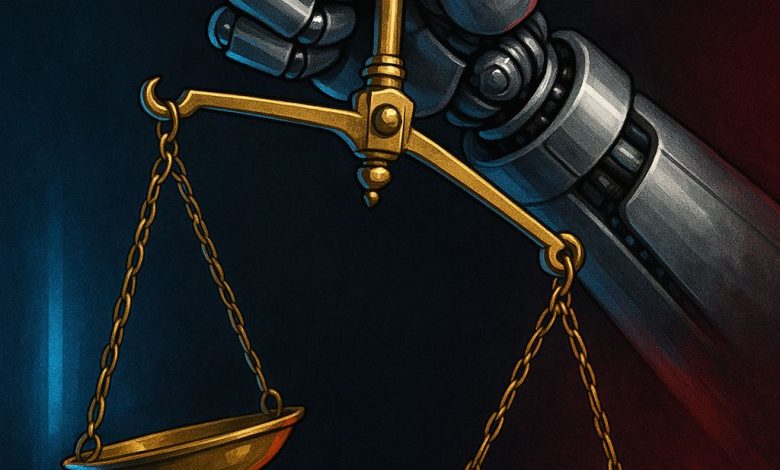
كتبت شروق عارف                                                                                                                                                    يشهد العالم تطورا غير مسبوق في التكنولوجيا، حيث أصبح الذكاء الاصطناعي قوة مؤثرة تعيد تشكيل حياتنا وتغيّر قواعد العديد من المجالات. ورغم ما يتيحه هذا التقدم من فرص واسعة، إلا أنه يثير تحديات ومخاوف، خاصة في ظل غياب تشريعات واضحة تنظم استخدامه في مجالات حساسة كالجراحة، والسيارات ذاتية القيادة، والمجال القانوني. هذا الواقع يطرح تساؤلات مهمة، أبرزها: من يتحمل المسؤولية عند حدوث خطأ؟ وتواجه مصر اليوم تحديا في سن قوانين تحمي حقوق الناس وتواكب في الوقت نفسه التقدم التكنولوجي                                                                                                                       

لا قانون للذكاء الاصطناعي حتى الان                                                                                               

صرح المحامي محمد عاطف  بأن الذكاء الاصطناعي لا يخضع حتى الآن لإطار قانوني واضح ومحدد.
و لم يتم إصدار قانون شامل ينظم استخداماته حتى الآن.

وأوضح أنه لا يجوز قانونًا للذكاء الاصطناعي تقديم استشارات قانونية، حيث إن هذه المهام يجب أن تكون من اختصاص محامي مرخص أو جهة قانونية معترف بها، لضمان صحة المعلومات .

وفي ما يتعلق بالمسؤولية الطبية، أشار إلى أن الطبيب هو المسؤول الأول عن الخطأ الطبي، باعتباره صاحب القرار والمتخصص في تقديم الرعاية الصحية، وبالتالي فهو الذي يُسأل قانونًا عند وقوع أي تقصير أو إهمال.

أما في حالات حوادث السير، فقد بين أن السائق هو المسؤول قانونيًا عن أي خطأ يقع أثناء القيادة، لأنه هو المتحكم .
وأضاف أن القانون لا يزال غير مستوعب بشكل كامل لمفهوم القيادة الذاتية، وبالتالي لا يحمل الذكاء الاصطناعي أي مسؤولية في هذا السياق حتى الآن.

من جانبه، أوضح المحامي الجنائي محمد علي أن الذكاء الاصطناعي لديه القدرة على تقديم استشارات أو خدمات قانونية.
ولكن لا بد أن نفرق بين دوره ودور المحامي، فالمحامي لا يعتمد فقط على المعلومات، بل على فهمه العميق للقانون وظروف كل قضية، وهو ما لا يستطيع الذكاء الاصطناعي تقديمه، لأنه في النهاية مجرد أداة.

كما أن الذكاء الاصطناعي يمكنه المساعدة في الوصول إلى مواد قانونية أو شرح بعض المفاهيم، لكنه لا يقدم حلولًا قانونية كاملة، ولا يستطيع التعامل مع تفاصيل كل حالة على حدة كما يفعل المحامي البشري.

وأشار إلى أن مصر لا تمتلك حتى الآن قانونًا خاصًا ينظم الذكاء الاصطناعي.
كما لا يوجد ما يمنع قانونًا استخدام أدوات الذكاء الاصطناعي في تقديم استشارات قانونية، لكن لا يمكن الاعتماد عليها كبديل عن المحامي المرخص، حيث يشترط قانون المحاماة أن تكون المرافعات والتوقيعات القانونية صادرة عن محامي معتمد من النقابة.

وفي المجال الطبي، أوضح أن القانون المصري لا يميز بوضوح بين الخطأ الناتج عن الإنسان والخطأ الناتج عن الذكاء الاصطناعي.
فإذا وقع ضرر نتيجة استخدام أدوات مثل الروبوتات الجراحية أو أنظمة التشخيص، فإن المسؤولية تقع غالبًا على الطبيب.

أما فيما يخص السيارات ذاتية القيادة، فأكد أن مصر لا تملك إطارًا قانونيًا ينظمها حتى الآن.
وفي حال وقوع حادث، قد تتحمل المسؤولية إما الشركة المصنعة أو مالك السيارة، حسب ظروف الحادث.

من جانبه، أكد المحامي المدني رامي أبو رية بأن مصطلح الذكاء الاصطناعي يعد تعبيرا فضفاضا، مما يجعل من السهل القول بأنه لا يوجد قانون محدد ينظم استخدامه.
إلا أن الواقع أكثر دقة فبمجرد تفكيك المصطلح والنظر في كل مجال تُستخدم فيه التكنولوجيا المعتمدة على الذكاء الاصطناعي، نجد أن القوانين الحالية تنظم هذه الاستخدامات بشكل أو بآخر.

وأكد على أهمية تحديد نوع المسؤولية القانونية عند مناقشة الأطر التنظيمية للذكاء الاصطناعي، موضحًا أن الحديث هنا ينصب على المسؤولية المدنية، التي تنقسم بدورها إلى نوعين: المسؤولية العقدية  والمسؤولية التقصيرية، التي تُعد الأقرب لتطبيقات الذكاء الاصطناعي في الوقت الراهن.

وأوضح أن المسؤولية التقصيرية تقوم على ثلاثة عناصر: الخطأ، والضرر، وعلاقة السببية، وهو ما تنظمه المادة 163 من القانون المدني المصري.
وأعطى مثالًا على ذلك بالسيارات ذاتية القيادة، مشيرًا إلى أنها تخضع لأحكام المادة 178 من القانون المدني، التي تتعلق بمسؤولية حارس الأشياء، أي الشخص الذي يملك السيطرة الفعلية على الشيء الذي قد يُسبب ضررًا للغير.
وبناءً عليه، فإن مالك أو مشغل السيارة ذاتية القيادة هو المسؤول مدنيًا عن أي ضرر ناتج عنها.

وفيما يتعلق باستخدام الذكاء الاصطناعي في تقديم الاستشارات القانونية، أشار أبو رية إلى أن هذه التقنية يمكنها حاليًا توليد نصوص قانونية تُقدَّم على هيئة استشارات، لكنها لا تستطيع تطبيقها فعليًا.
وقد تتضمن هذه الاستشارات معلومات عامة متداولة، أو تفاصيل دقيقة لا يعرفها سوى المتخصصين، ما قد يشكّل خطرًا على مصلحة من يطلب الاستشارة دون الرجوع إلى مختص بشري.

صرّحت الأستاذة هند توفيق، المحامية المتخصصة بالإستئناف العالي بأن استخدام الذكاء الاصطناعي في مصر يخضع لإطار قانوني واضح، حيث ينظمه قانون حماية البيانات الشخصية الصادر عام 2020، بالإضافة إلى قانون مكافحة جرائم تقنية المعلومات لسنة 2018، ما يضع استخدام هذه التكنولوجيا تحت الرقابة القانونية.

وأوضحت أن الذكاء الاصطناعي يمكن الاستفادة منه في تقديم استشارات وآراء قانونية أو خدمات مساعدة، مؤكدة على استخدامه بشكل فعلي في الأبحاث القانونية وصياغة المذكرات، إلا أن هذه الأدوات لا تحمل طابعًا رسميًا، ويمكن الاعتماد عليها كمصدر تمهيدي أو مساعد، لا أكثر.

وفيما يتعلق بالمسؤولية القانونية في حالة الأخطاء الطبية الناتجة عن استخدام الروبوتات، أكدت أن هناك شقين للمساءلة: جنائي ومدني. ففي الشق الجنائي، يُعد الروبوت بمثابة أداة جراحية، وأي خلل ناتج عنه يؤدي إلى مساءلة الطبيب جنائيًا بتهمة القتل أو الإصابة الخطأ، وفقًا للضرر الواقع. أما في الشق المدني، فالمسؤولية تقع على الطبيب كذلك، باعتبارها مسؤولية تقصيرية، مضيفة أن القانون المدني المصري يتضمن مفهوم “مسؤولية حارس الأشياء”، والتي يمكن تطبيقها على الروبوت باعتباره شيئًا ماديًا، مما يرتب تعويضًا مدنيًا عن الضرر.

وبالنسبة للحوادث الناجمة عن السيارات ذاتية القيادة، أوضحت أن المبدأ نفسه ينطبق؛ حيث يُسأل مالك السيارة مدنيًا، ما لم يثبت أن العطل ناتج عن خلل تقني أو عيب مصنعي، مع تأكيده على اتخاذه الاحتياطات اللازمة. أما من الناحية الجنائية، فلا يوجد حتى الآن نص قانوني واضح يعالج هذه الحالة.

وفي تقييمها للتأثير الاقتصادي للذكاء الاصطناعي، شددت الأستاذة هند على أن هذه التكنولوجيا باتت تمثل خطرًا حقيقيًا على العديد من المهن، خصوصًا تلك التي تعتمد على المهارات الذهنية، مثل مهنة المحاماة والقضاء. لكنها أوضحت أن الوضع في مصر يختلف، إذ لا يمكن الاعتماد كليًا على الذكاء الاصطناعي في تحقيق العدالة، بسبب الطبيعة البشرية لتكوين قناعة القاضي واستنباط القرائن، وهو ما لا تستطيع الخوارزميات محاكاته حتى الآن.

واختتمت حديثها قائلة: “من يعلم؟! ربما نشهد بعد سنوات قليلة طفرة جديدة تجعل الذكاء الاصطناعي قادراً على أداء مهام لم نكن نتخيل أن يفعلها. منذ أربعين عامًا، لو قال لنا أحد أننا سنتحدث اليوم عبر جهاز يسمى الموبايل ونتبادل الرسائل الإلكترونية، لكنا اتهمناه بالجنون”.


لم يعد الذكاء الاصطناعي مجرد فكرة مستقبلية، بل أصبح واقع نعيشه ، ودخل مجالات حساسة تمس حياة الناس بشكل مباشر.
ومع هذا الانتشار السريع، يظل القانون في مصر متأخرًا عن مواكبة هذا التطور، فلا توجد تشريعات واضحة تحدد من المسؤول عند وقوع الخطأ.
ولهذا، فإن وضع إطار قانوني ينظم استخدام الذكاء الاصطناعي أصبح ضرورة لا تحتمل التأجيل، لحماية الحقوق وضمان الاستخدام الآمن والعادل لهذه التكنولوجيا.


اظهر المزيد

مقالات ذات صلة

اترك تعليقاً

لن يتم نشر عنوان بريدك الإلكتروني. الحقول الإلزامية مشار إليها بـ *

زر الذهاب إلى الأعلى