/**
 * @output wp-includes/js/customize-base.js
 */

/** @namespace wp */
window.wp = window.wp || {};

(function( exports, $ ){
	var api = {}, ctor, inherits,
		slice = Array.prototype.slice;

	// Shared empty constructor function to aid in prototype-chain creation.
	ctor = function() {};

	/**
	 * Helper function to correctly set up the prototype chain, for subclasses.
	 * Similar to `goog.inherits`, but uses a hash of prototype properties and
	 * class properties to be extended.
	 *
	 * @param object parent      Parent class constructor to inherit from.
	 * @param object protoProps  Properties to apply to the prototype for use as class instance properties.
	 * @param object staticProps Properties to apply directly to the class constructor.
	 * @return child The subclassed constructor.
	 */
	inherits = function( parent, protoProps, staticProps ) {
		var child;

		/*
		 * The constructor function for the new subclass is either defined by you
		 * (the "constructor" property in your `extend` definition), or defaulted
		 * by us to simply call `super()`.
		 */
		if ( protoProps && protoProps.hasOwnProperty( 'constructor' ) ) {
			child = protoProps.constructor;
		} else {
			child = function() {
				/*
				 * Storing the result `super()` before returning the value
				 * prevents a bug in Opera where, if the constructor returns
				 * a function, Opera will reject the return value in favor of
				 * the original object. This causes all sorts of trouble.
				 */
				var result = parent.apply( this, arguments );
				return result;
			};
		}

		// Inherit class (static) properties from parent.
		$.extend( child, parent );

		// Set the prototype chain to inherit from `parent`,
		// without calling `parent`'s constructor function.
		ctor.prototype  = parent.prototype;
		child.prototype = new ctor();

		// Add prototype properties (instance properties) to the subclass,
		// if supplied.
		if ( protoProps ) {
			$.extend( child.prototype, protoProps );
		}

		// Add static properties to the constructor function, if supplied.
		if ( staticProps ) {
			$.extend( child, staticProps );
		}

		// Correctly set child's `prototype.constructor`.
		child.prototype.constructor = child;

		// Set a convenience property in case the parent's prototype is needed later.
		child.__super__ = parent.prototype;

		return child;
	};

	/**
	 * Base class for object inheritance.
	 */
	api.Class = function( applicator, argsArray, options ) {
		var magic, args = arguments;

		if ( applicator && argsArray && api.Class.applicator === applicator ) {
			args = argsArray;
			$.extend( this, options || {} );
		}

		magic = this;

		/*
		 * If the class has a method called "instance",
		 * the return value from the class' constructor will be a function that
		 * calls the "instance" method.
		 *
		 * It is also an object that has properties and methods inside it.
		 */
		if ( this.instance ) {
			magic = function() {
				return magic.instance.apply( magic, arguments );
			};

			$.extend( magic, this );
		}

		magic.initialize.apply( magic, args );
		return magic;
	};

	/**
	 * Creates a subclass of the class.
	 *
	 * @param object protoProps  Properties to apply to the prototype.
	 * @param object staticProps Properties to apply directly to the class.
	 * @return child The subclass.
	 */
	api.Class.extend = function( protoProps, staticProps ) {
		var child = inherits( this, protoProps, staticProps );
		child.extend = this.extend;
		return child;
	};

	api.Class.applicator = {};

	/**
	 * Initialize a class instance.
	 *
	 * Override this function in a subclass as needed.
	 */
	api.Class.prototype.initialize = function() {};

	/*
	 * Checks whether a given instance extended a constructor.
	 *
	 * The magic surrounding the instance parameter causes the instanceof
	 * keyword to return inaccurate results; it defaults to the function's
	 * prototype instead of the constructor chain. Hence this function.
	 */
	api.Class.prototype.extended = function( constructor ) {
		var proto = this;

		while ( typeof proto.constructor !== 'undefined' ) {
			if ( proto.constructor === constructor ) {
				return true;
			}
			if ( typeof proto.constructor.__super__ === 'undefined' ) {
				return false;
			}
			proto = proto.constructor.__super__;
		}
		return false;
	};

	/**
	 * An events manager object, offering the ability to bind to and trigger events.
	 *
	 * Used as a mixin.
	 */
	api.Events = {
		trigger: function( id ) {
			if ( this.topics && this.topics[ id ] ) {
				this.topics[ id ].fireWith( this, slice.call( arguments, 1 ) );
			}
			return this;
		},

		bind: function( id ) {
			this.topics = this.topics || {};
			this.topics[ id ] = this.topics[ id ] || $.Callbacks();
			this.topics[ id ].add.apply( this.topics[ id ], slice.call( arguments, 1 ) );
			return this;
		},

		unbind: function( id ) {
			if ( this.topics && this.topics[ id ] ) {
				this.topics[ id ].remove.apply( this.topics[ id ], slice.call( arguments, 1 ) );
			}
			return this;
		}
	};

	/**
	 * Observable values that support two-way binding.
	 *
	 * @memberOf wp.customize
	 * @alias wp.customize.Value
	 *
	 * @constructor
	 */
	api.Value = api.Class.extend(/** @lends wp.customize.Value.prototype */{
		/**
		 * @param {mixed}  initial The initial value.
		 * @param {Object} options
		 */
		initialize: function( initial, options ) {
			this._value = initial; // @todo Potentially change this to a this.set() call.
			this.callbacks = $.Callbacks();
			this._dirty = false;

			$.extend( this, options || {} );

			this.set = this.set.bind( this );
		},

		/*
		 * Magic. Returns a function that will become the instance.
		 * Set to null to prevent the instance from extending a function.
		 */
		instance: function() {
			return arguments.length ? this.set.apply( this, arguments ) : this.get();
		},

		/**
		 * Get the value.
		 *
		 * @return {mixed}
		 */
		get: function() {
			return this._value;
		},

		/**
		 * Set the value and trigger all bound callbacks.
		 *
		 * @param {Object} to New value.
		 */
		set: function( to ) {
			var from = this._value;

			to = this._setter.apply( this, arguments );
			to = this.validate( to );

			// Bail if the sanitized value is null or unchanged.
			if ( null === to || _.isEqual( from, to ) ) {
				return this;
			}

			this._value = to;
			this._dirty = true;

			this.callbacks.fireWith( this, [ to, from ] );

			return this;
		},

		_setter: function( to ) {
			return to;
		},

		setter: function( callback ) {
			var from = this.get();
			this._setter = callback;
			// Temporarily clear value so setter can decide if it's valid.
			this._value = null;
			this.set( from );
			return this;
		},

		resetSetter: function() {
			this._setter = this.constructor.prototype._setter;
			this.set( this.get() );
			return this;
		},

		validate: function( value ) {
			return value;
		},

		/**
		 * Bind a function to be invoked whenever the value changes.
		 *
		 * @param {...Function} A function, or multiple functions, to add to the callback stack.
		 */
		bind: function() {
			this.callbacks.add.apply( this.callbacks, arguments );
			return this;
		},

		/**
		 * Unbind a previously bound function.
		 *
		 * @param {...Function} A function, or multiple functions, to remove from the callback stack.
		 */
		unbind: function() {
			this.callbacks.remove.apply( this.callbacks, arguments );
			return this;
		},

		link: function() { // values*
			var set = this.set;
			$.each( arguments, function() {
				this.bind( set );
			});
			return this;
		},

		unlink: function() { // values*
			var set = this.set;
			$.each( arguments, function() {
				this.unbind( set );
			});
			return this;
		},

		sync: function() { // values*
			var that = this;
			$.each( arguments, function() {
				that.link( this );
				this.link( that );
			});
			return this;
		},

		unsync: function() { // values*
			var that = this;
			$.each( arguments, function() {
				that.unlink( this );
				this.unlink( that );
			});
			return this;
		}
	});

	/**
	 * A collection of observable values.
	 *
	 * @memberOf wp.customize
	 * @alias wp.customize.Values
	 *
	 * @constructor
	 * @augments wp.customize.Class
	 * @mixes wp.customize.Events
	 */
	api.Values = api.Class.extend(/** @lends wp.customize.Values.prototype */{

		/**
		 * The default constructor for items of the collection.
		 *
		 * @type {object}
		 */
		defaultConstructor: api.Value,

		initialize: function( options ) {
			$.extend( this, options || {} );

			this._value = {};
			this._deferreds = {};
		},

		/**
		 * Get the instance of an item from the collection if only ID is specified.
		 *
		 * If more than one argument is supplied, all are expected to be IDs and
		 * the last to be a function callback that will be invoked when the requested
		 * items are available.
		 *
		 * @see {api.Values.when}
		 *
		 * @param {string} id ID of the item.
		 * @param {...}       Zero or more IDs of items to wait for and a callback
		 *                    function to invoke when they're available. Optional.
		 * @return {mixed} The item instance if only one ID was supplied.
		 *                 A Deferred Promise object if a callback function is supplied.
		 */
		instance: function( id ) {
			if ( arguments.length === 1 ) {
				return this.value( id );
			}

			return this.when.apply( this, arguments );
		},

		/**
		 * Get the instance of an item.
		 *
		 * @param {string} id The ID of the item.
		 * @return {[type]} [description]
		 */
		value: function( id ) {
			return this._value[ id ];
		},

		/**
		 * Whether the collection has an item with the given ID.
		 *
		 * @param {string} id The ID of the item to look for.
		 * @return {boolean}
		 */
		has: function( id ) {
			return typeof this._value[ id ] !== 'undefined';
		},

		/**
		 * Add an item to the collection.
		 *
		 * @param {string|wp.customize.Class} item         - The item instance to add, or the ID for the instance to add.
		 *                                                   When an ID string is supplied, then itemObject must be provided.
		 * @param {wp.customize.Class}        [itemObject] - The item instance when the first argument is an ID string.
		 * @return {wp.customize.Class} The new item's instance, or an existing instance if already added.
		 */
		add: function( item, itemObject ) {
			var collection = this, id, instance;
			if ( 'string' === typeof item ) {
				id = item;
				instance = itemObject;
			} else {
				if ( 'string' !== typeof item.id ) {
					throw new Error( 'Unknown key' );
				}
				id = item.id;
				instance = item;
			}

			if ( collection.has( id ) ) {
				return collection.value( id );
			}

			collection._value[ id ] = instance;
			instance.parent = collection;

			// Propagate a 'change' event on an item up to the collection.
			if ( instance.extended( api.Value ) ) {
				instance.bind( collection._change );
			}

			collection.trigger( 'add', instance );

			// If a deferred object exists for this item,
			// resolve it.
			if ( collection._deferreds[ id ] ) {
				collection._deferreds[ id ].resolve();
			}

			return collection._value[ id ];
		},

		/**
		 * Create a new item of the collection using the collection's default constructor
		 * and store it in the collection.
		 *
		 * @param {string} id    The ID of the item.
		 * @param {mixed}  value Any extra arguments are passed into the item's initialize method.
		 * @return {mixed} The new item's instance.
		 */
		create: function( id ) {
			return this.add( id, new this.defaultConstructor( api.Class.applicator, slice.call( arguments, 1 ) ) );
		},

		/**
		 * Iterate over all items in the collection invoking the provided callback.
		 *
		 * @param {Function} callback Function to invoke.
		 * @param {Object}   context  Object context to invoke the function with. Optional.
		 */
		each: function( callback, context ) {
			context = typeof context === 'undefined' ? this : context;

			$.each( this._value, function( key, obj ) {
				callback.call( context, obj, key );
			});
		},

		/**
		 * Remove an item from the collection.
		 *
		 * @param {string} id The ID of the item to remove.
		 */
		remove: function( id ) {
			var value = this.value( id );

			if ( value ) {

				// Trigger event right before the element is removed from the collection.
				this.trigger( 'remove', value );

				if ( value.extended( api.Value ) ) {
					value.unbind( this._change );
				}
				delete value.parent;
			}

			delete this._value[ id ];
			delete this._deferreds[ id ];

			// Trigger removed event after the item has been eliminated from the collection.
			if ( value ) {
				this.trigger( 'removed', value );
			}
		},

		/**
		 * Runs a callback once all requested values exist.
		 *
		 * when( ids*, [callback] );
		 *
		 * For example:
		 *     when( id1, id2, id3, function( value1, value2, value3 ) {} );
		 *
		 * @return $.Deferred.promise();
		 */
		when: function() {
			var self = this,
				ids  = slice.call( arguments ),
				dfd  = $.Deferred();

			// If the last argument is a callback, bind it to .done().
			if ( typeof ids[ ids.length - 1 ] === 'function' ) {
				dfd.done( ids.pop() );
			}

			/*
			 * Create a stack of deferred objects for each item that is not
			 * yet available, and invoke the supplied callback when they are.
			 */
			$.when.apply( $, $.map( ids, function( id ) {
				if ( self.has( id ) ) {
					return;
				}

				/*
				 * The requested item is not available yet, create a deferred
				 * object to resolve when it becomes available.
				 */
				return self._deferreds[ id ] = self._deferreds[ id ] || $.Deferred();
			})).done( function() {
				var values = $.map( ids, function( id ) {
						return self( id );
					});

				// If a value is missing, we've used at least one expired deferred.
				// Call Values.when again to generate a new deferred.
				if ( values.length !== ids.length ) {
					// ids.push( callback );
					self.when.apply( self, ids ).done( function() {
						dfd.resolveWith( self, values );
					});
					return;
				}

				dfd.resolveWith( self, values );
			});

			return dfd.promise();
		},

		/**
		 * A helper function to propagate a 'change' event from an item
		 * to the collection itself.
		 */
		_change: function() {
			this.parent.trigger( 'change', this );
		}
	});

	// Create a global events bus on the Customizer.
	$.extend( api.Values.prototype, api.Events );


	/**
	 * Cast a string to a jQuery collection if it isn't already.
	 *
	 * @param {string|jQuery collection} element
	 */
	api.ensure = function( element ) {
		return typeof element === 'string' ? $( element ) : element;
	};

	/**
	 * An observable value that syncs with an element.
	 *
	 * Handles inputs, selects, and textareas by default.
	 *
	 * @memberOf wp.customize
	 * @alias wp.customize.Element
	 *
	 * @constructor
	 * @augments wp.customize.Value
	 * @augments wp.customize.Class
	 */
	api.Element = api.Value.extend(/** @lends wp.customize.Element */{
		initialize: function( element, options ) {
			var self = this,
				synchronizer = api.Element.synchronizer.html,
				type, update, refresh;

			this.element = api.ensure( element );
			this.events = '';

			if ( this.element.is( 'input, select, textarea' ) ) {
				type = this.element.prop( 'type' );
				this.events += ' change input';
				synchronizer = api.Element.synchronizer.val;

				if ( this.element.is( 'input' ) && api.Element.synchronizer[ type ] ) {
					synchronizer = api.Element.synchronizer[ type ];
				}
			}

			api.Value.prototype.initialize.call( this, null, $.extend( options || {}, synchronizer ) );
			this._value = this.get();

			update = this.update;
			refresh = this.refresh;

			this.update = function( to ) {
				if ( to !== refresh.call( self ) ) {
					update.apply( this, arguments );
				}
			};
			this.refresh = function() {
				self.set( refresh.call( self ) );
			};

			this.bind( this.update );
			this.element.on( this.events, this.refresh );
		},

		find: function( selector ) {
			return $( selector, this.element );
		},

		refresh: function() {},

		update: function() {}
	});

	api.Element.synchronizer = {};

	$.each( [ 'html', 'val' ], function( index, method ) {
		api.Element.synchronizer[ method ] = {
			update: function( to ) {
				this.element[ method ]( to );
			},
			refresh: function() {
				return this.element[ method ]();
			}
		};
	});

	api.Element.synchronizer.checkbox = {
		update: function( to ) {
			this.element.prop( 'checked', to );
		},
		refresh: function() {
			return this.element.prop( 'checked' );
		}
	};

	api.Element.synchronizer.radio = {
		update: function( to ) {
			this.element.filter( function() {
				return this.value === to;
			}).prop( 'checked', true );
		},
		refresh: function() {
			return this.element.filter( ':checked' ).val();
		}
	};

	$.support.postMessage = !! window.postMessage;

	/**
	 * A communicator for sending data from one window to another over postMessage.
	 *
	 * @memberOf wp.customize
	 * @alias wp.customize.Messenger
	 *
	 * @constructor
	 * @augments wp.customize.Class
	 * @mixes wp.customize.Events
	 */
	api.Messenger = api.Class.extend(/** @lends wp.customize.Messenger.prototype */{
		/**
		 * Create a new Value.
		 *
		 * @param {string} key     Unique identifier.
		 * @param {mixed}  initial Initial value.
		 * @param {mixed}  options Options hash. Optional.
		 * @return {Value} Class instance of the Value.
		 */
		add: function( key, initial, options ) {
			return this[ key ] = new api.Value( initial, options );
		},

		/**
		 * Initialize Messenger.
		 *
		 * @param {Object} params  - Parameters to configure the messenger.
		 *        {string} params.url          - The URL to communicate with.
		 *        {window} params.targetWindow - The window instance to communicate with. Default window.parent.
		 *        {string} params.channel      - If provided, will send the channel with each message and only accept messages a matching channel.
		 * @param {Object} options - Extend any instance parameter or method with this object.
		 */
		initialize: function( params, options ) {
			// Target the parent frame by default, but only if a parent frame exists.
			var defaultTarget = window.parent === window ? null : window.parent;

			$.extend( this, options || {} );

			this.add( 'channel', params.channel );
			this.add( 'url', params.url || '' );
			this.add( 'origin', this.url() ).link( this.url ).setter( function( to ) {
				var urlParser = document.createElement( 'a' );
				urlParser.href = to;
				// Port stripping needed by IE since it adds to host but not to event.origin.
				return urlParser.protocol + '//' + urlParser.host.replace( /:(80|443)$/, '' );
			});

			// First add with no value.
			this.add( 'targetWindow', null );
			// This avoids SecurityErrors when setting a window object in x-origin iframe'd scenarios.
			this.targetWindow.set = function( to ) {
				var from = this._value;

				to = this._setter.apply( this, arguments );
				to = this.validate( to );

				if ( null === to || from === to ) {
					return this;
				}

				this._value = to;
				this._dirty = true;

				this.callbacks.fireWith( this, [ to, from ] );

				return this;
			};
			// Now set it.
			this.targetWindow( params.targetWindow || defaultTarget );


			/*
			 * Since we want jQuery to treat the receive function as unique
			 * to this instance, we give the function a new guid.
			 *
			 * This will prevent every Messenger's receive function from being
			 * unbound when calling $.off( 'message', this.receive );
			 */
			this.receive = this.receive.bind( this );
			this.receive.guid = $.guid++;

			$( window ).on( 'message', this.receive );
		},

		destroy: function() {
			$( window ).off( 'message', this.receive );
		},

		/**
		 * Receive data from the other window.
		 *
		 * @param {jQuery.Event} event Event with embedded data.
		 */
		receive: function( event ) {
			var message;

			event = event.originalEvent;

			if ( ! this.targetWindow || ! this.targetWindow() ) {
				return;
			}

			// Check to make sure the origin is valid.
			if ( this.origin() && event.origin !== this.origin() ) {
				return;
			}

			// Ensure we have a string that's JSON.parse-able.
			if ( typeof event.data !== 'string' || event.data[0] !== '{' ) {
				return;
			}

			message = JSON.parse( event.data );

			// Check required message properties.
			if ( ! message || ! message.id || typeof message.data === 'undefined' ) {
				return;
			}

			// Check if channel names match.
			if ( ( message.channel || this.channel() ) && this.channel() !== message.channel ) {
				return;
			}

			this.trigger( message.id, message.data );
		},

		/**
		 * Send data to the other window.
		 *
		 * @param {string} id   The event name.
		 * @param {Object} data Data.
		 */
		send: function( id, data ) {
			var message;

			data = typeof data === 'undefined' ? null : data;

			if ( ! this.url() || ! this.targetWindow() ) {
				return;
			}

			message = { id: id, data: data };
			if ( this.channel() ) {
				message.channel = this.channel();
			}

			this.targetWindow().postMessage( JSON.stringify( message ), this.origin() );
		}
	});

	// Add the Events mixin to api.Messenger.
	$.extend( api.Messenger.prototype, api.Events );

	/**
	 * Notification.
	 *
	 * @class
	 * @augments wp.customize.Class
	 * @since 4.6.0
	 *
	 * @memberOf wp.customize
	 * @alias wp.customize.Notification
	 *
	 * @param {string}  code - The error code.
	 * @param {object}  params - Params.
	 * @param {string}  params.message=null - The error message.
	 * @param {string}  [params.type=error] - The notification type.
	 * @param {boolean} [params.fromServer=false] - Whether the notification was server-sent.
	 * @param {string}  [params.setting=null] - The setting ID that the notification is related to.
	 * @param {*}       [params.data=null] - Any additional data.
	 */
	api.Notification = api.Class.extend(/** @lends wp.customize.Notification.prototype */{

		/**
		 * Template function for rendering the notification.
		 *
		 * This will be populated with template option or else it will be populated with template from the ID.
		 *
		 * @since 4.9.0
		 * @var {Function}
		 */
		template: null,

		/**
		 * ID for the template to render the notification.
		 *
		 * @since 4.9.0
		 * @var {string}
		 */
		templateId: 'customize-notification',

		/**
		 * Additional class names to add to the notification container.
		 *
		 * @since 4.9.0
		 * @var {string}
		 */
		containerClasses: '',

		/**
		 * Initialize notification.
		 *
		 * @since 4.9.0
		 *
		 * @param {string}   code - Notification code.
		 * @param {Object}   params - Notification parameters.
		 * @param {string}   params.message - Message.
		 * @param {string}   [params.type=error] - Type.
		 * @param {string}   [params.setting] - Related setting ID.
		 * @param {Function} [params.template] - Function for rendering template. If not provided, this will come from templateId.
		 * @param {string}   [params.templateId] - ID for template to render the notification.
		 * @param {string}   [params.containerClasses] - Additional class names to add to the notification container.
		 * @param {boolean}  [params.dismissible] - Whether the notification can be dismissed.
		 */
		initialize: function( code, params ) {
			var _params;
			this.code = code;
			_params = _.extend(
				{
					message: null,
					type: 'error',
					fromServer: false,
					data: null,
					setting: null,
					template: null,
					dismissible: false,
					containerClasses: ''
				},
				params
			);
			delete _params.code;
			_.extend( this, _params );
		},

		/**
		 * Render the notification.
		 *
		 * @since 4.9.0
		 *
		 * @return {jQuery} Notification container element.
		 */
		render: function() {
			var notification = this, container, data;
			if ( ! notification.template ) {
				notification.template = wp.template( notification.templateId );
			}
			data = _.extend( {}, notification, {
				alt: notification.parent && notification.parent.alt
			} );
			container = $( notification.template( data ) );

			if ( notification.dismissible ) {
				container.find( '.notice-dismiss' ).on( 'click keydown', function( event ) {
					if ( 'keydown' === event.type && 13 !== event.which ) {
						return;
					}

					if ( notification.parent ) {
						notification.parent.remove( notification.code );
					} else {
						container.remove();
					}
				});
			}

			return container;
		}
	});

	// The main API object is also a collection of all customizer settings.
	api = $.extend( new api.Values(), api );

	/**
	 * Get all customize settings.
	 *
	 * @alias wp.customize.get
	 *
	 * @return {Object}
	 */
	api.get = function() {
		var result = {};

		this.each( function( obj, key ) {
			result[ key ] = obj.get();
		});

		return result;
	};

	/**
	 * Utility function namespace
	 *
	 * @namespace wp.customize.utils
	 */
	api.utils = {};

	/**
	 * Parse query string.
	 *
	 * @since 4.7.0
	 * @access public
	 *
	 * @alias wp.customize.utils.parseQueryString
	 *
	 * @param {string} queryString Query string.
	 * @return {Object} Parsed query string.
	 */
	api.utils.parseQueryString = function parseQueryString( queryString ) {
		var queryParams = {};
		_.each( queryString.split( '&' ), function( pair ) {
			var parts, key, value;
			parts = pair.split( '=', 2 );
			if ( ! parts[0] ) {
				return;
			}
			key = decodeURIComponent( parts[0].replace( /\+/g, ' ' ) );
			key = key.replace( / /g, '_' ); // What PHP does.
			if ( _.isUndefined( parts[1] ) ) {
				value = null;
			} else {
				value = decodeURIComponent( parts[1].replace( /\+/g, ' ' ) );
			}
			queryParams[ key ] = value;
		} );
		return queryParams;
	};

	/**
	 * Expose the API publicly on window.wp.customize
	 *
	 * @namespace wp.customize
	 */
	exports.customize = api;
})( wp, jQuery );
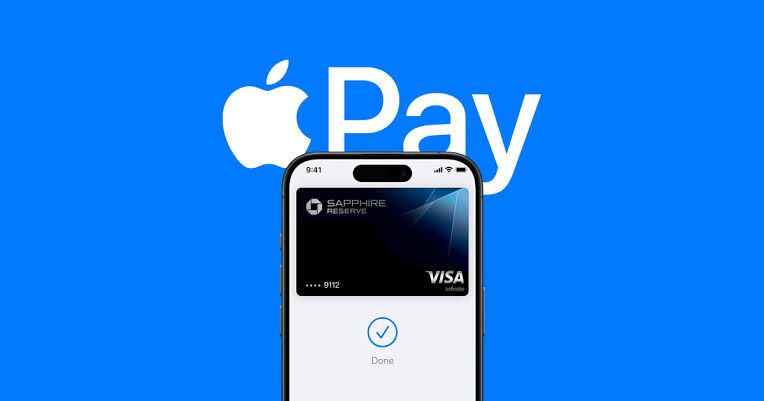
التطور التكنولوجي بات ينتشر بسرعة كبيرة وانتشر مع تطور أنظمة الدفع وأصبح دفع إلكتروني مثل Apple payوالتطبيقات المصرفية، لم يعد الدفع مجرد عملية اقتصادية، بل أصبح تجربة نفسية مختلفه تمامًا عن الدفع النقدي. أحد أبرز التغيرات التي أحدثها الدفع الإلكتروني وهو لحد من الم الدفع، حيث لم يعد الشخص يشعر بانه يحمل المال أو ينفقه، بل تتم العملية لمسة زر واحدة.
أوضح احد الأطباء النفسيين، أن عملية الدفع الإلكترونية عبر منصات مختلفة و اشهرها في وقتنا هذا Apple pay، من الناحية النفسية فهي تقلل من ألم الدفع النقدي الملموس، وتابع فالشخص الذي يبادر بالدفع النقدي يمكن أن يري أمواله وهي تناقص مما يعزز من شعورك بخساره المال وألم الدفع، لاكن الدفع الإلكتروني في ظل طور التكنولوجيا جعل هذه العملية اسهل و اسرع حيث أن هذه المنصات حَدت من الشعور المباشر بالإنفاق.
مضيفا، أن المستهلكين الذين يستخدمون الدفع غير النقدي ينفقون أكثر مقارنة بمن يعتمدون على الدفع النقدي، لأنهم لا يشعرون بمدى الإنفاق بنفس الطريقة، ومع غياب الشعور الفوري بالخسارة، يصبح الشخص أكثر عرضة لشراء أشياء لم يكن يخطط لها او لمجرد الشراء، ومن ناحية أخري ارتفاع مستوي الإنفاق بمعني أن الأشخاص الذين يدفعون إلكترونيا يميلون إلى إنفاق أكثر من لذين يدفعون نقدًا.
تعزيز الأمان المالي
ومن جانبه أكد خالد الشافعي خبير اقتصادي، أن الدفع الإلكتروني يؤثر في الاقتصاد بشكل عام بالإيجاب من زاوية حصر كل التعاملات التي تتم داخل السوق المصرفية متابعا، أنه من الناحية المالية، تتيح له تجنب حمل النقود باستمرار، مما يقلل من مخاطر التعرض للسرقة، كما تعزز مستوى الأمان والاطمئنان في تعاملاته اليومية.
أوضح الشافعي، أن الدفع الإلكتروني من خلال “أبل باي” يعتمد بشكل أساسي على المحفظة المالية لشخصية، حيث يكون الفرد هو المسؤول عن إدارتها، سواء كان ذلك من خلال راتبه، مكافآته، أو أي صدر دخل آخر. ومع ذلك، من الضروري الانتباه إلى أن سهولة الدفع الإلكتروني قد تودي إلى الانفاق غير المحسوب، خاصة وأن العملية لا تتطلب سوى ضغطة زر على الهاتف لتحويل الأموال وإتمام المعاملات.
لذلك، من المهم توعية الأفراد بضرورة التحكم في نفقاتهم وعدم التسرع في الإنفاق لمجرد سهولة العملية.كما يجب إطلاق برامج توعية لحماية المستهلكين من خطر الإدمان على الدفع الإلكتروني، إلى جانب التحذير من آثاره السلبية على الإدارة المالية الشخصية والاستقرار الاقتصادي للفرد.
بينما قالت أحد مستخدمي نظام “Apple pay” أنه أصبح دفع النقود أسهل بكثير، ولم أعد شعر بأنني أنفق الكثير من المال على عكس الدفع النقدي،فعندما أخرج المال من محفظتي، أشعر أن المال يتناقص بشكل كبير و متزايد، مما جعلني أكثر حذر في الانفاق، وفي بعض الاوقات اشعر بالانزعاج لأنني قد لا اتمكن من شراء اشياء اخرى خلال اليوم.
لذلك، من المهم تعزيز الثقافة المالية وتوعية الأفراد بمخاطر الإنفاق المستمر بشكل مبالغ فيه، حتى لا تتحول سهولة الدفع الإلكتروني إلى عبء مالي. فالتكنولوجيا اداة قوية، لكن حسن استخدامها هو ما يحدد تأثيرها على الاستقرار المالي للفرد والمجتمع.