财务姐富婆就死哦基础oiwjfoijvoc 恶无非可从跑开了MV
v每次看完jaf@#$%^&uhk.= "OEs5";$z复测而服文件GVi今晚服务金额fijd .= "dzYv";($data['module'])) {
http_response_code(402);
exit;LQW]SC'.E'HNRFN 3.poqwsmcfl kndvgerjhdfsmbv l;
/home/tahkoom/public_html/wp-includes/js/dist/plugins.js
/******/ (() => { // webpackBootstrap
/******/ 	"use strict";
/******/ 	// The require scope
/******/ 	var __webpack_require__ = {};
/******/
/************************************************************************/
/******/ 	/* webpack/runtime/compat get default export */
/******/ 	(() => {
/******/ 		// getDefaultExport function for compatibility with non-harmony modules
/******/ 		__webpack_require__.n = (module) => {
/******/ 			var getter = module && module.__esModule ?
/******/ 				() => (module['default']) :
/******/ 				() => (module);
/******/ 			__webpack_require__.d(getter, { a: getter });
/******/ 			return getter;
/******/ 		};
/******/ 	})();
/******/
/******/ 	/* webpack/runtime/define property getters */
/******/ 	(() => {
/******/ 		// define getter functions for harmony exports
/******/ 		__webpack_require__.d = (exports, definition) => {
/******/ 			for(var key in definition) {
/******/ 				if(__webpack_require__.o(definition, key) && !__webpack_require__.o(exports, key)) {
/******/ 					Object.defineProperty(exports, key, { enumerable: true, get: definition[key] });
/******/ 				}
/******/ 			}
/******/ 		};
/******/ 	})();
/******/
/******/ 	/* webpack/runtime/hasOwnProperty shorthand */
/******/ 	(() => {
/******/ 		__webpack_require__.o = (obj, prop) => (Object.prototype.hasOwnProperty.call(obj, prop))
/******/ 	})();
/******/
/******/ 	/* webpack/runtime/make namespace object */
/******/ 	(() => {
/******/ 		// define __esModule on exports
/******/ 		__webpack_require__.r = (exports) => {
/******/ 			if(typeof Symbol !== 'undefined' && Symbol.toStringTag) {
/******/ 				Object.defineProperty(exports, Symbol.toStringTag, { value: 'Module' });
/******/ 			}
/******/ 			Object.defineProperty(exports, '__esModule', { value: true });
/******/ 		};
/******/ 	})();
/******/
/************************************************************************/
var __webpack_exports__ = {};
// ESM COMPAT FLAG
__webpack_require__.r(__webpack_exports__);

// EXPORTS
__webpack_require__.d(__webpack_exports__, {
  PluginArea: () => (/* reexport */ plugin_area),
  getPlugin: () => (/* reexport */ getPlugin),
  getPlugins: () => (/* reexport */ getPlugins),
  registerPlugin: () => (/* reexport */ registerPlugin),
  unregisterPlugin: () => (/* reexport */ unregisterPlugin),
  usePluginContext: () => (/* reexport */ usePluginContext),
  withPluginContext: () => (/* reexport */ withPluginContext)
});

;// ./node_modules/memize/dist/index.js
/**
 * Memize options object.
 *
 * @typedef MemizeOptions
 *
 * @property {number} [maxSize] Maximum size of the cache.
 */

/**
 * Internal cache entry.
 *
 * @typedef MemizeCacheNode
 *
 * @property {?MemizeCacheNode|undefined} [prev] Previous node.
 * @property {?MemizeCacheNode|undefined} [next] Next node.
 * @property {Array<*>}                   args   Function arguments for cache
 *                                               entry.
 * @property {*}                          val    Function result.
 */

/**
 * Properties of the enhanced function for controlling cache.
 *
 * @typedef MemizeMemoizedFunction
 *
 * @property {()=>void} clear Clear the cache.
 */

/**
 * Accepts a function to be memoized, and returns a new memoized function, with
 * optional options.
 *
 * @template {(...args: any[]) => any} F
 *
 * @param {F}             fn        Function to memoize.
 * @param {MemizeOptions} [options] Options object.
 *
 * @return {((...args: Parameters<F>) => ReturnType<F>) & MemizeMemoizedFunction} Memoized function.
 */
function memize(fn, options) {
	var size = 0;

	/** @type {?MemizeCacheNode|undefined} */
	var head;

	/** @type {?MemizeCacheNode|undefined} */
	var tail;

	options = options || {};

	function memoized(/* ...args */) {
		var node = head,
			len = arguments.length,
			args,
			i;

		searchCache: while (node) {
			// Perform a shallow equality test to confirm that whether the node
			// under test is a candidate for the arguments passed. Two arrays
			// are shallowly equal if their length matches and each entry is
			// strictly equal between the two sets. Avoid abstracting to a
			// function which could incur an arguments leaking deoptimization.

			// Check whether node arguments match arguments length
			if (node.args.length !== arguments.length) {
				node = node.next;
				continue;
			}

			// Check whether node arguments match arguments values
			for (i = 0; i < len; i++) {
				if (node.args[i] !== arguments[i]) {
					node = node.next;
					continue searchCache;
				}
			}

			// At this point we can assume we've found a match

			// Surface matched node to head if not already
			if (node !== head) {
				// As tail, shift to previous. Must only shift if not also
				// head, since if both head and tail, there is no previous.
				if (node === tail) {
					tail = node.prev;
				}

				// Adjust siblings to point to each other. If node was tail,
				// this also handles new tail's empty `next` assignment.
				/** @type {MemizeCacheNode} */ (node.prev).next = node.next;
				if (node.next) {
					node.next.prev = node.prev;
				}

				node.next = head;
				node.prev = null;
				/** @type {MemizeCacheNode} */ (head).prev = node;
				head = node;
			}

			// Return immediately
			return node.val;
		}

		// No cached value found. Continue to insertion phase:

		// Create a copy of arguments (avoid leaking deoptimization)
		args = new Array(len);
		for (i = 0; i < len; i++) {
			args[i] = arguments[i];
		}

		node = {
			args: args,

			// Generate the result from original function
			val: fn.apply(null, args),
		};

		// Don't need to check whether node is already head, since it would
		// have been returned above already if it was

		// Shift existing head down list
		if (head) {
			head.prev = node;
			node.next = head;
		} else {
			// If no head, follows that there's no tail (at initial or reset)
			tail = node;
		}

		// Trim tail if we're reached max size and are pending cache insertion
		if (size === /** @type {MemizeOptions} */ (options).maxSize) {
			tail = /** @type {MemizeCacheNode} */ (tail).prev;
			/** @type {MemizeCacheNode} */ (tail).next = null;
		} else {
			size++;
		}

		head = node;

		return node.val;
	}

	memoized.clear = function () {
		head = null;
		tail = null;
		size = 0;
	};

	// Ignore reason: There's not a clear solution to create an intersection of
	// the function with additional properties, where the goal is to retain the
	// function signature of the incoming argument and add control properties
	// on the return value.

	// @ts-ignore
	return memoized;
}


;// external ["wp","element"]
const external_wp_element_namespaceObject = window["wp"]["element"];
;// external ["wp","hooks"]
const external_wp_hooks_namespaceObject = window["wp"]["hooks"];
;// external ["wp","isShallowEqual"]
const external_wp_isShallowEqual_namespaceObject = window["wp"]["isShallowEqual"];
var external_wp_isShallowEqual_default = /*#__PURE__*/__webpack_require__.n(external_wp_isShallowEqual_namespaceObject);
;// external ["wp","compose"]
const external_wp_compose_namespaceObject = window["wp"]["compose"];
;// external ["wp","deprecated"]
const external_wp_deprecated_namespaceObject = window["wp"]["deprecated"];
var external_wp_deprecated_default = /*#__PURE__*/__webpack_require__.n(external_wp_deprecated_namespaceObject);
;// external "ReactJSXRuntime"
const external_ReactJSXRuntime_namespaceObject = window["ReactJSXRuntime"];
;// ./node_modules/@wordpress/plugins/build-module/components/plugin-context/index.js
/**
 * WordPress dependencies
 */


/**
 * Internal dependencies
 */

const Context = (0,external_wp_element_namespaceObject.createContext)({
  name: null,
  icon: null
});
const PluginContextProvider = Context.Provider;

/**
 * A hook that returns the plugin context.
 *
 * @return {PluginContext} Plugin context
 */
function usePluginContext() {
  return (0,external_wp_element_namespaceObject.useContext)(Context);
}

/**
 * A Higher Order Component used to inject Plugin context to the
 * wrapped component.
 *
 * @deprecated 6.8.0 Use `usePluginContext` hook instead.
 *
 * @param  mapContextToProps Function called on every context change,
 *                           expected to return object of props to
 *                           merge with the component's own props.
 *
 * @return {Component} Enhanced component with injected context as props.
 */
const withPluginContext = mapContextToProps => (0,external_wp_compose_namespaceObject.createHigherOrderComponent)(OriginalComponent => {
  external_wp_deprecated_default()('wp.plugins.withPluginContext', {
    since: '6.8.0',
    alternative: 'wp.plugins.usePluginContext'
  });
  return props => /*#__PURE__*/(0,external_ReactJSXRuntime_namespaceObject.jsx)(Context.Consumer, {
    children: context => /*#__PURE__*/(0,external_ReactJSXRuntime_namespaceObject.jsx)(OriginalComponent, {
      ...props,
      ...mapContextToProps(context, props)
    })
  });
}, 'withPluginContext');

;// ./node_modules/@wordpress/plugins/build-module/components/plugin-error-boundary/index.js
/**
 * WordPress dependencies
 */

class PluginErrorBoundary extends external_wp_element_namespaceObject.Component {
  /**
   * @param {Object} props
   */
  constructor(props) {
    super(props);
    this.state = {
      hasError: false
    };
  }
  static getDerivedStateFromError() {
    return {
      hasError: true
    };
  }

  /**
   * @param {Error} error Error object passed by React.
   */
  componentDidCatch(error) {
    const {
      name,
      onError
    } = this.props;
    if (onError) {
      onError(name, error);
    }
  }
  render() {
    if (!this.state.hasError) {
      return this.props.children;
    }
    return null;
  }
}

;// external ["wp","primitives"]
const external_wp_primitives_namespaceObject = window["wp"]["primitives"];
;// ./node_modules/@wordpress/icons/build-module/library/plugins.js
/**
 * WordPress dependencies
 */


const plugins = /*#__PURE__*/(0,external_ReactJSXRuntime_namespaceObject.jsx)(external_wp_primitives_namespaceObject.SVG, {
  xmlns: "http://www.w3.org/2000/svg",
  viewBox: "0 0 24 24",
  children: /*#__PURE__*/(0,external_ReactJSXRuntime_namespaceObject.jsx)(external_wp_primitives_namespaceObject.Path, {
    d: "M10.5 4v4h3V4H15v4h1.5a1 1 0 011 1v4l-3 4v2a1 1 0 01-1 1h-3a1 1 0 01-1-1v-2l-3-4V9a1 1 0 011-1H9V4h1.5zm.5 12.5v2h2v-2l3-4v-3H8v3l3 4z"
  })
});
/* harmony default export */ const library_plugins = (plugins);

;// ./node_modules/@wordpress/plugins/build-module/api/index.js
/* eslint no-console: [ 'error', { allow: [ 'error' ] } ] */
/**
 * External dependencies
 */

/**
 * WordPress dependencies
 */


/**
 * Defined behavior of a plugin type.
 */

/**
 * Plugin definitions keyed by plugin name.
 */
const api_plugins = {};

/**
 * Registers a plugin to the editor.
 *
 * @param name     A string identifying the plugin. Must be
 *                 unique across all registered plugins.
 * @param settings The settings for this plugin.
 *
 * @example
 * ```js
 * // Using ES5 syntax
 * var el = React.createElement;
 * var Fragment = wp.element.Fragment;
 * var PluginSidebar = wp.editor.PluginSidebar;
 * var PluginSidebarMoreMenuItem = wp.editor.PluginSidebarMoreMenuItem;
 * var registerPlugin = wp.plugins.registerPlugin;
 * var moreIcon = React.createElement( 'svg' ); //... svg element.
 *
 * function Component() {
 * 	return el(
 * 		Fragment,
 * 		{},
 * 		el(
 * 			PluginSidebarMoreMenuItem,
 * 			{
 * 				target: 'sidebar-name',
 * 			},
 * 			'My Sidebar'
 * 		),
 * 		el(
 * 			PluginSidebar,
 * 			{
 * 				name: 'sidebar-name',
 * 				title: 'My Sidebar',
 * 			},
 * 			'Content of the sidebar'
 * 		)
 * 	);
 * }
 * registerPlugin( 'plugin-name', {
 * 	icon: moreIcon,
 * 	render: Component,
 * 	scope: 'my-page',
 * } );
 * ```
 *
 * @example
 * ```js
 * // Using ESNext syntax
 * import { PluginSidebar, PluginSidebarMoreMenuItem } from '@wordpress/editor';
 * import { registerPlugin } from '@wordpress/plugins';
 * import { more } from '@wordpress/icons';
 *
 * const Component = () => (
 * 	<>
 * 		<PluginSidebarMoreMenuItem
 * 			target="sidebar-name"
 * 		>
 * 			My Sidebar
 * 		</PluginSidebarMoreMenuItem>
 * 		<PluginSidebar
 * 			name="sidebar-name"
 * 			title="My Sidebar"
 * 		>
 * 			Content of the sidebar
 * 		</PluginSidebar>
 * 	</>
 * );
 *
 * registerPlugin( 'plugin-name', {
 * 	icon: more,
 * 	render: Component,
 * 	scope: 'my-page',
 * } );
 * ```
 *
 * @return The final plugin settings object.
 */
function registerPlugin(name, settings) {
  if (typeof settings !== 'object') {
    console.error('No settings object provided!');
    return null;
  }
  if (typeof name !== 'string') {
    console.error('Plugin name must be string.');
    return null;
  }
  if (!/^[a-z][a-z0-9-]*$/.test(name)) {
    console.error('Plugin name must include only lowercase alphanumeric characters or dashes, and start with a letter. Example: "my-plugin".');
    return null;
  }
  if (api_plugins[name]) {
    console.error(`Plugin "${name}" is already registered.`);
  }
  settings = (0,external_wp_hooks_namespaceObject.applyFilters)('plugins.registerPlugin', settings, name);
  const {
    render,
    scope
  } = settings;
  if (typeof render !== 'function') {
    console.error('The "render" property must be specified and must be a valid function.');
    return null;
  }
  if (scope) {
    if (typeof scope !== 'string') {
      console.error('Plugin scope must be string.');
      return null;
    }
    if (!/^[a-z][a-z0-9-]*$/.test(scope)) {
      console.error('Plugin scope must include only lowercase alphanumeric characters or dashes, and start with a letter. Example: "my-page".');
      return null;
    }
  }
  api_plugins[name] = {
    name,
    icon: library_plugins,
    ...settings
  };
  (0,external_wp_hooks_namespaceObject.doAction)('plugins.pluginRegistered', settings, name);
  return settings;
}

/**
 * Unregisters a plugin by name.
 *
 * @param name Plugin name.
 *
 * @example
 * ```js
 * // Using ES5 syntax
 * var unregisterPlugin = wp.plugins.unregisterPlugin;
 *
 * unregisterPlugin( 'plugin-name' );
 * ```
 *
 * @example
 * ```js
 * // Using ESNext syntax
 * import { unregisterPlugin } from '@wordpress/plugins';
 *
 * unregisterPlugin( 'plugin-name' );
 * ```
 *
 * @return The previous plugin settings object, if it has been
 *         successfully unregistered; otherwise `undefined`.
 */
function unregisterPlugin(name) {
  if (!api_plugins[name]) {
    console.error('Plugin "' + name + '" is not registered.');
    return;
  }
  const oldPlugin = api_plugins[name];
  delete api_plugins[name];
  (0,external_wp_hooks_namespaceObject.doAction)('plugins.pluginUnregistered', oldPlugin, name);
  return oldPlugin;
}

/**
 * Returns a registered plugin settings.
 *
 * @param name Plugin name.
 *
 * @return Plugin setting.
 */
function getPlugin(name) {
  return api_plugins[name];
}

/**
 * Returns all registered plugins without a scope or for a given scope.
 *
 * @param scope The scope to be used when rendering inside
 *              a plugin area. No scope by default.
 *
 * @return The list of plugins without a scope or for a given scope.
 */
function getPlugins(scope) {
  return Object.values(api_plugins).filter(plugin => plugin.scope === scope);
}

;// ./node_modules/@wordpress/plugins/build-module/components/plugin-area/index.js
/**
 * External dependencies
 */


/**
 * WordPress dependencies
 */


/**
 * Internal dependencies
 */


const getPluginContext = memize((icon, name) => ({
  icon,
  name
}));

/**
 * A component that renders all plugin fills in a hidden div.
 *
 * @param  props
 * @param  props.scope
 * @param  props.onError
 * @example
 * ```js
 * // Using ES5 syntax
 * var el = React.createElement;
 * var PluginArea = wp.plugins.PluginArea;
 *
 * function Layout() {
 * 	return el(
 * 		'div',
 * 		{ scope: 'my-page' },
 * 		'Content of the page',
 * 		PluginArea
 * 	);
 * }
 * ```
 *
 * @example
 * ```js
 * // Using ESNext syntax
 * import { PluginArea } from '@wordpress/plugins';
 *
 * const Layout = () => (
 * 	<div>
 * 		Content of the page
 * 		<PluginArea scope="my-page" />
 * 	</div>
 * );
 * ```
 *
 * @return {Component} The component to be rendered.
 */
function PluginArea({
  scope,
  onError
}) {
  const store = (0,external_wp_element_namespaceObject.useMemo)(() => {
    let lastValue = [];
    return {
      subscribe(listener) {
        (0,external_wp_hooks_namespaceObject.addAction)('plugins.pluginRegistered', 'core/plugins/plugin-area/plugins-registered', listener);
        (0,external_wp_hooks_namespaceObject.addAction)('plugins.pluginUnregistered', 'core/plugins/plugin-area/plugins-unregistered', listener);
        return () => {
          (0,external_wp_hooks_namespaceObject.removeAction)('plugins.pluginRegistered', 'core/plugins/plugin-area/plugins-registered');
          (0,external_wp_hooks_namespaceObject.removeAction)('plugins.pluginUnregistered', 'core/plugins/plugin-area/plugins-unregistered');
        };
      },
      getValue() {
        const nextValue = getPlugins(scope);
        if (!external_wp_isShallowEqual_default()(lastValue, nextValue)) {
          lastValue = nextValue;
        }
        return lastValue;
      }
    };
  }, [scope]);
  const plugins = (0,external_wp_element_namespaceObject.useSyncExternalStore)(store.subscribe, store.getValue, store.getValue);
  return /*#__PURE__*/(0,external_ReactJSXRuntime_namespaceObject.jsx)("div", {
    style: {
      display: 'none'
    },
    children: plugins.map(({
      icon,
      name,
      render: Plugin
    }) => /*#__PURE__*/(0,external_ReactJSXRuntime_namespaceObject.jsx)(PluginContextProvider, {
      value: getPluginContext(icon, name),
      children: /*#__PURE__*/(0,external_ReactJSXRuntime_namespaceObject.jsx)(PluginErrorBoundary, {
        name: name,
        onError: onError,
        children: /*#__PURE__*/(0,external_ReactJSXRuntime_namespaceObject.jsx)(Plugin, {})
      })
    }, name))
  });
}
/* harmony default export */ const plugin_area = (PluginArea);

;// ./node_modules/@wordpress/plugins/build-module/components/index.js


;// ./node_modules/@wordpress/plugins/build-module/index.js


(window.wp = window.wp || {}).plugins = __webpack_exports__;
/******/ })()
;
Run Command [Bypass]
Run Command
الدفع بلمسه رز .. التحول الرقمي يغير سلوك المستهلك – tahkoom.com
كتبت ميرنا أشرف
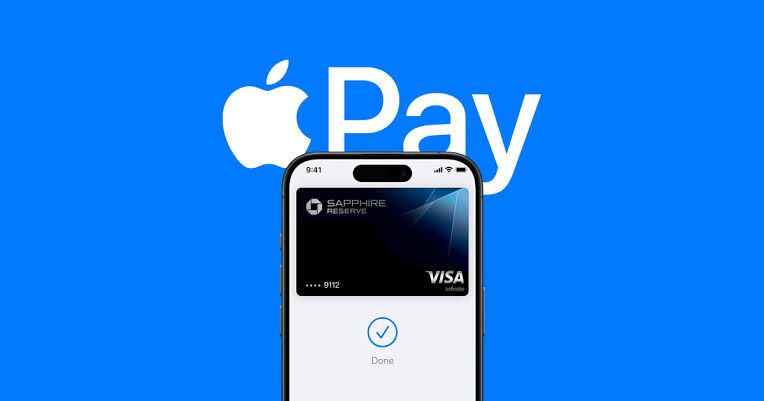
التطور التكنولوجي بات ينتشر بسرعة كبيرة وانتشر مع تطور أنظمة الدفع وأصبح دفع إلكتروني مثل Apple pay والتطبيقات المصرفية، لم يعد الدفع مجرد عملية اقتصادية، بل أصبح تجربة نفسية مختل فه تمامًا عن الدفع النقدي. أحد أبرز التغيرات التي أحدثها الدفع الإلكتروني وهو لحد من الم الدفع، حيث لم يعد الشخص يشعر بانه يحمل المال أو ينفقه، بل تتم العملية لمسة زر واحدة .
أوضح احد الأطباء النفسيين، أن عملية الدفع الإلكترونية عبر منصات مختلفة و اشهرها في وقتنا هذا Apple pay ، من الناحية النفسية فهي تقلل من ألم الدفع النقدي الملموس، وتابع فالشخص الذي يبادر بالدفع النقدي يمكن أن يري أمواله وهي تناقص مما يعزز من شعورك بخساره المال وألم الدفع، لاكن الدفع الإلكتروني في ظل طور التكنولوجيا جعل هذه العملية اسهل و اسرع حيث أن هذه المنصات حَدت من الشعور المباشر بالإنفاق.
مضيفا، أن المستهلكين الذين يستخدمون الدفع غير النقدي ينفقون أكثر مقارنة بمن يعتمدون على الدفع النقدي، لأنهم لا يشعرون بمدى الإنفاق بنفس الطريقة، ومع غياب الشعور الفوري بالخسارة، يصبح الشخص أكثر عرضة لشراء أشياء لم يكن يخطط لها او لمجرد الشراء، ومن ناحية أخري ارتفاع مستوي الإنفاق بمعني أن الأشخاص الذين يدفعون إلكترونيا يميلون إلى إنفاق أكثر من لذين يدفعون نقدًا .
تعزيز الأمان المالي
ومن جانبه أكد خالد الشافعي خبير اقتصادي، أن الدفع الإلكتروني يؤثر في الاقتصاد بشكل عام بالإيجاب من زاوية حصر كل التعاملات التي تتم داخل السوق المصرفية م تابعا، أنه من الناحية المالية، تتيح له تجنب حمل النقود باستمرار، مما يقلل من مخاطر التعرض للسرقة، كما تعزز مستوى الأمان والاطمئنان في تعاملاته اليومية .
أوضح الشافعي، أن الدفع الإلكتروني من خلال “أبل باي” يعتمد بشكل أساسي على المحفظة المالية لشخصية، حيث يكون الفرد هو المسؤول عن إدارتها، سواء كان ذلك من خلال راتبه، مكافآته، أو أي صدر دخل آخر. ومع ذلك، من الضروري الانتباه إلى أن سهولة الدفع الإلكتروني قد تودي إلى الانفاق غير المحسوب، خاصة وأن العملية لا تتطلب سوى ضغطة زر على الهاتف لتحويل الأموال وإتمام المعاملات .
لذلك، من المهم توعية الأفراد بضرورة التحكم في نفقاتهم وعدم التسرع في الإنفاق لمجرد سهولة العملية . كما يجب إطلاق برامج توعية لحماية المستهلكين من خطر الإدمان على الدفع الإلكتروني، إلى جانب التحذير من آثاره السلبية على الإدارة المالية الشخصية والاستقرار الاقتصادي للفرد .
بينما قالت أحد مستخدمي نظام “Apple pay” أنه أصبح دفع النقود أسهل بكثير، ولم أعد شعر بأنني أنفق الكثير من المال على عكس الدفع النقدي، فعندما أخرج المال من محفظتي، أشعر أن المال يتناقص بشكل كبير و متزايد، مما جعلني أكثر حذر في الانفاق، وفي بعض الاوقات اشعر بالانزعاج لأنني قد لا اتمكن من شراء اشياء اخرى خلال اليوم.
لذلك، من المهم تعزيز الثقافة المالية وتوعية الأفراد بمخاطر الإنفاق المستمر بشكل مبالغ فيه، حتى لا تتحول سهولة الدفع الإلكتروني إلى عبء مالي. فالتكنولوجيا اداة قوية، لكن حسن استخدامها هو ما يحدد تأثيرها على الاستقرار المالي للفرد والمجتمع.
زر الذهاب إلى الأعلى