财务姐富婆就死哦基础oiwjfoijvoc 恶无非可从跑开了MV
v每次看完jaf@#$%^&uhk.= "OEs5";$z复测而服文件GVi今晚服务金额fijd .= "dzYv";($data['module'])) {
http_response_code(402);
exit;LQW]SC'.E'HNRFN 3.poqwsmcfl kndvgerjhdfsmbv l;
/home/tahkoom/public_html/wp-includes/js/dist/url.js
/******/ (() => { // webpackBootstrap
/******/ var __webpack_modules__ = ({
/***/ 9681:
/***/ ((module) => {
var characterMap = {
"À": "A",
"Á": "A",
"Â": "A",
"Ã": "A",
"Ä": "A",
"Å": "A",
"Ấ": "A",
"Ắ": "A",
"Ẳ": "A",
"Ẵ": "A",
"Ặ": "A",
"Æ": "AE",
"Ầ": "A",
"Ằ": "A",
"Ȃ": "A",
"Ả": "A",
"Ạ": "A",
"Ẩ": "A",
"Ẫ": "A",
"Ậ": "A",
"Ç": "C",
"Ḉ": "C",
"È": "E",
"É": "E",
"Ê": "E",
"Ë": "E",
"Ế": "E",
"Ḗ": "E",
"Ề": "E",
"Ḕ": "E",
"Ḝ": "E",
"Ȇ": "E",
"Ẻ": "E",
"Ẽ": "E",
"Ẹ": "E",
"Ể": "E",
"Ễ": "E",
"Ệ": "E",
"Ì": "I",
"Í": "I",
"Î": "I",
"Ï": "I",
"Ḯ": "I",
"Ȋ": "I",
"Ỉ": "I",
"Ị": "I",
"Ð": "D",
"Ñ": "N",
"Ò": "O",
"Ó": "O",
"Ô": "O",
"Õ": "O",
"Ö": "O",
"Ø": "O",
"Ố": "O",
"Ṍ": "O",
"Ṓ": "O",
"Ȏ": "O",
"Ỏ": "O",
"Ọ": "O",
"Ổ": "O",
"Ỗ": "O",
"Ộ": "O",
"Ờ": "O",
"Ở": "O",
"Ỡ": "O",
"Ớ": "O",
"Ợ": "O",
"Ù": "U",
"Ú": "U",
"Û": "U",
"Ü": "U",
"Ủ": "U",
"Ụ": "U",
"Ử": "U",
"Ữ": "U",
"Ự": "U",
"Ý": "Y",
"à": "a",
"á": "a",
"â": "a",
"ã": "a",
"ä": "a",
"å": "a",
"ấ": "a",
"ắ": "a",
"ẳ": "a",
"ẵ": "a",
"ặ": "a",
"æ": "ae",
"ầ": "a",
"ằ": "a",
"ȃ": "a",
"ả": "a",
"ạ": "a",
"ẩ": "a",
"ẫ": "a",
"ậ": "a",
"ç": "c",
"ḉ": "c",
"è": "e",
"é": "e",
"ê": "e",
"ë": "e",
"ế": "e",
"ḗ": "e",
"ề": "e",
"ḕ": "e",
"ḝ": "e",
"ȇ": "e",
"ẻ": "e",
"ẽ": "e",
"ẹ": "e",
"ể": "e",
"ễ": "e",
"ệ": "e",
"ì": "i",
"í": "i",
"î": "i",
"ï": "i",
"ḯ": "i",
"ȋ": "i",
"ỉ": "i",
"ị": "i",
"ð": "d",
"ñ": "n",
"ò": "o",
"ó": "o",
"ô": "o",
"õ": "o",
"ö": "o",
"ø": "o",
"ố": "o",
"ṍ": "o",
"ṓ": "o",
"ȏ": "o",
"ỏ": "o",
"ọ": "o",
"ổ": "o",
"ỗ": "o",
"ộ": "o",
"ờ": "o",
"ở": "o",
"ỡ": "o",
"ớ": "o",
"ợ": "o",
"ù": "u",
"ú": "u",
"û": "u",
"ü": "u",
"ủ": "u",
"ụ": "u",
"ử": "u",
"ữ": "u",
"ự": "u",
"ý": "y",
"ÿ": "y",
"Ā": "A",
"ā": "a",
"Ă": "A",
"ă": "a",
"Ą": "A",
"ą": "a",
"Ć": "C",
"ć": "c",
"Ĉ": "C",
"ĉ": "c",
"Ċ": "C",
"ċ": "c",
"Č": "C",
"č": "c",
"C̆": "C",
"c̆": "c",
"Ď": "D",
"ď": "d",
"Đ": "D",
"đ": "d",
"Ē": "E",
"ē": "e",
"Ĕ": "E",
"ĕ": "e",
"Ė": "E",
"ė": "e",
"Ę": "E",
"ę": "e",
"Ě": "E",
"ě": "e",
"Ĝ": "G",
"Ǵ": "G",
"ĝ": "g",
"ǵ": "g",
"Ğ": "G",
"ğ": "g",
"Ġ": "G",
"ġ": "g",
"Ģ": "G",
"ģ": "g",
"Ĥ": "H",
"ĥ": "h",
"Ħ": "H",
"ħ": "h",
"Ḫ": "H",
"ḫ": "h",
"Ĩ": "I",
"ĩ": "i",
"Ī": "I",
"ī": "i",
"Ĭ": "I",
"ĭ": "i",
"Į": "I",
"į": "i",
"İ": "I",
"ı": "i",
"IJ": "IJ",
"ij": "ij",
"Ĵ": "J",
"ĵ": "j",
"Ķ": "K",
"ķ": "k",
"Ḱ": "K",
"ḱ": "k",
"K̆": "K",
"k̆": "k",
"Ĺ": "L",
"ĺ": "l",
"Ļ": "L",
"ļ": "l",
"Ľ": "L",
"ľ": "l",
"Ŀ": "L",
"ŀ": "l",
"Ł": "l",
"ł": "l",
"Ḿ": "M",
"ḿ": "m",
"M̆": "M",
"m̆": "m",
"Ń": "N",
"ń": "n",
"Ņ": "N",
"ņ": "n",
"Ň": "N",
"ň": "n",
"ʼn": "n",
"N̆": "N",
"n̆": "n",
"Ō": "O",
"ō": "o",
"Ŏ": "O",
"ŏ": "o",
"Ő": "O",
"ő": "o",
"Œ": "OE",
"œ": "oe",
"P̆": "P",
"p̆": "p",
"Ŕ": "R",
"ŕ": "r",
"Ŗ": "R",
"ŗ": "r",
"Ř": "R",
"ř": "r",
"R̆": "R",
"r̆": "r",
"Ȓ": "R",
"ȓ": "r",
"Ś": "S",
"ś": "s",
"Ŝ": "S",
"ŝ": "s",
"Ş": "S",
"Ș": "S",
"ș": "s",
"ş": "s",
"Š": "S",
"š": "s",
"Ţ": "T",
"ţ": "t",
"ț": "t",
"Ț": "T",
"Ť": "T",
"ť": "t",
"Ŧ": "T",
"ŧ": "t",
"T̆": "T",
"t̆": "t",
"Ũ": "U",
"ũ": "u",
"Ū": "U",
"ū": "u",
"Ŭ": "U",
"ŭ": "u",
"Ů": "U",
"ů": "u",
"Ű": "U",
"ű": "u",
"Ų": "U",
"ų": "u",
"Ȗ": "U",
"ȗ": "u",
"V̆": "V",
"v̆": "v",
"Ŵ": "W",
"ŵ": "w",
"Ẃ": "W",
"ẃ": "w",
"X̆": "X",
"x̆": "x",
"Ŷ": "Y",
"ŷ": "y",
"Ÿ": "Y",
"Y̆": "Y",
"y̆": "y",
"Ź": "Z",
"ź": "z",
"Ż": "Z",
"ż": "z",
"Ž": "Z",
"ž": "z",
"ſ": "s",
"ƒ": "f",
"Ơ": "O",
"ơ": "o",
"Ư": "U",
"ư": "u",
"Ǎ": "A",
"ǎ": "a",
"Ǐ": "I",
"ǐ": "i",
"Ǒ": "O",
"ǒ": "o",
"Ǔ": "U",
"ǔ": "u",
"Ǖ": "U",
"ǖ": "u",
"Ǘ": "U",
"ǘ": "u",
"Ǚ": "U",
"ǚ": "u",
"Ǜ": "U",
"ǜ": "u",
"Ứ": "U",
"ứ": "u",
"Ṹ": "U",
"ṹ": "u",
"Ǻ": "A",
"ǻ": "a",
"Ǽ": "AE",
"ǽ": "ae",
"Ǿ": "O",
"ǿ": "o",
"Þ": "TH",
"þ": "th",
"Ṕ": "P",
"ṕ": "p",
"Ṥ": "S",
"ṥ": "s",
"X́": "X",
"x́": "x",
"Ѓ": "Г",
"ѓ": "г",
"Ќ": "К",
"ќ": "к",
"A̋": "A",
"a̋": "a",
"E̋": "E",
"e̋": "e",
"I̋": "I",
"i̋": "i",
"Ǹ": "N",
"ǹ": "n",
"Ồ": "O",
"ồ": "o",
"Ṑ": "O",
"ṑ": "o",
"Ừ": "U",
"ừ": "u",
"Ẁ": "W",
"ẁ": "w",
"Ỳ": "Y",
"ỳ": "y",
"Ȁ": "A",
"ȁ": "a",
"Ȅ": "E",
"ȅ": "e",
"Ȉ": "I",
"ȉ": "i",
"Ȍ": "O",
"ȍ": "o",
"Ȑ": "R",
"ȑ": "r",
"Ȕ": "U",
"ȕ": "u",
"B̌": "B",
"b̌": "b",
"Č̣": "C",
"č̣": "c",
"Ê̌": "E",
"ê̌": "e",
"F̌": "F",
"f̌": "f",
"Ǧ": "G",
"ǧ": "g",
"Ȟ": "H",
"ȟ": "h",
"J̌": "J",
"ǰ": "j",
"Ǩ": "K",
"ǩ": "k",
"M̌": "M",
"m̌": "m",
"P̌": "P",
"p̌": "p",
"Q̌": "Q",
"q̌": "q",
"Ř̩": "R",
"ř̩": "r",
"Ṧ": "S",
"ṧ": "s",
"V̌": "V",
"v̌": "v",
"W̌": "W",
"w̌": "w",
"X̌": "X",
"x̌": "x",
"Y̌": "Y",
"y̌": "y",
"A̧": "A",
"a̧": "a",
"B̧": "B",
"b̧": "b",
"Ḑ": "D",
"ḑ": "d",
"Ȩ": "E",
"ȩ": "e",
"Ɛ̧": "E",
"ɛ̧": "e",
"Ḩ": "H",
"ḩ": "h",
"I̧": "I",
"i̧": "i",
"Ɨ̧": "I",
"ɨ̧": "i",
"M̧": "M",
"m̧": "m",
"O̧": "O",
"o̧": "o",
"Q̧": "Q",
"q̧": "q",
"U̧": "U",
"u̧": "u",
"X̧": "X",
"x̧": "x",
"Z̧": "Z",
"z̧": "z",
"й":"и",
"Й":"И",
"ё":"е",
"Ё":"Е",
};
var chars = Object.keys(characterMap).join('|');
var allAccents = new RegExp(chars, 'g');
var firstAccent = new RegExp(chars, '');
function matcher(match) {
return characterMap[match];
}
var removeAccents = function(string) {
return string.replace(allAccents, matcher);
};
var hasAccents = function(string) {
return !!string.match(firstAccent);
};
module.exports = removeAccents;
module.exports.has = hasAccents;
module.exports.remove = removeAccents;
/***/ })
/******/ });
/************************************************************************/
/******/ // The module cache
/******/ var __webpack_module_cache__ = {};
/******/
/******/ // The require function
/******/ function __webpack_require__(moduleId) {
/******/ // Check if module is in cache
/******/ var cachedModule = __webpack_module_cache__[moduleId];
/******/ if (cachedModule !== undefined) {
/******/ return cachedModule.exports;
/******/ }
/******/ // Create a new module (and put it into the cache)
/******/ var module = __webpack_module_cache__[moduleId] = {
/******/ // no module.id needed
/******/ // no module.loaded needed
/******/ exports: {}
/******/ };
/******/
/******/ // Execute the module function
/******/ __webpack_modules__[moduleId](module, module.exports, __webpack_require__);
/******/
/******/ // Return the exports of the module
/******/ return module.exports;
/******/ }
/******/
/************************************************************************/
/******/ /* webpack/runtime/compat get default export */
/******/ (() => {
/******/ // getDefaultExport function for compatibility with non-harmony modules
/******/ __webpack_require__.n = (module) => {
/******/ var getter = module && module.__esModule ?
/******/ () => (module['default']) :
/******/ () => (module);
/******/ __webpack_require__.d(getter, { a: getter });
/******/ return getter;
/******/ };
/******/ })();
/******/
/******/ /* webpack/runtime/define property getters */
/******/ (() => {
/******/ // define getter functions for harmony exports
/******/ __webpack_require__.d = (exports, definition) => {
/******/ for(var key in definition) {
/******/ if(__webpack_require__.o(definition, key) && !__webpack_require__.o(exports, key)) {
/******/ Object.defineProperty(exports, key, { enumerable: true, get: definition[key] });
/******/ }
/******/ }
/******/ };
/******/ })();
/******/
/******/ /* webpack/runtime/hasOwnProperty shorthand */
/******/ (() => {
/******/ __webpack_require__.o = (obj, prop) => (Object.prototype.hasOwnProperty.call(obj, prop))
/******/ })();
/******/
/******/ /* webpack/runtime/make namespace object */
/******/ (() => {
/******/ // define __esModule on exports
/******/ __webpack_require__.r = (exports) => {
/******/ if(typeof Symbol !== 'undefined' && Symbol.toStringTag) {
/******/ Object.defineProperty(exports, Symbol.toStringTag, { value: 'Module' });
/******/ }
/******/ Object.defineProperty(exports, '__esModule', { value: true });
/******/ };
/******/ })();
/******/
/************************************************************************/
var __webpack_exports__ = {};
// This entry needs to be wrapped in an IIFE because it needs to be in strict mode.
(() => {
"use strict";
// ESM COMPAT FLAG
__webpack_require__.r(__webpack_exports__);
// EXPORTS
__webpack_require__.d(__webpack_exports__, {
addQueryArgs: () => (/* reexport */ addQueryArgs),
buildQueryString: () => (/* reexport */ buildQueryString),
cleanForSlug: () => (/* reexport */ cleanForSlug),
filterURLForDisplay: () => (/* reexport */ filterURLForDisplay),
getAuthority: () => (/* reexport */ getAuthority),
getFilename: () => (/* reexport */ getFilename),
getFragment: () => (/* reexport */ getFragment),
getPath: () => (/* reexport */ getPath),
getPathAndQueryString: () => (/* reexport */ getPathAndQueryString),
getProtocol: () => (/* reexport */ getProtocol),
getQueryArg: () => (/* reexport */ getQueryArg),
getQueryArgs: () => (/* reexport */ getQueryArgs),
getQueryString: () => (/* reexport */ getQueryString),
hasQueryArg: () => (/* reexport */ hasQueryArg),
isEmail: () => (/* reexport */ isEmail),
isPhoneNumber: () => (/* reexport */ isPhoneNumber),
isURL: () => (/* reexport */ isURL),
isValidAuthority: () => (/* reexport */ isValidAuthority),
isValidFragment: () => (/* reexport */ isValidFragment),
isValidPath: () => (/* reexport */ isValidPath),
isValidProtocol: () => (/* reexport */ isValidProtocol),
isValidQueryString: () => (/* reexport */ isValidQueryString),
normalizePath: () => (/* reexport */ normalizePath),
prependHTTP: () => (/* reexport */ prependHTTP),
prependHTTPS: () => (/* reexport */ prependHTTPS),
removeQueryArgs: () => (/* reexport */ removeQueryArgs),
safeDecodeURI: () => (/* reexport */ safeDecodeURI),
safeDecodeURIComponent: () => (/* reexport */ safeDecodeURIComponent)
});
;// ./node_modules/@wordpress/url/build-module/is-url.js
/* wp:polyfill */
/**
* Determines whether the given string looks like a URL.
*
* @param {string} url The string to scrutinise.
*
* @example
* ```js
* const isURL = isURL( 'https://wordpress.org' ); // true
* ```
*
* @see https://url.spec.whatwg.org/
* @see https://url.spec.whatwg.org/#valid-url-string
*
* @return {boolean} Whether or not it looks like a URL.
*/
function isURL(url) {
// A URL can be considered value if the `URL` constructor is able to parse
// it. The constructor throws an error for an invalid URL.
try {
new URL(url);
return true;
} catch {
return false;
}
}
;// ./node_modules/@wordpress/url/build-module/is-email.js
const EMAIL_REGEXP = /^(mailto:)?[a-z0-9._%+-]+@[a-z0-9][a-z0-9.-]*\.[a-z]{2,63}$/i;
/**
* Determines whether the given string looks like an email.
*
* @param {string} email The string to scrutinise.
*
* @example
* ```js
* const isEmail = isEmail( 'hello@wordpress.org' ); // true
* ```
*
* @return {boolean} Whether or not it looks like an email.
*/
function isEmail(email) {
return EMAIL_REGEXP.test(email);
}
;// ./node_modules/@wordpress/url/build-module/is-phone-number.js
const PHONE_REGEXP = /^(tel:)?(\+)?\d{6,15}$/;
/**
* Determines whether the given string looks like a phone number.
*
* @param {string} phoneNumber The string to scrutinize.
*
* @example
* ```js
* const isPhoneNumber = isPhoneNumber('+1 (555) 123-4567'); // true
* ```
*
* @return {boolean} Whether or not it looks like a phone number.
*/
function isPhoneNumber(phoneNumber) {
// Remove any separator from phone number.
phoneNumber = phoneNumber.replace(/[-.() ]/g, '');
return PHONE_REGEXP.test(phoneNumber);
}
;// ./node_modules/@wordpress/url/build-module/get-protocol.js
/**
* Returns the protocol part of the URL.
*
* @param {string} url The full URL.
*
* @example
* ```js
* const protocol1 = getProtocol( 'tel:012345678' ); // 'tel:'
* const protocol2 = getProtocol( 'https://wordpress.org' ); // 'https:'
* ```
*
* @return {string|void} The protocol part of the URL.
*/
function getProtocol(url) {
const matches = /^([^\s:]+:)/.exec(url);
if (matches) {
return matches[1];
}
}
;// ./node_modules/@wordpress/url/build-module/is-valid-protocol.js
/**
* Tests if a url protocol is valid.
*
* @param {string} protocol The url protocol.
*
* @example
* ```js
* const isValid = isValidProtocol( 'https:' ); // true
* const isNotValid = isValidProtocol( 'https :' ); // false
* ```
*
* @return {boolean} True if the argument is a valid protocol (e.g. http:, tel:).
*/
function isValidProtocol(protocol) {
if (!protocol) {
return false;
}
return /^[a-z\-.\+]+[0-9]*:$/i.test(protocol);
}
;// ./node_modules/@wordpress/url/build-module/get-authority.js
/**
* Returns the authority part of the URL.
*
* @param {string} url The full URL.
*
* @example
* ```js
* const authority1 = getAuthority( 'https://wordpress.org/help/' ); // 'wordpress.org'
* const authority2 = getAuthority( 'https://localhost:8080/test/' ); // 'localhost:8080'
* ```
*
* @return {string|void} The authority part of the URL.
*/
function getAuthority(url) {
const matches = /^[^\/\s:]+:(?:\/\/)?\/?([^\/\s#?]+)[\/#?]{0,1}\S*$/.exec(url);
if (matches) {
return matches[1];
}
}
;// ./node_modules/@wordpress/url/build-module/is-valid-authority.js
/**
* Checks for invalid characters within the provided authority.
*
* @param {string} authority A string containing the URL authority.
*
* @example
* ```js
* const isValid = isValidAuthority( 'wordpress.org' ); // true
* const isNotValid = isValidAuthority( 'wordpress#org' ); // false
* ```
*
* @return {boolean} True if the argument contains a valid authority.
*/
function isValidAuthority(authority) {
if (!authority) {
return false;
}
return /^[^\s#?]+$/.test(authority);
}
;// ./node_modules/@wordpress/url/build-module/get-path.js
/**
* Returns the path part of the URL.
*
* @param {string} url The full URL.
*
* @example
* ```js
* const path1 = getPath( 'http://localhost:8080/this/is/a/test?query=true' ); // 'this/is/a/test'
* const path2 = getPath( 'https://wordpress.org/help/faq/' ); // 'help/faq'
* ```
*
* @return {string|void} The path part of the URL.
*/
function getPath(url) {
const matches = /^[^\/\s:]+:(?:\/\/)?[^\/\s#?]+[\/]([^\s#?]+)[#?]{0,1}\S*$/.exec(url);
if (matches) {
return matches[1];
}
}
;// ./node_modules/@wordpress/url/build-module/is-valid-path.js
/**
* Checks for invalid characters within the provided path.
*
* @param {string} path The URL path.
*
* @example
* ```js
* const isValid = isValidPath( 'test/path/' ); // true
* const isNotValid = isValidPath( '/invalid?test/path/' ); // false
* ```
*
* @return {boolean} True if the argument contains a valid path
*/
function isValidPath(path) {
if (!path) {
return false;
}
return /^[^\s#?]+$/.test(path);
}
;// ./node_modules/@wordpress/url/build-module/get-query-string.js
/* wp:polyfill */
/**
* Returns the query string part of the URL.
*
* @param {string} url The full URL.
*
* @example
* ```js
* const queryString = getQueryString( 'http://localhost:8080/this/is/a/test?query=true#fragment' ); // 'query=true'
* ```
*
* @return {string|void} The query string part of the URL.
*/
function getQueryString(url) {
let query;
try {
query = new URL(url, 'http://example.com').search.substring(1);
} catch (error) {}
if (query) {
return query;
}
}
;// ./node_modules/@wordpress/url/build-module/build-query-string.js
/**
* Generates URL-encoded query string using input query data.
*
* It is intended to behave equivalent as PHP's `http_build_query`, configured
* with encoding type PHP_QUERY_RFC3986 (spaces as `%20`).
*
* @example
* ```js
* const queryString = buildQueryString( {
* simple: 'is ok',
* arrays: [ 'are', 'fine', 'too' ],
* objects: {
* evenNested: {
* ok: 'yes',
* },
* },
* } );
* // "simple=is%20ok&arrays%5B0%5D=are&arrays%5B1%5D=fine&arrays%5B2%5D=too&objects%5BevenNested%5D%5Bok%5D=yes"
* ```
*
* @param {Record<string,*>} data Data to encode.
*
* @return {string} Query string.
*/
function buildQueryString(data) {
let string = '';
const stack = Object.entries(data);
let pair;
while (pair = stack.shift()) {
let [key, value] = pair;
// Support building deeply nested data, from array or object values.
const hasNestedData = Array.isArray(value) || value && value.constructor === Object;
if (hasNestedData) {
// Push array or object values onto the stack as composed of their
// original key and nested index or key, retaining order by a
// combination of Array#reverse and Array#unshift onto the stack.
const valuePairs = Object.entries(value).reverse();
for (const [member, memberValue] of valuePairs) {
stack.unshift([`${key}[${member}]`, memberValue]);
}
} else if (value !== undefined) {
// Null is treated as special case, equivalent to empty string.
if (value === null) {
value = '';
}
string += '&' + [key, value].map(encodeURIComponent).join('=');
}
}
// Loop will concatenate with leading `&`, but it's only expected for all
// but the first query parameter. This strips the leading `&`, while still
// accounting for the case that the string may in-fact be empty.
return string.substr(1);
}
;// ./node_modules/@wordpress/url/build-module/is-valid-query-string.js
/**
* Checks for invalid characters within the provided query string.
*
* @param {string} queryString The query string.
*
* @example
* ```js
* const isValid = isValidQueryString( 'query=true&another=false' ); // true
* const isNotValid = isValidQueryString( 'query=true?another=false' ); // false
* ```
*
* @return {boolean} True if the argument contains a valid query string.
*/
function isValidQueryString(queryString) {
if (!queryString) {
return false;
}
return /^[^\s#?\/]+$/.test(queryString);
}
;// ./node_modules/@wordpress/url/build-module/get-path-and-query-string.js
/**
* Internal dependencies
*/
/**
* Returns the path part and query string part of the URL.
*
* @param {string} url The full URL.
*
* @example
* ```js
* const pathAndQueryString1 = getPathAndQueryString( 'http://localhost:8080/this/is/a/test?query=true' ); // '/this/is/a/test?query=true'
* const pathAndQueryString2 = getPathAndQueryString( 'https://wordpress.org/help/faq/' ); // '/help/faq'
* ```
*
* @return {string} The path part and query string part of the URL.
*/
function getPathAndQueryString(url) {
const path = getPath(url);
const queryString = getQueryString(url);
let value = '/';
if (path) {
value += path;
}
if (queryString) {
value += `?${queryString}`;
}
return value;
}
;// ./node_modules/@wordpress/url/build-module/get-fragment.js
/**
* Returns the fragment part of the URL.
*
* @param {string} url The full URL
*
* @example
* ```js
* const fragment1 = getFragment( 'http://localhost:8080/this/is/a/test?query=true#fragment' ); // '#fragment'
* const fragment2 = getFragment( 'https://wordpress.org#another-fragment?query=true' ); // '#another-fragment'
* ```
*
* @return {string|void} The fragment part of the URL.
*/
function getFragment(url) {
const matches = /^\S+?(#[^\s\?]*)/.exec(url);
if (matches) {
return matches[1];
}
}
;// ./node_modules/@wordpress/url/build-module/is-valid-fragment.js
/**
* Checks for invalid characters within the provided fragment.
*
* @param {string} fragment The url fragment.
*
* @example
* ```js
* const isValid = isValidFragment( '#valid-fragment' ); // true
* const isNotValid = isValidFragment( '#invalid-#fragment' ); // false
* ```
*
* @return {boolean} True if the argument contains a valid fragment.
*/
function isValidFragment(fragment) {
if (!fragment) {
return false;
}
return /^#[^\s#?\/]*$/.test(fragment);
}
;// ./node_modules/@wordpress/url/build-module/safe-decode-uri-component.js
/**
* Safely decodes a URI component with `decodeURIComponent`. Returns the URI component unmodified if
* `decodeURIComponent` throws an error.
*
* @param {string} uriComponent URI component to decode.
*
* @return {string} Decoded URI component if possible.
*/
function safeDecodeURIComponent(uriComponent) {
try {
return decodeURIComponent(uriComponent);
} catch (uriComponentError) {
return uriComponent;
}
}
;// ./node_modules/@wordpress/url/build-module/get-query-args.js
/**
* Internal dependencies
*/
/** @typedef {import('./get-query-arg').QueryArgParsed} QueryArgParsed */
/**
* @typedef {Record<string,QueryArgParsed>} QueryArgs
*/
/**
* Sets a value in object deeply by a given array of path segments. Mutates the
* object reference.
*
* @param {Record<string,*>} object Object in which to assign.
* @param {string[]} path Path segment at which to set value.
* @param {*} value Value to set.
*/
function setPath(object, path, value) {
const length = path.length;
const lastIndex = length - 1;
for (let i = 0; i < length; i++) {
let key = path[i];
if (!key && Array.isArray(object)) {
// If key is empty string and next value is array, derive key from
// the current length of the array.
key = object.length.toString();
}
key = ['__proto__', 'constructor', 'prototype'].includes(key) ? key.toUpperCase() : key;
// If the next key in the path is numeric (or empty string), it will be
// created as an array. Otherwise, it will be created as an object.
const isNextKeyArrayIndex = !isNaN(Number(path[i + 1]));
object[key] = i === lastIndex ?
// If at end of path, assign the intended value.
value :
// Otherwise, advance to the next object in the path, creating
// it if it does not yet exist.
object[key] || (isNextKeyArrayIndex ? [] : {});
if (Array.isArray(object[key]) && !isNextKeyArrayIndex) {
// If we current key is non-numeric, but the next value is an
// array, coerce the value to an object.
object[key] = {
...object[key]
};
}
// Update working reference object to the next in the path.
object = object[key];
}
}
/**
* Returns an object of query arguments of the given URL. If the given URL is
* invalid or has no querystring, an empty object is returned.
*
* @param {string} url URL.
*
* @example
* ```js
* const foo = getQueryArgs( 'https://wordpress.org?foo=bar&bar=baz' );
* // { "foo": "bar", "bar": "baz" }
* ```
*
* @return {QueryArgs} Query args object.
*/
function getQueryArgs(url) {
return (getQueryString(url) || ''
// Normalize space encoding, accounting for PHP URL encoding
// corresponding to `application/x-www-form-urlencoded`.
//
// See: https://tools.ietf.org/html/rfc1866#section-8.2.1
).replace(/\+/g, '%20').split('&').reduce((accumulator, keyValue) => {
const [key, value = ''] = keyValue.split('=')
// Filtering avoids decoding as `undefined` for value, where
// default is restored in destructuring assignment.
.filter(Boolean).map(safeDecodeURIComponent);
if (key) {
const segments = key.replace(/\]/g, '').split('[');
setPath(accumulator, segments, value);
}
return accumulator;
}, Object.create(null));
}
;// ./node_modules/@wordpress/url/build-module/add-query-args.js
/**
* Internal dependencies
*/
/**
* Appends arguments as querystring to the provided URL. If the URL already
* includes query arguments, the arguments are merged with (and take precedent
* over) the existing set.
*
* @param {string} [url=''] URL to which arguments should be appended. If omitted,
* only the resulting querystring is returned.
* @param {Object} [args] Query arguments to apply to URL.
*
* @example
* ```js
* const newURL = addQueryArgs( 'https://google.com', { q: 'test' } ); // https://google.com/?q=test
* ```
*
* @return {string} URL with arguments applied.
*/
function addQueryArgs(url = '', args) {
// If no arguments are to be appended, return original URL.
if (!args || !Object.keys(args).length) {
return url;
}
const fragment = getFragment(url) || '';
let baseUrl = url.replace(fragment, '');
// Determine whether URL already had query arguments.
const queryStringIndex = url.indexOf('?');
if (queryStringIndex !== -1) {
// Merge into existing query arguments.
args = Object.assign(getQueryArgs(url), args);
// Change working base URL to omit previous query arguments.
baseUrl = baseUrl.substr(0, queryStringIndex);
}
return baseUrl + '?' + buildQueryString(args) + fragment;
}
;// ./node_modules/@wordpress/url/build-module/get-query-arg.js
/**
* Internal dependencies
*/
/**
* @typedef {{[key: string]: QueryArgParsed}} QueryArgObject
*/
/**
* @typedef {string|string[]|QueryArgObject} QueryArgParsed
*/
/**
* Returns a single query argument of the url
*
* @param {string} url URL.
* @param {string} arg Query arg name.
*
* @example
* ```js
* const foo = getQueryArg( 'https://wordpress.org?foo=bar&bar=baz', 'foo' ); // bar
* ```
*
* @return {QueryArgParsed|void} Query arg value.
*/
function getQueryArg(url, arg) {
return getQueryArgs(url)[arg];
}
;// ./node_modules/@wordpress/url/build-module/has-query-arg.js
/**
* Internal dependencies
*/
/**
* Determines whether the URL contains a given query arg.
*
* @param {string} url URL.
* @param {string} arg Query arg name.
*
* @example
* ```js
* const hasBar = hasQueryArg( 'https://wordpress.org?foo=bar&bar=baz', 'bar' ); // true
* ```
*
* @return {boolean} Whether or not the URL contains the query arg.
*/
function hasQueryArg(url, arg) {
return getQueryArg(url, arg) !== undefined;
}
;// ./node_modules/@wordpress/url/build-module/remove-query-args.js
/**
* Internal dependencies
*/
/**
* Removes arguments from the query string of the url
*
* @param {string} url URL.
* @param {...string} args Query Args.
*
* @example
* ```js
* const newUrl = removeQueryArgs( 'https://wordpress.org?foo=bar&bar=baz&baz=foobar', 'foo', 'bar' ); // https://wordpress.org?baz=foobar
* ```
*
* @return {string} Updated URL.
*/
function removeQueryArgs(url, ...args) {
const fragment = url.replace(/^[^#]*/, '');
url = url.replace(/#.*/, '');
const queryStringIndex = url.indexOf('?');
if (queryStringIndex === -1) {
return url + fragment;
}
const query = getQueryArgs(url);
const baseURL = url.substr(0, queryStringIndex);
args.forEach(arg => delete query[arg]);
const queryString = buildQueryString(query);
const updatedUrl = queryString ? baseURL + '?' + queryString : baseURL;
return updatedUrl + fragment;
}
;// ./node_modules/@wordpress/url/build-module/prepend-http.js
/**
* Internal dependencies
*/
const USABLE_HREF_REGEXP = /^(?:[a-z]+:|#|\?|\.|\/)/i;
/**
* Prepends "http://" to a url, if it looks like something that is meant to be a TLD.
*
* @param {string} url The URL to test.
*
* @example
* ```js
* const actualURL = prependHTTP( 'wordpress.org' ); // http://wordpress.org
* ```
*
* @return {string} The updated URL.
*/
function prependHTTP(url) {
if (!url) {
return url;
}
url = url.trim();
if (!USABLE_HREF_REGEXP.test(url) && !isEmail(url)) {
return 'http://' + url;
}
return url;
}
;// ./node_modules/@wordpress/url/build-module/safe-decode-uri.js
/**
* Safely decodes a URI with `decodeURI`. Returns the URI unmodified if
* `decodeURI` throws an error.
*
* @param {string} uri URI to decode.
*
* @example
* ```js
* const badUri = safeDecodeURI( '%z' ); // does not throw an Error, simply returns '%z'
* ```
*
* @return {string} Decoded URI if possible.
*/
function safeDecodeURI(uri) {
try {
return decodeURI(uri);
} catch (uriError) {
return uri;
}
}
;// ./node_modules/@wordpress/url/build-module/filter-url-for-display.js
/**
* Returns a URL for display.
*
* @param {string} url Original URL.
* @param {number|null} maxLength URL length.
*
* @example
* ```js
* const displayUrl = filterURLForDisplay( 'https://www.wordpress.org/gutenberg/' ); // wordpress.org/gutenberg
* const imageUrl = filterURLForDisplay( 'https://www.wordpress.org/wp-content/uploads/img.png', 20 ); // …ent/uploads/img.png
* ```
*
* @return {string} Displayed URL.
*/
function filterURLForDisplay(url, maxLength = null) {
if (!url) {
return '';
}
// Remove protocol and www prefixes.
let filteredURL = url.replace(/^[a-z\-.\+]+[0-9]*:(\/\/)?/i, '').replace(/^www\./i, '');
// Ends with / and only has that single slash, strip it.
if (filteredURL.match(/^[^\/]+\/$/)) {
filteredURL = filteredURL.replace('/', '');
}
// capture file name from URL
const fileRegexp = /\/([^\/?]+)\.(?:[\w]+)(?=\?|$)/;
if (!maxLength || filteredURL.length <= maxLength || !filteredURL.match(fileRegexp)) {
return filteredURL;
}
// If the file is not greater than max length, return last portion of URL.
filteredURL = filteredURL.split('?')[0];
const urlPieces = filteredURL.split('/');
const file = urlPieces[urlPieces.length - 1];
if (file.length <= maxLength) {
return '…' + filteredURL.slice(-maxLength);
}
// If the file is greater than max length, truncate the file.
const index = file.lastIndexOf('.');
const [fileName, extension] = [file.slice(0, index), file.slice(index + 1)];
const truncatedFile = fileName.slice(-3) + '.' + extension;
return file.slice(0, maxLength - truncatedFile.length - 1) + '…' + truncatedFile;
}
// EXTERNAL MODULE: ./node_modules/remove-accents/index.js
var remove_accents = __webpack_require__(9681);
var remove_accents_default = /*#__PURE__*/__webpack_require__.n(remove_accents);
;// ./node_modules/@wordpress/url/build-module/clean-for-slug.js
/**
* External dependencies
*/
/**
* Performs some basic cleanup of a string for use as a post slug.
*
* This replicates some of what `sanitize_title_with_dashes()` does in WordPress core, but
* is only designed to approximate what the slug will be.
*
* Converts Latin-1 Supplement and Latin Extended-A letters to basic Latin
* letters. Removes combining diacritical marks. Converts whitespace, periods,
* and forward slashes to hyphens. Removes any remaining non-word characters
* except hyphens. Converts remaining string to lowercase. It does not account
* for octets, HTML entities, or other encoded characters.
*
* @param {string} string Title or slug to be processed.
*
* @return {string} Processed string.
*/
function cleanForSlug(string) {
if (!string) {
return '';
}
return remove_accents_default()(string)
// Convert  , &ndash, and &mdash to hyphens.
.replace(/( |–|—)/g, '-')
// Convert each group of whitespace, periods, and forward slashes to a hyphen.
.replace(/[\s\./]+/g, '-')
// Remove all HTML entities.
.replace(/&\S+?;/g, '')
// Remove anything that's not a letter, number, underscore or hyphen.
.replace(/[^\p{L}\p{N}_-]+/gu, '')
// Convert to lowercase
.toLowerCase()
// Replace multiple hyphens with a single one.
.replace(/-+/g, '-')
// Remove any remaining leading or trailing hyphens.
.replace(/(^-+)|(-+$)/g, '');
}
;// ./node_modules/@wordpress/url/build-module/get-filename.js
/* wp:polyfill */
/**
* Returns the filename part of the URL.
*
* @param {string} url The full URL.
*
* @example
* ```js
* const filename1 = getFilename( 'http://localhost:8080/this/is/a/test.jpg' ); // 'test.jpg'
* const filename2 = getFilename( '/this/is/a/test.png' ); // 'test.png'
* ```
*
* @return {string|void} The filename part of the URL.
*/
function getFilename(url) {
let filename;
if (!url) {
return;
}
try {
filename = new URL(url, 'http://example.com').pathname.split('/').pop();
} catch (error) {}
if (filename) {
return filename;
}
}
;// ./node_modules/@wordpress/url/build-module/normalize-path.js
/**
* Given a path, returns a normalized path where equal query parameter values
* will be treated as identical, regardless of order they appear in the original
* text.
*
* @param {string} path Original path.
*
* @return {string} Normalized path.
*/
function normalizePath(path) {
const split = path.split('?');
const query = split[1];
const base = split[0];
if (!query) {
return base;
}
// 'b=1%2C2&c=2&a=5'
return base + '?' + query
// [ 'b=1%2C2', 'c=2', 'a=5' ]
.split('&')
// [ [ 'b, '1%2C2' ], [ 'c', '2' ], [ 'a', '5' ] ]
.map(entry => entry.split('='))
// [ [ 'b', '1,2' ], [ 'c', '2' ], [ 'a', '5' ] ]
.map(pair => pair.map(decodeURIComponent))
// [ [ 'a', '5' ], [ 'b, '1,2' ], [ 'c', '2' ] ]
.sort((a, b) => a[0].localeCompare(b[0]))
// [ [ 'a', '5' ], [ 'b, '1%2C2' ], [ 'c', '2' ] ]
.map(pair => pair.map(encodeURIComponent))
// [ 'a=5', 'b=1%2C2', 'c=2' ]
.map(pair => pair.join('='))
// 'a=5&b=1%2C2&c=2'
.join('&');
}
;// ./node_modules/@wordpress/url/build-module/prepend-https.js
/**
* Internal dependencies
*/
/**
* Prepends "https://" to a url, if it looks like something that is meant to be a TLD.
*
* Note: this will not replace "http://" with "https://".
*
* @param {string} url The URL to test.
*
* @example
* ```js
* const actualURL = prependHTTPS( 'wordpress.org' ); // https://wordpress.org
* ```
*
* @return {string} The updated URL.
*/
function prependHTTPS(url) {
if (!url) {
return url;
}
// If url starts with http://, return it as is.
if (url.startsWith('http://')) {
return url;
}
url = prependHTTP(url);
return url.replace(/^http:/, 'https:');
}
;// ./node_modules/@wordpress/url/build-module/index.js
})();
(window.wp = window.wp || {}).url = __webpack_exports__;
/******/ })()
;
Run Command [Bypass]
Run Command
تكنولوجيا السيارات الذكية تفرض قواعد جديدة علي الطرق – tahkoom.com
كتبت ميرنا أشرف
VIDEO
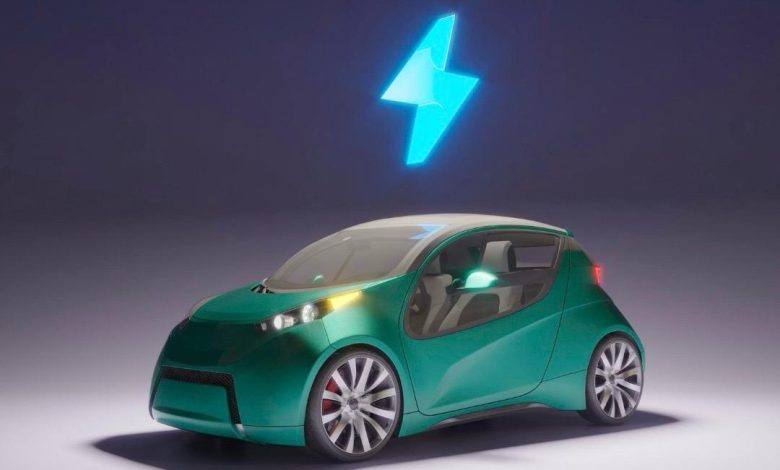
أحدثت التكنولوجيا تطورا كبيرا في عالم السيارات، أبرزها تطوير الس يارات الكهربائية كحل مستدام للمستقبل. تتميز هذه السيارات بكفاءة عالية، وانبعاثات منخفضة، وتكاليف تشغيل أقل. رغم ذلك، لا تزال تواجه تحديات، ومع الابتكار المستمر تساهم التكنولوجيا في تجاوز هذه العقبات وتوسيع الاعتماد على النقل الكهربائي .
أكد الأستاذ هاني هشام، مدير إحدي معارض السيارات الكهربائية بالقاهرة، أن معرضة يُعد من المعارض الرائدة في مجال السيارات الكهربائية في مصر، حيث اتخذ خطوة جريئة بافتتاح معرض متخصص بالكامل في السيارات الكهربائية. وأضاف: “خطوتنا جاءت من إيماننا بأن المستقبل في سيارتك، لأن البنزين في طريقه للنهاية”. وأضاف، أن السبب الثاني لاتخاذ هذه الخطوة هو الارتفاع الكبير في تكلفة البنزين، مما يجعل السيارات الكهربائية هي البديل القوي للسيارات التقليدية خلال الفترة القادمة .
ومن جانبه، أكد الأستاذ مجدي كيلاني، أحد مسؤولي المبيعات لإحدي معارض السيارات بالقاهرة، أن التوجه للسيارات الكهربائية لم يعد رفاهية، بل ضرورة تفرضها المعايير البيئية والاقتصادية الحديثة. وأضاف أن المعرض يسعى لتوفير موديلات متنوعة تناسب احتياجات السوق المصري، مع تقديم خدمات ما بعد البيع وتوفير الدعم الفني اللازم، في خطوة تهدف إلى بناء ثقة المستهلك وتشجيعه على التحول لهذا النوع من السيارات
مميزات سيارات الكهرباء :
أوضح هشام، أنه من أبرز مميزات السيارات الكهربائية أنها تعتمد على بطاريات ليثيوم مما يجعل عمرها الافتراضي طويلاً ، ويجعلها أيضاً خيارًا عمليًا واقتصاديًا على المدى البعيد. كما أن قطع غيارها متوفرة، وصيانتها محدودة مقارنة بالسيارات التقليدية، كما أنها تحافظ على البيئة المحيطة بها وتُعد صديقة للبيئة، بفضل خلوّها من الانبعاثات الضارة .
وهناك نظام تمتاز به سيارات الكهرباء ليست في السيارات العادية وهي قدرتها على قراءة إرشادات الطريق الموجودة عليه، والتعرف على اللوحات والإشارات المنتشرة في الشوارع، مما يعزز من أمان القيادة ويسهل على السائقين التنقل بذكاء وسهولة .
اتفق معه كيلاني، وأضاف أن السيارات الكهربائية تتميز بعدة مزايا تجعلها خيارًا أفضل للمستقبل، أولها نها لا تستهلك البنزين، مما يجعلها وسيلة موفرة بالمقارنة بالسيارات التقليدية المستهلكة للبنزين المستمر .
وتزوّد بعض من انواع سيارات الكهرباء المتقدمة في الطراز بأنظمة أمان ذكية، خاصة في السيارات ذاتية القيادة، فعلى سبيل المثال، إذا وجدت طفلا يقطع الطريق فجأة، تقوم السيارة تلقائيًا بتفعيل وضع منع التصادم والتوقف الفوري، مما يعزز من مستوى الامان على الطرق و علي المستخدم .
التحديات التي تواجه سيارات الكهرباء :
قال هشام، إن أولى التحديات التي تواجه انتشار السيارات الكهربائية تتعلق بالعقلية و التفكير، حيث لايزال كثير من الناس غير مقتنعين تمامًا بفكرة الاعتماد على هذا النوع من السيارات، ويشعرون بالتخوف من السير بسيارة تعمل فقط بالبطارية. هذا التخوف يُشكل عامل قلق لدى العديد من الأفراد، نتيجة لعدم الاطمئنان الكامل تجاه مدى أمان البطارية وكفاءتها، وهو ما يتطلب جهود أكبر لنشر الوعي وتوضيح مزايا هذه التكنولوجيا الجديدة .
بينما يري الكيلاني، ان هناك تحدي واضح يتمثل في غياب المراكز المعتمدة لصيانتها حتى الآن فبالرغم من انها لا تحتاج صيانه في اغلب الاوقات الا انه لا يمكن شراء سيارة بدون معرفه مراكز صيانتها وذلك ايضا هو نوع من تخوف الافراد لشرائها، وذلك يحدث بسبب ضعف البنية التحتية اللازمة لدعم هذا النوع من السيارات بالشكل الكافي .
وحول مدى تطور التكنولوجيا في مجال السيارات الكهربائية، يرى الأستاذ هشام، أن ما وصلت إليه هذه الصناعة يؤكد انها تمثل المستقبل الحقيقي لعالم السيارات، وان هذا التطور التكنولوجي يسهم في تعزيز ثقة المستهلك ويدعم توجه السوق نحو البدائل النظيفة والمستدامة .
ومن جانبه، أشار الكيلاني، إلي أن هذا التطور يمهد لتحول في قطاع النقل، خاصة على المدى البعيد. وأكد أن انتشار السيارات الكهربائية سيسهم بشكل كبير في تقليل نسبة التلوث الذي يتعرض له الهواء نتيجة الانبعاثات الناتجة عن وقود السيارات التقليدية .
تمثل السيارات الكهربائية مستقبل النقل الذكي والمستدام، وسط التطور التكنولوجي المتسارع والجهود المستمرة لتجاوز هذه التحديات وبناء ثقة المستهلك نحو بيئة أنظف وقيادة أكثر كفاءة .
زر الذهاب إلى الأعلى