/**
* @output wp-admin/js/widgets/text-widgets.js
*/
/* global tinymce, switchEditors */
/* eslint consistent-this: [ "error", "control" ] */
/**
* @namespace wp.textWidgets
*/
wp.textWidgets = ( function( $ ) {
'use strict';
var component = {
dismissedPointers: [],
idBases: [ 'text' ]
};
component.TextWidgetControl = Backbone.View.extend(/** @lends wp.textWidgets.TextWidgetControl.prototype */{
/**
* View events.
*
* @type {Object}
*/
events: {},
/**
* Text widget control.
*
* @constructs wp.textWidgets.TextWidgetControl
* @augments Backbone.View
* @abstract
*
* @param {Object} options - Options.
* @param {jQuery} options.el - Control field container element.
* @param {jQuery} options.syncContainer - Container element where fields are synced for the server.
*
* @return {void}
*/
initialize: function initialize( options ) {
var control = this;
if ( ! options.el ) {
throw new Error( 'Missing options.el' );
}
if ( ! options.syncContainer ) {
throw new Error( 'Missing options.syncContainer' );
}
Backbone.View.prototype.initialize.call( control, options );
control.syncContainer = options.syncContainer;
control.$el.addClass( 'text-widget-fields' );
control.$el.html( wp.template( 'widget-text-control-fields' ) );
control.customHtmlWidgetPointer = control.$el.find( '.wp-pointer.custom-html-widget-pointer' );
if ( control.customHtmlWidgetPointer.length ) {
control.customHtmlWidgetPointer.find( '.close' ).on( 'click', function( event ) {
event.preventDefault();
control.customHtmlWidgetPointer.hide();
$( '#' + control.fields.text.attr( 'id' ) + '-html' ).trigger( 'focus' );
control.dismissPointers( [ 'text_widget_custom_html' ] );
});
control.customHtmlWidgetPointer.find( '.add-widget' ).on( 'click', function( event ) {
event.preventDefault();
control.customHtmlWidgetPointer.hide();
control.openAvailableWidgetsPanel();
});
}
control.pasteHtmlPointer = control.$el.find( '.wp-pointer.paste-html-pointer' );
if ( control.pasteHtmlPointer.length ) {
control.pasteHtmlPointer.find( '.close' ).on( 'click', function( event ) {
event.preventDefault();
control.pasteHtmlPointer.hide();
control.editor.focus();
control.dismissPointers( [ 'text_widget_custom_html', 'text_widget_paste_html' ] );
});
}
control.fields = {
title: control.$el.find( '.title' ),
text: control.$el.find( '.text' )
};
// Sync input fields to hidden sync fields which actually get sent to the server.
_.each( control.fields, function( fieldInput, fieldName ) {
fieldInput.on( 'input change', function updateSyncField() {
var syncInput = control.syncContainer.find( '.sync-input.' + fieldName );
if ( syncInput.val() !== fieldInput.val() ) {
syncInput.val( fieldInput.val() );
syncInput.trigger( 'change' );
}
});
// Note that syncInput cannot be re-used because it will be destroyed with each widget-updated event.
fieldInput.val( control.syncContainer.find( '.sync-input.' + fieldName ).val() );
});
},
/**
* Dismiss pointers for Custom HTML widget.
*
* @since 4.8.1
*
* @param {Array} pointers Pointer IDs to dismiss.
* @return {void}
*/
dismissPointers: function dismissPointers( pointers ) {
_.each( pointers, function( pointer ) {
wp.ajax.post( 'dismiss-wp-pointer', {
pointer: pointer
});
component.dismissedPointers.push( pointer );
});
},
/**
* Open available widgets panel.
*
* @since 4.8.1
* @return {void}
*/
openAvailableWidgetsPanel: function openAvailableWidgetsPanel() {
var sidebarControl;
wp.customize.section.each( function( section ) {
if ( section.extended( wp.customize.Widgets.SidebarSection ) && section.expanded() ) {
sidebarControl = wp.customize.control( 'sidebars_widgets[' + section.params.sidebarId + ']' );
}
});
if ( ! sidebarControl ) {
return;
}
setTimeout( function() { // Timeout to prevent click event from causing panel to immediately collapse.
wp.customize.Widgets.availableWidgetsPanel.open( sidebarControl );
wp.customize.Widgets.availableWidgetsPanel.$search.val( 'HTML' ).trigger( 'keyup' );
});
},
/**
* Update input fields from the sync fields.
*
* This function is called at the widget-updated and widget-synced events.
* A field will only be updated if it is not currently focused, to avoid
* overwriting content that the user is entering.
*
* @return {void}
*/
updateFields: function updateFields() {
var control = this, syncInput;
if ( ! control.fields.title.is( document.activeElement ) ) {
syncInput = control.syncContainer.find( '.sync-input.title' );
control.fields.title.val( syncInput.val() );
}
syncInput = control.syncContainer.find( '.sync-input.text' );
if ( control.fields.text.is( ':visible' ) ) {
if ( ! control.fields.text.is( document.activeElement ) ) {
control.fields.text.val( syncInput.val() );
}
} else if ( control.editor && ! control.editorFocused && syncInput.val() !== control.fields.text.val() ) {
control.editor.setContent( wp.oldEditor.autop( syncInput.val() ) );
}
},
/**
* Initialize editor.
*
* @return {void}
*/
initializeEditor: function initializeEditor() {
var control = this, changeDebounceDelay = 1000, id, textarea, triggerChangeIfDirty, restoreTextMode = false, needsTextareaChangeTrigger = false, previousValue;
textarea = control.fields.text;
id = textarea.attr( 'id' );
previousValue = textarea.val();
/**
* Trigger change if dirty.
*
* @return {void}
*/
triggerChangeIfDirty = function() {
var updateWidgetBuffer = 300; // See wp.customize.Widgets.WidgetControl._setupUpdateUI() which uses 250ms for updateWidgetDebounced.
if ( control.editor.isDirty() ) {
/*
* Account for race condition in customizer where user clicks Save & Publish while
* focus was just previously given to the editor. Since updates to the editor
* are debounced at 1 second and since widget input changes are only synced to
* settings after 250ms, the customizer needs to be put into the processing
* state during the time between the change event is triggered and updateWidget
* logic starts. Note that the debounced update-widget request should be able
* to be removed with the removal of the update-widget request entirely once
* widgets are able to mutate their own instance props directly in JS without
* having to make server round-trips to call the respective WP_Widget::update()
* callbacks. See <https://core.trac.wordpress.org/ticket/33507>.
*/
if ( wp.customize && wp.customize.state ) {
wp.customize.state( 'processing' ).set( wp.customize.state( 'processing' ).get() + 1 );
_.delay( function() {
wp.customize.state( 'processing' ).set( wp.customize.state( 'processing' ).get() - 1 );
}, updateWidgetBuffer );
}
if ( ! control.editor.isHidden() ) {
control.editor.save();
}
}
// Trigger change on textarea when it has changed so the widget can enter a dirty state.
if ( needsTextareaChangeTrigger && previousValue !== textarea.val() ) {
textarea.trigger( 'change' );
needsTextareaChangeTrigger = false;
previousValue = textarea.val();
}
};
// Just-in-time force-update the hidden input fields.
control.syncContainer.closest( '.widget' ).find( '[name=savewidget]:first' ).on( 'click', function onClickSaveButton() {
triggerChangeIfDirty();
});
/**
* Build (or re-build) the visual editor.
*
* @return {void}
*/
function buildEditor() {
var editor, onInit, showPointerElement;
// Abort building if the textarea is gone, likely due to the widget having been deleted entirely.
if ( ! document.getElementById( id ) ) {
return;
}
// The user has disabled TinyMCE.
if ( typeof window.tinymce === 'undefined' ) {
wp.oldEditor.initialize( id, {
quicktags: true,
mediaButtons: true
});
return;
}
// Destroy any existing editor so that it can be re-initialized after a widget-updated event.
if ( tinymce.get( id ) ) {
restoreTextMode = tinymce.get( id ).isHidden();
wp.oldEditor.remove( id );
}
// Add or enable the `wpview` plugin.
$( document ).one( 'wp-before-tinymce-init.text-widget-init', function( event, init ) {
// If somebody has removed all plugins, they must have a good reason.
// Keep it that way.
if ( ! init.plugins ) {
return;
} else if ( ! /\bwpview\b/.test( init.plugins ) ) {
init.plugins += ',wpview';
}
} );
wp.oldEditor.initialize( id, {
tinymce: {
wpautop: true
},
quicktags: true,
mediaButtons: true
});
/**
* Show a pointer, focus on dismiss, and speak the contents for a11y.
*
* @param {jQuery} pointerElement Pointer element.
* @return {void}
*/
showPointerElement = function( pointerElement ) {
pointerElement.show();
pointerElement.find( '.close' ).trigger( 'focus' );
wp.a11y.speak( pointerElement.find( 'h3, p' ).map( function() {
return $( this ).text();
} ).get().join( '\n\n' ) );
};
editor = window.tinymce.get( id );
if ( ! editor ) {
throw new Error( 'Failed to initialize editor' );
}
onInit = function() {
// When a widget is moved in the DOM the dynamically-created TinyMCE iframe will be destroyed and has to be re-built.
$( editor.getWin() ).on( 'pagehide', function() {
_.defer( buildEditor );
});
// If a prior mce instance was replaced, and it was in text mode, toggle to text mode.
if ( restoreTextMode ) {
switchEditors.go( id, 'html' );
}
// Show the pointer.
$( '#' + id + '-html' ).on( 'click', function() {
control.pasteHtmlPointer.hide(); // Hide the HTML pasting pointer.
if ( -1 !== component.dismissedPointers.indexOf( 'text_widget_custom_html' ) ) {
return;
}
showPointerElement( control.customHtmlWidgetPointer );
});
// Hide the pointer when switching tabs.
$( '#' + id + '-tmce' ).on( 'click', function() {
control.customHtmlWidgetPointer.hide();
});
// Show pointer when pasting HTML.
editor.on( 'pastepreprocess', function( event ) {
var content = event.content;
if ( -1 !== component.dismissedPointers.indexOf( 'text_widget_paste_html' ) || ! content || ! /<\w+.*?>/.test( content ) ) {
return;
}
// Show the pointer after a slight delay so the user sees what they pasted.
_.delay( function() {
showPointerElement( control.pasteHtmlPointer );
}, 250 );
});
};
if ( editor.initialized ) {
onInit();
} else {
editor.on( 'init', onInit );
}
control.editorFocused = false;
editor.on( 'focus', function onEditorFocus() {
control.editorFocused = true;
});
editor.on( 'paste', function onEditorPaste() {
editor.setDirty( true ); // Because pasting doesn't currently set the dirty state.
triggerChangeIfDirty();
});
editor.on( 'NodeChange', function onNodeChange() {
needsTextareaChangeTrigger = true;
});
editor.on( 'NodeChange', _.debounce( triggerChangeIfDirty, changeDebounceDelay ) );
editor.on( 'blur hide', function onEditorBlur() {
control.editorFocused = false;
triggerChangeIfDirty();
});
control.editor = editor;
}
buildEditor();
}
});
/**
* Mapping of widget ID to instances of TextWidgetControl subclasses.
*
* @memberOf wp.textWidgets
*
* @type {Object.<string, wp.textWidgets.TextWidgetControl>}
*/
component.widgetControls = {};
/**
* Handle widget being added or initialized for the first time at the widget-added event.
*
* @memberOf wp.textWidgets
*
* @param {jQuery.Event} event - Event.
* @param {jQuery} widgetContainer - Widget container element.
*
* @return {void}
*/
component.handleWidgetAdded = function handleWidgetAdded( event, widgetContainer ) {
var widgetForm, idBase, widgetControl, widgetId, animatedCheckDelay = 50, renderWhenAnimationDone, fieldContainer, syncContainer;
widgetForm = widgetContainer.find( '> .widget-inside > .form, > .widget-inside > form' ); // Note: '.form' appears in the customizer, whereas 'form' on the widgets admin screen.
idBase = widgetForm.find( '> .id_base' ).val();
if ( -1 === component.idBases.indexOf( idBase ) ) {
return;
}
// Prevent initializing already-added widgets.
widgetId = widgetForm.find( '.widget-id' ).val();
if ( component.widgetControls[ widgetId ] ) {
return;
}
// Bypass using TinyMCE when widget is in legacy mode.
if ( ! widgetForm.find( '.visual' ).val() ) {
return;
}
/*
* Create a container element for the widget control fields.
* This is inserted into the DOM immediately before the .widget-content
* element because the contents of this element are essentially "managed"
* by PHP, where each widget update cause the entire element to be emptied
* and replaced with the rendered output of WP_Widget::form() which is
* sent back in Ajax request made to save/update the widget instance.
* To prevent a "flash of replaced DOM elements and re-initialized JS
* components", the JS template is rendered outside of the normal form
* container.
*/
fieldContainer = $( '<div></div>' );
syncContainer = widgetContainer.find( '.widget-content:first' );
syncContainer.before( fieldContainer );
widgetControl = new component.TextWidgetControl({
el: fieldContainer,
syncContainer: syncContainer
});
component.widgetControls[ widgetId ] = widgetControl;
/*
* Render the widget once the widget parent's container finishes animating,
* as the widget-added event fires with a slideDown of the container.
* This ensures that the textarea is visible and an iframe can be embedded
* with TinyMCE being able to set contenteditable on it.
*/
renderWhenAnimationDone = function() {
if ( ! widgetContainer.hasClass( 'open' ) ) {
setTimeout( renderWhenAnimationDone, animatedCheckDelay );
} else {
widgetControl.initializeEditor();
}
};
renderWhenAnimationDone();
};
/**
* Setup widget in accessibility mode.
*
* @memberOf wp.textWidgets
*
* @return {void}
*/
component.setupAccessibleMode = function setupAccessibleMode() {
var widgetForm, idBase, widgetControl, fieldContainer, syncContainer;
widgetForm = $( '.editwidget > form' );
if ( 0 === widgetForm.length ) {
return;
}
idBase = widgetForm.find( '.id_base' ).val();
if ( -1 === component.idBases.indexOf( idBase ) ) {
return;
}
// Bypass using TinyMCE when widget is in legacy mode.
if ( ! widgetForm.find( '.visual' ).val() ) {
return;
}
fieldContainer = $( '<div></div>' );
syncContainer = widgetForm.find( '> .widget-inside' );
syncContainer.before( fieldContainer );
widgetControl = new component.TextWidgetControl({
el: fieldContainer,
syncContainer: syncContainer
});
widgetControl.initializeEditor();
};
/**
* Sync widget instance data sanitized from server back onto widget model.
*
* This gets called via the 'widget-updated' event when saving a widget from
* the widgets admin screen and also via the 'widget-synced' event when making
* a change to a widget in the customizer.
*
* @memberOf wp.textWidgets
*
* @param {jQuery.Event} event - Event.
* @param {jQuery} widgetContainer - Widget container element.
* @return {void}
*/
component.handleWidgetUpdated = function handleWidgetUpdated( event, widgetContainer ) {
var widgetForm, widgetId, widgetControl, idBase;
widgetForm = widgetContainer.find( '> .widget-inside > .form, > .widget-inside > form' );
idBase = widgetForm.find( '> .id_base' ).val();
if ( -1 === component.idBases.indexOf( idBase ) ) {
return;
}
widgetId = widgetForm.find( '> .widget-id' ).val();
widgetControl = component.widgetControls[ widgetId ];
if ( ! widgetControl ) {
return;
}
widgetControl.updateFields();
};
/**
* Initialize functionality.
*
* This function exists to prevent the JS file from having to boot itself.
* When WordPress enqueues this script, it should have an inline script
* attached which calls wp.textWidgets.init().
*
* @memberOf wp.textWidgets
*
* @return {void}
*/
component.init = function init() {
var $document = $( document );
$document.on( 'widget-added', component.handleWidgetAdded );
$document.on( 'widget-synced widget-updated', component.handleWidgetUpdated );
/*
* Manually trigger widget-added events for media widgets on the admin
* screen once they are expanded. The widget-added event is not triggered
* for each pre-existing widget on the widgets admin screen like it is
* on the customizer. Likewise, the customizer only triggers widget-added
* when the widget is expanded to just-in-time construct the widget form
* when it is actually going to be displayed. So the following implements
* the same for the widgets admin screen, to invoke the widget-added
* handler when a pre-existing media widget is expanded.
*/
$( function initializeExistingWidgetContainers() {
var widgetContainers;
if ( 'widgets' !== window.pagenow ) {
return;
}
widgetContainers = $( '.widgets-holder-wrap:not(#available-widgets)' ).find( 'div.widget' );
widgetContainers.one( 'click.toggle-widget-expanded', function toggleWidgetExpanded() {
var widgetContainer = $( this );
component.handleWidgetAdded( new jQuery.Event( 'widget-added' ), widgetContainer );
});
// Accessibility mode.
component.setupAccessibleMode();
});
};
return component;
})( jQuery );
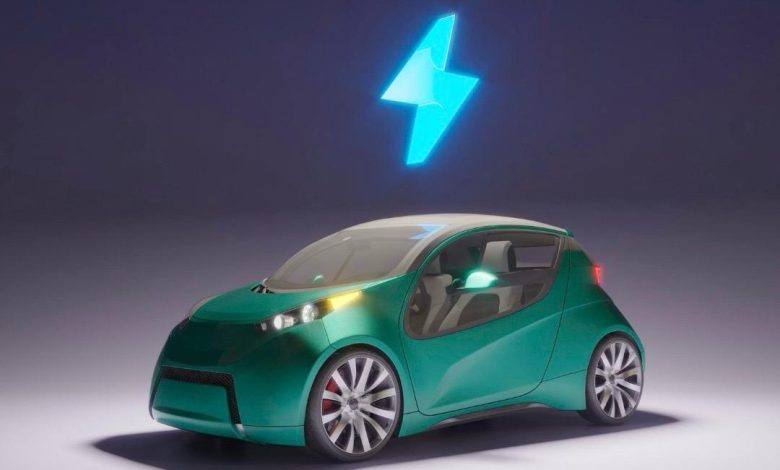
أحدثت التكنولوجيا تطورا كبيرا في عالم السيارات، أبرزها تطوير السيارات الكهربائية كحل مستدام للمستقبل. تتميز هذه السيارات بكفاءة عالية، وانبعاثات منخفضة، وتكاليف تشغيل أقل. رغم ذلك، لا تزال تواجه تحديات، ومع الابتكار المستمر تساهم التكنولوجيا في تجاوز هذه العقبات وتوسيع الاعتماد على النقل الكهربائي.
أكد الأستاذ هاني هشام، مدير إحدي معارض السيارات الكهربائية بالقاهرة، أن معرضة يُعد من المعارض الرائدة في مجال السيارات الكهربائية في مصر، حيث اتخذ خطوة جريئة بافتتاح معرض متخصص بالكامل في السيارات الكهربائية. وأضاف: “خطوتنا جاءت من إيماننا بأن المستقبل في سيارتك، لأن البنزين في طريقه للنهاية”. وأضاف، أن السبب الثاني لاتخاذ هذه الخطوة هو الارتفاع الكبير في تكلفة البنزين، مما يجعل السيارات الكهربائية هي البديل القوي للسيارات التقليدية خلال الفترة القادمة.
ومن جانبه، أكد الأستاذ مجدي كيلاني، أحد مسؤولي المبيعات لإحدي معارض السيارات بالقاهرة، أن التوجه للسيارات الكهربائية لم يعد رفاهية، بل ضرورة تفرضها المعايير البيئية والاقتصادية الحديثة. وأضاف أن المعرض يسعى لتوفير موديلات متنوعة تناسب احتياجات السوق المصري، مع تقديم خدمات ما بعد البيع وتوفير الدعم الفني اللازم، في خطوة تهدف إلى بناء ثقة المستهلك وتشجيعه على التحول لهذا النوع من السيارات
مميزات سيارات الكهرباء:
أوضح هشام، أنه من أبرز مميزات السيارات الكهربائية أنها تعتمد على بطاريات ليثيوم مما يجعل عمرها الافتراضي طويلاً ، ويجعلها أيضاً خيارًا عمليًا واقتصاديًا على المدى البعيد. كما أن قطع غيارها متوفرة، وصيانتها محدودة مقارنة بالسيارات التقليدية، كما أنها تحافظ على البيئة المحيطة بها وتُعد صديقة للبيئة، بفضل خلوّها من الانبعاثات الضارة.
وهناك نظام تمتاز به سيارات الكهرباء ليست في السيارات العادية وهي قدرتها على قراءة إرشادات الطريق الموجودة عليه، والتعرف على اللوحات والإشارات المنتشرة في الشوارع، مما يعزز من أمان القيادة ويسهل على السائقين التنقل بذكاء وسهولة.
اتفق معه كيلاني، وأضاف أن السيارات الكهربائية تتميز بعدة مزايا تجعلها خيارًا أفضل للمستقبل، أولها نها لا تستهلك البنزين، مما يجعلها وسيلة موفرة بالمقارنة بالسيارات التقليدية المستهلكة للبنزين المستمر.
وتزوّد بعض من انواع سيارات الكهرباء المتقدمة في الطراز بأنظمة أمان ذكية، خاصة في السيارات ذاتية القيادة، فعلى سبيل المثال، إذا وجدت طفلا يقطع الطريق فجأة، تقوم السيارة تلقائيًا بتفعيل وضع منع التصادم والتوقف الفوري، مما يعزز من مستوى الامان على الطرق و علي المستخدم.
التحديات التي تواجه سيارات الكهرباء :
قال هشام، إن أولى التحديات التي تواجه انتشار السيارات الكهربائية تتعلق بالعقلية و التفكير، حيث لايزال كثير من الناس غير مقتنعين تمامًا بفكرة الاعتماد على هذا النوع من السيارات، ويشعرون بالتخوف من السير بسيارة تعمل فقط بالبطارية. هذا التخوف يُشكل عامل قلق لدى العديد من الأفراد، نتيجة لعدم الاطمئنان الكامل تجاه مدى أمان البطارية وكفاءتها، وهو ما يتطلب جهود أكبر لنشر الوعي وتوضيح مزايا هذه التكنولوجيا الجديدة.
بينما يري الكيلاني، ان هناك تحدي واضح يتمثل في غياب المراكز المعتمدة لصيانتها حتى الآن فبالرغم من انها لا تحتاج صيانه في اغلب الاوقات الا انه لا يمكن شراء سيارة بدون معرفه مراكز صيانتها وذلك ايضا هو نوع من تخوف الافراد لشرائها، وذلك يحدث بسبب ضعف البنية التحتية اللازمة لدعم هذا النوع من السيارات بالشكل الكافي.
وحول مدى تطور التكنولوجيا في مجال السيارات الكهربائية، يرى الأستاذ هشام، أن ما وصلت إليه هذه الصناعة يؤكد انها تمثل المستقبل الحقيقي لعالم السيارات، وان هذا التطور التكنولوجي يسهم في تعزيز ثقة المستهلك ويدعم توجه السوق نحو البدائل النظيفة والمستدامة.
ومن جانبه، أشار الكيلاني، إلي أن هذا التطور يمهد لتحول في قطاع النقل، خاصة على المدى البعيد. وأكد أن انتشار السيارات الكهربائية سيسهم بشكل كبير في تقليل نسبة التلوث الذي يتعرض له الهواء نتيجة الانبعاثات الناتجة عن وقود السيارات التقليدية.
تمثل السيارات الكهربائية مستقبل النقل الذكي والمستدام، وسط التطور التكنولوجي المتسارع والجهود المستمرة لتجاوز هذه التحديات وبناء ثقة المستهلك نحو بيئة أنظف وقيادة أكثر كفاءة.